My Vegetable Garden Has Come a Long Way — These Design Ideas Are What Sparked It

You plan your vegetable garden with hope, but a few weeks later it feels wrong. Plants block each other, harvest stays small, and you wonder why all that effort isn’t paying off.
Most of the time, the problem isn’t your soil, seeds, or skills it’s the design. When a garden isn’t planned around space, sunlight, and access, even good plants struggle.
In this article, you’ll find 28 Vegetable Garden Design ideas that actually work for modern homes in 2026.
How Do You Design a Small Vegetable Garden That Produces More?
If your garden is small, every inch has a job to do. You start by measuring your space so you stop guessing. Then you grow up instead of out tall crops go where they won’t block light.
When you group plants with similar water and sunlight needs, nothing struggles. Spacing matters more than variety, because crowded plants compete and produce less.
Once you plan paths and reach areas first, maintenance becomes easier, and healthy plants always give you more harvest from the same space.
Save this article for later! 👇👇

What Is the Ideal Vegetable Garden Design for Limited Sunlight?
When sunlight is limited, placement matters more than plant choice. You start by finding the few hours of direct sun you actually get, not what you think you get.
Then you place beds where light hits longest and keep tall plants out of the way. Leafy greens and herbs go where sun is weaker because they don’t need much.
If you design around light instead of fighting it, your garden stays productive even without full-day sun.
Layered Harvest
I design this layout when I want more food without expanding space. I place tall vegetables where they won’t steal light, then stack medium and low growers beneath them.
This way, sunlight gets used at every level instead of hitting bare soil. I plan harvest times so one crop finishes as another fills in.
When plants grow in layers instead of rows, the garden stays productive longer and wasted space disappears almost instantly.

Path First
Before planting anything, I decide where I’ll walk. I’ve learned that ignoring paths always leads to crushed plants and frustration.
I map clear walkways first, then build beds around them so nothing is hard to reach. Easy access means I water, prune, and harvest more often.
When movement feels natural inside the garden, maintenance becomes simple, and healthier plants follow because I’m not avoiding tight or awkward areas.

Edge Focused
Instead of treating borders as leftovers, I turn edges into productive zones. I grow herbs, compact vegetables, or trailing plants along the sides where space usually gets ignored.
This keeps the center open while still increasing yield. Edges also make watering and harvesting easier since everything stays visible.
Once borders start working for you instead of against you, the whole garden feels fuller without ever feeling crowded.

Vertical Back
I build this design when sunlight is limited or space runs short. Tall crops stay at the back so shorter plants don’t struggle.
I use simple supports to guide growth upward instead of outward. Vertical growth frees ground space and improves airflow, which reduces disease.
When the tallest plants behave instead of spreading everywhere, the garden looks cleaner and produces better results with far less effort.

Reach Easy
Comfort decides how often I care for a garden, so I design beds I can reach without stepping inside. I keep widths narrow and heights comfortable for bending less.
When every plant is within arm’s reach, I notice problems early and fix them fast. Watering feels easier, harvesting feels lighter, and I never damage roots by walking on soil.
Reach-friendly beds quietly improve yield because attention stays consistent instead of becoming a chore over time for better long-term results overall.
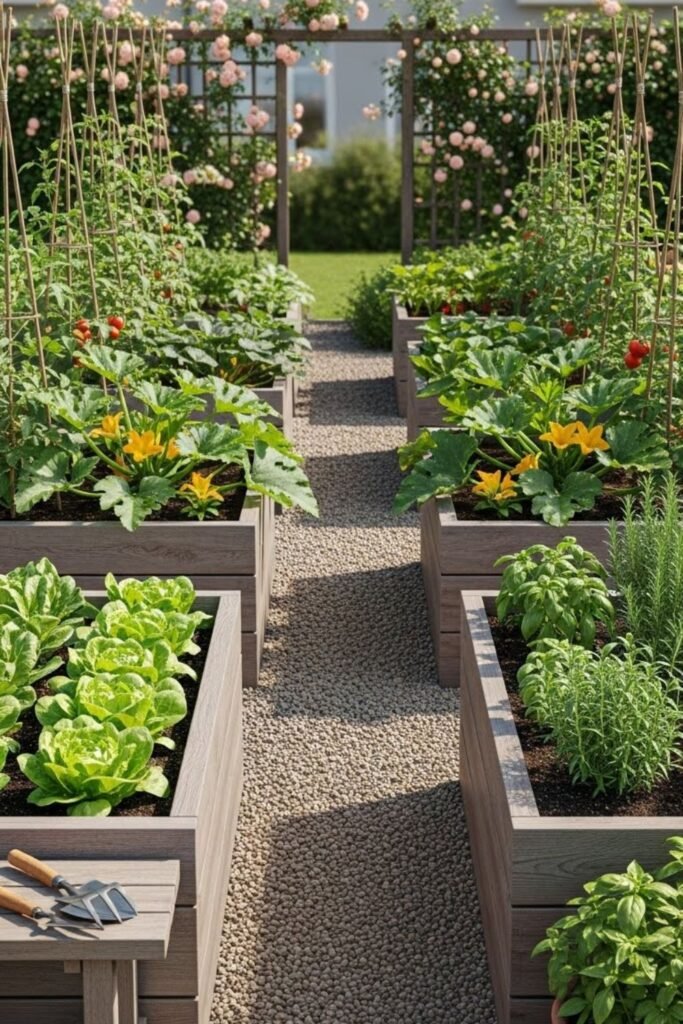
Seasonal Swap
Planning for change helps me avoid empty beds halfway through the season. I design spaces knowing one crop will replace another as weeks pass.
Fast growers come out early, slower crops move in later. This keeps soil active and harvests steady. When planting follows a schedule instead of impulse, the garden never looks tired.
Seasonal swapping also reduces pests because the same plants don’t sit in one place long enough to build resilience and improve balance naturally over time consistently.

Mixed Height
Balance matters more than symmetry when I mix plant heights on purpose. Short crops get sun, medium ones fill gaps, and tall growers anchor the layout.
This arrangement controls shade instead of letting it happen randomly. Airflow improves, disease drops, and harvesting feels organized.
A garden with intentional height layers grows calmer and produces more without feeling crowded while supporting steady growth and long-term plant health across seasons naturally together.

Minimal Water
Water efficiency becomes my priority when time or resources are limited. I group vegetables by similar moisture needs so nothing gets overwatered.
Mulch stays thick to slow evaporation and protect soil. Beds are shaped to hold moisture instead of letting it run off. When water stays where roots need it, plants stay strong.
This design saves effort, lowers stress during hot weeks, and keeps harvests reliable even in dry climates with minimal daily attention from you year-round consistently overall long-term.

Morning Sun
Early light matters more than people think, so I design this layout to catch sun before shadows move in.
I place beds where morning rays hit first because plants photosynthesize best early in the day. Heat stress stays lower, and leaves dry faster, which reduces disease.
This design works especially well in tight spaces where afternoon sun disappears quickly behind buildings or trees, yet productivity still stays surprisingly strong.

Narrow Space
Working with slim areas forced me to rethink traditional layouts. I run beds lengthwise and keep everything linear to avoid wasted corners.
Crops grow in focused rows with clear access from one side. This setup keeps movement simple and prevents overcrowding. When space feels restrictive, structure creates freedom.
Narrow designs prove that width doesn’t control harvest planning does. With smart spacing and vertical support, even the thinnest garden can supply consistent vegetables throughout the season.
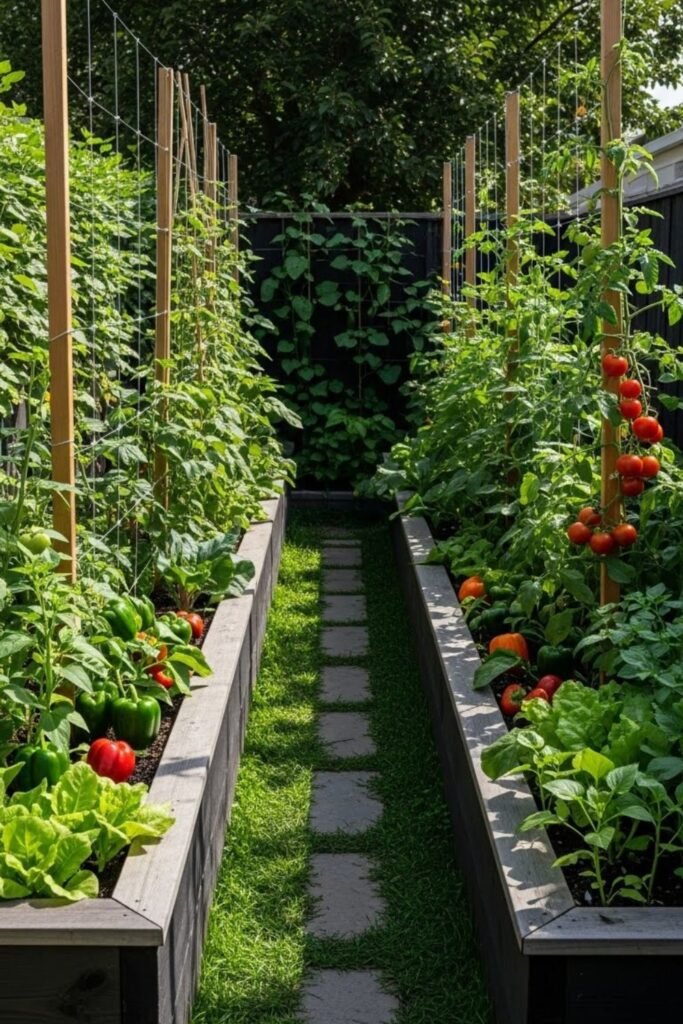
Hands Off
Low-maintenance gardening starts with smart design, not neglect. I choose crops that grow well together and avoid constant attention.
Beds stay mulched, spacing allows airflow, and watering follows a simple routine. This layout reduces daily tasks while keeping plants healthy.
Hands-off design works best for busy schedules because fewer interventions still lead to steady harvests without sacrificing quality or long-term soil health at all.
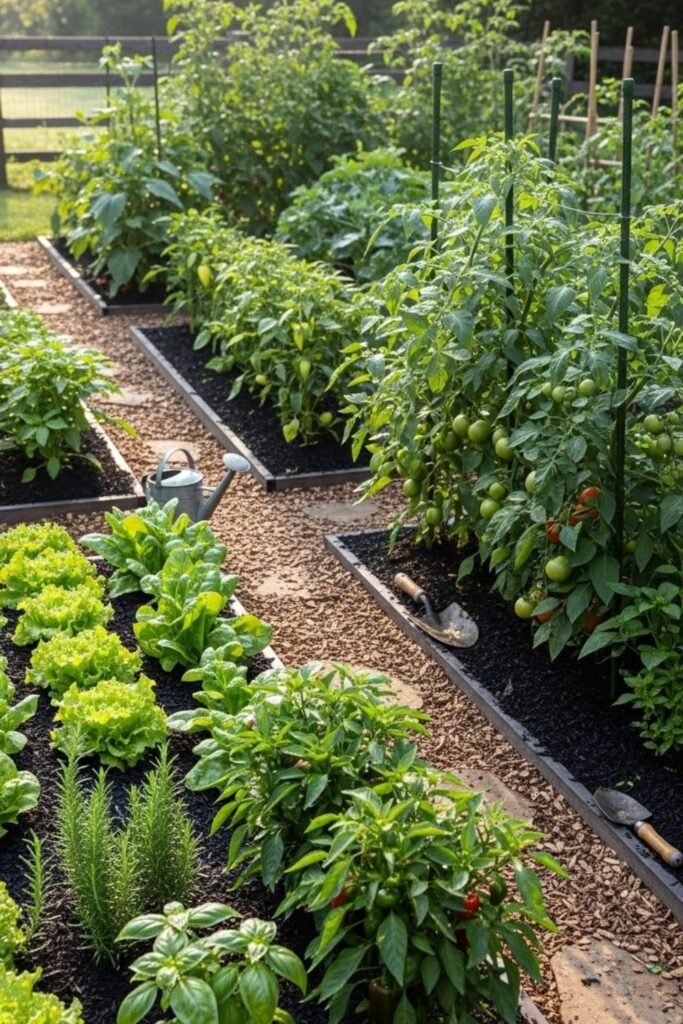
Family Friendly
Gardening becomes easier when everyone can participate. I design beds at comfortable heights and keep sharp tools away from main paths.
Clear sections help children learn without damaging plants. Easy access encourages regular harvesting, which keeps vegetables producing.
Family-friendly designs grow more than food they build habits, consistency, and shared responsibility while keeping the space productive and safe for every age involved.

High Yield
Leafy crops reward smart planning faster than anything else, so I design beds around quick harvests. I pack greens closer than fruiting plants while protecting airflow.
Succession planting keeps new leaves coming as older ones get cut. Shade tolerance lets me use imperfect light spots. Regular harvesting prevents bolting and encourages regrowth.
When greens dominate the plan, meals stay fresh, soil stays active, garden produces continuously without waiting months, result for supports steady nutrition through changing seasons.

Container Cluster
Containers give control when ground space fails, so I group them with intention. Each pot serves a purpose instead of sitting randomly. Tall containers go back, shallow ones forward.
And watering stays efficient. Grouping reduces wasted movement and simplifies feeding. When containers work as a system, roots stay healthier and yields increase.
Save this post for later ❤️
This design fits patios, balconies, and rentals while keeping flexibility high when conditions or seasons change without permanent commitment.
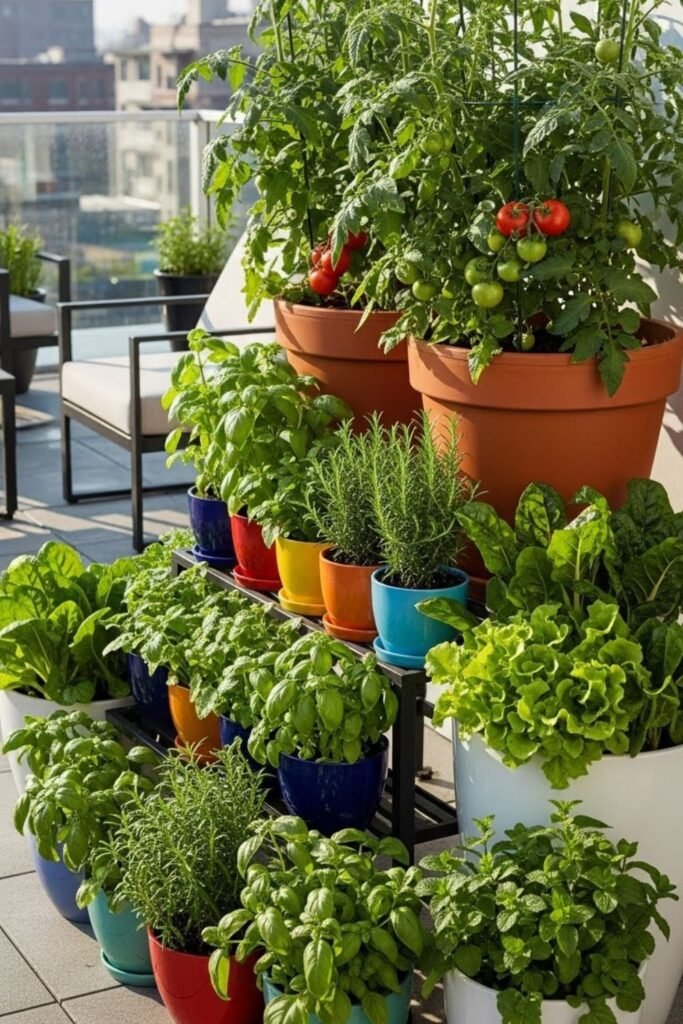
Corner Space
Unused corners hide potential if you plan them correctly. I turn awkward angles into focused growing zones with compact crops. Curved paths or triangular beds help plants fit naturally.
Corners often trap warmth, which benefits certain vegetables. By designing specifically for tight angles, nothing feels wasted. A strong corner layout balances the entire garden.
And makes irregular spaces feel intentional instead of forgotten while improving access, airflow, harvest flow, and visual order overall for small home gardens everywhere today now.

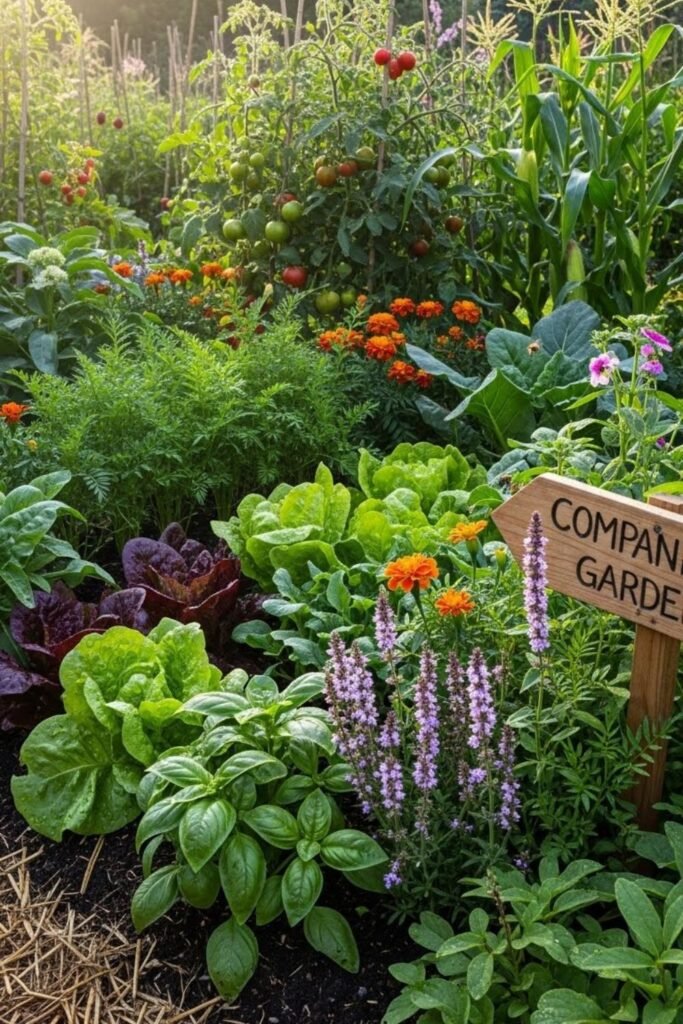
Companion Zone
Plant relationships guide this layout more than appearance ever could. I organize beds by how vegetables support each other. Heavy feeders sit near helpers, pests get confused, and soil stress.
Similar needs simplify care routines. When companions share space intentionally, problems reduce naturally. This design rewards observation and adjustment, turning the garden into friendly system.
Instead of isolated plants competing for survival over time, improving resilience, harvest consistency, and gardener confidence season after season through mindful planning daily.
No Dig
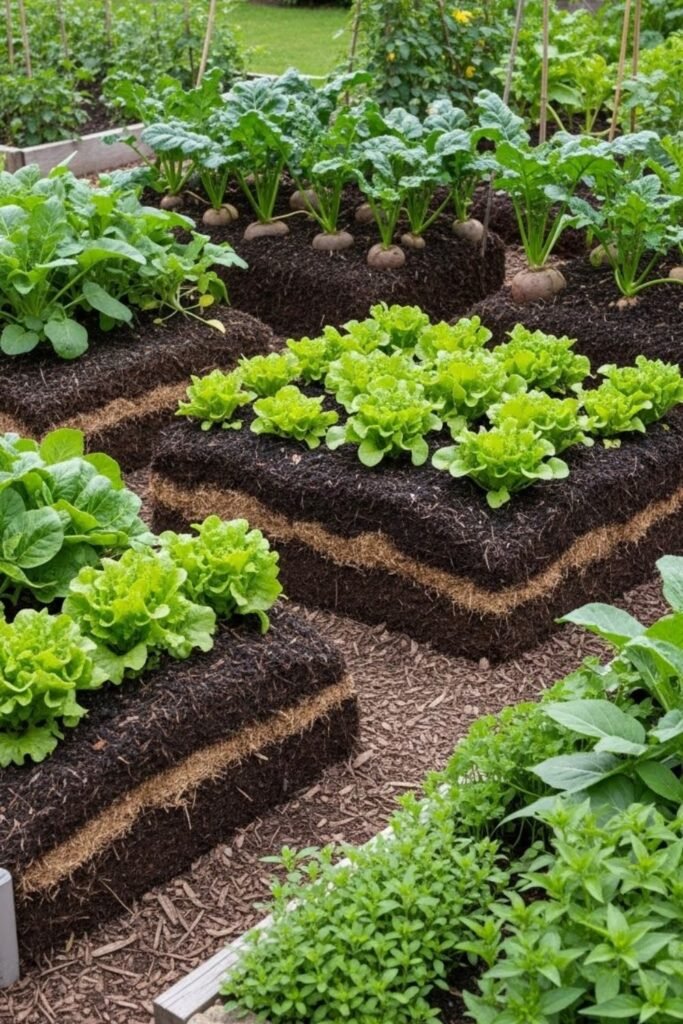
Switching to no-dig changed how my garden behaves from the ground up. Instead of turning soil, I layer compost and organic matter on top and let nature do the work.
Roots grow deeper, worms stay active, and moisture holds longer. Beds stay loose without effort. This design saves time and protects soil structure season after season.
When soil life stays undisturbed, plants grow stronger, weeds reduce naturally, and productivity improves without constant labor or heavy tools.
Visual Balance
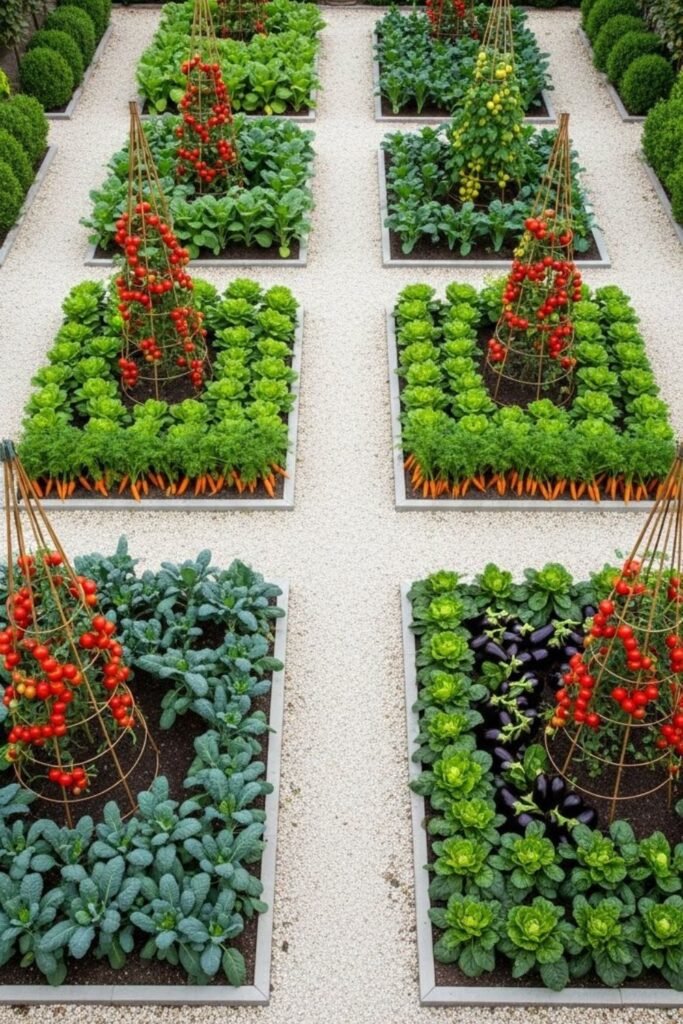
Order brings calm to a vegetable garden, so I design with balance in mind. Crops get arranged to avoid clutter and visual chaos.
Repeating shapes, consistent bed sizes, and clear spacing make the garden easier to manage. When everything feels organized, I notice problems sooner and fix them faster.
Visual balance doesn’t reduce yield it improves it by keeping the layout readable. A calm-looking garden encourages regular care and steady harvests without feeling overwhelming.
Budget Friendly
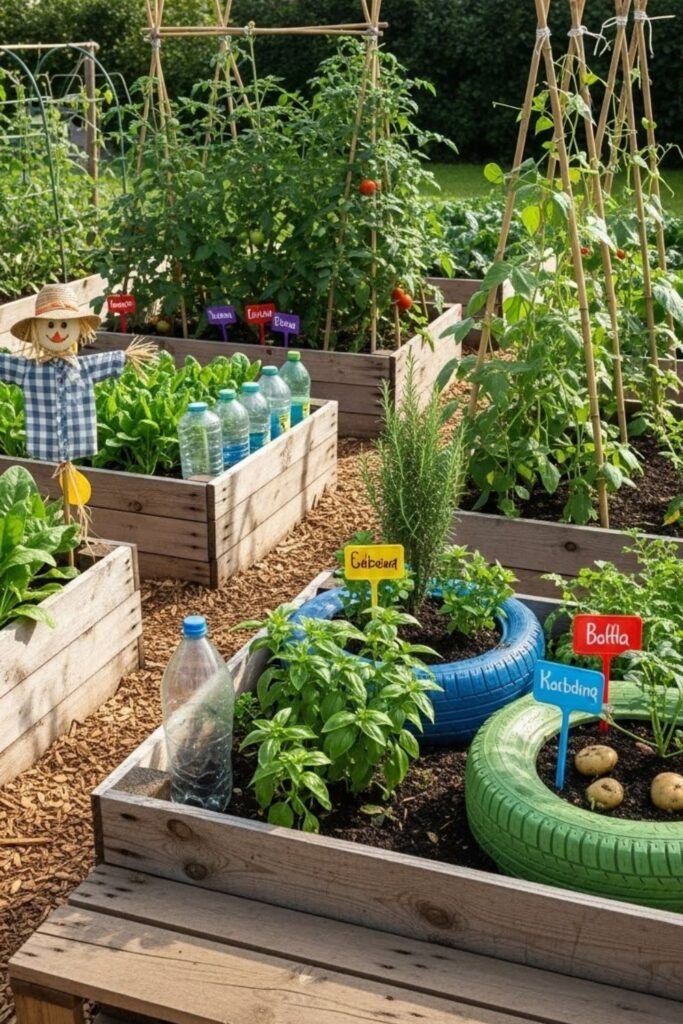
Spending less doesn’t mean growing less when design choices stay smart. I reuse materials, limit bed sizes, and focus on crops that give repeat harvests.
Simple layouts reduce soil costs and watering needs. When the garden works efficiently, money stops leaking into unnecessary supplies.
This approach helps beginners start confidently while still producing real food without financial pressure or wasted resources during early learning seasons.
Beginner Confidence
Confidence grows when the garden setup removes confusion. I design layouts that make mistakes less likely and success easier to see.
Clear sections, simple crop groups, and predictable routines keep everything manageable. When results come early, motivation stays high. This design supports learning without overwhelm.
A beginner-focused layout builds trust between gardener and space, turning early wins into long term habits while keeping the experience enjoyable.
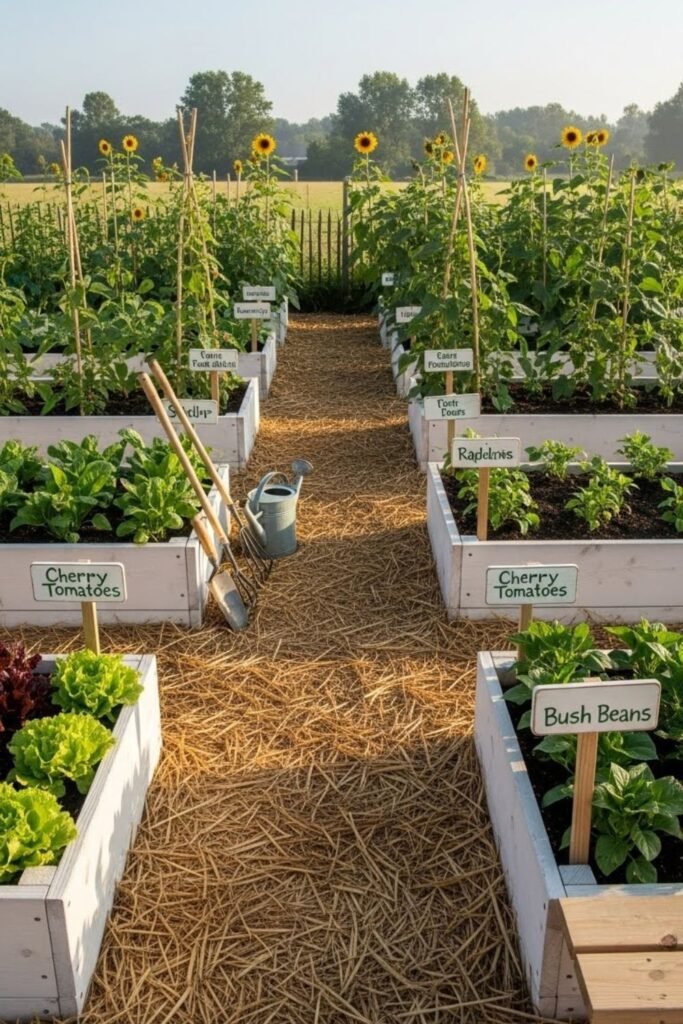
Shade Smart
Limited sunlight forced me to stop guessing and start planning. I design this layout by tracking shade patterns and placing crops where light actually stays longest.
Leafy vegetables take priority, while fruiting plants move to brighter pockets. Reflective surfaces help bounce light where possible.
When shade gets respected instead of fought, plants grow steadily. This design proves that low sun doesn’t mean low harvest, it just means smarter placement and realistic expectations from start.
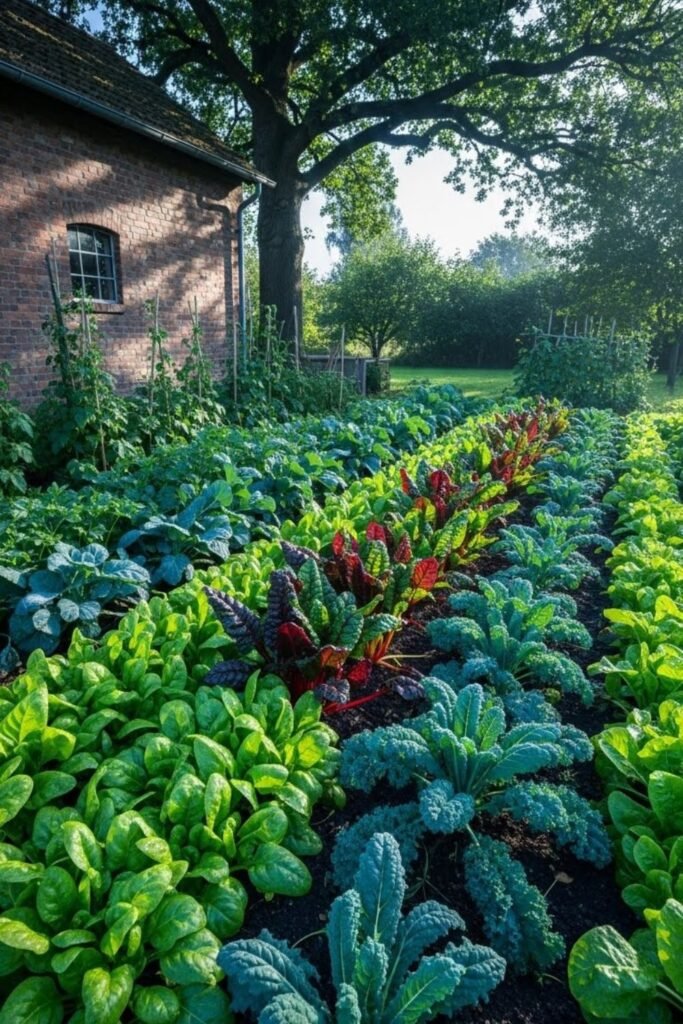
Weekly Harvest
Consistent harvests come from timing, not luck. I plan beds so something is ready almost every week. Fast growers fill gaps while slower crops mature quietly.
This keeps the garden active and prevents overwhelm during peak season. When harvesting spreads out, plants stay productive longer.
A steady rhythm also helps soil recover naturally between cuttings, supporting healthier regrowth and balanced nutrient use.

Backyard Efficient
Limited backyard space pushed me to design with intention. I measure everything and avoid oversized beds that waste soil and effort.
Compact layouts allow better control over water, pests, and nutrients. Every section serves a purpose instead of looking decorative only. Efficiency here means less walking and stronger results.
When the backyard garden stays tight and focused, maintenance becomes lighter and yields improve because attention stays where it matters most every single day.

Portable Setup
Flexibility matters when conditions change, so I design gardens that move with me. Containers, grow bags, and modular beds make adjustments easy.
Sunlight shifts, weather changes, and plants respond better when I can relocate them. Portable setups prevent permanent mistakes and support experimentation.
This design works well for renters or uncertain spaces. When movement stays possible, the garden adapts instead of failing, and learning becomes faster with fewer long-term consequences.
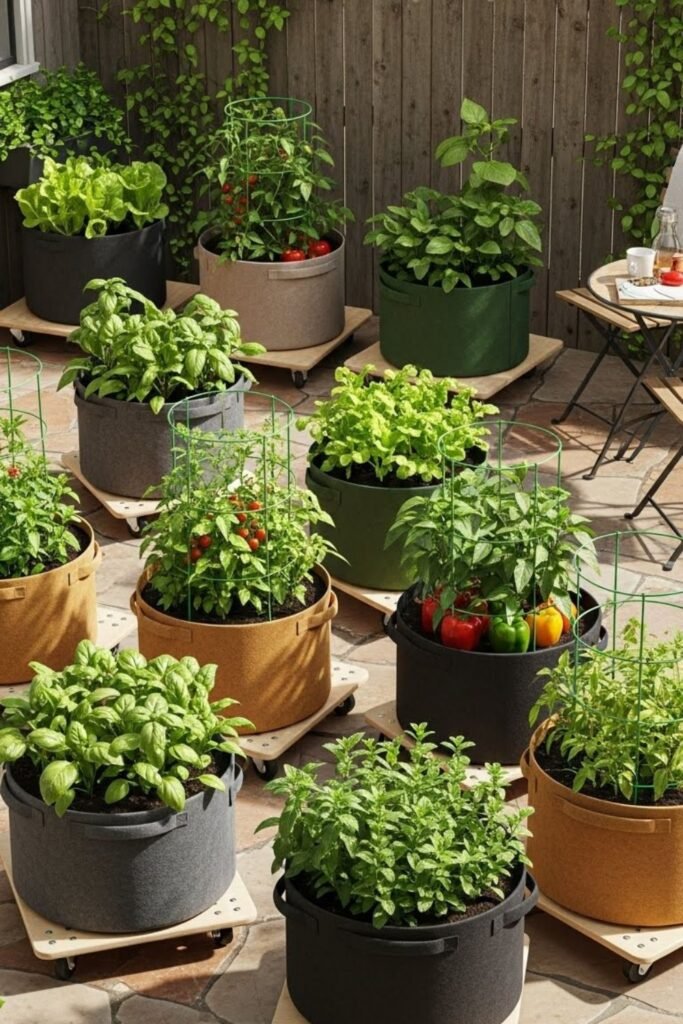
Soil Saving
Protecting soil became my priority after seeing yields drop over time. I design beds so crops rotate naturally without exhausting nutrients. Heavy feeders follow light feeders.
And roots vary in depth each season. Organic matter stays in place instead of being stripped away. When soil gets a break, plants respond with stronger growth.
A soil-saving design keeps fertility stable, reduces disease buildup, and makes every season easier than the last without relying on constant amendments or expensive fixes.
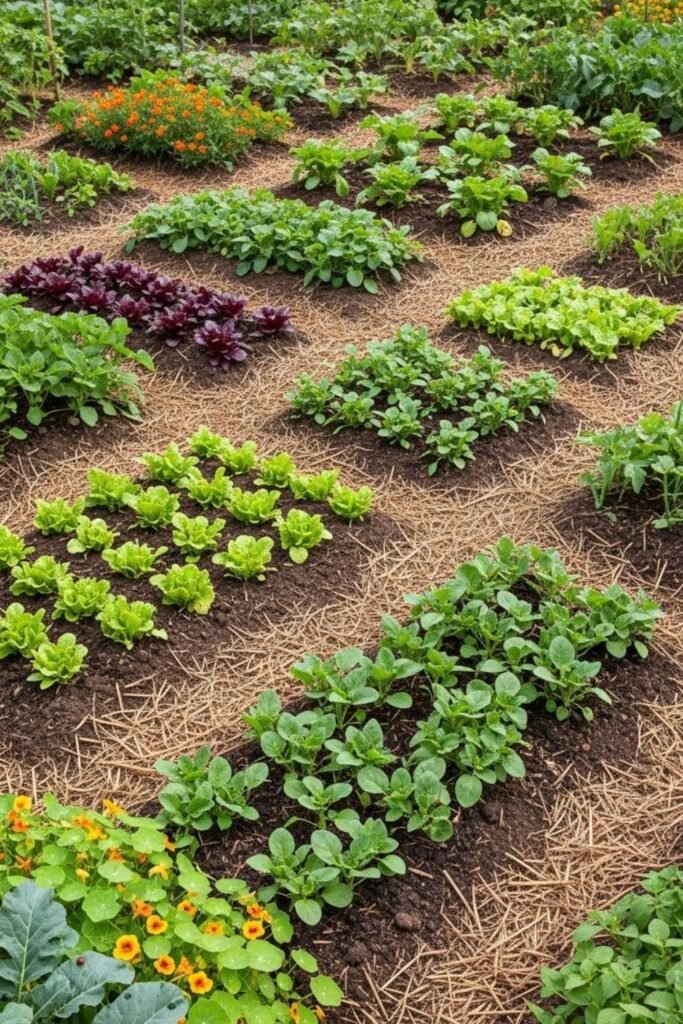
Clean Line
Straight edges changed how my garden feels and functions. I align beds, paths, and planting rows so nothing feels scattered. Clear lines help me spot weeds early and manage spacing better.
Maintenance becomes faster because everything has a place. When layout stays clean, decisions stay simple. A clean-line design doesn’t chase decoration it creates order.
Order reduces stress, saves time, and keeps the garden productive without constant adjustments or second-guessing throughout the growing season.
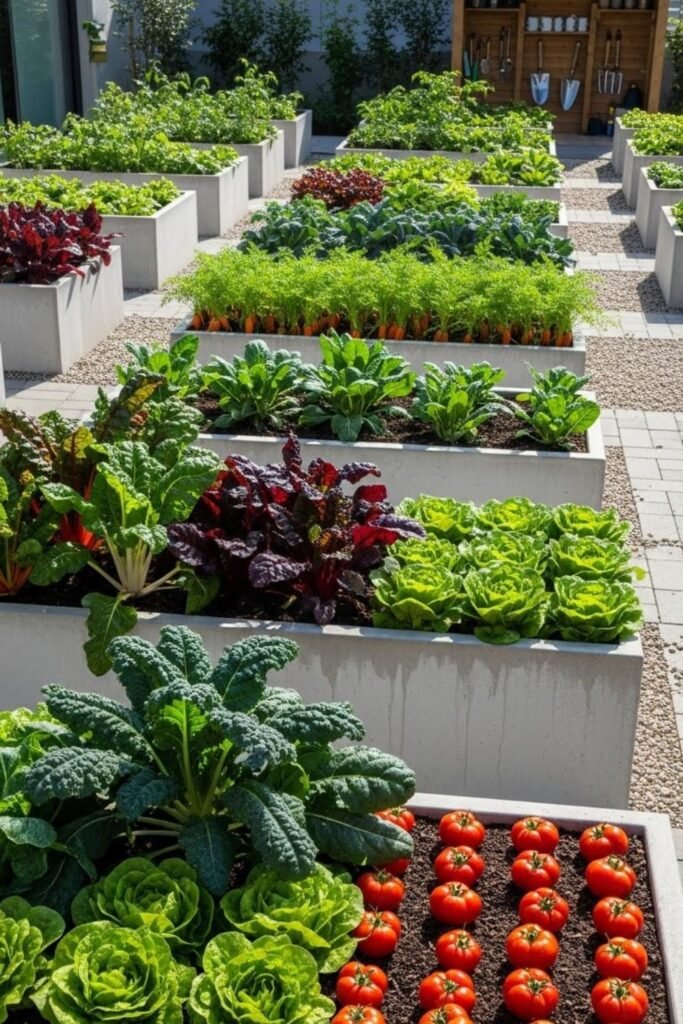
Time Saver
Busy days forced me to design for speed, not perfection. I place frequently harvested crops closest and slow growers farther away. Watering routes stay short, and tools stay nearby.
Less walking means more consistency. When time gets limited, this layout keeps the garden alive instead of neglected.
A time-saver design proves that even short visits can maintain productivity when everything is placed to support quick care, fast harvesting, and fewer repeated steps every single day.

Rotation Ready
Planning rotation upfront prevents problems before they start. I design sections knowing what will grow there next season. Crops move logically instead of randomly.
This reduces pests, balances nutrients, and keeps soil healthy without guesswork. When rotation is built into the layout, future planning becomes effortless.
A rotation-ready garden stays productive year after year because decisions are already made, mistakes repeat less often, and the garden keeps improving instead of declining over time.
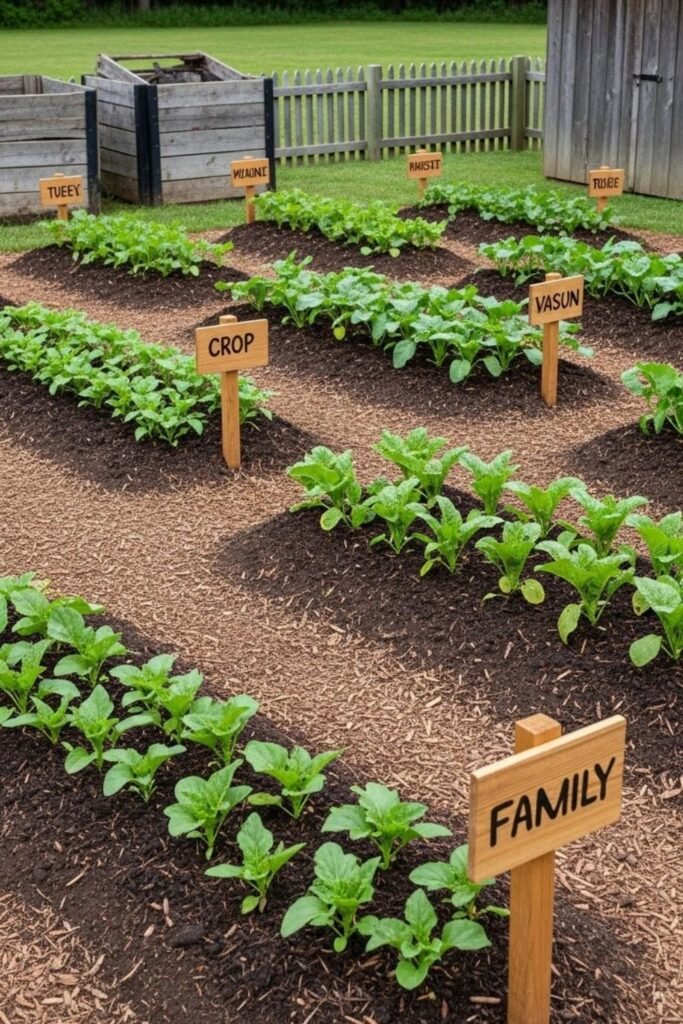
FAQs
Can I design a vegetable garden without drawing a full plan first?
Yes, but results are usually weaker. When you skip planning, plants end up blocking light, paths get crowded, and maintenance becomes harder.
A simple sketch even on paper helps you decide spacing, sunlight direction, and access before mistakes happen.
Planning doesn’t have to be perfect it just needs to stop guesswork. A few minutes of layout thinking often saves an entire season of frustration.
Why does my vegetable garden look full but produce very little?
This usually happens because plants are competing instead of growing together. Overcrowding reduces airflow, limits sunlight, and stresses roots, even if everything looks green.
When spacing, height, and water needs aren’t planned, plants survive but don’t thrive.
Once the layout supports each plant’s needs, harvest size improves quickly without changing soil or adding more fertilizer.
I’ve spent over four decades building a marriage, raising a family, and learning what truly matters along the way. I write about relationships, home, and navigating life’s later seasons with grace, honesty, and a little humor. My goal is to share the kind of steady, real-life wisdom that helps you feel grounded, encouraged, and a little less alone.