I Never Thought I’d Be an Indoor Water Garden Person (Until I Saw These Ideas)

You love the idea of an indoor water garden, but when you actually try it, things go wrong fast. The water turns green, the plants rot, or the whole setup starts smelling off.
Maybe you’ve seen beautiful water bowls online and thought, why doesn’t mine look like that. The problem isn’t your home or your skills it’s missing the basics no one explains.
I’m sharing 28 practical Indoor Water Garden Ideas to help you create a better indoor space in 2026.
Why Are Indoor Water Gardens Becoming Popular for Modern Homes?
Homes today feel busy, loud, and crowded with screens. That’s why people want something that slows the space down. An indoor water garden does exactly that.
When you add water and plants indoors, the room feels calmer right away. You also don’t need a backyard or gardening skills to make it work.
If you live in an apartment, work from home, or just want a peaceful corner, this setup fits easily.
Once you see how little space and effort it takes, it makes sense why more people are choosing water gardens over traditional houseplants.
Save this article for later! 👇👇
How Do You Prevent Algae Growth in Indoor Water Gardens?
Algae shows up when water gets too much light and not enough balance. If you place your water garden in direct sunlight, algae grows fast.
Move it to bright but indirect light and the problem drops immediately. Plants also matter. When you add the right mix of plants, they use up nutrients algae feeds on.
Stagnant water causes smell and buildup, so gentle movement helps. Even a small pump or occasional water change keeps things clear.
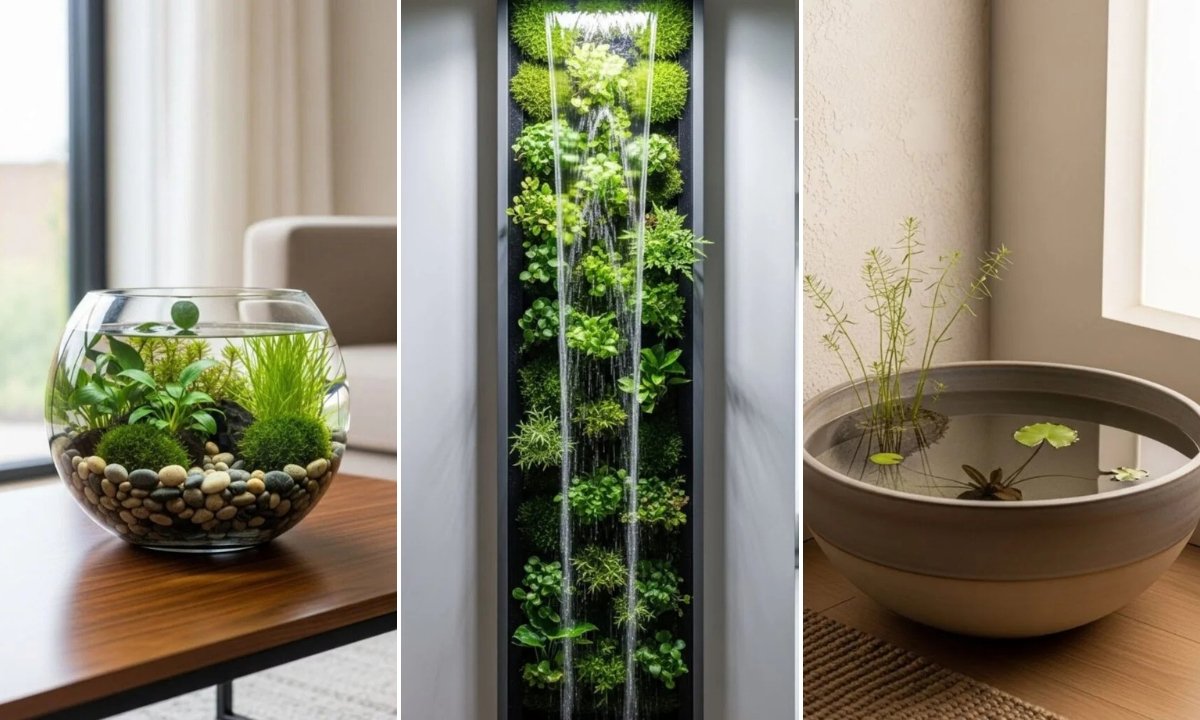
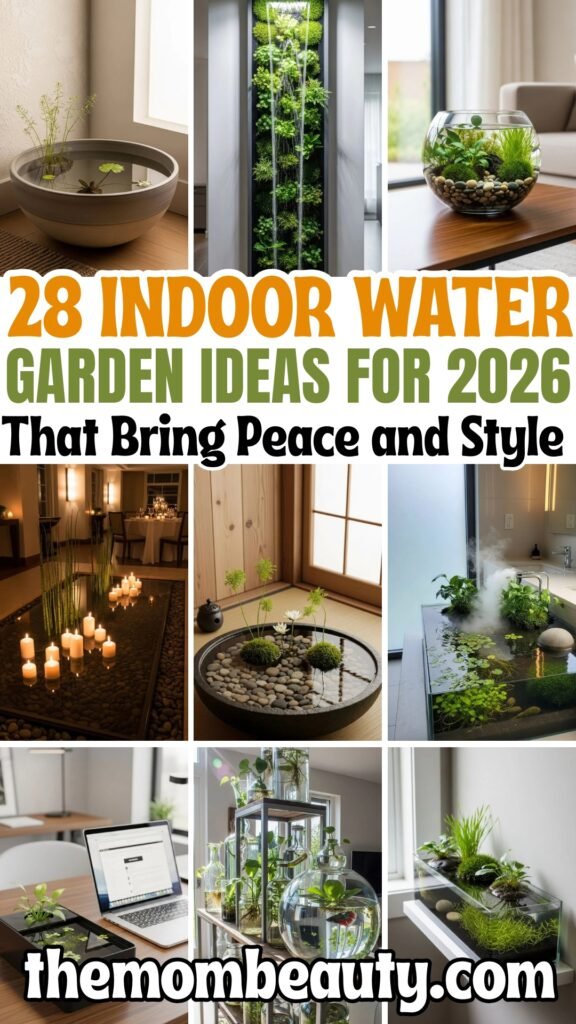
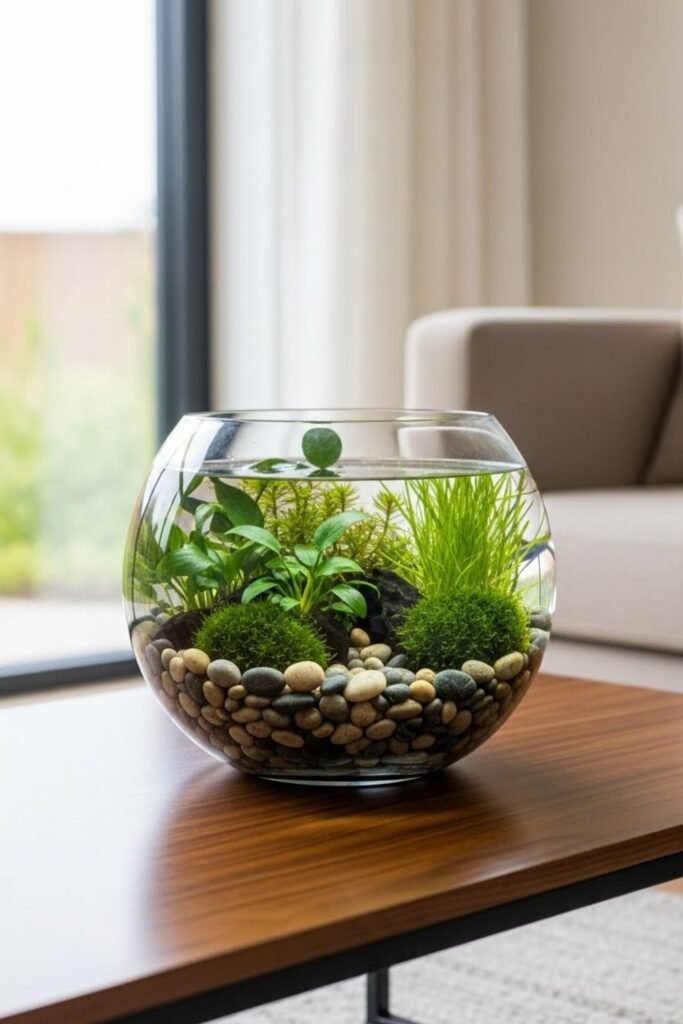
Glass Bowl
I always suggest starting with a clear glass bowl because it forces you to keep things simple. When you can see the water, you notice problems early and fix them fast.
I place this setup on a coffee table where indirect light hits it most of the day. Smooth stones at the bottom keep plants steady and stop debris from floating around.
If you want a low-effort water garden that still feels intentional, this option works without taking over the room.
Wall Panel
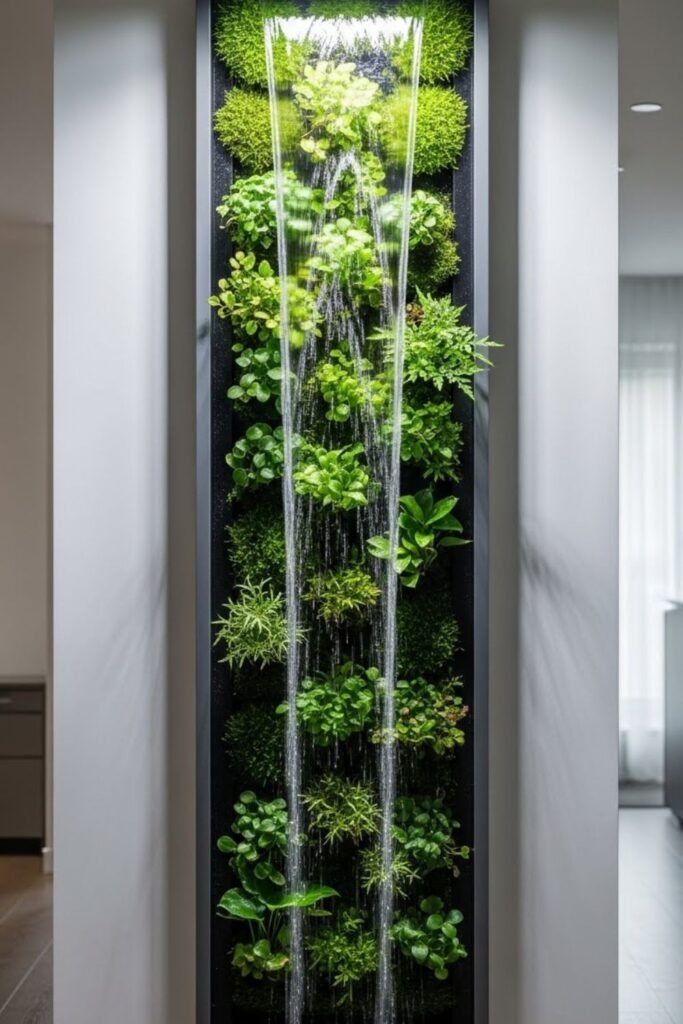
Mounting a water garden on the wall changes how the whole room feels, and I’ve seen it surprise people the most. I like this idea for small homes where floor space already feels tight.
When water flows vertically, it adds movement without clutter. I keep plants minimal here because balance matters more than volume.
If you want something that feels modern and calming at the same time, going vertical keeps the design clean and practical.
Ceramic Calm
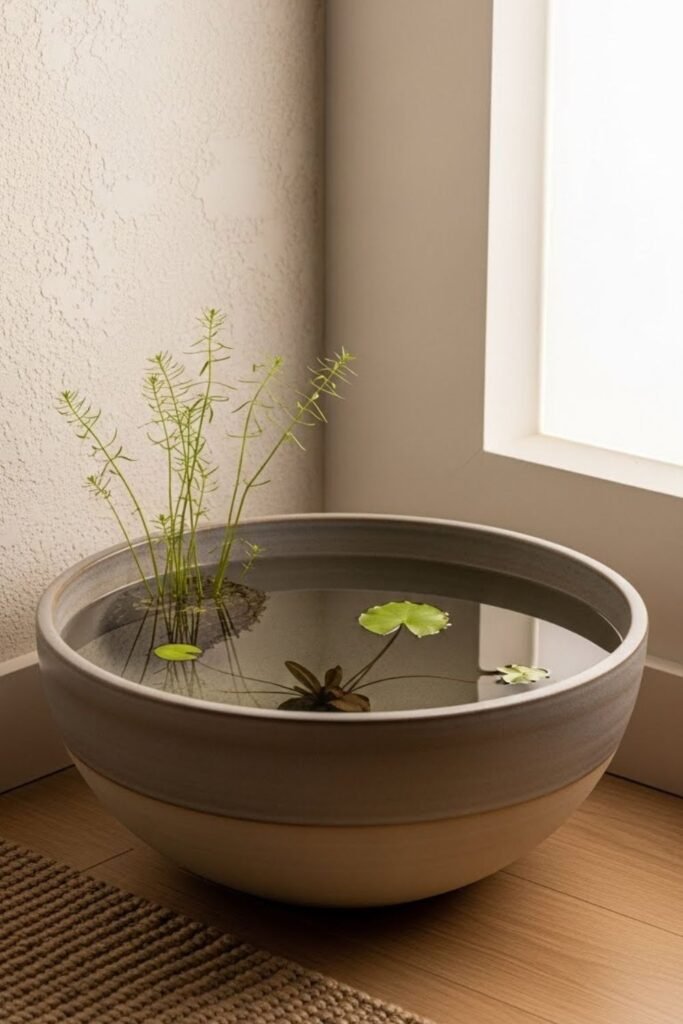
Using a ceramic bowl softens the look right away, especially in rooms filled with hard surfaces. I choose matte finishes because they hide water marks better and feel more natural.
This setup works best near reading chairs or quiet corners where you sit often. When the container feels grounded, the water stays visually calm too.
If your goal is relaxation instead of decoration, ceramic helps slow everything down without demanding constant attention.
Candle Float
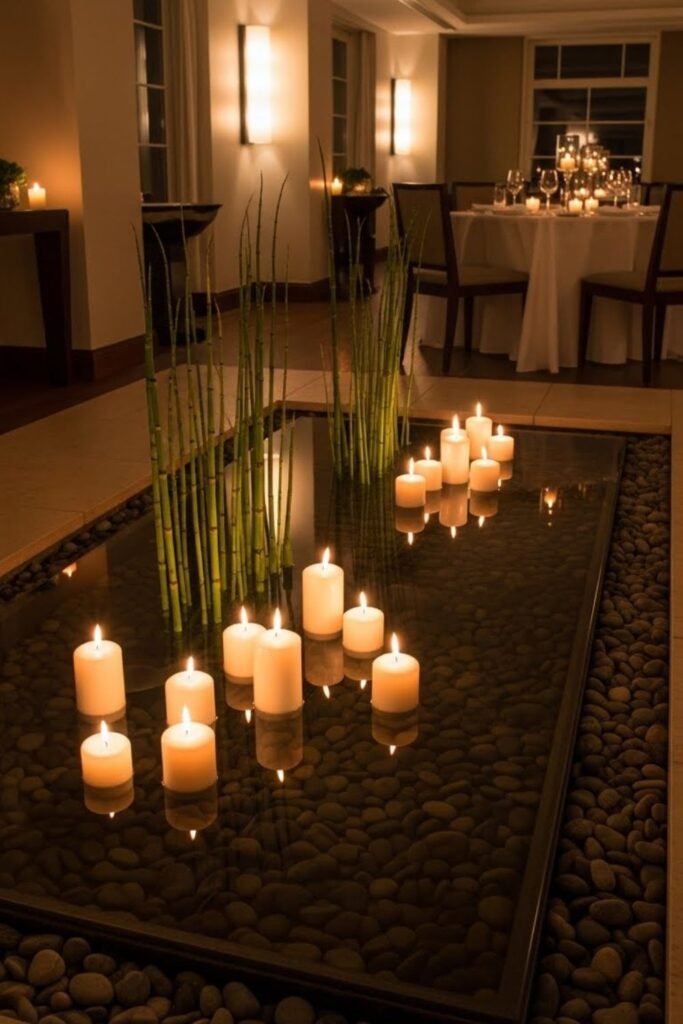
Floating candles change how water behaves at night, and I love this idea for evenings. I only use this setup when the water stays still and shallow.
Soft light reflects on the surface and makes the space feel warmer instantly. Plants stay minimal so nothing crowds the candles. .
If you want a water garden that works as mood lighting, this idea fits dinners, quiet nights, or short moments of calm after a long day.
Zen Corner
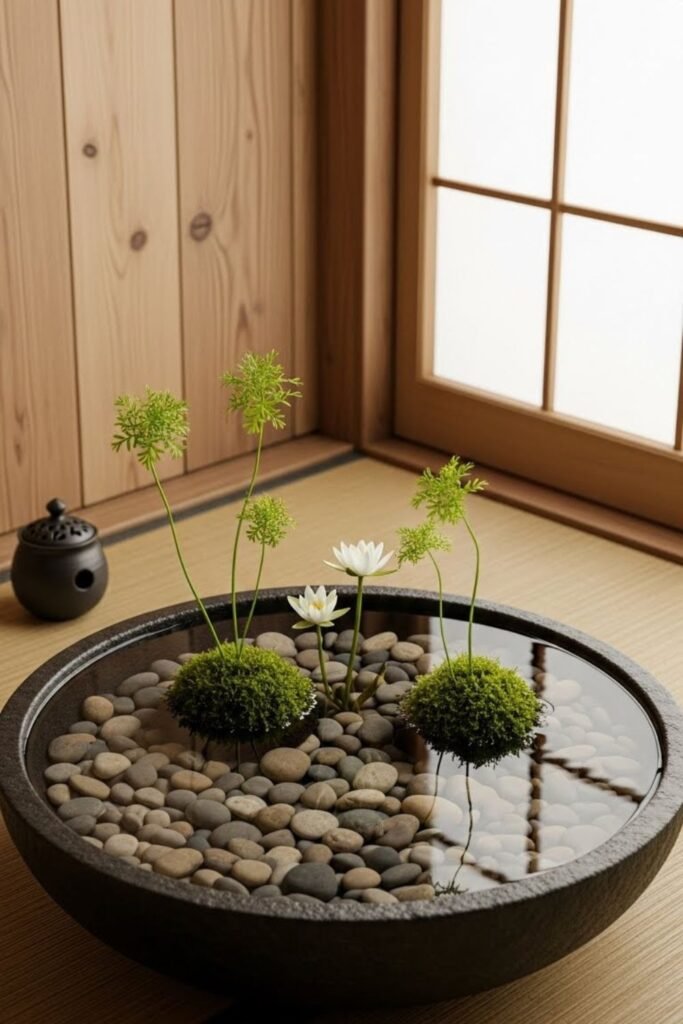
I usually place this setup where noise already feels low, because water amplifies calm more than sound. A shallow container, a few smooth stones.
And one or two plants work best here. I avoid pumps and let the water stay still so the space feels grounded.
If you want a spot for breathing, journaling, or quiet tea breaks, this kind of water garden gives your mind a clear pause without demanding daily attention.
Sink Style
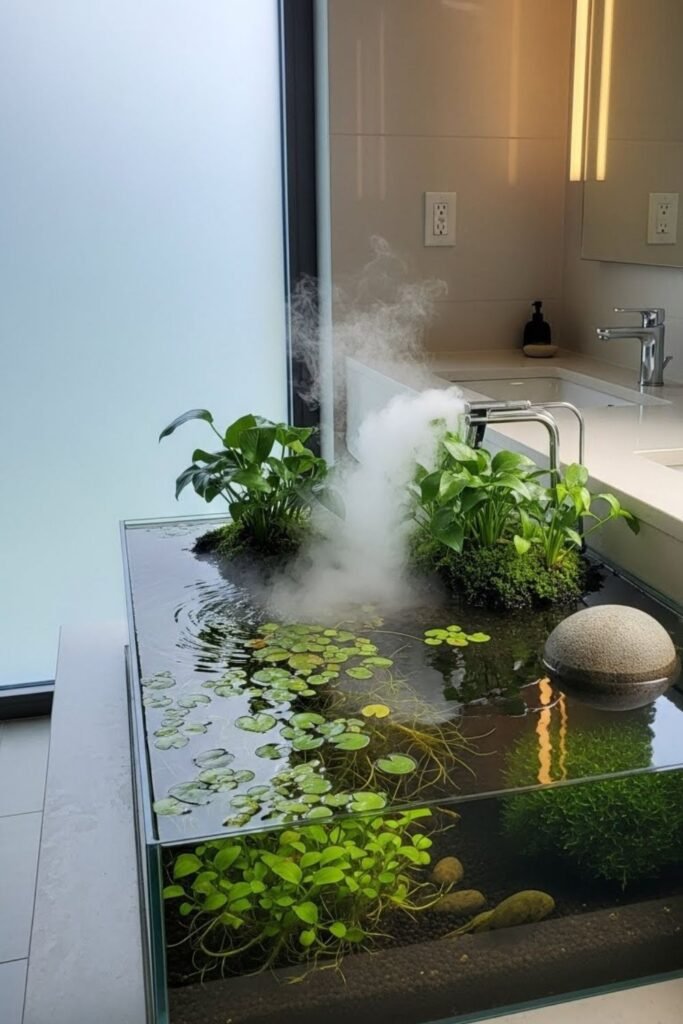
I like this idea for bathrooms because humidity already supports water-loving plants. A wide, shallow basin sits safely on a counter and blends naturally with the space.
I keep plant choices simple so cleaning stays easy. If you want something fresh without adding clutter, this setup works well near natural light.
Water gardens here feel practical instead of decorative, which makes them easier to maintain long term.
Pebble Base
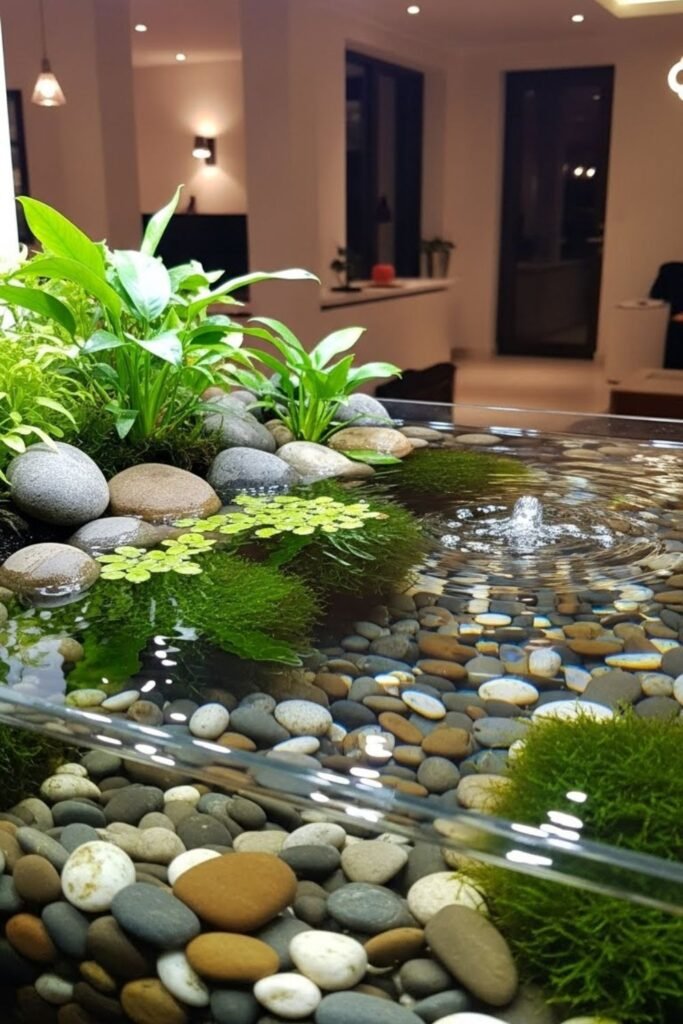
Starting with natural pebbles changes how clean the water looks from day one. I rinse stones first, then layer them to trap debris before it floats.
This setup helps keep water clearer with less effort. If you want your water garden to look stable and intentional, pebbles do that visually and functionally.
I use this idea in family spaces where maintenance needs to stay simple and predictable.
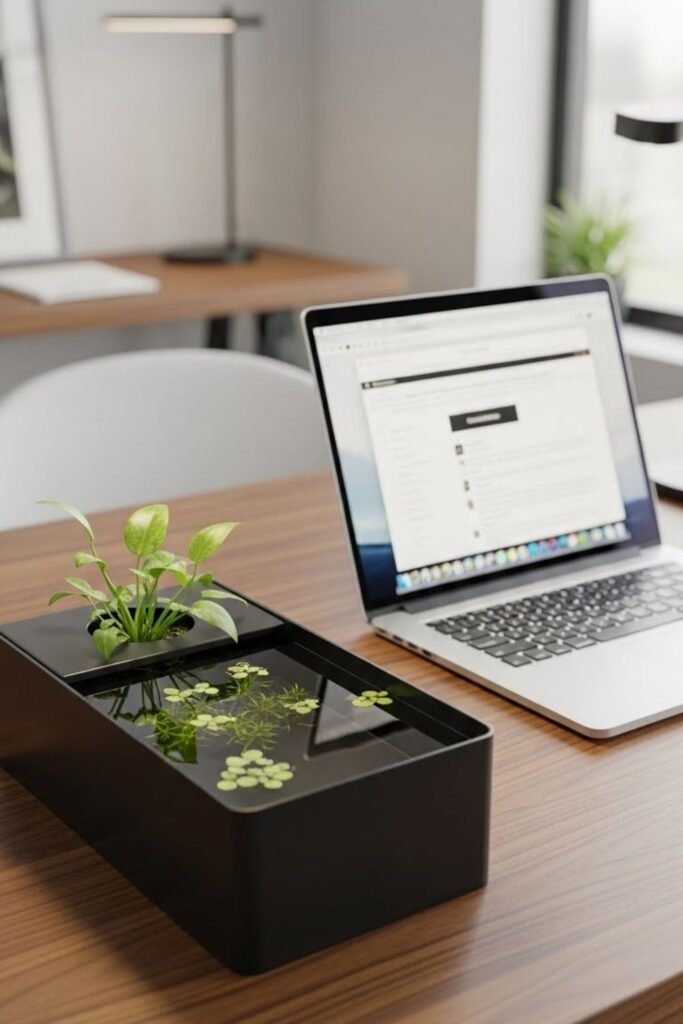
Desk Mini
I use this setup when I want calm without distraction during work hours. A small container fits beside a laptop without stealing attention.
I skip flowing water and keep plant growth controlled. When stress builds, even a quick glance helps reset focus.
If you work from home or study long hours, this kind of water garden adds calm while staying out of the way.
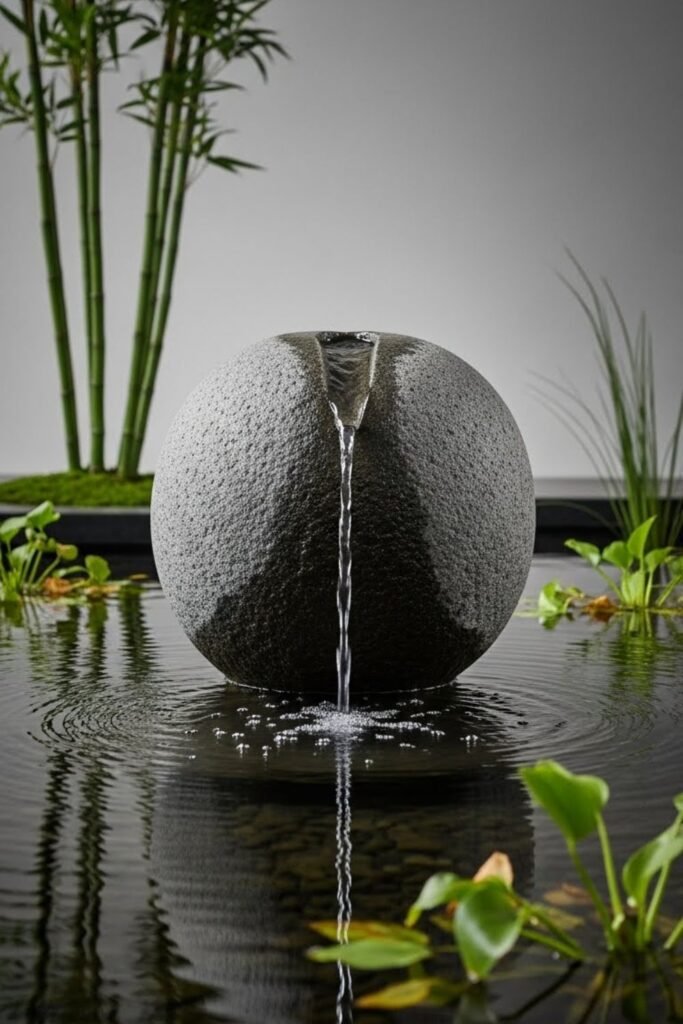
Drip Stone
I like this setup when I want movement without noise taking over the room. A single stone placed slightly above the water lets drops fall slowly and evenly.
I control the flow so splashing never happens. If you want gentle motion that feels natural, this idea works well.
The key is patience with setup, because once the drip rate feels right, the water stays fresh and calming with very little effort.
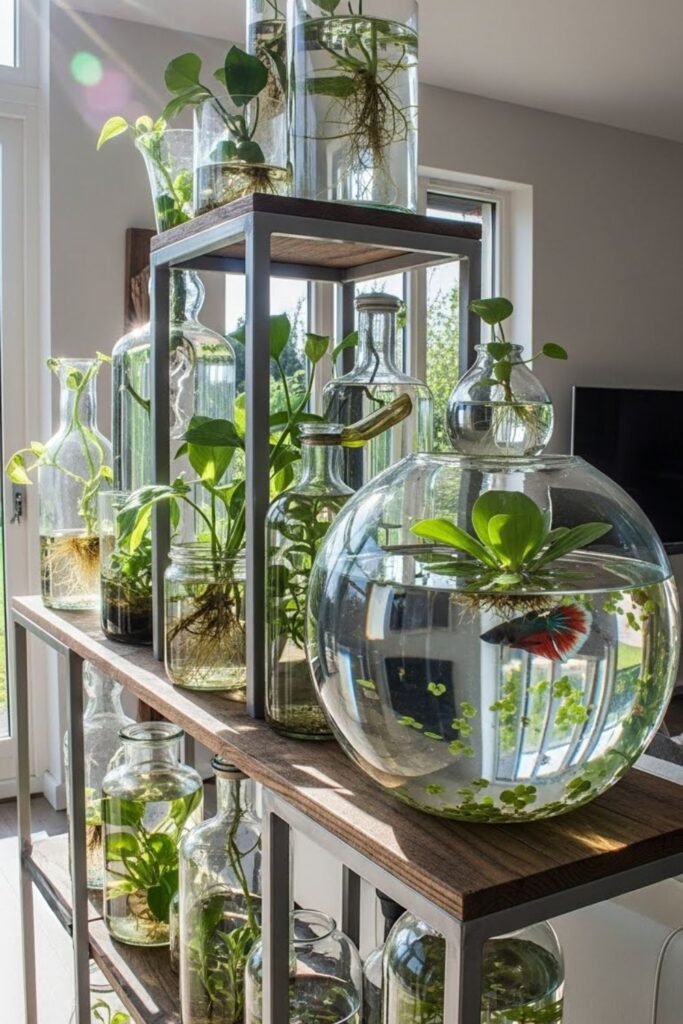
Recycled Glass
I reach for recycled glass containers when I want character instead of perfection. Different shapes bend light in unexpected ways and make water feel alive.
I keep plants small so the container stays the focus. If you enjoy mixing sustainability with design, this idea fits easily.
Each piece feels personal, and you can change the setup anytime without buying anything new or expensive.
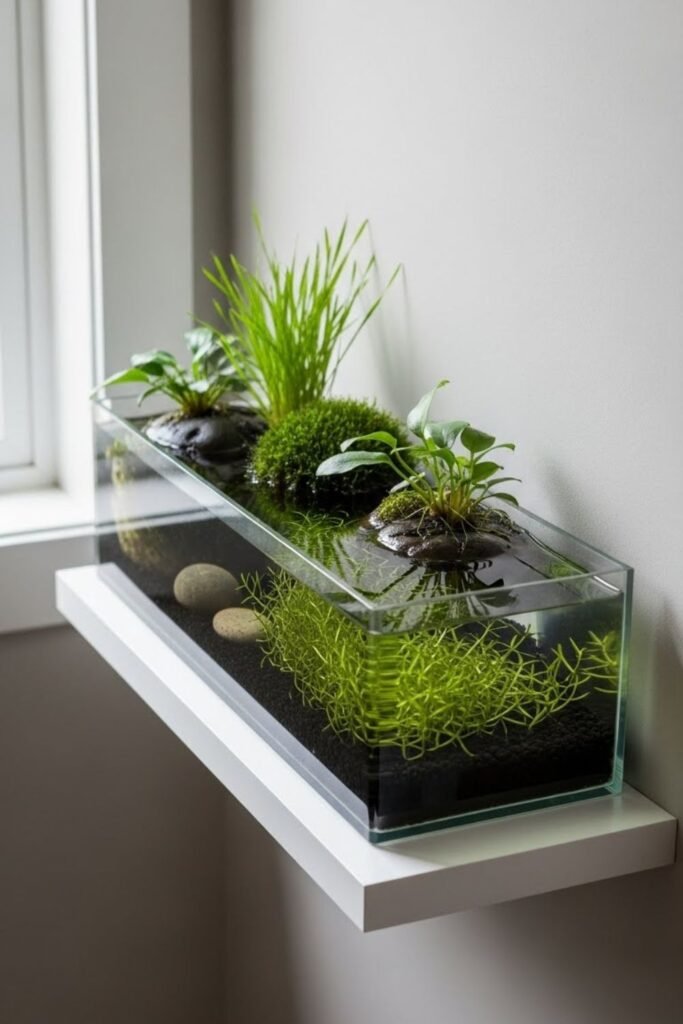
Shelf Garden
I use this idea when floor and table space already feel crowded. A narrow container sits securely on a shelf where indirect light reaches it daily.
I avoid tall plants so nothing blocks the view. If you want a water garden that blends into existing decor.
Instead of demanding attention, shelves make that possible while keeping maintenance easy.
Layered Water
I build this setup using containers with subtle height changes to guide water movement. Each level slows the flow before it reaches the bottom.
I keep plants placed at different depths to balance nutrients naturally. If you enjoy structure and control, this idea feels satisfying.
The water stays clearer longer because nothing rushes, and every element works together instead of competing.
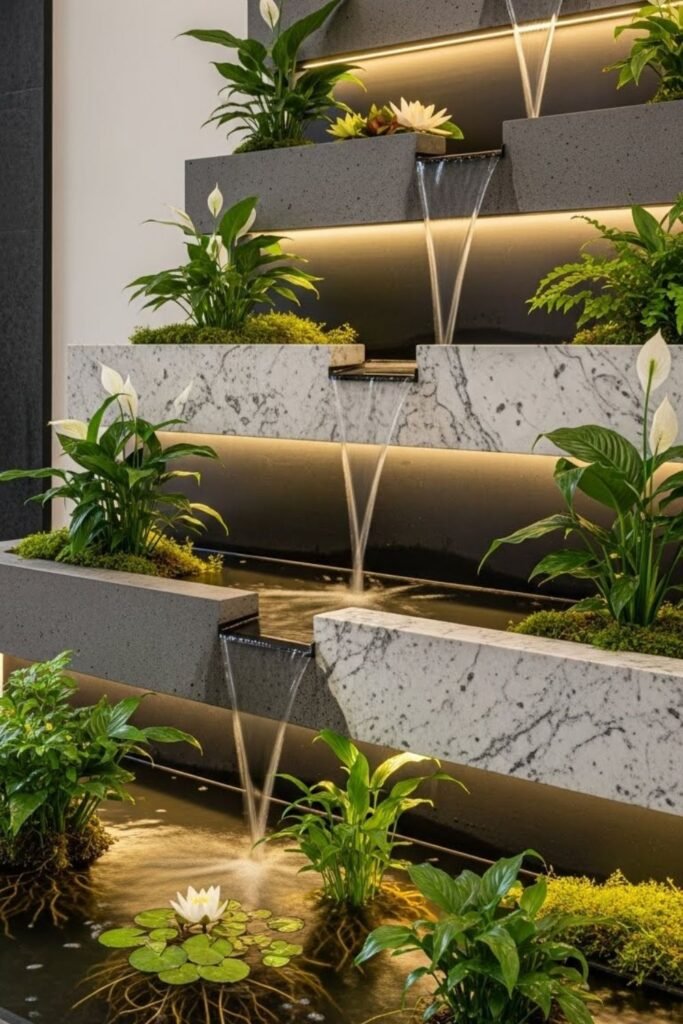
Soft Lighting
I design this setup for evenings when overhead lights feel too harsh. A soft LED strip sits outside the container, not inside the water. That keeps heat and algae under control.
When light hits the surface from the side, reflections feel calmer. If you want atmosphere without extra maintenance, this works well.
I keep brightness low and timing short so plants rest properly and water stays clear through consistent placement and gentle daily habits alone.
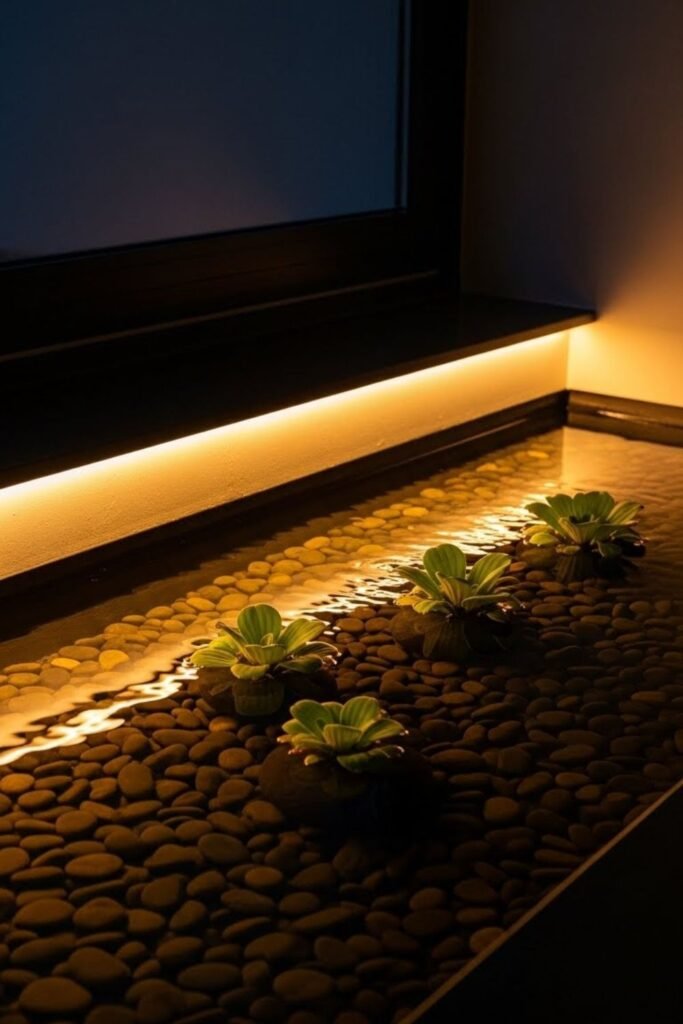
Low Light
Some rooms never get real sunlight, and I plan for that early. Low light water gardens succeed when plant choice comes first. I avoid fast growers and focus on steady ones.
Save this post for later ❤️
If you skip this step, algae wins quickly. I position the container near reflected light and stay patient.
Once balance settles, the setup holds without constant changes or frustration over time with simple care and steady observation from your daily routine at home now.
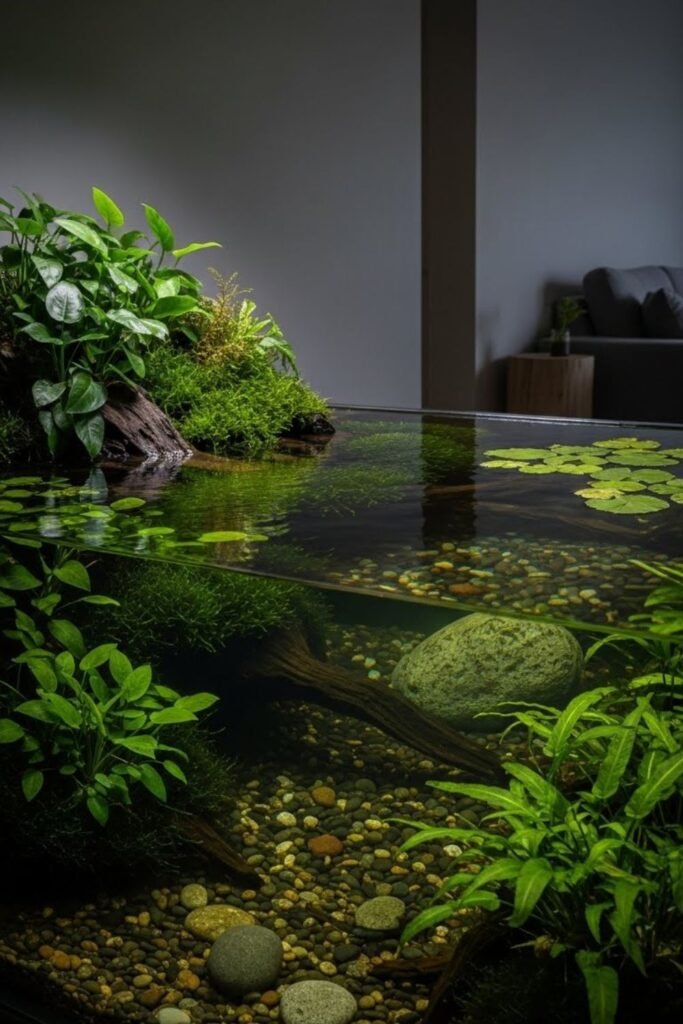
Wooden Bowl
Natural wood changes the feeling of water immediately, which is why I use sealed bowls. I check the coating first so moisture never leaks.
When wood surrounds water, the setup feels warmer and less decorative. If your home leans cozy, this blends in easily.
I pair it with neutral stones and slow-growing plants so nothing fights the texture or tone and maintenance stays simple with consistent water levels that protect the finish over long term.
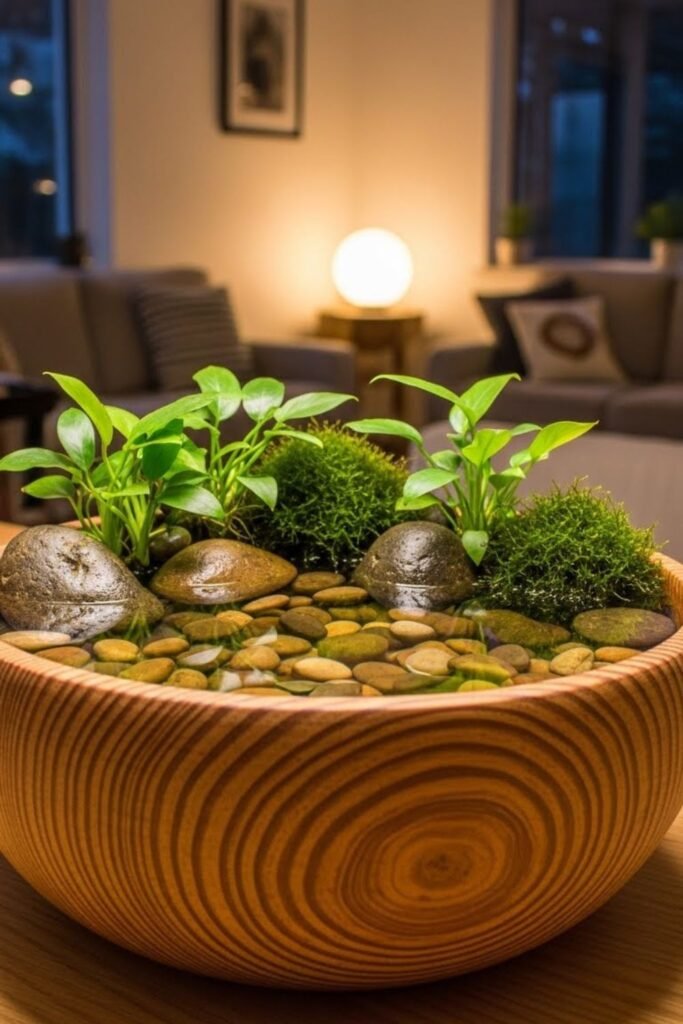
Aromatic Pair
Combining scent with water creates a stronger sensory break, so I do this carefully. Aromatic plants sit nearby, not submerged. Water reflects scent without overwhelming the space.
If you place everything too close, the balance feels heavy. I keep airflow gentle and spacing wide.
This setup works best for relaxation areas where smell, sight, and sound need to stay soft while maintenance remains easy with routine checks and simple weekly cleaning habits at home daily.
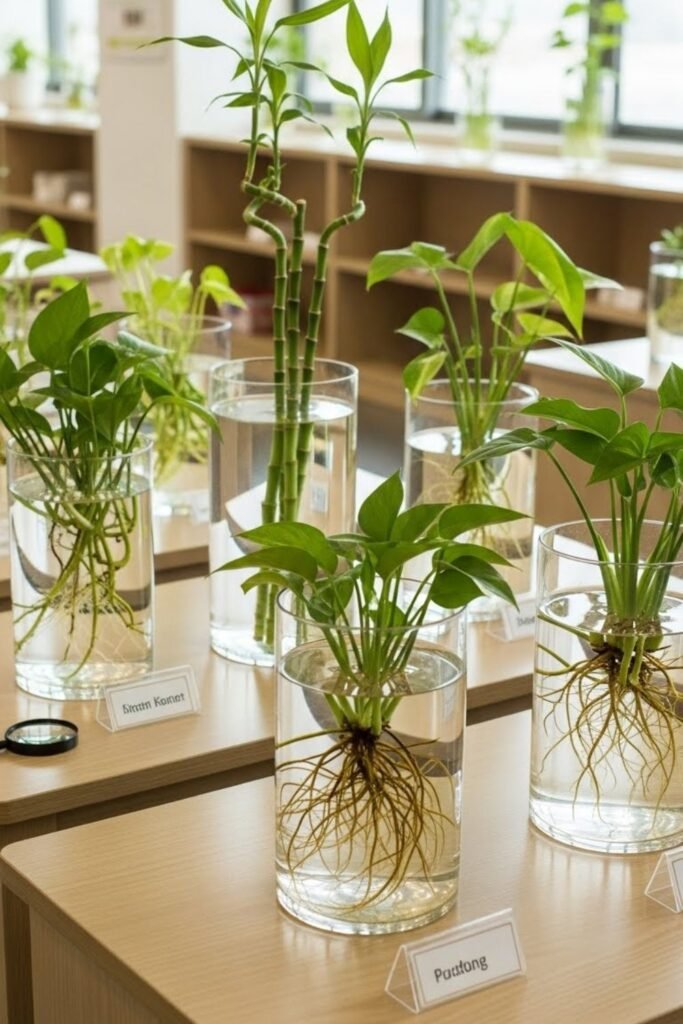
Learning Space
I like using this setup where curiosity matters more than perfection. Clear containers let you see roots, water levels, and changes over time. I keep everything simple so observation stays easy.
If you want kids to understand how water and plants work together, this helps naturally. I avoid pumps and complex layers because learning comes from watching cause and effect.
Over time, this water garden teaches patience, care, and responsibility without feeling like a lesson or extra chore.
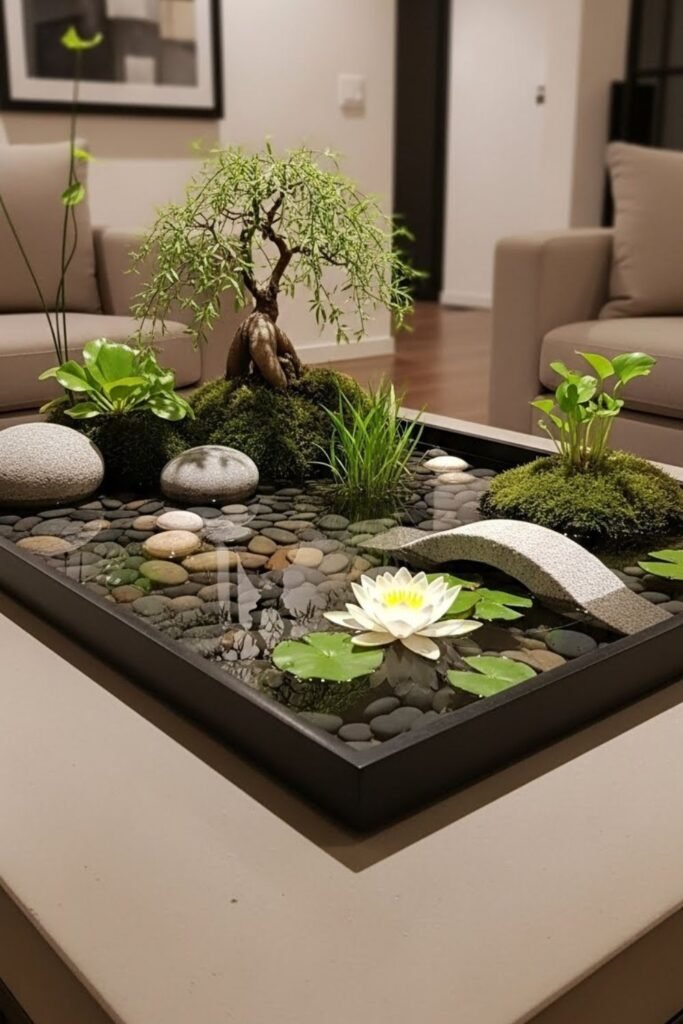
Tray Build
I reach for decorative trays when I want flexibility without committing to one container. A tray catches spills and lets me arrange multiple small elements together.
If you like rearranging often, this idea gives freedom. I space plants and stones so each part breathes. When something feels off, I move it easily.
This setup works well in living rooms where surfaces change purpose, because everything stays contained, portable, and visually balanced with minimal cleanup or long-term maintenance stress.
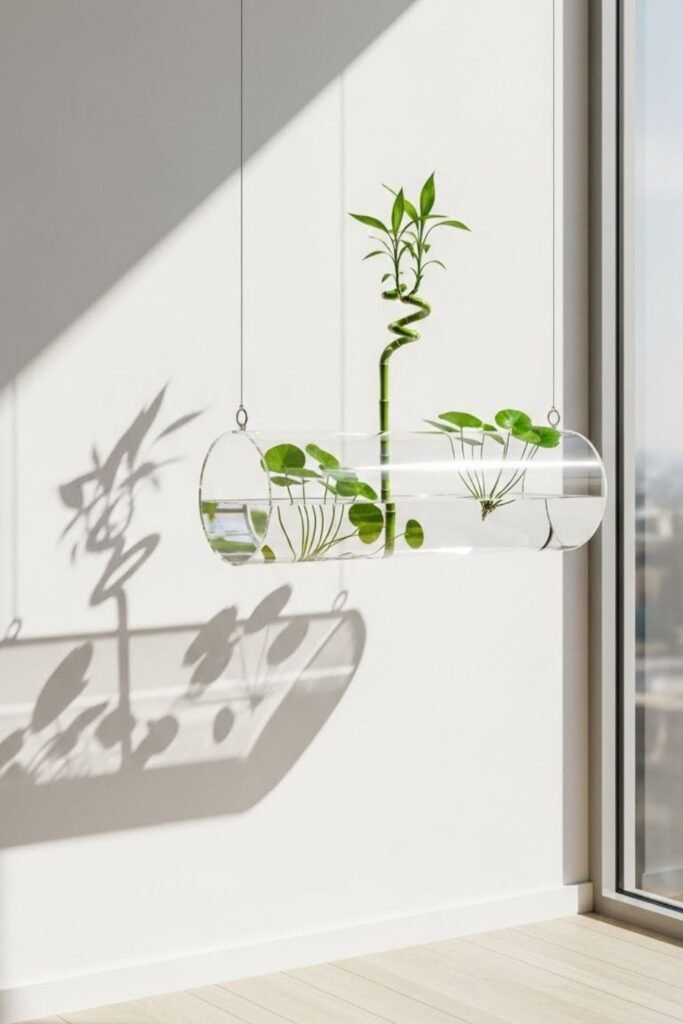
Hanging Water
I use this idea when I want water at eye level instead of on surfaces. Hanging containers create interest without crowding furniture. I make sure weight stays light and mounting stays secure.
If you want something unexpected, this changes how water feels in a room. I keep plants minimal and growth slow.
Movement comes from placement, not flow, which helps keep maintenance low and prevents splashing or algae from excess light exposure over time indoors.
Stream Inspired
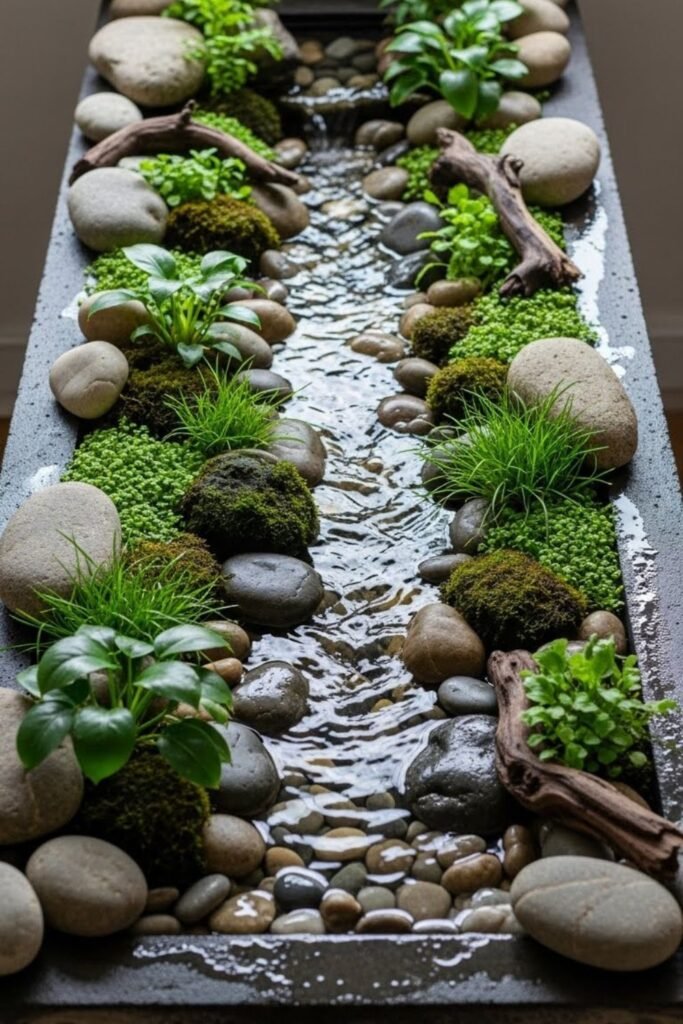
I build this setup to mimic how water naturally slows and curves. Long containers work better than deep ones here. I guide water gently along stones so nothing rushes.
If you want a calming flow without sound, this approach works well. I focus on direction instead of speed. The result feels organic and steady, which helps water stay clear longer.
This idea suits quiet areas where you want movement that feels natural, controlled, and visually relaxing without constant adjustments.
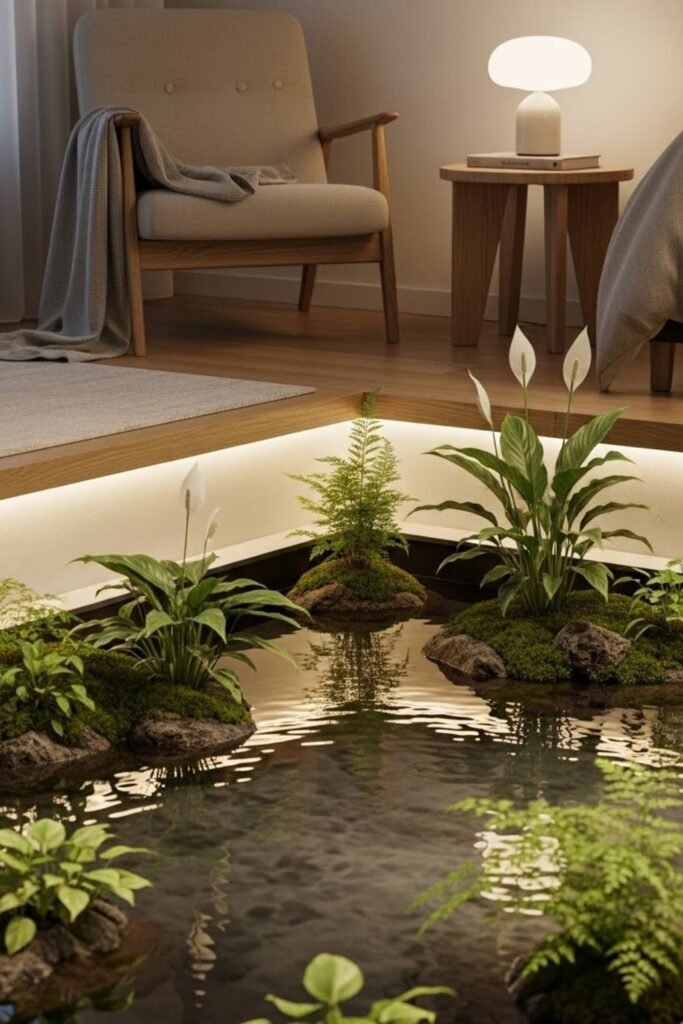
Bedroom Retreat
Bedrooms benefit from water setups that stay quiet and predictable. I place this garden away from the bed so humidity never feels heavy. Soft plants and still water support sleep patterns.
If you want rest, avoid pumps and bright lights here. I keep maintenance minimal so nothing demands attention at night.
A routine in the morning keeps water fresh. Calm works best when the setup disappears into the room instead of becoming a focal point.
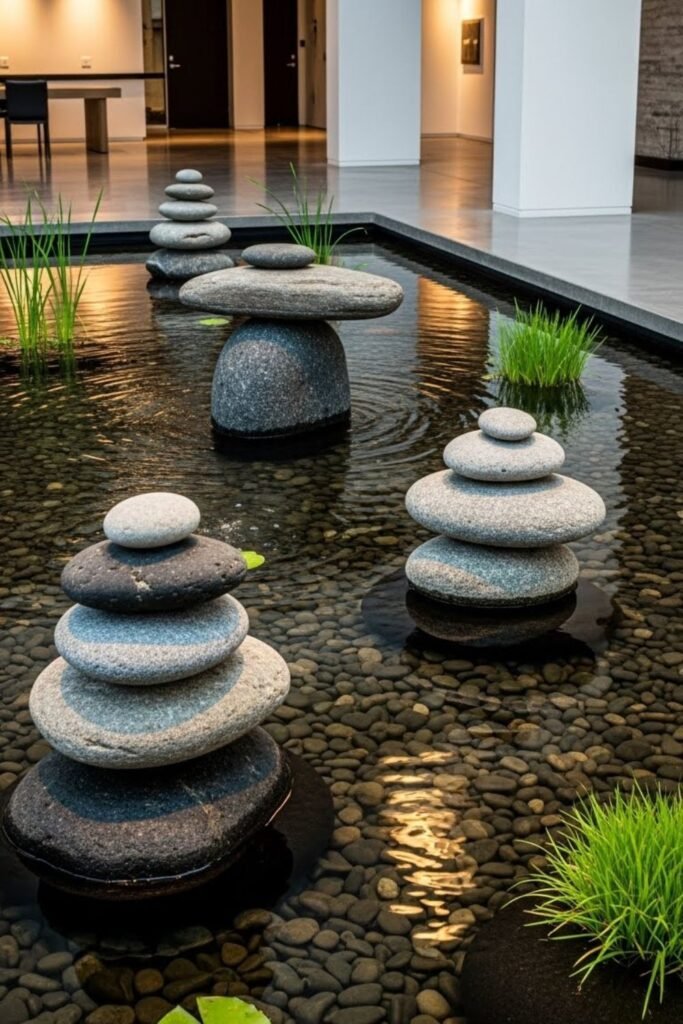
Stone Balance
Balance matters more than decoration in this water garden. Natural stones create weight and direction without crowding plants.
I arrange larger pieces first, then adjust smaller ones around them. If water flows, stones slow it naturally. I avoid perfect symmetry because nature never uses it.
When everything feels stable, maintenance becomes easier. The water stays clearer because debris settles where I can remove it quickly. This setup suits spaces that feel visually busy at home.
Entryway Impact
First impressions form the moment someone walks inside. An entryway water garden sets tone without saying a word. I keep this setup shallow so splashes never happen.
Plants stay low to avoid blocking movement. If guests pause, the water did its job. I place it where shoes and bags cannot reach. Easy access matters because entry spaces get messy.
When cleaning stays quick, the garden survives daily traffic and still feels welcoming every single day.
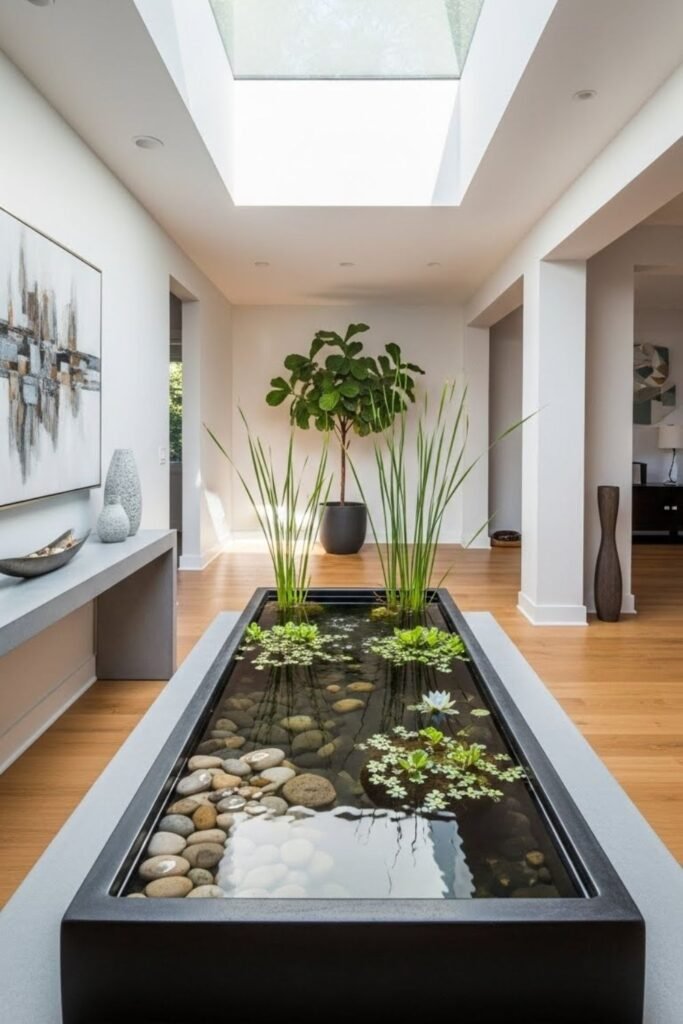
Wide Shallow
Wide containers change how water behaves indoors. Shallow depth limits heat buildup and slows algae growth. I choose this shape when light feels strong.
Plants spread horizontally, which keeps balance easier. If water looks cloudy, shallow designs correct faster. I skim debris without disturbing roots. Cleaning takes minutes instead of effort.
This option works well for beginners because mistakes show early and fixes stay simple, affordable, and stress free over time in busy homes daily.
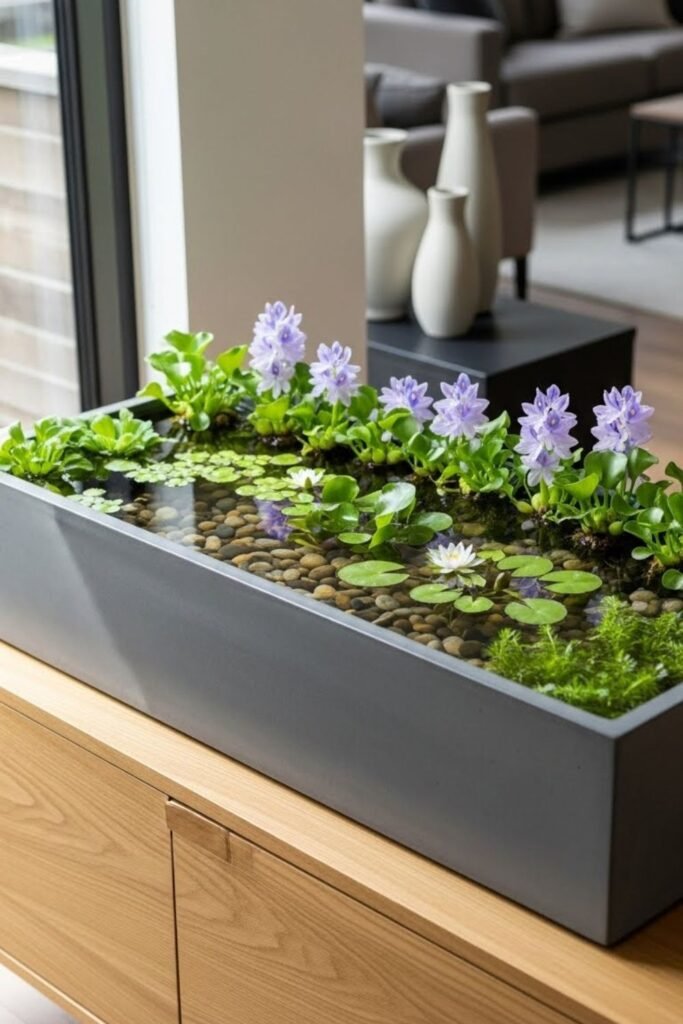
Slow Flow
Movement feels different when water never rushes. I design this setup to move slowly so nothing splashes or distracts. A tiny pump runs at the lowest setting, just enough to refresh the surface.
If you want clarity, slow flow helps plants stay stable. I place intake away from light to reduce algae.
This approach works best in living spaces where calm matters more than sound or dramatic motion. Maintenance stays simple with checks and cleaning.
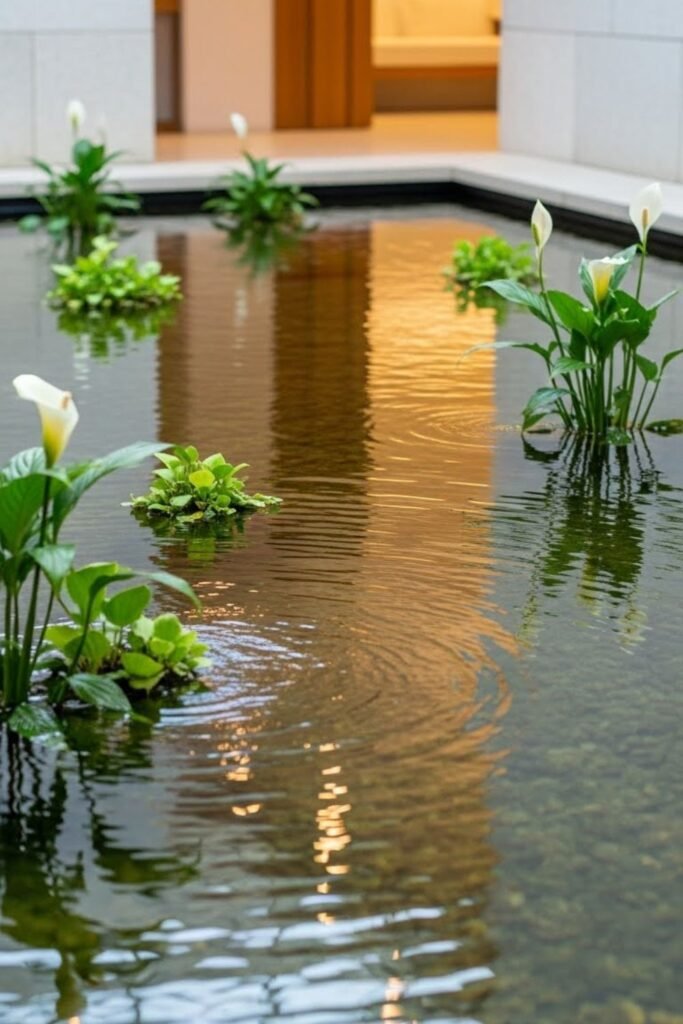
Apartment Fit
Apartment living limits space, so I plan vertically and compactly. Shallow containers fit narrow surfaces without feeling crowded. If your home lacks sunlight, reflected light becomes your friend.
I avoid heavy materials because moving matters in rentals. Plants stay controlled so growth never overwhelms. This idea works when flexibility matters more than permanence.
You can adjust placement easily, clean quickly, and enjoy water indoors without committing to bulky setups. Maintenance stays manageable with busy schedules.
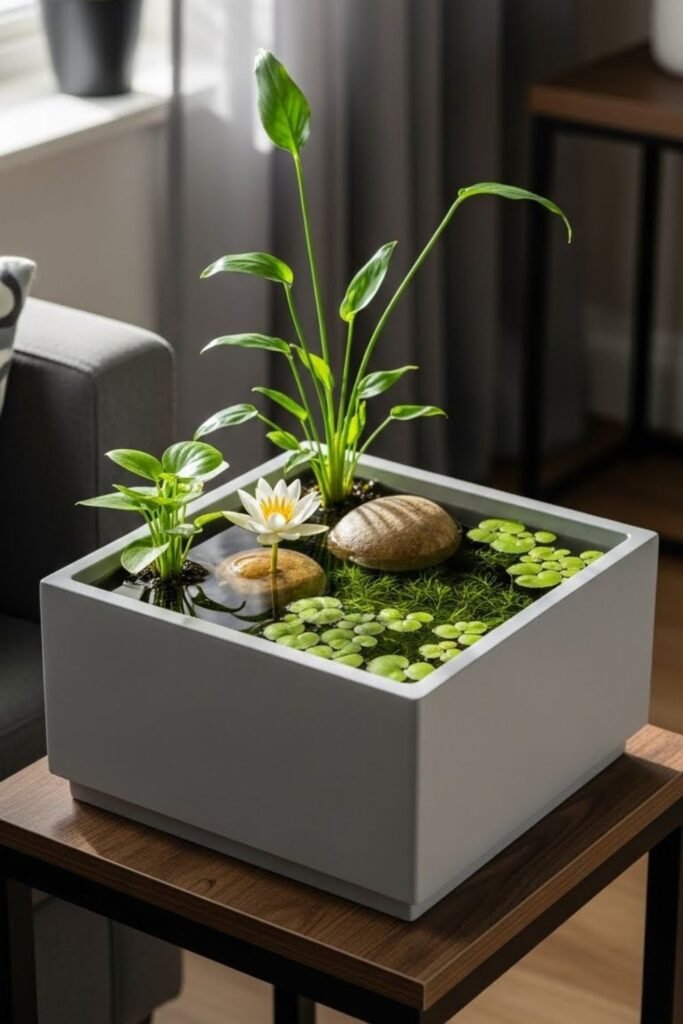
Plant Focus
Some days I skip pumps completely and let plants do the work. This setup relies on balance, not movement. If you choose slow growing plants, water stays clearer longer.
I refresh water regularly and remove dead leaves early. Light stays indirect to prevent algae. This idea suits people who want silence and simplicity.
Fewer parts mean fewer problems, and the garden feels calm without mechanical noise. Maintenance becomes predictable and stress stays low daily inside.
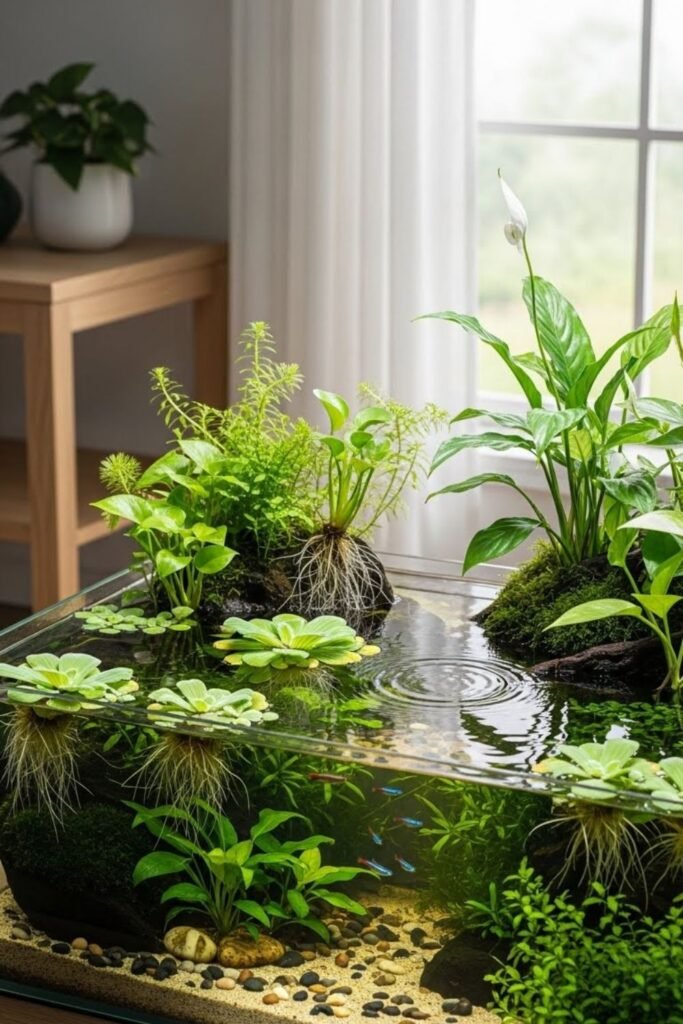
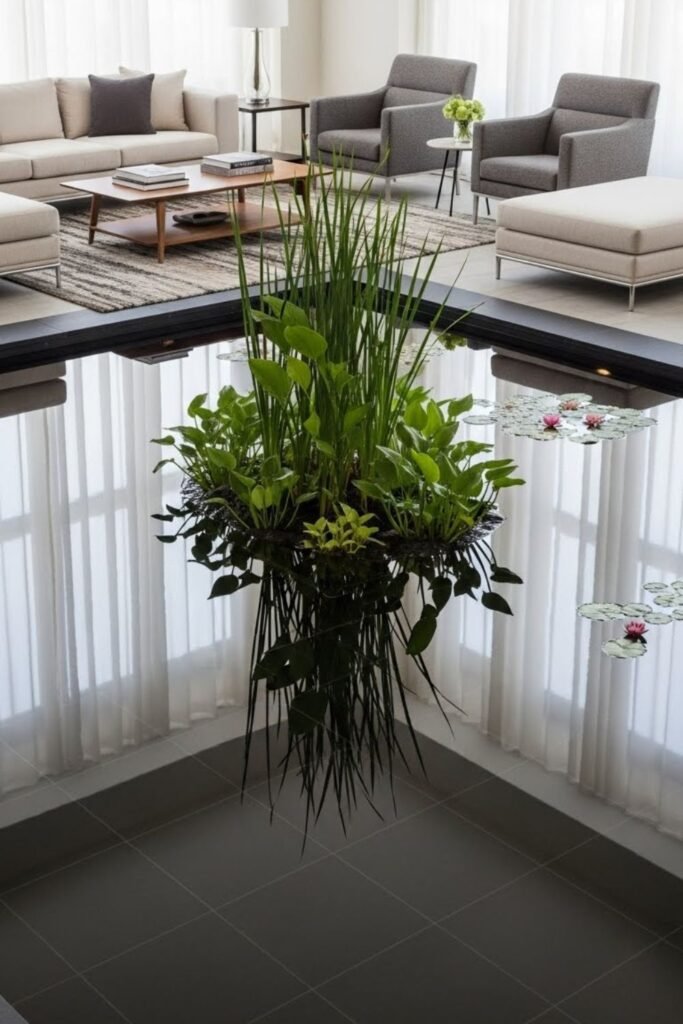
Centerpiece Design
Sometimes I want the water garden to lead the room. This setup uses scale instead of complexity. A larger container anchors furniture and draws attention naturally.
If you choose one strong element, clutter disappears. I keep plants minimal so water remains the star. Placement matters more than decoration here.
When centered correctly, the garden becomes a calm focal point that shapes how the entire space feels. Maintenance stays simple because design limits unnecessary components indoors.
FAQs
Do indoor water gardens attract mosquitoes?
Mosquitoes only show up when water sits dirty and untouched for long periods. If you change part of the water regularly and keep plants trimmed, mosquitoes won’t settle in.
Even gentle movement or occasional refilling breaks their breeding cycle. Indoor water gardens that stay clean and balanced don’t create the conditions mosquitoes need.
Can you keep an indoor water garden without a pump?
Yes, you can. Many indoor water gardens work perfectly without pumps if you choose slow-growing plants and avoid direct sunlight.
Still water stays clear when plants absorb nutrients and you remove dead leaves early. Regular water refreshes matter more than equipment in small, plant-focused setups.
I’ve spent over four decades building a marriage, raising a family, and learning what truly matters along the way. I write about relationships, home, and navigating life’s later seasons with grace, honesty, and a little humor. My goal is to share the kind of steady, real-life wisdom that helps you feel grounded, encouraged, and a little less alone.