English Cottage Gardens Look Like They Belong on a Postcard and Here’s How to Create That Feeling at Home

You probably fell in love with English cottage gardens the same way I did — through photos that looked effortless, soft, and somehow perfect without trying.
But then you start planning your own and realize nobody explains how to make it work in a real backyard with real limitations.
Too many choices, too many rules, and the nagging worry it’ll just look like a mess instead of that charming abundance you wanted.
I’ve been working on cottage garden ideas for fifteen years, and these 23 approaches actually work in smaller spaces without looking forced.
What Colors Work Best in an English Cottage Garden?
Start with whites and creams as your base — not because they’re boring, but because they calm everything else down. I learned this after watching my first attempt turn into a color riot that hurt to look at.
Once you have that gentle foundation, layer in soft pinks, lavender, and dusty blues. The key is repetition — use the same three or four shades throughout instead of sampling every color available.
Bold colors work, but sparingly. One deep red rose repeated three times feels intentional. Twelve different bright flowers scattered everywhere feels chaotic.
Save this article for later! 👇👇

What Flowers Bloom Best in an English Cottage Garden?
The flowers everyone talks about — roses, foxgloves, delphiniums — are beautiful but they don’t bloom all season. You need layers.
I plant early bloomers like sweet alyssum and forget-me-nots, midsummer workhorses like phlox and bee balm, and late season performers like asters.
The secret is overlap. When one plant starts fading, another should be hitting its stride. This takes planning, but once you get the timing right, the garden never looks empty.
Self-seeding flowers like nigella and calendula fill gaps you didn’t even know existed.
Layered Borders
The standard advice is tall plants in back, short in front, but that creates a lineup, not a garden. I plant in drifts instead — groups of the same plant that weave through the space.
Three catmint plants here, three more twenty feet away, with different heights in between. Your eye follows the repetition instead of getting lost in variety.
I always start with my anchor plants first. Everything else fills in around them, but those key repeating elements keep it all together.

Narrow Paths
I put in my gravel path before I planted a single thing, and it was the best decision I made. Not because it looks perfect — the edges are soft and plants spill over — but because it gives the whole space direction.
Without a path, you’re just looking at plants from the outside. With one, you’re moving through a garden. The feeling is completely different.
Eighteen inches is wide enough for walking, narrow enough to feel intimate.

Climbing Focus
Some gardens work better when you build around one star. I have a climbing rose that took over the back fence, and instead of fighting it, I made everything else support it.
The ground level plants are simpler now — lavender, catmint, and white cosmos that don’t compete. When one element dominates on purpose, the rest can be quiet.

Seasonal Mood
Spring should feel fresh and hopeful — lots of whites and pale yellows. Summer gets richer with deeper pinks and purples.
By fall, I want texture more than color. Ornamental grasses, seed heads left standing, plants with interesting shapes when the flowers are done.
Planning this way keeps you interested in the garden all year, not just during peak bloom.

Self Seeding
I used to deadhead everything the moment it started looking tired. Now I let some flowers go to seed, and new plants appear in spots I never would have thought to plant them.
Forget-me-nots weaving through the base of taller plants. Calendulas popping up in gravel. The garden starts making its own decisions, and most of them are better than mine.

Clean Edging
My front garden was a disaster until I installed brick edging. Not because the plants were wrong, but because without clear boundaries, everything looked like it was trying to escape.
The edging cost me $200 and three Saturday mornings, but it made the difference between looking like a cottage garden and looking like I’d given up. Plants can spill and sprawl all they want — inside the lines.

Scent Focus
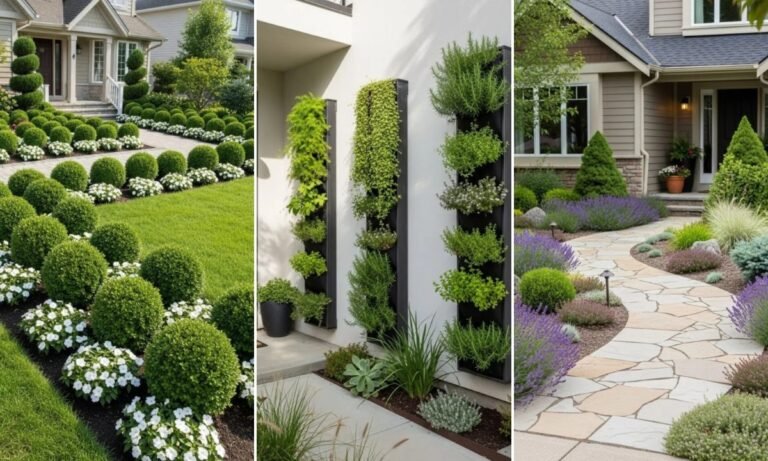
Sometimes I design sections around smell instead of color. Lavender along the path to the front door. Sweet peas climbing the porch trellis. Rosemary where I brush past it carrying groceries.
Scent makes a garden memorable in a way that color alone doesn’t. People remember how a place smelled long after they forget what it looked like.
It also simplifies plant choices when you’re overwhelmed by options.

Flower Herbs
I tuck herbs everywhere now — not in a separate herb garden, but mixed with the flowers. Thyme spreading between stepping stones, chives adding purple puffs to the border, rosemary providing year-round structure.
Everything serves double duty. The garden feeds us and looks beautiful, and I never feel guilty about the space it takes up.

Perennial Only
The first year my perennial-only border looked pathetic. Tiny plants with huge gaps between them, like a mouth missing half its teeth.
Three years later, those same plants have grown together into something I couldn’t have created by cramming annuals into every space. Patience is hard, but it pays off.
Plus I’m not replanting every spring, which means more time to enjoy what’s already growing.

Hidden Order
The trick to a good cottage garden is structure you don’t notice. I repeat the same plants every eight to ten feet, but not in an obvious pattern.
Three clumps of catmint here, three more over there. Your eye picks up the rhythm without counting. The garden feels natural but never random.
It’s like a conversation where the same ideas keep coming back in different ways — repetition without repetition.

Save this post for later ❤️
Gentle Heights
I stake my tall flowers in May, before they need it. Not with ugly metal stakes, but with branched twigs that disappear as the plants grow through them.
By the time the delphiniums are six feet tall, you can’t see the supports, but they’re doing their job. After one summer of floppy disasters, I learned prevention beats cleanup every time.

Pollinator Friendly
Once the bees started showing up, everything else improved. Plants got pollinated and set seed. The garden felt alive instead of static.
I choose flowers with open faces — daisies, cosmos, single roses instead of the frilly doubles. Simple flowers are easier to access, and pollinators prefer them.
The movement and sound of insects makes even a small garden feel like an ecosystem.

Warm Climate
California isn’t England, so I can’t grow authentic cottage garden plants. But I can grow plants that give the same feeling — soft textures, muted colors, informal shapes.
Salvia instead of lavender. Mexican bush sage instead of catmint. The palette stays gentle, but the plants actually thrive in my climate instead of limping along.

Stone Pathways
I chose flagstone because it weathers beautifully and because Frank could install it in sections over several weekends. The path curves gently — not because I was trying to be artistic, but because it follows the natural flow around existing plants.
Straight lines feel formal. Gentle curves slow you down and make a small garden feel bigger. The stones have settled into the earth now and look like they’ve always been there.

Continuous Blooms
I keep a notebook with bloom times now. Not because I’m obsessive, but because I got tired of the garden looking spectacular for three weeks and boring for the rest of the season.
April: tulips and daffodils. May: alliums and early roses. June: peonies and delphiniums. And so on. When you plan succession this way, something is always happening.

Framing Structures
Climbing roses around the garage door transformed what used to be an eyesore. Now it’s the focal point of the whole front yard.
I planted clematis to scramble up the mailbox post and sweet alyssum to soften the foundation edges. When plants blur the lines between architecture and garden, everything feels connected.
The house doesn’t sit in the garden — it grows out of it.

Bold Accent
Most of my garden is soft and understated, but I have three red dahlias that command attention. Just three, scattered through the border so they feel like exclamation points.
Without them, everything would blend together in a pleasant haze. With them, the eye has somewhere to land. Bold color works in cottage gardens if you use it as punctuation, not paragraphs.

Better Aging
The best parts of my garden are the ones I planted five years ago and then mostly left alone. The roses have found their shape, the perennials have filled their space, and everything looks like it chose to be there.
New plantings always look tentative and temporary. Established ones look confident. If you can resist the urge to fidget with things, time does most of the design work for you.

Slow Start
I started with one raised bed and expanded it every year. The first year was twenty square feet. Now it’s maybe two hundred, but it never felt overwhelming because it grew gradually.
Each section taught me something about what worked in my particular soil and light conditions. If I’d tried to do everything at once, I would have made expensive mistakes on a large scale.

Container Control
I use large terracotta pots to contain the mint and lemon balm that would otherwise take over everything. They still look natural in the border, but they can’t spread beyond their boundaries.
Containers also let me try plants I’m not sure about without committing to a permanent spot. If something doesn’t work, I can move it or replace it without disturbing the rest of the garden.

Cozy Seating
The old bistro chair I moved out there was supposed to be temporary, but it became the heart of the garden. I planned the planting around it — tall flowers for backdrop, low ones for foreground, fragrant ones within arm’s reach.
A garden you can’t sit in is just landscaping. One you can settle into becomes a room. I drink my coffee out there most mornings when the weather’s decent, which makes all the work feel worthwhile.

Open Balance
I used to try to fill every square inch, but gardens need breathing room the same way rooms do. Now I leave deliberate gaps — patches of mulch or low groundcover that let the eye rest.
The empty spaces make the full ones look fuller. They also make maintenance possible, which isn’t glamorous but matters if you want to enjoy gardening instead of being buried by it.

Beginner Friendly
My advice to anyone starting out: stick with the plants everyone grows for good reason. Roses, lavender, catmint, cosmos. They’re popular because they’re reliable.
Once those are established and thriving, then you can experiment with more unusual choices. But don’t handicap yourself by starting with difficult plants that might not work in your conditions.
Success builds confidence, and confidence makes you willing to try new things.

FAQs
Can an English cottage garden still look good if I don’t have much time to maintain it?
Yes, but only if you choose the right plants and resist the urge to fidget with everything. Perennials, self-seeders, and plants that look good even when they’re a little shaggy.
The cottage garden style is actually more forgiving than formal gardens because it’s supposed to look a bit loose and natural. The trick is working with that tendency instead of against it.
Why does my cottage garden look messy instead of charming?
Usually because it’s missing structure underneath all that abundance. Paths, edges, and repeated plants create the framework that keeps everything from looking random.
Charming mess is still mess unless there’s some kind of organizing principle holding it together. Start with the bones, then let things get a little wild within those boundaries.
I’ve spent over four decades building a marriage, raising a family, and learning what truly matters along the way. I write about relationships, home, and navigating life’s later seasons with grace, honesty, and a little humor. My goal is to share the kind of steady, real-life wisdom that helps you feel grounded, encouraged, and a little less alone.