Corner Garden Ideas That Finally Made Me Stop Ignoring That Awkward Spot in My Yard

Most garden corners sit empty because you walk past them every day, see the bare spot, and feel like you should do something but don’t know what that something is.
They’re too narrow for a proper bed, too shady for the plants you actually want, or they just feel wrong every time you try to fill them.
I used to have three corners like this. One behind the shed, one where the fence meets the house, and that weird triangle by the gate that collected leaves and nothing else.
Here are twenty ways to turn those awkward spaces into something you’ll actually be glad to see.
How Do You Design A Corner Garden On a Tight Budget?
The mistake I see most often is thinking corners need lots of plants to look full. They need structure, not abundance.
One decent-sized pot costs less than five small ones and looks infinitely better. Put your tallest plant at the back corner, add one shorter thing in front, and stop there.
I’ve learned that patience saves more money than sales do. When you add slowly and think before you buy, even a tight budget can create something that looks purposeful.
Save this article for later! 👇👇

How Can You Create A Flower-Focused Corner Garden?
Flowers in corners are tricky because most people try to pack in color everywhere and end up with chaos.
Pick two flower types that actually like your corner’s conditions. Repeat them instead of sampling everything at the garden center.
I plant one reliable bloomer with one seasonal splash. That way the corner always has life, even when the showy stuff takes a break. Flowers look better when they’re not competing with ten other varieties for attention.
Anchor Plant
Every corner I’ve ever liked started with one plant that made sense there. Everything else was just supporting cast.
I put the biggest thing right where the walls meet and keep everything else small enough that it doesn’t fight for attention.
When you pick the main character first, the rest of the decisions get easier. When you decorate first and anchor later, you get a mess that costs too much to fix.

Natural Layers
Height placement is the difference between a corner that looks intentional and one that looks like you dumped plants wherever they fit.
Tall plants go against the walls, medium ones sit forward, low ones finish the edges. When I ignore this rule, corners look flat no matter what I plant.
Layering creates the illusion of depth without needing more space or more plants. It’s the cheapest way to make a corner feel full.

Gravel Base
I got tired of pulling weeds from corners, so I tried covering most of the area with gravel and planting in just a few spots.
The maintenance dropped to almost nothing, and the corner looked cleaner immediately. I cut small holes through landscape fabric for the plants I actually wanted.
Gravel gives you structure without the work. If you want greenery but hate constant upkeep, this approach saves hours every month.

Fence Vertical
The corner by our fence used to be a dead zone until I realized I was thinking too horizontally.
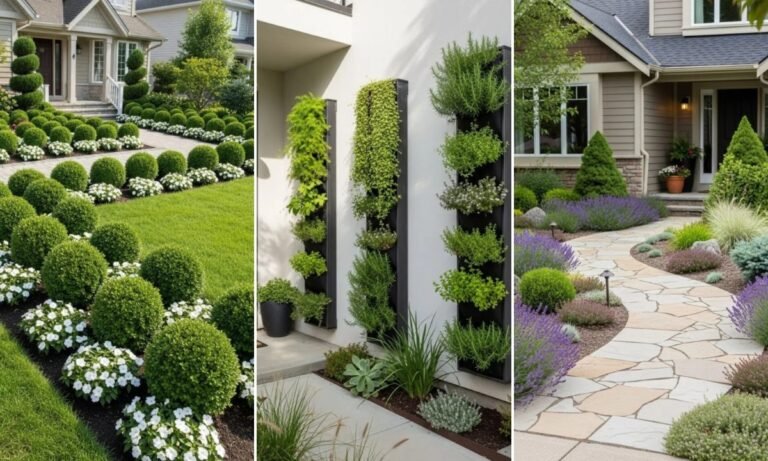
Now I attach simple wire supports to the fence and let plants climb or hang downward. This frees up ground space and makes the corner feel bigger.
When you grow upward instead of outward, even tiny corners start working. Frank mounted the supports for me in about twenty minutes with a drill and some eye hooks from the hardware store.

Leaf Focus
One of my best corners has never had a single flower in it. Just plants with interesting leaves in different shapes and sizes.
It stays good-looking year-round because leaves don’t come and go like blooms do. This works especially well in spots where flowers struggle anyway.
There’s something calming about a corner that doesn’t try to be showy. It just sits there being quietly attractive while the rest of the garden does the performing.

Kid Safe
When grandchildren visit, I think differently about corners. No sharp edges, no plants that cause problems if touched, plenty of room to move around.
I choose plants that bounce back and keep pathways clear so no one feels crowded or trapped.
A corner can still look nice while being relaxed about the realities of family life. I’d rather have something that works for everyone than something beautiful that causes stress.

Seasonal Swap
Instead of replanting corners from scratch, I keep the same large pots and change out just the plants twice a year.
This saves money and gives me something to look forward to. The structure stays familiar, but the corner feels new.
I plan one setup for spring through summer, another for fall through winter. When the season turns, I lift plants out and drop new ones in. It takes an hour and feels like redecorating.

Herb Mix
I started mixing herbs with regular plants in one corner because I got tired of walking to a separate herb garden every time I needed basil or parsley.
I keep the useful stuff within easy reach and surround it with softer plants so it doesn’t look like a vegetable patch.
Now when I’m cooking, the herbs are right there, but the corner still looks like part of the garden instead of something purely functional tacked on as an afterthought.

Soil Mound
The corner that never worked no matter what I tried finally came together when I ditched the idea of neat borders and just built the soil up into a gentle mound.
Plants drain better, roots spread naturally, and the whole area looks softer. No hard edges to maintain or worry about.
When I tried to force rigid structure, the space always felt awkward. A soil mound lets plants settle where they’re comfortable while still giving the corner some definition.

Central Support
Some corners feel empty because there’s nothing to draw your eye upward. I solve this by putting one tall support right at the meeting point of the walls and letting everything else grow around it.
Once the center has height, the corner feels complete instead of hollow. This works especially well when ground space is tight but you still want impact.
Save this post for later ❤️
I used a simple wooden stake and some wire for climbing plants. Nothing fancy, but it gave the corner a backbone it was missing.

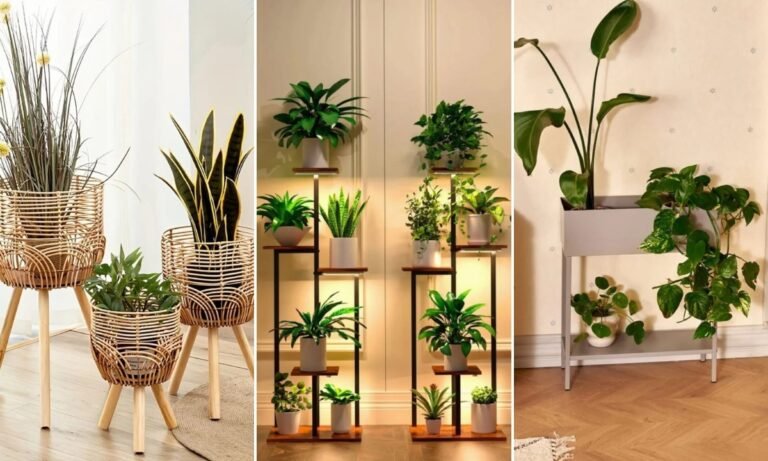
Balanced Pots
I stopped adding random containers and started placing matching pots on each side of the corner instead.
This created balance even with fewer plants. When both sides mirror each other, the space feels calm instead of chaotic.
Two well-placed containers always look better than five mismatched ones fighting for attention. Sometimes less really is more, and corners prove it.

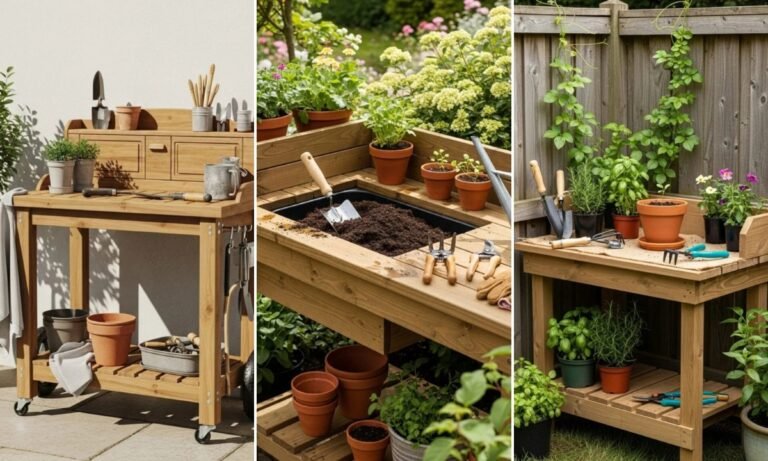
Hidden Storage
The corner behind the shed used to collect garden tools, bags of soil, and everything else I didn’t know where to put.
Now I keep the storage there but surround it with plants so it disappears visually. The area stays functional without looking messy.
When function blends into greenery, the corner works for daily life instead of just decoration. Sometimes the best garden design is about hiding what needs to be hidden.

Color Theme
I learned to control busy corners by picking one color and sticking to it across all plants and containers.
This prevents the space from feeling chaotic, even when different plant types are involved. Mixed colors made the corner feel loud and unsettled.
Limiting the palette makes everything look intentional. It’s also much easier to adjust or add to later without disrupting what’s already working.

Ground Cover
I ditched pots completely in one corner and covered the ground with spreading plants that fill the area over time.
Once they settled in, weeds slowed down and the corner stopped looking patchy. This approach works best when you want low maintenance and a natural feel.
Instead of arranging containers, I let the plants do the work. It takes longer to establish, but the result looks softer and needs less attention than anything in pots.

Night Glow
One corner completely disappeared after sunset until I started designing around solar lights instead of treating lighting as an afterthought.
I place the lights first, then add plants around them. This keeps the corner visible and welcoming at night without wiring or ongoing cost.
When evening comes and the lights turn on, the corner feels like part of the garden instead of a dark void you avoid.

Patio Style
I treated one corner like a tiny patio by defining the ground with simple pavers and keeping plants tight around the edges.
This gives the space purpose instead of just decoration. When a corner has function, it stops feeling awkward.
Even a small defined area makes the whole garden feel more complete. It’s a place to stand while watering, to set down a coffee cup, to take a minute before going inside.

Wall Cover
The ugliest wall in our yard used to ruin every corner it was part of until I stopped trying to work around it and started hiding it completely.
I chose plants that spread sideways or climb gently so the surface disappears over time. When the wall fades into greenery, the whole corner feels calmer.
This takes patience because rushing the coverage never looks natural. But covering flaws with plants always feels better than trying to decorate around them.

Water Smart
Hot summers taught me to space plants wider in corners, use thick mulch, and choose varieties that don’t beg for water every day.
This keeps the corner alive even during dry spells. When I overplanted before, everything suffered when I couldn’t keep up with watering.
Giving plants room and moisture protection saves effort later and reduces the guilt when life gets busy. A water-smart corner stays attractive without constant attention.

Scent First
Fragrance changes how I experience the garden more than looks ever have. I build some corners around scented plants so the area feels welcoming before it’s even seen.
I place these where I walk past often or sit nearby. Strong scents don’t need many plants to work.
When fragrance leads the design, the corner feels personal and comforting instead of just decorative. It’s garden design for more than just the eyes.

Quiet Seat
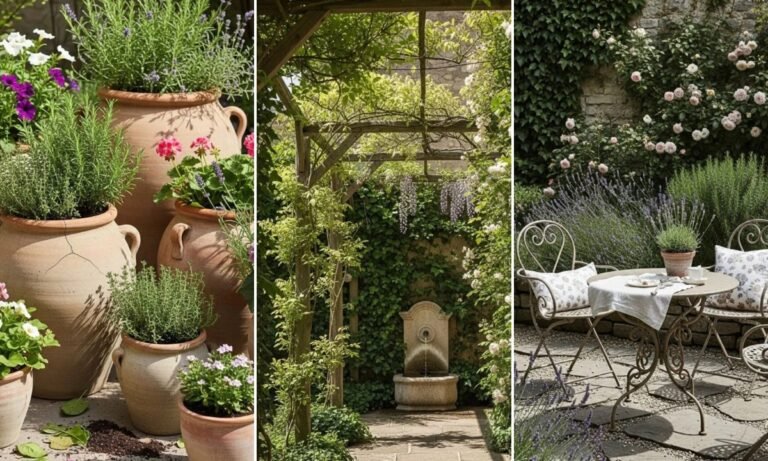
The corner that finally felt complete was the one where I added a simple place to sit and surrounded it with greenery so it feels tucked away.
This isn’t about decoration. It’s about creating pause. When a corner invites rest, it becomes part of daily life, not just something to look at.
Even a few minutes there with morning coffee makes the space feel meaningful. The chair is an old folding bistro chair that Frank painted green three years ago. It does the job.

FAQs
How do I stop a corner garden from looking cluttered?
Choose one main feature and build around it instead of filling every inch. Corners need fewer items than open spaces, not more.
When I limit the number of plants and repeat similar shapes or colors, the corner feels calm instead of busy. Empty space is not a problem to solve.
What’s the easiest corner garden to maintain long term?
Fewer plants, wider spacing, thick mulch. That combination lasts the longest with the least fuss.
When I stopped trying to fill every inch, watering became simpler, weeds slowed down, and the corner stayed neat without weekly attention. Sometimes the best maintenance strategy is designing for less work upfront.
I’ve spent over four decades building a marriage, raising a family, and learning what truly matters along the way. I write about relationships, home, and navigating life’s later seasons with grace, honesty, and a little humor. My goal is to share the kind of steady, real-life wisdom that helps you feel grounded, encouraged, and a little less alone.