Secret Garden Ideas That Make You Feel Like You’ve Discovered Something Magical Right in Your Own Backyard

You wake up thinking about sitting somewhere quiet, but your yard feels like everyone else’s business. The neighbor’s kitchen window looks straight across. Kids play loud games next door. Even when it’s empty, the space feels exposed.
You scan your garden and think there’s potential here, but you can’t picture where to start. That’s why people search for secret garden ideas — not for fancy features, but for one spot that actually feels private.
They want to sit outside without checking who’s watching first.
Here are 25 ways to carve out that hidden corner, even when space runs tight.
How Can You Create a Hidden Garden In a Small Space?
Block the view first. Privacy isn’t about perfect fences — it’s about stopping eyes from traveling straight through your space. A tall planter, a simple screen, even a piece of outdoor fabric stretched between two posts will do it.
Once you feel hidden, everything else gets easier. Then shrink your focus down to one corner instead of trying to fix the whole yard.
One chair, some greenery around it, maybe a small light for evenings. When you limit what you’re looking at and where you sit, even a cramped space starts feeling like an actual escape.
Save this article for later! 👇👇
What Plants Are Good For Secret Gardens?
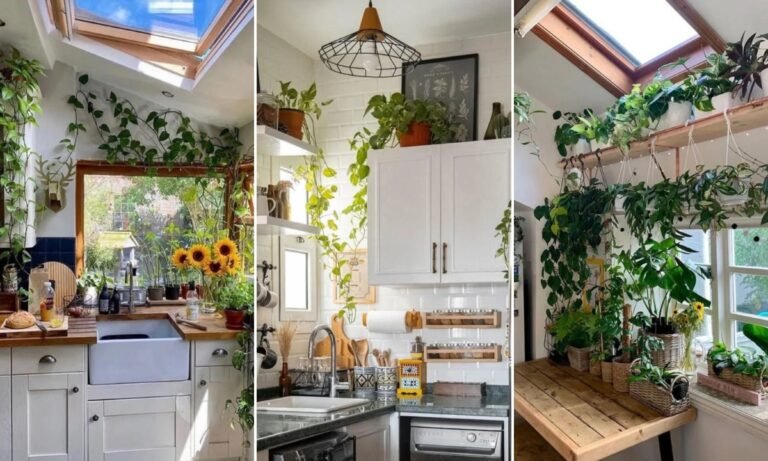
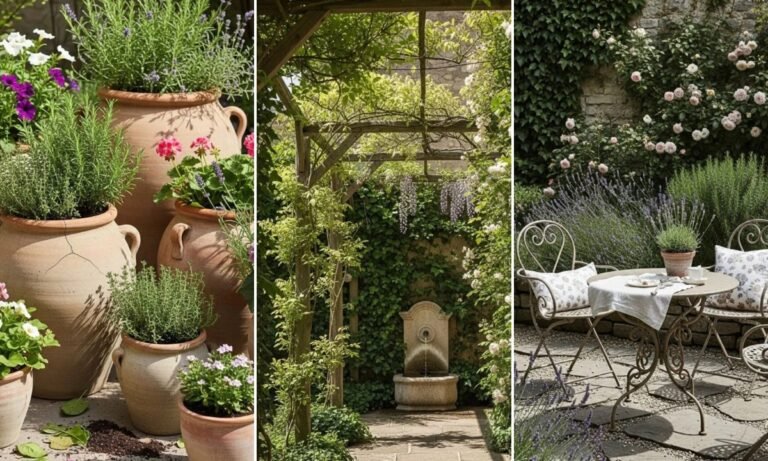
Choose plants that grow up instead of out. Climbing vines give you privacy without eating your floor space, which matters when you’re working with a small area.
Look for plants with soft textures or light scents — lavender, jasmine, even basic ivy. They make the space feel calm instead of busy. Don’t worry if your spot gets less sun. Plenty of good screening plants actually prefer shade.
You’re not trying to build a botanical display. You want greenery that blocks views, muffles noise, and makes the space feel separate the moment you step inside
Corner Refuge
Most people walk past corners without thinking, so that’s where I start. I block two sides with tall plants — maybe some bamboo in pots or a trellis with climbing roses — and leave the third side open so you don’t feel boxed in.
Sitting in that protected triangle, your eyes stop scanning around and your shoulders drop. One folding chair is enough furniture.
Once the corner feels like its own space, the rest of the garden fades into background and you’ve got your pause button.
Fabric Veil
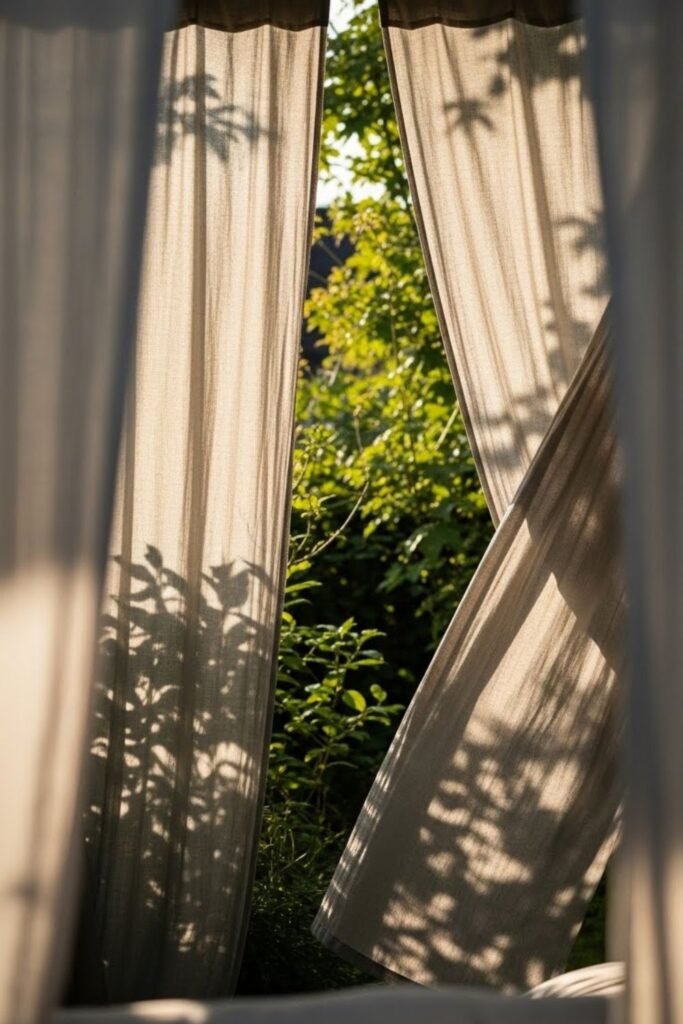
Sometimes you need privacy today, not next growing season. I hang outdoor fabric panels where the sight lines are worst — between my seating and the neighbor’s deck, or across the gap in the fence where everyone looks through.
The fabric moves in the breeze, which keeps everything from feeling too rigid. And you can tie it back when you want the space to feel more open.
It’s not permanent, which I actually like. You can adjust it, move it, or take it down completely if your mind changes.
Vine Shelter
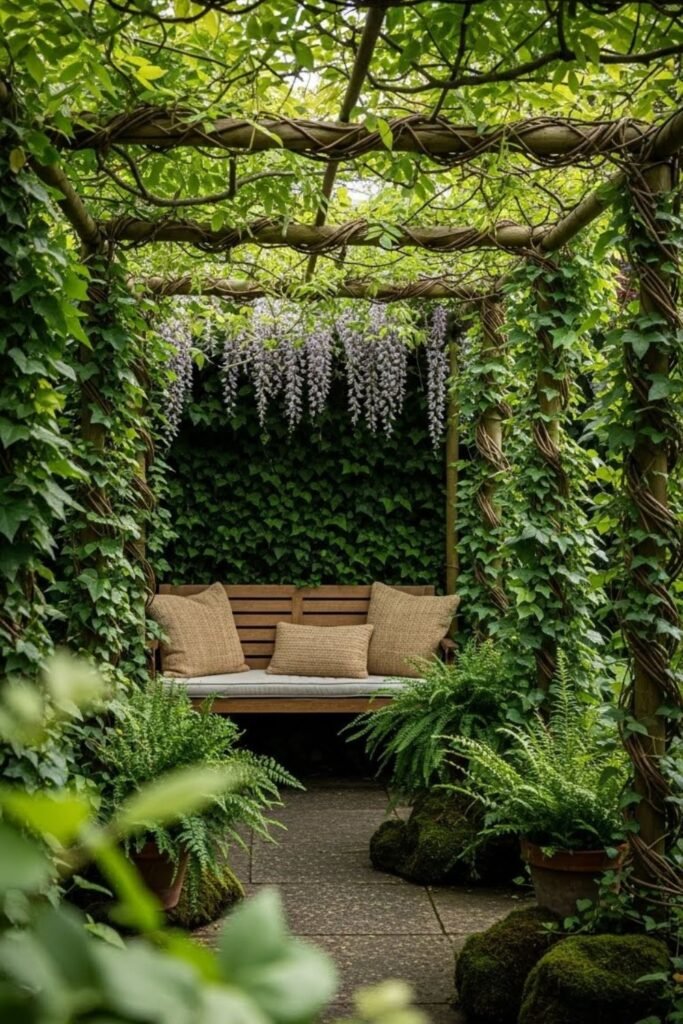
Growing your privacy takes patience, but it’s worth it. I put up a simple trellis or wire frame, plant something that climbs — morning glory if I want fast coverage, clematis if I want flowers — and let it do the work.
Each month, the space feels more enclosed. By the second season, you’re sitting inside a living wall instead of behind a fence.
The green shelter feels natural, not constructed, which makes the whole setup more peaceful.
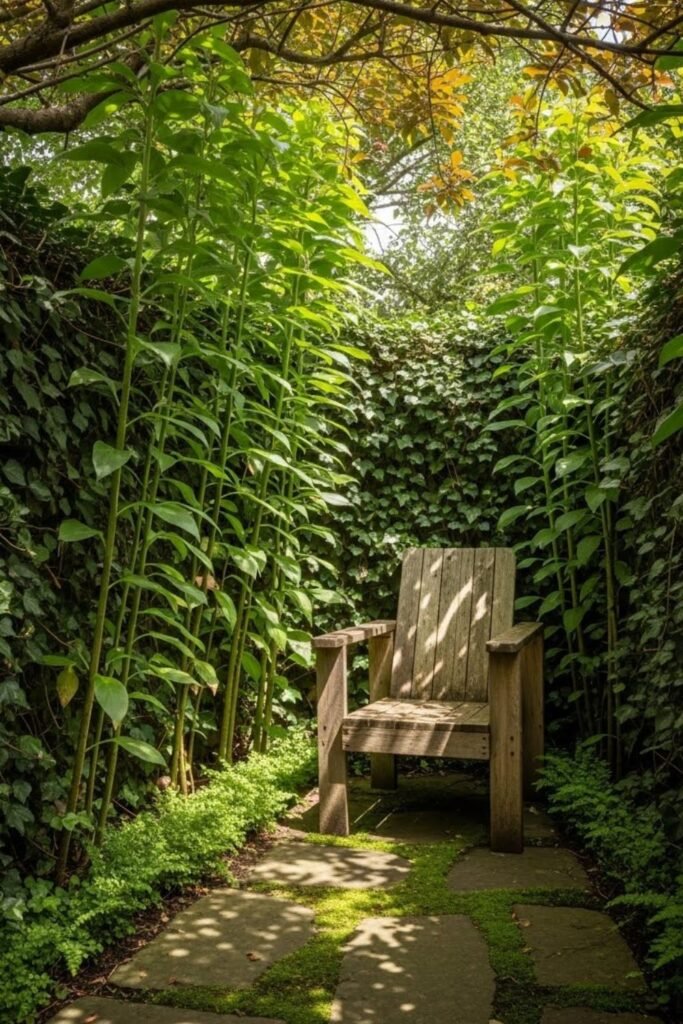
Quiet Chair
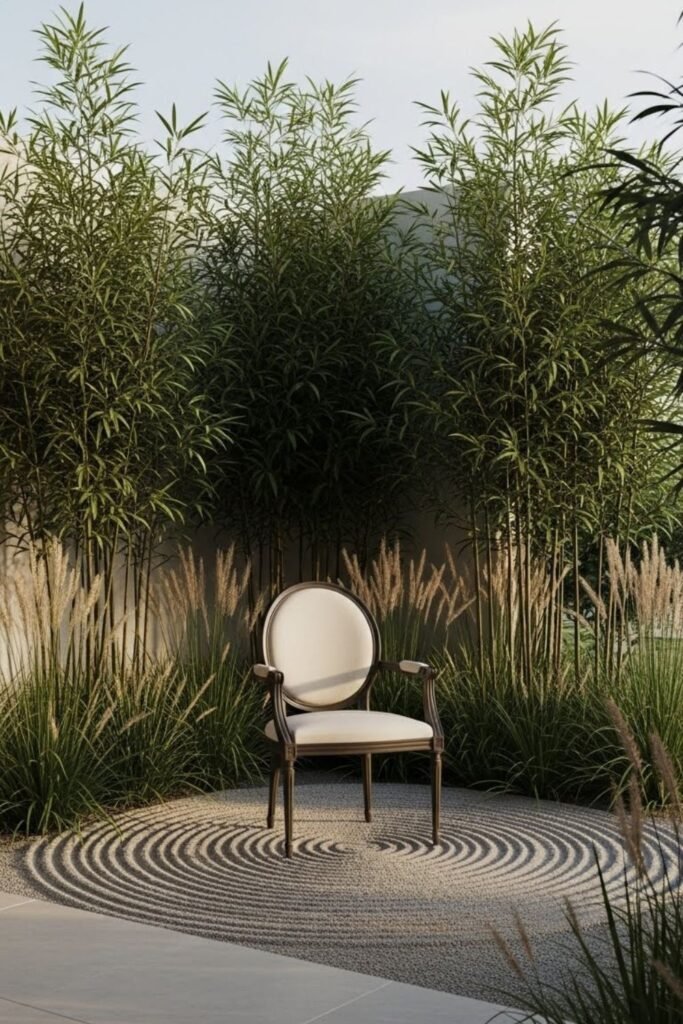
Instead of designing the whole garden first, I pick where I want to sit. One good chair, positioned where the morning light hits or where I can see my favorite plant.
Then I build the privacy around that exact spot. Once the chair feels protected, the garden already works.
I don’t add a side table or extra cushions because it breaks the simplicity. This feels personal, like the space exists for one person having one quiet moment.
Hidden Path
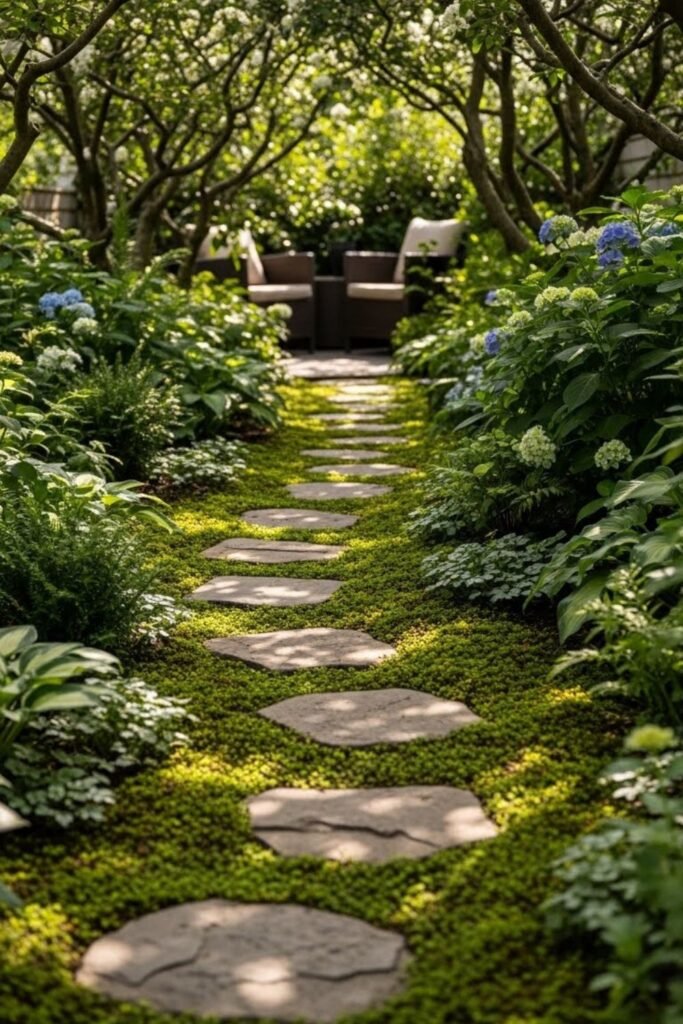
Walking into a space instead of stepping straight into it changes how it feels. I create a short path that curves slightly, even if it’s just three stepping stones or a strip of gravel between two planters.
Following that path shifts your attention forward and away from whatever stress you brought with you. By the time you reach the seating area, you’ve already left the outside world behind.
Even five steps can create that mental separation.
Balcony Shield
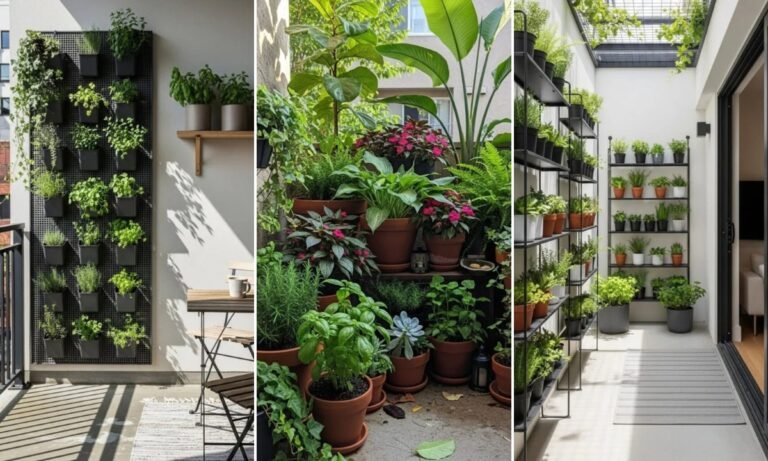
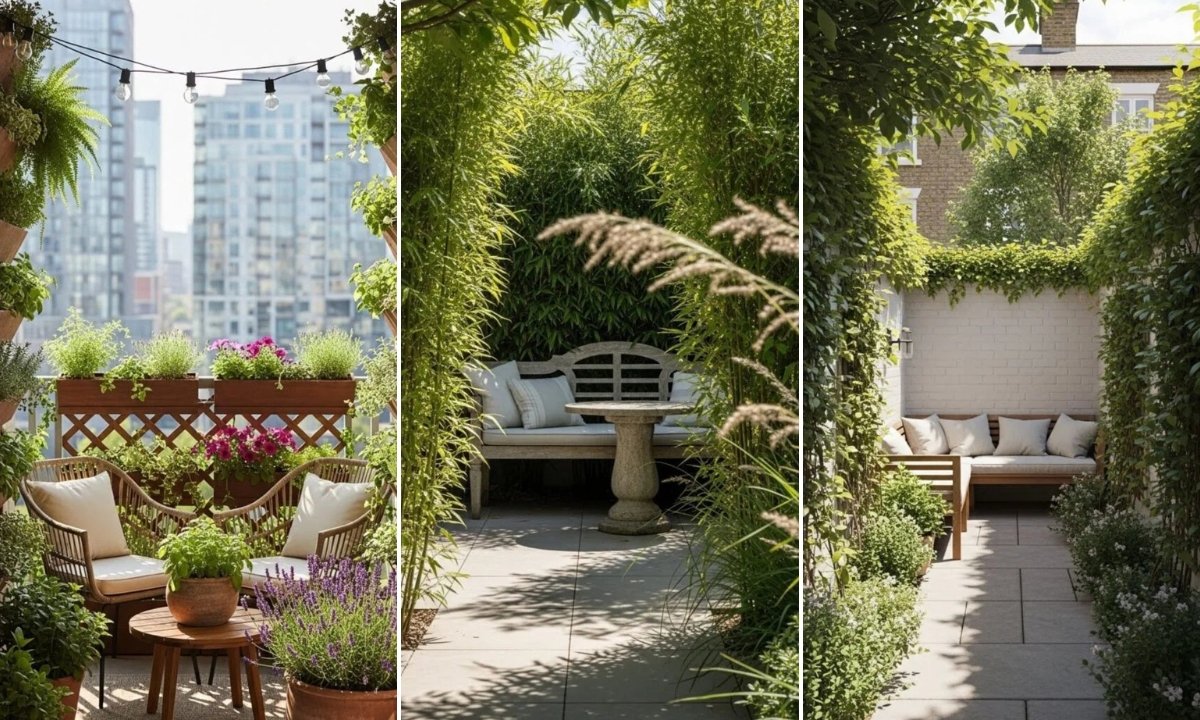
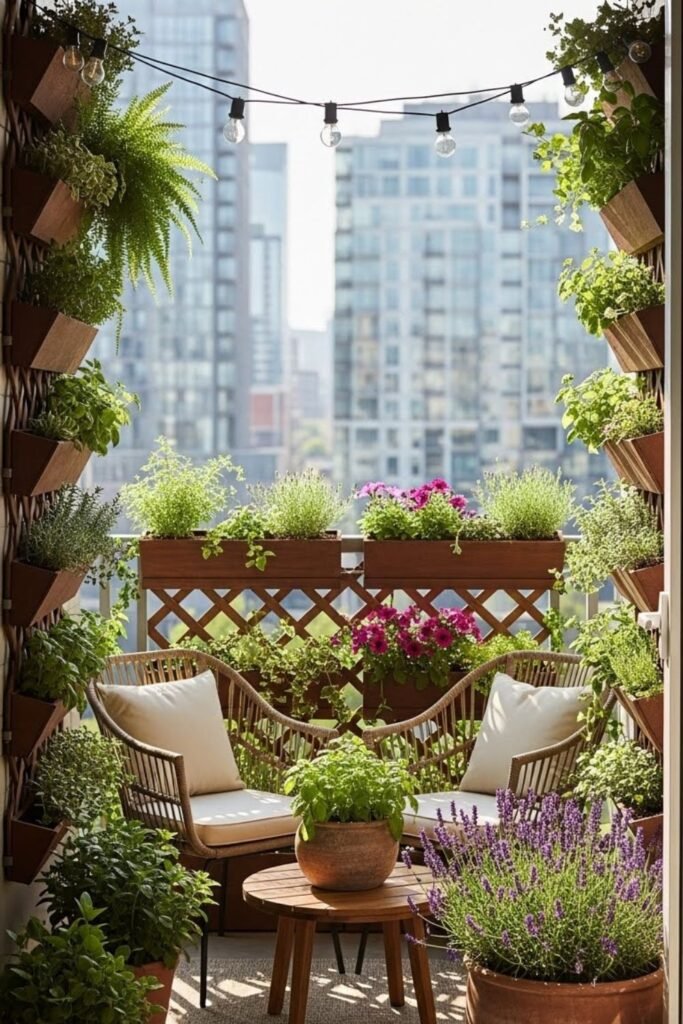
Being three stories up doesn’t mean giving up on privacy. I treat balconies like outdoor rooms — block the railings with tall planters, hang some fabric panels, use a folding screen to break up the sight lines.
Once you can’t see straight down to the street or across to other windows, the space stops feeling exposed. Everything has to stay vertical so you don’t lose your walking room.
When the edges disappear, your mind stops racing and the balcony becomes a real retreat
Reading Nook
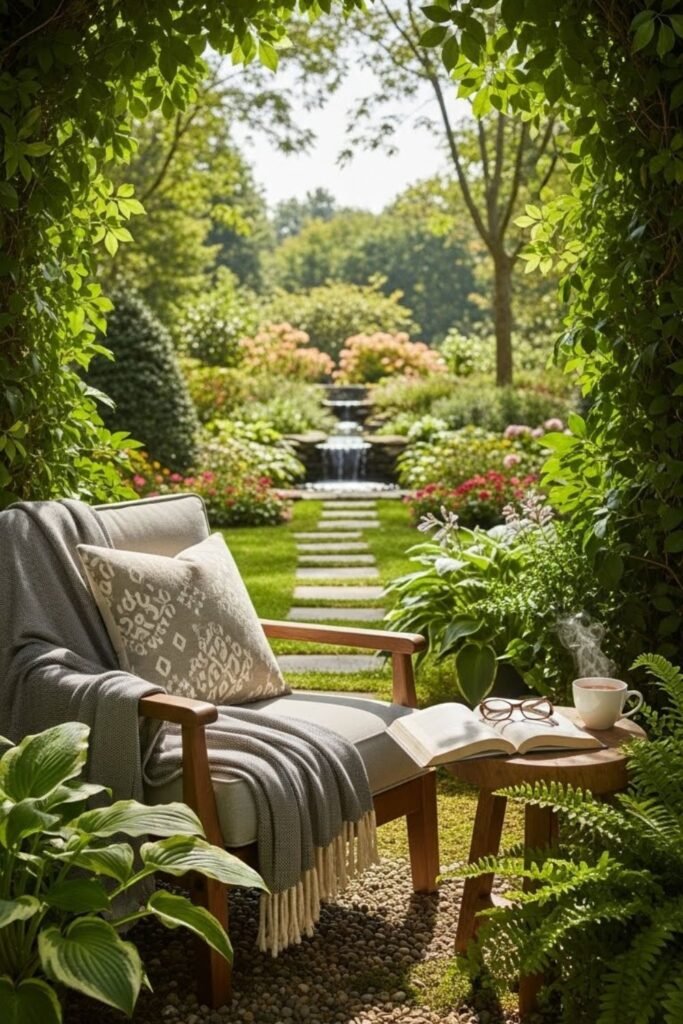
Books need quiet, so I build the garden to support that. Greenery goes behind me and to the sides, never blocking my view forward where I might want to look up from the page.
The plants muffle sounds from other parts of the yard, which makes it easier to stay focused. I keep decorations minimal because too much visual noise breaks concentration.
Simple setup, but it holds attention better and feels like somewhere you’d want to return every day.
Soft Divide
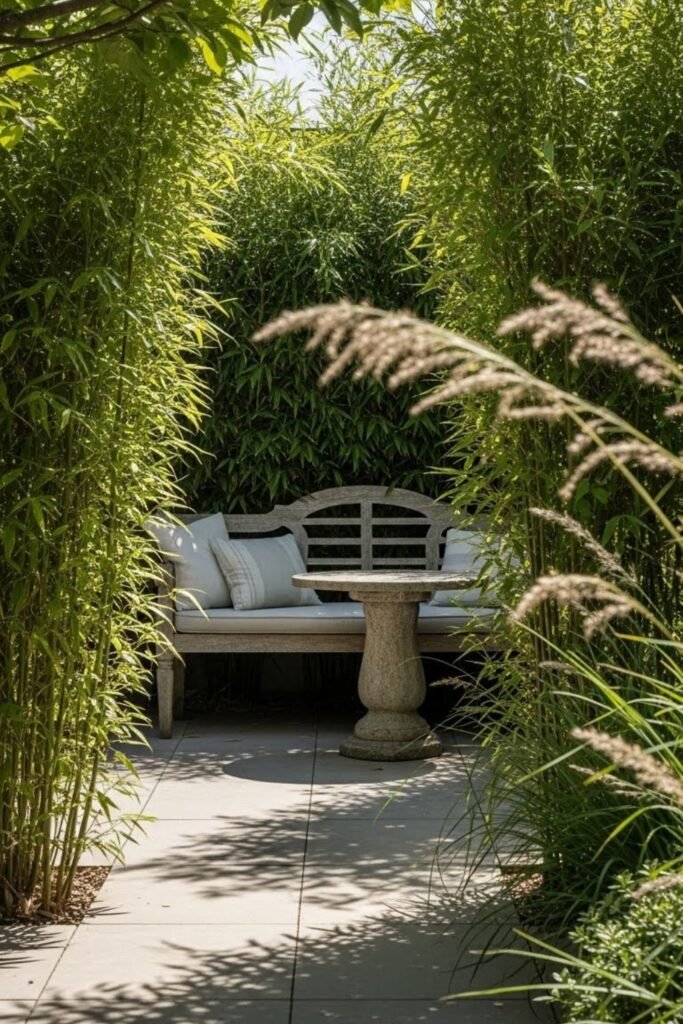
You don’t always need actual walls to separate space. I use height differences — tall ornamental grasses, a row of potted trees, even just a line of medium shrubs — to create a visual break between the active part of the garden and the quiet part.
When you sit behind that green line, the rest of the yard feels distant even though it’s only a few feet away.
This works especially well when kids are playing nearby. Your body understands the boundary without anyone needing to explain rules.
Evening Glow
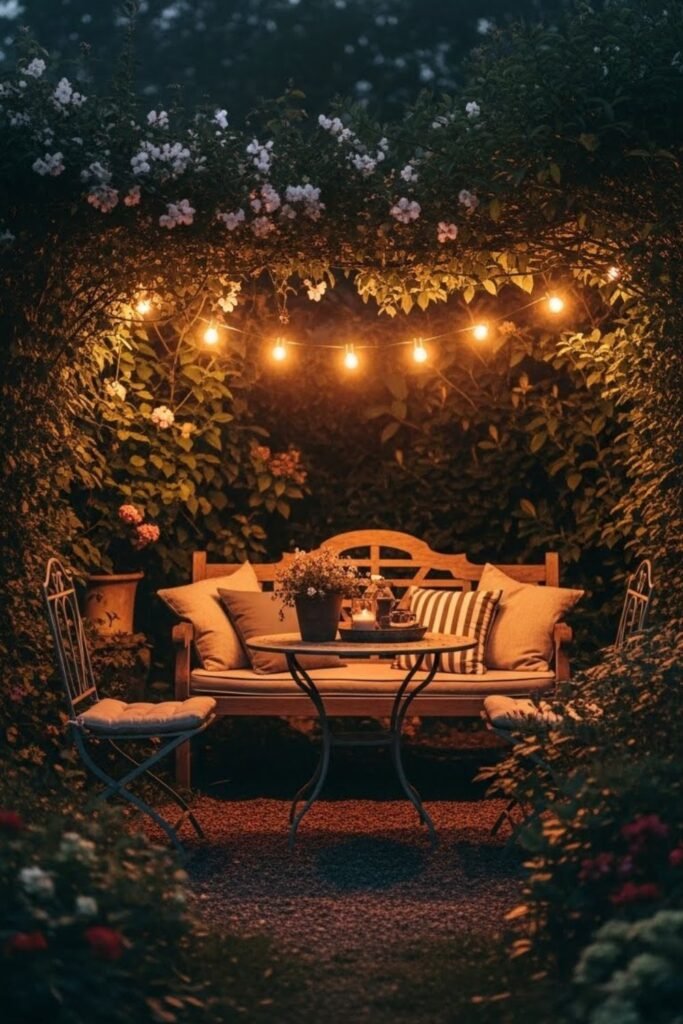
Gardens feel different at night, so I plan for low light. Instead of lighting the whole space, I put one soft light near where I sit — maybe string lights around a trellis or a small solar lamp on a side table.
When the background stays dark, the lit area feels smaller and more protected. Your eyes stop searching around and settle into the gentle circle of light.
Bright bulbs ruin the mood completely. Gentle light creates a quiet bubble that feels separate from everything else going on
Shade Haven
Not every garden gets full sun, and that’s fine. I stop fighting the shade and work with it instead. Hostas, ferns, heuchera — plenty of beautiful plants prefer less light and will give you thick, lush coverage.
Shade already helps with privacy because it hides details and softens edges. When you sit in that cooler, dimmer space, noise feels quieter too.
The calm comes naturally when temperature, plants, and filtered light all work together.
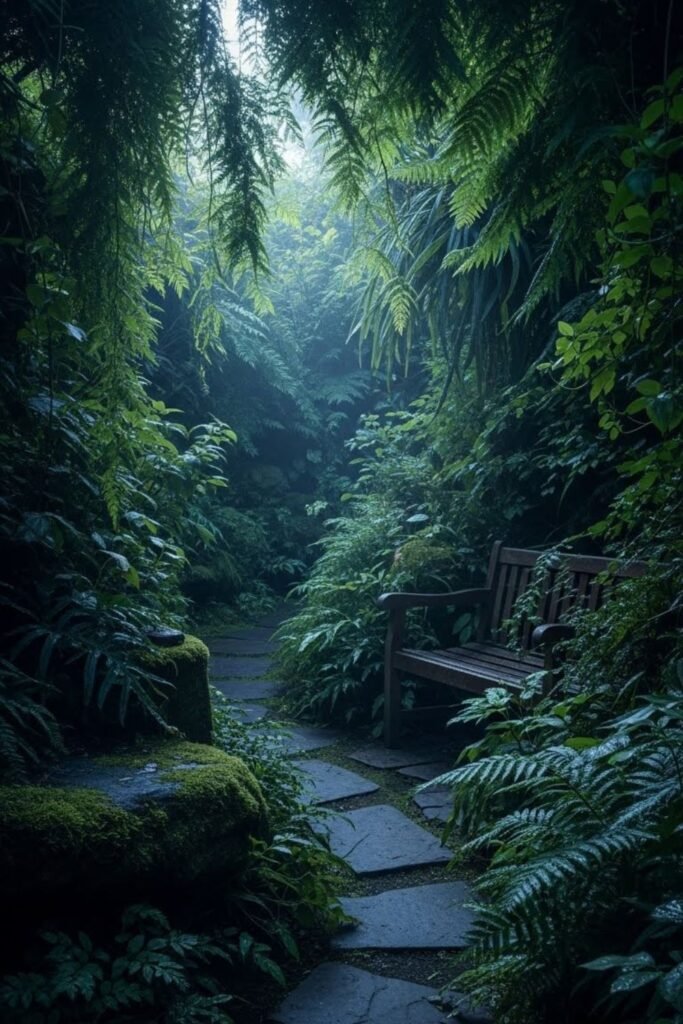
Side Escape
Side yards usually feel like wasted space, but they make perfect hidden spots. I block both ends — maybe with a trellis on one side and tall planters on the other — so it doesn’t feel like a walkway.
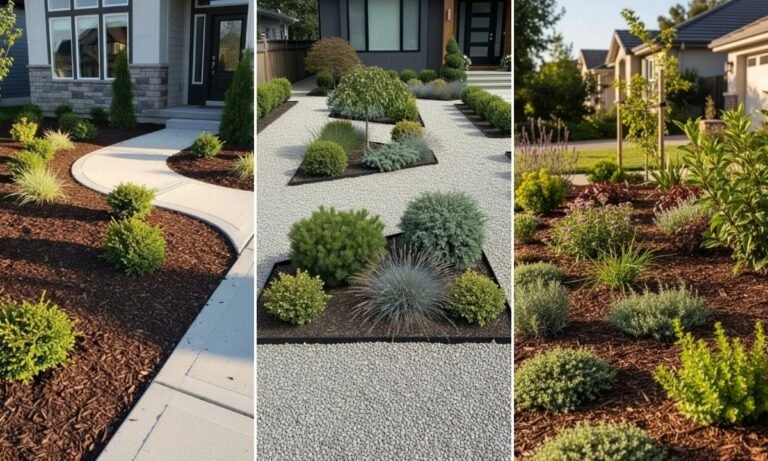
Once foot traffic stops, the narrow space becomes intentional. I keep everything simple — one chair, some climbing plants on the fence, maybe gravel underfoot.
Save this post for later ❤️
Sitting there feels like stepping out of regular life, even though you’re right next to the house.
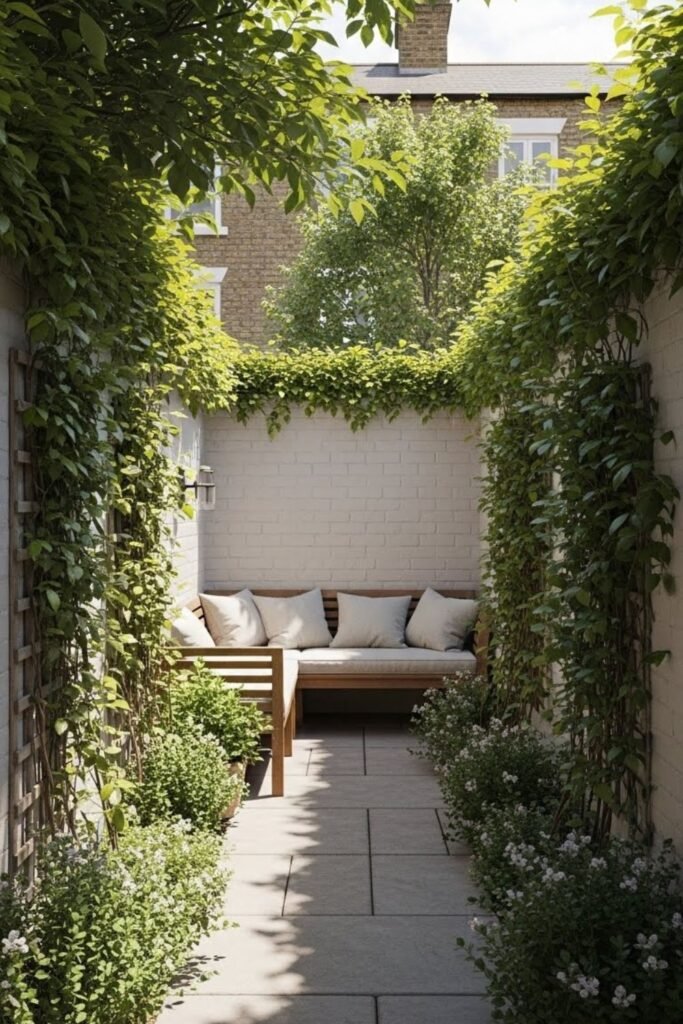
Plant Buffer
Sound travels straight lines, so I put plants where noise usually enters the space. A row of evergreen shrubs between my quiet corner and the street, or tall grasses between the patio and the neighbor’s air conditioning unit.
Leaves break up sound waves in a way solid walls never do. As the plants fill in, the garden gets quieter each season.
When the background noise drops, your breathing naturally slows. That’s what makes the space feel truly separate and restorative.
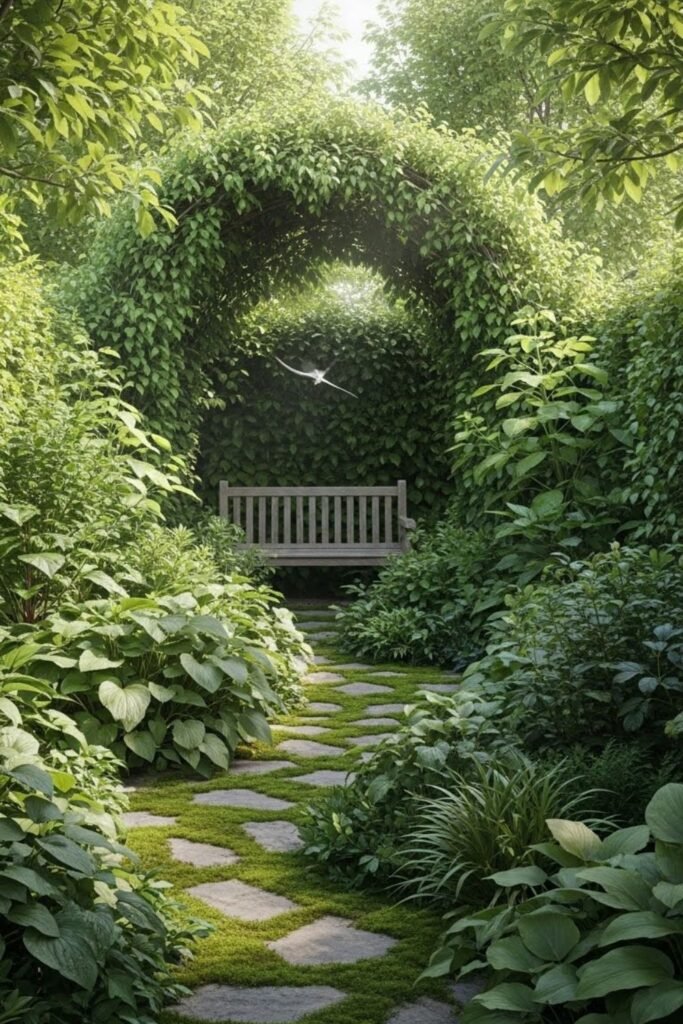
Moving Pots
Fixed designs can feel limiting when you’re working with a small space. I use large planters on wheels — or at least ones I can slide around — so I can move privacy where I need it most.
Summer sun might call for shade on one side, winter might need wind protection from another direction. When something feels wrong, I adjust instead of redoing everything.
That flexibility keeps the space feeling personal. You’re not trapped by someone else’s design choices when you can rearrange calm wherever you need it.
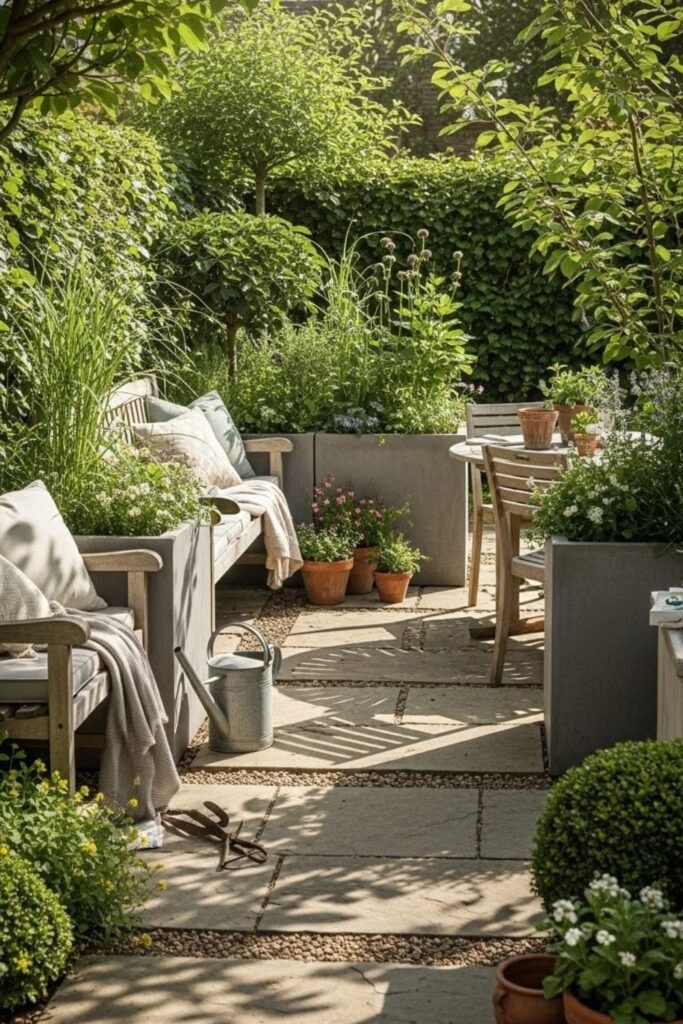
Simple Calm
When I’m feeling overwhelmed, less helps me relax faster. One seating spot, one type of plant for privacy, one small light for evenings. Nothing competing for attention.
When the space stays visually quiet, your mind follows. I resist the urge to fill empty spots just because they’re empty.
Breathing room gives the garden space to actually breathe, and that’s what makes it feel hidden and intentional rather than cluttered.
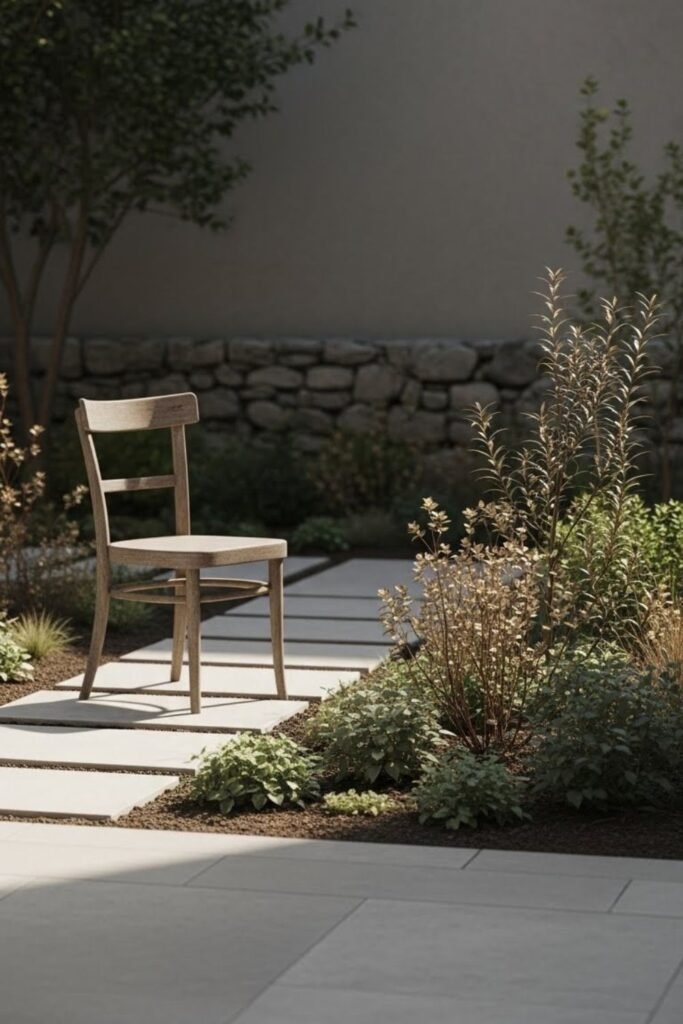
Single Focus
Where your attention goes determines how secret the space feels. I choose one beautiful thing — maybe a flowering tree, a piece of sculpture, even just one perfect planter — and let everything else support it quietly.
When your eyes have a clear place to land, distractions disappear. I keep surrounding elements soft and secondary so nothing steals focus from the main attraction.
This approach works especially well in small gardens where you need to create depth and interest without visual chaos
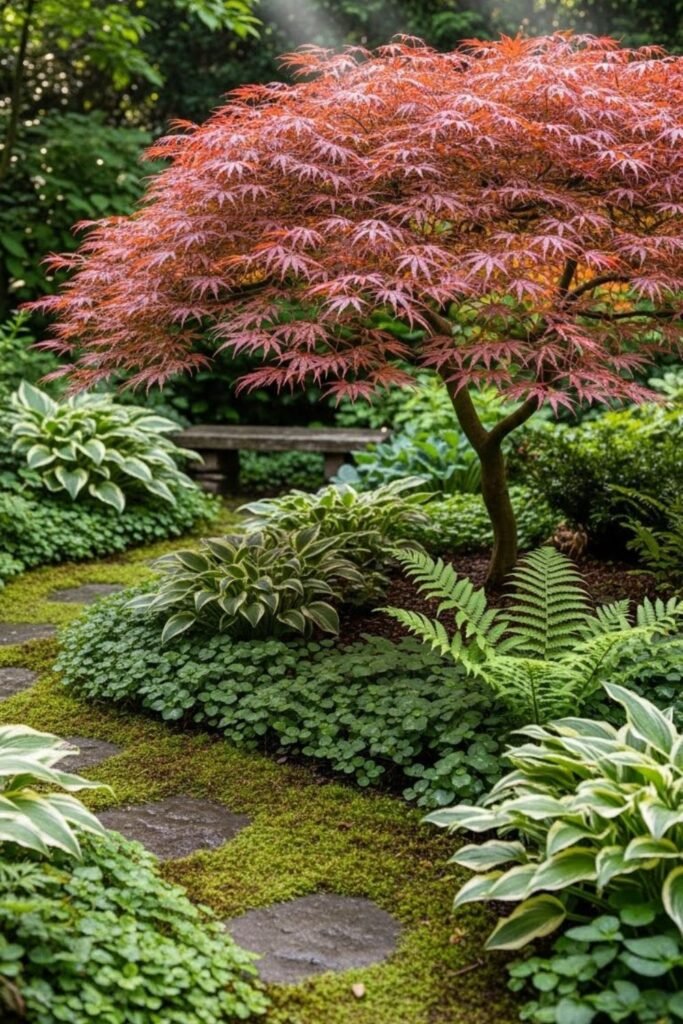
Tea Corner
Short breaks matter more than long vacations sometimes. I set up one small table and chair where I can sit with coffee in the morning or tea in the afternoon without anyone bothering me.
Once the space feels protected enough, even ten minutes becomes restorative. I don’t bring my phone here — that’s the rule.
The goal is stillness, not productivity. When the garden supports that daily habit, it becomes a reset button instead of just decoration.
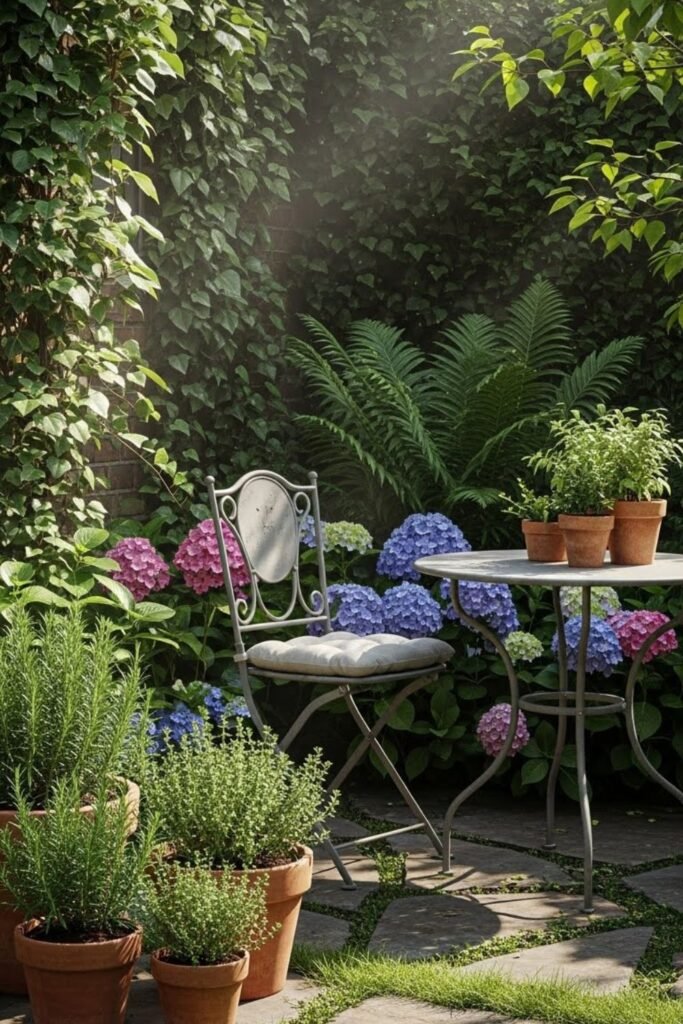
Curtain Hide
Sometimes fabric works better than fencing because it feels softer and less permanent. I hang weather-resistant curtains on a simple rod system where I need privacy most — between my seating area and the neighbor’s windows, usually.
When the curtains are closed, the garden disappears completely from outside view. When they’re open, the space connects to the larger yard again.
I like having that control. Privacy when I need it, openness when I want it, and the wind keeps everything moving so it never feels too rigid.
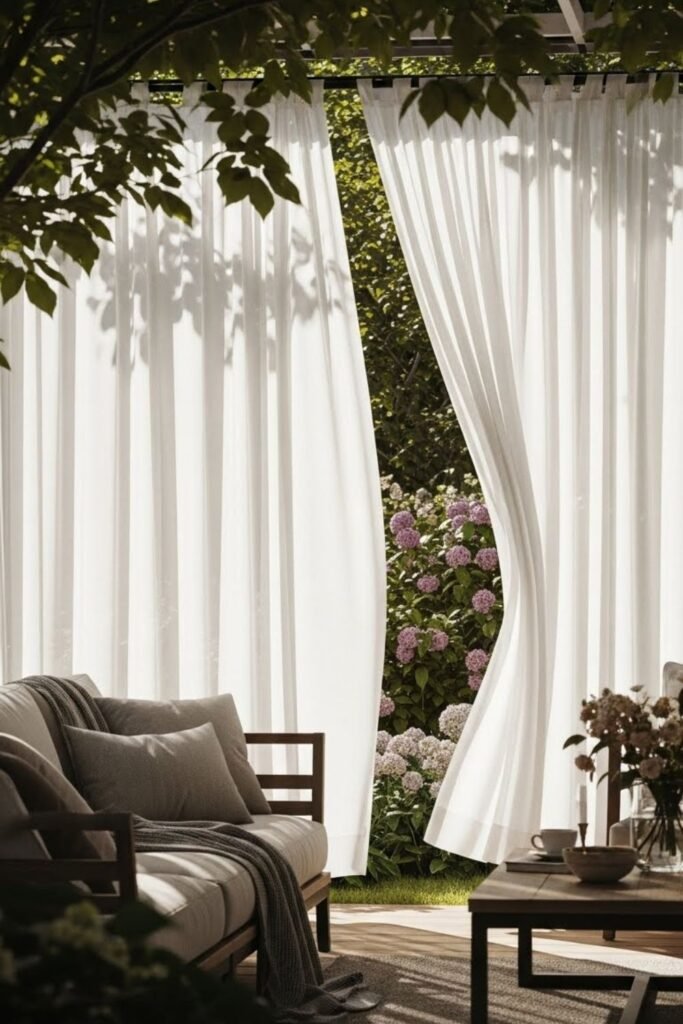
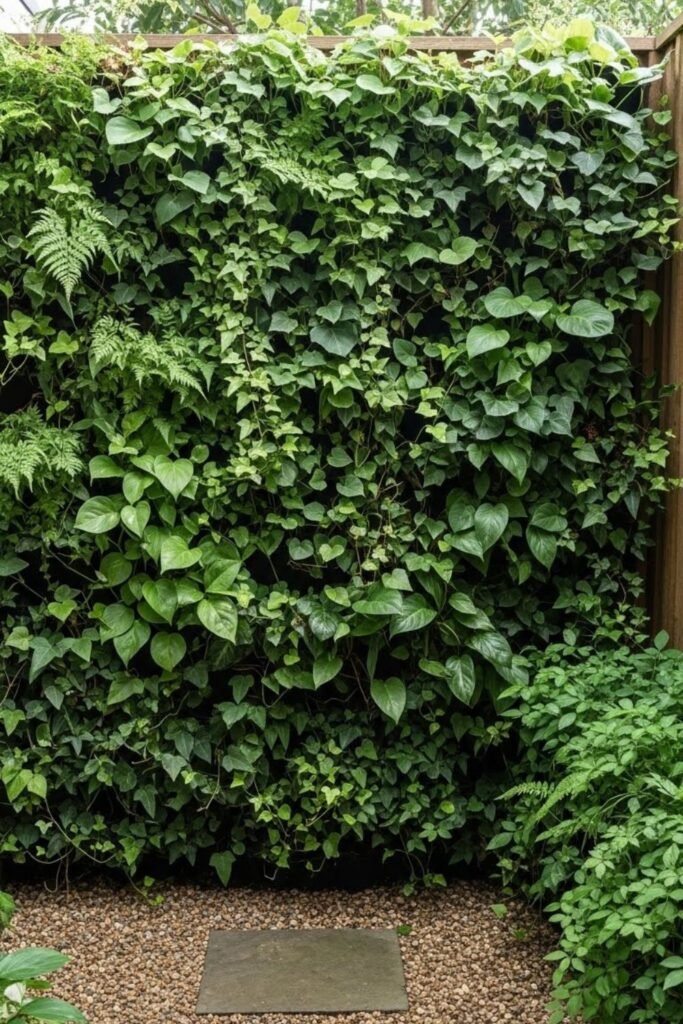
Green Wall
Flat fences are missed opportunities. I turn them into living walls by training climbers up wire supports or stacking planters vertically until you can’t see the fence anymore. Just green.
I keep the ground level simple so the vertical garden stays the main event. This works perfectly in tight spaces because you’re using height instead of width for privacy.
Your eyes stop wandering to neighboring yards and your body relaxes inside that green boundary.
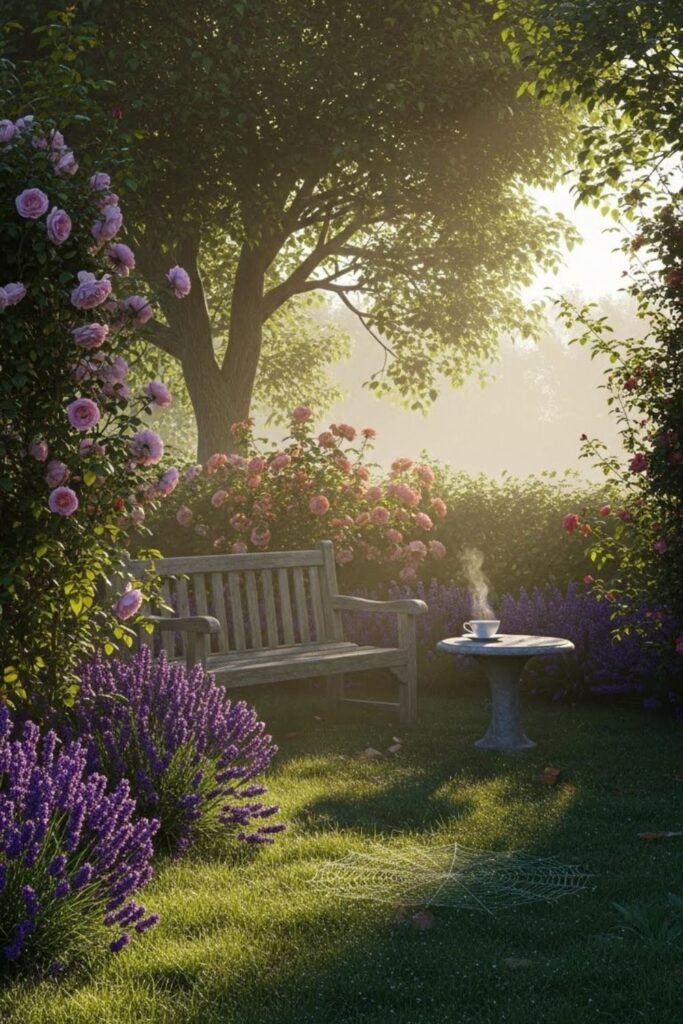
Morning Reset
Early hours feel different from the rest of the day, so I design this spot specifically for mornings. Seating where the first sunlight hits, plants arranged to block everything behind me but leave my view open to watch the garden wake up.
Silence feels stronger before the neighborhood gets busy. I sit here without plans or phone, just breathing and drinking coffee.
Starting the day in a hidden garden changes how everything else feels. Calm arrives before noise gets a chance to take over.
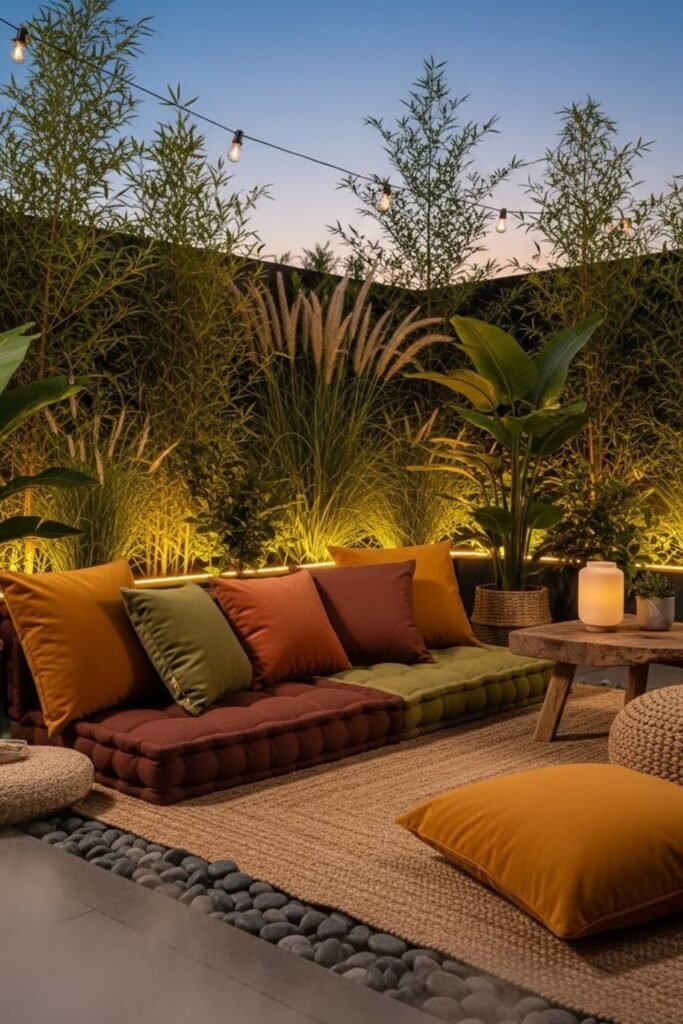
Ground Rest
Chairs lift you up and away from the space, but sometimes I want to stay closer to the ground. Floor cushions, a low bench, even just a weatherproof mat for sitting directly on the earth.
When you sit lower, plants tower over you more dramatically and the space feels more protected. This setup works well for stretching, meditation, or just changing your perspective on the garden.
Being closer to the earth makes the garden feel more personal somehow. Your breathing slows and tension leaves without you trying to make it happen
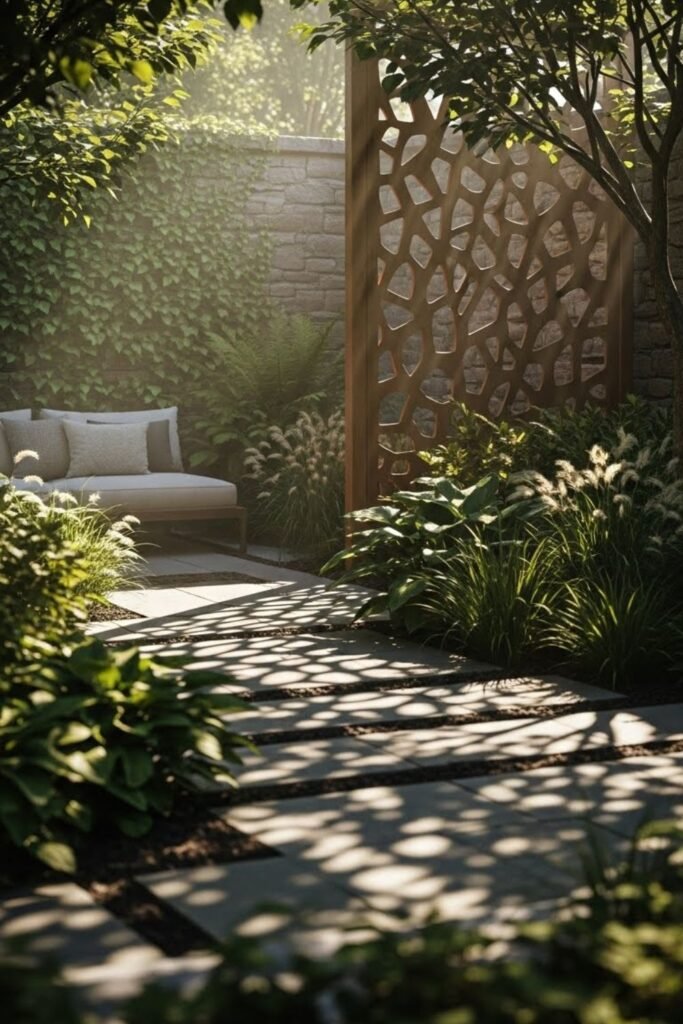
Shadow Play
Light and shadow shape mood faster than furniture does. I position plants and screens where they’ll cast interesting patterns — not solid shade, but shifting, dappled light that changes throughout the day.
As the sun moves, the space feels alive but never harsh or exposed. Sitting inside those moving shadows calms your mind without any effort on your part.
When bright, glaring areas disappear, privacy feels more natural. Shadow does half the hiding work for you.
Patio Shell
Open patios feel like stages — everyone can see you from every angle. I slowly wrap the edges with layers of plants, screens, and fabric until the patio feels held instead of exposed.
The center stays clear for movement and furniture, but the perimeter gets softer and more private each season.
You stop worrying about who might be watching. Comfort grows when boundaries exist, even if they’re made from jasmine vines and outdoor curtains.
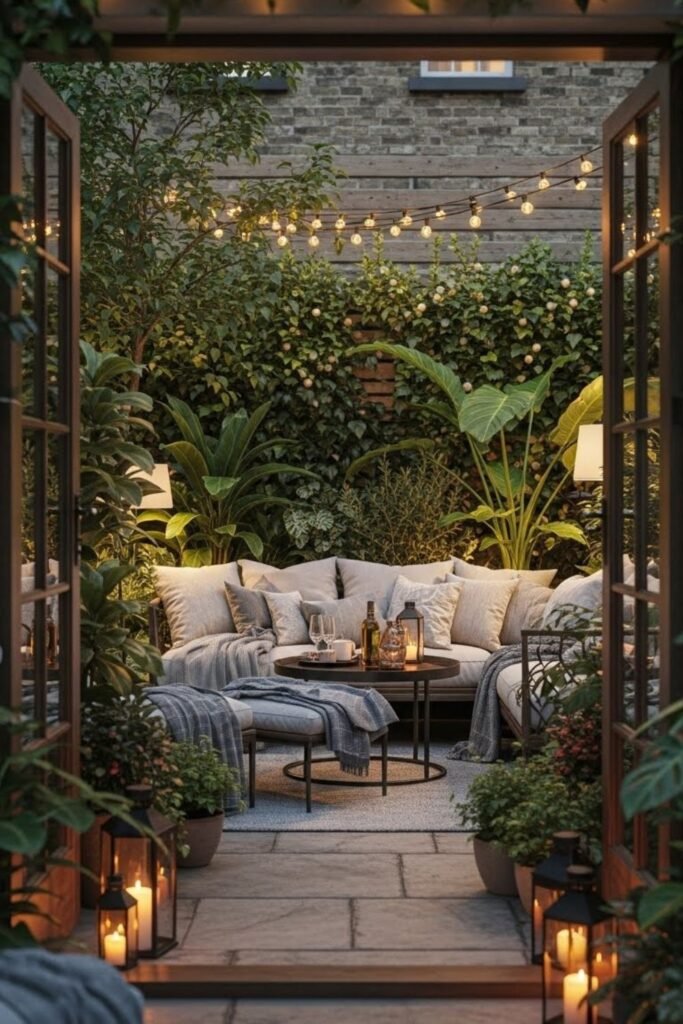
Redirected Walk
Foot traffic destroys the calm you’re trying to create. I use planters, low fencing, or even just strategically placed garden stones to guide people around my quiet spot instead of through it.
Once the flow of movement changes, the hidden area stays undisturbed. Sitting there feels intentional rather than accidental.
This works especially well in shared spaces where you can’t control who walks through the garden, but you can influence where they walk
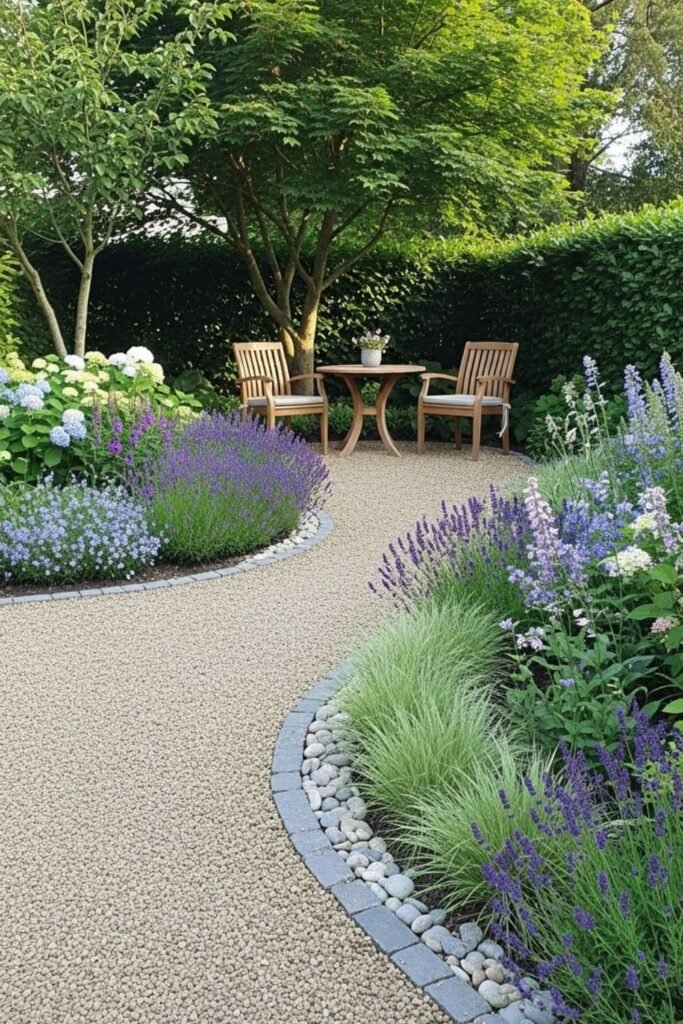
Easy Care
High-maintenance gardens kill relaxation because you can never sit down without noticing something that needs fixing. I choose plants that basically take care of themselves — native species, established perennials, anything labeled “low water” or “drought tolerant.”
Less work means more time to actually enjoy the space. When upkeep stays manageable, guilt disappears.
A secret garden should support your peace of mind, not demand constant attention. Calm comes easier when the space doesn’t feel like another job.
I’ve spent over four decades building a marriage, raising a family, and learning what truly matters along the way. I write about relationships, home, and navigating life’s later seasons with grace, honesty, and a little humor. My goal is to share the kind of steady, real-life wisdom that helps you feel grounded, encouraged, and a little less alone.