Backyard Flower Garden Ideas That Turned My Plain Lawn Into Something I’m Actually Proud Of

Your backyard has space for flowers, but every time you consider starting, the whole thing feels overwhelming. Some neighbors just scatter seeds around, others talk about soil amendments and bloom schedules, and suddenly you’re wondering if you’re missing something fundamental.
Maybe you planted something last spring and watched it shrivel, or you’re tired of looking at that empty patch near the fence. Most flower gardens fail because people jump in without matching plants to their actual conditions.
This guide covers 28 backyard flower garden approaches that work with real schedules, real budgets, and the soil you actually have
What Are The Best Flowers To Grow In a Backyard Garden?
The flowers that thrive are the ones suited to your specific patch of ground, not the ones that photograph well.
For full sun areas, marigolds, zinnias, and coneflowers handle heat without constant fussing. They’re built for bright conditions and don’t sulk when temperatures climb.
Shady spots do better with impatiens, begonias, or coleus — plants that actually prefer filtered light. Perennials save money and effort since you plant once and they return each season without replanting.
When flowers match their growing conditions, they settle in faster and need less intervention from you.
Save this article for later! 👇👇

How Do You Prepare Soil For a Backyard Flower Garden?
Soil preparation determines whether your flowers struggle or flourish. Start by loosening compacted dirt so roots can spread without fighting their way through hardpan. Pull weeds completely — roots and all — because they’ll steal nutrients and water from new plantings.
Clay soil that stays soggy needs compost mixed in for drainage. Sandy soil that dries out fast also benefits from compost, but for moisture retention. You don’t need expensive amendments — just organic matter that breaks down slowly.
Properly prepared soil means flowers establish quickly and grow stronger without constant troubleshooting later.
Perennial Corner
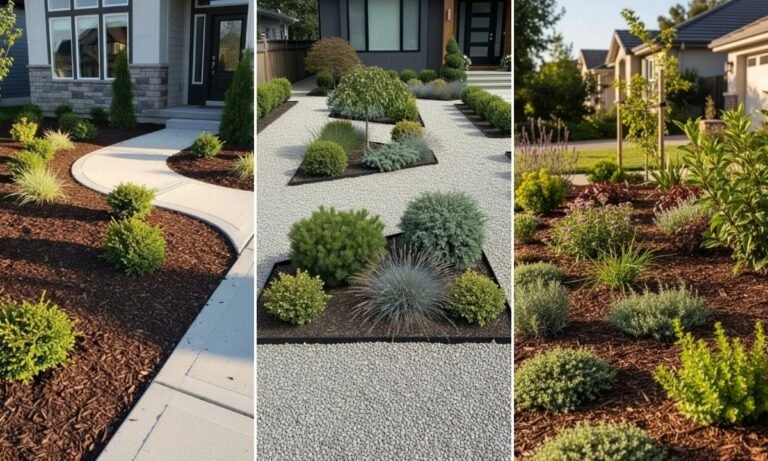
I started with one corner because it felt manageable instead of overwhelming. Perennials make sense here since they come back every year without replanting — less work, better value over time.
Heavy mulch around each plant locks in moisture and cuts down weeding. Watering becomes predictable, and I’m not scrambling to fix problems every few weeks.
The space fills in naturally over two seasons, which feels satisfying. This works especially well if you want steady results without constantly buying new plants or starting over.

Color Focus
Limiting colors before buying plants keeps the garden from looking like a paint store explosion. I pick one main color — maybe soft yellows — and add one supporting shade, then stick to that palette completely.
This makes plant shopping faster and less stressful. Even with different flower shapes and heights, the shared colors pull everything together visually.
The space reads as intentional rather than accidental. Color discipline works better than trying to include every pretty flower you see at the nursery.

Fence Border
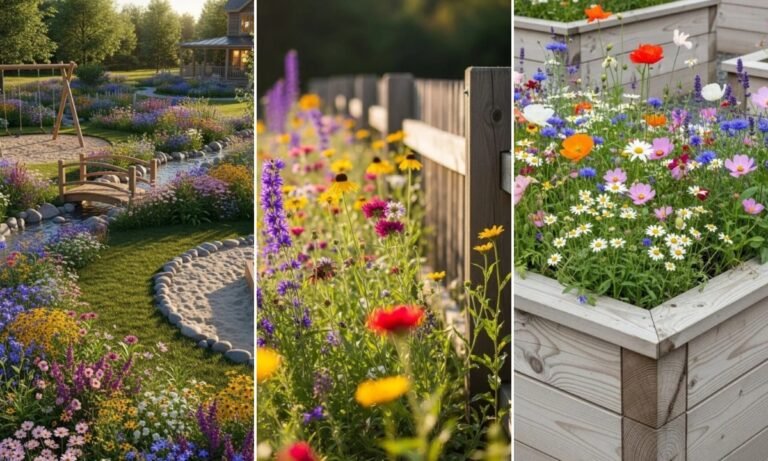
Using the fence line as a planting guide changed how I think about yard space. Taller flowers go near the fence, shorter ones in front, creating depth without eating up the center of the yard.
This keeps the main yard open and usable while softening the hard fence line. Watering runs in one clear direction, and I know exactly where each plant belongs.
Maintenance takes less time since everything has a logical place

Pollinator Space
When bees and butterflies show up regularly, you know the garden is working. I choose open-faced flowers that pollinators can actually use — not just the double-ruffled varieties that look pretty but offer no nectar.
Native plants require less coddling since they’re already adapted to local conditions. Fewer pest problems develop because natural predators stick around.
The garden feels alive and balanced instead of static. This approach grows into stability over time rather than needing constant intervention.

Beginner Bed
Starting with forgiving plants built my confidence faster than struggling with finicky varieties. I chose flowers that don’t panic if watering isn’t perfect or soil conditions aren’t ideal — marigolds, cosmos, sunflowers.
Proper spacing matters more than cramming everything in. Plants need room to grow without competing. Quick results keep you motivated, and mistakes don’t ruin the whole project.
This type of setup proves that gardening doesn’t require expert knowledge to look good and feel rewarding.

Sun Area
Strong, all-day sun used to intimidate me until I stopped fighting it. Heat-loving flowers actually perform better when they get consistent bright light — they’re built for those conditions.
I space plants wider in full sun so air circulates freely and roots don’t overheat. A thick layer of mulch prevents soil from baking. Watering becomes predictable rather than frantic.
Bright blooms last longer under these conditions once you work with the sun instead of against it.

Shade Spot
That dim corner under the oak tree stopped feeling useless once I learned shade can be an advantage. Shade-loving plants grow fuller and more relaxed without the stress of intense sun.
Soil moisture stays more consistent, which means less frequent watering. I focus on interesting foliage textures and softer flower colors here. Growth feels steadier, less dramatic.
This area stays cooler during hot afternoons, making it pleasant to sit near. Shade gardens prove beauty doesn’t require blazing sun.

Raised Beds
Poor native soil stopped being a limitation once I built raised beds. Complete control over soil quality changes everything — roots grow freely, drainage improves instantly, and plants establish faster.
Less bending makes gardening more enjoyable as I get older. I fill beds with quality compost-rich soil and plant without fighting clay or rocks.
This setup works particularly well if your yard has drainage problems, hardpan, or soil that’s been compacted by construction.

Bloom Timing
Planning flowers by when they bloom prevented those awkward gaps where nothing’s happening. I mix early bloomers like tulips, mid-season flowers like echinacea, and late bloomers like asters so something’s always showing color.
As one wave fades, the next one takes over without empty patches. The garden stays interesting for months instead of looking great for three weeks then going dormant.
This approach rewards patience and keeps the backyard attractive through seasonal changes without constant replanting or intervention.

Cottage Style
Loose, informal planting freed me from worrying about perfect rows or precise spacing. I let flowers blend and overlap naturally, with different heights creating a relaxed, lived-in feeling.
The slight randomness makes the space feel warm rather than rigid. Plants support each other as they grow, and maintenance feels less demanding.
I focus on overall flow rather than strict rules. This style works well if you prefer gardens that look established and welcoming rather than manicured.

Minimal Design
Using fewer plants actually made the garden stronger. Wide spacing lets each flower stand out instead of competing for attention. Clean lines and simple shapes keep everything calm and uncluttered.
Maintenance stays easy because there’s less crowding and fewer potential problems. I choose quality plants over quantity.
This approach suits busy schedules and modern homes. Minimal doesn’t mean boring — it means every plant matters and has room to shine.

Save this post for later ❤️
Budget Build
Saving money changed how I approach gardening completely. I start small and expand gradually instead of buying everything at once. Seeds cost a fraction of transplants, and plant divisions from neighbors fill space for free.
Reusing containers and choosing spreading perennials keeps spending low while maximizing coverage.
This removes financial pressure and lets the garden develop at its own pace. Beauty comes from patience and planning, not expensive plant purchases.

Kid Garden
Including children in the garden changed the whole energy of the space. I choose flowers that grow quickly and look bright so young attention spans stay engaged — sunflowers, zinnias, nasturtiums.
Safe, non-toxic plants matter since touching and tasting always happen. Simple layouts prevent damage during play, and gardening becomes a shared family activity instead of something fragile to protect.
Kids learn patience and responsibility naturally while the garden stays joyful and connected to daily life.

Fragrant Zone
Scent became as important as looks once I started paying attention. I place fragrant flowers near seating areas and along walking paths so the fragrance feels natural, not overwhelming.
Evening bloomers like four o’clocks and night-blooming jasmine add calm after busy days. This type of garden feels deeply personal because scent triggers memory and emotion more powerfully than sight alone.
A fragrant zone transforms ordinary moments in the backyard into something restorative without requiring extra maintenance or complexity.

Native Choice
Trusting native plants saved considerable effort and water. Local flowers already understand the climate, soil, and rainfall patterns — they don’t need constant adjustment or intervention.
Watering becomes less demanding once plants are established, and growth feels steady rather than erratic. Pest problems decrease because natural predators and beneficial insects stay around. Wildlife responds quickly, bringing life to the garden.
Native gardens develop into balanced ecosystems over time, requiring minimal input while providing reliable beauty.

Wild Look
Letting go of control was the hardest and most rewarding decision I made. Mixed heights and natural spacing create movement and rhythm without planning every single placement.
I stopped worrying about perfect symmetry or rigid spacing. Plants follow their own growth patterns, which reduces my stress and workload significantly.
A wild-style garden looks relaxed yet purposeful. It works best when you enjoy watching plants evolve naturally rather than managing every detail.

Container Garden
Being able to move flowers around gives flexibility I never knew I needed. Containers let me test different locations before committing plants to permanent spots. I shift pots based on sunlight changes, seasonal needs, or just mood.
Soil quality stays controlled and clean, which keeps plants healthier with less guesswork. Small backyards benefit most from this approach. Problems stay contained rather than spreading.
Container gardening works perfectly when you want flexibility, quick changes, and reduced long-term commitment while still enjoying abundant color.

Path Flowers
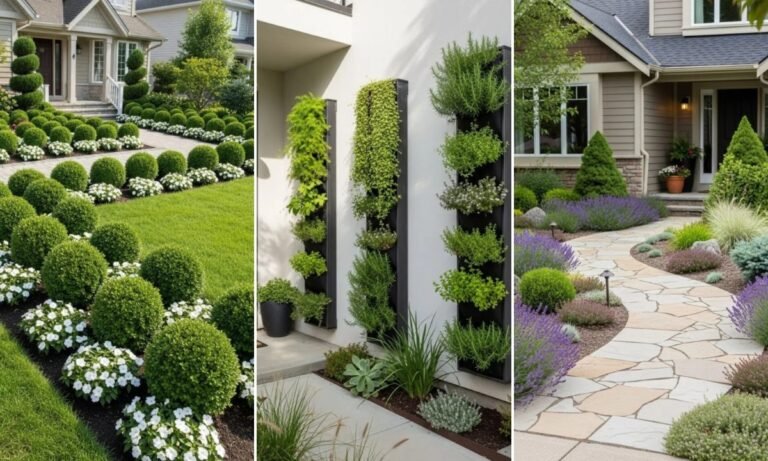
Lining walkways with flowers completely changed how walking through the yard feels. I use low-growing, consistent blooms that don’t block movement or drop debris on paths.
Repeating the same plant variety keeps the look clean and organized. Maintenance stays simple because everything grows in predictable patterns.
Flower-lined paths add structure while feeling natural and welcoming. This approach blends beauty with function in a way that feels both thoughtful and practical.

Dry Garden
Reducing water use forced me to choose more intelligently. Deep-rooted, drought-tolerant flowers handle heat waves without daily watering once they’re established. I prepare soil carefully so whatever moisture they get lasts longer.
Once plants settle in, care requirements drop dramatically. Hot summer days stop feeling stressful or demanding.
This approach works especially well in dry climates or for people with demanding schedules who can’t water constantly.

Vertical Space
Looking upward instead of just outward changed how I use limited space. Trellises, arbors, and wall-mounted planters turn vertical surfaces into growing areas. Flowers grow up instead of out, keeping the ground-level yard open and usable.
Air circulation improves with vertical growing, and maintenance stays manageable since everything’s more accessible.
This suits small backyards particularly well and creates visual depth without taking up more ground space.

Mixed Greens
Combining flowers with foliage plants eliminated my worry about bloom gaps. Interesting leaves carry the garden when flowers rest between blooming cycles, so the space never looks empty or unfinished.
Different leaf sizes, shapes, and colors add depth without requiring constant flowering. Foliage handles weather changes more reliably than delicate blooms.
This balance creates steady visual interest that lasts longer than flowers alone

Privacy Screen
Creating privacy with flowers feels more natural than installing fences or barriers. I use taller blooms and layered plantings to block unwanted sight lines gently while keeping the space feeling open and soft.
Wind moves through living screens instead of hitting solid barriers, which feels more comfortable. Coverage improves over time as plants mature.
A floral privacy screen provides seclusion while maintaining the welcoming character of the backyard rather than making it feel closed off.

Calm Corner
Designing one quiet spot specifically for relaxation changed how I use the entire yard. I place gentle colors and soft textures near a comfortable chair so the view immediately soothes rather than stimulates.
Low-maintenance plants keep this area from becoming another chore. Background noise softens when surrounded by growing things.
This setup focuses on comfort and peace rather than showiness

Busy Routine
A packed schedule forced me to simplify ruthlessly. I choose flowers that don’t demand daily attention and set up watering systems that work consistently without constant monitoring.
Missing a few days doesn’t cause plant casualties when varieties are chosen well. The layout stays straightforward so nothing feels overwhelming or complex.
This garden fits real life instead of requiring real life to accommodate it.

Clean Edges
I’ve spent over four decades building a marriage, raising a family, and learning what truly matters along the way. I write about relationships, home, and navigating life’s later seasons with grace, honesty, and a little humor. My goal is to share the kind of steady, real-life wisdom that helps you feel grounded, encouraged, and a little less alone.