Wildflower Garden Ideas That Look Effortlessly Beautiful and Basically Take Care of Themselves

Color Control
Too many colors create visual noise that makes wildflower gardens feel chaotic. I stick with one color family — usually pink and white — and everything feels calmer immediately.
Variety still exists within that palette, but harmony holds the whole space together. Neighbors notice intention instead of wondering if you’ve given up on yard maintenance.
Pink cosmos, white zinnias, and pale purple asters create enough variation without overwhelming anyone walking past on their evening walks around the neighborhood.
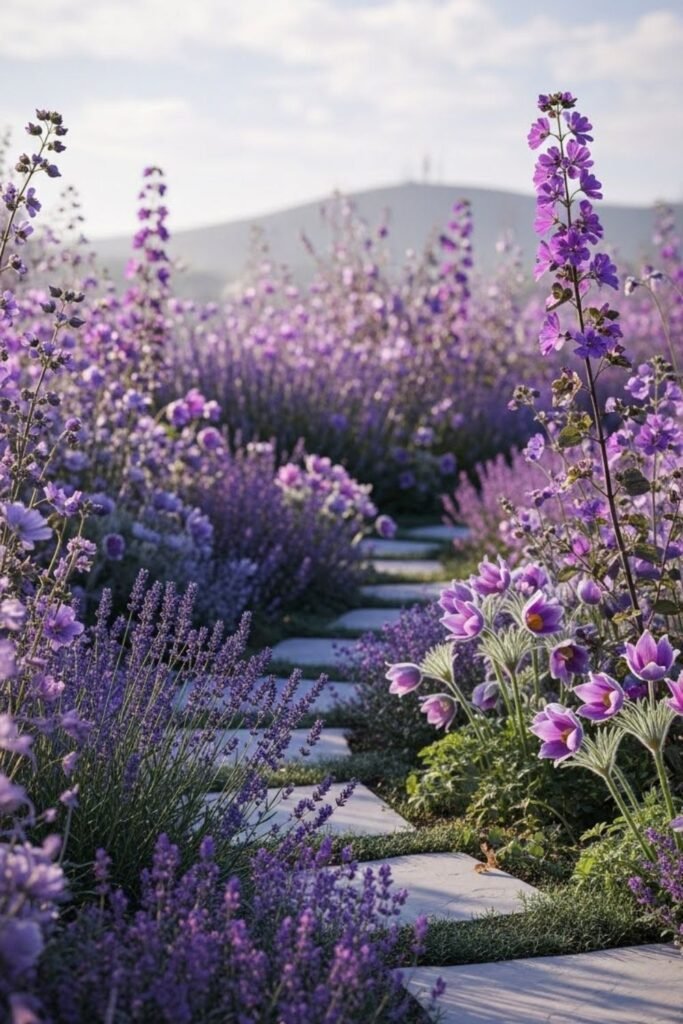
Soft Shade
The area under our oak tree stayed empty for years because I assumed wildflowers needed full sun. Turns out, many varieties tolerate filtered light better than expected.
Growth happens more slowly, and blooms arrive later, but they still come. Morning sun works better than afternoon heat for most shade-tolerant wildflowers.
Impatiens and begonias aren’t the only options for partial shade. Wild columbine and woodland phlox prove that natural gardens work in less-than-perfect conditions too.

Play Friendly
Kids and wildflowers coexist better than most people think, but plant selection matters. I avoid anything with thorns or toxic properties and focus on soft-stemmed varieties.
Open patches stay clear for running, while flowers grow around the edges of play areas. Trampling happens occasionally, but tough varieties bounce back.
Children naturally become more curious about insects and plant life when wildflowers are part of their daily outdoor experience. Nature education without lessons.

Lawn Swap
I got tired of mowing the back section that nobody uses for anything specific. Replacing that grass with wildflowers cut weekend maintenance time by at least an hour.
The transition looks uneven during the first growing season, but patience fixes most establishment problems. Seeds spread naturally and fill gaps without replanting.
Water requirements drop significantly once roots establish. The space gives back color and movement instead of demanding weekly attention.

Stone Edges
Natural stone signals intention while allowing flowers to spill softly over the boundaries. The contrast between hard and soft creates visual interest without constant maintenance.
Rocks also help with drainage and prevent soil erosion during heavy rains. I let growth happen naturally instead of trimming everything back to perfect edges.
This approach works especially well in more rustic garden settings where formal borders would feel out of place but some definition still helps.

Modern Minimal
Clean architecture doesn’t have to mean no wildflowers. Limiting height, controlling spread, and choosing simple color palettes keeps the natural feel without visual competition.
Straight pathways anchor everything visually. Flowers soften hard lines instead of fighting them for attention.
This works when modern design feels cold and needs life, but traditional cottage garden chaos would clash with the existing aesthetic completely.

Seasonal Flow
Constant color matters less than interesting change throughout the growing season. I plant varieties that bloom at different times so something always happens, but not everything at once.
Early spring brings small blooms, summer explodes with peak color, and late season offers seed heads and subtle beauty most people overlook.
The garden stays engaging without requiring replanting or constant intervention. Natural cycles do most of the work when varieties are chosen thoughtfully.

Wildlife Haven
I leave seed heads standing through winter and skip heavy fall cleanup. This approach brings birds looking for food and provides shelter for beneficial insects.
The garden becomes functional habitat instead of just decoration. Movement and sound become part of the daily experience.
Save this post for later ❤️
Order matters less here than balance. Appearances stay natural rather than manicured, which some neighbors love and others need time to appreciate.

Narrow Strips
That thin space between the driveway and fence usually collects weeds and looks forgotten. Wildflowers turn awkward strips into purposeful highlights.
Vertical growth works better than spreading varieties here. Maintenance stays minimal because foot traffic stays out naturally.
These narrow areas often get better drainage and more consistent sun than larger spaces, which means establishment happens faster than expected.

Herb Blend
Mixing wildflowers between my rosemary, thyme, and sage creates a garden that works for both cooking and beauty. Scents layer naturally throughout the growing season.
Herbs provide structure and year-round interest while flowers bring seasonal color and attract pollinators that benefit both plants.
This combination serves multiple purposes without feeling cluttered or requiring separate maintenance schedules for different plant types.
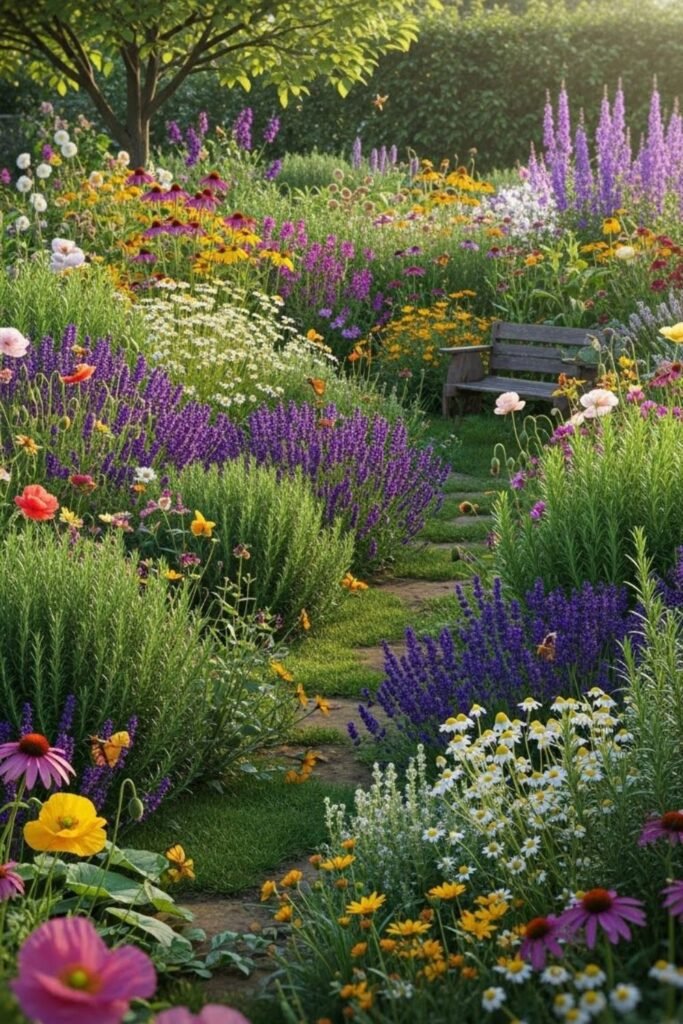
Cottage Calm
Gentle chaos appeals to me, but true mess doesn’t. I guide growth with simple paths and loose spacing so air and light move through easily.
Colors feel layered instead of loud. Nothing crowds too tightly, which prevents disease problems and keeps the romantic feel intact.
This style captures cottage garden charm without the overwhelming maintenance that traditional cottage gardens demand from busy homeowners.
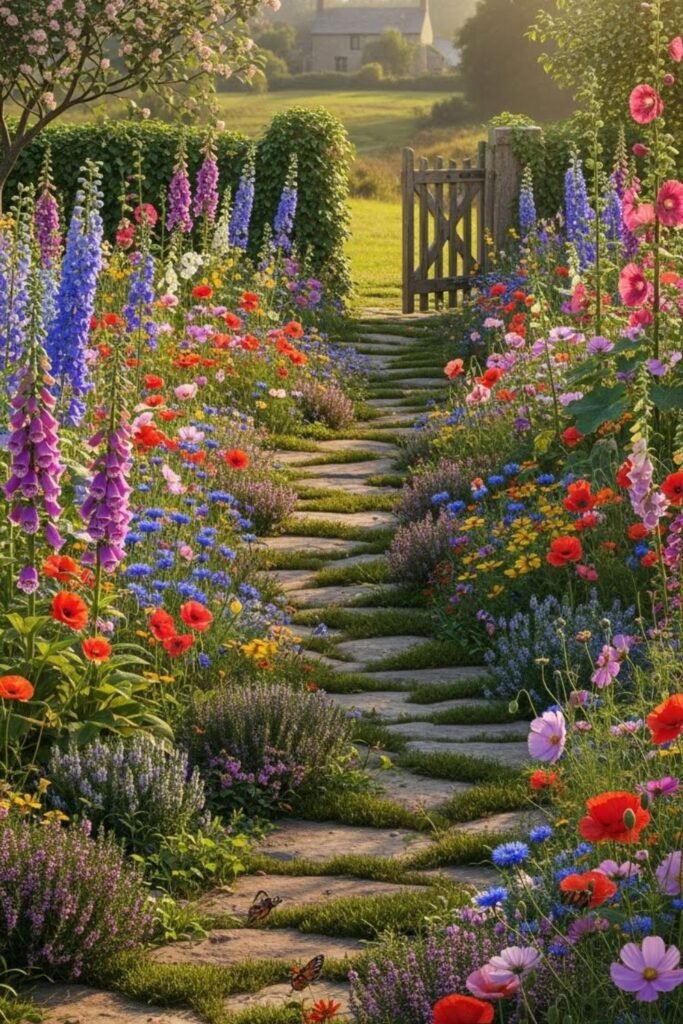
Dry Ground
Our clay soil drains poorly in winter and cracks in summer. Instead of fighting it, I plant wildflowers that actually prefer these difficult conditions.
Roots grow deep, weeds struggle in poor soil, and blooms stay strong through heat without constant watering.
Minimal mulch works better than thick layers here. The goal is managing moisture, not trapping it where it causes more problems than it solves.

Seating Spot
Frank moved that old wooden bench from the front porch to the back corner near my wildflower patch. Now I actually use both the bench and appreciate the flowers properly.
Designing around seating creates purpose beyond decoration. Breezes move flowers gently while you rest, and the view changes with the seasons.
This approach turns wildflower gardens into usable outdoor space instead of something you look at from inside the house through the kitchen window.
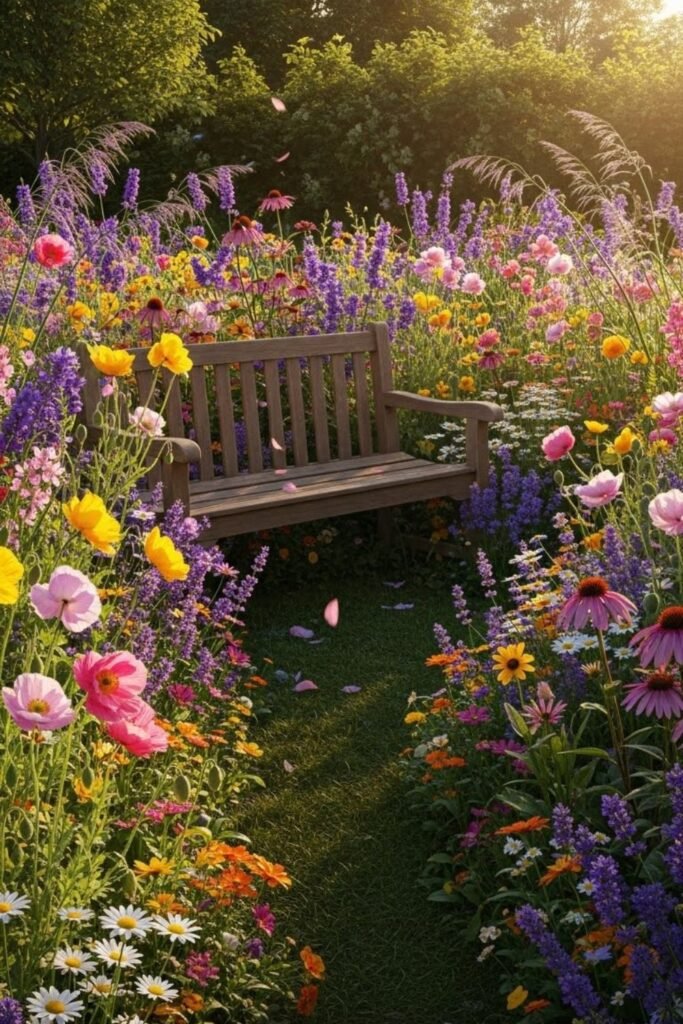
Sloped Land
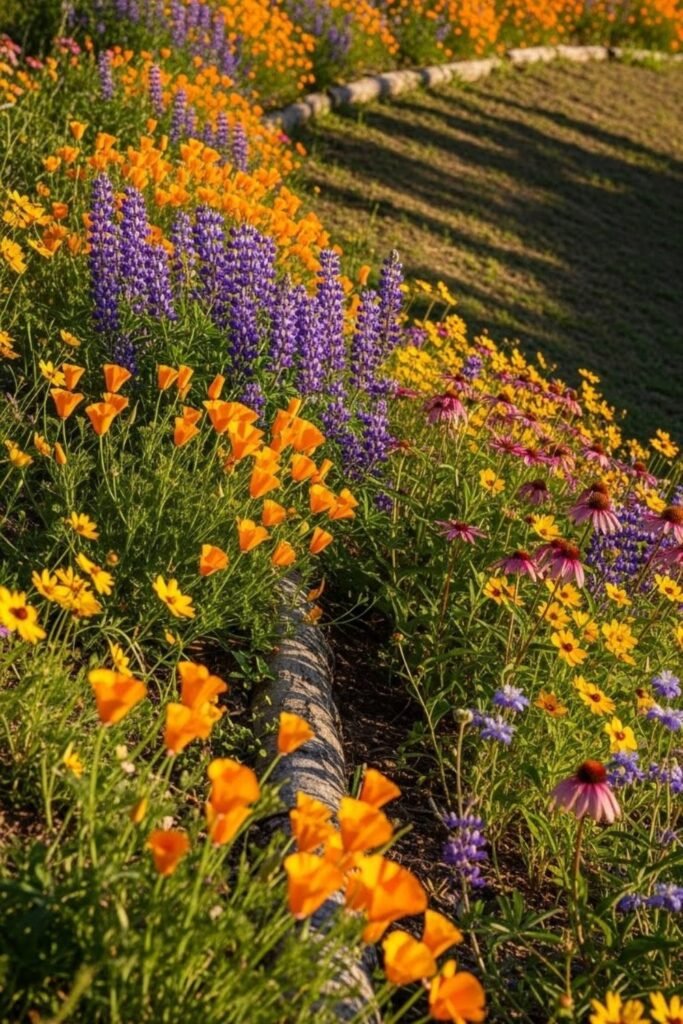
The slope behind our house used to wash out every heavy rain until I planted it with deep-rooted wildflowers. Erosion stopped, and mowing that impossible angle became unnecessary.
Water drains naturally, roots hold soil firmly, and visual movement follows the land instead of fighting it.
Slopes often get better drainage than flat areas, which many wildflowers prefer. Turn the difficult terrain into an advantage rather than a problem to solve.
Beginner Ease
My first attempt included twelve different wildflower varieties because the seed mix looked so promising. Half failed, and I couldn’t tell which ones were supposed to be growing.
Starting with three reliable varieties builds confidence and teaches you what actually works in your specific conditions.
Success with simple choices leads to expansion later, but failure with complicated mixes often leads to giving up entirely.
I thought wildflowers would be simple. Scatter seeds, let nature handle the rest. The seed packet made it sound foolproof, and those Pinterest photos looked effortless. Six weeks later, I had a patch of weeds with three sad blooms hiding somewhere in the mess.
Turns out “natural” doesn’t mean “no planning.” The guides that make it sound effortless skip the parts that matter most.
So when your meadow dream turns into a weed nightmare, you haven’t failed. You just weren’t told what actually works.
I’m sharing what I’ve learned from ten years of wildflower attempts, failures, and eventually some real success.
How Do You Start A Wildflower Garden From Scratch?
First thing: clear everything. I mean everything. Grass, weeds, roots that look innocent but aren’t. This step feels brutal, but skipping it guarantees failure.
Don’t improve the soil. This sounds wrong, but wildflowers actually prefer poor soil. Rich soil feeds weeds, and suddenly you’re fighting a losing battle you created yourself.
After that, scatter seeds designed for your area and press them down gently. Water lightly if it stays dry for more than a week. Then wait. I know waiting feels useless, but wildflowers work on their own timeline, not yours.
Save this article for later! 👇👇

How Long Does It Take For a Wildflower Garden To Bloom?
Here’s where expectations meet reality, and it’s not always pretty. Some annuals show color in six to eight weeks, but many won’t bloom until their second year.
Perennials spend their first season building roots underground while you stare at green growth wondering if you wasted your money.
That first summer, expect mostly leaves. It looks like nothing is happening, but root systems are establishing themselves. The payoff comes later, and when it does, it lasts.
Busy Backyards
Perfect spacing is overrated. I scattered seeds randomly across our back corner near the compost bin and let them sort themselves out.
Natural clustering happens when plants find their preferred spots, and maintenance drops to nearly nothing once they settle. No weekend warrior schedule required.
The soccer ball lands there occasionally, and nothing dies from it. Kids run through when they’re chasing the dog. The flowers adapt, reseed, and keep going without my help.
Neat Front
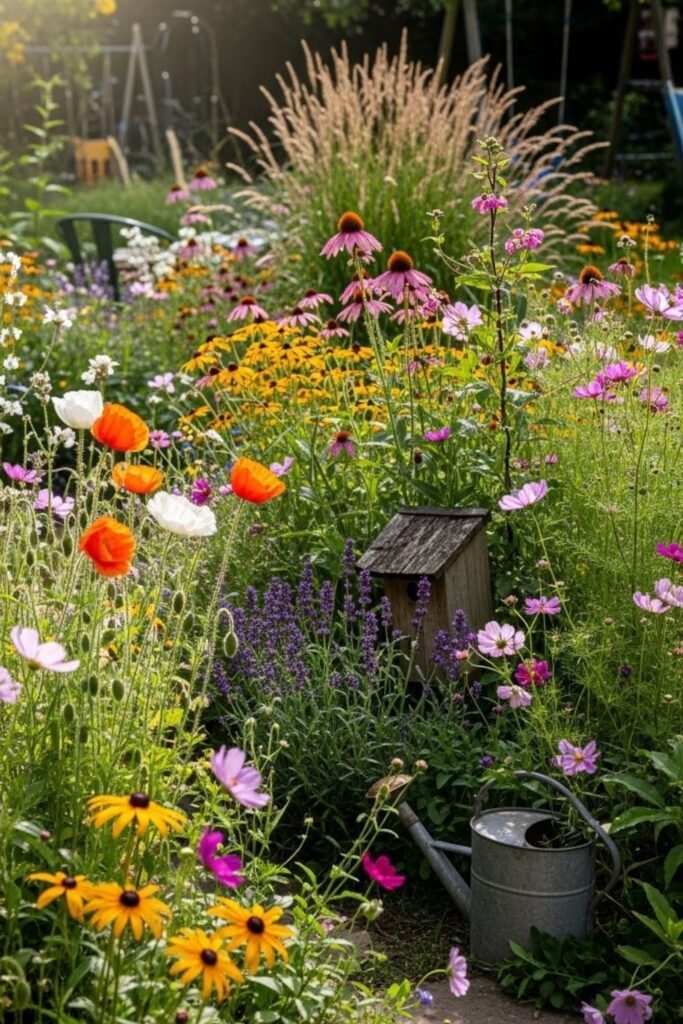
The front yard gets judged differently, so I keep wildflowers within clean borders. A simple stone edge or even just a mowed strip signals intention.
Medium-height varieties work best here — tall enough for impact but not so tall they flop across the walkway after rain.
Neighbors see color with purpose instead of abandoned yard space. This approach proves wildflowers can look intentional without being fussy.

Corner Patch
That awkward corner where the fence meets the house used to collect leaves and random garden tools. Now it’s my favorite view from the kitchen window.
Corners naturally feel informal, so wild growth fits perfectly. Nobody walks there, which means fewer disturbances and better establishment.
I planted zinnias and cosmos there three seasons ago, and they’ve been reseeding themselves ever since.
Raised Beds
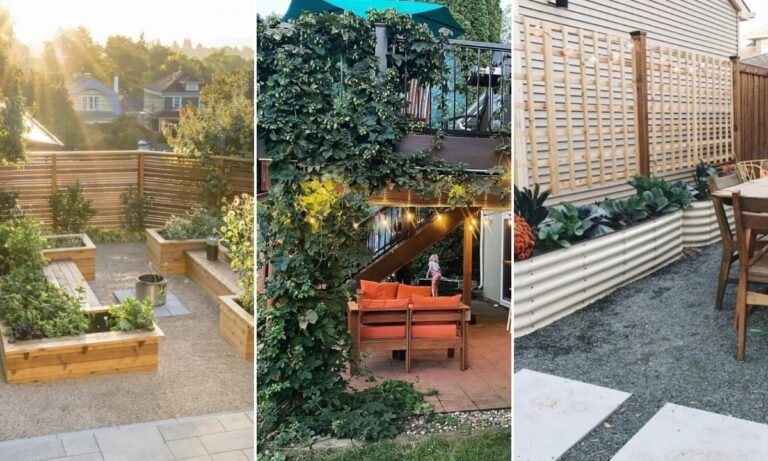
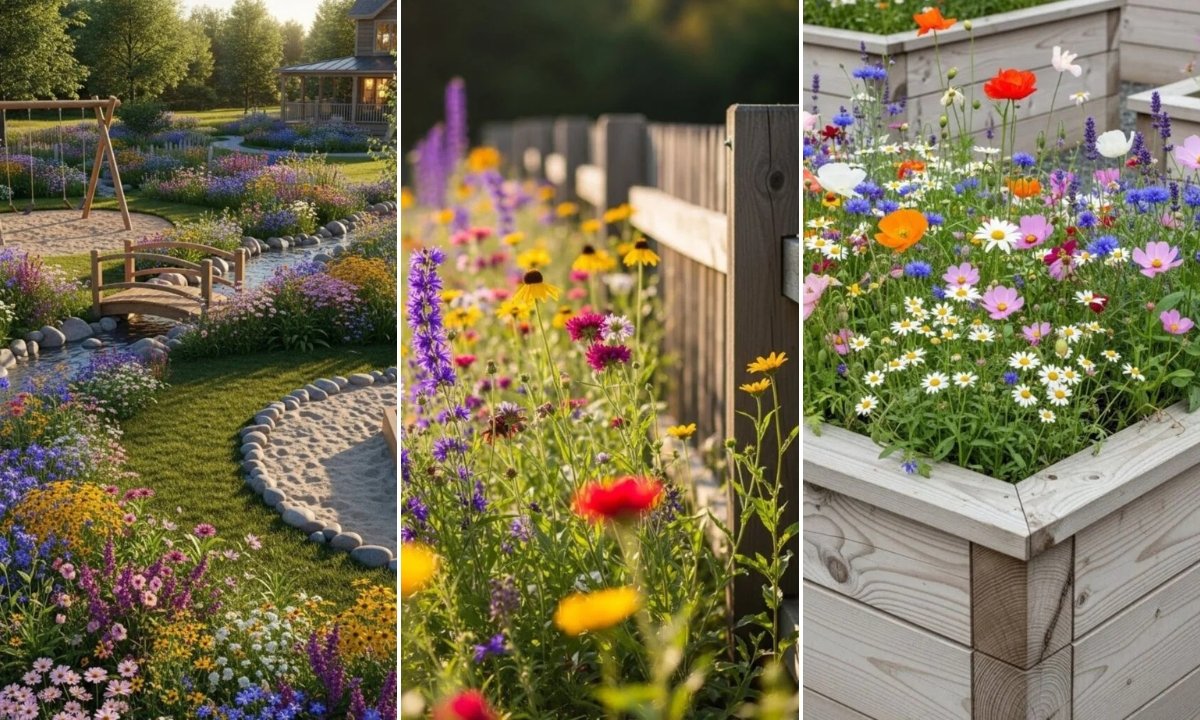
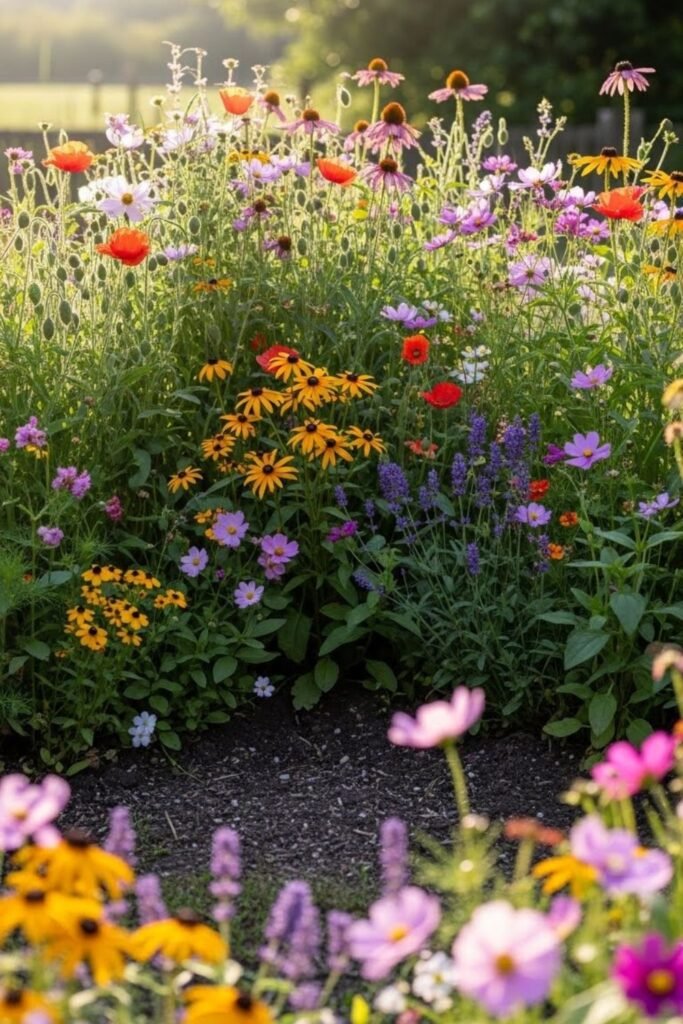
Frank built me two simple cedar boxes when I kept complaining about the clay soil. The elevation makes everything easier — watering, weeding when necessary, and actually seeing the blooms at eye level.
Drainage improves naturally, and the defined edges keep wild growth from looking messy. Structure without sacrificing the relaxed feel.
Even in contained beds, wildflowers develop their own patterns and rhythms. Control and chaos in the same four-by-eight space.

Container Blooms
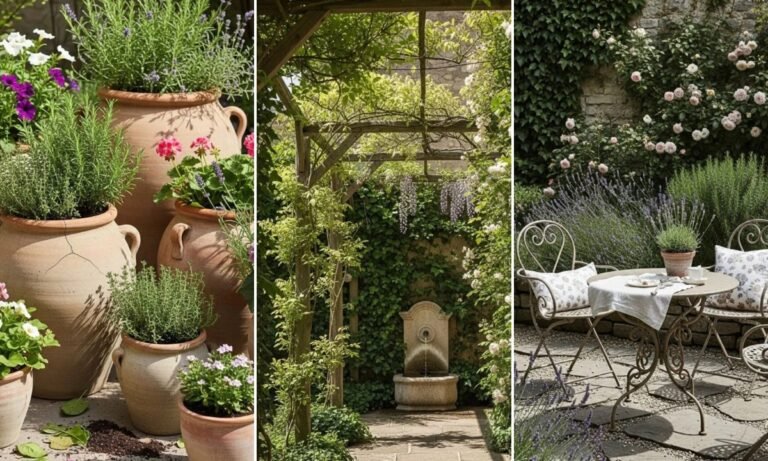
Before we had any real garden space, I grew wildflowers in that big terracotta pot we bought at Home Depot and never used for anything else.
Containers give complete control over soil and water while keeping the natural look intact. Deep pots work best — shallow ones dry out too fast in summer.
Even one large container brings bees and movement to a patio. The scale feels right, and maintenance stays manageable for beginners.

Fence Lines
Our back fence looked industrial until flowers softened it. Planting along the fence gives taller varieties something to lean against without staking or tying.
The boundary stays defined, but the hard edge disappears behind gentle movement and seasonal color changes.
Sunflowers work particularly well here. They follow the sun during the day and create a living backdrop that changes with the light.

Garden Paths
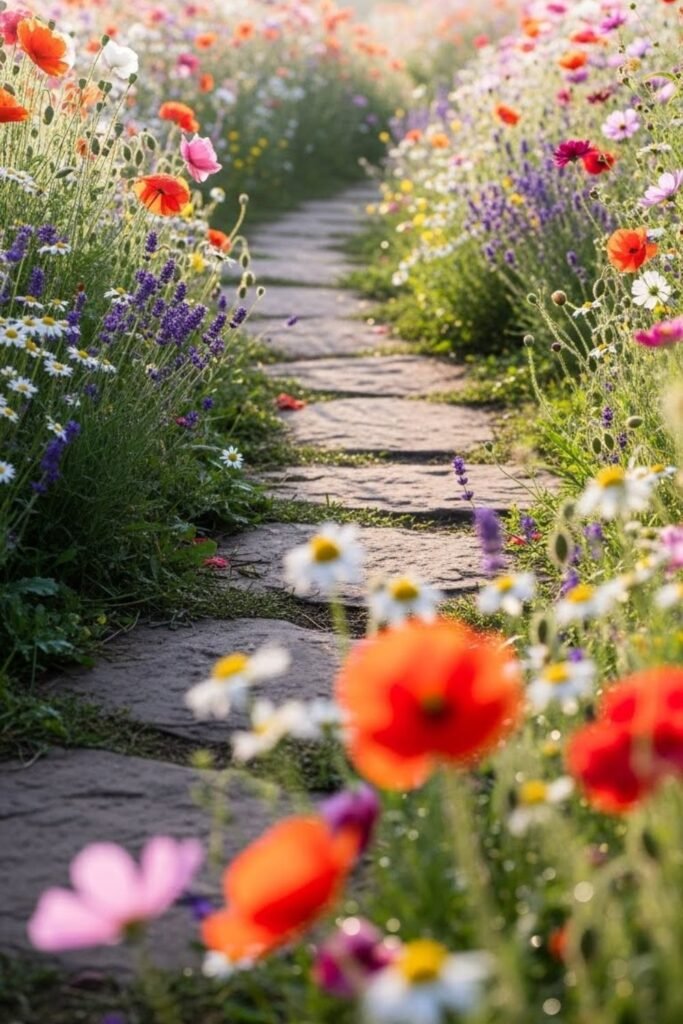
I marked a simple walking path with landscape flags before scattering seeds everywhere else. The path prevents trampling and gives visitors a clear way through.
Walking through wildflowers feels intentional rather than accidental. Kids understand where they can run, and guests know where to step.
The path doesn’t need to be fancy — even a mowed strip works. The important thing is establishing it before the flowers fill in completely.
Grass Mix
Ornamental grasses slow down the visual chaos that pure wildflower gardens can create. The grass blades provide structure while flowers add the color and seasonal interest.
Wind movement becomes part of the design when grasses sway with the flowers. The whole space feels alive without looking scattered.
I use native bunch grasses mixed with cosmos and black-eyed Susans. The combination feels natural but never overwhelming.

Open Spaces
Large empty areas intimidate most people, but low-growing wildflowers solve that problem without creating new ones. Height stays manageable, and the space keeps its open feeling.
Mowing becomes completely unnecessary, which saves hours every month during growing season. Sun reaches everything evenly, so bloom consistency improves.
Sweet alyssum and baby blue eyes work well for this approach. They spread gently without taking over aggressive or requiring constant management from homeowners with busy schedules.
Pollinator Focus
Designing for bees and butterflies changed everything about how I approach wildflower gardens. Bloom timing matters more than perfect colors or neat arrangements.
I keep a shallow dish of water near the flower area and avoid all chemicals. The garden stays busy from spring through fall with visitors I actually want to attract.
Watching a painted lady butterfly work through the cosmos on a Tuesday morning beats any decorative garden feature I could install.

Color Control
Too many colors create visual noise that makes wildflower gardens feel chaotic. I stick with one color family — usually pink and white — and everything feels calmer immediately.
Variety still exists within that palette, but harmony holds the whole space together. Neighbors notice intention instead of wondering if you’ve given up on yard maintenance.
Pink cosmos, white zinnias, and pale purple asters create enough variation without overwhelming anyone walking past on their evening walks around the neighborhood.
Soft Shade
The area under our oak tree stayed empty for years because I assumed wildflowers needed full sun. Turns out, many varieties tolerate filtered light better than expected.
Growth happens more slowly, and blooms arrive later, but they still come. Morning sun works better than afternoon heat for most shade-tolerant wildflowers.
Impatiens and begonias aren’t the only options for partial shade. Wild columbine and woodland phlox prove that natural gardens work in less-than-perfect conditions too.
Play Friendly
Kids and wildflowers coexist better than most people think, but plant selection matters. I avoid anything with thorns or toxic properties and focus on soft-stemmed varieties.
Open patches stay clear for running, while flowers grow around the edges of play areas. Trampling happens occasionally, but tough varieties bounce back.
Children naturally become more curious about insects and plant life when wildflowers are part of their daily outdoor experience. Nature education without lessons.
Lawn Swap
I got tired of mowing the back section that nobody uses for anything specific. Replacing that grass with wildflowers cut weekend maintenance time by at least an hour.
The transition looks uneven during the first growing season, but patience fixes most establishment problems. Seeds spread naturally and fill gaps without replanting.
Water requirements drop significantly once roots establish. The space gives back color and movement instead of demanding weekly attention.
Stone Edges
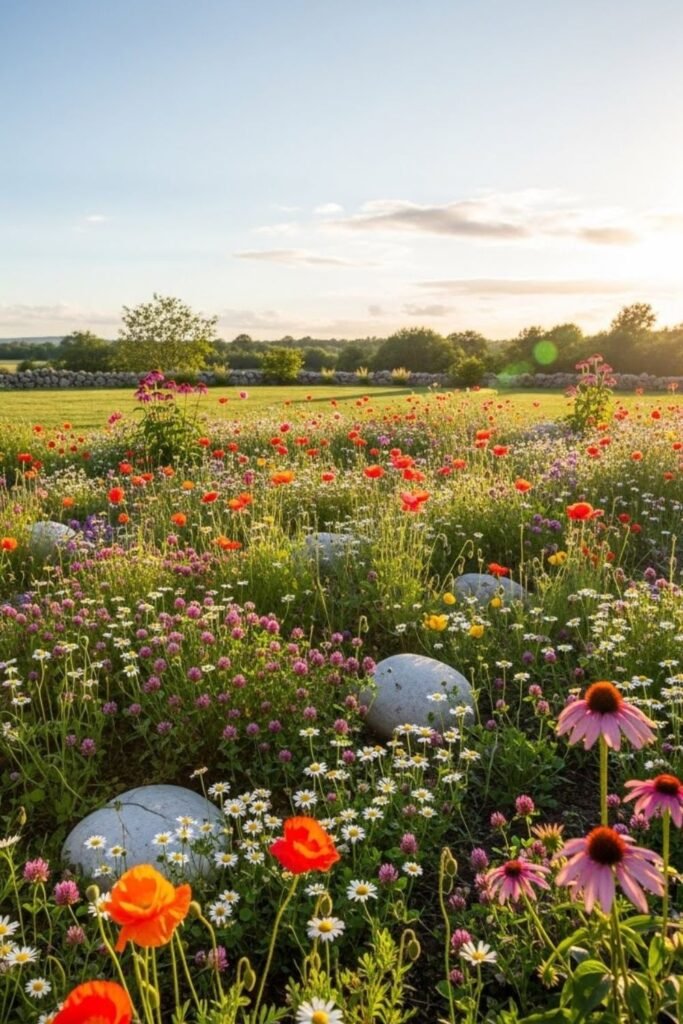
Natural stone signals intention while allowing flowers to spill softly over the boundaries. The contrast between hard and soft creates visual interest without constant maintenance.
Rocks also help with drainage and prevent soil erosion during heavy rains. I let growth happen naturally instead of trimming everything back to perfect edges.
This approach works especially well in more rustic garden settings where formal borders would feel out of place but some definition still helps.
Modern Minimal
Clean architecture doesn’t have to mean no wildflowers. Limiting height, controlling spread, and choosing simple color palettes keeps the natural feel without visual competition.
Straight pathways anchor everything visually. Flowers soften hard lines instead of fighting them for attention.
This works when modern design feels cold and needs life, but traditional cottage garden chaos would clash with the existing aesthetic completely.
Seasonal Flow
Constant color matters less than interesting change throughout the growing season. I plant varieties that bloom at different times so something always happens, but not everything at once.
Early spring brings small blooms, summer explodes with peak color, and late season offers seed heads and subtle beauty most people overlook.
The garden stays engaging without requiring replanting or constant intervention. Natural cycles do most of the work when varieties are chosen thoughtfully.
Wildlife Haven
I leave seed heads standing through winter and skip heavy fall cleanup. This approach brings birds looking for food and provides shelter for beneficial insects.
The garden becomes functional habitat instead of just decoration. Movement and sound become part of the daily experience.
Order matters less here than balance. Appearances stay natural rather than manicured, which some neighbors love and others need time to appreciate.
Narrow Strips
That thin space between the driveway and fence usually collects weeds and looks forgotten. Wildflowers turn awkward strips into purposeful highlights.
Vertical growth works better than spreading varieties here. Maintenance stays minimal because foot traffic stays out naturally.
These narrow areas often get better drainage and more consistent sun than larger spaces, which means establishment happens faster than expected.
Herb Blend
Mixing wildflowers between my rosemary, thyme, and sage creates a garden that works for both cooking and beauty. Scents layer naturally throughout the growing season.
Herbs provide structure and year-round interest while flowers bring seasonal color and attract pollinators that benefit both plants.
This combination serves multiple purposes without feeling cluttered or requiring separate maintenance schedules for different plant types.
Cottage Calm
Gentle chaos appeals to me, but true mess doesn’t. I guide growth with simple paths and loose spacing so air and light move through easily.
Colors feel layered instead of loud. Nothing crowds too tightly, which prevents disease problems and keeps the romantic feel intact.
This style captures cottage garden charm without the overwhelming maintenance that traditional cottage gardens demand from busy homeowners.
Dry Ground
Our clay soil drains poorly in winter and cracks in summer. Instead of fighting it, I plant wildflowers that actually prefer these difficult conditions.
Roots grow deep, weeds struggle in poor soil, and blooms stay strong through heat without constant watering.
Minimal mulch works better than thick layers here. The goal is managing moisture, not trapping it where it causes more problems than it solves.
Seating Spot
Frank moved that old wooden bench from the front porch to the back corner near my wildflower patch. Now I actually use both the bench and appreciate the flowers properly.
Designing around seating creates purpose beyond decoration. Breezes move flowers gently while you rest, and the view changes with the seasons.
This approach turns wildflower gardens into usable outdoor space instead of something you look at from inside the house through the kitchen window.
Sloped Land
The slope behind our house used to wash out every heavy rain until I planted it with deep-rooted wildflowers. Erosion stopped, and mowing that impossible angle became unnecessary.
Water drains naturally, roots hold soil firmly, and visual movement follows the land instead of fighting it.
Slopes often get better drainage than flat areas, which many wildflowers prefer. Turn the difficult terrain into an advantage rather than a problem to solve.
Beginner Ease
My first attempt included twelve different wildflower varieties because the seed mix looked so promising. Half failed, and I couldn’t tell which ones were supposed to be growing.
Starting with three reliable varieties builds confidence and teaches you what actually works in your specific conditions.
Success with simple choices leads to expansion later, but failure with complicated mixes often leads to giving up entirely.

I’ve spent over four decades building a marriage, raising a family, and learning what truly matters along the way. I write about relationships, home, and navigating life’s later seasons with grace, honesty, and a little humor. My goal is to share the kind of steady, real-life wisdom that helps you feel grounded, encouraged, and a little less alone.