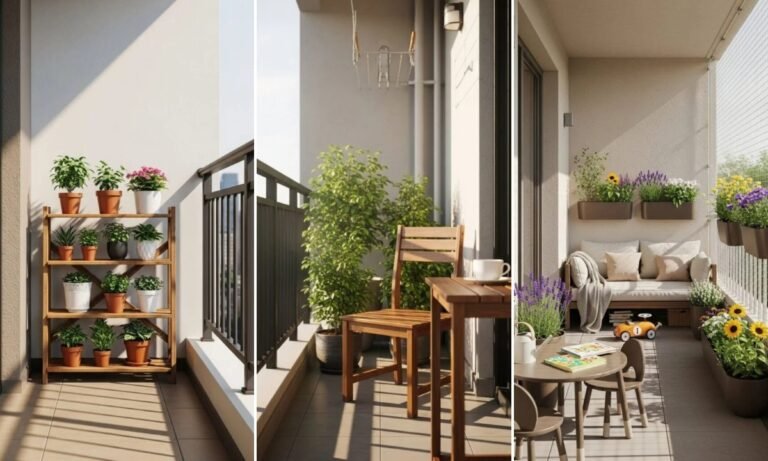
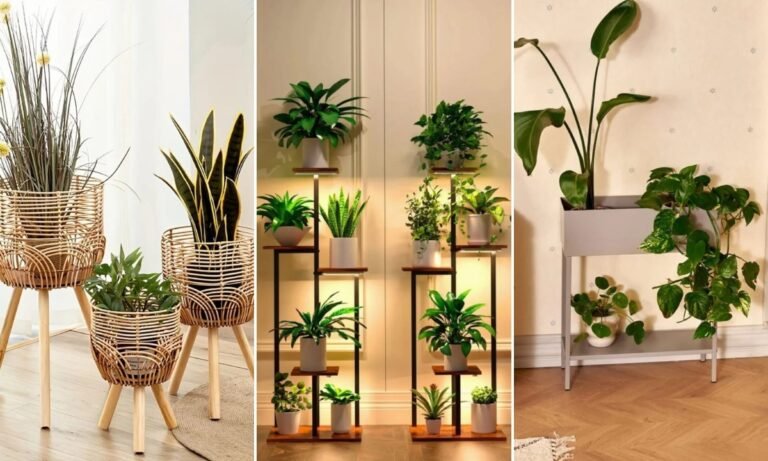
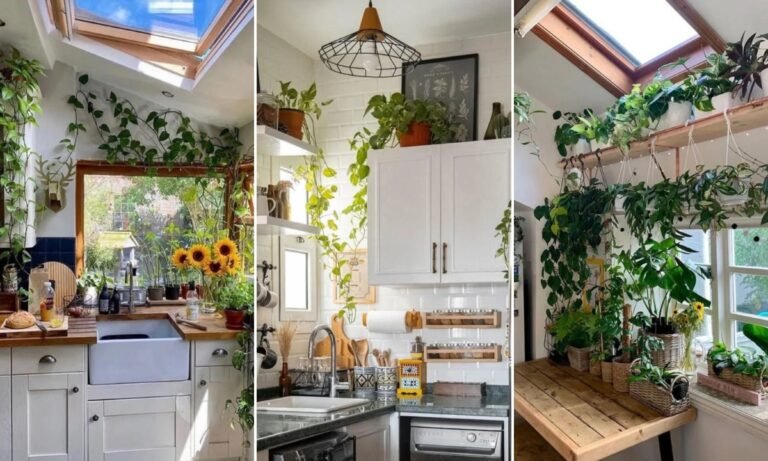
Whimsical Garden Ideas That Turn Your Outdoor Space Into Something That Feels Completely Enchanted

My garden looked fine. Not dead, which honestly felt like an accomplishment some summers. Not terrible, but not the kind of place that made me want to linger with my coffee in the morning.
I’d scroll through garden photos online and everything looked either like a magazine spread I could never maintain or so cluttered I’d need a map to find my tomatoes, which I swear almost happened once.
If you want a garden that feels playful without looking like a yard sale exploded, you’re thinking about it the right way.
These 26 whimsical garden ideas work in small spaces and won’t make your neighbors wonder if you’ve lost your mind.
How Can You Add a Playful Feel To a Small Garden Space?
Small spaces show every mistake immediately. Add too much and it feels like a flea market. Keep it too plain and you might as well have concrete.
Start with one change. A curved edge instead of a straight one, or a single bright pot where your eye naturally goes. Save the other ideas for next month.
Use height instead of ground space. Let things spill over edges instead of staying contained in neat boxes. One surprise beats ten decorations every time.
Save this article for later! 👇👇

What Plants Help Create a Magical And Dreamy Garden Vibe?
Plants that move in the breeze do most of the work for you. I stopped fighting with rigid plantings years ago.
Grasses that sway, flowers that droop naturally, vines that climb where they want to climb. Mix different heights so your eye keeps moving around instead of landing in one spot and staying there.
You don’t need perfect color coordination. When plants look relaxed instead of arranged, the whole garden feels inviting rather than intimidating.
Curved Paths
Straight lines make small gardens feel like parking lots. I bend the path just enough to make it interesting without making it ridiculous.
You don’t need a full redesign. Shift your stepping stones into a gentle S-shape, or edge your existing path with a slight curve. Takes an afternoon and changes everything.
Curves give the eye somewhere to go instead of stopping at the back fence. Movement without clutter, which is exactly what small spaces need in my opinion.

Plant Layers
Flat gardens look unfinished, like someone forgot to add the furniture. I plant low things in front, medium things in the middle, tall things in back, then let them grow into each other.
The overlap is where the magic happens. When a tall plant leans over a shorter one, or ground cover spills past its border, the space stops looking planted and starts looking grown.
Layers create depth even in tiny spaces. Your garden feels bigger because there’s always something behind something else. I love layers lol!

Hidden Lights
Solar lights tucked behind hosta leaves or nestled at the base of a fence post give you that gentle evening glow without looking like you’re lighting a runway.
During the day, you barely notice them. At night, the garden becomes someplace you actually want to be instead of something you glance at through the window.
Bright spotlights kill the mood. Soft hidden lights make everything feel mysterious and calm, like the garden has secrets worth discovering. Seriously….these are some of my faves.

Color Pops
One bright pot in exactly the right spot works better than six scattered around randomly. I choose where my eye naturally goes first — usually a corner or the middle distance — and put color there.
Everything else stays neutral. Green plants, brown mulch, gray stones. The single pop of turquoise or coral becomes the whole personality instead of competing with itself.
This approach prevents the carnival look while still giving the garden some attitude. Restraint makes the color stronger, not weaker. 🙌🏼

Found Objects
That chipped ceramic bowl you can’t bring yourself to throw away makes a better planter than anything you’ll buy at the garden center. I’m not kidding, either.
I use old colanders for hanging planters, wooden crates as plant stands, and cake pans for seed starting trays. Things with history feel more interesting than things with price tags.
When familiar objects show up in unexpected places, the garden feels personal instead of catalog-perfect. Like someone actually lives here.

Single Focus
Pick one thing to be the star. A bright bench, an unusual plant, a small trellis covered in morning glories. Everything else supports it.
Multiple focal points fight for attention and nobody wins. When you commit to one main feature, the garden feels intentional instead of scattered.

Moving Pieces
Wind chimes are fine if you’re into that, but I prefer movement that doesn’t make noise. Ornamental grasses, hanging baskets that sway slightly, lightweight garden flags that flutter without flapping.
Even when there’s no breeze, your brain knows things could move. That potential energy makes static gardens feel more alive.
Small spaces especially benefit from this kind of visual interest since you can’t rely on variety to keep things engaging.

Texture Mix
Smooth river rocks next to rough bark mulch. Glossy leaves next to fuzzy lamb’s ear. Weathered wood against smooth ceramic pots.
I don’t match materials on purpose because contrast is more interesting than coordination. Your hands want to touch different surfaces, which makes the garden feel richer.
Flat gardens are boring gardens. Borrrrring! Mix textures and suddenly there’s something to notice everywhere you look, even in the smallest corners.

Quiet Seating
A chair in the middle of an empty lawn looks sad. But tuck a small bench between two shrubs, or place a folding bistro chair in a corner where morning light hits, and suddenly you have a destination.
The seating should feel discovered, not displayed. Like you found the perfect spot and decided to put something there, not like you bought outdoor furniture and needed somewhere to put it.
This turns the garden into a place you use instead of a place you maintain. Once you start sitting in it regularly, you notice things you’d miss walking through.

Painted Stones
Perfect painted rocks look like craft store rejects. Wobbly circles, uneven stripes, and slightly muddy colors feel friendly instead of precious.
I use whatever acrylic paint is left over from indoor projects and paint stones during coffee breaks. They mark pathways, define bed edges, or just add spots of color where the garden needs them.
The imperfection is the point. Handmade things tell visitors that someone cares enough to spend time here, but not so much time that they’re afraid to walk around.

Vertical Whimsy
Walls and fences are wasted space until you put something on them. Simple wooden trellises, wire frames for climbing beans, or even just nails for hanging pots pull the eye upward.
Small gardens feel bigger when you use all three dimensions. Ground space is limited, but wall space is usually wide open.
Vertical growing also solves the overcrowding problem — you can fit more plants without the garden feeling stuffed.

Save this post for later ❤️
Living Arches
Metal archways look store-bought. Plant-covered archways look like they grew there on purpose.
Train morning glories or clematis over a simple frame, or let tall sunflowers create a natural arch by bending toward each other as they grow. Walking under living greenery feels special.
Even in tiny gardens, an arch creates the feeling of rooms or sections. You’re not just looking at plants — you’re moving through a space that has structure and purpose.

Mixed Pots
Matching pots look like you bought them all at once, which you probably did, but that’s not the feeling you want.
I stick to one unifying element — all terracotta, or all white, or all roughly the same size — then mix shapes and textures within that theme.
The collection looks gathered over time instead of purchased in one trip to the garden center. More personality, same effort.

Gentle Play
Kid-friendly doesn’t have to mean childish. A smooth stone perfect for hopscotch, a small patch of soft grass for sitting, or stepping stones just slightly too far apart for normal walking pace.
These details invite play without announcing it. Adults appreciate the gentle challenge too — stepping stones that make you slow down, paths that curve for no obvious reason.
The garden should feel like it has secrets, even small ones. Play is really just another word for curiosity.

Hidden Scenes
Small surprises reward people who look closely. A tiny figurine tucked under a hosta leaf, a painted rock behind the mailbox post, a small bird bath partially hidden by ornamental grasses.
These aren’t centerpieces — they’re discoveries. You notice them the third or fourth time you walk through, not the first.

Soft Colors
Neon pink petunias will blind you by July. Dusty rose or pale coral last all season without screaming for attention.
Soft doesn’t mean boring. Lavender, sage green, cream, dusty blue — these colors create mood instead of demanding it.

Playful Borders
Perfectly straight brick edges make gardens look like parking lots. I set border materials slightly off-kilter — not sloppy, just relaxed.
Mix materials too. River rocks with a few larger stones, or traditional bricks with one or two different colored ones scattered in randomly.

Soft Sounds
A small water feature or ornamental grasses that whisper in the breeze add life without noise pollution.
Sound should be subtle enough that you notice it most when you sit still. Constant or loud sounds become annoying by August.
The goal is background texture, not a concert. Gentle sounds make even small gardens feel layered and alive.

Story Entrances
Even if your garden is ten feet square, marking the entrance makes stepping into it feel intentional. A simple wooden gate, an archway of tall plants, or just a change in the path surface.
Transitions matter. When entering the garden feels different from walking across the lawn, the space immediately becomes more important.

Plant Labels
Hand-lettered plant markers add charm without trying too hard. I use wooden stakes and a permanent marker, or paint stirrers from the hardware store.
Perfect calligraphy isn’t the point — readable handwriting that shows someone cared enough to label things is.
Labels also help you remember what you planted where, which becomes more important as the garden grows and plants mature.

Living Guests
Birds and butterflies bring movement you can’t plan for. A shallow dish of water, flowers that attract bees, plants with berries that birds actually eat.
Wildlife makes gardens feel alive in a way decorations never could. Every visit becomes slightly different because you never know who might show up.
This is whimsy you don’t have to maintain — nature provides the entertainment once you set up the right conditions.

Seasonal Touches
I swap out one or two small elements each season — different colored annuals, seasonal decorations that can go in storage, or just different arrangements of the same pots.
Change keeps the garden interesting without requiring a complete redesign four times a year. Small shifts prevent the space from feeling stagnant.

Reclaimed Wood
Frank saves interesting pieces of wood from job sites — nothing you’d use for construction, but boards with character that work perfectly for garden signs or small structures.
Weathered wood has personality that new lumber lacks. The scratches and faded edges make everything feel settled instead of recently purchased.
Old wood also blends naturally with plants in a way that fresh-cut lumber doesn’t. It belongs there immediately.

Flowing Greens
Plants that spill over container edges or grow across borders make rigid layouts feel relaxed. I plant things knowing they’ll outgrow their original spots.
Ground cover that creeps between stepping stones, vines that wander past their trellises, ornamental grasses that bend into walkways — this kind of overflow feels natural.
Perfect containment looks artificial. Let plants lead the design instead of forcing them into boxes, and the garden feels alive.

Color Story
Pick one main color and let everything else be neutral. All blues with white and green, or all warm tones with browns and creams.
This prevents the rainbow explosion problem while still allowing personality. Cohesive color makes even eclectic elements feel intentional.

Cozy Corners
Every garden needs a spot meant for sitting quietly. Not necessarily seating for entertaining — a place for one person to think or read or just watch things grow.
Cushions that can come inside when it rains, a small table for a coffee cup, plants arranged for privacy rather than display.
When the garden includes space for slowing down, it becomes a place to be instead of a place to work.
I’ve spent over four decades building a marriage, raising a family, and learning what truly matters along the way. I write about relationships, home, and navigating life’s later seasons with grace, honesty, and a little humor. My goal is to share the kind of steady, real-life wisdom that helps you feel grounded, encouraged, and a little less alone.