Turning a Sad Balcony Into Something Beautiful — Balcony Garden Ideas We Love

Your balcony looks small, and maybe you tried plants once before. They didn’t make it. Or you keep staring at that empty space wondering if there’s even enough light to grow anything worth the effort.
Most people don’t fail at balcony gardening because they’re bad with plants — they fail because no one bothered to show them how to work with a balcony specifically. Big backyards get all the advice.
Here are 32 ideas that actually work for tight spaces, tested by someone who’s been gardening in small places for longer than I care to admit.
How Do You Start A Balcony Garden From Scratch?
Look at your balcony first, not the garden center. Stand out there for a few minutes and notice where the sun hits and when it disappears. Check if morning light reaches one corner while the other stays dim all day.
Skip this step and you’ll buy the wrong plants, then wonder why they look miserable. Get a few basic pots — nothing fancy, just ones with holes in the bottom — and decent potting soil meant for containers, not garden beds.
Start with two plants, maybe three. Learn how often they actually need water, not what the tag says. Build from there once those first ones settle in and start looking comfortable.
What Are Low-maintenance Plants For A Balcony Garden?
Low-maintenance means plants that don’t punish you for being human. If you forget to water for a few days or can’t get outside for a week, these plants wait patiently instead of dying dramatically.
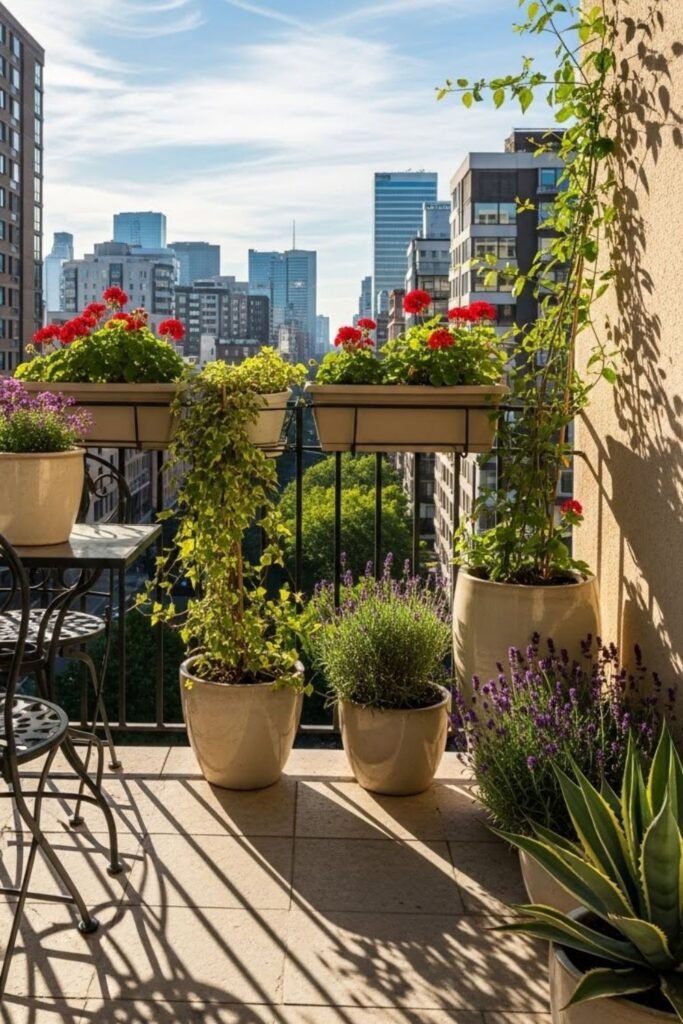
Mint and rosemary handle neglect well and smell good when you brush past them. Snake plants and pothos work if your balcony stays shady most of the day. For sunny spots, succulents and geraniums forgive mistakes without much fuss.
The trick is matching what you pick to the light you have. When plants fit their space, caring for them feels natural instead of like work you’re failing at.
Morning Tea
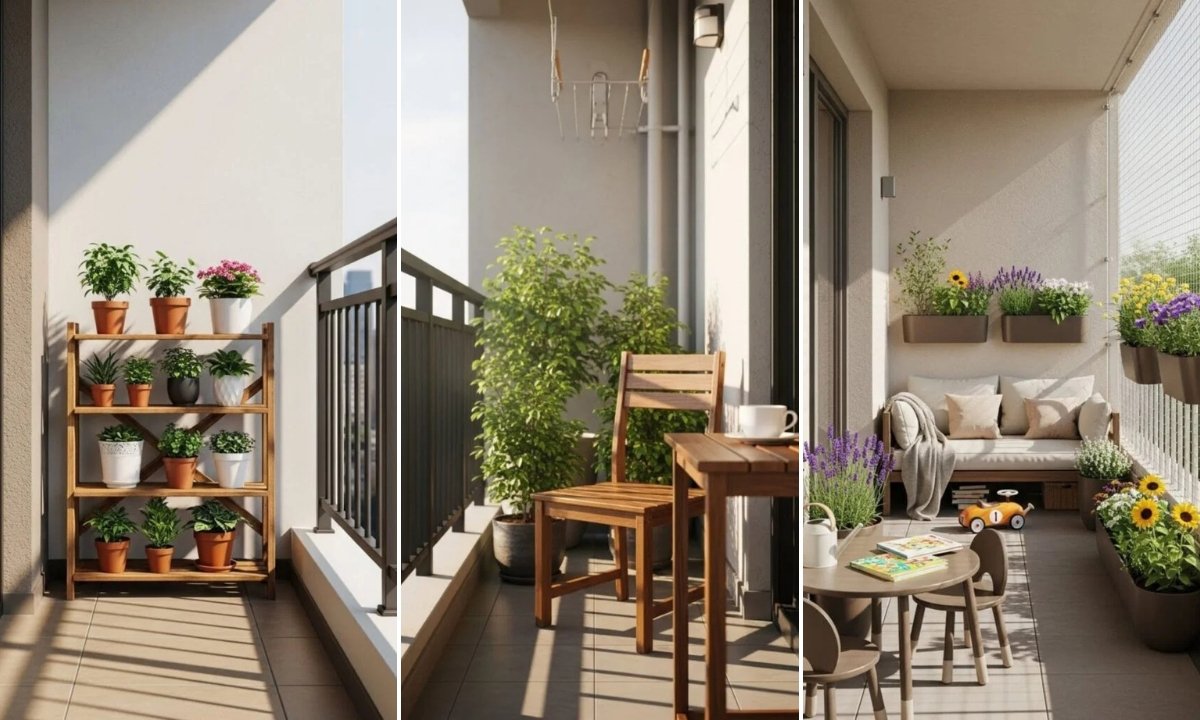
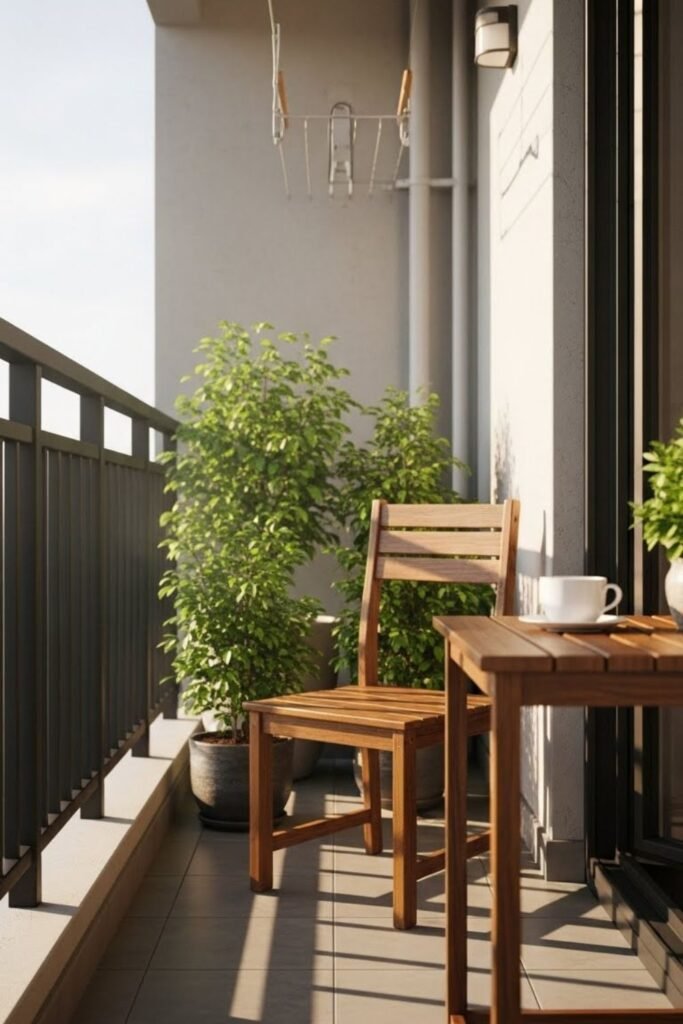
Early light hits my balcony just right, so I built this whole setup around sitting out there with tea before the day gets complicated. Small bistro table near the railing, a few pots with tulsi and mint where I can reach them easily.
I don’t crowd this space because the calm disappears fast when things start feeling cluttered. A couple of well-placed plants, clean flooring, room to actually sit and breathe.
This arrangement turns the balcony into somewhere I go, not just look at through the glass door.
Lazy Day
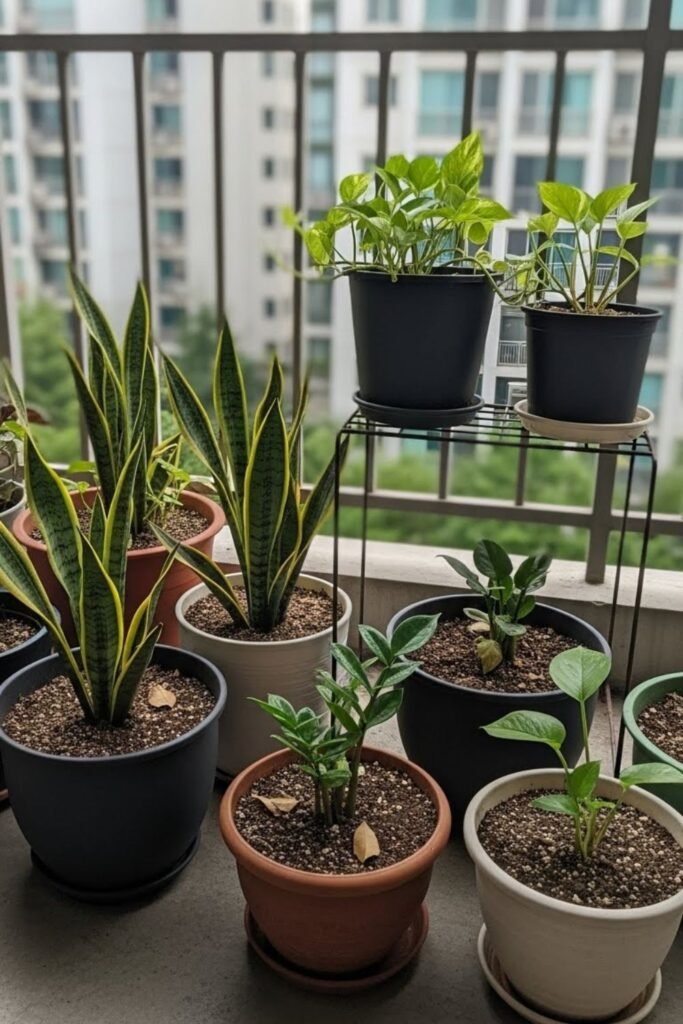
Some weeks I barely have energy to water myself, let alone plants. This setup works for those times when gardening feels like one more thing on the list you’re already behind on.
Aloe, snake plant, jade — they sit there looking perfectly fine even if watering happens two days late. Medium-sized pots so the soil doesn’t dry out in six hours like those tiny decorative ones do. Everything grouped together so wind doesn’t stress them.
When plants don’t need constant attention, you stop feeling guilty about not being the perfect plant parent.
Child Safe
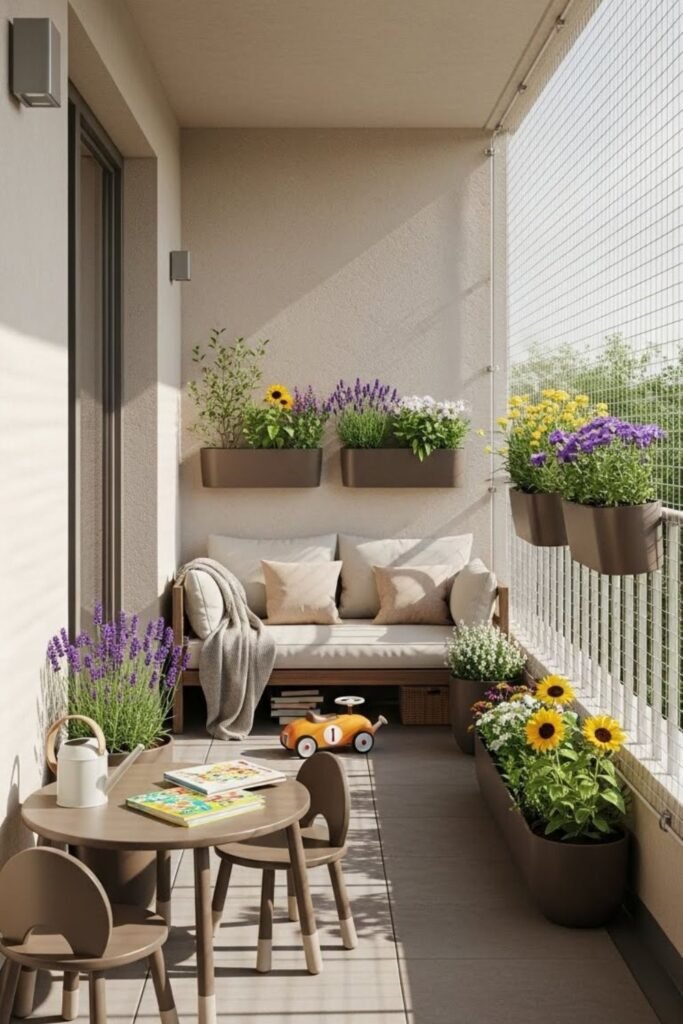
Kids touch everything first and ask questions later. No thorny plants, nothing toxic they might try to taste, pots heavy enough that they won’t tip if someone bumps into them running by.
Soft herbs like basil and sturdy greens that won’t break if little hands grab them. No hanging planters that swing at head height, no sharp-edged containers sitting around waiting to cause trouble.
Open floor space so movement stays free, and suddenly the balcony becomes somewhere everyone can enjoy instead of a no-touch zone.
No Drill
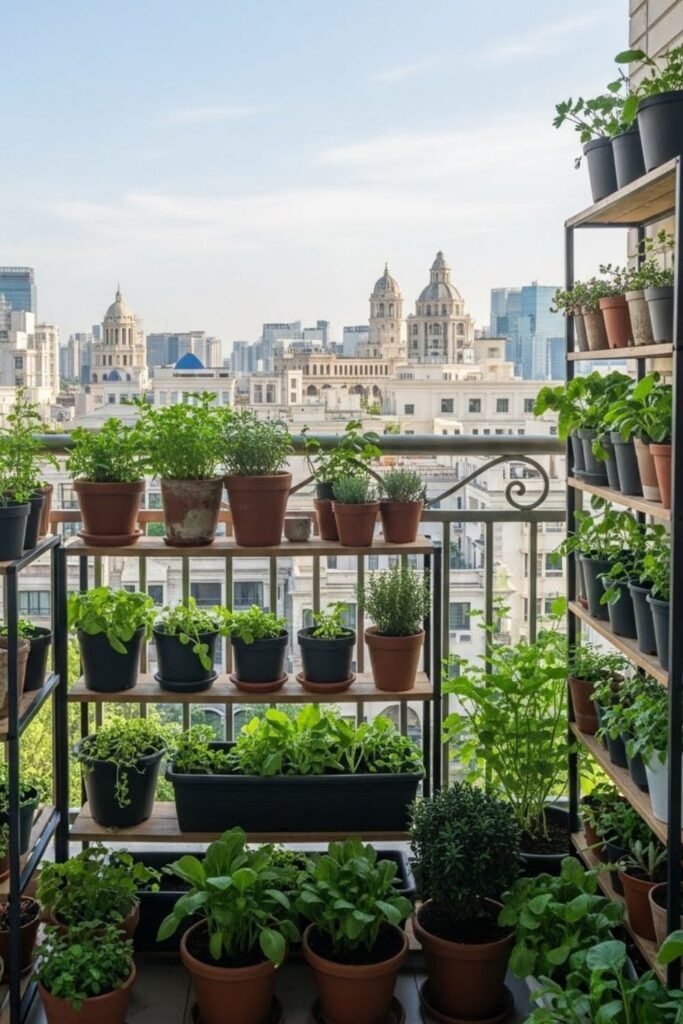
Rental agreements kill a lot of good balcony ideas before they start. Freestanding plant shelves, hooks that clamp onto railings, floor containers that don’t need mounting — there are ways around the drilling restriction.
Weight distribution matters more than height here. Keep plants grouped so if you move later, packing doesn’t become a nightmare. Nothing permanent, but it still looks intentional rather than temporary.
You don’t need permission to make a space beautiful, just planning and the right containers.
Wind Proof
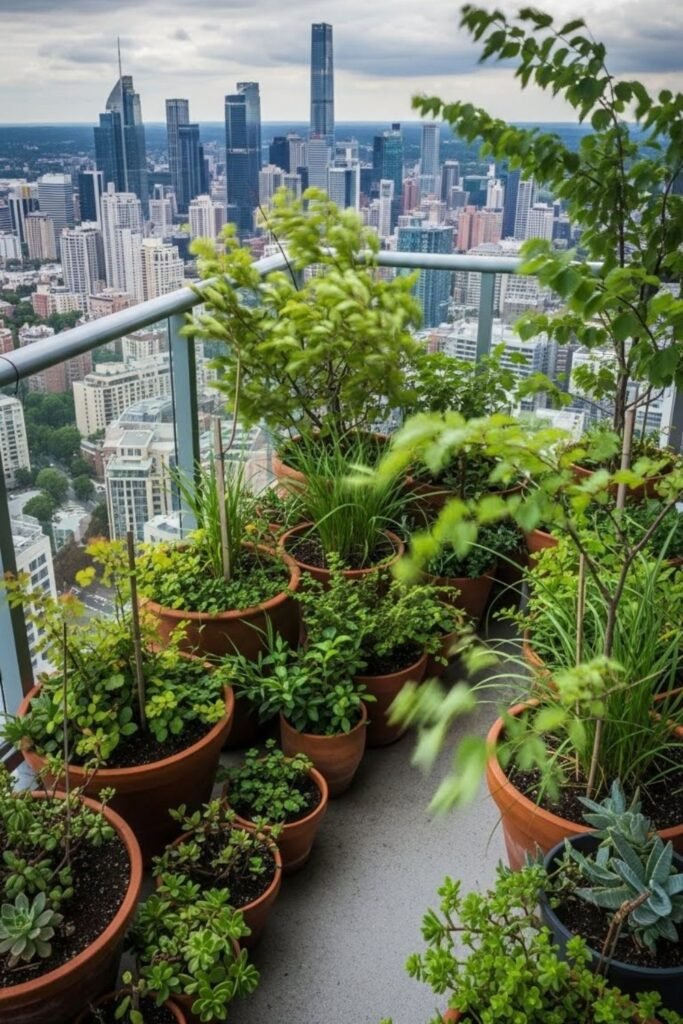
Higher floors mean serious wind, and delicate plants don’t stand a chance. Heavy pots stay on the ground — never on railings where they might become missiles. Plants with flexible stems handle gusts better than rigid ones.
Group everything close together so they protect each other, taller plants shielding shorter ones. Watering happens early morning because wind dries everything out fast, especially in summer.
Once I stopped fighting the wind and started planning for it, plants actually began thriving instead of just surviving.
One Shelf
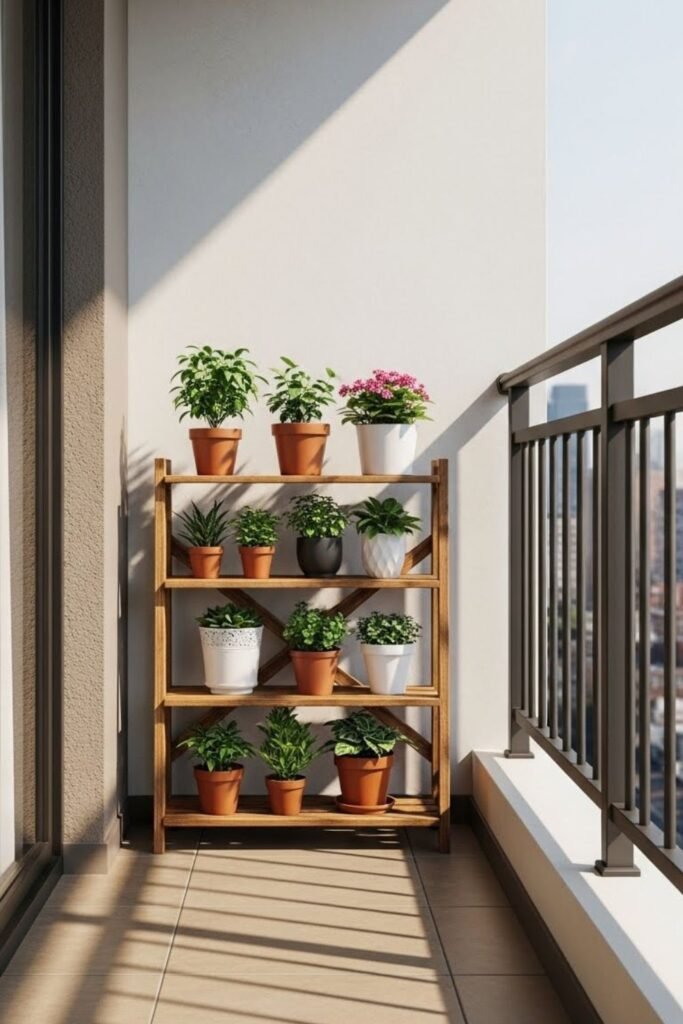
Sometimes vertical is the only way to go, but that doesn’t mean complicated. One sturdy shelf holds what I need without turning the floor into an obstacle course.
Compact plants that grow up instead of out, spaced so each one has breathing room. Everything at eye level makes maintenance easy — no bending over or reaching up to check on things.
The balcony stays open and walkable, but still feels green. When space stays clean, I actually want to spend time there.
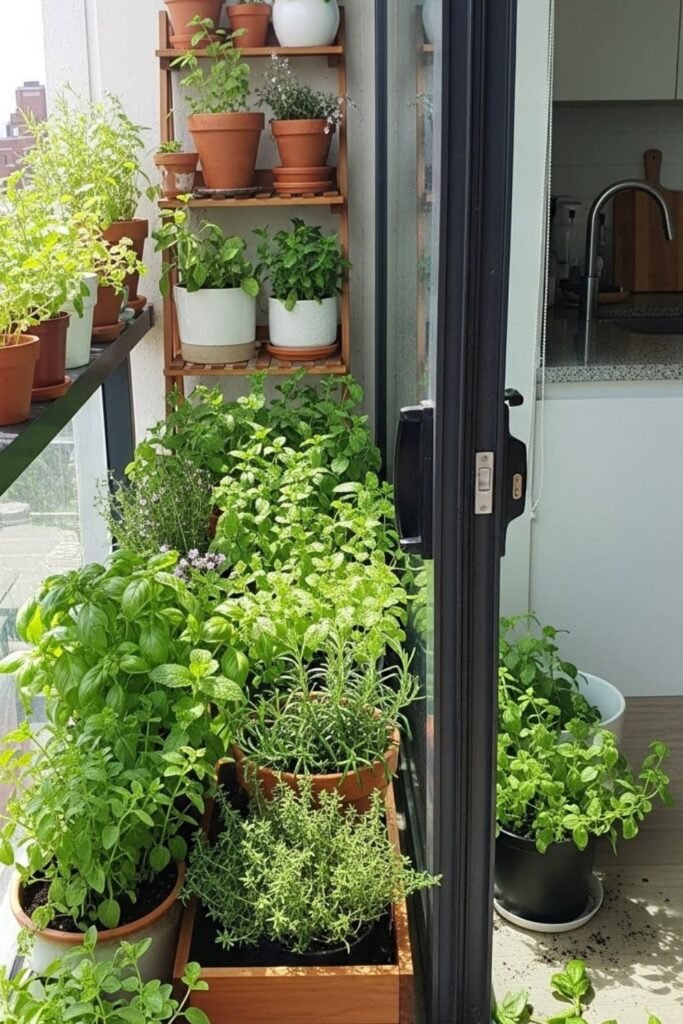
Kitchen Herbs
Cooking improves immediately when fresh herbs sit just outside the kitchen door. Basil, mint, green onions, cilantro — plants I actually use instead of random greenery that looks nice but serves no purpose.
Positioned where I can grab a few leaves while dinner’s on the stove. Regular harvesting keeps the plants healthy and prevents them from taking over their containers.
This setup pays for itself in about three weeks and saves those frustrating trips to buy herbs that wilt in the fridge before I use them.
Shade Greens
Not every balcony gets sun, and I wasted too much time trying to force sun-loving plants to survive in shadow. Ferns, pothos, peace lilies — they prefer shade and look better for it.
Less frequent watering because shade keeps soil moist longer. Light-colored pots help reflect what little light there is and keep the space from feeling dull.
Working with the shade instead of against it changed everything. Plants stopped looking stressed, I stopped feeling frustrated.
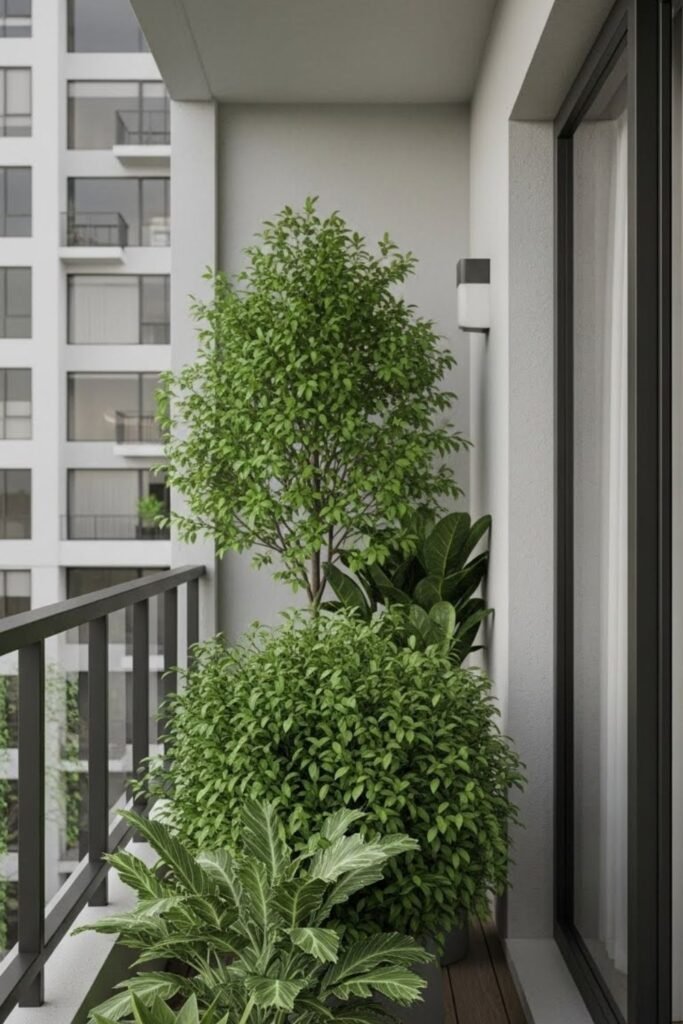
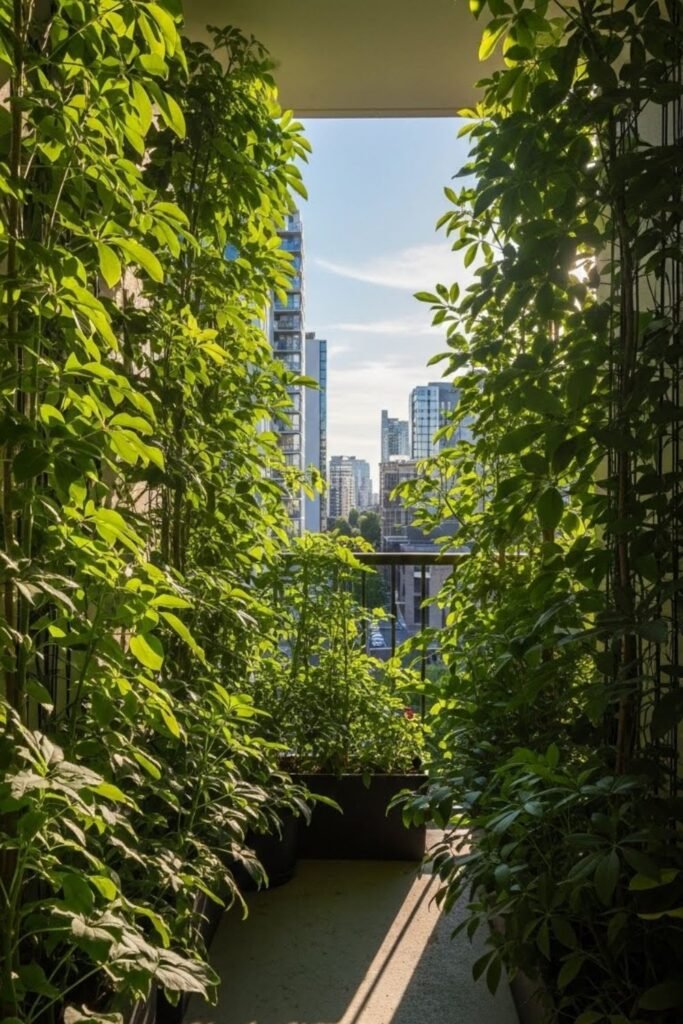
Privacy Garden
Neighbors with a clear view into my morning coffee routine made me rethink how I arranged plants. Tall, leafy ones along the railing create a natural screen without blocking airflow completely.
Bamboo palms or climbing plants on light supports, spaced close enough that gaps don’t show. The balcony feels more private without building actual walls or hanging heavy screens.
Privacy makes the space usable for more than just quick plant checks — mornings feel quieter, evenings more personal.
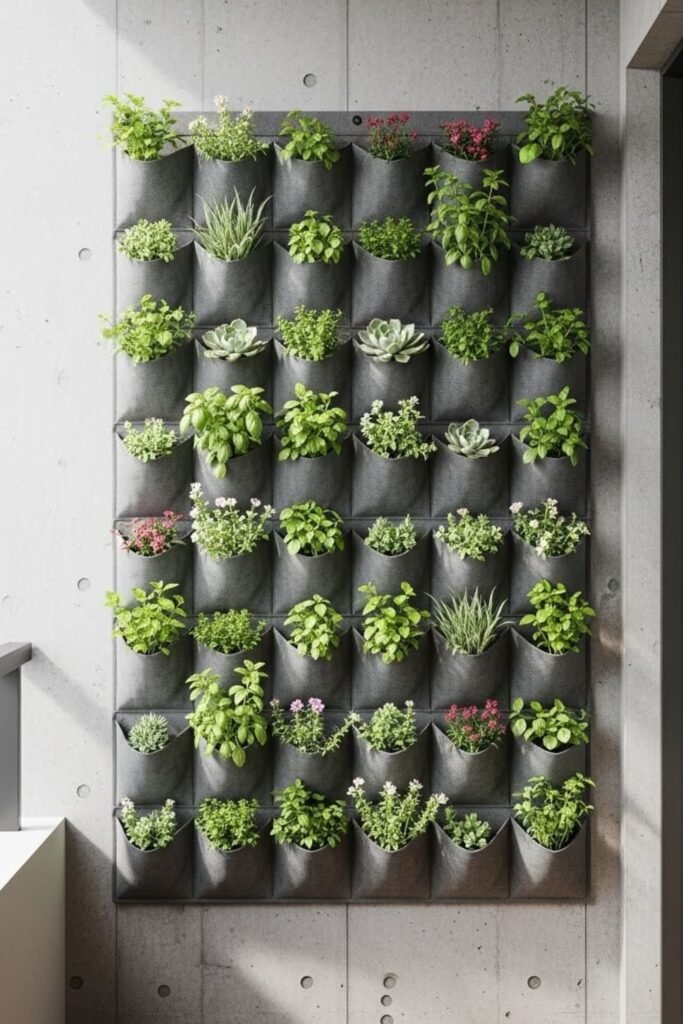
Wall Pockets
Vertical space goes unused in most small balconies. Fabric pocket planters turn bare walls into growing space without taking up any floor room.
Lightweight soil keeps the weight manageable, smaller plants prevent overcrowding. Water from the top and let it flow down through the pockets — but don’t mix plants with completely different water needs in the same system.
Works best for herbs and trailing plants. The wall becomes a living feature instead of just background.
Weekend Care
Busy weeks happen, and plants shouldn’t become another source of stress. This setup assumes care happens sporadically and works around that reality.
Deeper pots hold moisture longer, mulch on the surface slows drying. Watering once or twice a week, usually Saturday morning when there’s actually time to pay attention.
Hardy plants handle the gaps without drama. When gardening fits real schedules instead of ideal ones, it actually happens consistently.
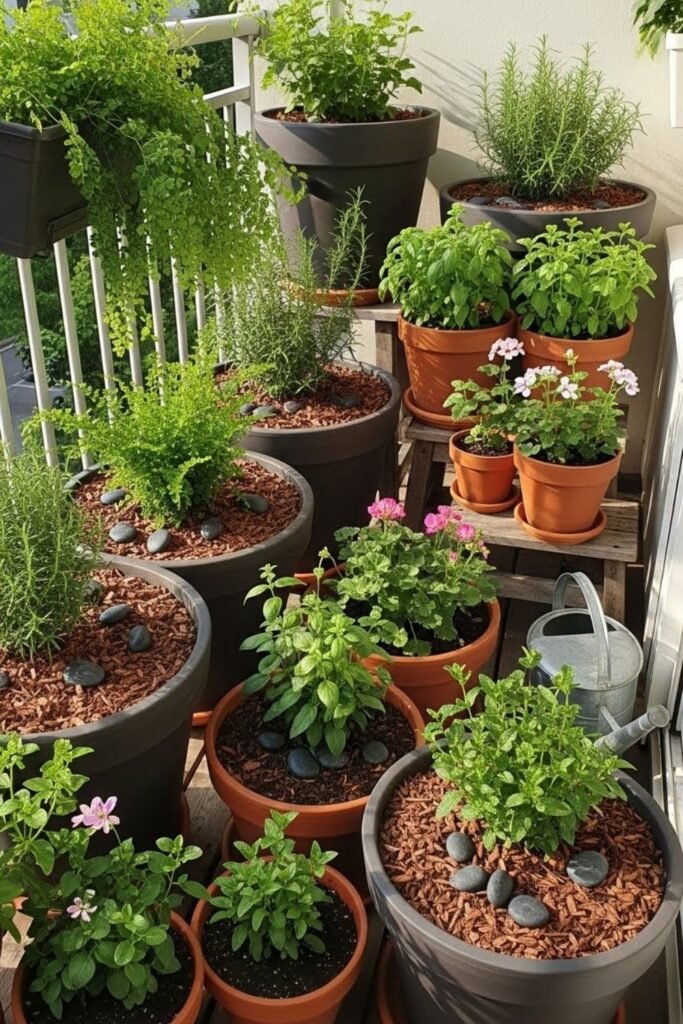
Color Calm
Too many bright colors made my balcony feel chaotic instead of restful. Sticking to soft greens with white or pale gray pots creates instant calm.
Save this post for later ❤️
Focus on leaf texture rather than flashy flowers. Same pot style repeated keeps everything organized visually.
Calm colors slow your mind after complicated days. The balcony becomes a place to pause rather than another thing competing for attention.
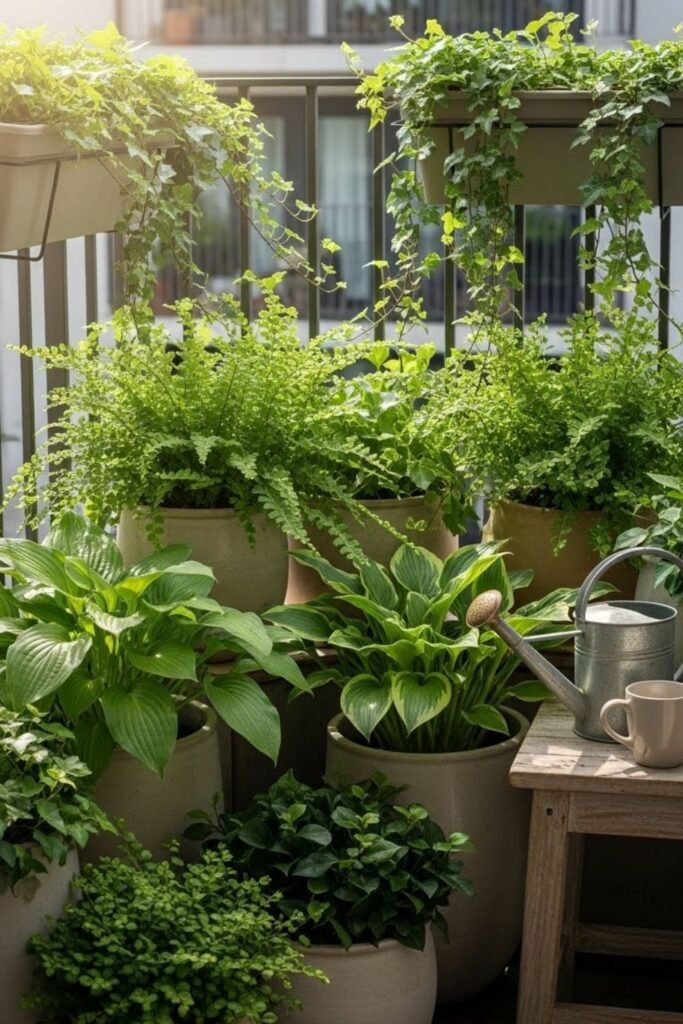
Edible Focus
Growing actual food changes how you value balcony space. Every plant earns its spot by contributing to meals. Tomatoes, peppers, lettuce, spinach — separate pots so roots don’t compete.
Sunlight tracking becomes more important because vegetables won’t compromise like decorative plants. Even small harvests feel satisfying when you’ve tended them from seedlings.
The balcony becomes productive space, not just pretty space. And that changes how much attention you’re willing to give it.
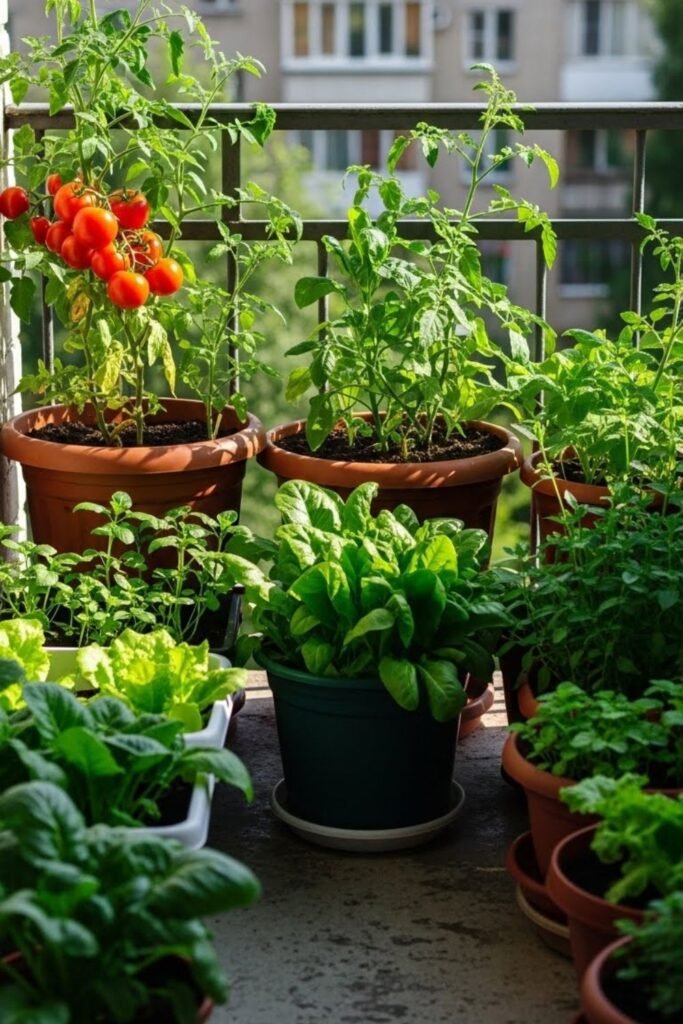
Small Pots
Tiny containers force you to make smarter choices. Plants with shallow roots and slow growth habits work best. More frequent watering, but lightweight pots make rearranging easy when sun patterns change.
Don’t overcrowd — small pots stress out quickly when competing for resources.
Size doesn’t determine success. With the right plants and consistent attention, even the smallest containers support healthy growth.
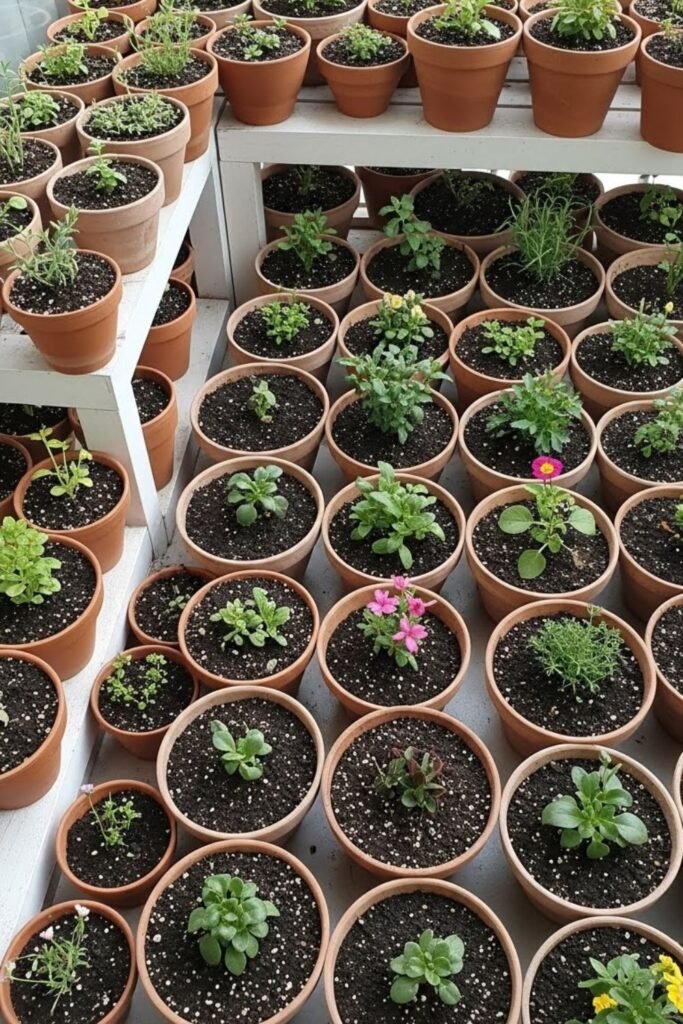
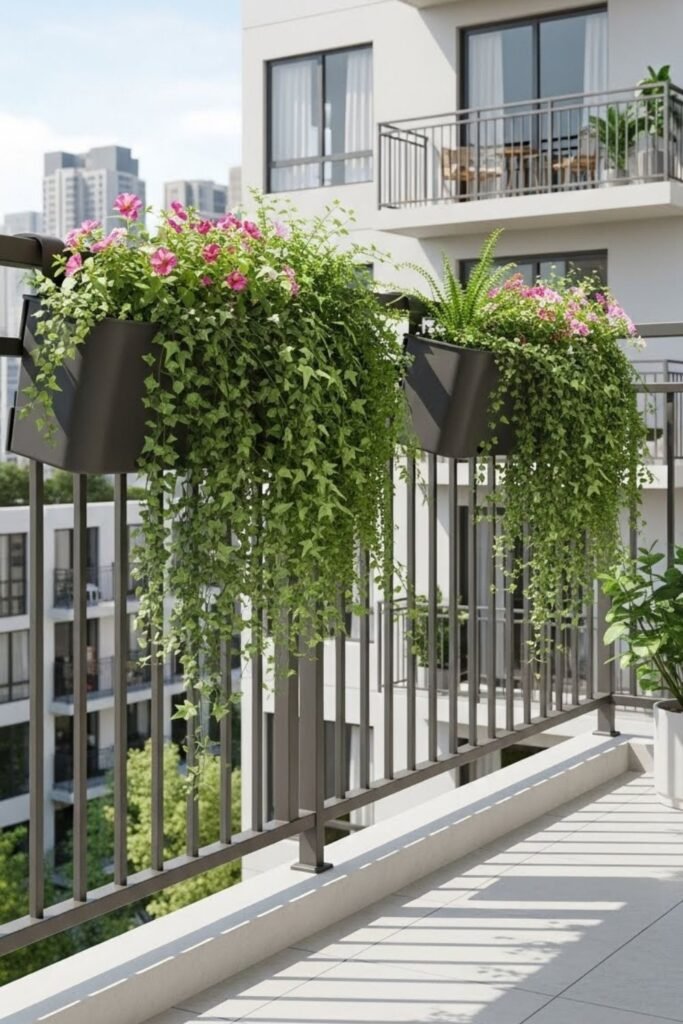
Rail Hanging
Railing space usually goes to waste. Secure hanging planters clamp firmly — no wobbling or shifting in wind. Light weight to avoid straining the railing or creating safety hazards.
Trailing plants soften the hard lines of balcony edges. Be careful with watering so you don’t drip on neighbors below.
Adds greenery without stealing precious floor space. When done right, rail planters frame the whole balcony nicely.
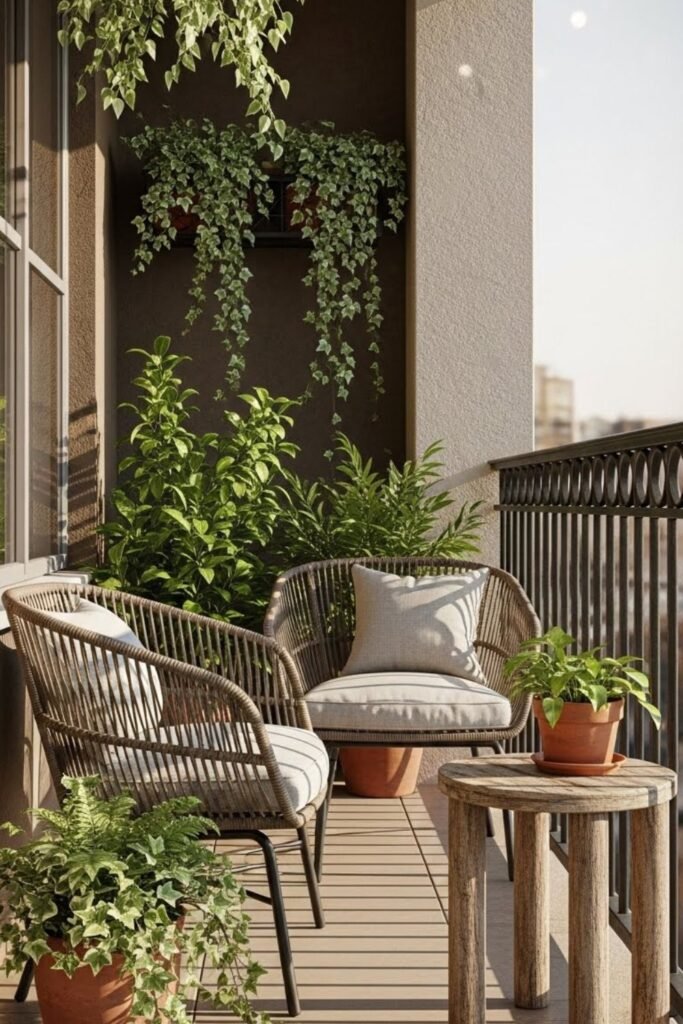
Stress Relief
Long days taught me the value of green corners that ask nothing from you. Plants with soft textures and gentle scents, nothing sharp or demanding attention. Simple seating so focus stays on the greenery.
A few minutes here without phones or tasks, just breathing and watching leaves move in the breeze.
This space exists purely for mental quiet, not productivity or Instagram photos.
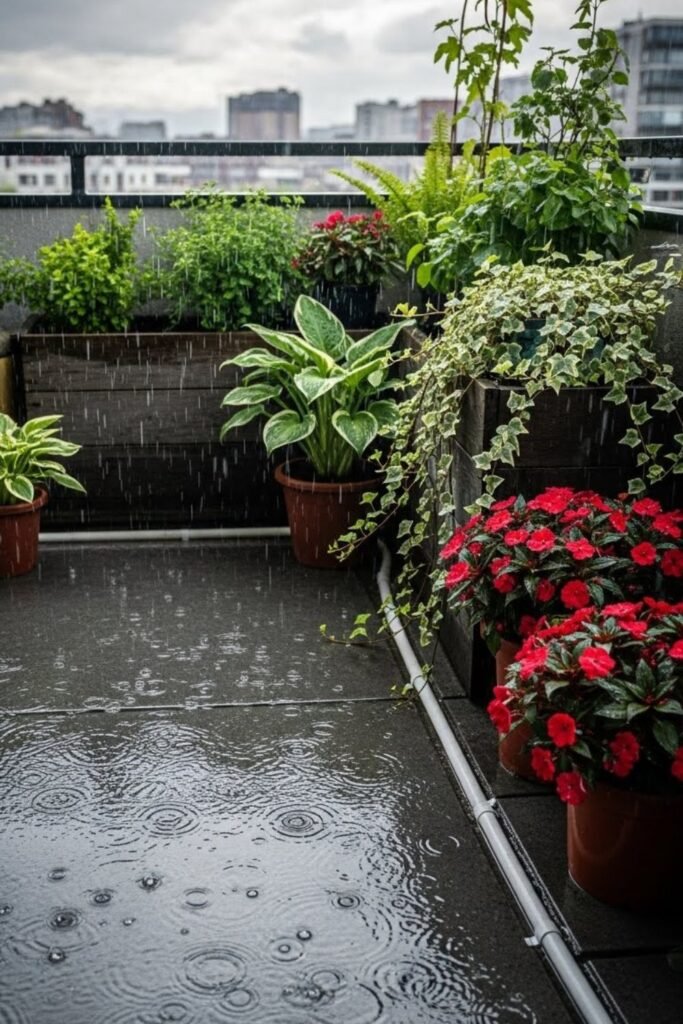
Monsoon Ready
Heavy rain used to destroy my pots until I learned to plan for it. Raised planters prevent water pooling on the floor, well-draining soil mix prevents root rot.
Plants that actually enjoy humidity perform better during long rainy stretches. Spacing between pots allows air circulation even when everything stays wet for days.
Monsoon season becomes growing season instead of plant-killing season with the right preparation.
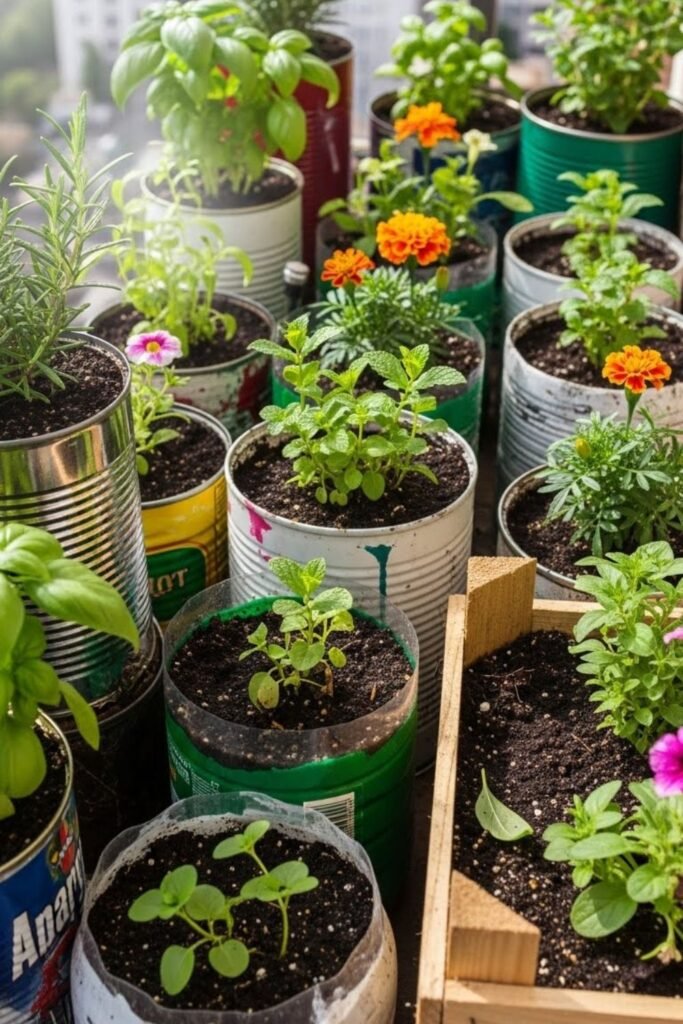
Budget DIY
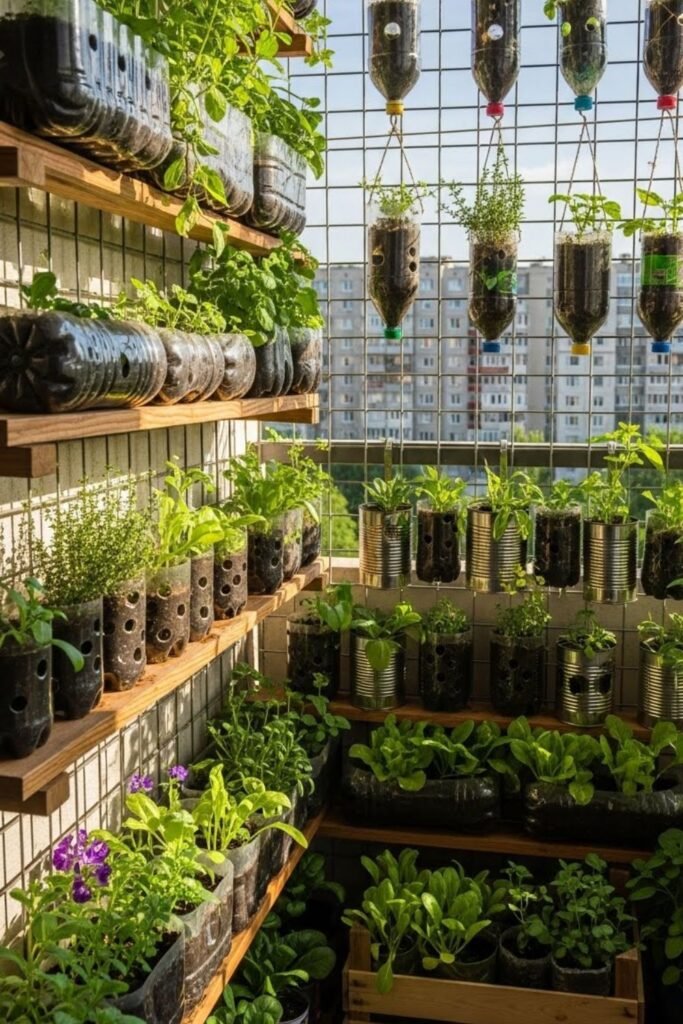
Limited money forces creativity better than unlimited options. Old storage containers become planters with drainage holes drilled in the bottom. Kitchen scraps turn into compost for free soil amendment.
Cuttings from friends grow into new plants over time instead of buying everything at garden centers. The balcony looks thoughtful, not cheap.
Good gardening isn’t about spending more — it’s about working smarter with what you have.
Heat Control
Summer heat burns delicate leaves and dries out pots in hours. Light-colored containers reflect heat instead of absorbing it, grouping plants provides mutual protection for roots.
Early morning watering gives plants moisture before the heat hits. Moving sensitive plants away from direct afternoon sun makes a significant difference.
Heat-tolerant plants replace delicate ones during extreme temperatures. Planning for heat prevents damage better than trying to rescue burned plants later.
Cold Care
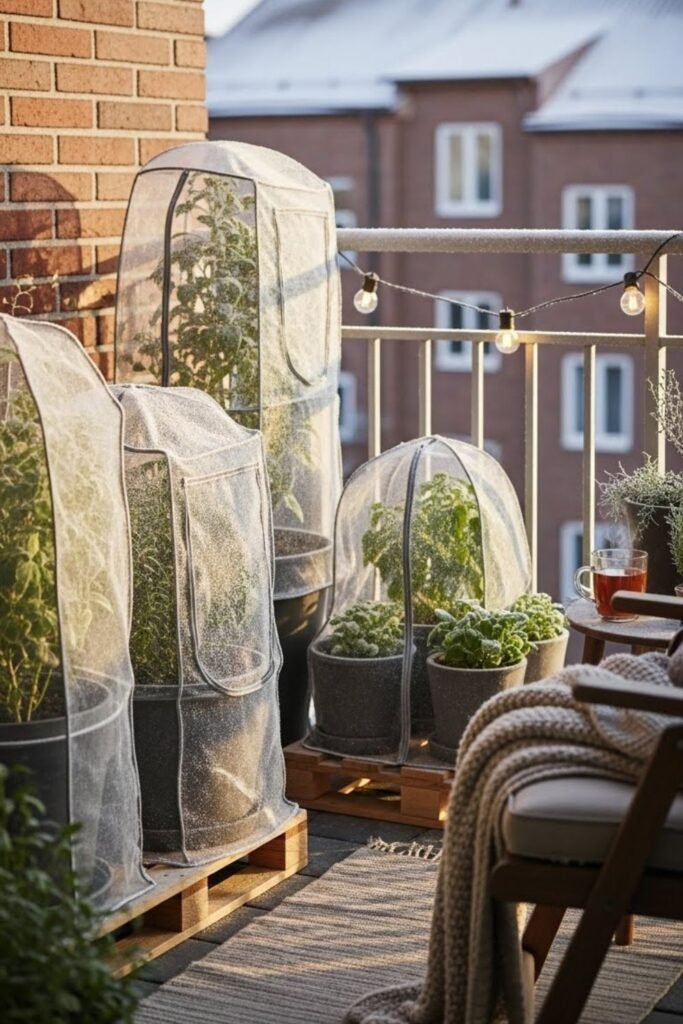
Winter changes everything, preparation starts in fall. Moving pots closer to walls for warmth protection, blocking cold winds with temporary screens.
Tender plants move indoors near windows until temperatures rise again. Reduced watering because cold soil stays wet longer and root rot becomes a bigger risk than drought.
Cold doesn’t end gardening — it just slows things down until spring returns with renewed growth.
Fragrance Focus
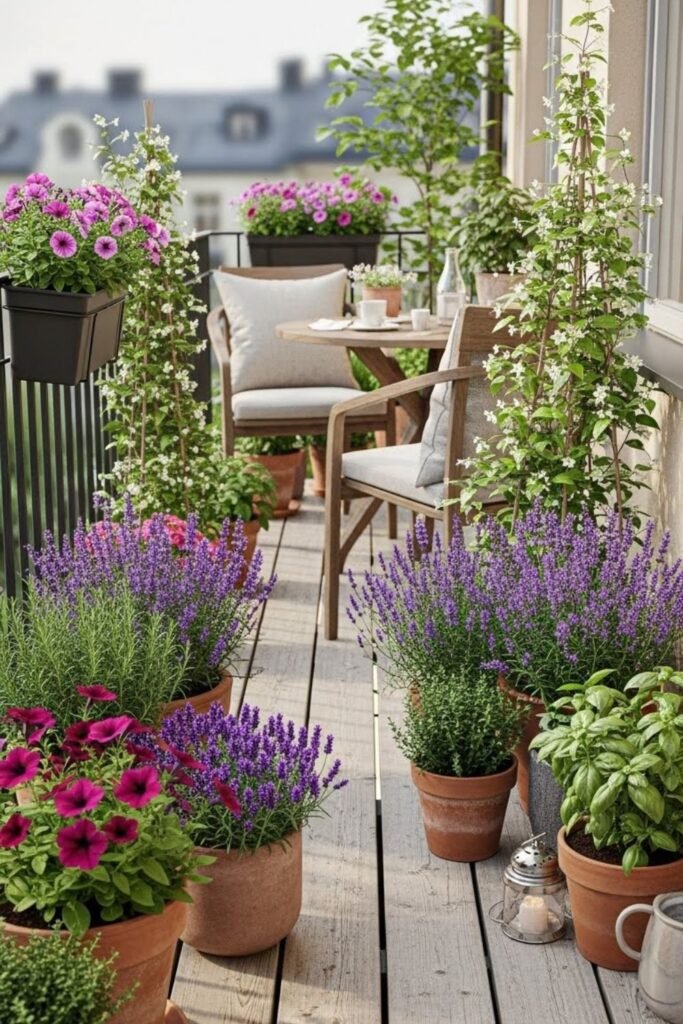
Scent changes the whole experience of being outside. Jasmine releases fragrance in evenings, lavender in warm afternoons, lemon balm when you brush against it.
Placement near seating or doorways where air currents carry the scent naturally. Avoid mixing too many strong fragrances — let each one have its moment.
A few well-placed fragrant plants turn ordinary moments into something memorable.
Pet Safe
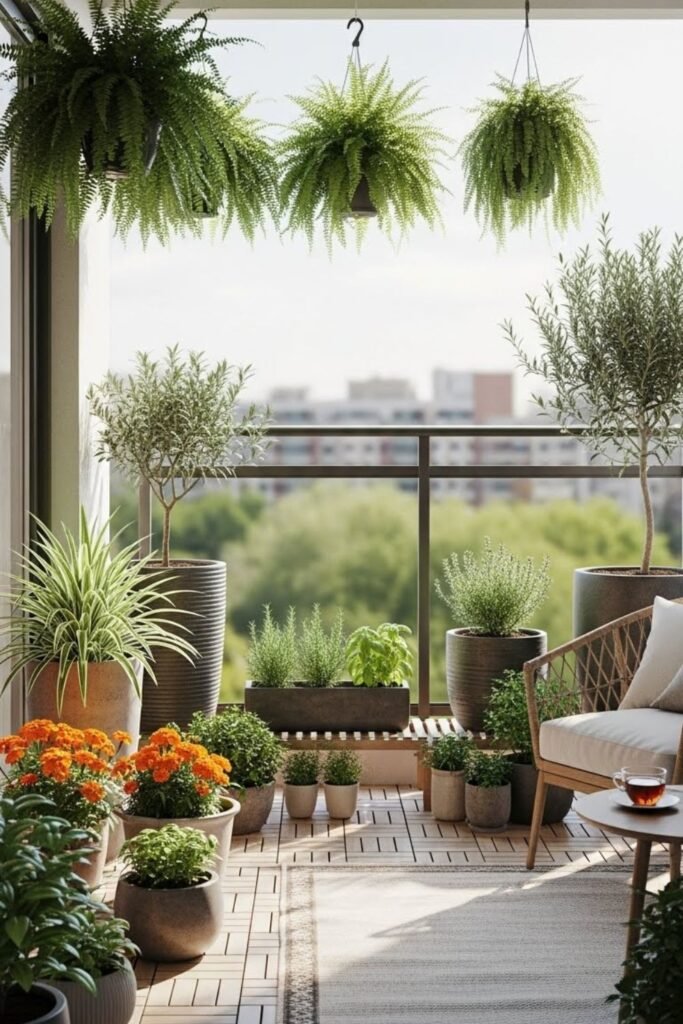
Pets and plants can coexist safely with careful planning. Research every plant before bringing it home — some common ones are surprisingly toxic. Heavy, stable pots prevent tipping from curious paws.
Tough plants that won’t break if investigated by teeth or claws. Keep soil covered so digging becomes less appealing.
The balcony should be peaceful for everyone, not a constant source of worry about what might get eaten or knocked over.
Recycled Style
Throwing away containers that could hold plants feels wasteful. Large yogurt containers, storage boxes with lids removed, even worn-out boots with drainage holes added.
Paint or wrap them to keep the space looking intentional rather than improvised. Each recycled container tells a story rather than just holding dirt.
Reusing doesn’t mean settling for less — it means finding creative ways to garden without constantly buying new things.
Busy Moms
Life doesn’t slow down for gardening schedules. Plants that survive if watering happens two days late, larger pots that don’t dry out in six hours, everything positioned for quick maintenance.
Simple layouts prevent confusion about what needs what. Gardening becomes a brief pause in busy days, not another complex task to manage.
When plants work with your real schedule instead of an ideal one, taking care of them feels sustainable.
Meditation Space
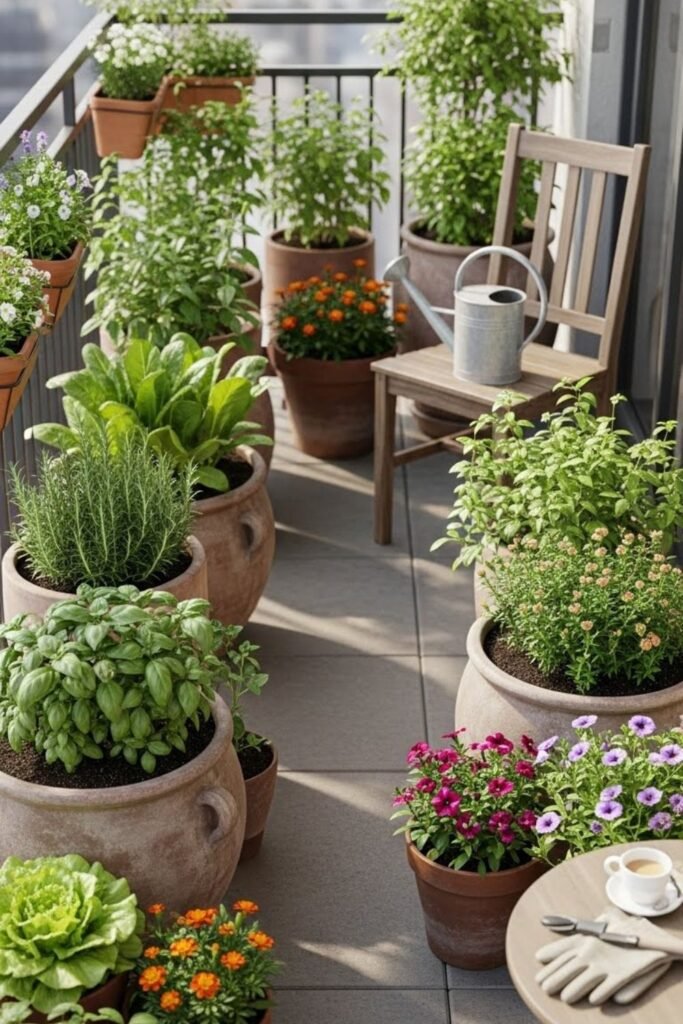
Some balconies exist for quiet sitting, not plant production. Soft-leaved plants in neutral containers, open floor space for a chair or cushion.
Nothing bright or demanding attention — the focus should be on breathing and letting your mind settle. No phone, no tasks, just a few minutes of intentional stillness.
When outside space supports quiet moments, stress levels drop without much effort.
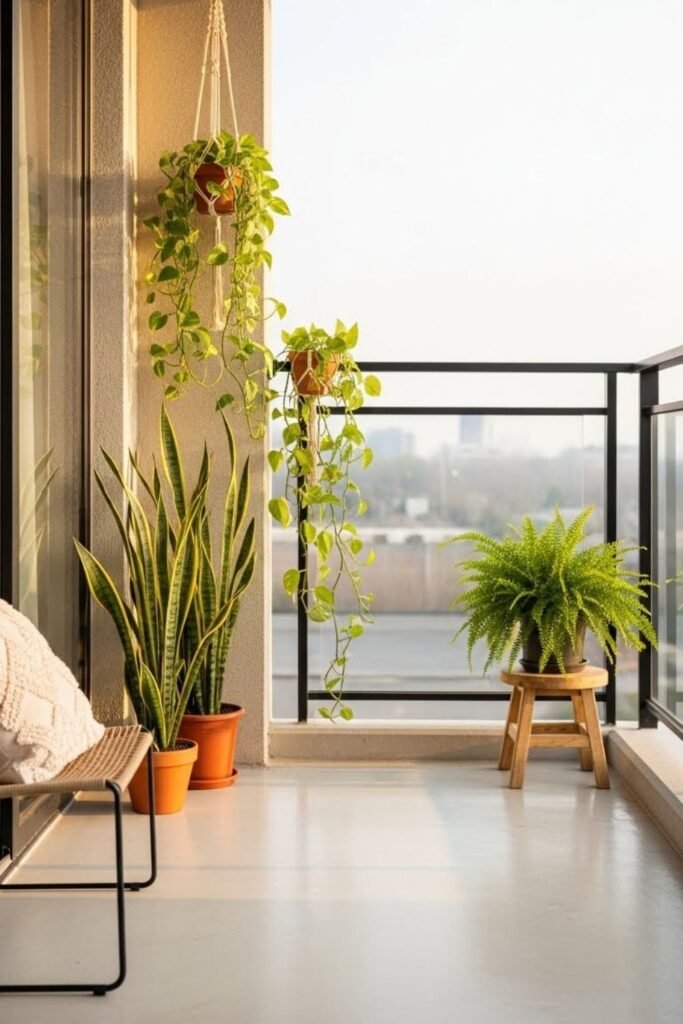
Seating GardenI’ve spent over four decades building a marriage, raising a family, and learning what truly matters along the way. I write about relationships, home, and navigating life’s later seasons with grace, honesty, and a little humor. My goal is to share the kind of steady, real-life wisdom that helps you feel grounded, encouraged, and a little less alone.
I’ve spent over four decades building a marriage, raising a family, and learning what truly matters along the way. I write about relationships, home, and navigating life’s later seasons with grace, honesty, and a little humor. My goal is to share the kind of steady, real-life wisdom that helps you feel grounded, encouraged, and a little less alone.