These Are The Gorgeous Flowers My Grandma Planted Every Spring

There’s something about a grandmother’s garden that stays with you. The colors, the smell of warm soil, the way she could coax just about anything into bloom without making a big fuss about it. I’ve noticed that so many of us carry those memories right into our own backyards, planting the same tulips, the same sweet peas, the same lilacs she grew, because it keeps something alive that we don’t quite have words for.
This list is a little love letter to all of that. Whether you’re a devoted gardener yourself or you simply like the idea of flowers on the porch, I think you’ll find something here worth lingering over. Take a look and see what catches your eye. (I def got a little emotional writing some of these tbh)
1) Fluffy White Blooms With a Pop of Pink
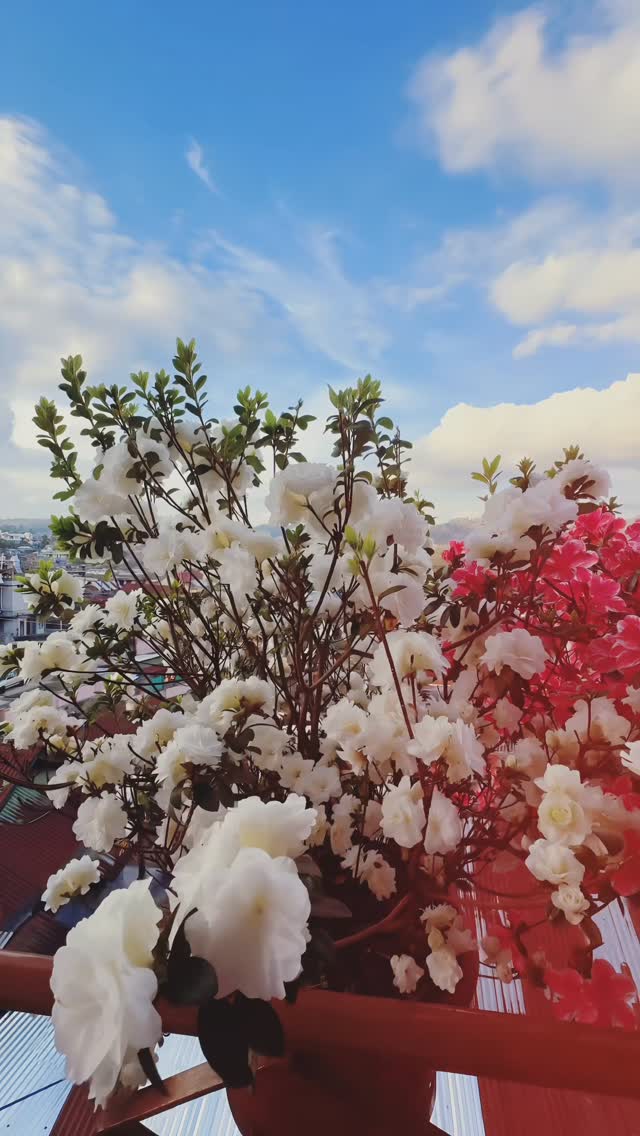
There’s something so generous about a planter that just overflows with blooms. White flowers have this wonderful ability to brighten a space without demanding all the attention, and when you set them against a clear blue sky, the whole effect feels almost effortless. I’ve always thought white and pink together is one of those combinations that simply never fails, whether it’s in the garden or in a vase on the kitchen table.
If you love this look, try pairing white sweet alyssum or white petunias with something like a magenta calibrachoa or pink verbena in the same pot. The contrast does the work for you. Plant them in a container large enough to let the roots breathe and you’ll have that abundant, spilling-over look all season long without much fussing.
2) Tulips at Sunset, Planted in Her Memory
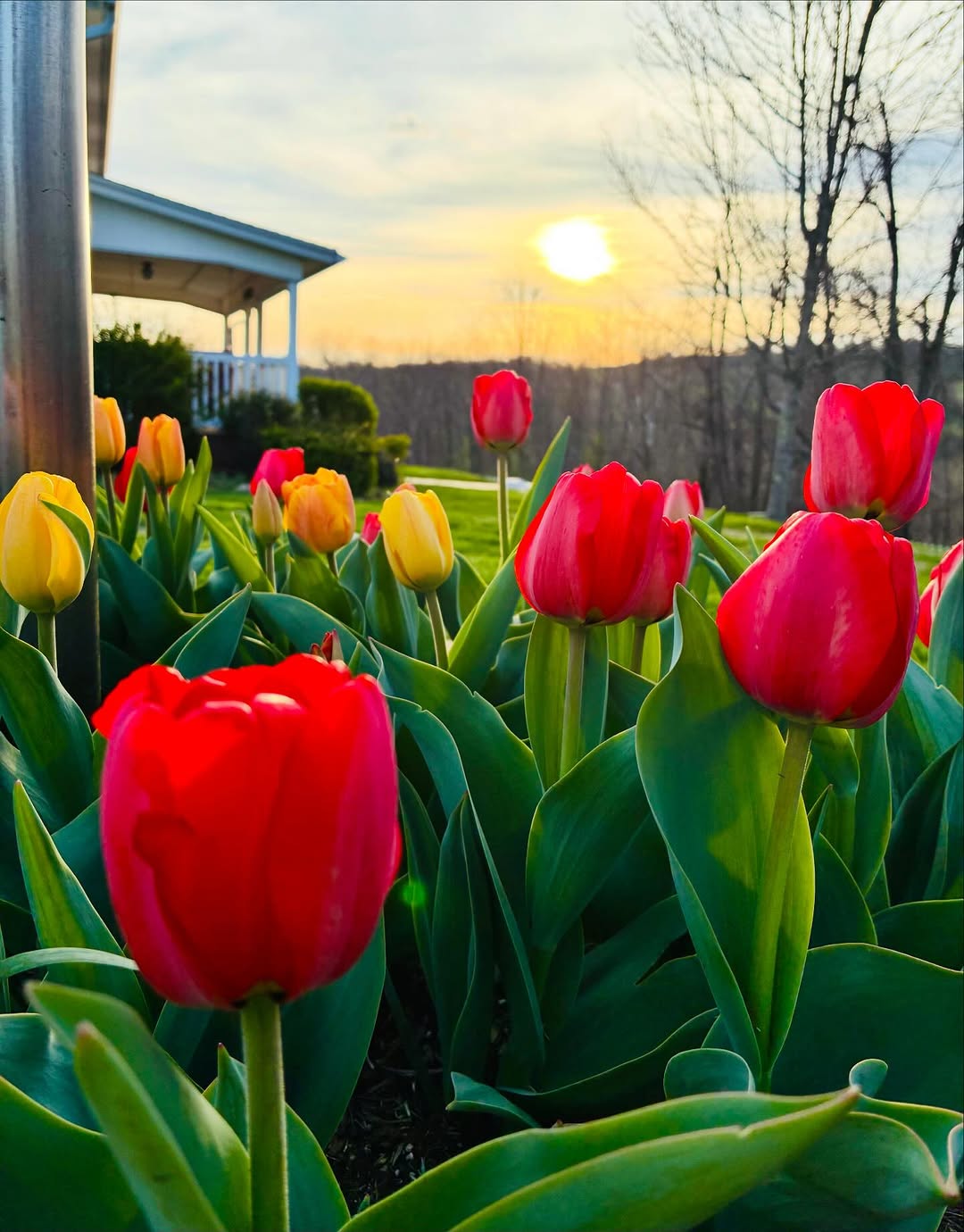
This photo was shared in memory of a grandmother named Ruth, who would have turned 96 on the first day of spring. She loved tulips. And I think anyone who has ever lost someone who gardened knows exactly what it feels like to see their favorite flower come up again in the yard, a little reminder that some things just keep returning. Honestly… that part kinda got me. The golden evening light in this photo makes the red and yellow tulips glow in a way that feels almost like a tribute.
Tulips are planted in fall and bloom in early spring, which means there’s always a bit of faith involved in growing them. You tuck the bulbs into cold ground and trust that something beautiful is coming. I’ve always thought there was something fitting about that. If you want to honor someone this way, planting their favorite flower is one of the loveliest things you can do.
3) Grape Hyacinths, Small But Perfectly Formed
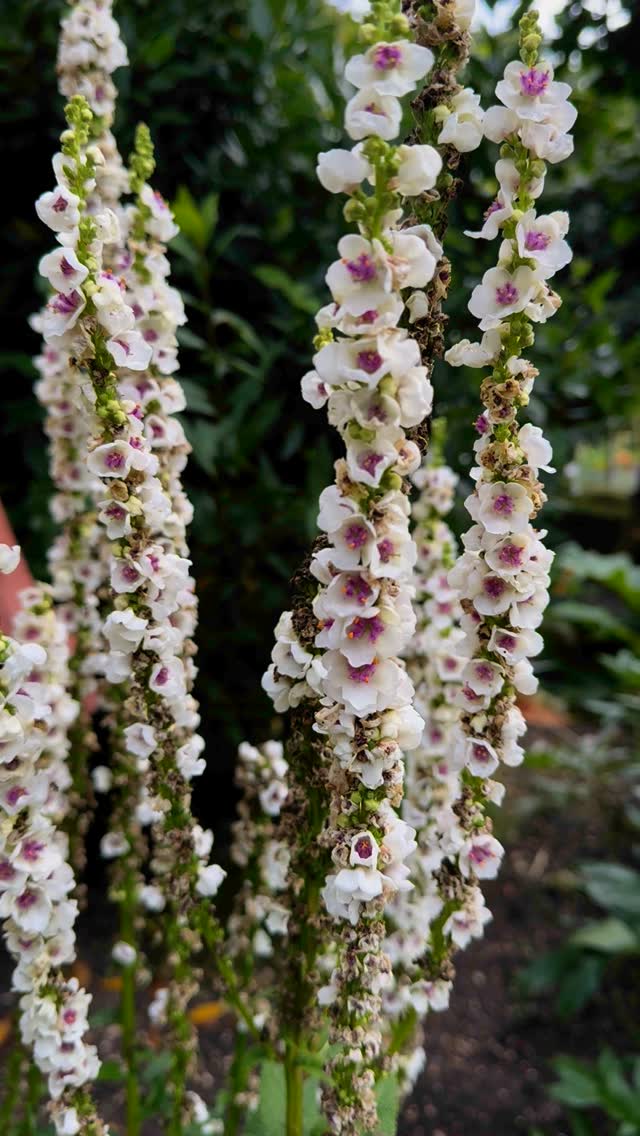
These little purple spikes are grape hyacinths, and if you haven’t grown them, they are worth knowing about. They are one of those early spring flowers that seem almost too cheerful for the cool weather they arrive in. I remember them coming up in a neighbor’s yard every March without fail, long before anything else bothered to show up. That reliability is something you really come to appreciate as a gardener.
Grape hyacinths (Muscari) are wonderfully low-maintenance: plant the bulbs in fall, and they’ll naturalize over time, spreading gently and filling in gaps you didn’t know needed filling. They grow well in containers too, which makes them perfect for a patio or front step display. Bees love them, and honestly they look beautiful tucked in between tulips or daffodils for a layered spring effect.
4) Ranunculus: The Ruffled Jewel of Spring
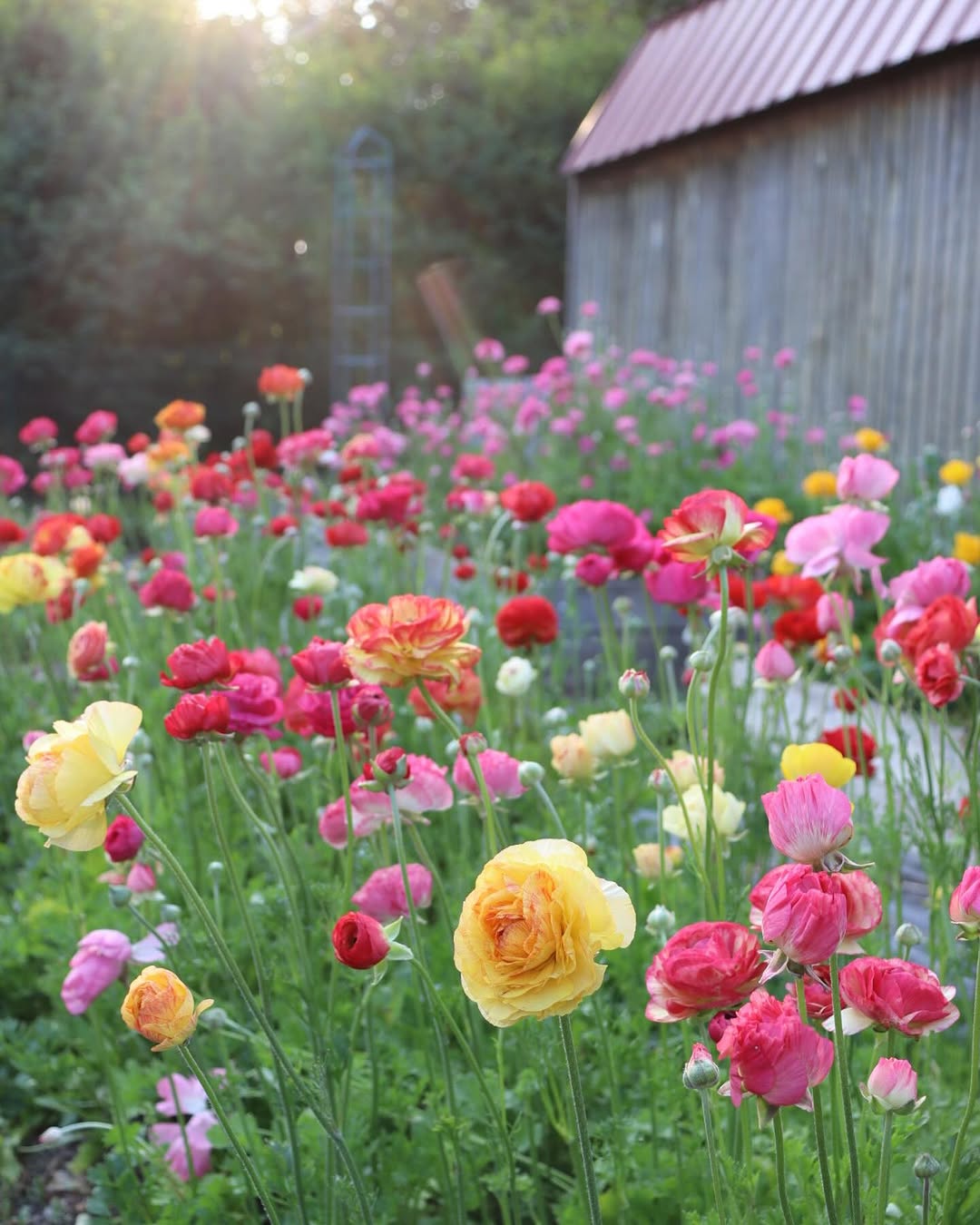
If you’ve never grown ranunculus, this photo might just convince you to try. Look at that texture, those layered, ruffled petals stacked up like the most extravagant little rosette you’ve ever seen. They come in hot pink, blush, cream, yellow, orange, and more, sometimes all in the same patch. A flower farmer shared this image after planting her first ranunculus of the season, and her excitement is completely understandable.
Ranunculus are started from corms (small, claw-like roots) in cool weather, which makes them a good late-winter or very early spring project depending on your climate. They prefer cool temperatures and good drainage, and they do not love summer heat, so timing is everything. But when they bloom, they last beautifully as cut flowers, sometimes for two weeks or more in a vase. They feel a little luxurious for a home garden, which is exactly why they’re worth the effort.
5) A Single Pink Bloom That Asks You to Slow Down
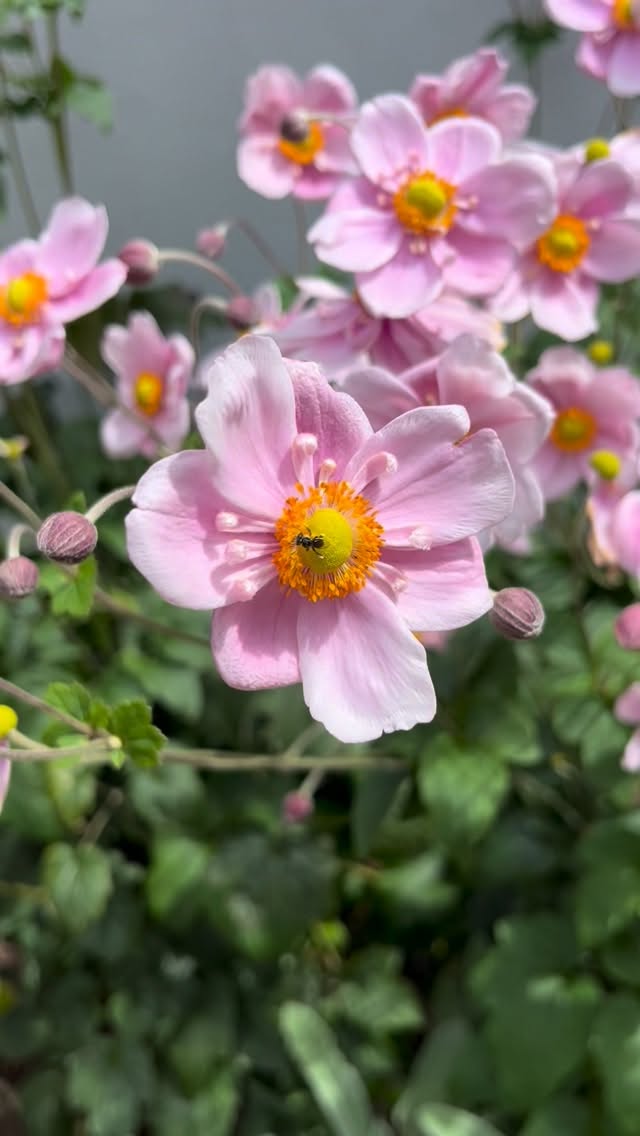
Sometimes one flower, photographed up close and gently, says more than a whole field of them. This pale pink blossom with its soft yellow center is the kind of image you want to just sit with for a moment. The gardener who shared it mentioned she’s been rethinking her spring plans because of dry conditions and limited water, leaning into self-seeding flowers like peony poppies, larkspur, and primulas that ask less of her and still deliver. I’ve noticed that the most experienced gardeners often arrive at that same kind of graceful flexibility.
Self-seeding perennials and hardy annuals are genuinely worth considering if you want a garden that feels abundant without requiring constant attention. They find their own way, filling in corners and returning year after year on their own schedule. Letting go of control a little in the garden is sometimes exactly how you get the most beautiful results. Which honestly is probably true for life too lol 😂
6) Sweet Peas Named After a Grandmother
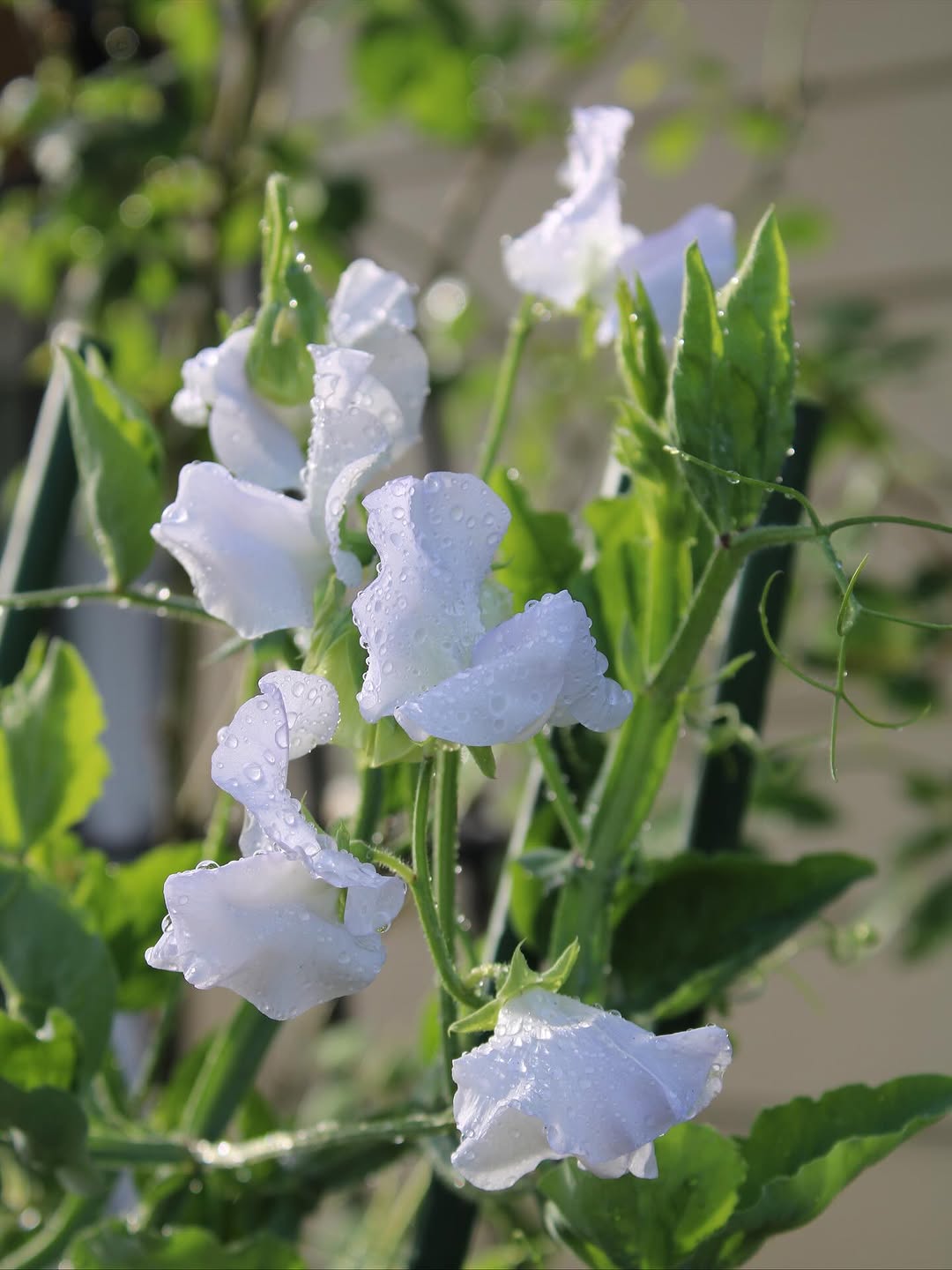
This particular sweet pea variety is called ‘Beverly Ann,’ and it was named after a flower farmer’s grandmother. I find that detail so touching. Sweet peas already feel like the most nostalgic of flowers, with their butterfly-shaped blooms and that fragrance that takes you straight back to someone’s garden in a way almost nothing else can. This variety was hybridized specifically to honor a family member, which feels like exactly the right thing to do with a flower this lovely.
Sweet peas are cool-season climbers that do best when sown in fall or very early spring before the heat sets in. They need something to climb, good sun, and regular picking to keep them blooming. The more you cut them, the more they produce, which makes them a wonderful choice if you like having fresh flowers in the house. Their scent alone is reason enough to find a spot for them.
Save this post for later ❤️
7) Orange Ranunculus and the Flowers That Remind Us of Home
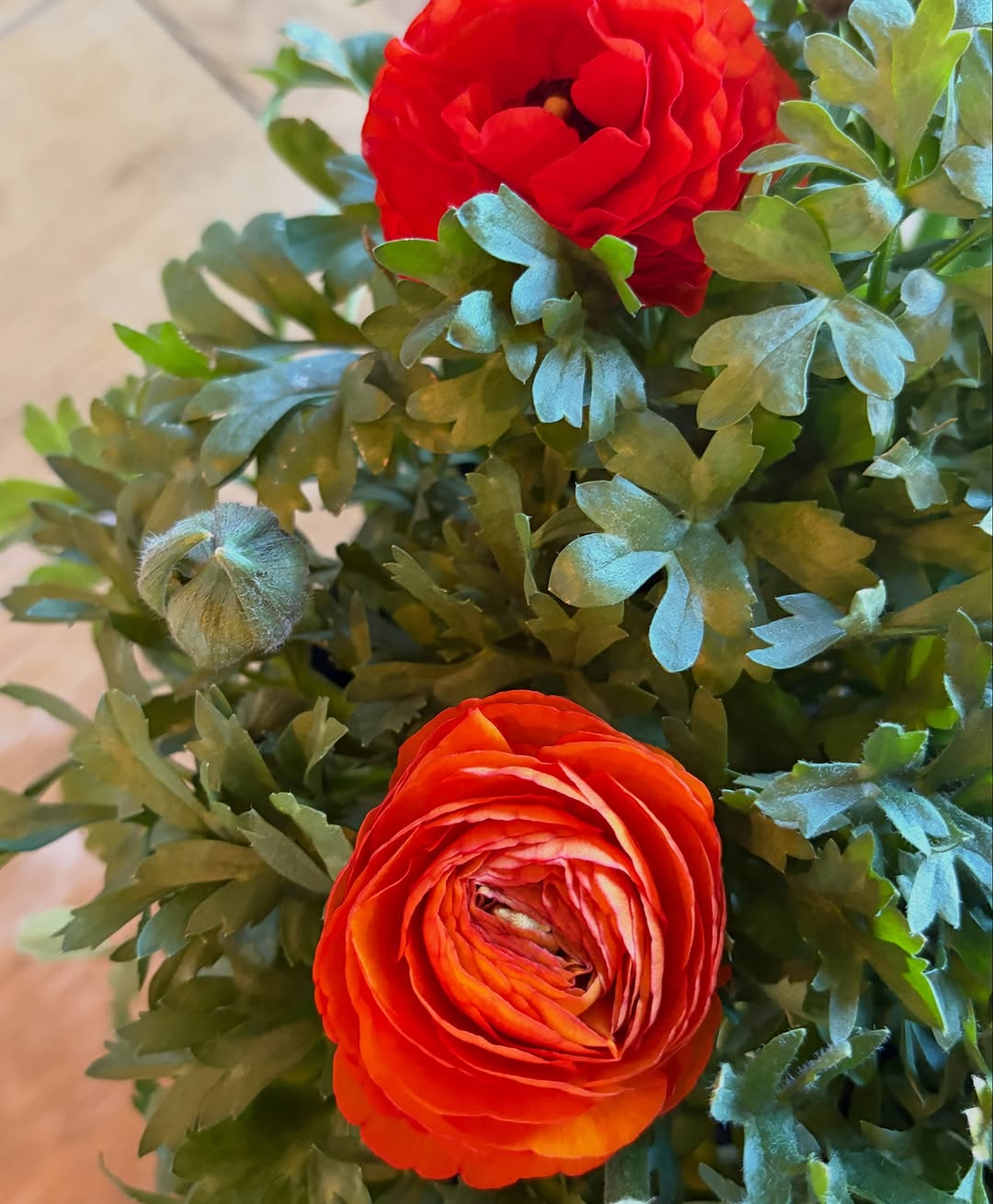
The gardener who shared this bright orange ranunculus also mentioned that her other favorite spring flower is the daffodil, because it reminds her of her grandparents’ house. That’s such a familiar feeling. Certain flowers just carry people with them. I think that’s one of the reasons we keep planting the same things year after year, not just because they’re beautiful, but because they mean something.
Orange ranunculus in particular are a bold, cheerful choice that holds up beautifully alongside cooler blue-green foliage, exactly as you see in this photo. That warm-against-cool contrast is something worth trying in your own garden or a container. Ranunculus love the same cool conditions as daffodils, so they make natural companions in a spring planting. Together, they create that layered, flower-filled look that feels genuinely abundant.
8) Zinnias: The Flower That Keeps on Giving
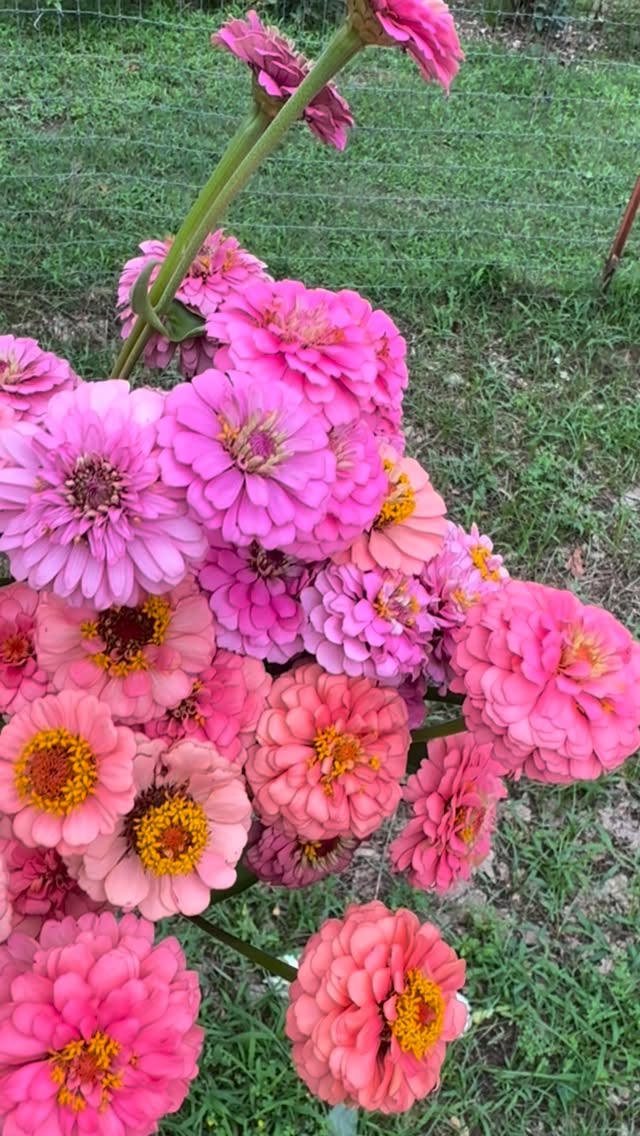
Ask me what flower gives you the most reward for the least drama and I’ll probably say zinnias every time, and clearly I’m not alone. The grower here says Oklahoma zinnias are her favorite to grow, and looking at that generous handful of coral and pink blooms, it’s easy to see why. They are tough, heat-loving, and absolutely reliable in a way that some more delicate flowers just aren’t. For a summer bouquet, they are hard to beat. Also now I kinda want to plant more zinnias myself after writing this??
Oklahoma zinnias are known for their strong stems and smaller, more refined blooms compared to the big ruffled varieties, which makes them especially good for cutting. Sow the seeds directly in the garden after your last frost, give them full sun, and they’ll reward you from midsummer right through the first frost. The more you cut, the more they bloom. They are genuinely one of the most generous plants in the garden.
9) A Grandmother’s Garden Full of Food, Flowers, and Joy
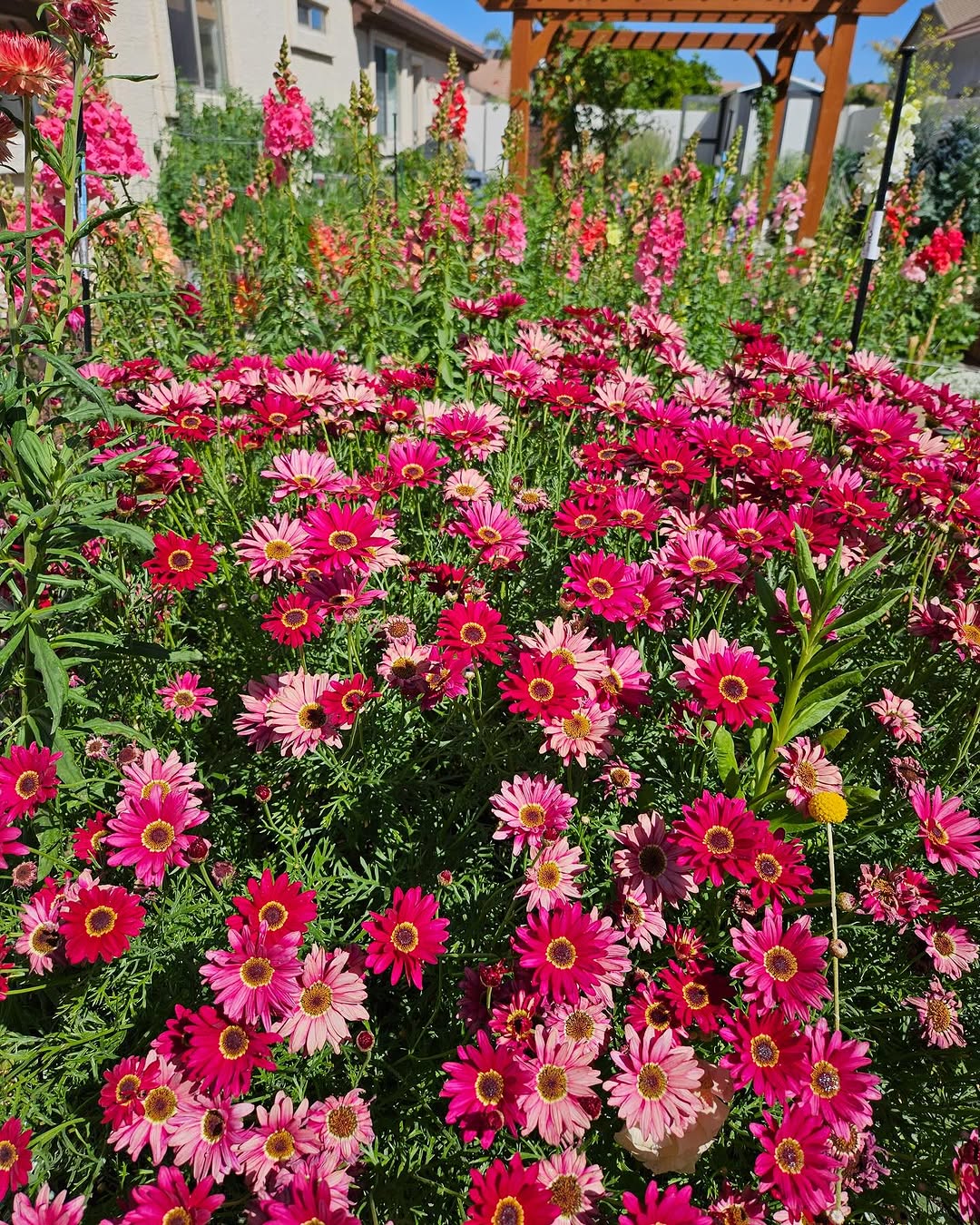
This image comes from a feature spotlighting a grandmother who goes by Lulu, an Arizona gardener whose grandkids love to snack straight from her beds and take home flower bouquets as if the garden is their own personal treasure. She grows carrots, strawberries, blueberries, and flowers for pollinators, and she says being in the garden is good for her soul. I believe it completely. There’s a kind of gardener who just radiates that kind of joy, and her garden usually looks like it.
Those vivid orange strawflower-like blooms in the foreground are exactly the kind of low-fuss, high-reward flower that suits a busy, productive garden. Strawflowers (Helichrysum) thrive in heat, don’t need much water once established, and dry beautifully if you want to preserve them. They also attract pollinators, which any gardener with vegetables nearby will appreciate. Lulu’s approach, mixing food, flowers, and family time, feels like a model worth following.
10) Allium Serendipity Brings Purple Rhythm to the Border
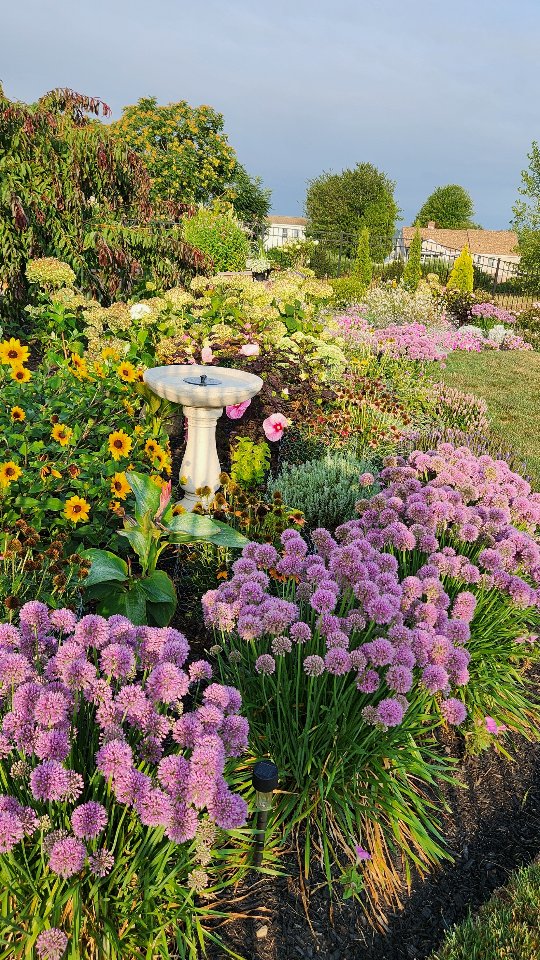
There’s something very satisfying about a plant that repeats across a garden bed, and that’s exactly what alliums do so beautifully here. Those rounded purple heads create a lovely rhythm through the planting, and the white birdbath in the center gives the eye a place to rest. This variety is called Serendipity, which is a wonderful name for a plant that turns out to be so useful: deer-resistant, drought-tolerant, and perennial, meaning it comes back on its own every year without your having to do anything at all.
What makes this particular allium especially worth knowing about is that it spreads by roots rather than bulbs, which makes dividing and sharing it with friends much simpler. It blooms mid to late summer rather than spring, so it fills the gap when many early bloomers have finished. Plant it in full to part sun in zones 4 through 8 and let it settle in. It’s one of those plants that just quietly gets better over time.
11) White Daisies, Simple and Completely Timeless
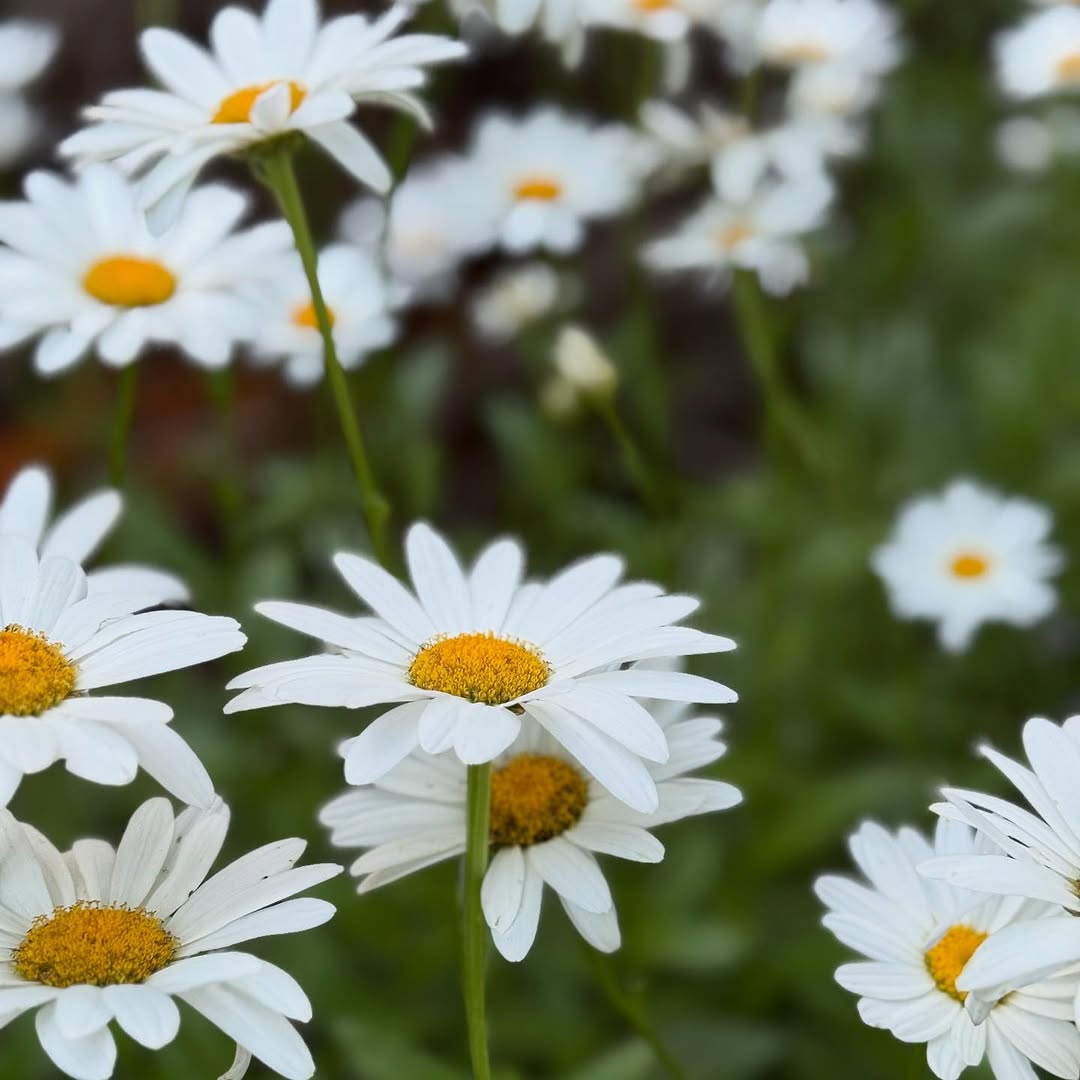
The photographer who shared these white daisies mentioned that her grandmother had an amazing green thumb and won county fair prizes for her roses. She said the smell of roses takes her right back to wandering through her grandma’s backyard as a little girl. She doesn’t claim to have inherited those gardening skills herself, but she has clearly inherited the eye for beauty, because this photograph is just lovely. And honestly… sometimes appreciating flowers is enough.
White daisies are one of those flowers that feel genuinely timeless in a way that trends never quite catch up to. They work in cottage gardens, wildflower meadows, or simply in a jar on the windowsill. Shasta daisies are a reliable perennial variety that returns every year and blooms generously through summer. Ox-eye daisies naturalize beautifully if you have a wilder corner of the yard to fill. Either way, they bring a cheerful simplicity that never feels wrong.
12) A Delicate Yellow Rain Lily From Grandma’s Collection
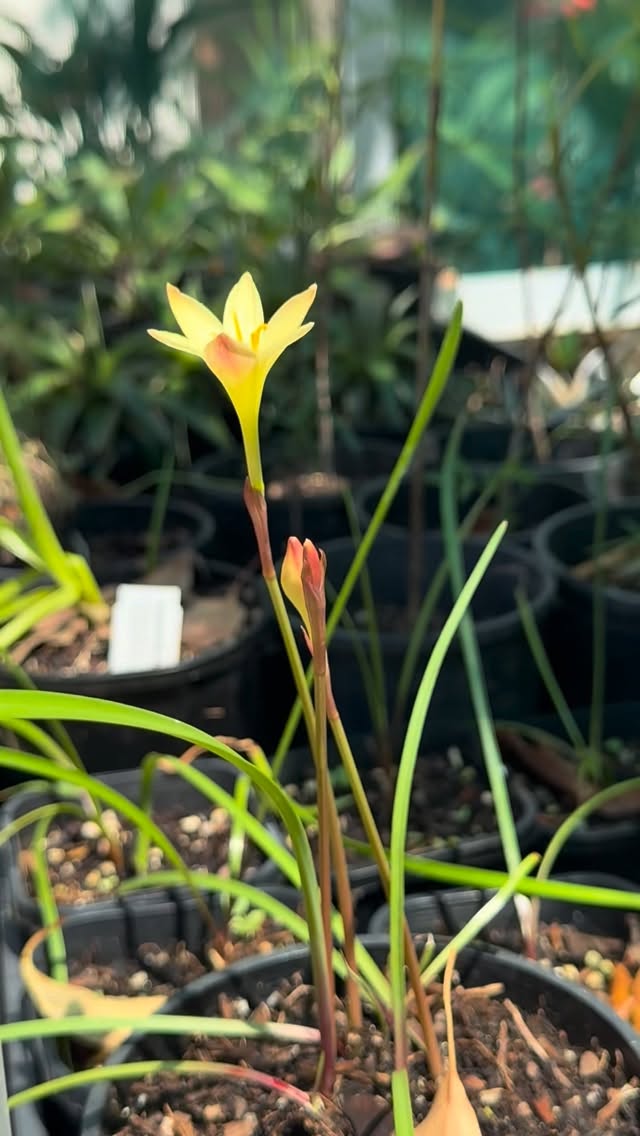
This tiny yellow bloom is a Zephyranthes, sometimes called a rain lily, and the gardener who photographed it noted that one of the varieties came from his grandmother’s collection. I love that detail. So many of us have plants tucked into our gardens that arrived that way, dug up from a parent’s yard, passed over a fence by a neighbor, carried home from a family visit in a damp paper towel. Those plants carry a whole story with them, and somehow they always seem to thrive.
Rain lilies are charmingly unpredictable bloomers, often triggered to flower by a drop in temperature or a sudden rainfall, which gives them their common name. They grow from small bulbs, tolerate heat well, and naturalize happily in the right conditions. This yellow variety (Zephyranthes primulina) is particularly delicate and lovely. If you know someone who grows them, it’s always worth asking whether they might share a few bulbs. That’s usually how the best plants travel.