Gadgets That Are Trending Right Now and the Ones That Are Actually Worth the Hype

Most people buy gadgets they see trending online and then wonder why they’re collecting dust two weeks later.
You order something because it looks useful in a video, it arrives, and you realize it doesn’t actually solve anything you deal with every day.
The problem isn’t that trending gadgets don’t work—it’s that most people pick them for the wrong reasons.
Smart shopping means choosing gadgets that fit into routines you already have, not ones that promise to create new habits you’ll never stick to.
Here’s a practical look at 22 gadgets that are actually trending right now because they solve real problems without requiring you to reorganize your life around them.
No fluff, just what works and why.
The Smart Way to Think About Trending Gadgets
Before you buy anything that’s trending, ask yourself one question: what daily annoyance would this actually fix?
Good gadgets don’t create new problems to solve. They handle small irritations you already notice.
Your phone battery dies too fast. Your morning coffee gets cold. The robot vacuum misses the same corner every time.
When a gadget addresses something specific like that, you’ll use it. When it promises to transform your entire approach to productivity or wellness, you probably won’t.
Save this article for later! 👇👇
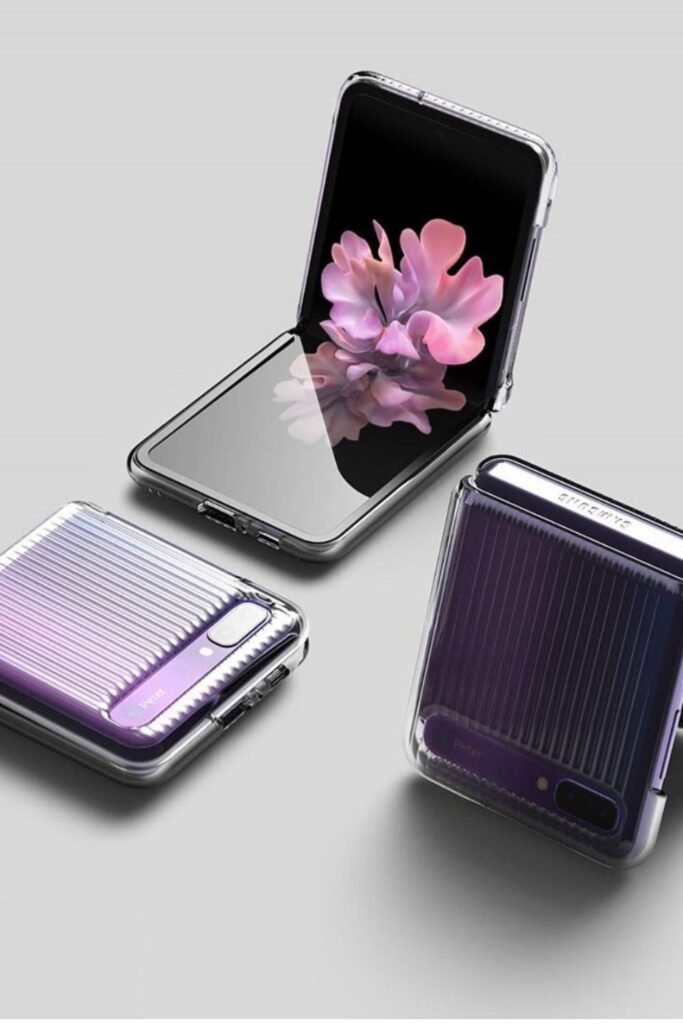
Fold Phones
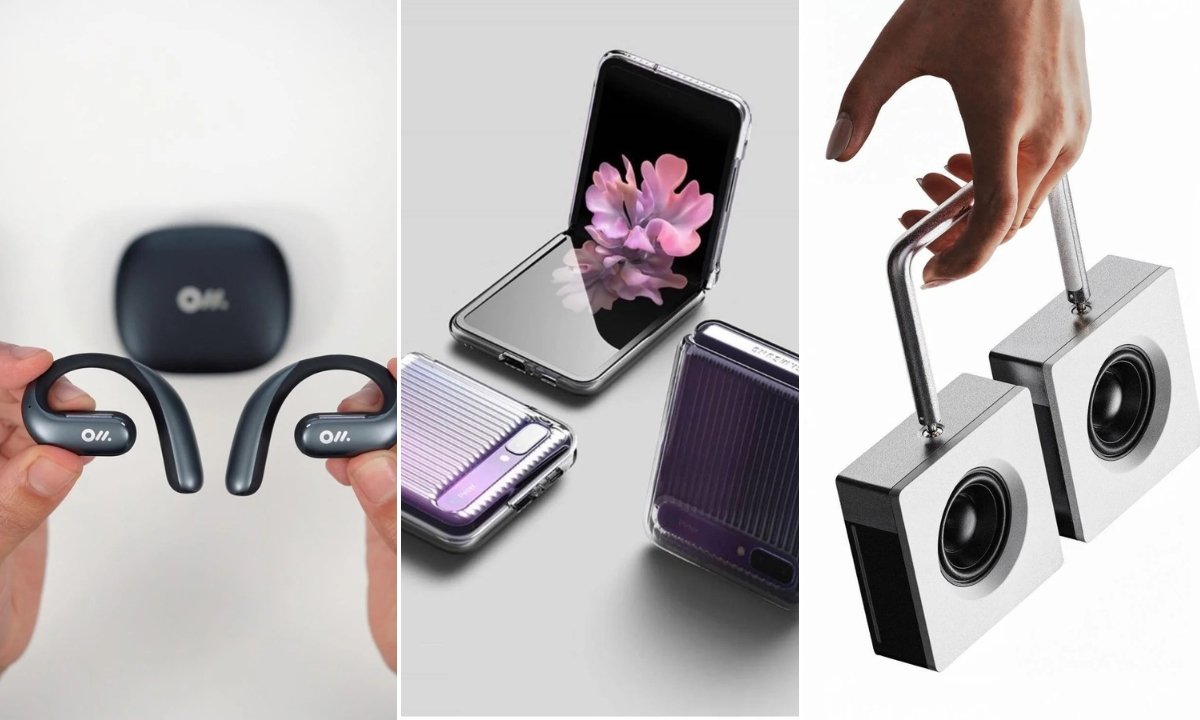
The whole point of a foldable phone is getting a bigger screen without carrying two devices. If you’re someone who reads recipes while cooking, watches videos during lunch breaks, or tries to work from your phone more than you’d like to admit, the extra screen space matters.
The durability concerns aren’t imaginary—hinges do wear out faster than solid phones.
But most people baby their phones anyway, and a good case helps. The real question is whether you actually use your phone for things that would benefit from more screen real estate. If you mostly just text and check social media, save your money.
These work best for people who’ve outgrown their current phone screen but aren’t ready to carry a tablet everywhere.
Portable Speakers
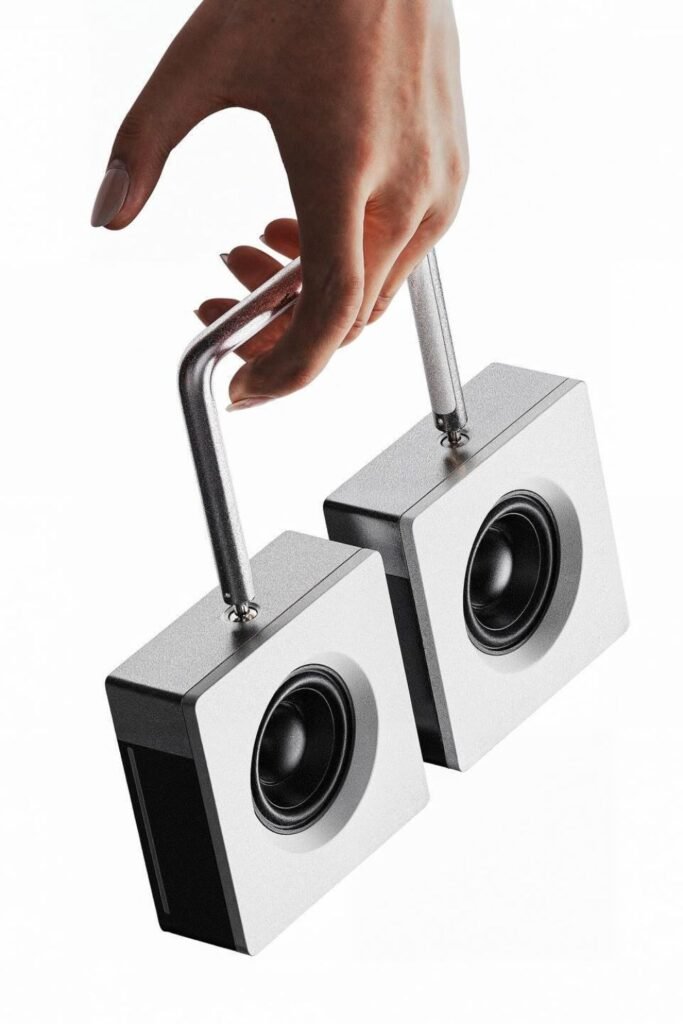
A small speaker that you can actually carry from room to room changes how you listen to music at home. Not revolutionary, just practical.
The sweet spot is something light enough to grab when you’re moving around but with enough bass that music doesn’t sound tinny. I’ve noticed people use these more for podcasts and calls than music, which makes sense—when you’re cooking or cleaning, you want the sound to follow you.
Battery life matters more than volume here. A speaker that dies after three hours isn’t following you anywhere.
Skip anything that requires an app to function properly. You want something that pairs once and then just works when you turn it on.
Open Earbuds
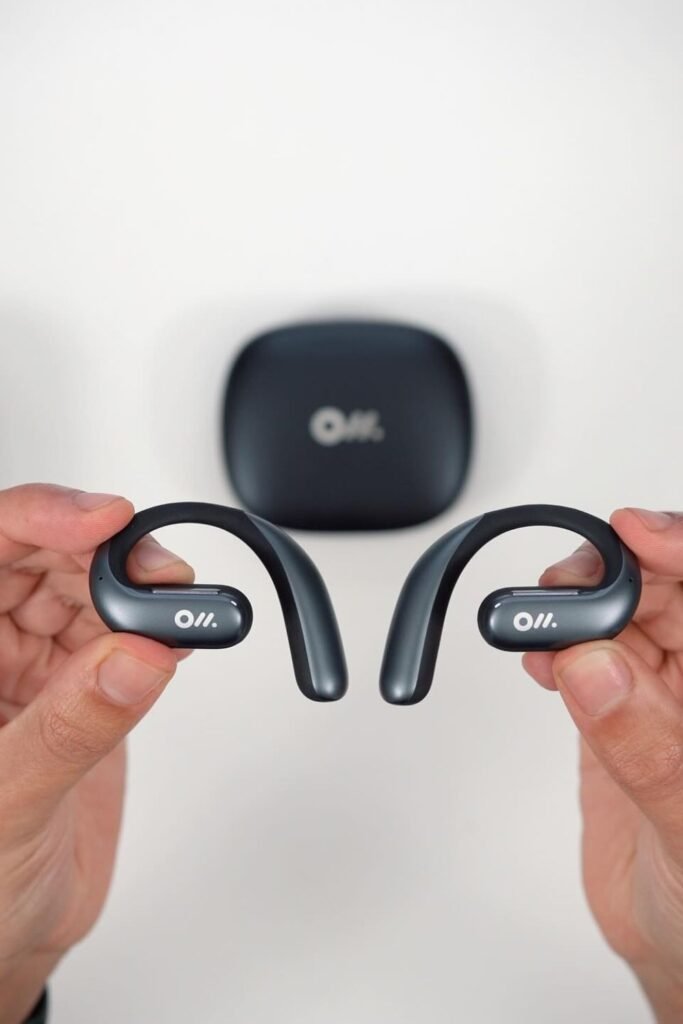
These solve a specific problem: you want music or podcasts, but you also need to hear what’s happening around you.
Perfect for walking, light workouts, or working from home when someone might need your attention. The sound quality won’t compete with regular earbuds, and that’s the point. You’re not trying to block out the world.
Comfort is everything with these. If the hooks don’t sit right on your ears, you’ll stop wearing them within a week.
They’re also surprisingly good for phone calls because the mic picks up your voice clearly without the muffled effect you get from sealed earbuds. Definitely worth trying if you spend a lot of time on calls while doing other things.
Wearable Air Purifier
This is either genius or ridiculous, depending on your situation. If you have bad allergies or live somewhere with poor air quality, a personal air purifier that hangs around your neck actually makes sense.
It’s not going to clean an entire room, but it does create a small buffer of filtered air right where you’re breathing.
The main drawbacks are obvious—you’re wearing a gadget around your neck, and you need to remember to charge it. But for people who struggle with dust, pollen, or city air, it’s one of those things that sounds silly until you try it and realize it actually helps.
Check the filter replacement costs before buying. Some models eat through filters faster than you’d expect.
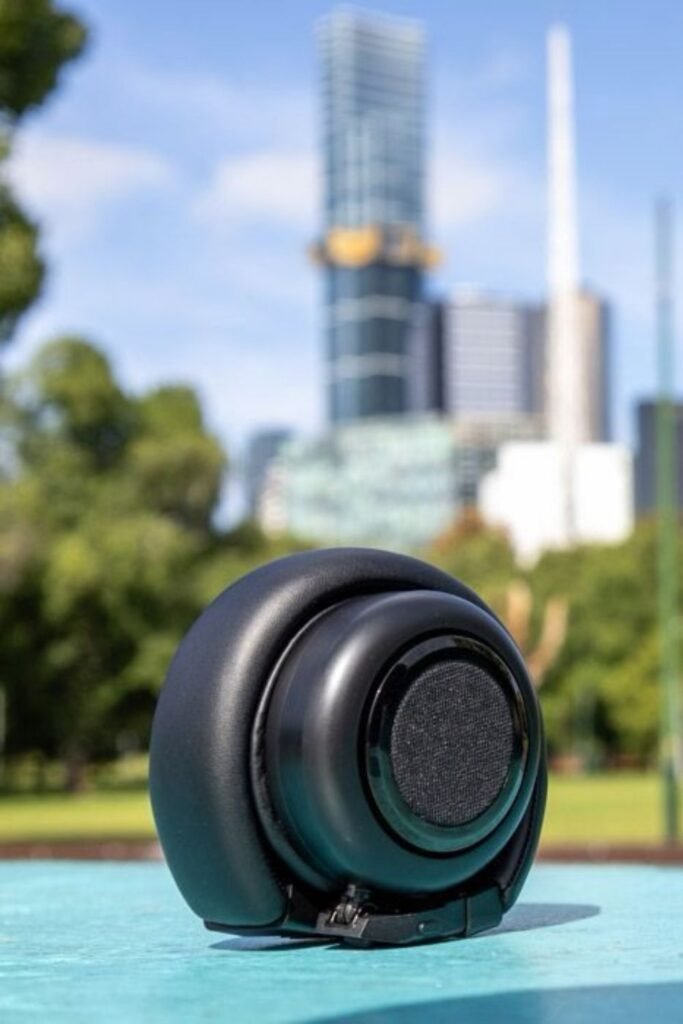
Pocket-Sized Speaker
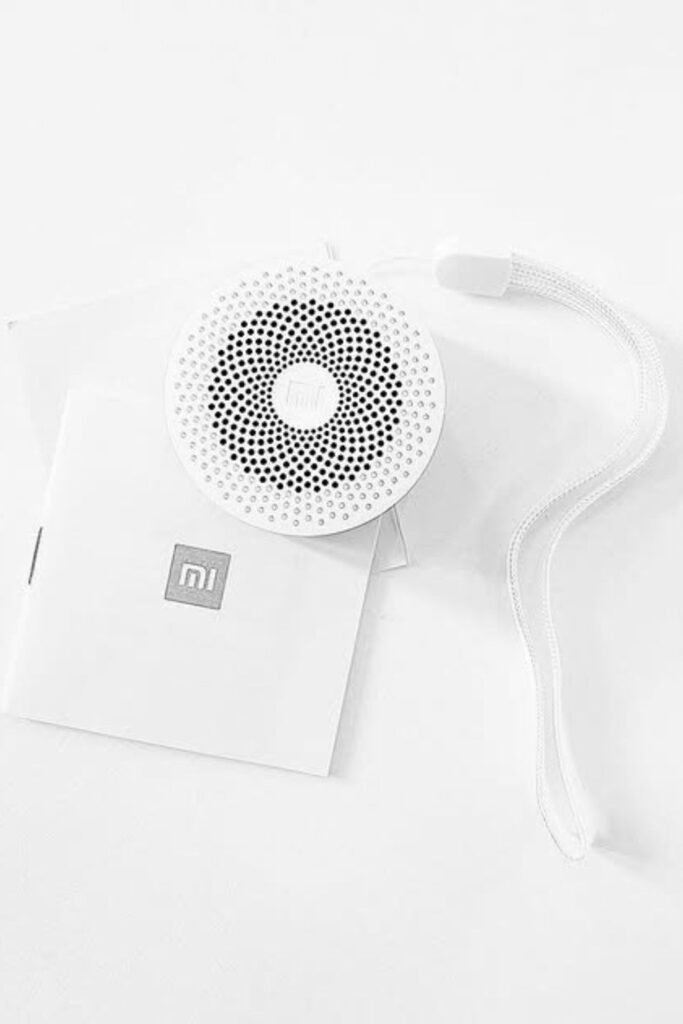
Sometimes you need music, but headphones feel isolating and a big speaker is too much. These tiny round speakers fill that gap perfectly.
Great for reading outside, stretching, or any time you want a little background sound without making it an event. The bass won’t shake the room, but it doesn’t need to.
Waterproofing is more important than you might think. Even if you don’t plan to use it by the pool, these speakers end up going places where they might get splashed or caught in light rain.
The best ones have a magnetic base or clip that lets you stick them to unexpected places. Suddenly your shower, workout bike, or garden table has good sound without permanent installation.
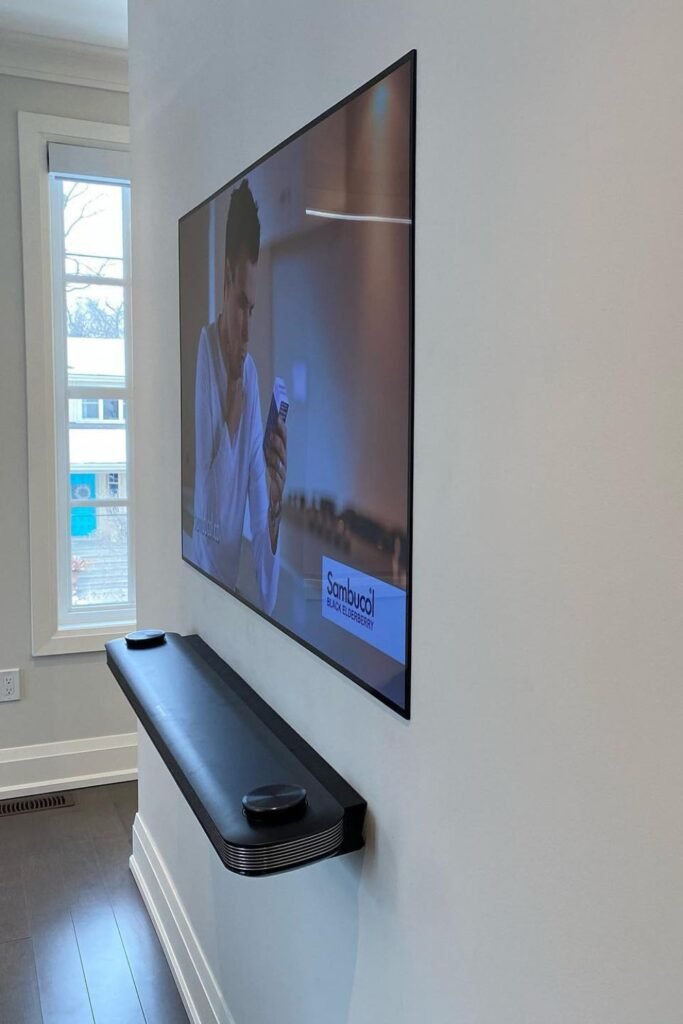
Wall-Mounted Soundbar
TV speakers are terrible, and a soundbar fixes that problem without taking up furniture space. Wall mounting looks cleaner and keeps the sound aimed properly.
The trick is getting the height right—too high and voices sound disconnected from the screen, too low and the coffee table blocks everything.
Cable management is what separates a professional look from a messy one. Either run the wires inside the wall or use a cable cover that matches your paint. Exposed wires dangling down the wall kill the whole clean aesthetic you were going for.
Most people overthink soundbar specs. If it’s a significant improvement over your TV’s built-in speakers and the price is reasonable, you’re good.
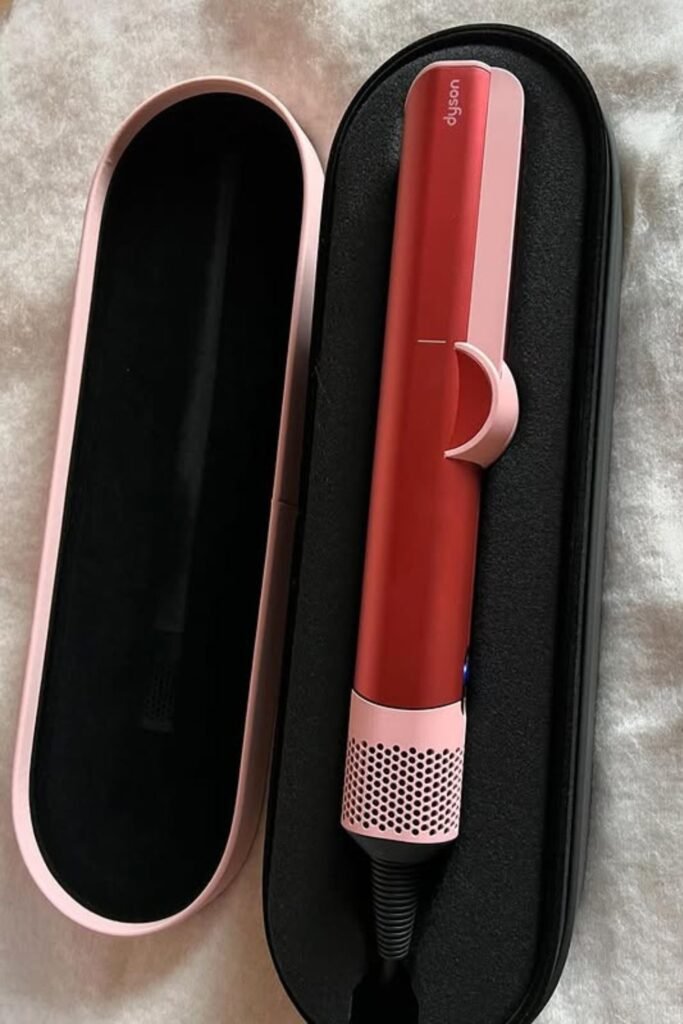
Advanced Hair Straightener
The Dyson-style straighteners cost more upfront, but they’re gentler on your hair because the technology is different. Instead of just clamping hot plates onto your hair, they use controlled airflow and lower heat settings.
If you straighten your hair regularly, that difference adds up. Less damage means your hair looks better longer, and you don’t need as many touch-ups throughout the week.
The learning curve is real, though. These work differently than traditional straighteners, so your usual technique might not translate. Plan to spend a few tries figuring out the right speed and heat setting for your hair type.
Worth it if you’re already straightening regularly. Not worth it if you only do it occasionally.
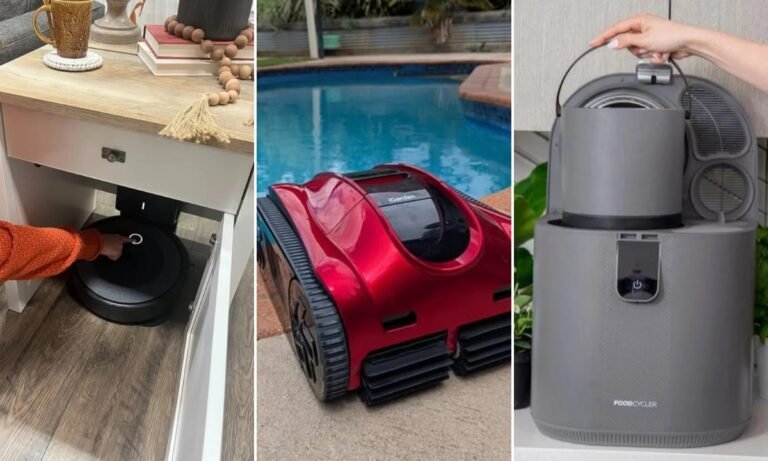
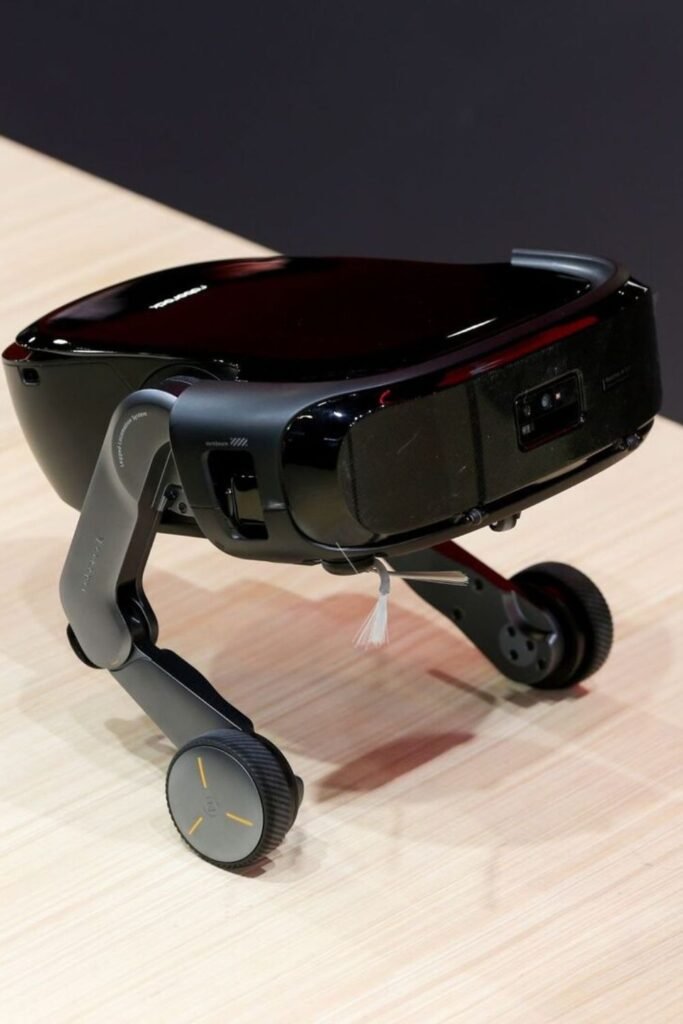
Robot Vacuum
Robot vacuums have crossed the line from “expensive toy” to “actually useful” in the past few years. The mapping is better, they don’t get stuck as often, and the prices have come down.
The biggest factor in whether you’ll love or hate one is your floor plan. Open spaces with minimal furniture work great. Lots of transitions, thick rugs, or cluttered floors will frustrate both you and the robot.
Set it to run when you’re not home. Coming back to clean floors without doing anything is genuinely nice, but watching it work is just stressful.
Don’t expect it to replace regular vacuuming entirely, but it will definitely reduce how often you need to do it yourself.
Save this post for later ❤️
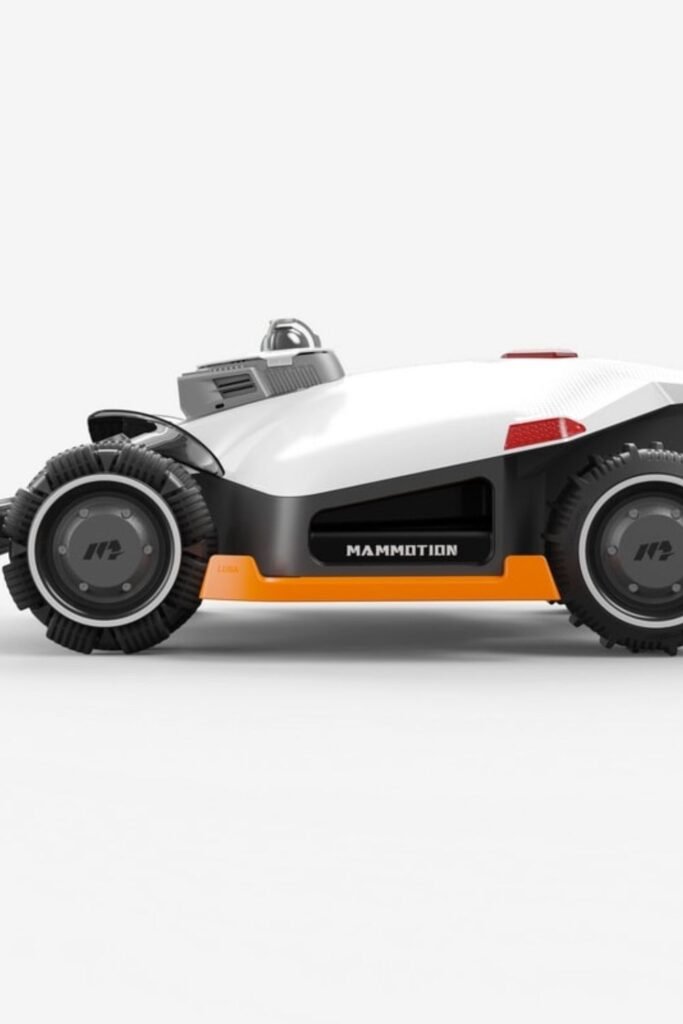
Robotic Lawn Mower
If you have a yard that needs mowing every week and you’re tired of spending Saturday mornings doing it, a robot mower makes complete sense.
Setup is the hard part—you need to install boundary wire around the edges of your lawn, which takes a weekend. After that, it mostly runs itself and keeps the grass consistently neat instead of letting it grow too long between cuts.
They work best on relatively flat, simple lawns. Hills, lots of trees, or complicated flower bed shapes make the boundary wire installation much more difficult.
Theft is a legitimate concern in some areas. Most models have PIN codes and alarms, but they’re still valuable gadgets sitting outside unattended.
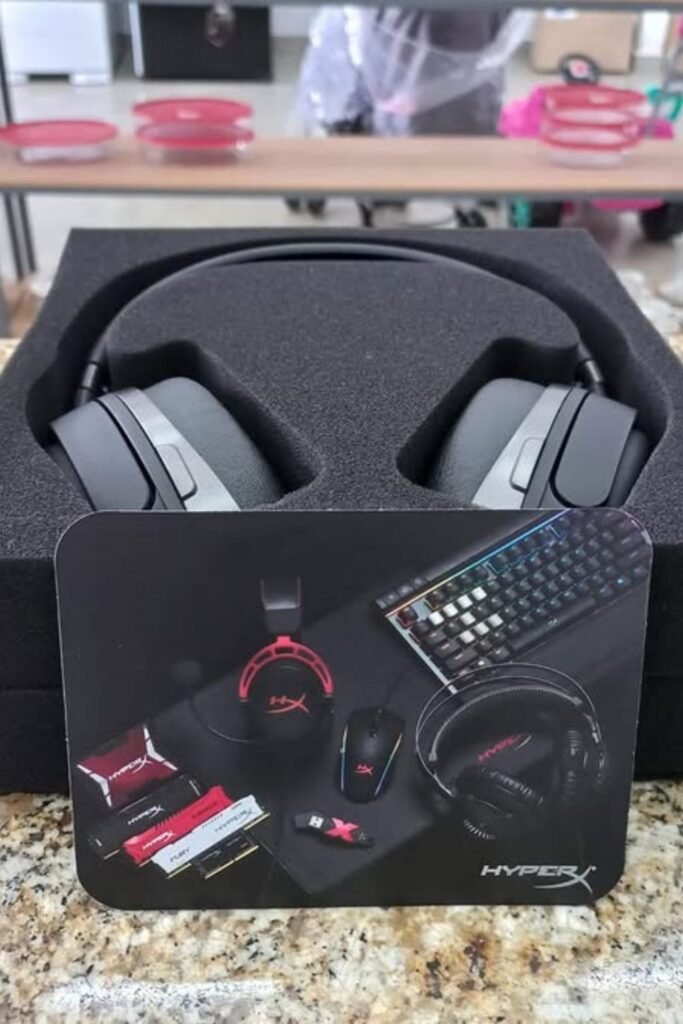
Gaming Headset
Even if you don’t game, these headsets are excellent for video calls, movies, or any time you need good sound without bothering other people.
The microphone quality is usually better than earbuds, and the over-ear design is more comfortable for long stretches.
Comfort matters more than specs if you’ll be wearing them for hours. Look for adjustable headbands and ear cups with decent padding. The flashy RGB lighting is optional at best.
Wired vs. wireless depends on your setup. Wireless is convenient but adds battery anxiety and occasional connection hiccups. Wired is reliable but means you’re tethered to your device.
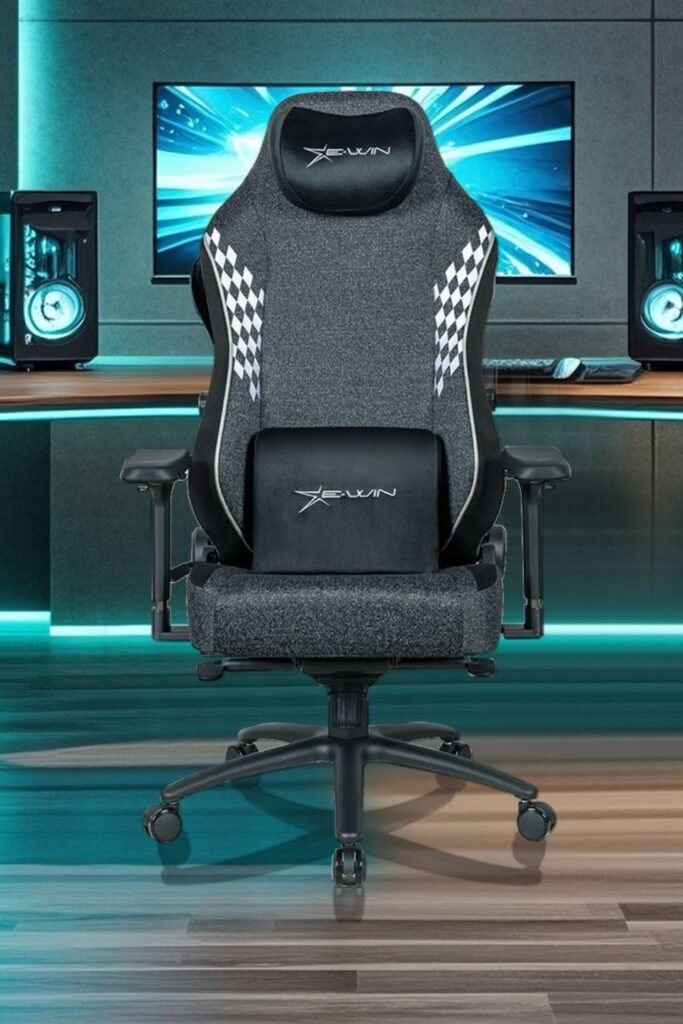
Ergonomic Chair
Your back will thank you, and your productivity might improve too. A good chair stops you from fidgeting and adjusting constantly, which lets you focus on actual work.
Gaming chairs tend to prioritize style over function, but the better ones do provide solid lumbar support and adjustability. The key is finding one that fits your body and desk height properly.
Don’t buy based on looks alone. If possible, try before you buy, or at least check the return policy. What feels comfortable for 10 minutes in a showroom might feel different after a full workday.
Assembly is usually straightforward but time-consuming. Plan for an hour or two with basic tools.
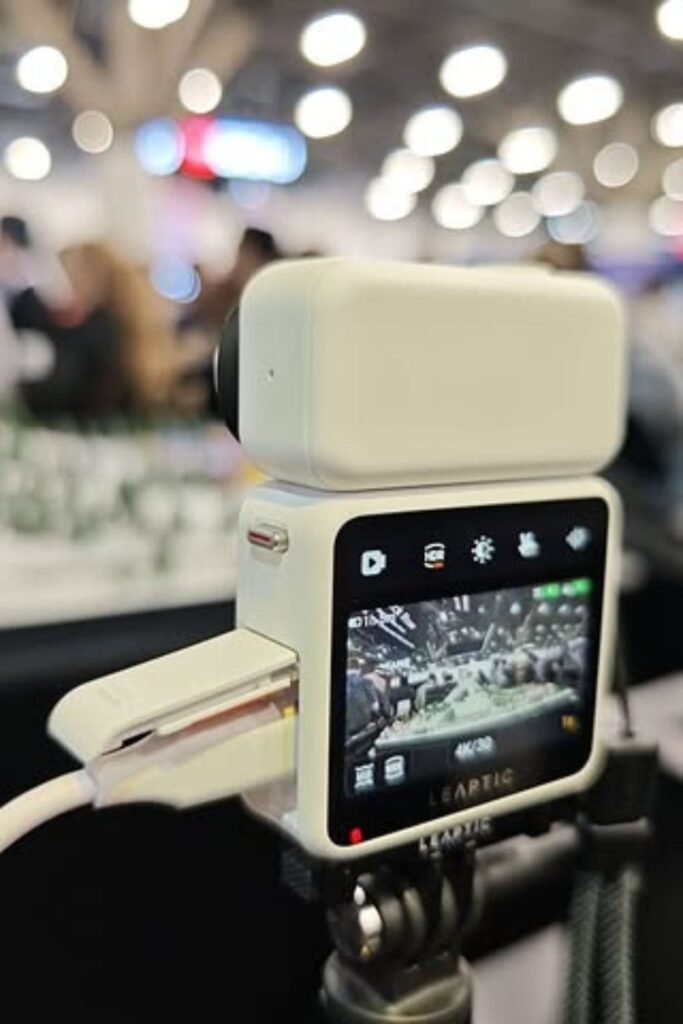
Action Camera
Phones are great for photos, but they’re awkward for video when you’re moving around. Action cameras are designed to be mounted, strapped, or clipped to things, which opens up different recording possibilities.
The stabilization is usually excellent, so walking or biking shots don’t make viewers motion sick.
Battery life is the main limitation—plan on bringing extras or a power bank for longer recording sessions. The small screens also make framing shots more guesswork than precision.
Most useful if you’re already documenting activities or creating content. Less useful if you think buying one will suddenly make you start filming everything.
Smart Scale
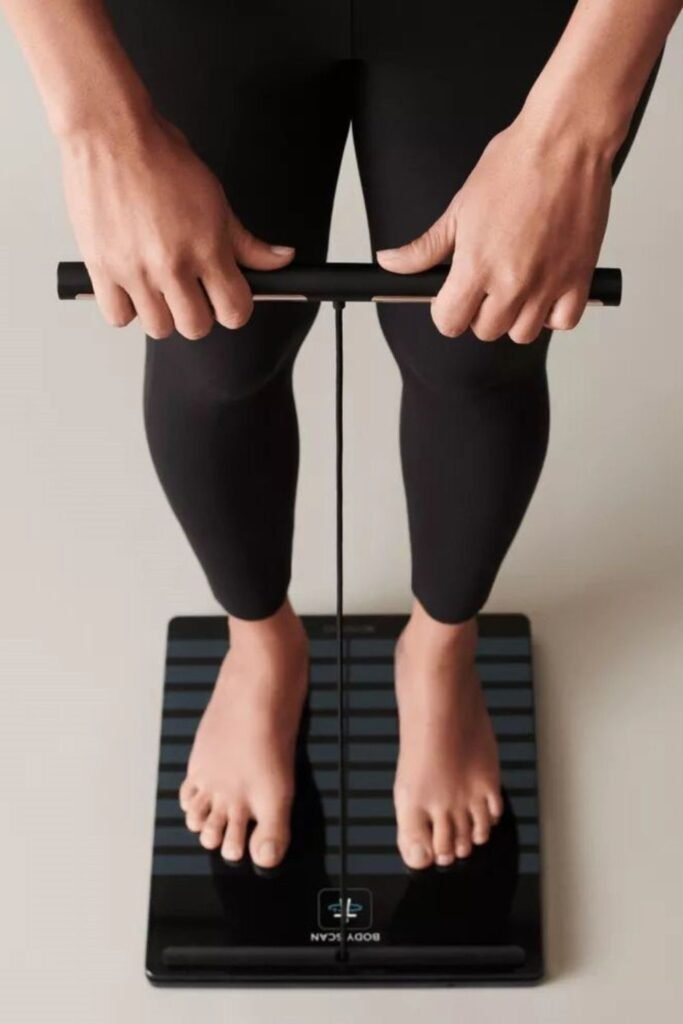
Regular scales tell you weight. Smart scales tell you weight, body fat, muscle mass, and hydration levels. Whether that extra information is useful depends on your goals.
The numbers aren’t perfectly accurate, but they’re consistent, which means you can track trends over time.
For people trying to lose fat while building muscle, seeing both metrics separately is genuinely helpful. Just weighing yourself can be discouraging when muscle gain masks fat loss.
The app integration varies widely between brands. Some sync easily with fitness apps you already use, others force you into their ecosystem.
Smart Mirror
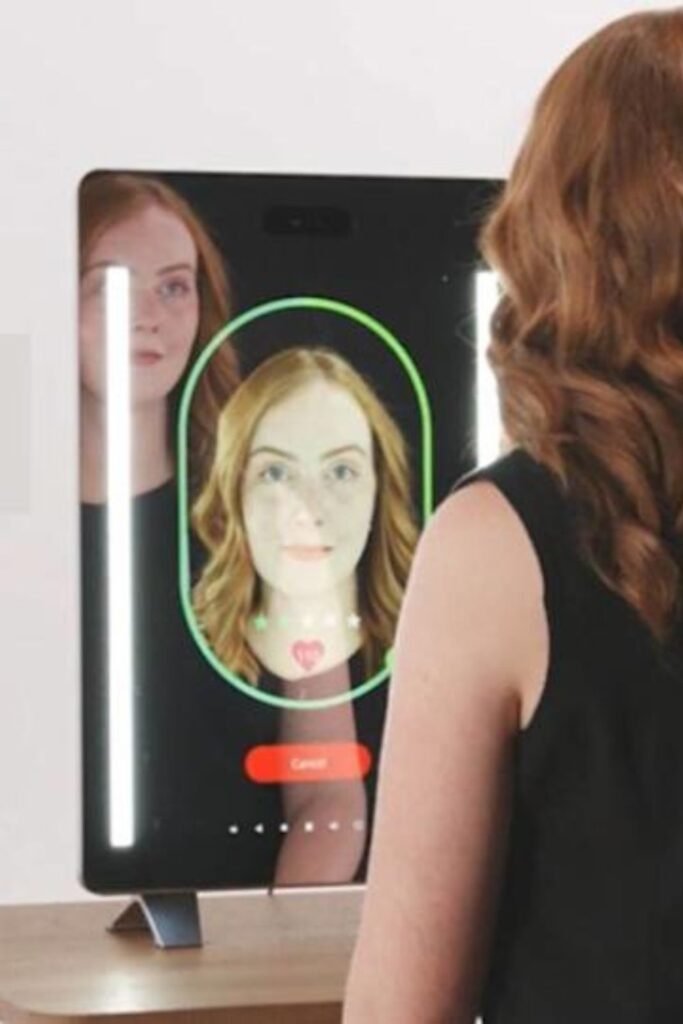
Smart mirrors analyze your skin and suggest improvements, which sounds like something from a sci-fi movie but actually works reasonably well.
The skin analysis isn’t dermatologist-level precise, but it does catch things you might miss—changes in texture, new spots, or areas that need more attention. The lighting adjustment feature alone might justify the cost if you struggle with makeup in bad bathroom lighting.
Installation varies. Some mount like regular mirrors, others need counter space and power outlets.
Most useful for people who are already into skincare and want better data. Less useful if you barely have a basic routine down.
Temperature-Controlled Tumbler
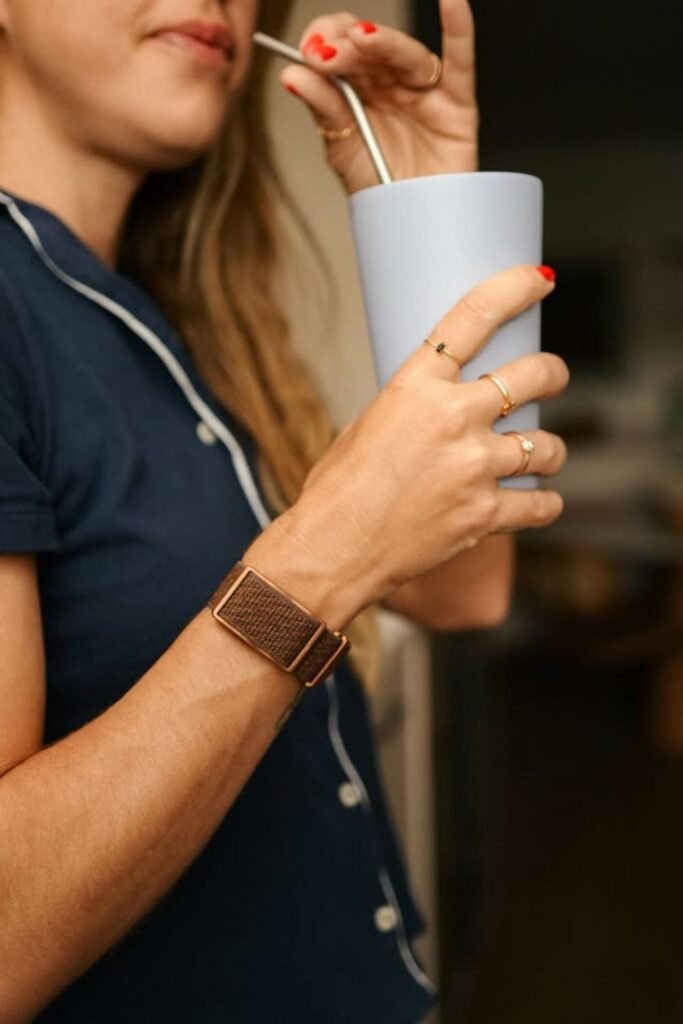
Coffee that stays hot and water that stays cold for hours. Simple concept, genuinely useful results.
The best ones maintain temperature without making the outside too hot or cold to hold comfortably. Battery life is usually good enough for a full day of use.
Size matters more than you’d think. Too big and it won’t fit in cup holders or bags. Too small and you’re refilling constantly.
Most people use these for coffee in the morning and switch to water for the rest of the day. The temperature control lets you set different preferences for different drinks, which is more useful than it sounds.
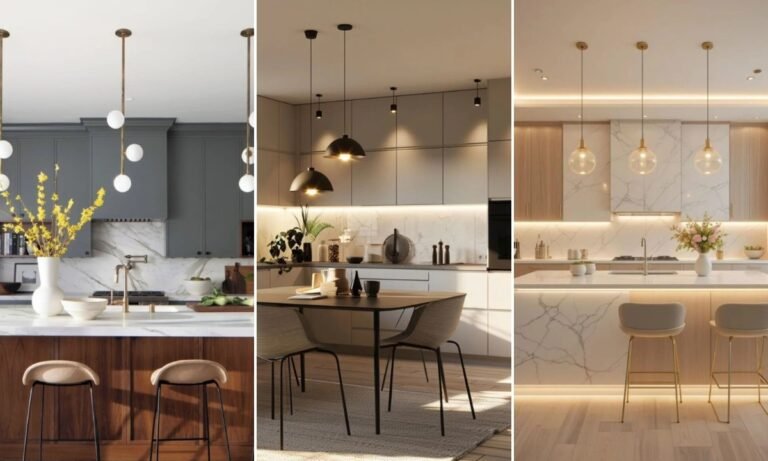
Modular LED Lighting
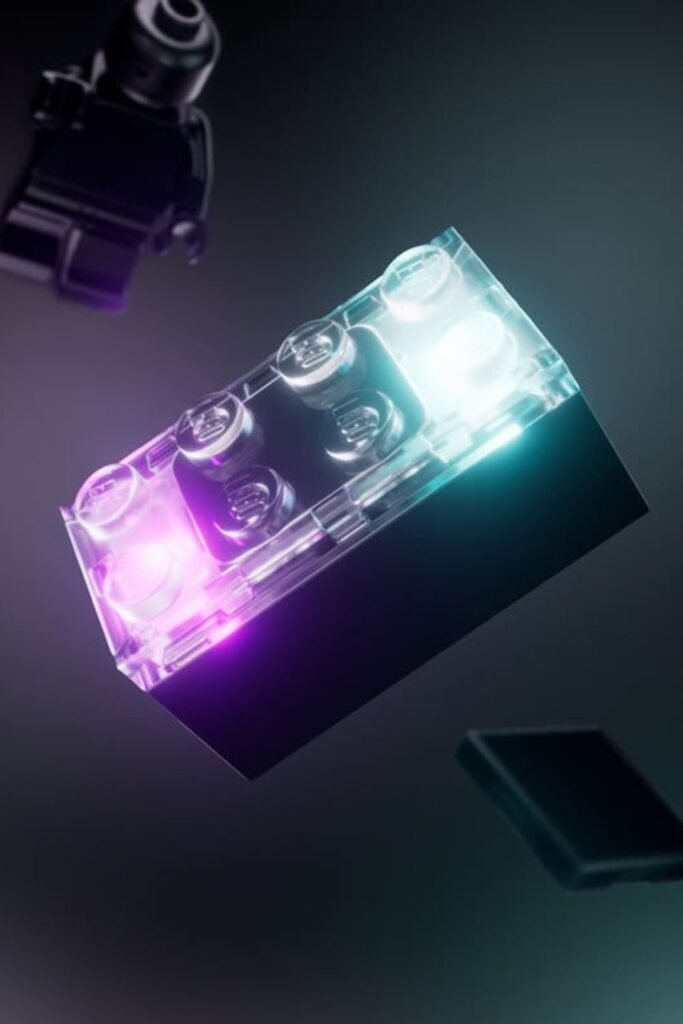
These snap-together light blocks let you build custom lighting setups that actually look intentional instead of like you bought random lamps and hoped for the best.
The color-changing capability is fun, but the real value is having adjustable ambient lighting that works with your space. Bright white for working, warm yellow for relaxing, dim blue for winding down.
Start with a small set to see if you like the concept before investing in a full system.
The app control is convenient once it’s set up, but most people end up using the touch controls more often. Pulling out your phone to adjust lights gets old.
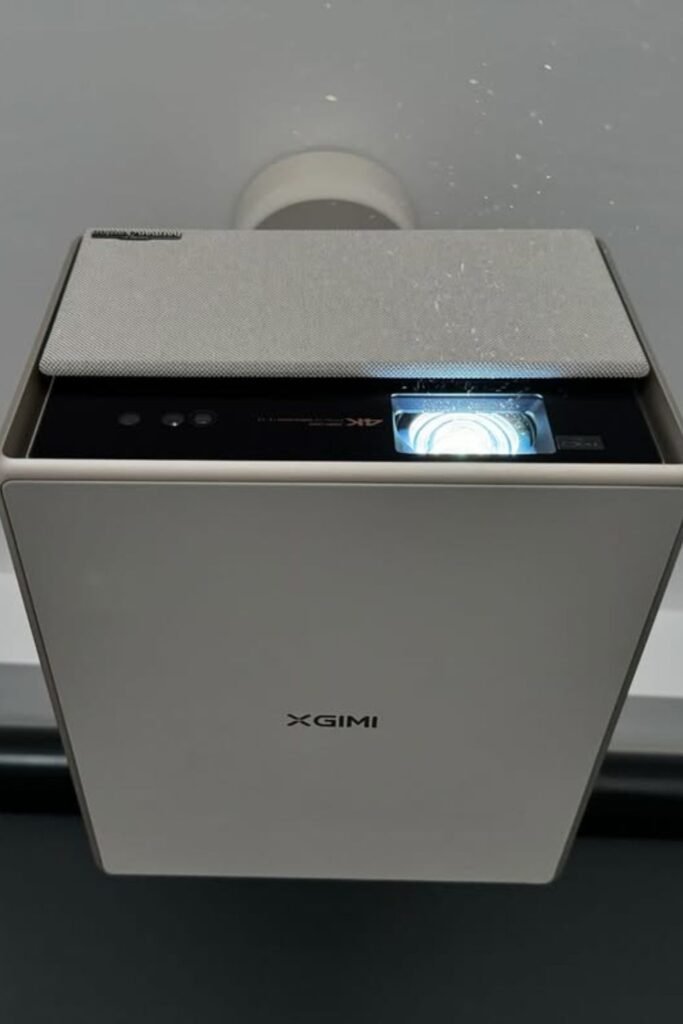
Mini Projector
Projectors have gotten small enough to be truly portable while still producing watchable images. Perfect for movie nights in any room, outdoor screenings, or just making your bedroom feel like a theater.
Image quality is good enough for casual viewing but won’t replace a good TV for everyday use. You need to control the lighting—they work best in dim or dark rooms.
Setup is usually quick. Most connect wirelessly to phones or tablets, so you’re not dealing with cables every time you want to use it.
Built-in speakers are adequate for small spaces, but pairing with a separate speaker improves the experience significantly.