
Things a 30-Year-Old Daughter Needs From Her Mother

There’s a particular kind of love that gets complicated right around the time your daughter turns thirty. She’s not a girl anymore, and honestly, she hasn’t been for a while. But that doesn’t mean she needs you less. It just means she needs you differently, and figuring out that difference can feel like one of the quieter, more important things we do as mothers in this season of life. Which nobody really prepares you for honestly.
I’ve thought about this a lot over the years, and I know I didn’t always get it right. What I’ve come to understand is that the mothers and daughters who find their way to something really beautiful at this stage are the ones willing to shift just a little, to loosen what needs loosening and hold tighter to what actually matters. If that sounds like something your navigating too, the ideas below might be worth sitting with.
Let Her Make Her Own Mistakes Without a Rescue Call
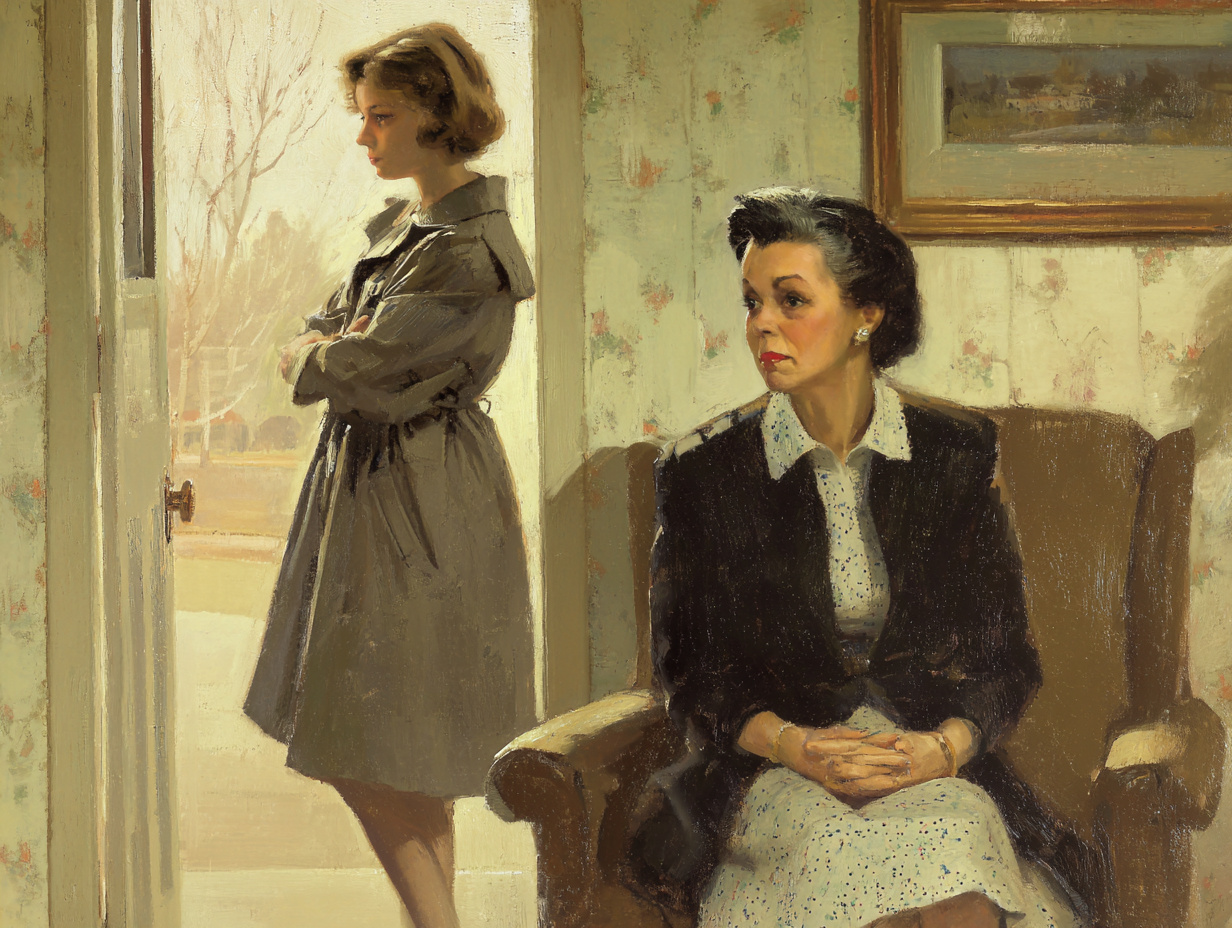
I remember the first time I watched my daughter walk into something I was pretty sure wasn’t going to end well. Everything in me wanted to say something. I think I actually opened my mouth twice before stopping myself. But I’ve noticed that the times I held back were almost always the right call. She didn’t need a warning. She needed the chance to figure it out herself.
At thirty, she’s not asking permission anymore, and that’s how it should be. The mistakes she makes now are hers to own, and more importantly, they’re hers to learn from. Stepping in too quickly can quietly send the message that you don’t trust her judgment, even when you have nothing but good intentions.
Letting go of the rescue reflex is genuinely hard. But giving her the space to stumble, recover, and grow on her own terms is one of the most respectful things a mother can do at this stage. It says: I believe in you. Even when your nervous.
The Friendship She Wants Lives Right Next to the Mom She Still Needs

It took me a while to realize these two things don’t cancel each other out. A thirty-year-old daughter can want you as a friend and still need you as her mother, sometimes in the same afternoon, which still amazes me a little if I’m honest lol. The trick is learning to read which one she’s reaching for in a given moment.
When she calls to vent about her partner or her job, she might just want someone who gets her, not someone who fixes things. That’s the friend part. But when something really shakes her, when she’s scared or lost or grieving, she often still wants her mom. That steadiness you carry. That particular kind of safe.
Don’t feel like you have to choose a lane. The best thing you can offer is the flexibility to be both, and the sensitivity to notice which one she needs right now. That kind of attunement means everything to a daughter, even if she never quite says so.
Opinions Only When She Asks for Them

This one is harder than it sounds. When you’ve lived as long as we have, you genuinely do have useful things to say. The problem is that offering them uninvited rarely lands the way we hope. More often, it puts her on the defensive before you’ve even finished the sentence.
I’ve noticed that unsolicited opinions, even loving ones, can feel like criticism to a daughter who is already working hard to feel capable and confident in her own choices. About her home, her relationship, her career, her parenting if she has kids. She may not say anything, but she’ll feel it.
The good news is, when she does ask, she really wants to know what you think. And because you’ve been careful with your words, she’ll actually trust your answer. That kind of restraint builds something. It says you respect her enough to wait, and that matters more than being right.
Show Up for the Hard Conversations, Not Just the Celebrations

It’s easy to be present for the happy things. Birthdays, promotions, engagements. But the moments that shape a relationship are usually the harder ones, the conversations she’s nervous to start, the news that isn’t good, the things she’s been carrying quietly for longer than you know.
If she senses that you’re more comfortable with the celebrations than the struggles, she’ll stop bringing you the struggles. And slowly, without either of you meaning for it to happen, you’ll end up with a surface-level relationship. Warm, but not deep. Close, but not really.
Showing up for the hard conversations means staying in the room when things get uncomfortable. Not rushing to fix it or smooth it over. Just being willing to hear what she actually needs to say. That kind of presence is rarer than it sounds, and your daughter will remember it for a long time.
She Knows How to Cook. She Just Wants to Cook With You.

There’s a version of this that a lot of mothers fall into, taking over the kitchen because it’s faster, or quietly redoing what she just did. But when she cooks beside you, she’s not asking for a lesson. She’s asking for your company, and maybe your potato salad recipe too, even if she pretends she already knows it lol
Food between mothers and daughters is rarely just about food. It’s about transmission, belonging, and being trusted to carry something forward. When you let her make the dish her way, even if it’s slightly different from yours, you’re telling her that her version of things has value too.
Some of the best time I’ve spent with the women I love has happened over a cutting board with nothing much on the agenda. Let cooking be that for the two of you. Side by side, no pressure, just making something together. That’s where a lot of the real conversation finds its way in.
Save this post for later ❤️
When Your Worry Starts to Feel Like Distrust
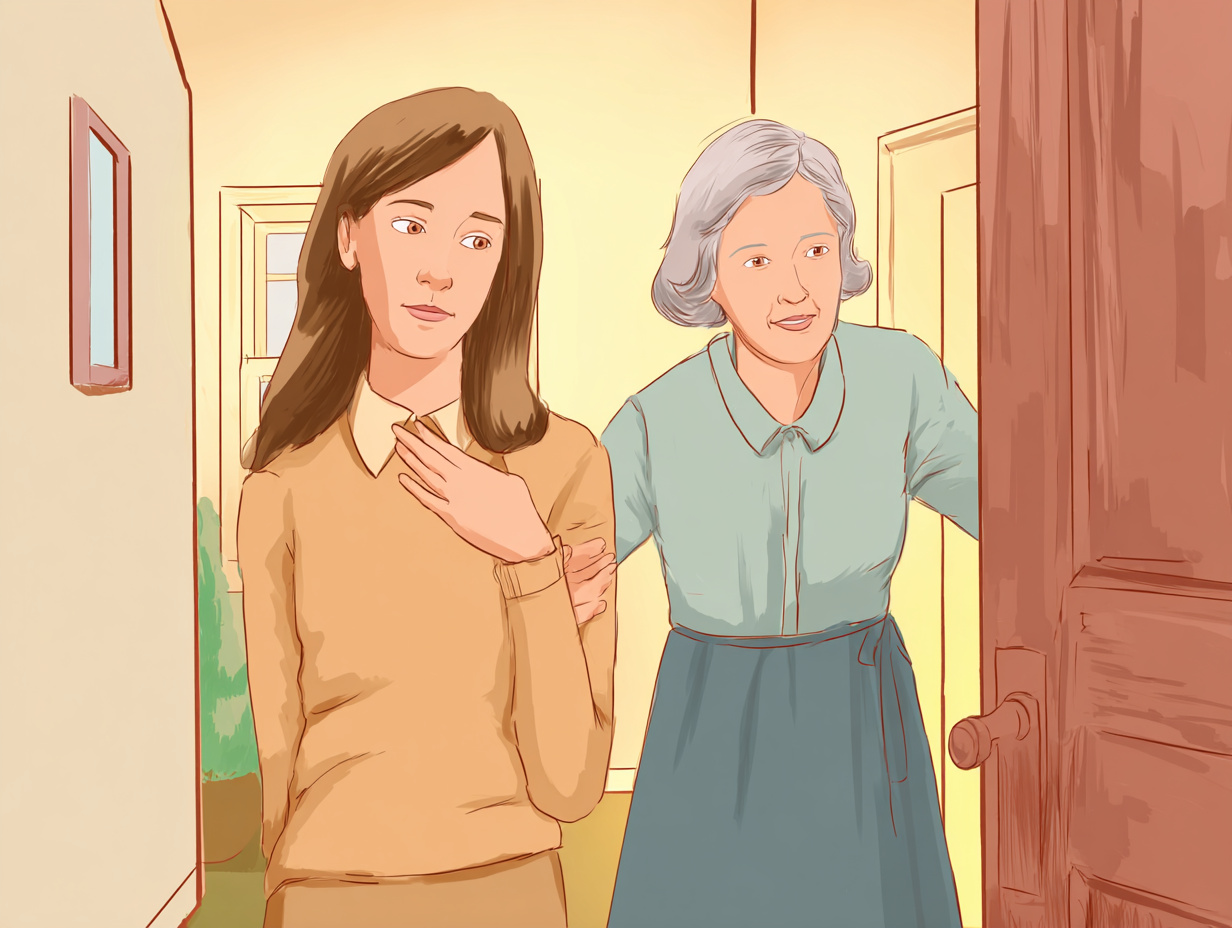
We worry because we love them. Sometimes a little TOO much. That’s real, and she knows it. But I’ve noticed that constant worry, the kind that gets spoken out loud over and over, starts to feel like something else to a daughter who is doing her best. It starts to feel like you don’t believe she can handle her own life.
When worry becomes a habit, it puts her in the strange position of having to reassure you, while she’s the one in the middle of the hard thing. That’s a quiet burden, and it can make her less likely to share the real stuff with you, because she doesn’t want to set off the worry spiral.
The shift worth making is learning to hold your worry privately more often. Trust that she is capable, resilient, and resourceful, because she is. Check in once, genuinely, and then let her lead. That’s a much more loving message than a steady stream of concern, even when the concern comes from a good place.
Stop Comparing Her Life Timeline to Yours
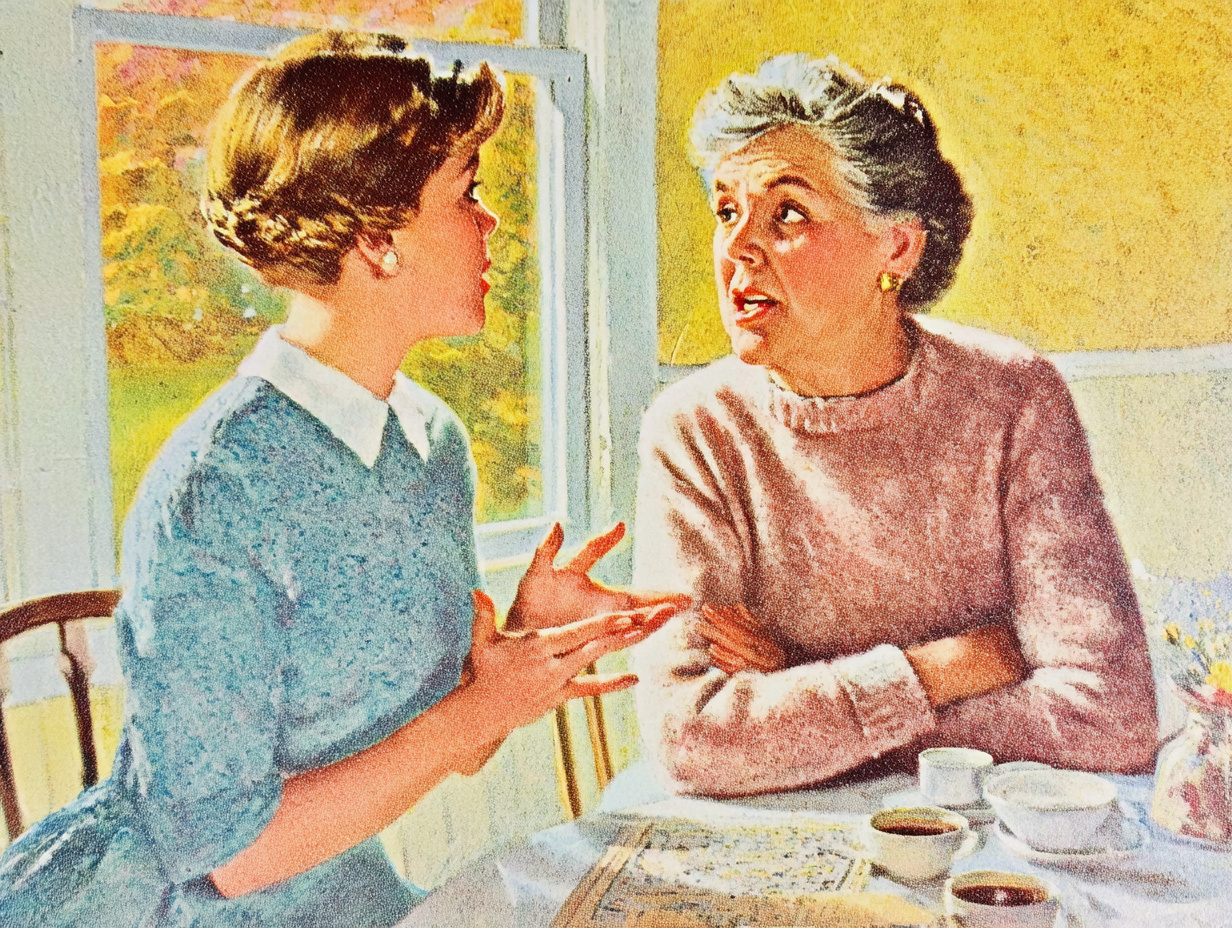
I understand the impulse. At thirty, you might have already had two kids and a mortgage. The world she’s living in is genuinely different, and comparing her timeline to yours, even gently, even with the best intentions, can land like a verdict. Like she’s somehow behind on something she didn’t sign up for.
The truth is, her thirties don’t have to look like yours did for them to be full and meaningful and right for her. She may be building a career, figuring out a relationship, living in a city you don’t quite understand, doing things in a different order. None of that is failure, even if sometimes the older generation still struggles to understand it fully.
What she needs from you is curiosity about the life she’s actually living, not a quiet measuring stick held up against the one you lived. Ask about what excites her, what she’s working toward. Let her story be its own thing. That’s one of the most freeing gifts a mother can give.
The Apology That Changes Everything Between You
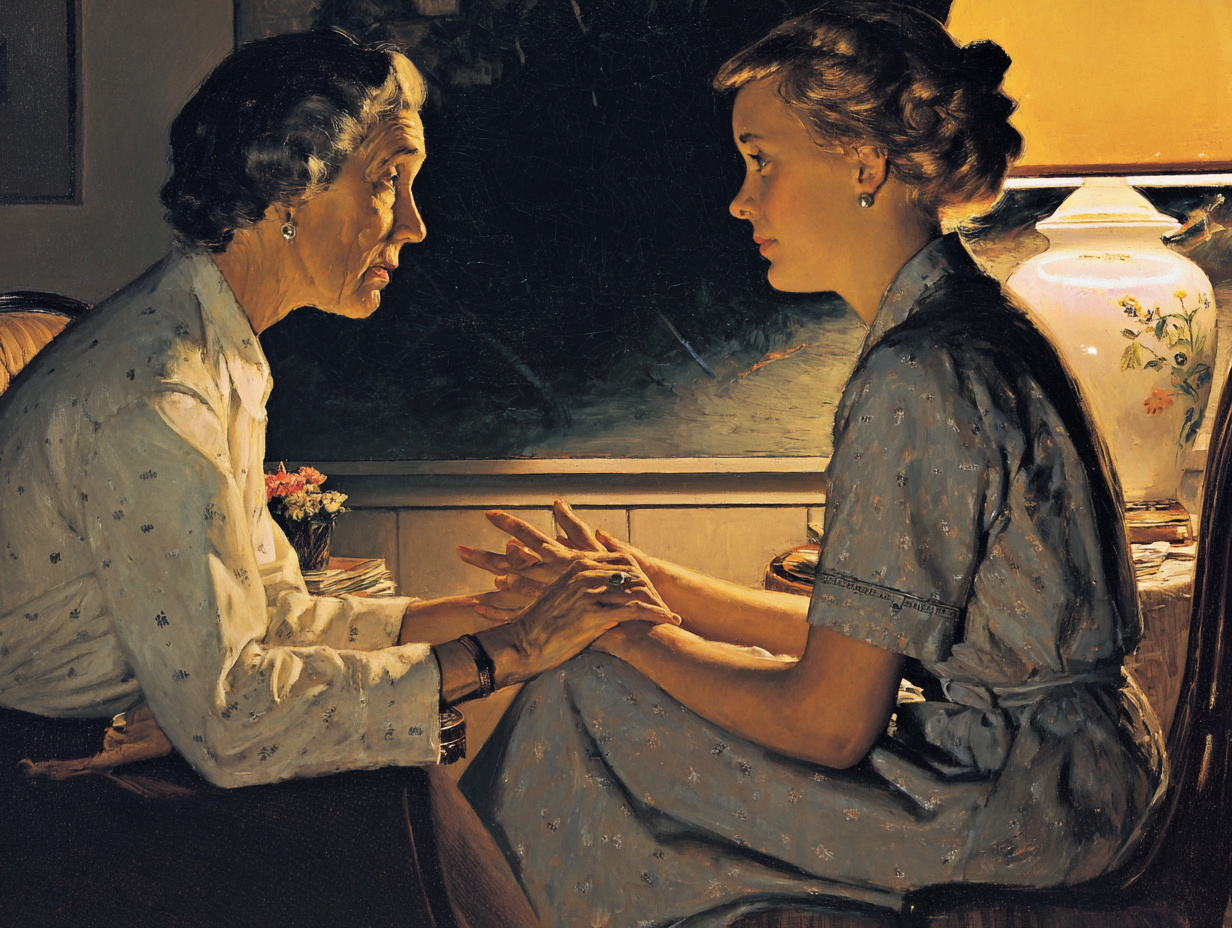
This one takes courage, but it’s worth it. Most daughters carry something, a moment, a pattern, a thing that was said and never addressed. Not always something dramatic. Sometimes it’s small and old and has just never been spoken out loud between you. And yet it sits there.
A real apology, the kind that doesn’t include a “but” or a redirect back to her behavior, can shift something profound in a relationship. It doesn’t require a long confession or a painful excavation of the past. It just requires honesty, and the willingness to say: I see that, and I’m sorry.
I’ve found that daughters at this age aren’t looking to assign blame. They mostly just want to feel seen and understood by the woman who knows them best. An apology that comes from the heart, without conditions, can open a door between you that neither of you knew was still a little bit closed.
She Needs You to Have Your Own Life Too
This one surprised me when I first really sat with it. But it’s true. When a mother’s happiness seems to hinge entirely on her daughter’s availability, it creates a kind of pressure that’s hard to name but impossible to ignore. It makes every phone call feel weighted, every visit feel like an obligation.
A daughter wants to know that you are okay when she can’t be there. That you have friends, interests, things that light you up. Not because she doesn’t love you, but because it lets her love you freely, without guilt pulling at the edges of it.
There’s something quietly inspiring about a mother who is fully living her own life. It gives her daughter permission to do the same, and it makes the time you do spend together feel chosen rather than dutiful. Honestly, the most connected mothers and daughters I know are the ones who each have something going on. It gives you more to share.
Keep the Door Open, Not the Leash Short

The door being open means she always knows she can come to you, with good news and bad news, with questions she’s embarrassed to ask anyone else, with the version of herself she doesn’t always show the world. That’s what she needs from you at thirty. Not access. Sanctuary.
A short leash, even one made of love, creates resistance. Too many check-ins, expectations around how often she calls, subtle guilt when she misses a Sunday dinner. These things don’t pull her closer. They slowly train her to keep a careful distance, even while she still loves you very much.
I’ve come to think that the mothers whose daughters genuinely want to spend time with them are the ones who never made that time feel mandatory. They stayed warm, stayed available, stayed interested, and let her come back on her own terms. And she always did. Maybe not always on my preferred timeline, but still.
I’ve spent over four decades building a marriage, raising a family, and learning what truly matters along the way. I write about relationships, home, and navigating life’s later seasons with grace, honesty, and a little humor. My goal is to share the kind of steady, real-life wisdom that helps you feel grounded, encouraged, and a little less alone.