
Advice to Give Your 1st Time Pregnant Daughter

When Emily called to tell me she was pregnant with Jake, I remember standing in my kitchen holding the phone and feeling this rush of things I wanted to say all at once. Honestly, I almost started crying before she even finished the sentence. Not the obvious congratulations – that came easy – but all these small truths I’d learned that nobody had bothered to mention when I was starting out. Things that might have saved me some worry, or atleast helped me stop googling every strange symptom at 1 in the morning.
I’ve been thinking about that conversation lately, especially now that I see friends becoming grandmothers and trying to figure out how to help without taking over. There’s a fine line between offering wisdom and overwhelming someone who’s already got plenty to process. But there are things worth saying, if you can find the right moment and the right way to say them.
Her Body Is Going to Do Things That Seem Alarming But Aren’t

Nobody prepared me for how my gums would bleed every time I brushed my teeth, or the way my nose would run constantly around month five, or the sharp pulling sensation in my lower belly when I stood up too fast. I spent entirely too much time convinced something was wrong when really, pregnancy just makes your body do odd things honestly… really odd things.
The round ligament pain was the worst – this sudden, sharp pull that would catch me completely off guard. The first time it happened I thought something terrible was going wrong. Frank found me sitting on the cold bathroom floor at 2 a.m. wrapped in one of those awful old towels we should’ve thrown away years earlier. He was convinced I was losing the baby. Turned out it was just my body making room, the way bodies do.
I wish someone had told me that the list of normal pregnancy symptoms is genuinely bizarre. Increased saliva production, darkening patches on your skin, sudden aversions to foods you’ve always loved. Most of it sounds alarming when you don’t know it’s coming. When you do know, it’s just Tuesday in the second trimester.
The First Three Months Are Brutal and Nobody Talks About It Enough
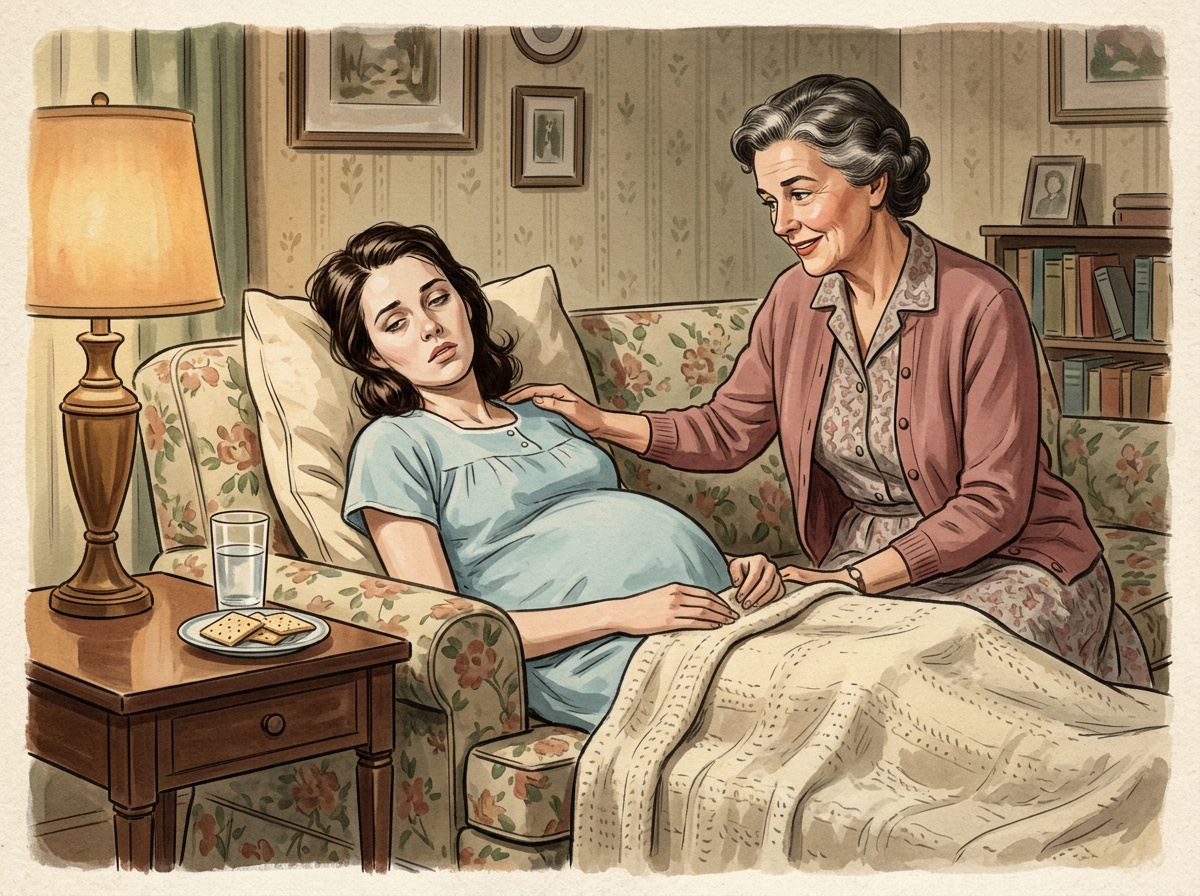
Everyone talks about morning sickness like it’s this quaint thing that happens before breakfast, but nobody mentions the exhaustion that feels like someone drained half your blood while you slept. I remember needing a nap after taking a shower. Actually needing one, not just wanting one.
And the nausea doesn’t read the memo about being limited to mornings. Mine hit hardest around 3 p.m. every day, right when I was supposed to be thinking about dinner. The smell of cooking onions could send me straight to the bathroom. I lived on saltines and ginger ale for six weeks and honestly still cant smell flat ginger ale without thinking about pregnancy.
The hardest part might be that you don’t look pregnant yet, so nobody knows to cut you any slack. You’re still supposed to show up to everything, smile through conversations about lunch plans, act normal while feeling like you’ve been hit by a truck. It’s lonely in a way I wasn’t expecting.
Keep a Running List of Questions on Your Phone
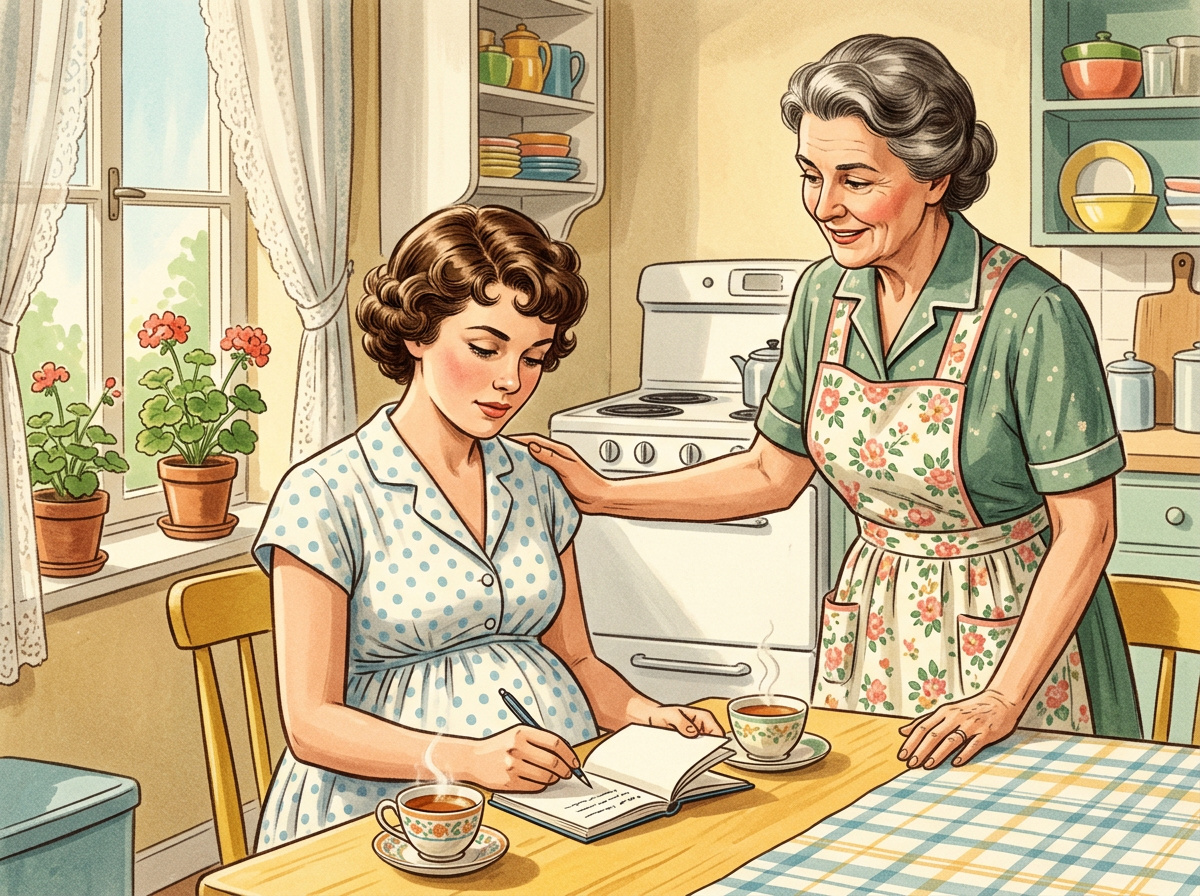
Prenatal appointments move so fast you’ll walk out having forgotten to ask half the things you meant to ask. I started keeping a note on my phone between visits – weird symptoms, random worries, things that occurred to me at midnight when I couldn’t sleep.
Write down the embarrassing stuff especially. Changes in discharge, hemorrhoids, whether it’s normal to leak a little when you sneeze. These are exactly the things your doctor needs to know about, but they’re also the things that feel awkward to bring up in the moment. Having them written down makes it easier to just read the list instead of stumbling through an explanation.
Your OB has heard everything. Truly. Nothing you say is going to shock a woman who’s been delivering babies for 20 years. The thing you think is too gross or weird to mention is probably something they dealt with in their last three appointments. They went to medical school specifically to have these conversations with you.
Your Pregnancy Won’t Look Like Mine Did

I carried Emily low and spent nine months with strangers telling me I was definitely having a boy. I was miserable in the heat, craved ice constantly, and felt like myself right up until delivery. When she was pregnant with Jake, she carried high, glowed like everyone said she would, and felt nauseated until month seven. Same family, completely different experience.
It’s tempting to prepare her for what you went through, but pregnancy doesn’t work that way. Even her own pregnancies won’t match each other. The most useful thing you can do is stay curious about her specific experience instead of comparing it to your own.
Ask how she’s feeling. Listen to the answer. Save your own pregnancy stories for when she specifically asks, and even then, keep them light. She needs you present for what she’s going through, not narrating what happened to you thirty years ago.
Sleep Isn’t a Luxury Right Now
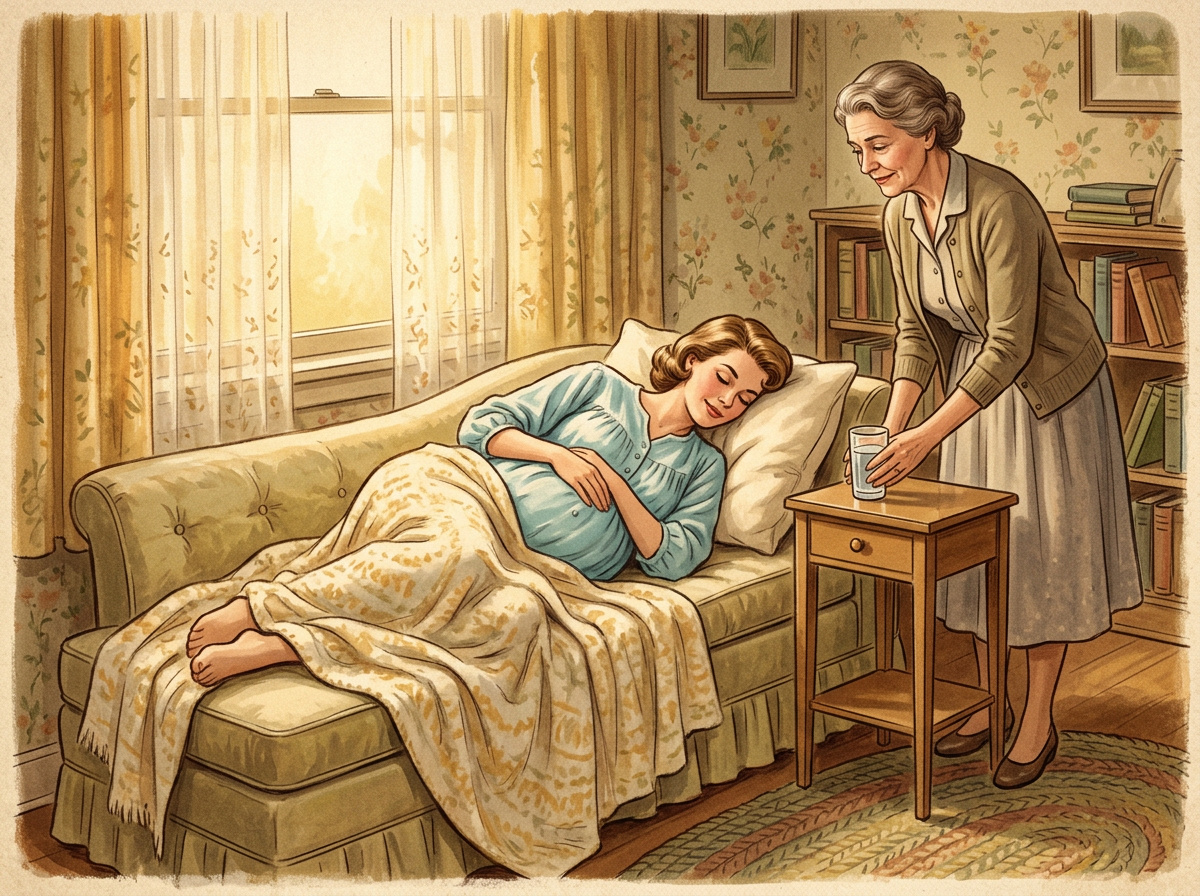
Everyone says “sleep now while you can” and it sounds like a cliché until you realize how tired you can get growing a person. I don’t mean the dramatic, movie-version tired. I mean the kind of tired where you sit down to put on your shoes and consider just staying there for a while.
Rest needs to become something she plans for, not something that happens if she gets around to it. Earlier bedtimes, weekend naps, saying no to evening plans that don’t really matter – these aren’t indulgences. They’re necessities that happen to feel indulgent because we’re not used to prioritizing our own fatigue.
There’s also the mental quiet that comes with rest, and that disappears for a while after the baby comes. Being able to sit still with her own thoughts, read a book without interruption, take a bath that lasts longer than five minutes. She should value that stillness while she has it.
Save this post for later ❤️
Pack the Hospital Bag at 36 Weeks
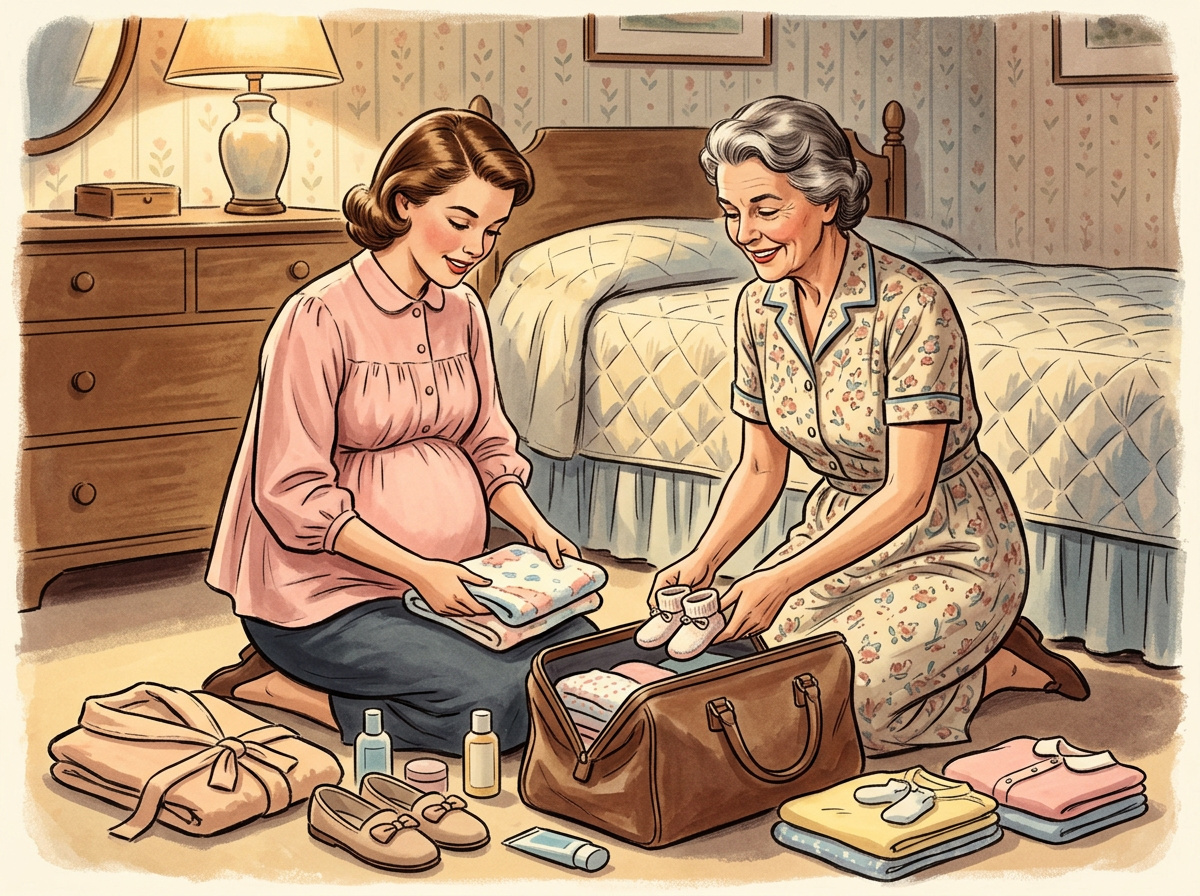
This sounds like basic logistics but it’s really about not panicking when labor starts at an inconvenient time. Which it probably will. Jake decided to arrive three weeks early on a Tuesday night while Emily was in the middle of doing laundry. She spent her early contractions looking for her insurance card and a clean nightgown instead of focusing on what was actually happening.
Help her think through what she’ll actually want, not just what’s on the standard packing lists. Her own pillow from home. A phone charger with a long cord. Comfortable clothes for the trip home that aren’t maternity clothes but also aren’t pre-pregnancy jeans. A few small things that feel like her.
If she’ll let you help pack it, do. It’s one of those slow, anticipatory afternoons that end up meaning more than you expect. And it takes something off her mental list at a point when her mental list is getting pretty crowded.
Her Partner Might Need Time to Catch Up

Frank didn’t really understand what was happening to me until Emily started moving around visibly in my belly. Before that, pregnancy was this abstract thing that was making me tired and particular about food. It wasn’t his fault – he wasn’t the one feeling it from the inside.
Partners often take longer to connect with the reality of pregnancy, and that can feel lonely for your daughter even if she doesn’t say so directly. She’s living it every day while he’s still processing the idea of it. That gap closes eventually, but the early months can be isolating if she’s expecting him to be as invested as she is from the start.
Don’t bad-mouth him if she vents about feeling unsupported. Most partners come around – they just need information and involvement. Suggest she share her weekly pregnancy updates with him, or ask him to come to appointments when he can. Understanding usually follows participation.
Half the Baby Registry Items Are Useless
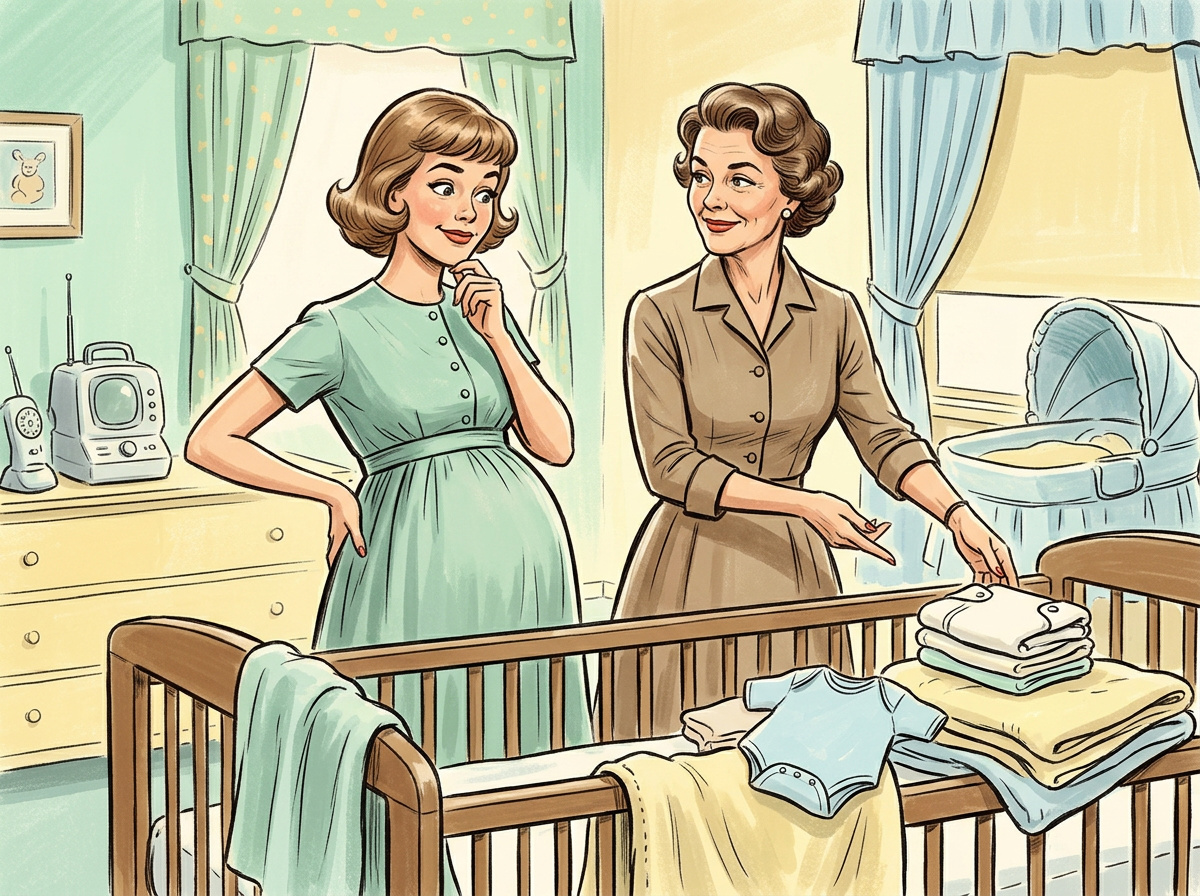
The wipe warmer lived in our kitchen for exactly two weeks before I realized it was ridiculous. Same with the elaborate bottle-drying rack that took up half the counter and the diaper stacker that looked cute but held about six diapers. First-time parents register for things that sound useful in theory but don’t fit into real life with an actual baby.
What you actually use daily are the simple things – good swaddle blankets, an extra nursing pillow for the living room, a second bouncy seat you can move around the house. And gift cards. Nothing beats being able to buy exactly what you discover you need when your baby’s specific quirks become clear.
The nursery looks lovely with all the matching accessories, but at three months postpartum, function matters more than coordination. Focus the registry on things that will genuinely make her life easier, not things that look good in photos.
Postpartum Lasts Longer Than Anyone Tells You
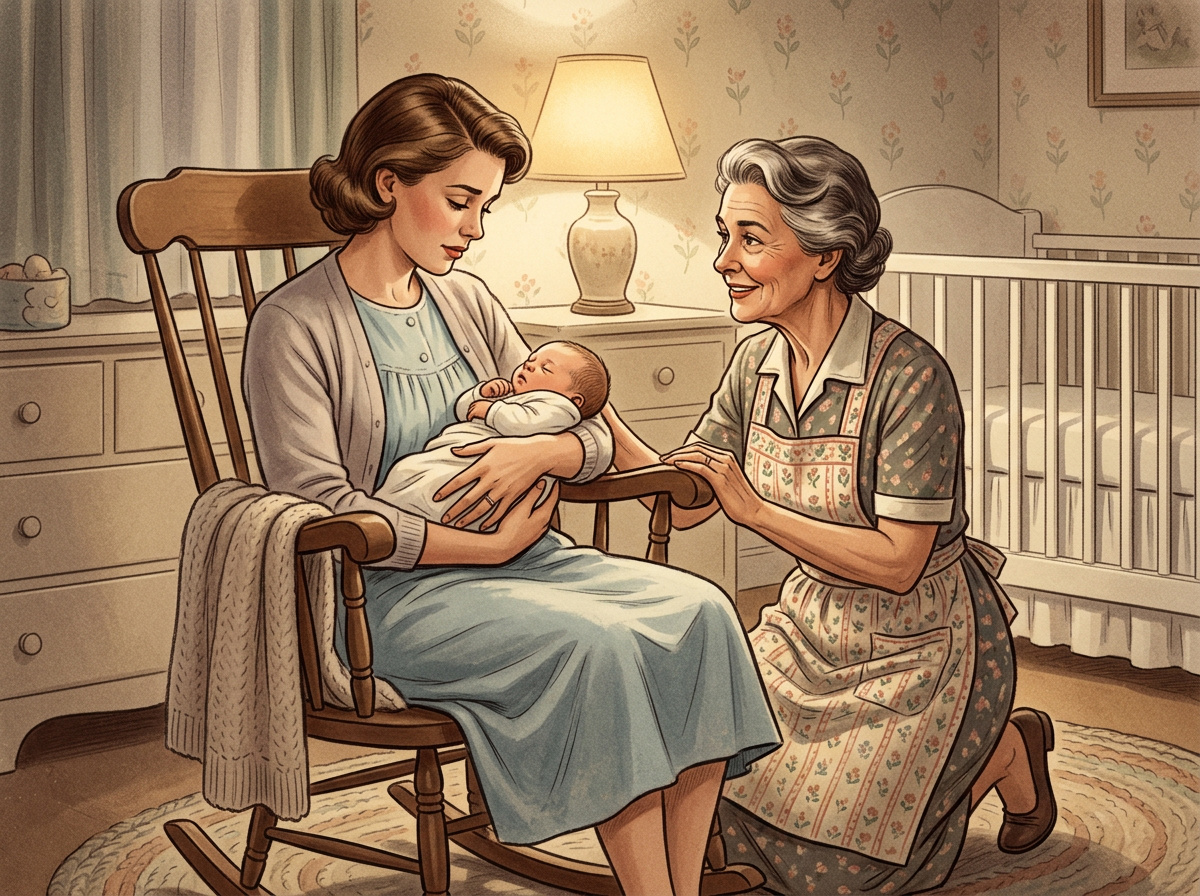
The first few months after Emily was born were beautiful and terrible at the same time. I loved her desperately and also felt like I’d lost myself completely. I cried at commercials, felt overwhelmed by the simplest decisions, and wondered if I’d made a mistake even though I knew I hadn’t. Nobody had warned me it could take months to feel like myself again.
The physical recovery is obvious – everyone knows you’ll be sore and tired. But the emotional adjustment gets glossed over, and that’s the part that caught me off guard. Your identity shifts in ways you can’t prepare for. Your relationship with your partner changes. Even your relationship with your own mother changes, and that was harder than I expected.
Make sure she knows the signs of postpartum depression and anxiety before she delivers. And remind her that asking for help – from you, from friends, from professionals – isn’t failure. It’s taking care of herself so she can take care of her baby, which is exactly what good mothers do.
Step Back So She Can Step Up

This one’s as much for us as it is for them. It’s so hard to watch your child figure out something enormous and not fix every small problem that comes up. But she needs to find her own way of being a mother, and she can only do that if we resist the urge to manage her experience for her.
Ask before you offer advice. Show up when she asks, and sometimes when she doesn’t but obviously needs it. Offer specific help rather than hovering. “Can I come do laundry Thursday morning?” works better than “Let me know if you need anything.” Specifics show you’re paying attention without making her manage your involvement.
The goal isn’t to be needed less – it’s to be needed differently. A daughter who feels trusted becomes a mother who stays close to her own mother. She’ll keep calling, keep asking for your opinion, keep wanting you around. Just not in the same ways as before, and that’s exactly as it should be, even if part of you misses the old version a little bit.
I’ve spent over four decades building a marriage, raising a family, and learning what truly matters along the way. I write about relationships, home, and navigating life’s later seasons with grace, honesty, and a little humor. My goal is to share the kind of steady, real-life wisdom that helps you feel grounded, encouraged, and a little less alone.