
26 Small Back Garden Ideas For 2026
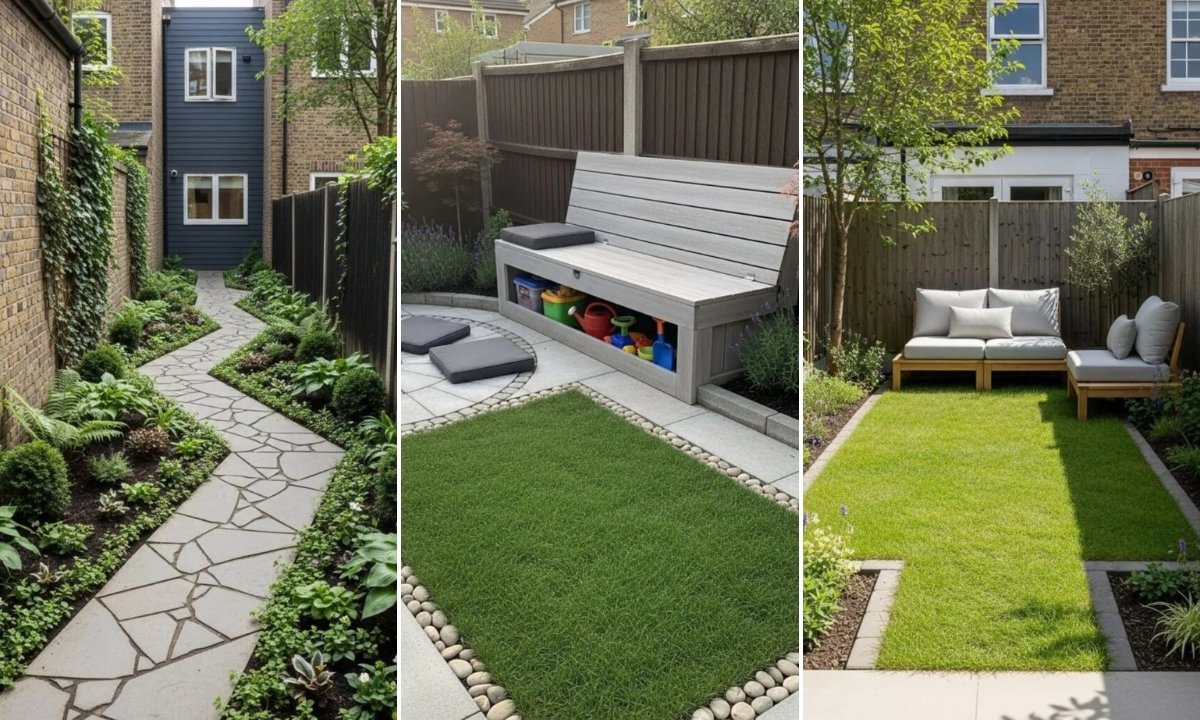
You step into your back garden and feel stuck. It’s too small to relax in, too awkward to decorate, and somehow always looks messier than it should.
You want a place to sit, maybe some plants, maybe space for the kids but every idea feels like it will make things worse, not better.
The truth is, your garden isn’t the problem. The way it’s being used is.
In this article, you’ll find 26 practical small back garden ideas that actually work for modern homes in 2026.
How Can I Design a Small Back Garden to Look Bigger?
Start by stopping the urge to fill every corner. That’s where most small gardens go wrong. If you want your garden to feel bigger, you need space to move, not more stuff.
Decide on one main purpose first sitting, playing, or relaxing and build around that. Keep the center open so your eyes have somewhere to rest.
Use walls and fences for plants instead of the ground, and choose furniture that’s slim or foldable. When you simplify the layout, the space instantly feels calmer and larger.
Save this article for later! 👇👇
What Privacy Solutions Work in a Small Back Garden?
If you don’t feel comfortable in your garden, you won’t use it and being overlooked is usually the reason.
The key is blocking views without boxing the space in. Solid fences alone often make small gardens feel tighter. Instead, mix light screening with height.
Trellis panels, climbing plants, or tall planters let you create privacy while still letting light through.
Place screening where people actually see you, not everywhere. When privacy is targeted, your garden feels safer without feeling closed off.
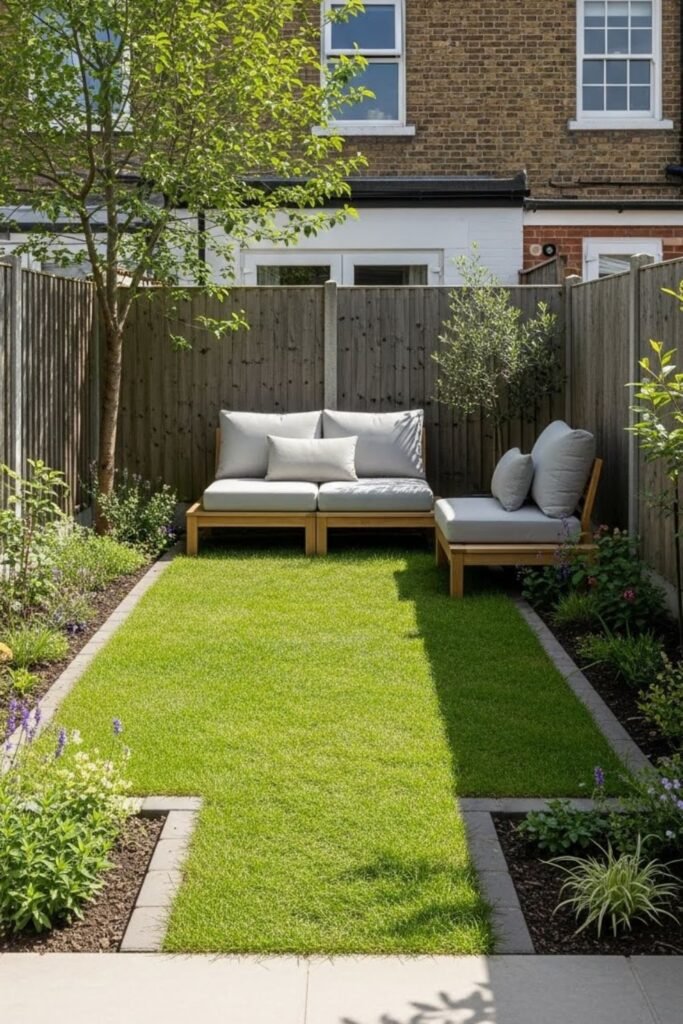
Relaxation Zone
Most small gardens fail because they try to do too much, so I always start by choosing one job for the space. If relaxing matters most, I build everything around one seating area and ignore the rest.
I keep furniture compact and place it where the garden feels widest. Extra pots, side tables, and decorations only steal breathing room.
Once the focus stays on comfort instead of filling space, the garden immediately feels calmer and easier to enjoy.
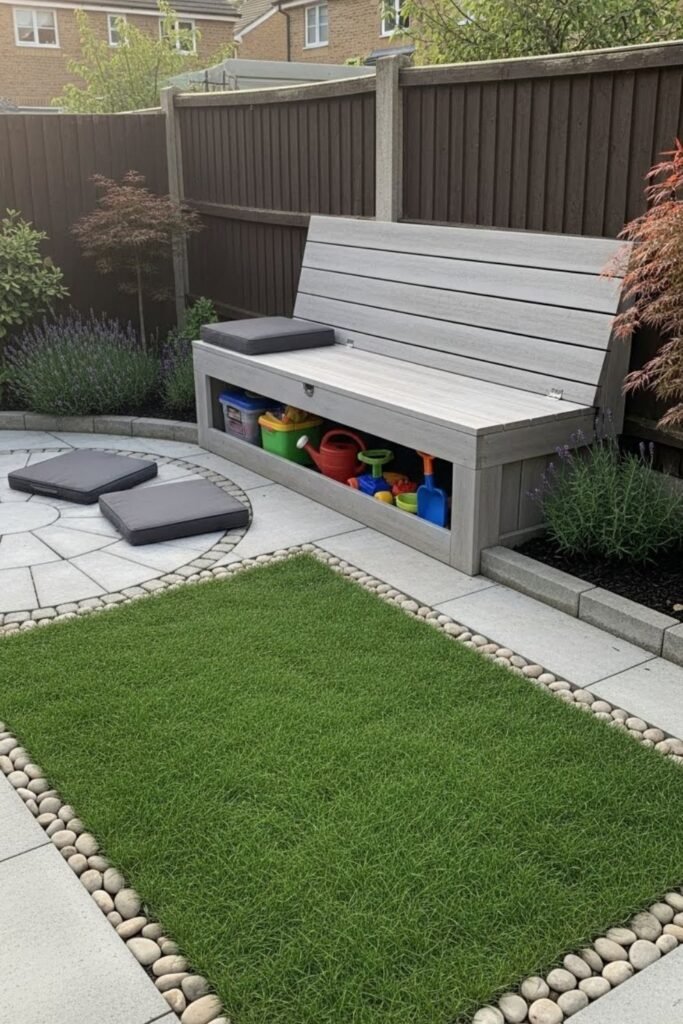
Hidden Storage
Kids’ toys and garden clutter can ruin a small space fast, which is why I prefer seating that hides storage underneath.
I use benches instead of chairs so everything has a place to disappear when not in use. Cushions lift up, toys slide inside, and the garden looks tidy without effort.
Fewer loose items mean less visual noise. When storage works quietly in the background, the garden feels bigger and far less stressful to manage.
Diagonal Path
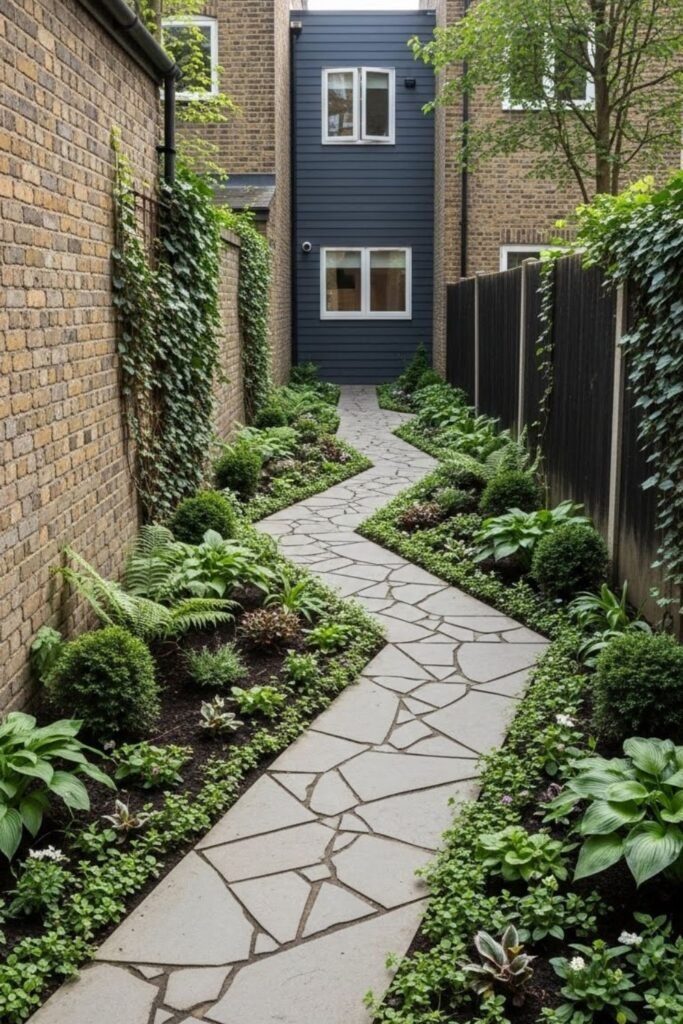
Straight lines make narrow gardens feel boxed in, so I like changing the direction your eyes move. I place stepping stones or paving at a slight diagonal instead of running them straight back.
That small shift tricks the eye into seeing more width. Walking the space feels more natural, not like a hallway.
Combined with simple planting along the edges, the garden stops feeling tight and starts feeling intentionally designed.
Gravel Base
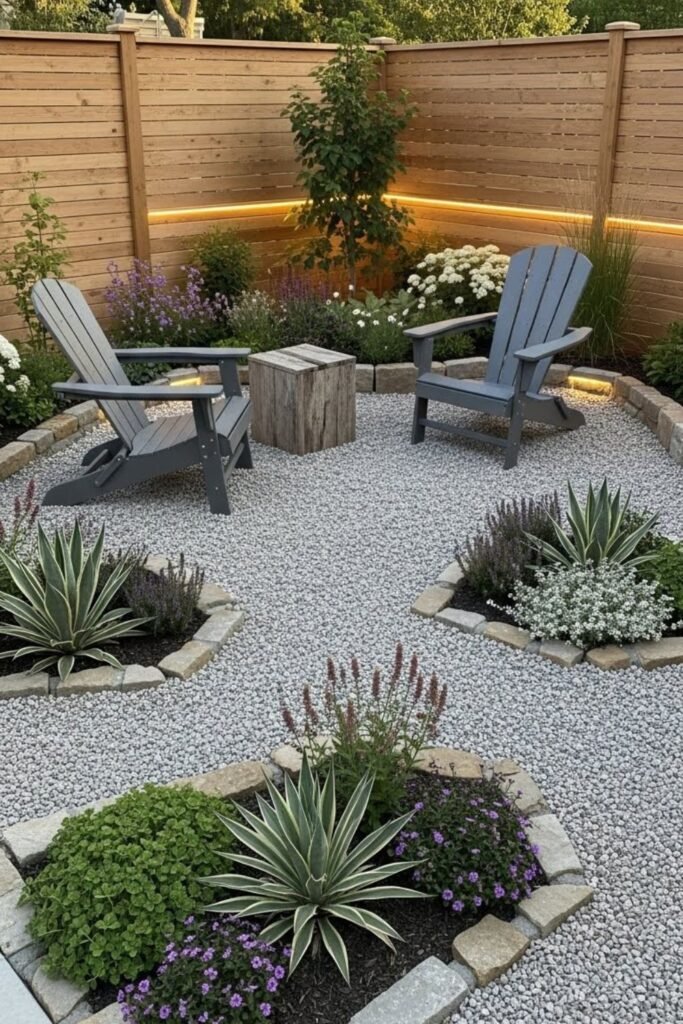
Grass sounds nice until maintenance becomes a headache, so I often replace it with gravel as a base. Gravel drains well, stays clean, and instantly reduces upkeep.
I leave small planting pockets for greenery instead of spreading plants everywhere. The contrast keeps things balanced. Underfoot, the space feels lighter and more open.
When the ground stops demanding attention, the garden becomes a place you actually want to sit in.
Built Seating
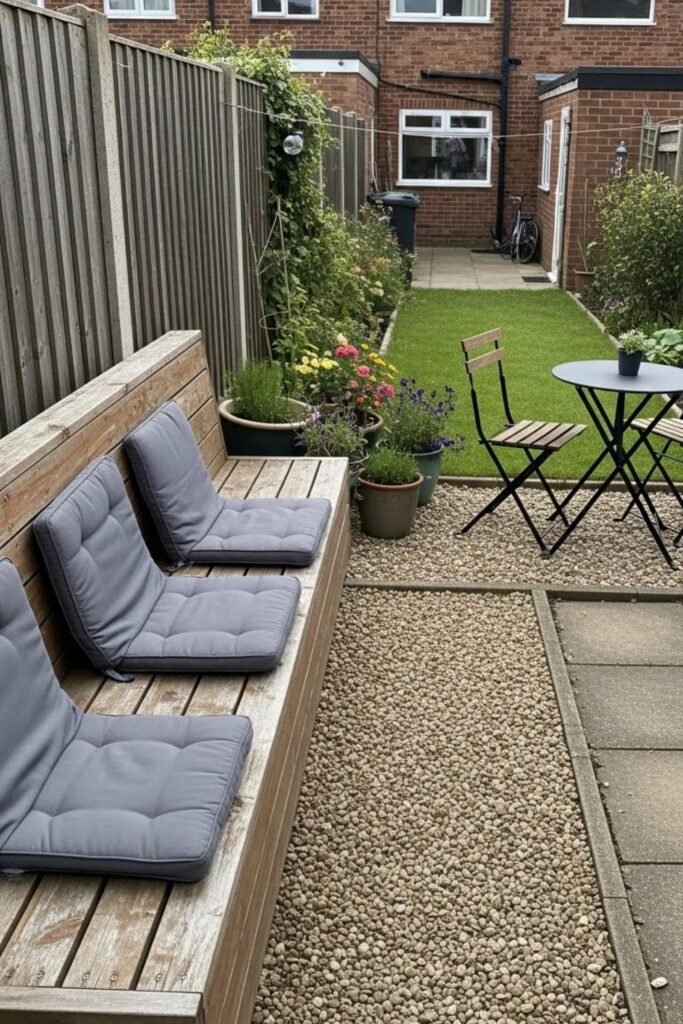
I prefer benches because chairs waste space and create clutter fast. A built-in bench along a fence keeps the footprint tight while adding permanent seating.
I size it to fit the wall, not the room, so walking space stays open. Cushions add comfort without bulk. The bench also anchors the layout, giving the garden a clear purpose.
Once seating stops floating around, the entire space feels stable, planned, and noticeably larger for families wanting calm without constant rearranging every day.
Vertical Growth
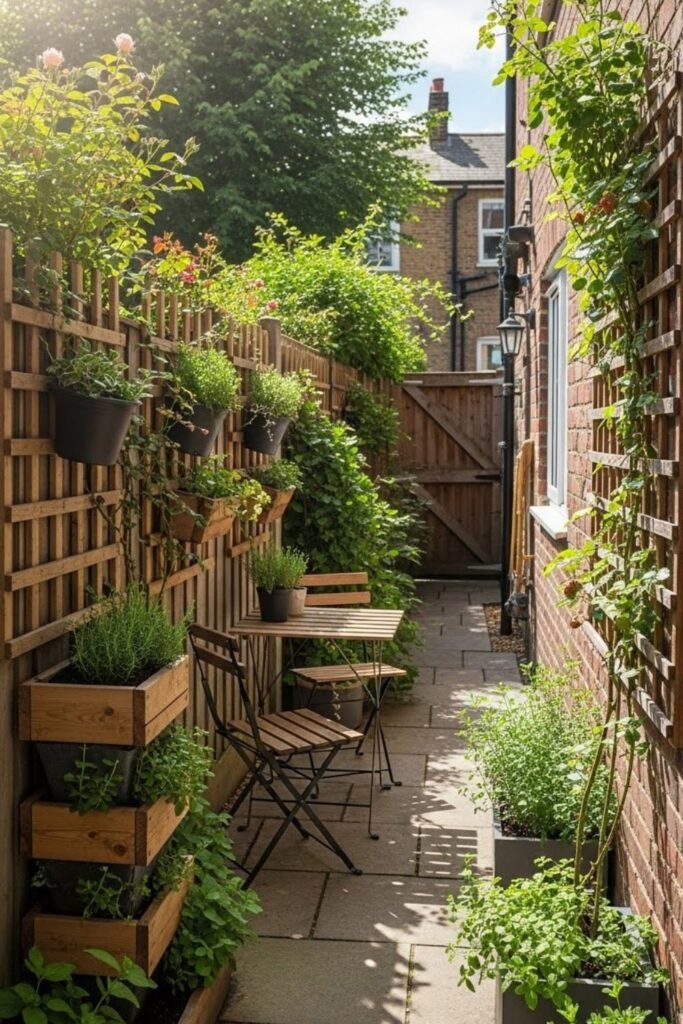
Walls are the most ignored asset in small gardens, so I use them first. Vertical planters, wall hooks, and slim trellises lift greenery off the ground.
I keep plants narrow and spaced so air and light still move through. This frees walking space and reduces visual clutter below eye level. The garden feels taller, not crowded.
Growing upward changes how the space works without shrinking the area you actually use each day while maintenance stays simple and predictable for everyone.
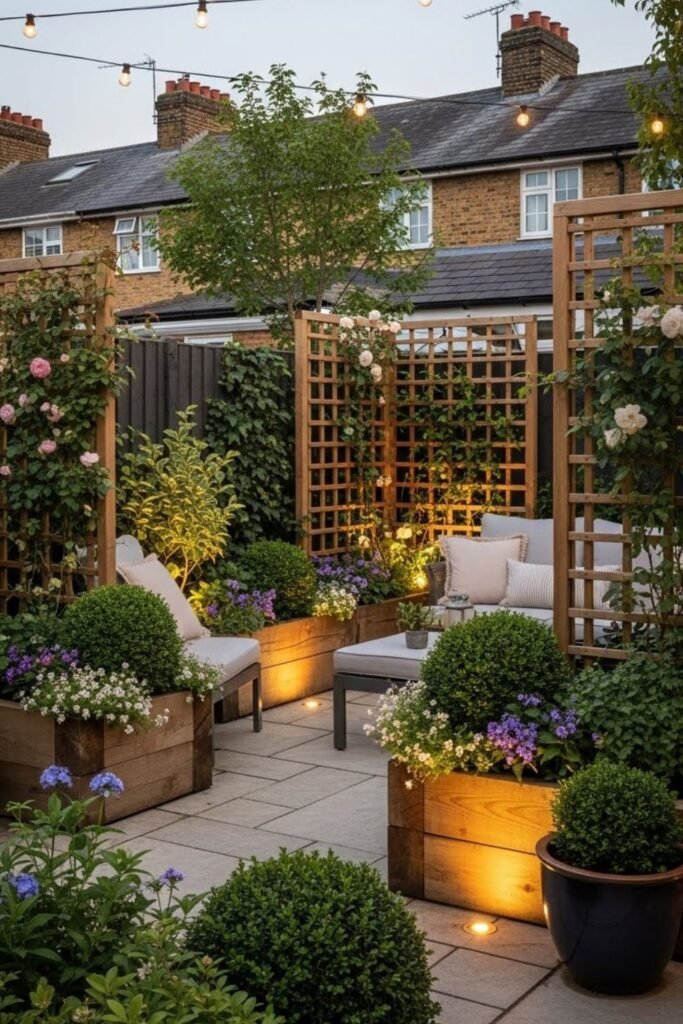
Layered Privacy
Feeling watched ruins outdoor time, which is why I avoid heavy fencing alone. I layer privacy using planters, trellis panels, and tall plants at eye level. Each layer blocks sightlines without killing light.
I place screening only where views matter, not around the whole garden. That keeps the space open.
Privacy works best when it feels natural, not forced, and still lets the garden breathe while neighbors fade away and comfort returns quickly during use for daily family moments outside.
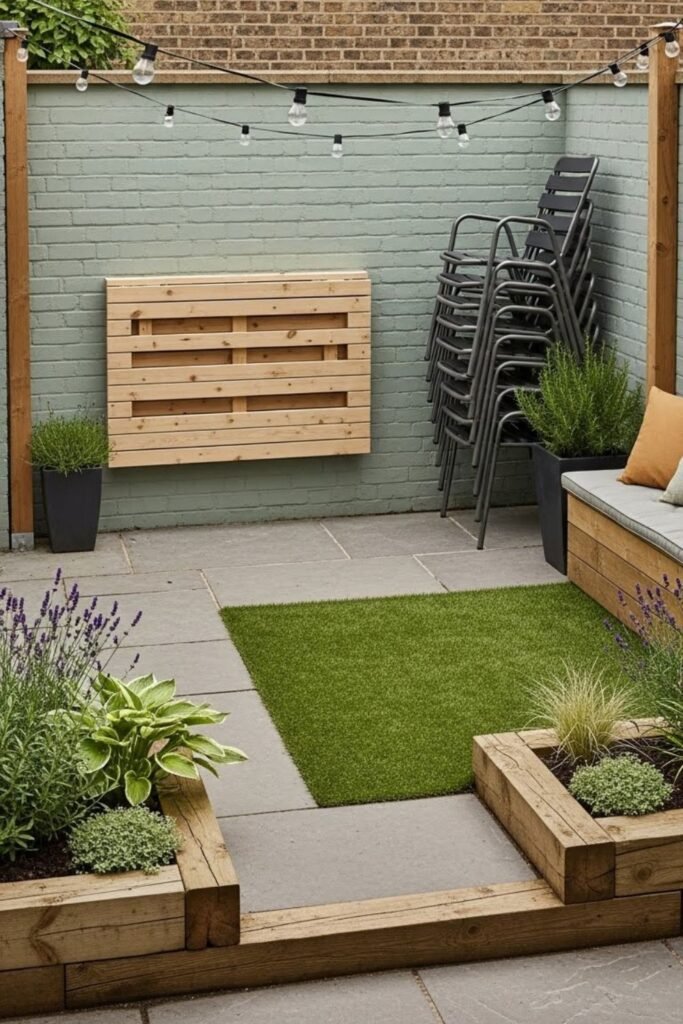
Fold Dining
Eating outside sounds impossible in a small garden until furniture adapts. I rely on fold-away tables and stackable chairs that appear only when needed.
When folded, the space stays open for movement or play. I hang tables on walls or tuck them behind benches. This flexibility lets the garden change roles easily.
Dining becomes an option, not a permanent obstacle competing with limited space during busy family days, casual evenings, and weekend gatherings without stress or clutter at all times.
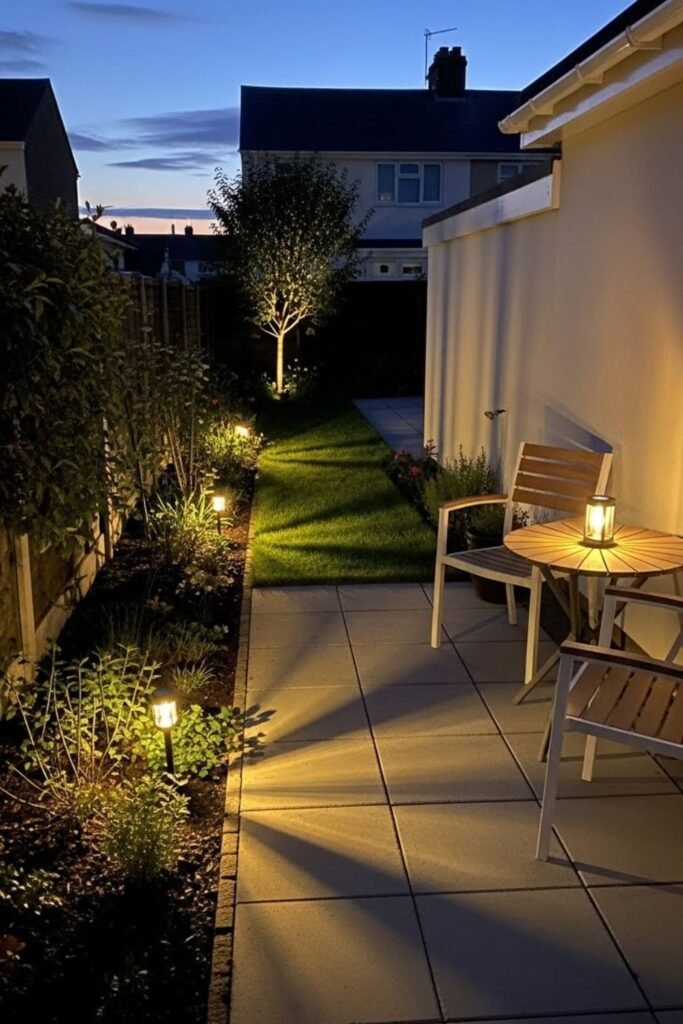
Cozy Lighting
Evenings matter more than square footage, so I design small gardens around light rather than furniture. Soft solar lights along edges create depth without taking space.
I avoid one bright source and spread gentle lighting instead. Shadows soften boundaries and make the garden feel wider. With fewer objects competing for attention, the space feels calmer.
When lighting leads the experience, sitting outside feels intentional, relaxing, and possible even in very tight gardens for busy families after long days outdoors together.
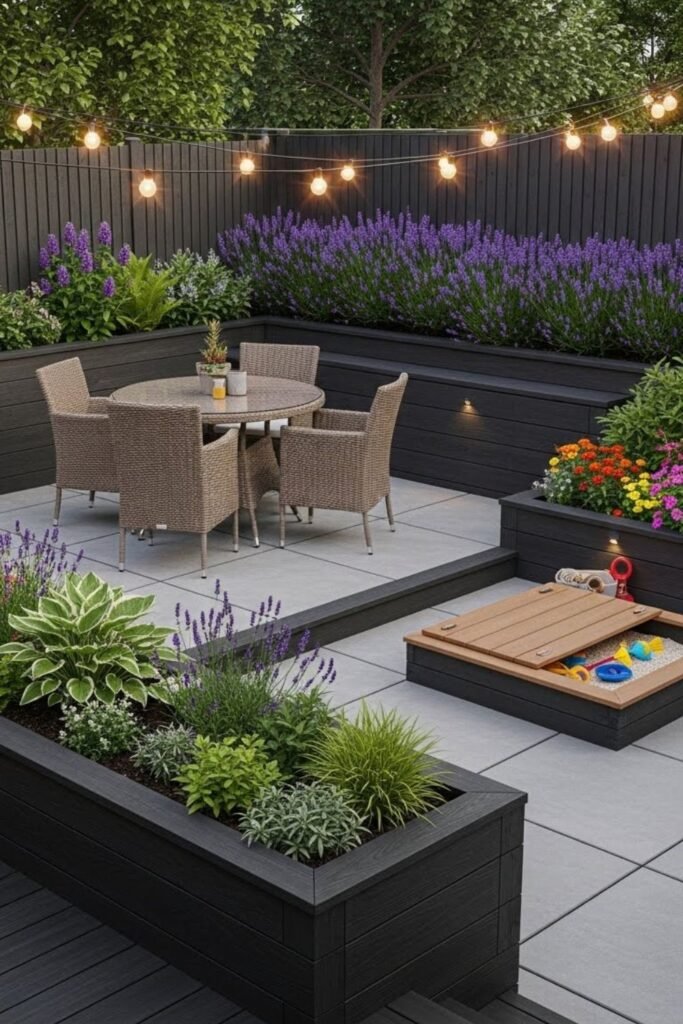
No Grass
Grass demands time that small gardens rarely deserve, so I remove it completely. Hard surfaces like paving or decking keep the area clean and usable year round.
I soften the look with planters instead of lawns. Shoes stay clean, toys move easily, and maintenance drops fast. Without mowing or muddy patches, the garden works every day.
Removing grass frees attention for comfort, seating, and real use rather than constant upkeep battles that steal time, energy, and enjoyment from families daily.
Flexible Zones
Life changes through the year, so I design small gardens that can shift roles. A bench becomes play space, then seating again later. Lightweight planters move when needed.
Nothing stays fixed unless necessary. This flexibility keeps the garden useful beyond one season. Instead of rebuilding every year, I adjust layouts in minutes.
A garden that adapts feels larger because it works with daily life, not against it during busy mornings, quiet evenings, weekends, and unexpected family moments outdoors together happily.
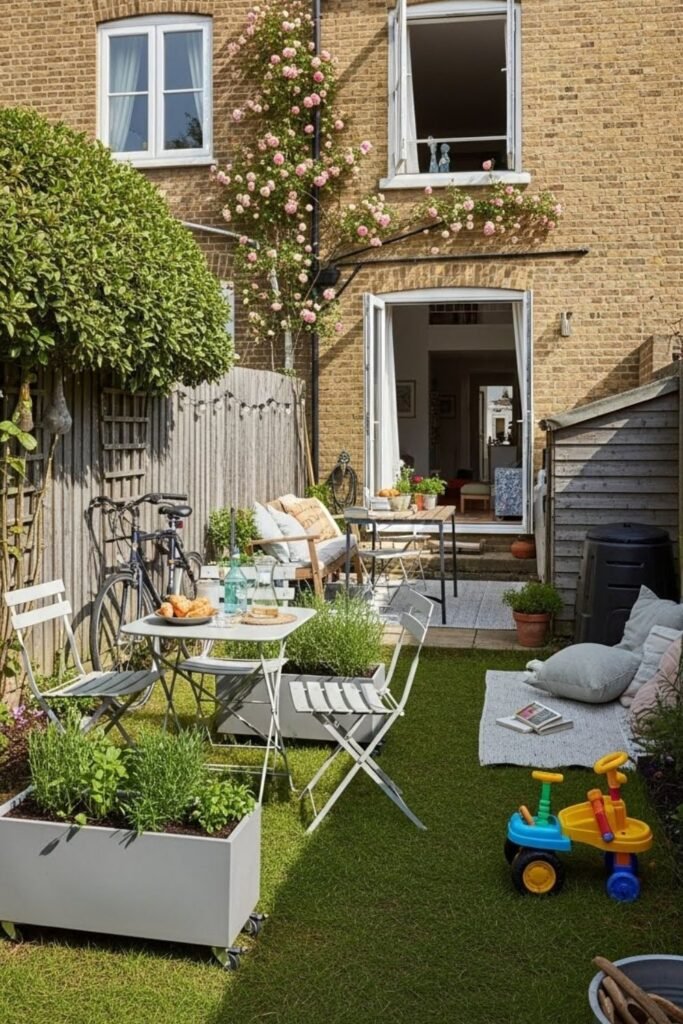
Morning Coffee
Quiet mornings deserve their own corner, so I carve out one small spot just for sitting. A single chair, side table, and plant are enough. I place it where sunlight hits first.
No clutter, no extra furniture. This space isn’t for guests or play. It’s for breathing. Giving the garden a personal purpose makes it feel meaningful, even.
When the rest of the area stays simple and small for mental rest, daily routines, and peaceful starts outside alone sometimes quietly.
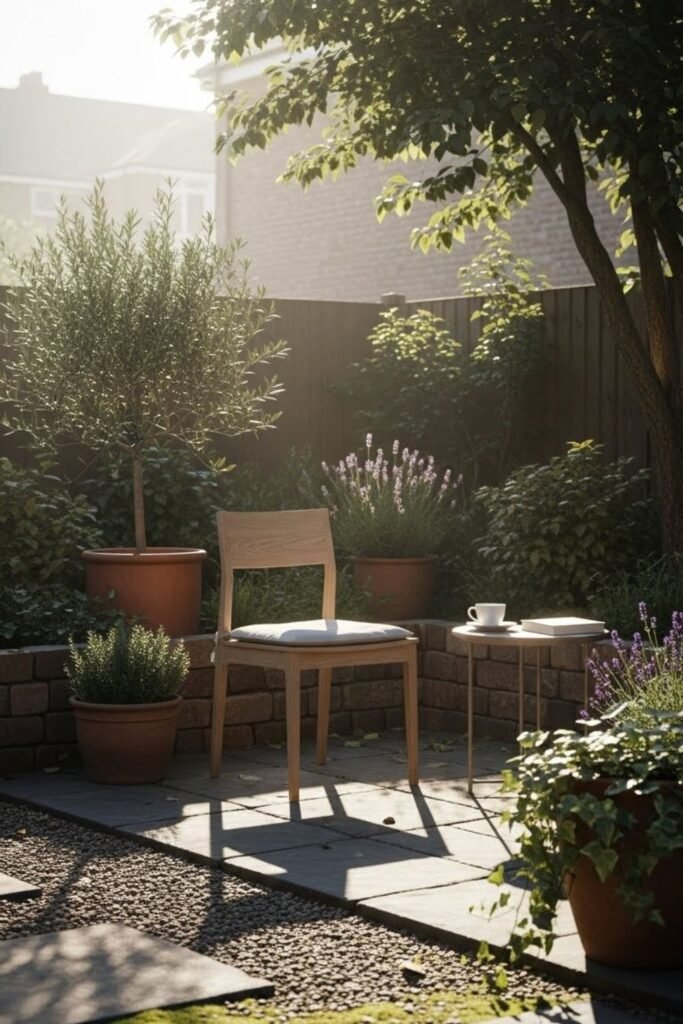
Compact Entertaining
Entertaining feels impossible in tight spaces, yet I plan it by reducing pieces instead of adding them. One table works as dining, prep, and serving space.
Benches replace chairs to fit more people without clutter. I keep movement paths clear so guests never feel stuck. Hosting becomes simpler when furniture multitasks.
A small garden can handle gatherings if every item earns its place and nothing exists only for looks during social moments shared comfortably with family and friends together often.
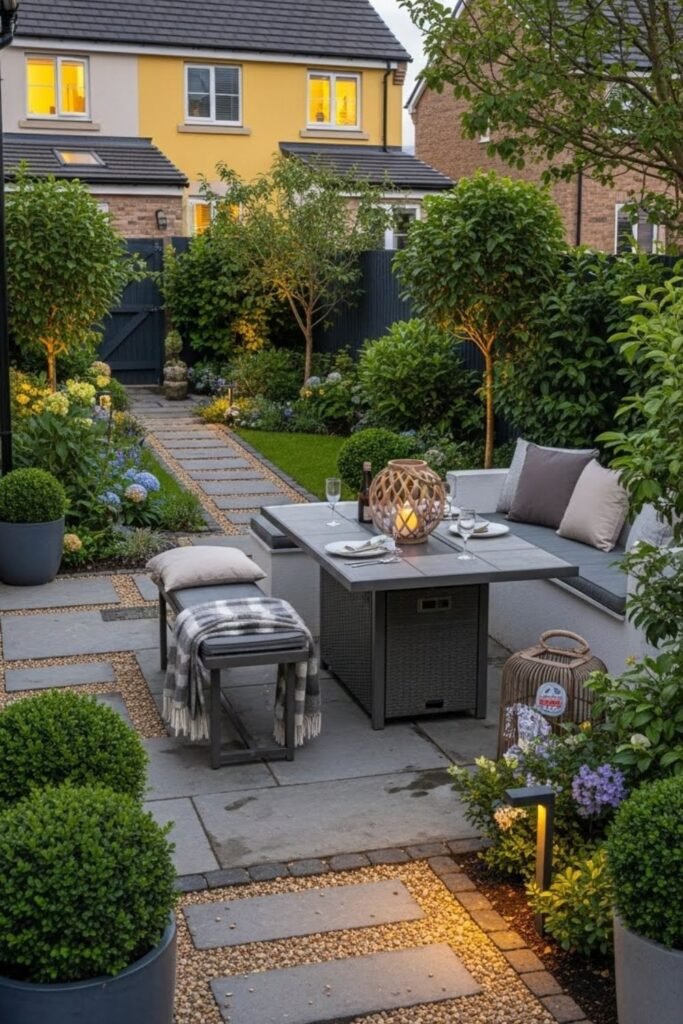
Rental Friendly
Renting limits freedom, so I design gardens that leave no trace behind. Clip-on trellis panels, freestanding planters, and outdoor rugs define areas without drilling or digging.
Everything can move or disappear later. I avoid heavy structures and focus on surfaces instead. The garden sti feels finished, just flexible.
A renter-friendly setup proves small spaces don’t need permanent changes to feel personal, comfortable, and functional every day without risking deposits.
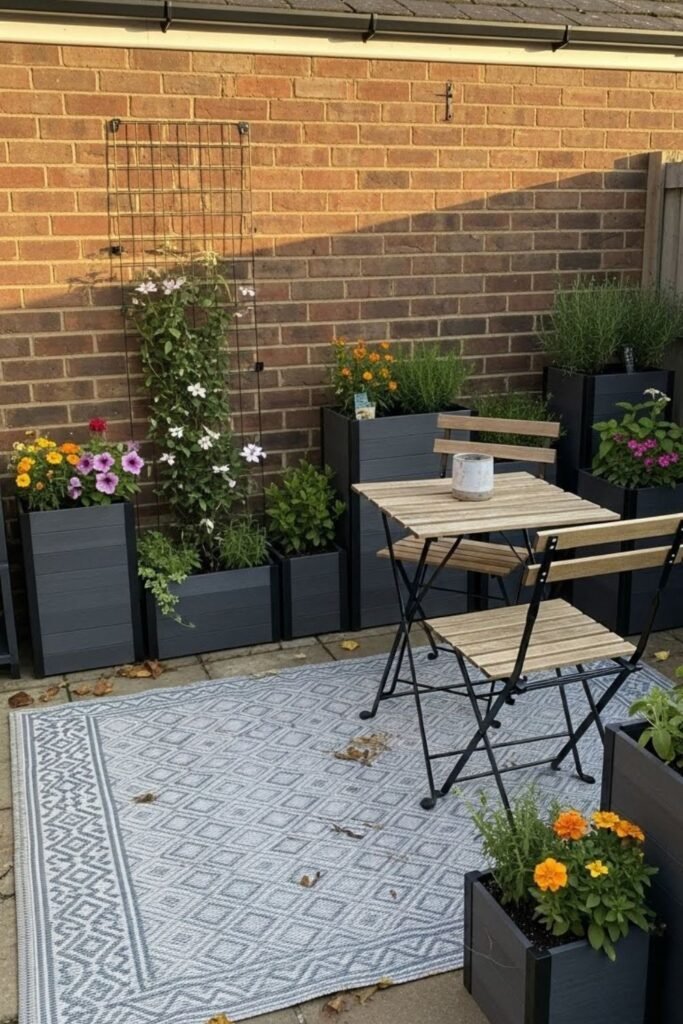
Plant Focused
Plants can fill a small garden without swallowing it whole if chosen carefully. I stick to fewer varieties and repeat them for calm.
Tall plants go back, shorter ones stay front. Pots stay grouped, not scattered. This order keeps the space readable. Greenery feels intentional, not wild.
When planting follows structure, the garden looks fuller while movement stays easy and open for everyday use, simple care, and visual balance that lasts across seasons without overwhelm.
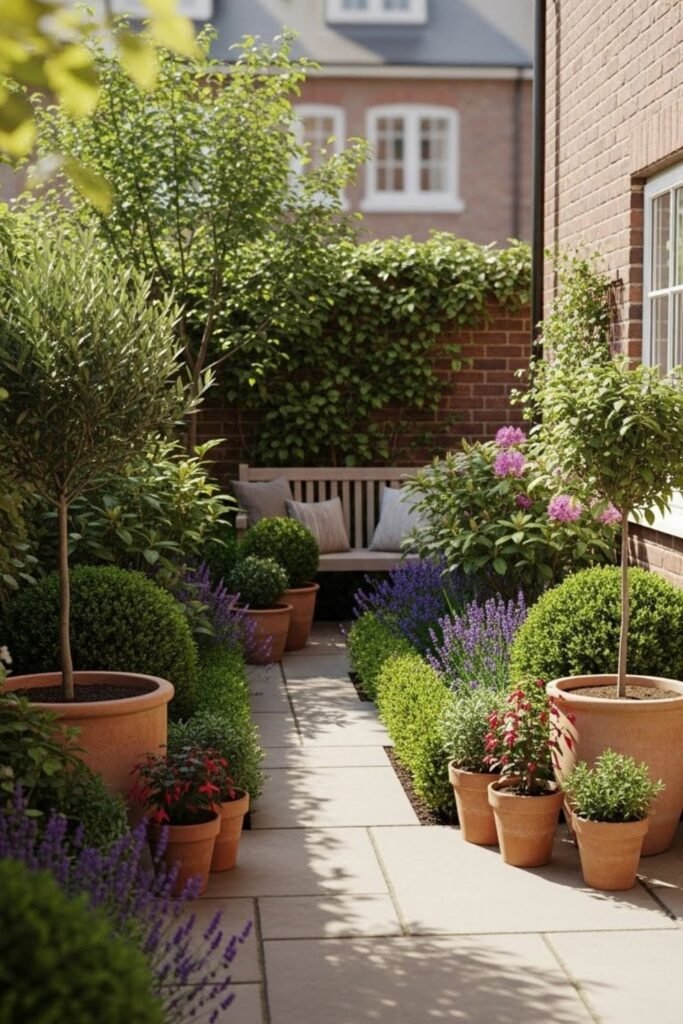
Minimal Materials
Limiting materials changed how small gardens work for me. I choose only three finishes and repeat them everywhere. Fewer textures create visual calm and reduce clutter.
Wood, stone, and greenery usually cover everything needed. With fewer choices, decisions become easier. The space feels planned instead of busy. When materials stay consistent, even tiny gardens.
Feel intentional, open, and well-balanced for daily living, cleaning, and long-term enjoyment without constant redesign or visual fatigue creeping in slowly over time for families too.
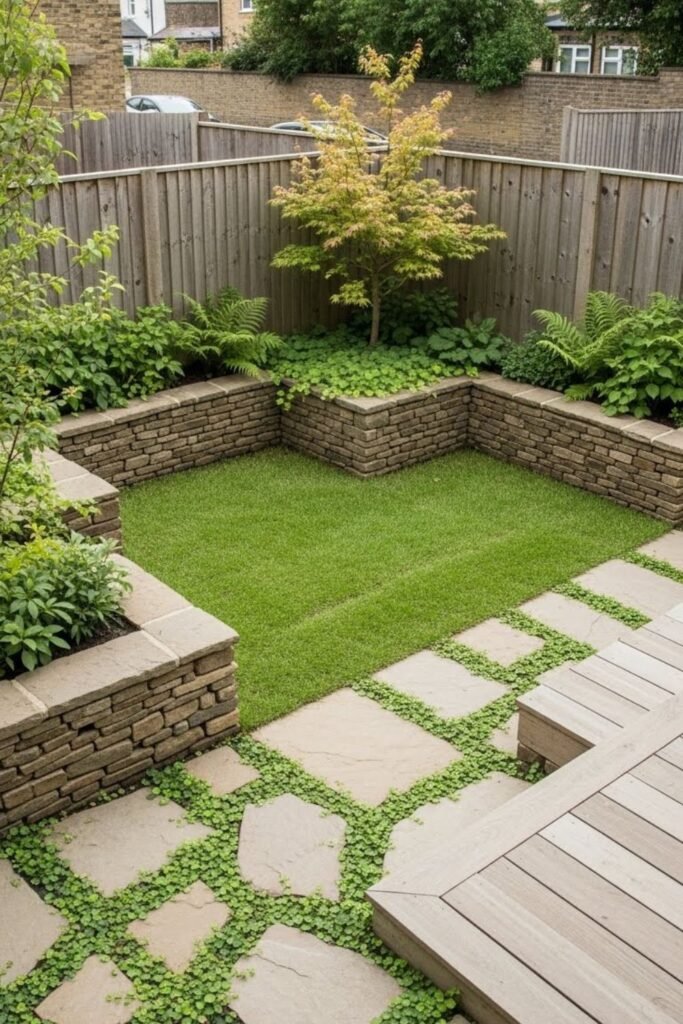
Open Center
I learned early that empty space is not wasted space in small gardens. Keeping the center open gives your eyes room to rest and your body space to move.
I push seating and plants to the edges so nothing blocks flow. The garden feels wider instantly. An open middle also adapts easily for play, stretching, or gatherings.
When you stop filling every gap, the space finally starts working instead of fighting you daily and feels calm again for everyone home.
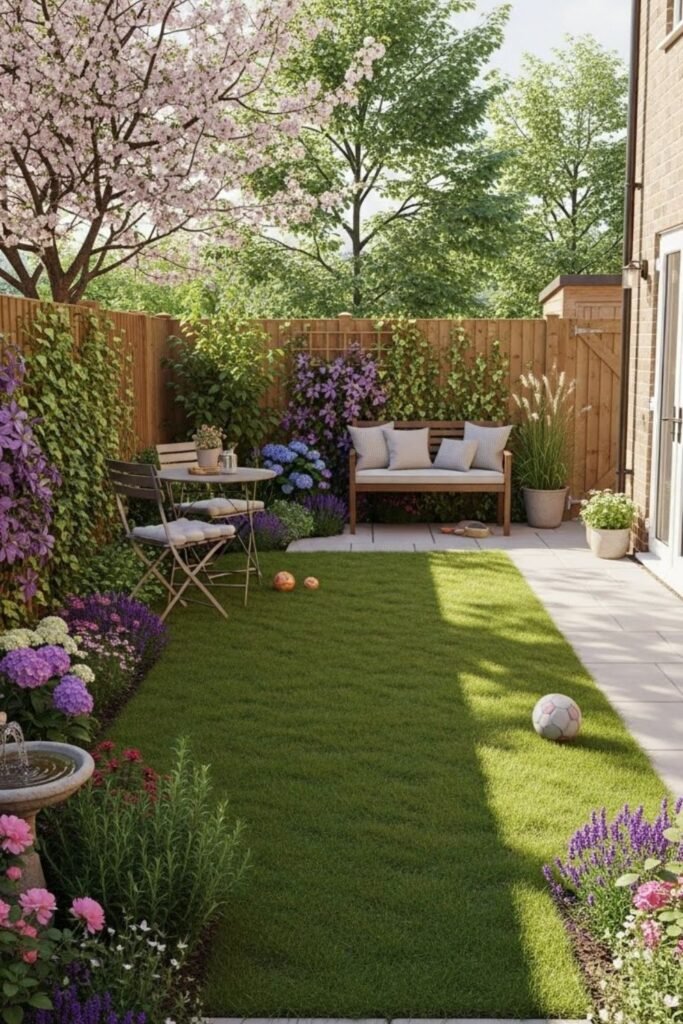
Private Corner
Sometimes the best solution is ignoring most of the garden entirely. I create one private corner with seating, plants, and screening, then leave the rest simple.
This reduces pressure to decorate everything. Privacy feels stronger when focused in one spot. I choose a corner away from neighbors’ windows and block only that view.
A small retreat like this feels intentional and comforting, even when the remaining space stays plain, open, and easy to maintain daily for busy family routines now.
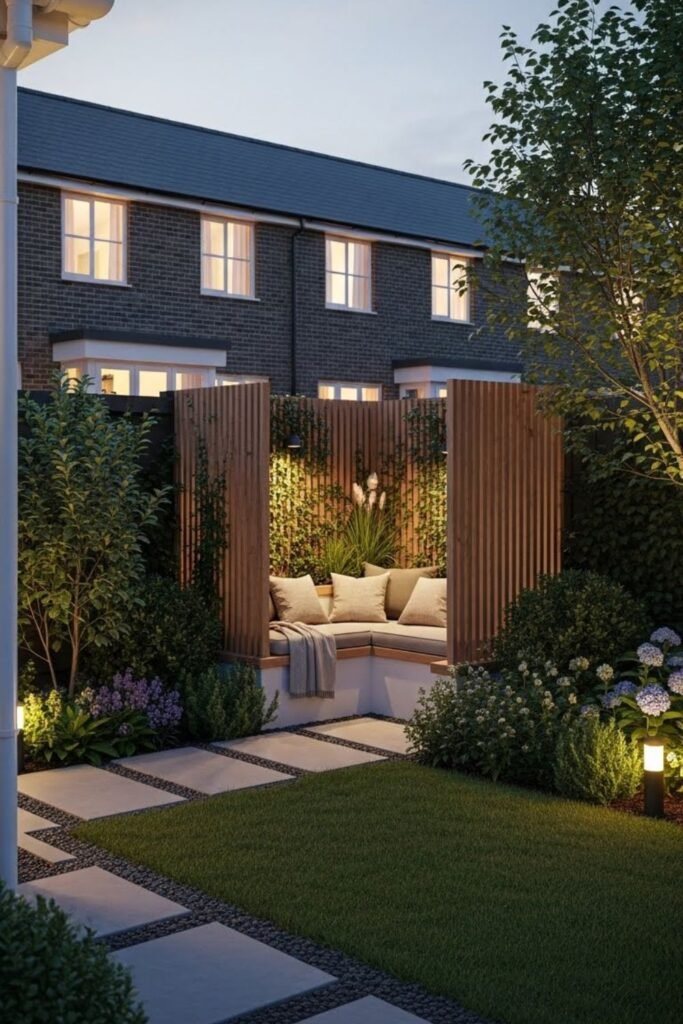
Pet Friendly
Sharing the garden with pets changes every design decision I make. Durable surfaces matter more than looks, so I choose paving or gravel that cleans easily.
Plants stay raised and non-toxic. I avoid loose decorations that get knocked over. Clear paths help movement and reduce mess. When the garden works for pets, it works better for everyone.
Staying tidy, calm, and usable without constant cleanup or stress throughout busy days with kids playing and relaxing nearby safely every single day.
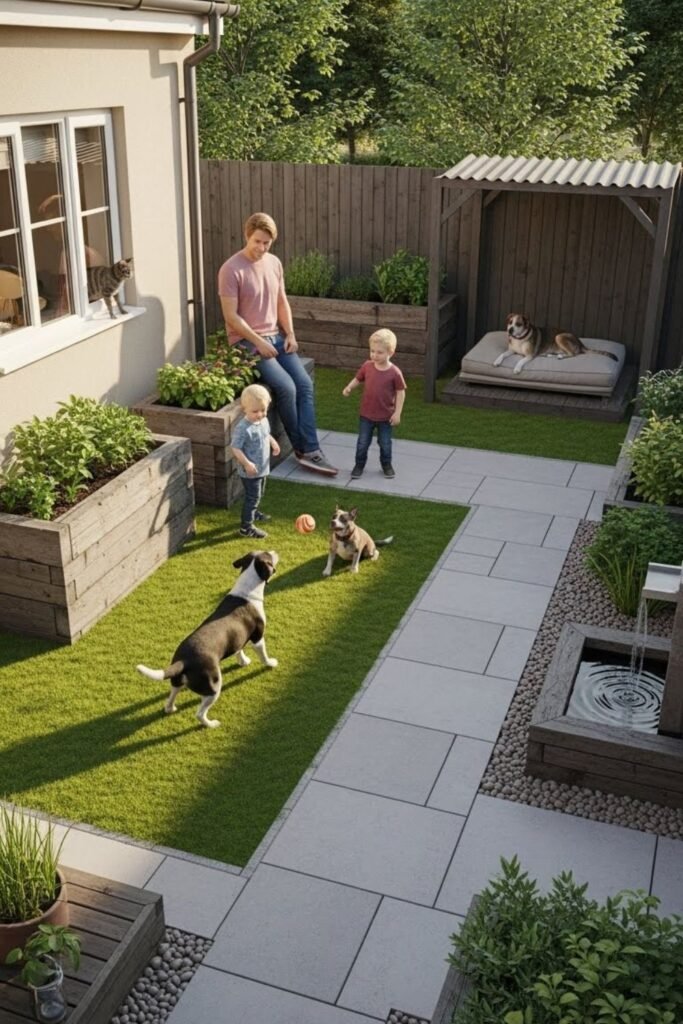
Budget Makeover
Money limits don’t stop good design if changes stay focused. I refresh small gardens by upgrading surfaces instead of rebuilding layouts.
Paint fences, add outdoor rugs, and swap old pots for matching ones. These changes cost little but shift the entire mood. I avoid big purchases until basics feel right.
A budget makeover works best when attention goes to visible finishes first, creating impact without stress or unnecessary spending while still improving daily comfort outside spaces for families.
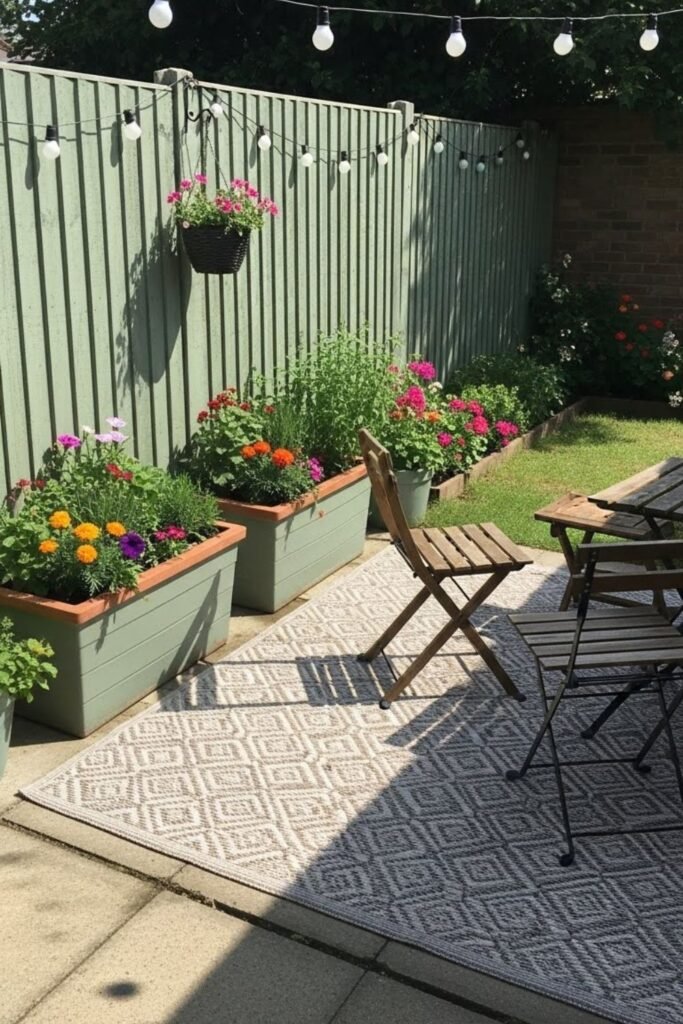
Shaded Retreat
I treat shade as a feature, not a problem, especially in small back gardens. Instead of fighting sunlight, I design seating where shade already falls.
Umbrellas feel bulky, so I rely on plants, screens, or walls to block heat. Cooler areas invite longer use during hot afternoons. Shade also softens light and reduces glare.
When comfort improves, space feels usable for longer hours, proving size matters less than how the garden feels during real daily use for busy family life.
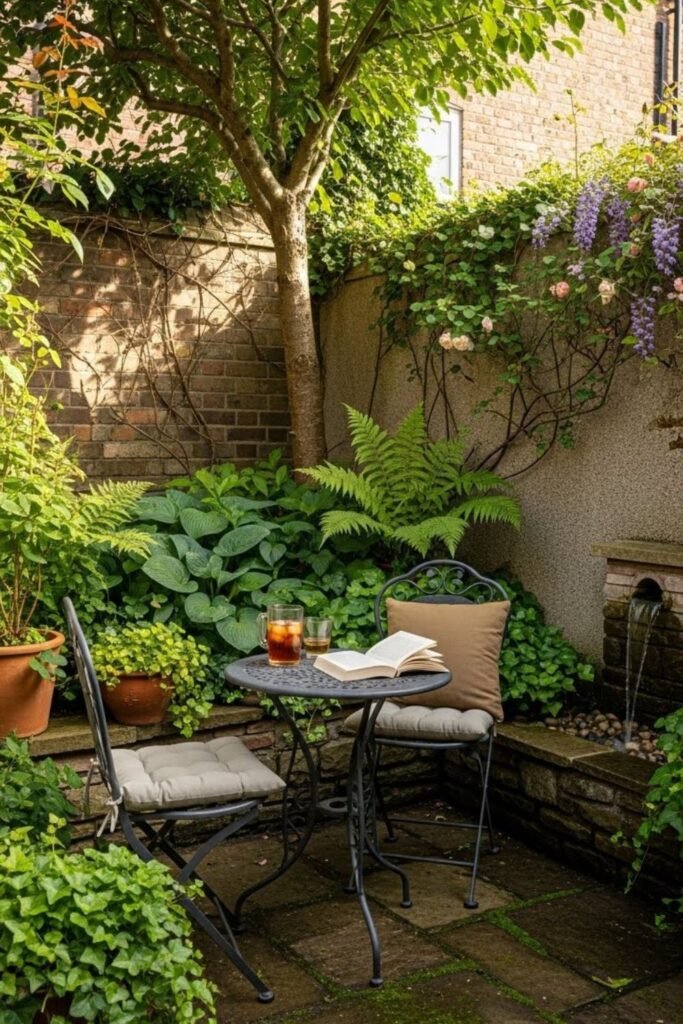
Quiet Space
Noise sneaks into small gardens faster than expected, so I design to soften sound. Hard surfaces bounce noise around, making spaces feel tense.
I add plants, gravel, and soft furnishings to absorb it instead. Tall grasses and dense planting calm the area naturally. Less echo means more peace.
A quieter garden feels more private and relaxing, even when neighbors are nearby, helping small outdoor spaces feel emotionally larger and more comfortable for everyday family moments.
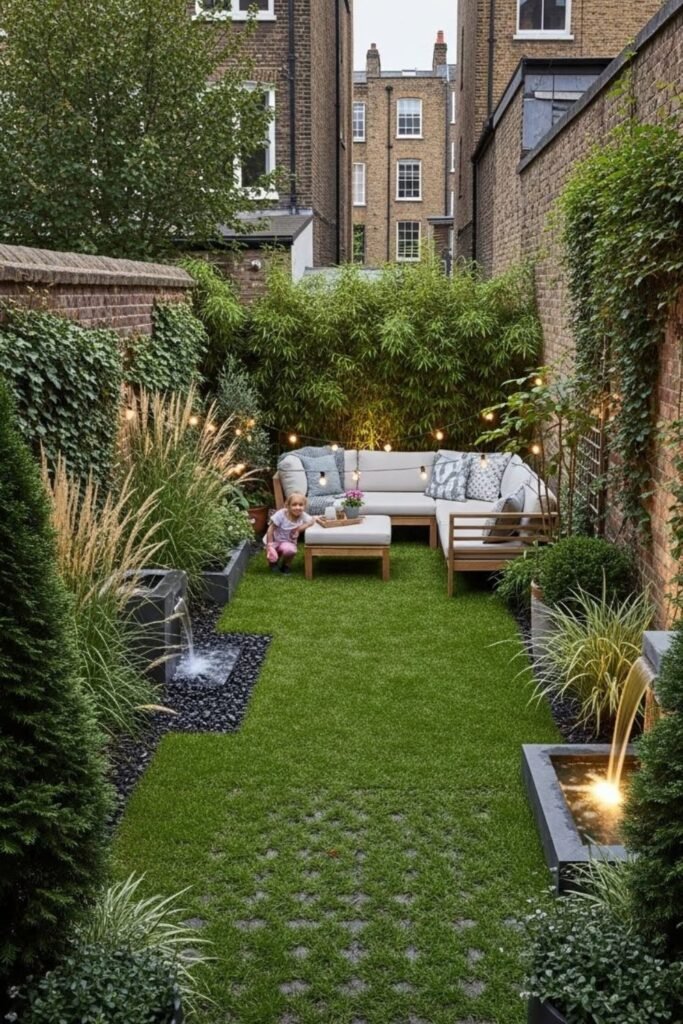
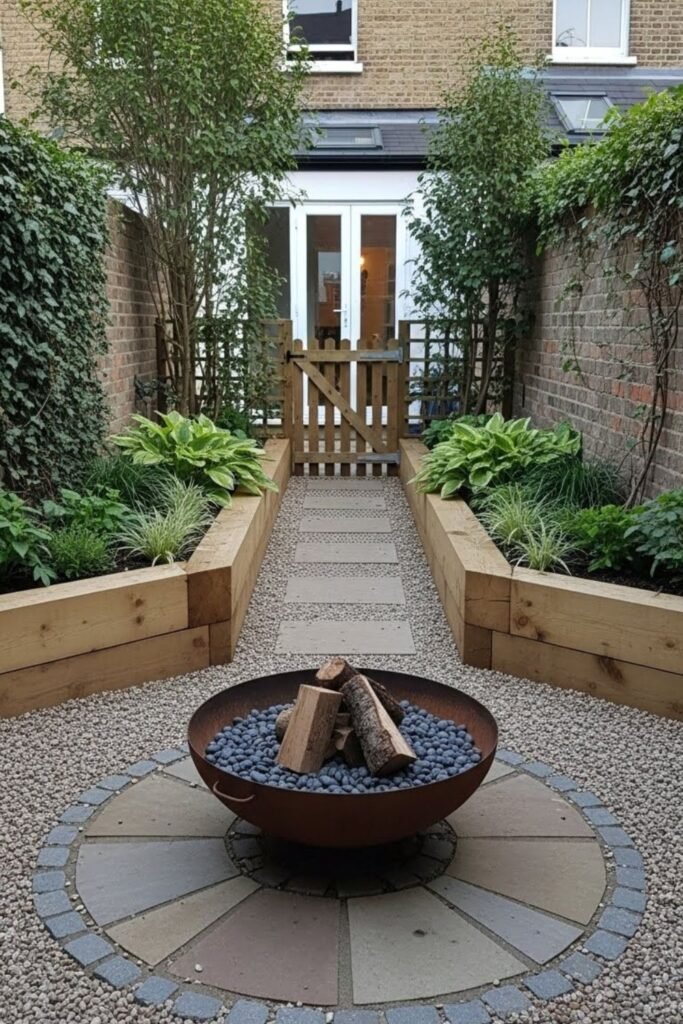
Focal Point
Choosing one focal point keeps small gardens from feeling scattered and confusing. I decide early what deserves attention, then design everything else around it.
A fire bowl, tree, or statement planter works well. The eye needs somewhere to land. When focus stays clear, clutter fades into the background.
A strong focal point brings order and intention, making the garden feel designed instead of crowded, even when space remains limited and shared by many daily activities at home.
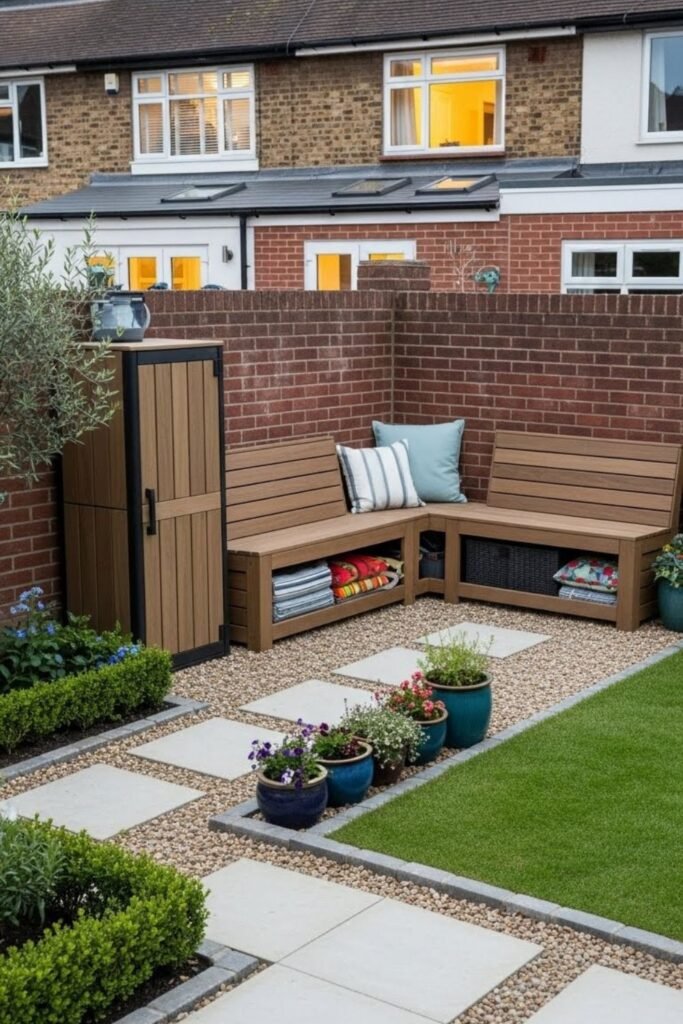
Smart Storage
Storage mistakes quickly overwhelm small back gardens, so I plan hiding places from day one. I use benches, tall cabinets, and vertical hooks to lift clutter off the floor.
Nothing stays loose. When items disappear, the garden instantly feels calmer. Tools, toys, and cushions all get homes. Smart storage reduces stress and cleaning time.
Making the space easier to enjoy daily without constant tidying or frustration creeping back into family routines again over time especially during busy weeks at home.
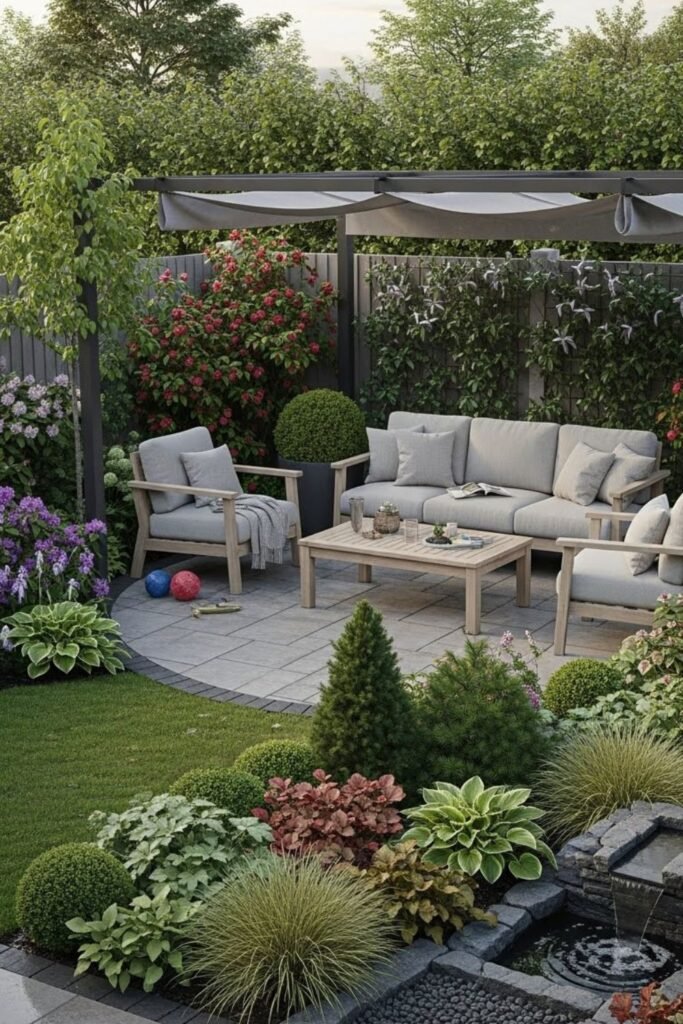
Seasonal Balance
Designing only for summer leaves small gardens disappointing the rest of the year, so I plan for every season. Evergreen plants keep structure when flowers fade.
Removable cushions and throws adjust comfort as weather changes. I avoid seasonal clutter by storing extras away quickly. A garden that looks decent year-round feels more valuable.
When the space works in winter, spring feels like a bonus instead of the only good moment for use during family routines and quiet outdoor time at home.
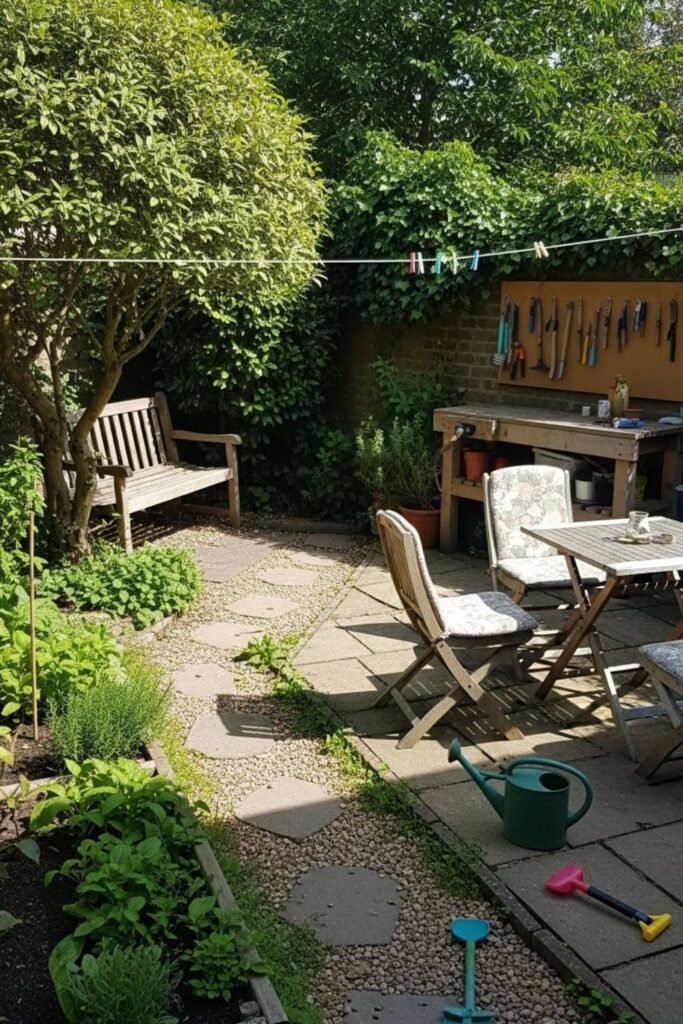
Daily Living
Real life happens daily, not just on sunny weekends, so I design small gardens for everyday use. I focus on easy access, clear paths, and furniture that doesn’t need rearranging.
Shoes go on without mess. Kids move freely. Nothing feels precious. A garden designed for normal routines feels welcoming instead of stressful.
When outdoor space supports daily habits, it becomes part of the home, not a decorative area waiting for special occasions that rarely arrive for busy families.
FAQs
How do I stop a small back garden from feeling cluttered?
Start by removing anything that doesn’t serve a clear purpose. Small gardens feel cluttered when too many items compete for attention.
Push furniture to the edges, keep the center open, and store loose items out of sight. Fewer, well-placed pieces always work better than filling every corner.
Is it better to decorate a small back garden or keep it simple?
Keeping it simple usually works better. Decoration should support how you use the space, not just how it looks.
When you focus on comfort, movement, and easy maintenance first, the garden naturally looks better without needing extra décor.

Hi, I’m Afaf! I’m a law student who loves all things home, style, and gardening. I’ve been writing for over a year about topics like home decor, DIY projects, plants, fashion, and beauty.
I like sharing ideas that are easy to try and don’t cost a fortune. Whether it’s organizing a messy closet, decorating on a budget, or keeping houseplants alive, I write about what I’ve actually tried myself.
When I’m not studying, I’m usually on Pinterest looking for my next project or adding another plant to my collection!