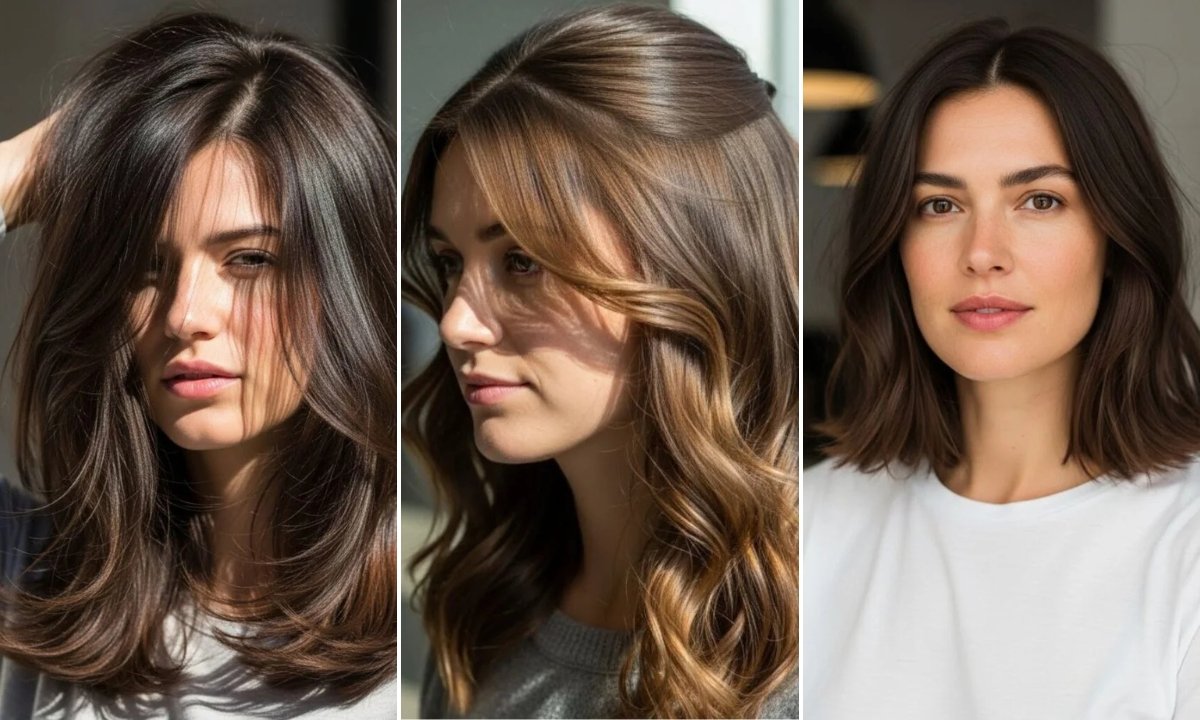
Low Maintenance Haircuts That Actually Look Like You Tried

Last Tuesday morning, I realized I was in the bathroom for exactly four minutes getting ready. Four. That included brushing my teeth and finding Maya’s missing sock (don’t ask why it was in there).
My hair looked fine. Not amazing, not Instagram-worthy, but fine. And honestly? That’s the real test of a good haircut — it doesn’t fall apart when life gets chaotic.
If you’re tired of haircuts that only look good on salon day, you’re not alone. Most of us need something that works on a random Wednesday when dry shampoo is doing most of the work.
Here are 26 low maintenance haircut ideas that actually hold up when you’re running late, skipping the blow dryer, or just… living your life.
Do Low Maintenance Haircuts Still Look Stylish?
They do, but only if you pick one that makes sense for your actual routine. I learned this the hard way after getting what my stylist called a “lived-in lob” that required twenty minutes of scrunching to look lived-in.
A truly low-maintenance cut should look intentional even when you’ve done nothing to it. The shape does the work, not your styling skills.
When I see someone with great hair who swears they “just got out of the shower,” nine times out of ten it’s because their cut is working with their natural texture instead of fighting it. The best cuts improve how your hair naturally falls.
Save this article for later! 👇👇
What Haircuts Work Best for Busy Lifestyles?
The ones that grow out gracefully. I don’t know about you, but I’m not getting my hair cut every six weeks, no matter what the internet says I should do.
Blunt cuts, gentle layering, and anything that doesn’t depend on precise lines tend to age better. Avoid anything that looks crisp — crisp fades fast.
Also, skip cuts that need specific products to look decent. If your stylist starts listing three different creams you’ll need, that’s not low maintenance.
The perfect busy-life haircut is one that still looks like you tried, even when you absolutely didn’t.
Soft Layers
These work because they follow what your hair already wants to do. I’ve had versions of this cut for years — long layers that create movement without requiring any effort from me.
The key is keeping them subtle. Heavy layering makes your hair look choppy when it grows out, but gentle layers just blend together.
Ask for long layers and specifically say you want to be able to air-dry it. Most stylists will know what you mean, and if they don’t, find someone else.
Blunt Bob
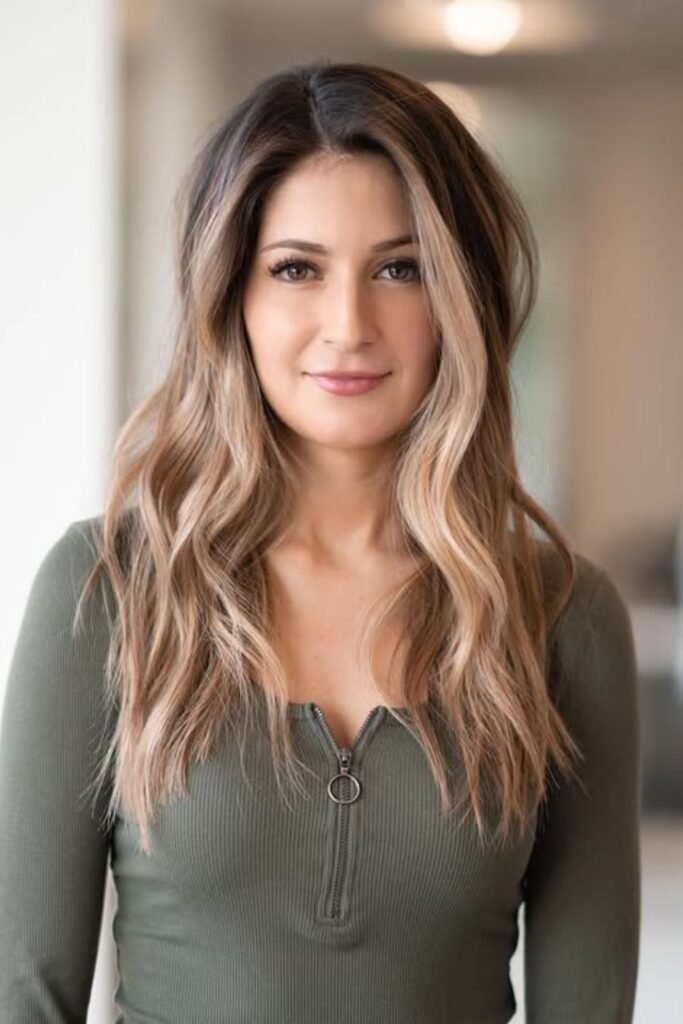
I was skeptical of blunt cuts for the longest time because they seemed too… final. But there’s something about a clean line that just works, especially when your hair is naturally thick.
The ends stay full, which means even when it grows out, it doesn’t look straggly. And on days when your hair is being weird, the strong shape keeps everything in line.
Ask for a blunt bob with just enough internal texture to keep it from looking too severe. Then wash it, let it dry, and you’re done.
Curtain Bangs
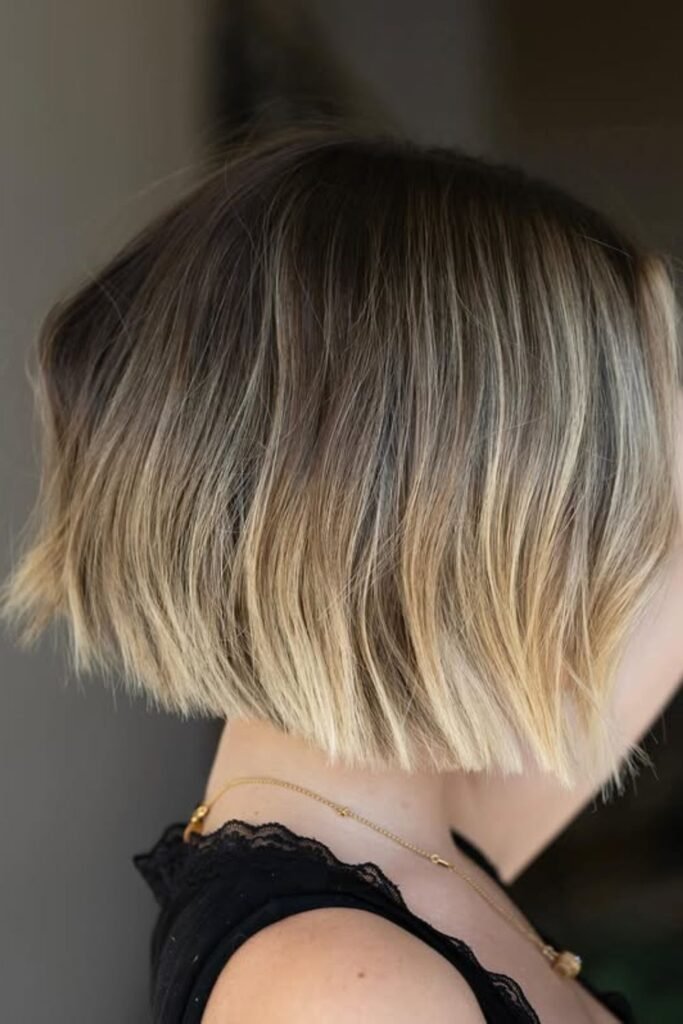
Finally, bangs that don’t make me want to hide for six weeks while they grow out. Curtain bangs are forgiving — they blend into your hair instead of creating a harsh line across your forehead.
They’re long enough that you’re not constantly trimming them, and they frame your face without needing daily styling. Plus, they grow out gradually instead of hitting that awkward stubby phase.
Ask for long, soft bangs that hit around your cheekbones. Let them dry naturally and they’ll fall where they need to be.
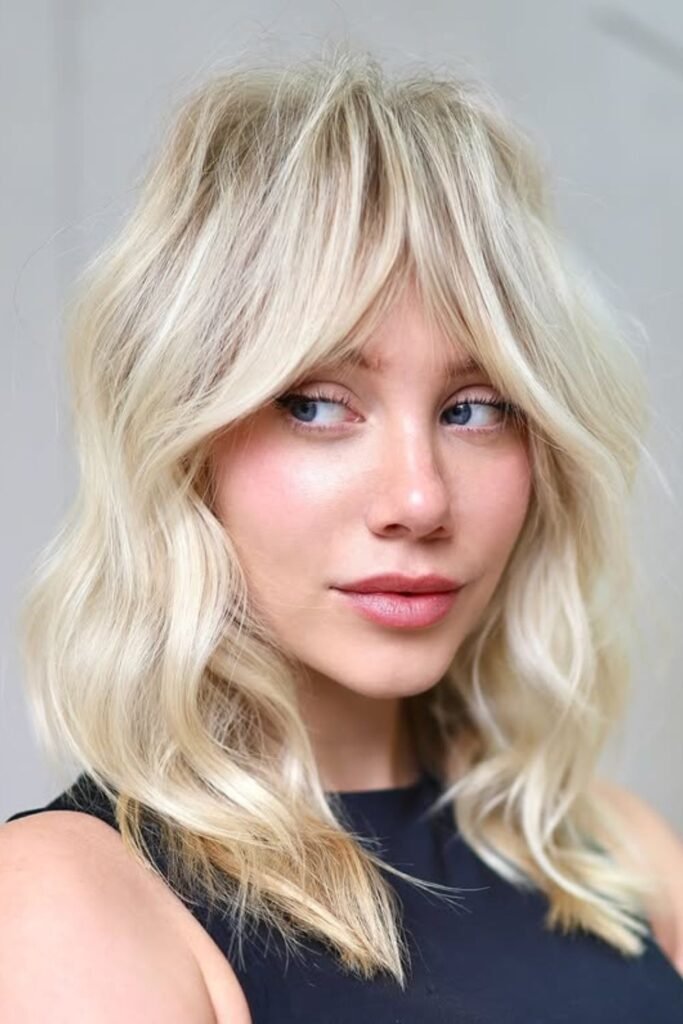
Shag Layers
Shags are having a moment, and I get why. The messy texture means you can’t really do it wrong — bedhead actually improves the look.
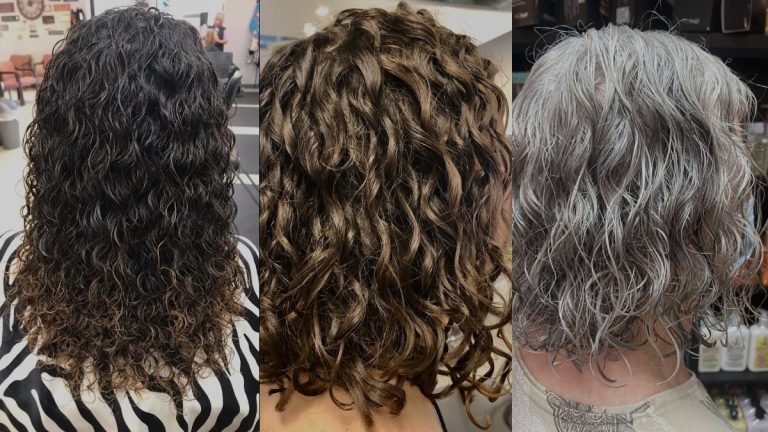
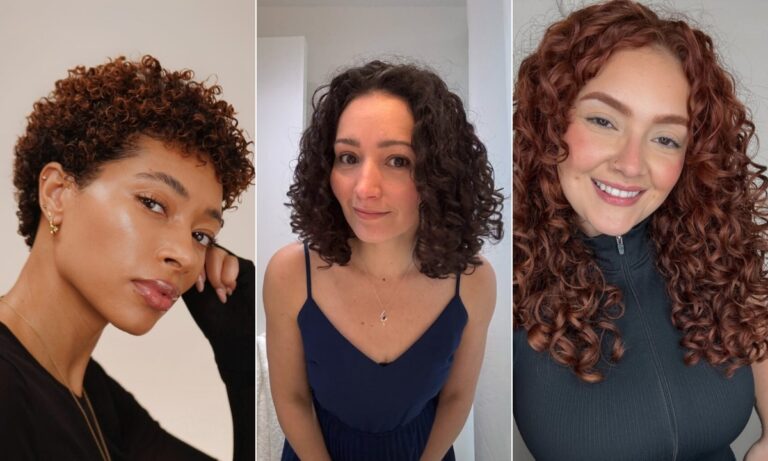
The layering creates natural movement, so your hair never looks flat or lifeless. It’s especially good if you have waves or curls that you want to embrace instead of straightening out.
Scrunch some leave-in conditioner through damp hair and let it air dry. The imperfection is the point.

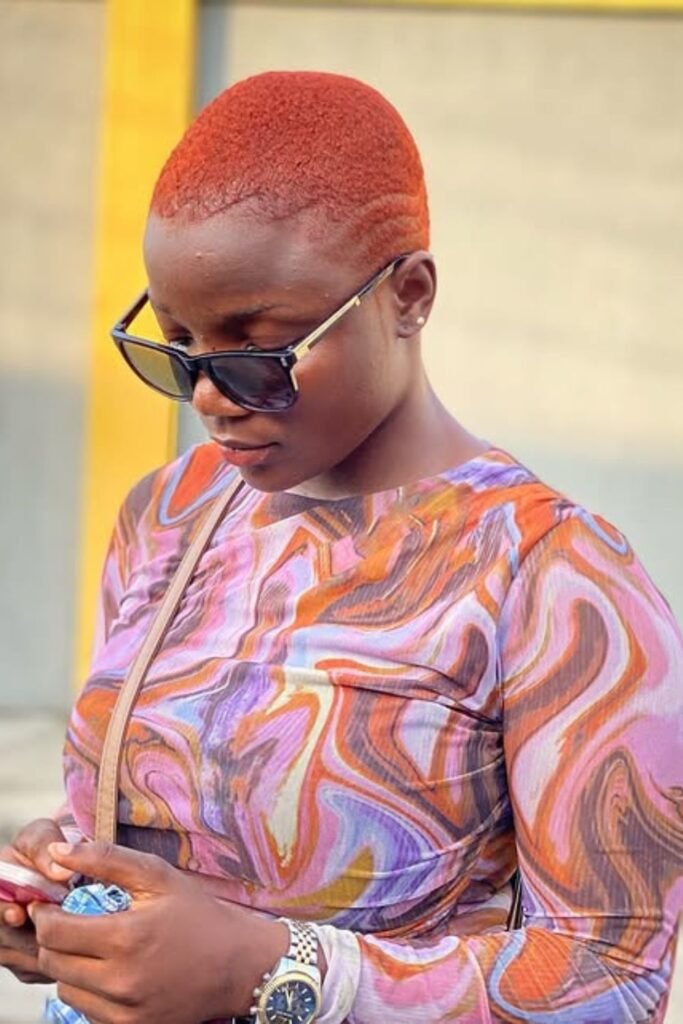
Close Crop
This is the ultimate “I’m done thinking about my hair” cut. No styling decisions, no bad hair days, no spending twenty minutes trying to make it do something it doesn’t want to do.
It’s bold, but it’s also incredibly freeing. You wash it, maybe run your fingers through it, and you’re ready to go.
You’ll need regular trims to keep the shape clean, but the daily maintenance is basically zero
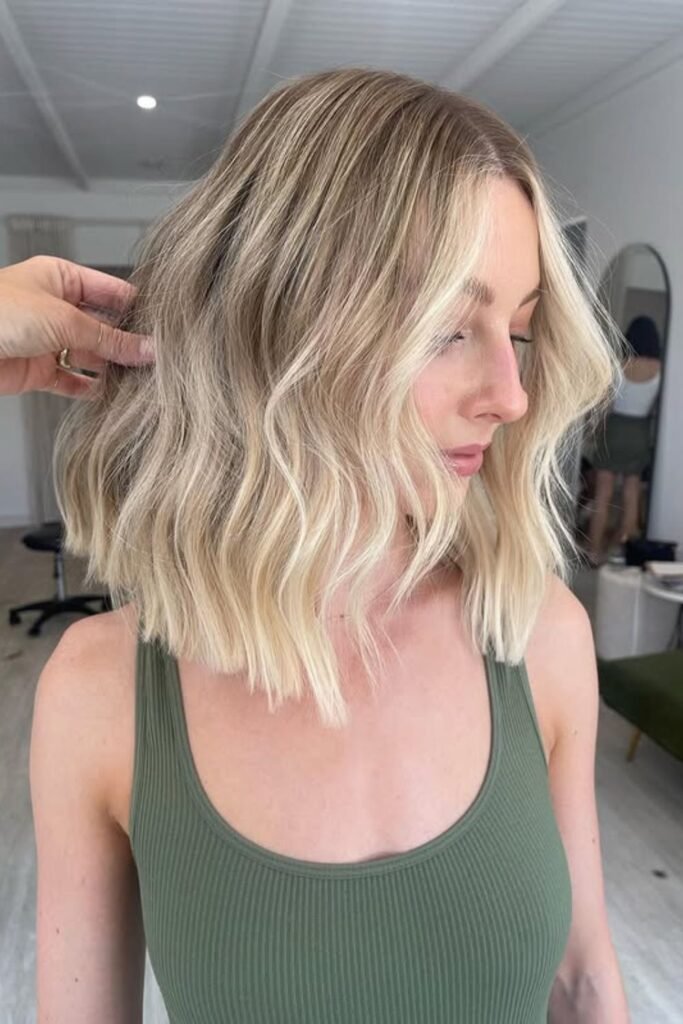
Textured Lob
The lob (long bob) hits that sweet spot — long enough to pull back if you need to, short enough to dry quickly. The textured version is even better because it doesn’t need to look perfect.
I love this length because it works with everything. Messy bun, half-up, or just down and slightly imperfect. It all looks intentional.
Ask for a lob with soft, broken-up layers. Skip the precise angles — you want movement, not geometry.
Wispy Fringe
These aren’t the blunt bangs of your childhood — they’re softer and more forgiving. The wispy texture means they don’t need to sit perfectly to look good.
They blend into the rest of your hair naturally, so even when they’re growing out, there’s no harsh line. And they’re long enough that you’re not trimming them every three weeks.
Ask for light, feathery bangs that graze your cheekbones. Let them dry naturally and they’ll find their own shape.
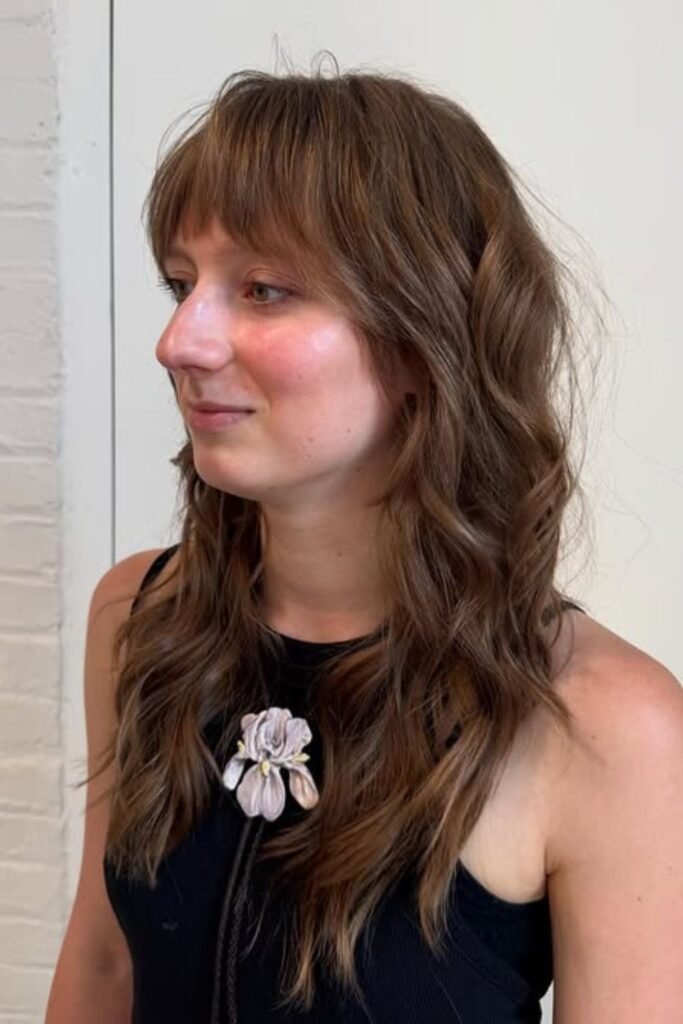
Face Layers
Sometimes you want to keep your length but add some life around your face. Face-framing layers do exactly that without requiring a major chop.
The shorter pieces around your face create movement and soften your features, while the rest of your hair stays long. It’s like getting a small refresh without committing to a big change.
Ask for long layers that start around your jawline and blend into the rest of your hair. Keep it simple — the goal is subtle enhancement, not dramatic contrast.
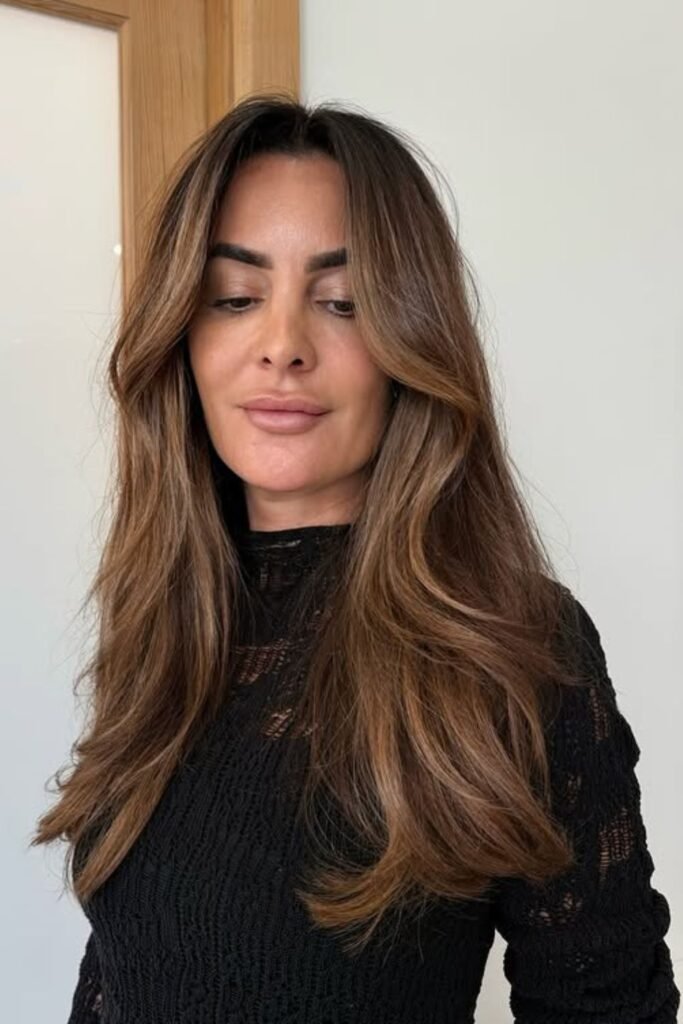
Wavy Bob
If you have natural waves, this cut lets them do their thing instead of trying to tame them into submission. The bob length keeps everything manageable while the waves add natural texture.
Save this post for later ❤️
I like this because it looks different every day depending on how your hair decides to wave, but it always looks intentional. The messier, the better.
Ask for a bob that’s slightly longer in front with minimal layering. Scrunch it damp and let it air dry — that’s it.
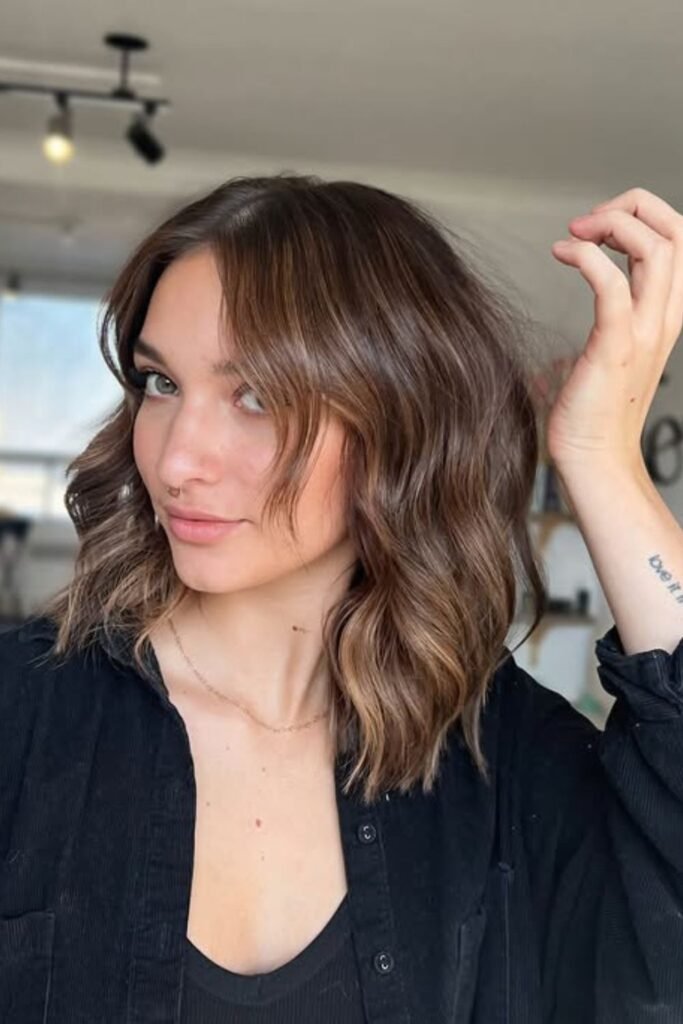
Choppy Ends
Perfect ends are overrated. Choppy, slightly uneven ends actually hide the fact that you haven’t trimmed your hair in four months better than blunt ones do.
The broken texture makes everything look more casual and lived-in, which works when your life is actually casual and lived-in.
Ask your stylist to point-cut the ends or add some subtle choppiness. It should look intentional, not like you cut it yourself with kitchen scissors.
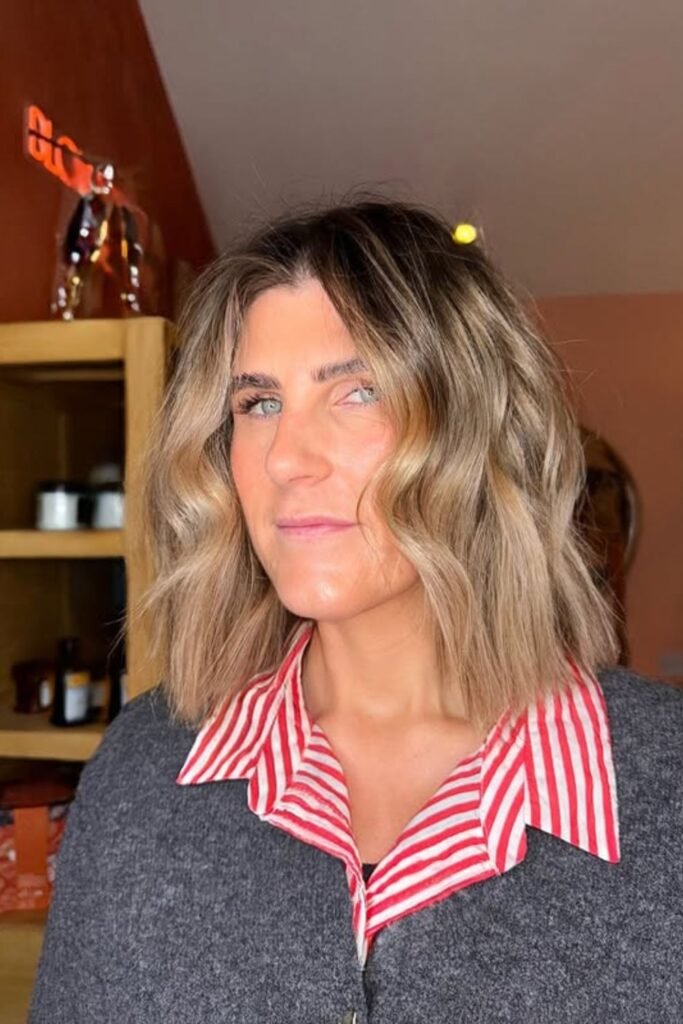
Soft Fringe
This is what happens when you want bangs but you don’t want to commit to actual bangs. The soft fringe gives you face-framing without the high maintenance of traditional bangs.
They’re long enough to blend with the rest of your hair, so you won’t notice when they’re growing out. And they require zero daily styling — they just fall naturally.
Ask for soft bangs that hit just below your eyebrows and blend seamlessly into your layers. Let them air dry and don’t overthink it.
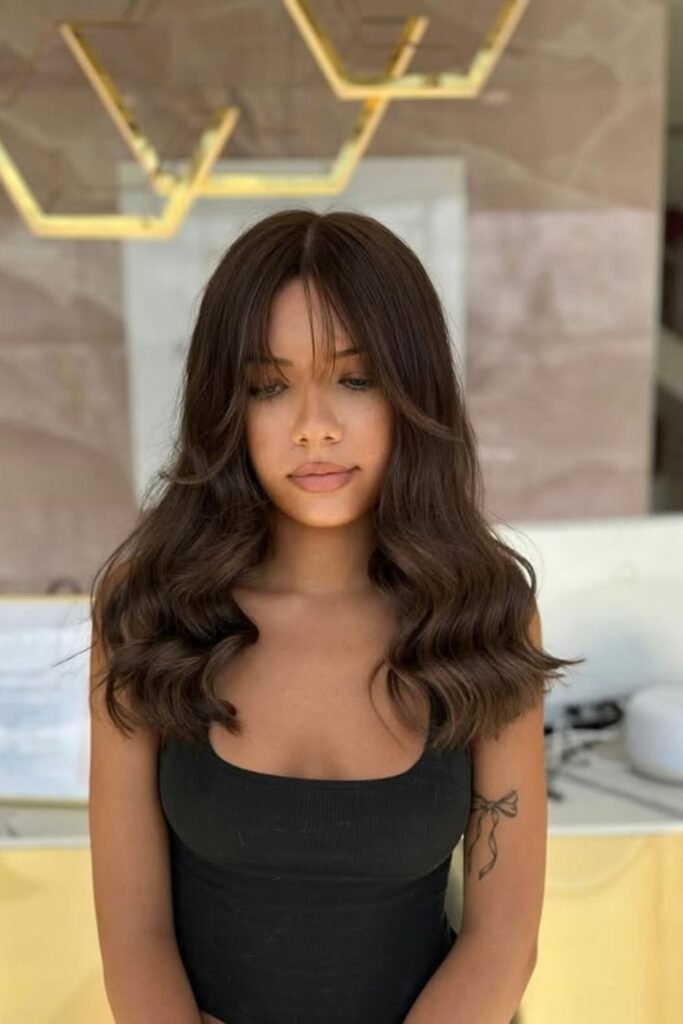
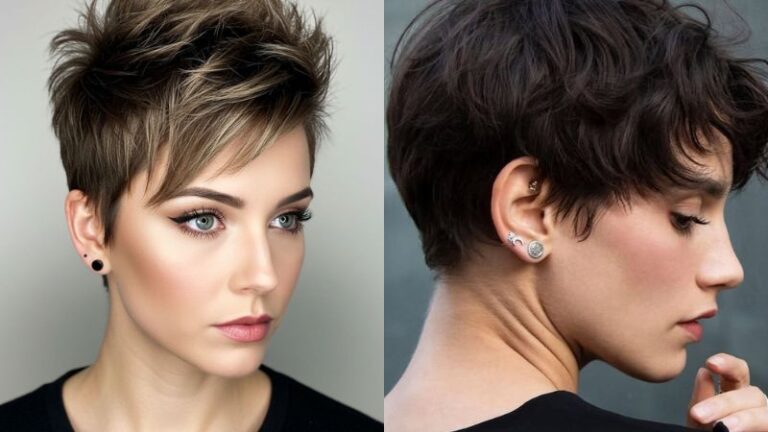
Short Pixie
When I see someone with a great pixie cut, I’m always slightly jealous of how simple their morning routine must be. Wash, maybe run some product through it, done.
The tapered back keeps the shape clean as it grows, and the longer top gives you just enough hair to work with if you want to add some texture or volume.
It’s definitely a commitment, but if you’re ready to stop thinking about your hair, this is the way to do it.
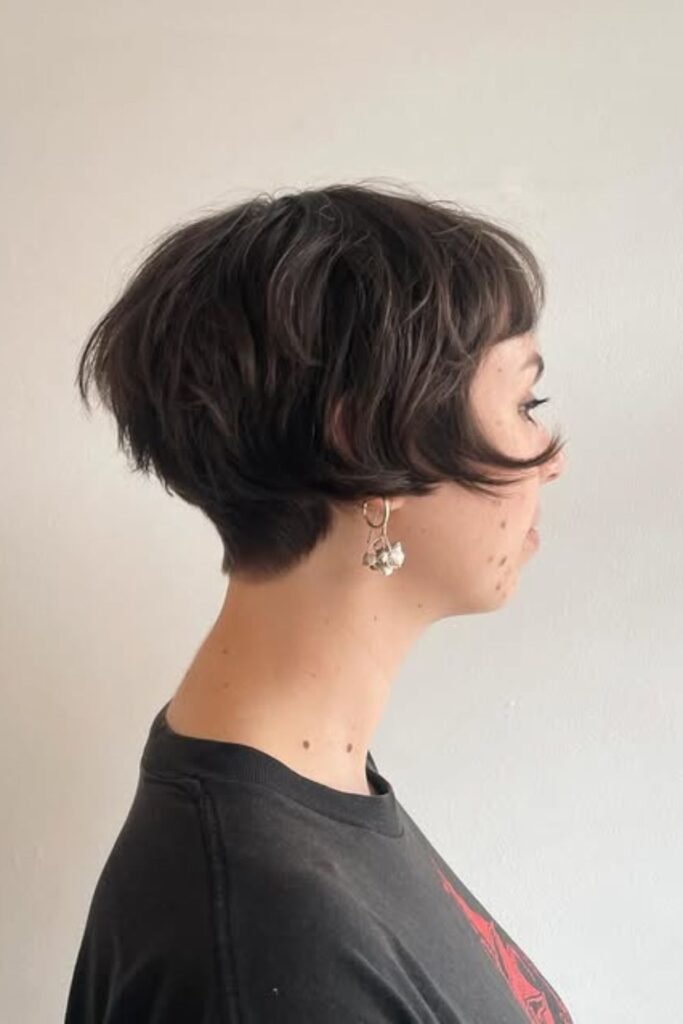
Clean Length
Sometimes simple really is better. A clean, one-length cut relies on the weight of your hair to keep everything in place instead of depending on layers or styling.
The heaviness helps control frizz and keeps everything smooth, while the minimal layering means it grows out evenly. It’s classic for a reason.
Ask for a blunt cut with just the slightest internal layering to prevent it from looking too heavy. Part it naturally and let it air dry.
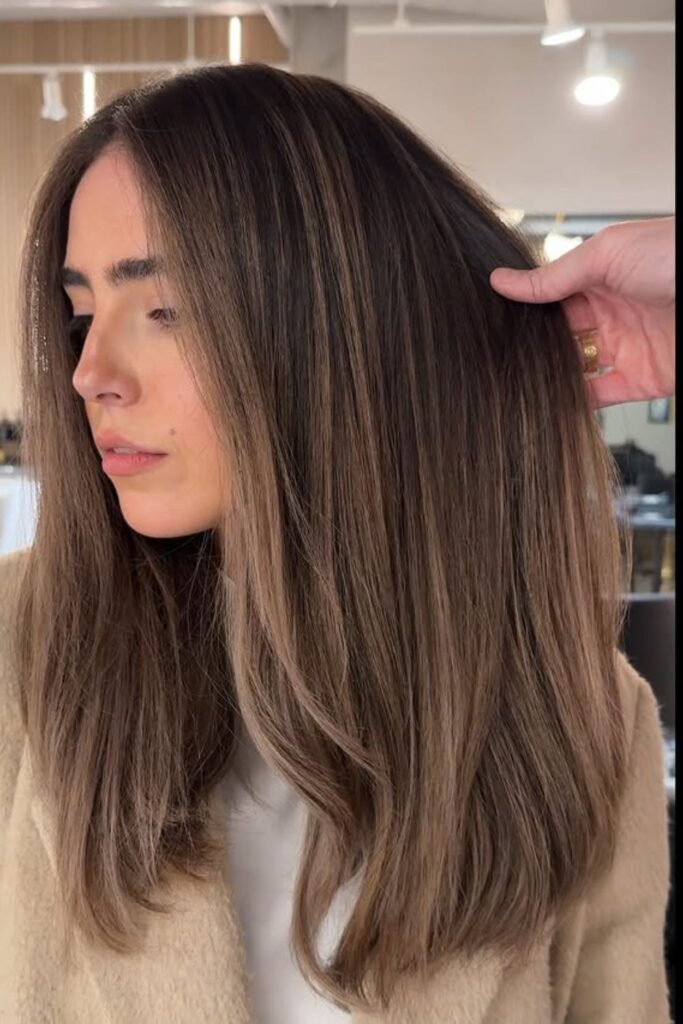
Invisible Layers
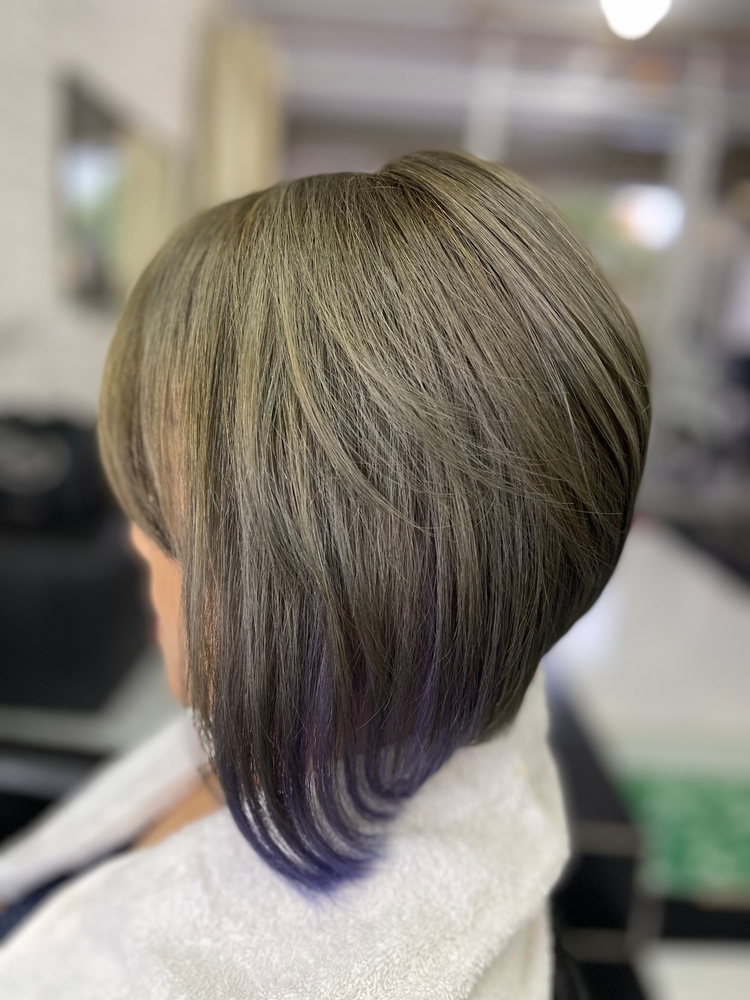
This is for people who want the benefits of layering without actually looking layered. The stylist removes bulk from the interior while keeping the outside perimeter intact.
Your hair feels lighter and moves better, but to everyone else, it just looks like really good, healthy hair that happens to behave perfectly.
It dries faster, has more movement, and doesn’t get that puffy triangle shape that happens when thick hair grows out
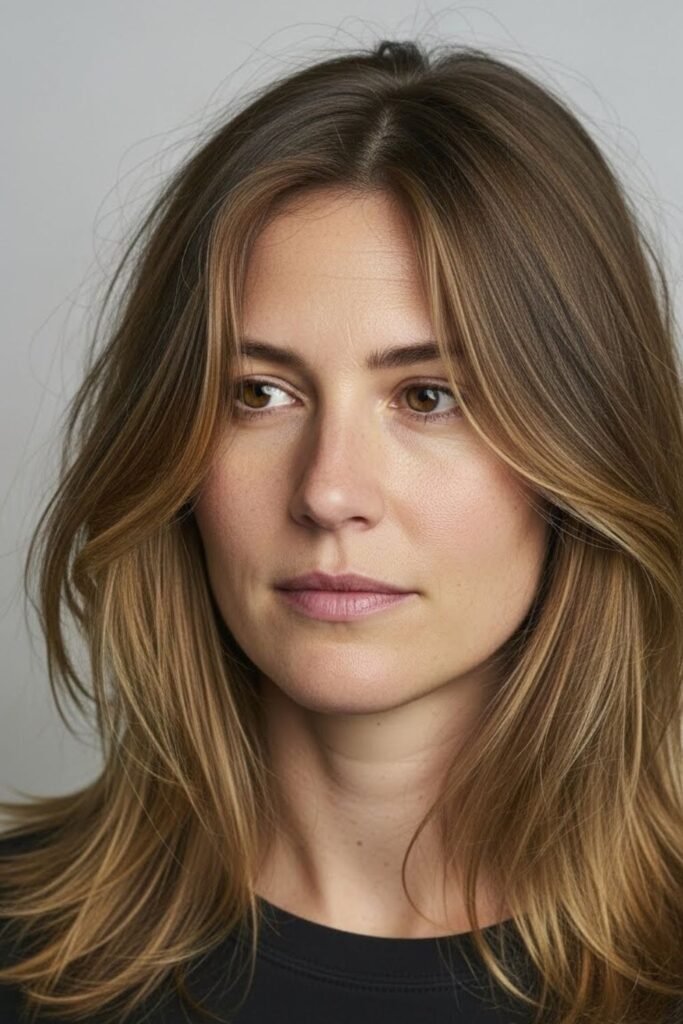
Weight-Line Cut
This cut places the bulk of your hair exactly where it needs to be — usually around the jawline or collarbone — instead of letting it settle wherever gravity takes it.
It prevents your hair from looking flat on top or too heavy at the bottom by strategically placing the weight where it creates the best shape.
Ask your stylist to create a weight line that works with your face shape and hair type. It sounds technical, but most experienced stylists know exactly what this means.
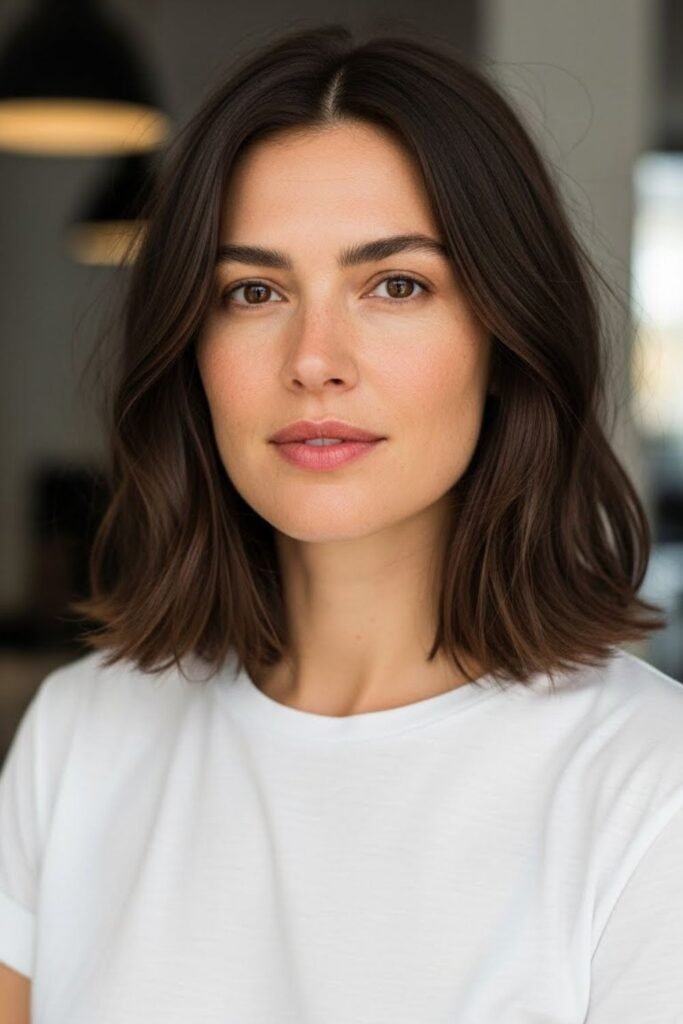
Long Taper
Instead of chopping layers throughout your hair, a long taper gradually removes weight as it goes down. You keep your length but lose the bulk that makes long hair feel heavy and unmanageable.
It’s subtle — most people won’t even notice you got a haircut, they’ll just think your hair looks really good. And it grows out gracefully instead of creating awkward in-between stages.
This is perfect if you’re trying to grow your hair out but it keeps getting too heavy or shapeless along the way.
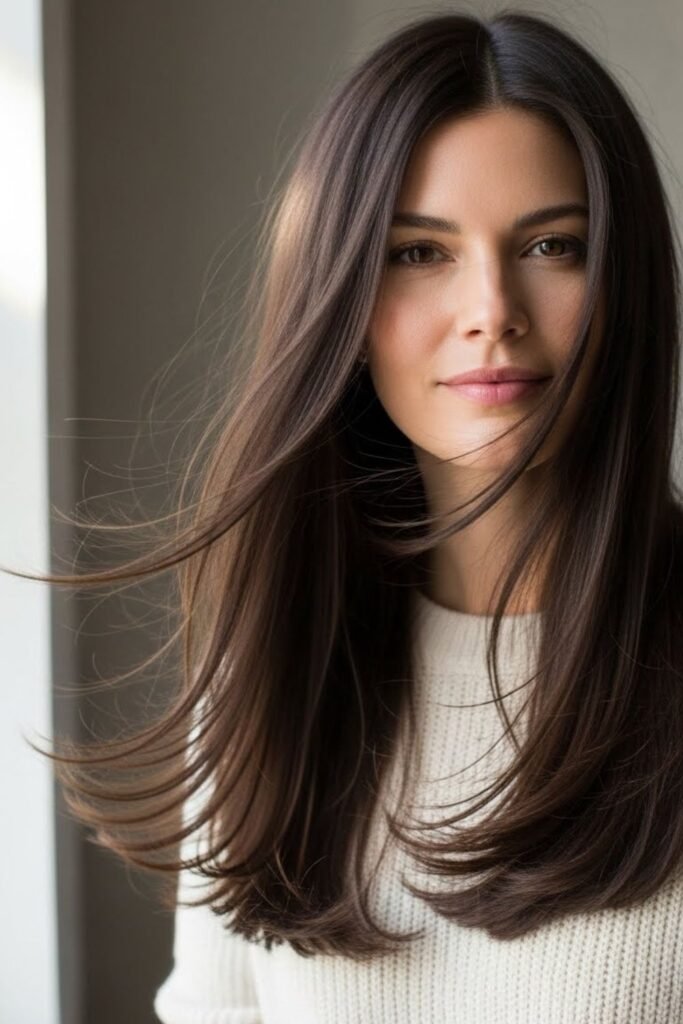
Air-Dry Cut
This is exactly what it sounds like — your stylist cuts your hair based on how it looks when it air dries, not how it looks blown out.
They work with your natural cowlicks, the way your hair waves or curls, and even how it tends to shrink when it dries. The result is a cut that looks intentional even when you do absolutely nothing.
It’s especially good if you rarely use heat styling tools. Why fight your hair’s natural texture when you can work with it instead?
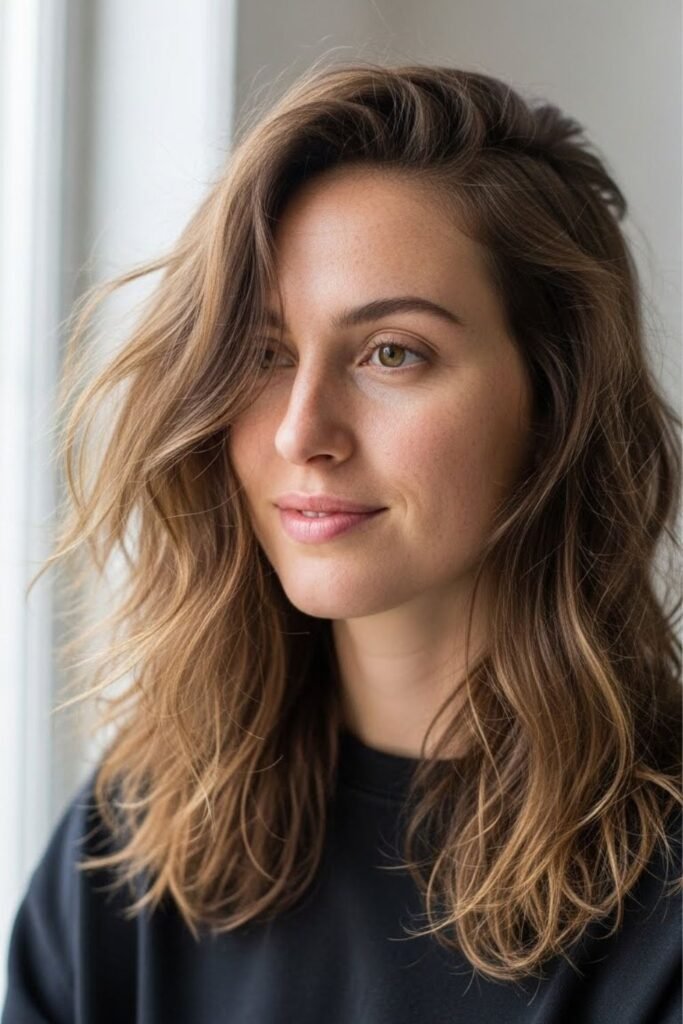
Collarbone Balance
Hair that hits right at the collarbone can be tricky — it tends to flip, stick to your clothes, or just look awkward. A collarbone balance cut adjusts the angle slightly so your hair falls naturally instead of fighting gravity.
It’s a small adjustment that makes a huge difference in how your hair behaves day to day.
Have your stylist cut the ends to follow how your hair naturally drapes over your shoulders. It should look effortless, not like you’re constantly adjusting it.
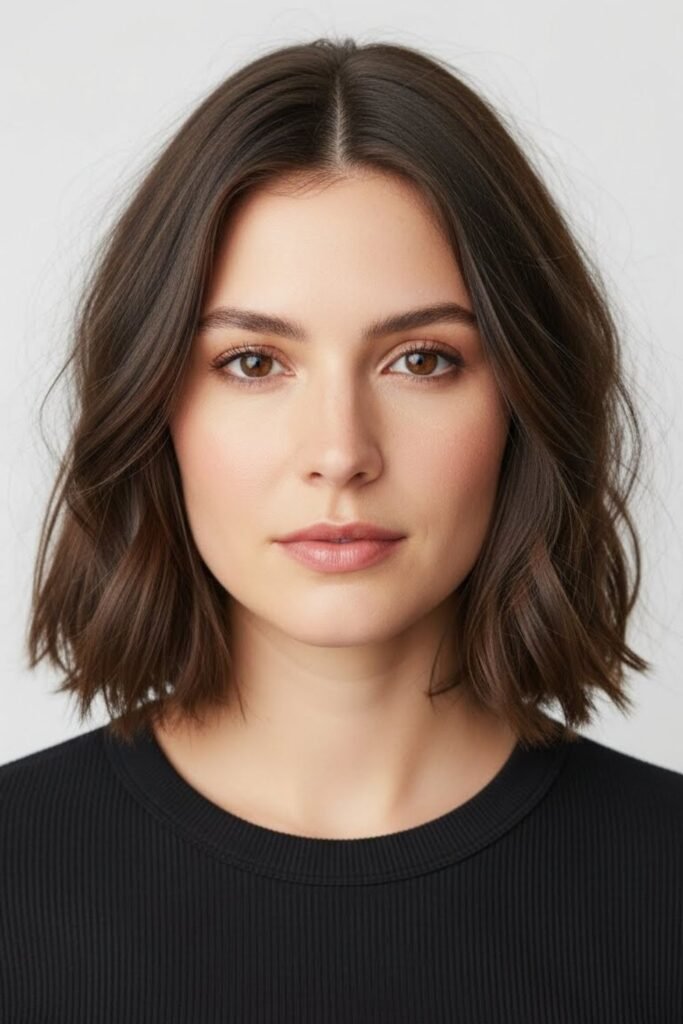
Soft Density Cut
This addresses the density of your hair without making it look thin or over-processed. Instead of aggressive thinning (which often makes hair look worse), it creates even distribution.
Ask your stylist to manage the bulk gradually and avoid heavy thinning shears or razors. The goal is to make your hair feel lighter without looking like it’s been attacked.
You’ll have fewer days where your hair feels puffy or unmanageable, and it should move more naturally.
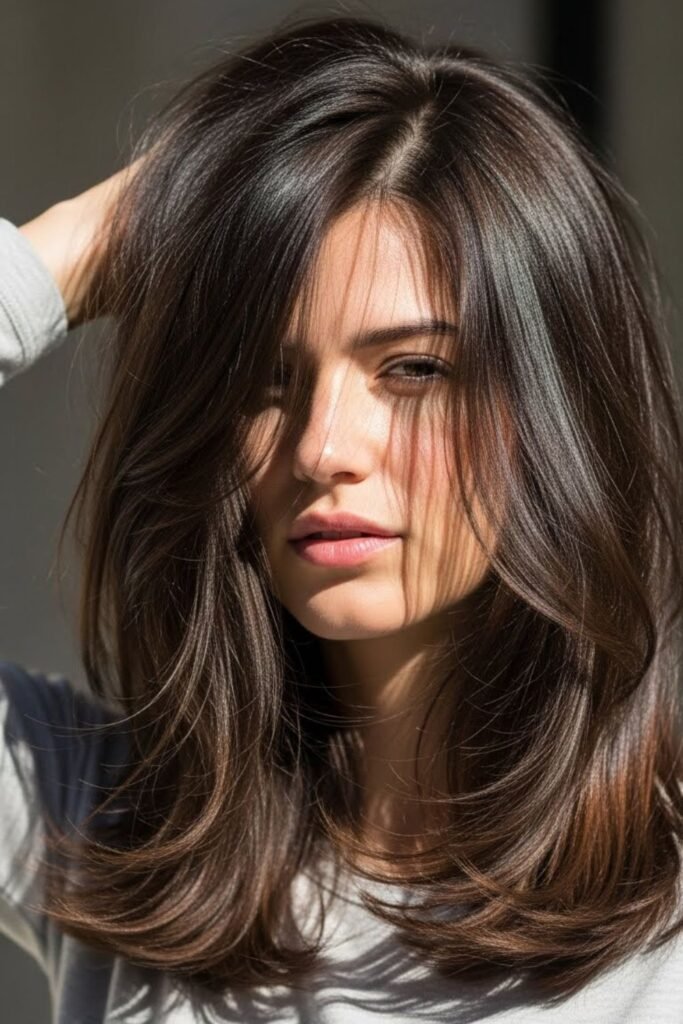
No-Part Cut
If you’re constantly fixing your part throughout the day, this cut eliminates that problem entirely. The hair is designed to look good falling in any direction.
Left part, right part, center part, or no part at all — it all works. This is particularly great if your part tends to shift naturally or if you just don’t want to think about it.
Ask for a flexible front section that doesn’t depend on a specific part. Your stylist should know how to create this kind of versatile cut.