26 Low Maintenance Haircut Ideas For 2026
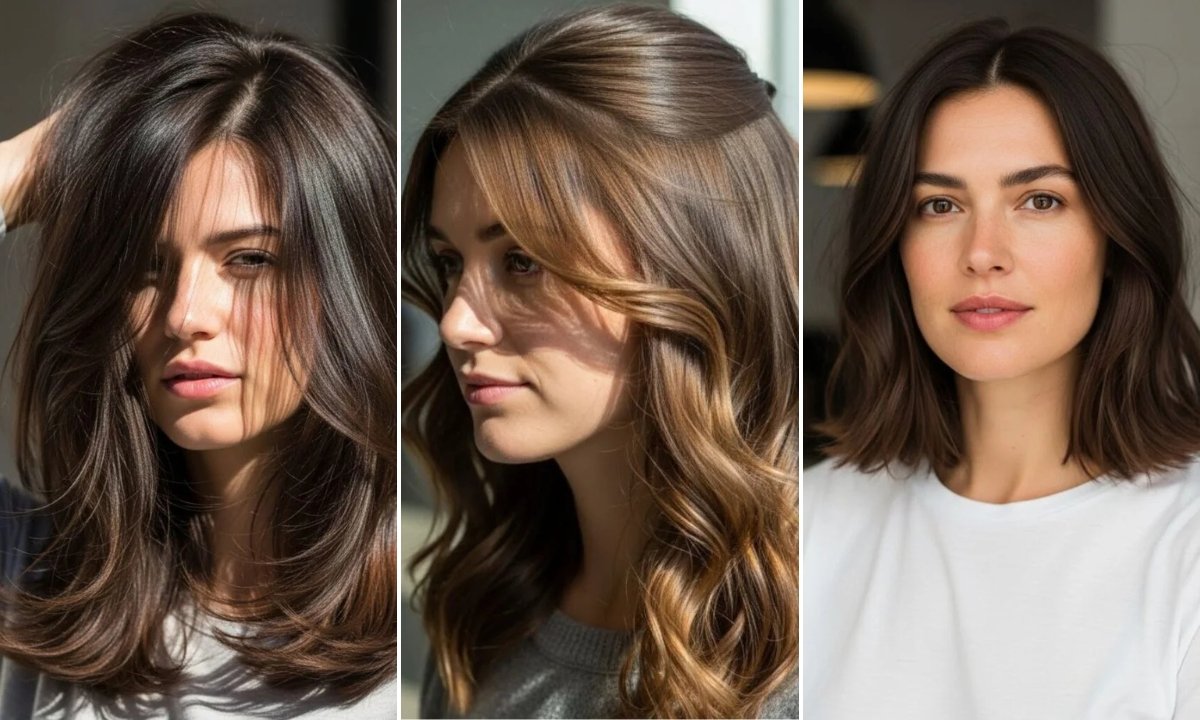
If you’ve ever left the salon, thrilled with your new ‘do, only to feel a pang of regret a week later you are in good company.
Most haircuts look fantastic when they’re freshly styled. The trouble begins when you’re back in your own bathroom short on and time tools and let’s be honest, the will to fuss with it.
Suddenly, “low maintenance” feels like a cruel joke. If you want a haircut that still looks good on a Tuesday, not just the day you got it done.
In this article, you’ll discover 26 stunning Low Maintenance Haircut ideas for women to try confidently in 2026.
Do Low Maintenance Haircuts Still Look Stylish?
Yes, but only if you pick the right one. A low-maintenance haircut doesn’t have to be dull or out of style. It’s about the cut doing the heavy lifting, not you.
If your haircut relies on heat, a ton of products, or flawless styling to look decent, it’s not low-maintenance. The best, easiest hairstyles are designed to work with your hair’s natural fall.
When the cut is right, your hair still looks good, even if you let it air-dry or don’t bother styling it. Style comes from a smart cut, not extra work.
Save this article for later! 👇👇
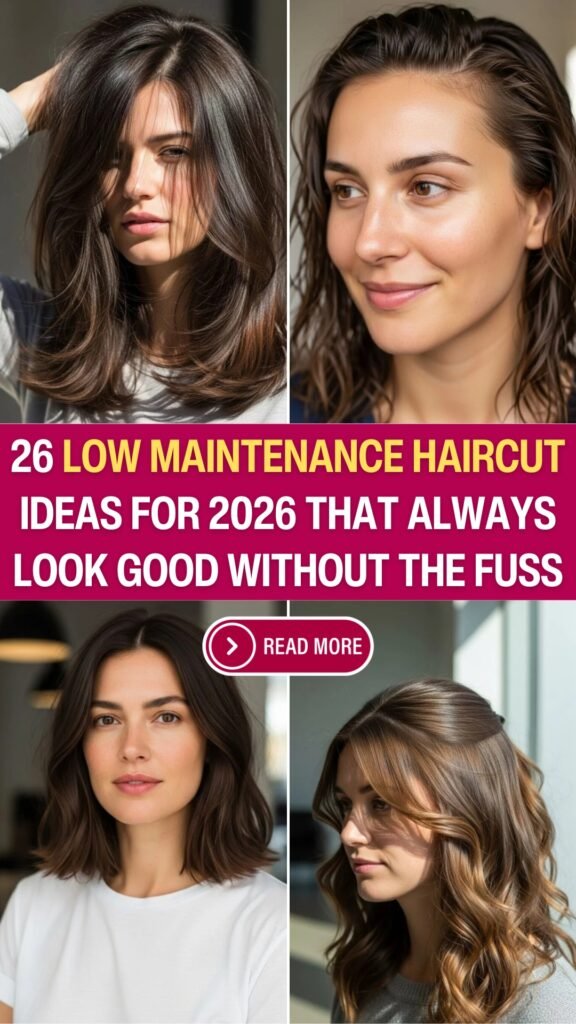
What Haircuts Work Best for Busy Lifestyles?
When your schedule is jammed and hair maintenance is the last thing on your mind you need a cut that can handle a little neglect.
Blunt cuts and gentle layers, and styles that grow out gracefully are ideal; they retain their shape longer.
Steer clear of haircuts that depend on precise lines or extensive layering they tend to unravel quickly.
The perfect haircut for a hectic lifestyle is one that still looks decent after a quick wash and air drying and getting on with things.
Soft Layers
Mornings feel simpler when your haircut already knows what to do. Long and blended layers like this let natural waves show up on their own instead of falling flat.
The gentle core is what keeps everything in check as it expands, preventing the roots from becoming unsightly.
Request long layers without excessive thinning, and then either let it dry naturally or give it a little blow-dry and you’re good to go.
Blunt Bob
Haircuts stop feeling high maintenance when the shape stays strong on its own. A blunt bob like this keeps the ends full.
Hair that doesn’t appear thin or unkempt as it grows out is the goal. A subtly imperfect texture helps disguise those days when style is a no-show.
Request a straight, blunt cut with a bit of internal texture. Then, simply let it air-dry, or give it a fast brush-through, and you’re good to go.
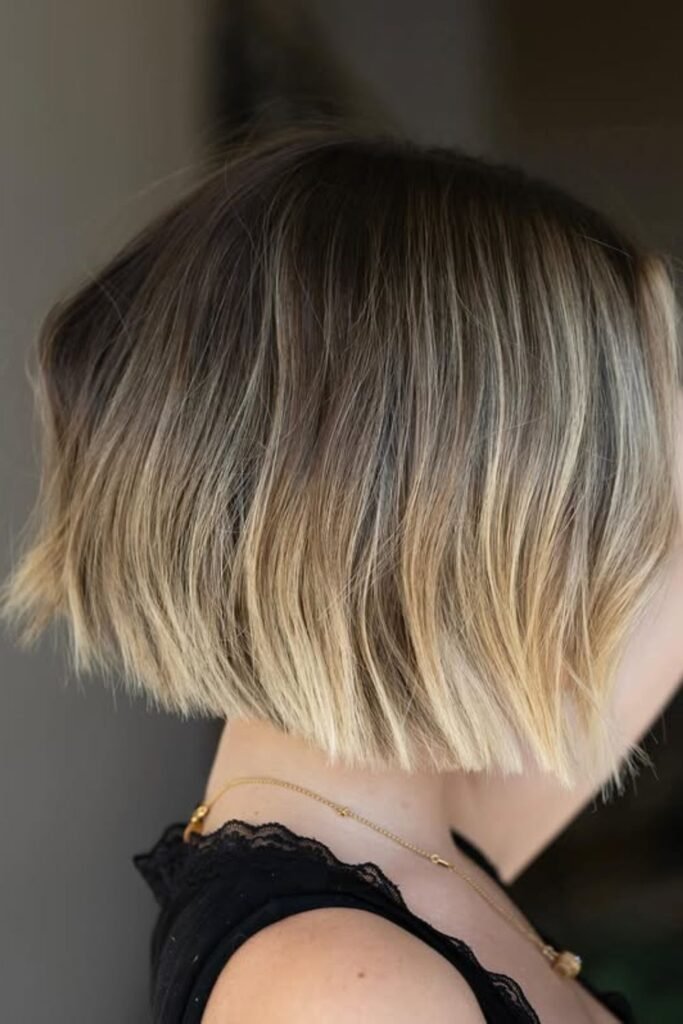
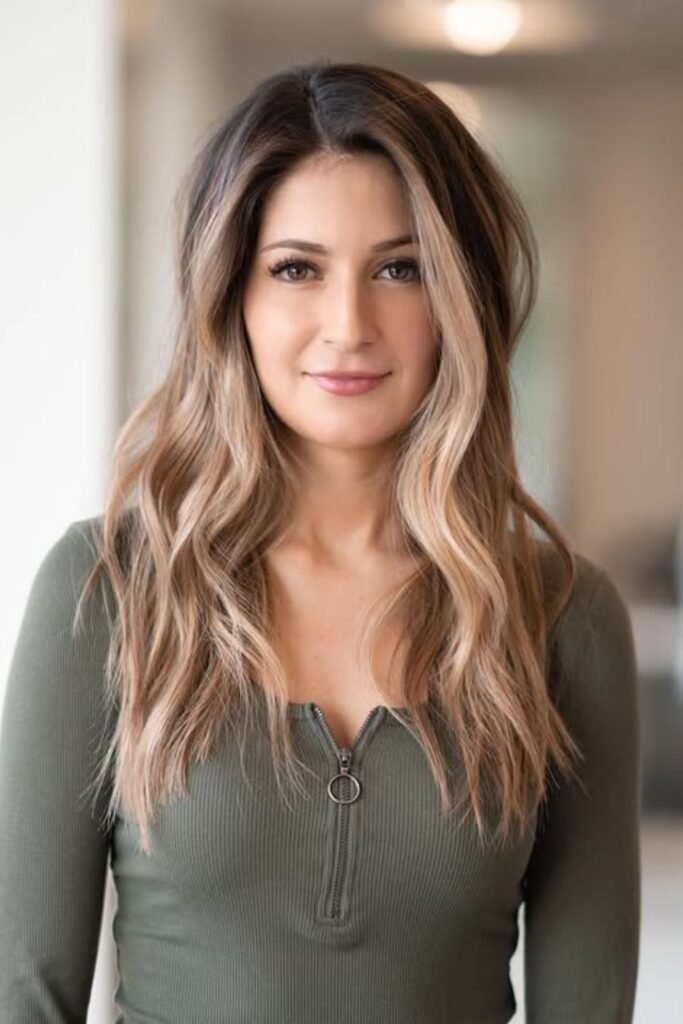
Curtain Bangs
Getting bangs doesn’t have to mean daily styling stress. Curtain bangs like these fall to the sides naturally, so they blend into the rest of your hair.
Rather than a dramatic statement, the gentle layering allows for a more natural growth process, avoiding those tricky in-between phases.
Request long, delicate bangs that graze the cheekbones, and style them with a relaxed touch or simply let them dry naturally and fall where they may.

Shag Layers
Messy days actually work in your favor with a cut like this. Shag layers create built-in texture, so hair never needs to look perfect to look good.
Natural waves and curls settle nicely, avoiding that dreaded puff. Request a contemporary shag, complete with gentle layers and wispy bangs.
Scrunch your hair while it’s still wet, and then let it air dry. This particular cut does a better job of concealing regrowth than many others.

Close Crop
Zero styling decisions make life easier fast. A close crop like this removes daily hair stress completely while still looking intentional and bold.
It’s particularly effective if you’re weary of dealing with texture issues or hair that’s prone to breaking.
The key is to keep the cut consistent and well defined and followed by straightforward trims every few weeks.

Textured Lob
Hair that sits right at the collarbone gives you flexibility without the upkeep. The uneven texture here keeps waves from looking flat.
Even without any styling, it’s the perfect length. Long enough to pull back but short enough to dry quickly.
Request a lob with soft, broken layers and no harsh lines. Let it air-dry, or give it a quick bend with your fingers and you’re done.
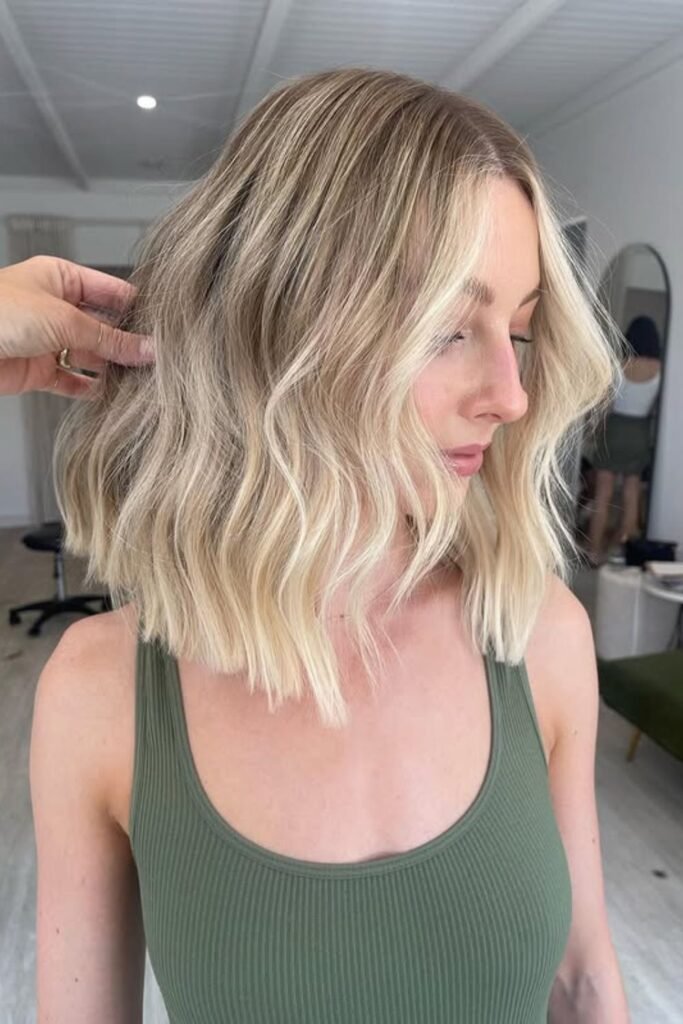
Wispy Fringe
Some bangs behave better when they aren’t trying to be perfect. A wispy fringe like this blends into the rest of the hair.
So, the absence of styling won’t wreck the whole effect. The extended length helps to soften the face, and it grows out gracefully, avoiding any abrupt lines.
Request light, feathery bangs that have some movement. Then, either let them air dry or give them a little run-through with your fingers and you’re done.
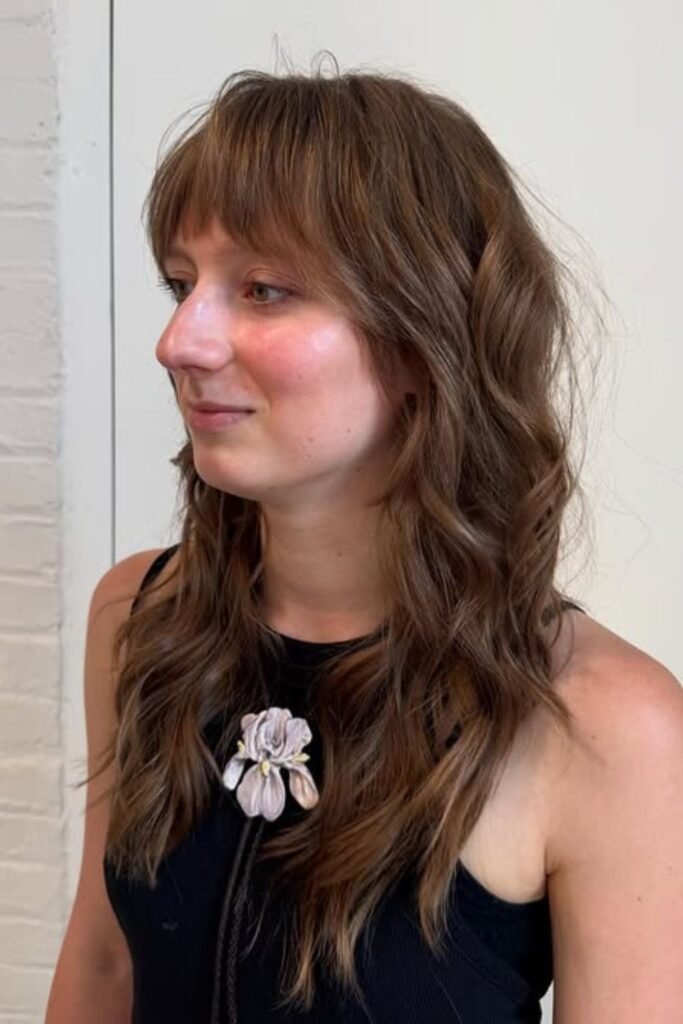
Face Layers
Growing your hair longer doesn’t have to mean losing shape. Face-framing layers like these keep movement around the front.
Hair may still look good, even when you have had zero time. The length is preserved, but the cut keeps things from feeling weighed down.
Request long layers that frame your face and jawline, and keep the rest of it uncomplicated. That way, styling won’t be a hassle.
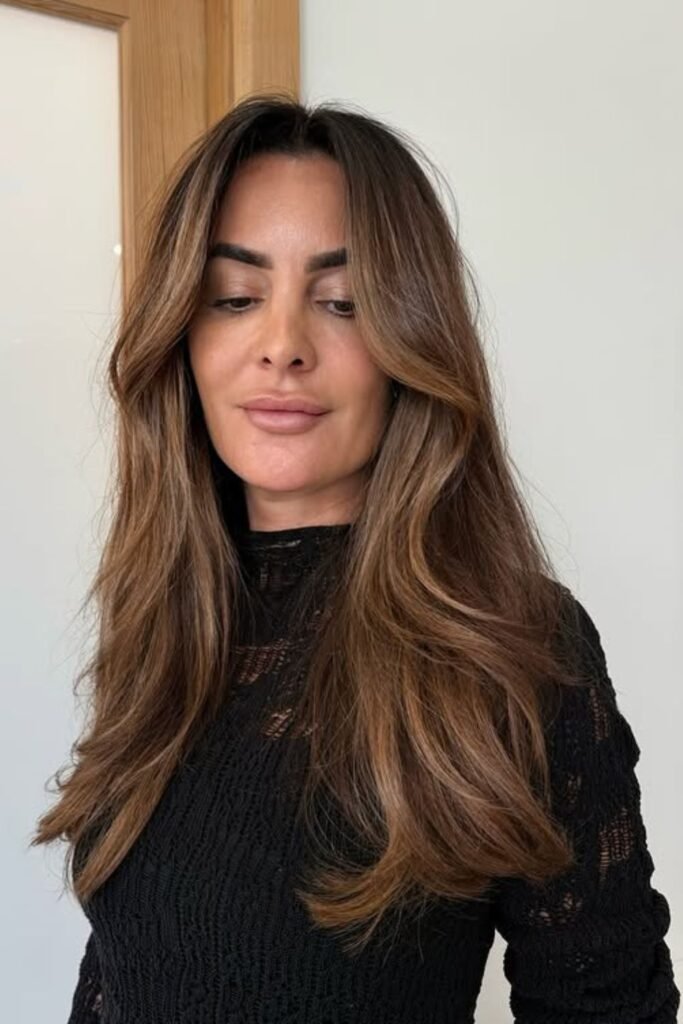
Wavy Bob
Days feel lighter when your haircut already has shape without trying. A wavy bob like this works with natural bend.
The uneven texture. It’s a plus not a minus for the overall appearance. The length makes it simple to handle and those waves cleverly disguise any regrowth.
Request a bob a bit longer in the front with gentle layers. Then, just scrunch it and let it air dry and no fuss.

Choppy Ends
Haircuts feel easier when the ends aren’t trying to be perfect. Choppy, broken ends like these hide uneven drying and skipped styling days really well.
The texture alone generates a sense of movement, preventing hair from seeming lifeless or flat.
Request a blunt cut at the base, with the ends subtly chipped, and then allow your hair’s natural waves to take center stage, no styling tools required.
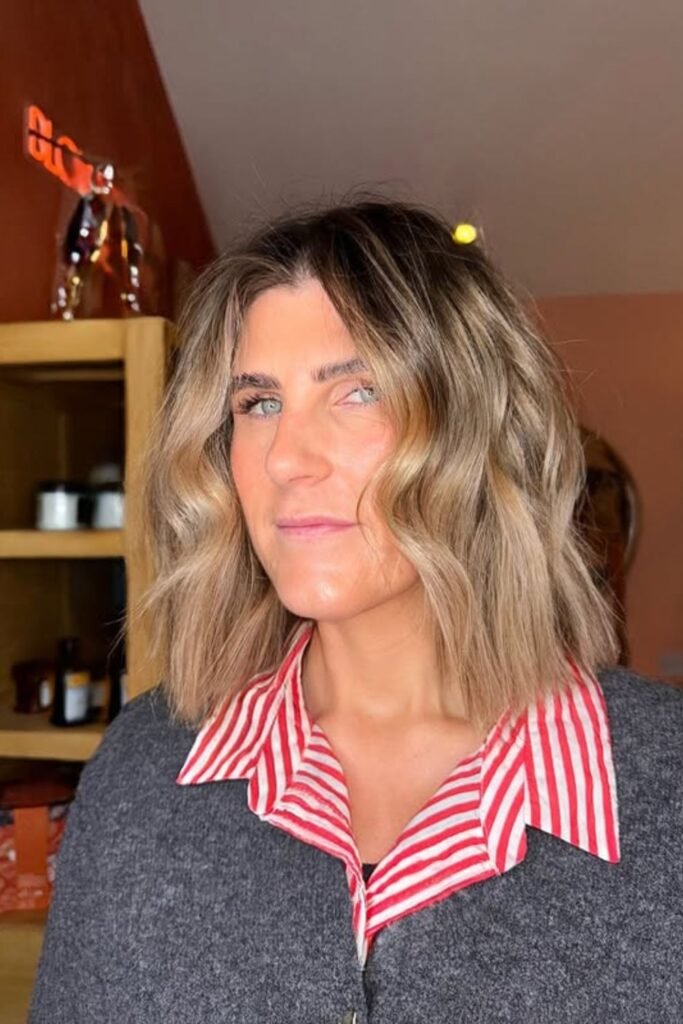
Soft Fringe
Hair around the face makes or breaks how put together you look. A soft fringe like this keeps attention forward without needing daily styling.
The length integrates seamlessly with the rest of your hair, which means you won’t immediately notice when it’s time for a trim.
Request soft bangs that graze just below your eyebrows, blending into the layers. Allow them to fall as they will and rather than trying to force a specific form; they’ll look better that way.

Short Pixie
Less hair means fewer decisions, and that’s the real win here. A short pixie with a soft shape keeps things intentional even when you do nothing at all.
The tapered back holds its shape well, while the lengthier top offers a touch of versatility.
Request a low-tapered pixie with some height on top; then, either style it with your fingers or leave hair be, and you’ll still look polished.
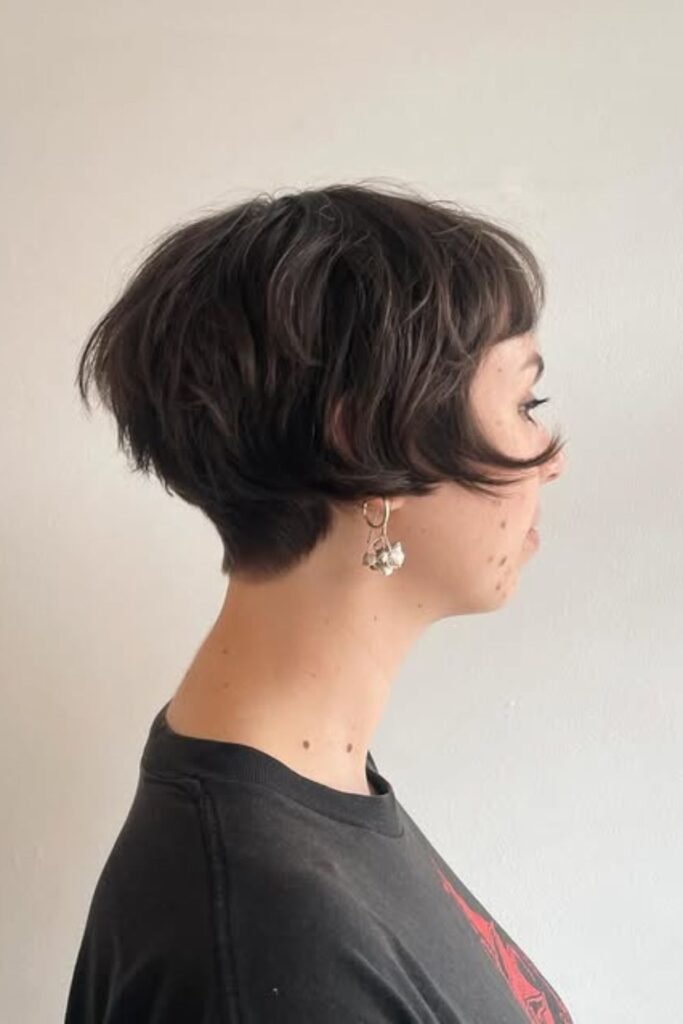
Clean Length
Heavy hair stops being a problem when the cut stays simple. A clean, one-length shape like this keeps everything looking polished even without styling.
The added weight tames frizz, while the gentle movement keeps things from seeming lifeless. Request a blunt cut, perhaps with the most delicate of layers.
And a natural part. Allow it to air dry, or give it a quick smoothing and then just leave it be for days.
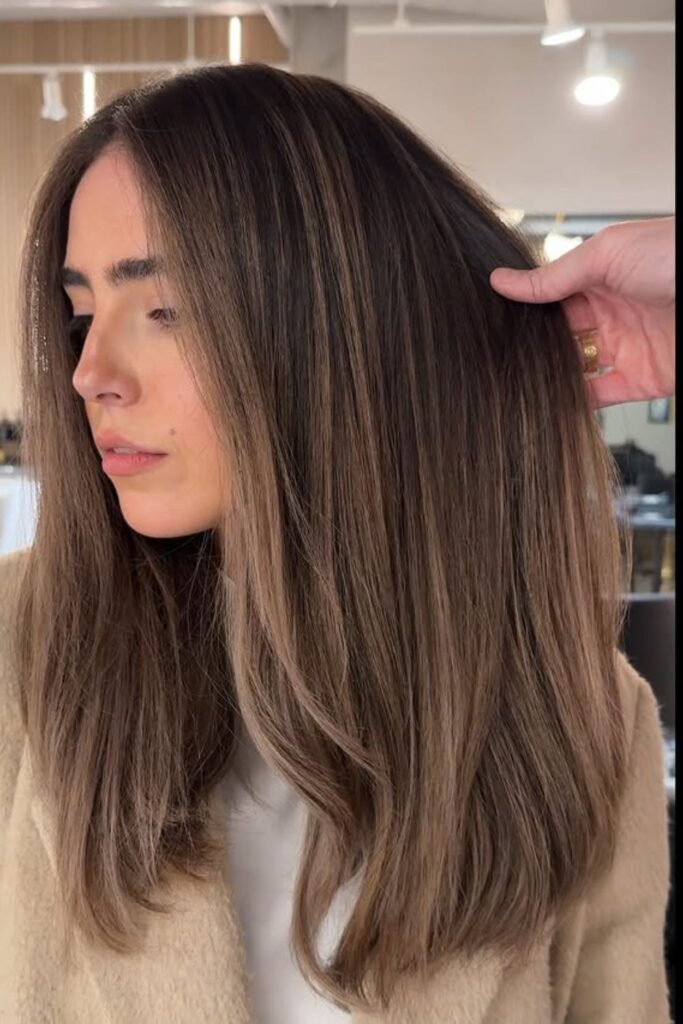
Invisible Layers
Hair feels heavy, but you don’t want it to look layered. Invisible layers solve that problem quietly.
The goal is to lighten the hair’s interior while preserving its exterior silhouette. To casual observer the hair appears to maintain its original length.
Practically speaking and this technique allows for quicker drying, improved movement and a reduction in puffiness.
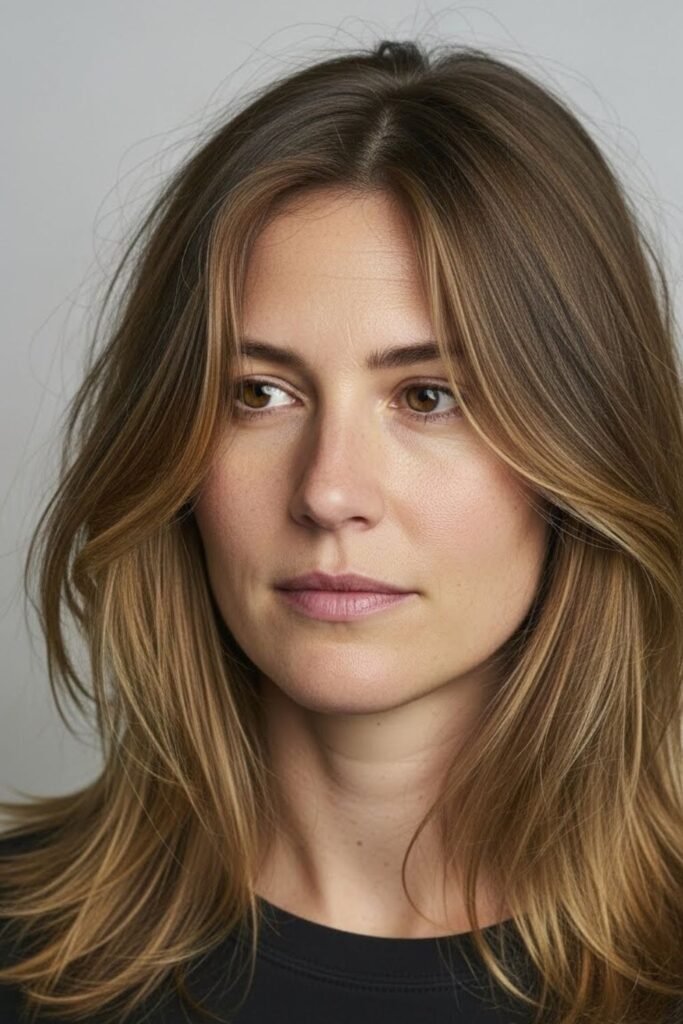
Weight-Line Cut
Some haircuts fail because the weight sits in the wrong place. A weight-line cut fixes that by placing fullness exactly where your hair naturally wants to land.
The cut, rather than being layered throughout maintains density around the jawline or collarbone while the top remains lighter.
This approach prevents the hair from becoming flat at the roots or excessively voluminous at the tips.

Long Taper
Length doesn’t have to mean high effort. A long taper removes bulk gradually instead of chopping layers into the ends.
The hair retains its length, yet the shape subtly tapers as it descends. This design avoids the dreaded triangle shape and ensuring the hair does not become visually cumbersome.
It’s a particularly good choice if your hair grows quickly and you tend to delay haircuts. Request a gentle taper and preserving volume near the crown.

Air-Dry Cut
Some cuts are designed with styling in mind. An air-dry cut is designed for reality. The stylist cuts your hair while accounting for how it dries naturally.
Including those pesky cowlicks, bends, and the inevitable uneven shrinkage. The result? Less of a battle with your hair’s natural texture down the line.
Request a dry or partially dry cut, allowing your hair’s inherent pattern to dictate the final form. This approach is especially effective if you tend to avoid heat styling.

Collarbone Balance
Hair that hits right at the collarbone often flips, sticks, or bends awkwardly. A collarbone balance cut prevents that by adjusting the angle of the ends slightly forward or back.
It’s a quiet strength and really. The hair simply falls, rather than battling against the pull of the earth.
When you see your stylist have them sculpt the edges to match how your hair naturally drapes over your shoulders.
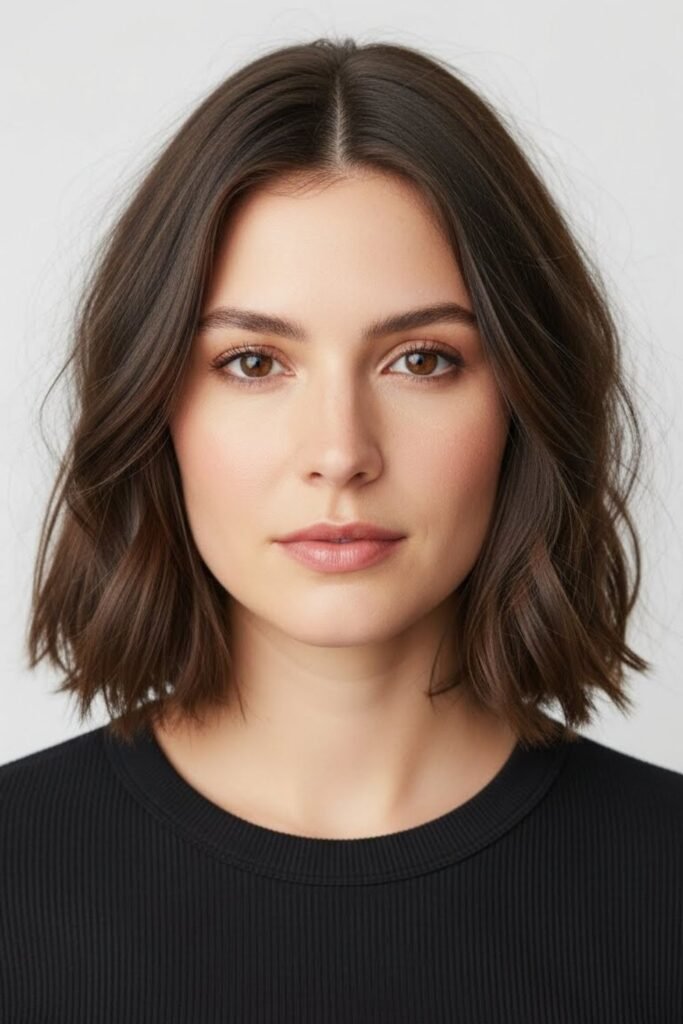
Soft Density Cut
Thin hair often gets over-layered, while thick hair gets thinned too aggressively. A soft density cut focuses on even distribution instead of removal.
The aim is to achieve a lighter hair feel without sacrificing its inherent structure. Request that your stylist manage density incrementally, avoiding razors and heavy thinning shears.
You will likely experience fewer days of the flatness and reduction in those inexplicable moments when your hair seems to misbehave.

No-Part Cut
Constantly fixing your part is a daily time-waster. A no-part cut removes the need to commit to one.
The haircut’s design allows hair to cascade in any direction left and right or straight down without appearing choppy.
This is particularly effective if your part shifts throughout the day. Request a flexible front and avoiding a rigid parting.

Growth-Friendly Shape
Some haircuts punish you for skipping trims. A growth-friendly shape does the opposite. The outline is designed to soften as it grows instead of losing balance.
This typically involves steering clear of harsh lines, overly layered styles, or extreme color differences.
Request a cut that maintains its form even after a couple of months. This is especially beneficial if you can’t make it to the salon regularly.

Low-Crown Layering
Volume at the crown often collapses first, making hair look tired fast. Low-crown layering places movement slightly lower so hair doesn’t rely on lift to look good.
The top should remain sleek, with the mid-lengths providing the structure. Request that your stylist maintain some weight at the crown and introduce some movement further down.
This is a great approach if your hair tends to fall flat. You’ll find yourself spending less time fussing with it or more time getting on with your day.
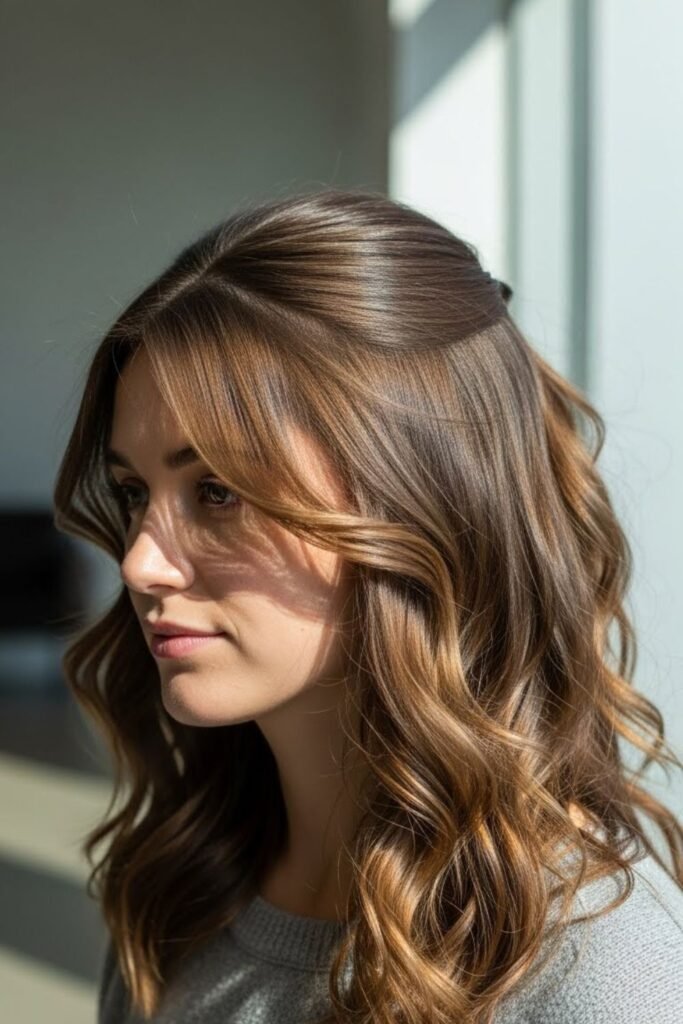
Natural Fall Cut
Every head has a natural fall direction. Fighting it is what creates styling stress. A natural fall cut follows how your hair wants to move.
Rather than striving for exact symmetry, consider this: the lengths might not appear quite uniform when damp, but they’ll align beautifully once dried.
Before you get a haircut, have your stylist take a look at how your hair naturally falls. This method pays off every day. The less you try to control it, the better your hair will look.

Minimal Perimeter
When ends look messy, people assume they need layers. Often, the issue is an overworked perimeter.
A minimal perimeter cut gives you clean ends though not necessarily sharp ones. The line is soft and avoiding a blunt or choppy appearance.
Request a controlled edge with subtle variation this helps prevent a frayed look while maintaining a natural feel.
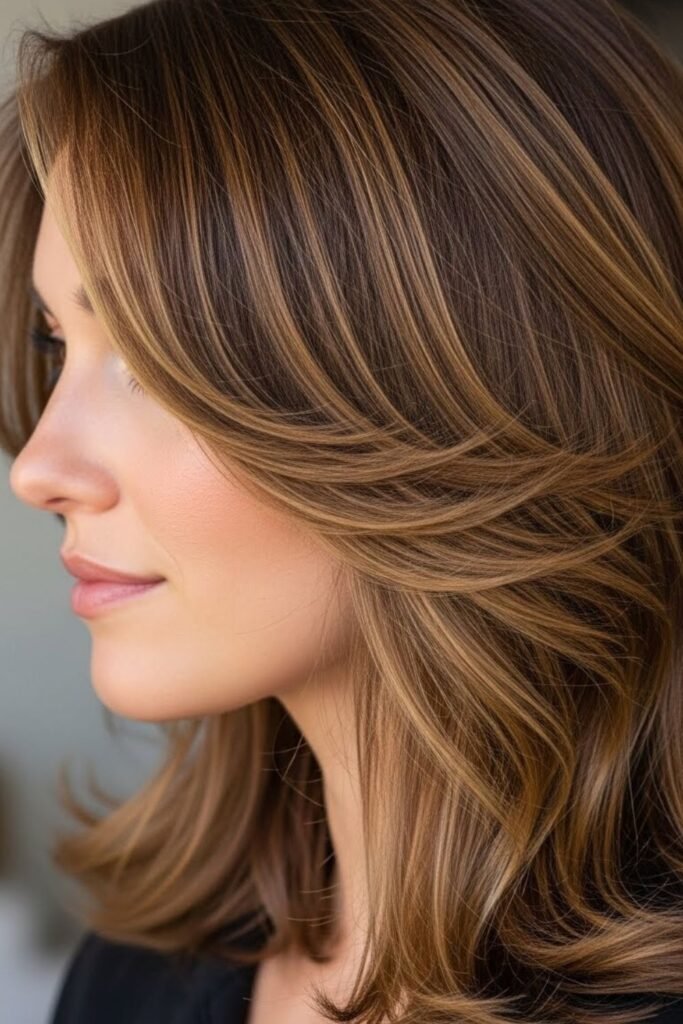
Wash-Day Shape
Some haircuts only work on styled days. A wash-day shape is built around how your hair looks right after washing.
The concept is straightforward: a good appearance should last. When you see your stylist, have them cut your hair with your natural texture in mind, not how it appears after heat styling.
This approach works best if you wash your hair once or twice a week. The right haircut will carry you through the days and without needing continuous touch-ups.
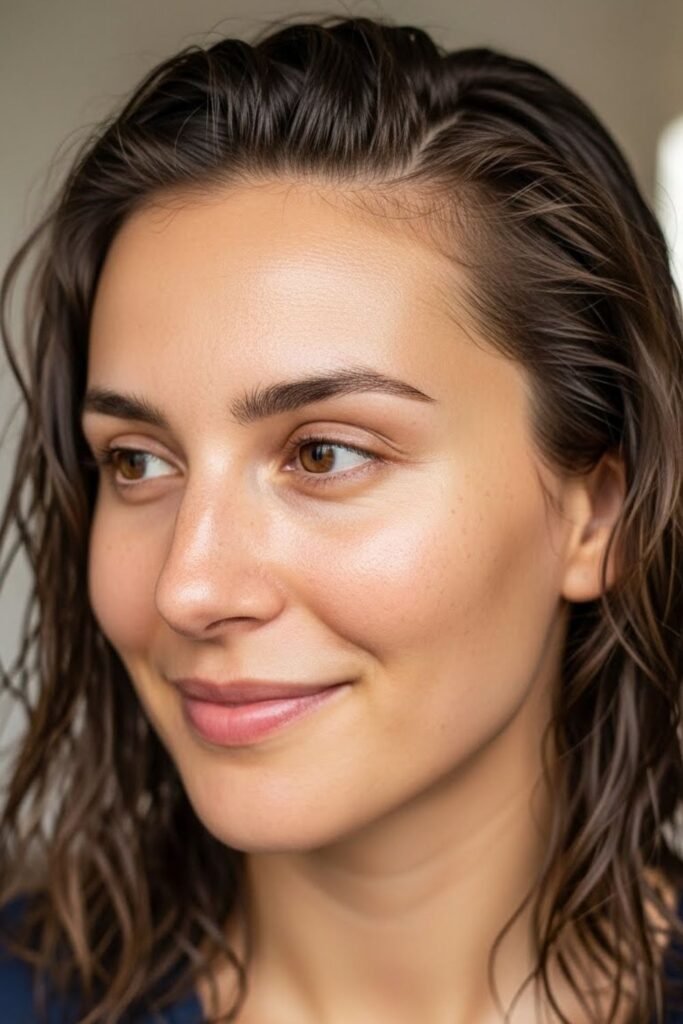
Quiet Structure
Quiet structure means the haircut holds itself together without screaming for attention. No dramatic layers.
No harsh lines. Just a hint of form to nudge the hair in the right direction. Request a stylist to create a subtle framework that enhances your hair’s inherent qualities.
This approach is ideal if you’re aiming for a polished appearance without the overtly groomed look. The work remains unseen, which is precisely why it endures.

FAQs
Can a low maintenance haircut still work if I don’t style my hair at all?
Yes, but only if the cut takes your hair’s natural tendencies into account. If you hardly ever use heat or styling products, your stylist should be cutting your hair based on how it looks.
When it air-dries. If a haircut relies on styling to look good, then skipping that step will always result in a less-than-ideal appearance.
A genuinely low-maintenance cut should still look presentable, even on days when you do absolutely nothing.
Why does my haircut stop looking good so fast even when it’s labeled “low maintenance”?
Many so-called low maintenance styles and unfortunately only look good at a specific length. The moment your hair starts to grow, the carefully crafted balance disappears.
Sharp layers, excessive thinning, or pronounced angles often contribute to this issue.
A haircut that ages gracefully retains its shape longer, sparing you the need for frequent trims to keep things in check.

Hi, I’m Afaf! I’m a law student who loves all things home, style, and gardening. I’ve been writing for over a year about topics like home decor, DIY projects, plants, fashion, and beauty.
I like sharing ideas that are easy to try and don’t cost a fortune. Whether it’s organizing a messy closet, decorating on a budget, or keeping houseplants alive, I write about what I’ve actually tried myself.
When I’m not studying, I’m usually on Pinterest looking for my next project or adding another plant to my collection!