
26 Greenhouse Ideas For 2026
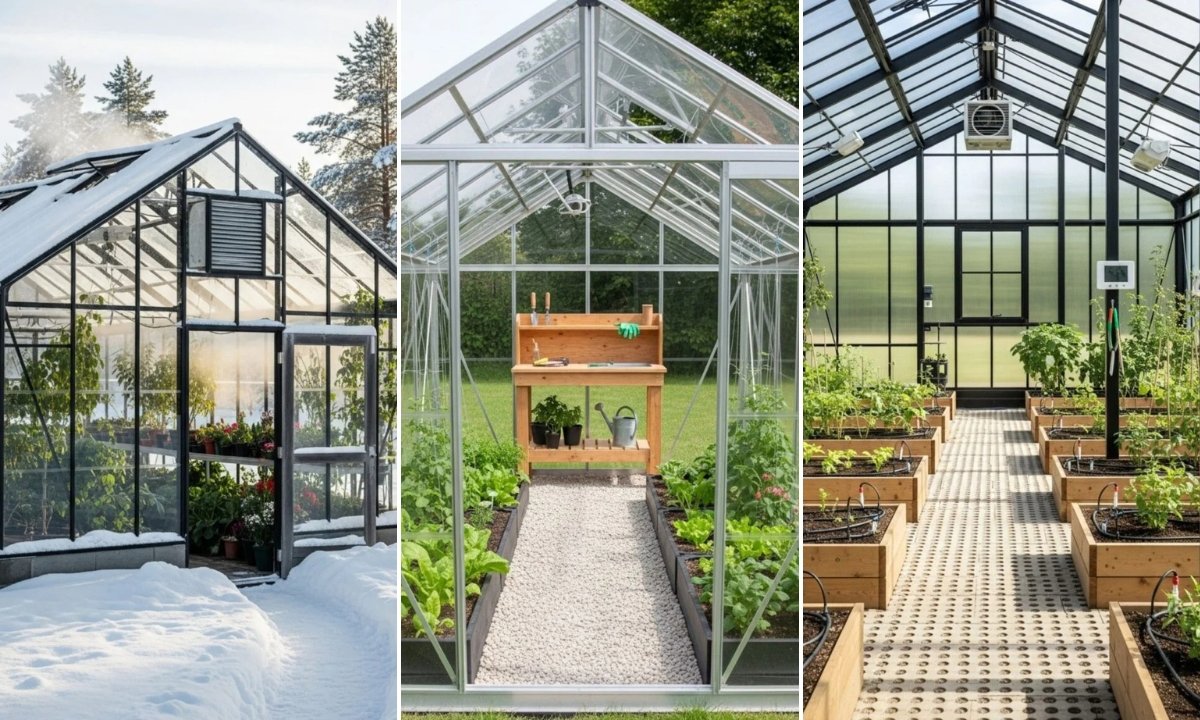
If you’ve ever thought about building a greenhouse but stopped because you weren’t sure where to start, you’re not alone.
Most people either end up with a greenhouse that gets freezing at night, overheats during the day, or costs way more to run than they expected.
And let’s be honestmost “greenhouse ideas” online look good in photos but fall apart in real life. This guide is different.
In this article, you’ll see 26 practical Greenhouse ideas that make compact spaces feel intentional in 2026.
How Do You Keep A Greenhouse Warm Without High Energy Costs?
If your greenhouse loses heat at night, the problem usually isn’t heating it’s heat loss. Before you add any heater, seal gaps, insulate the north wall.
And use thermal mass like water barrels to hold daytime warmth. If you trap heat first, you won’t need to keep adding energy.
Simple things like double-layer coverings and night insulation curtains make a big difference. The goal isn’t to create more heat; it’s to stop the heat you already have from escaping.
Save this article for later! 👇👇
What Materials Last The Longest For Greenhouse Construction?
If you don’t want to rebuild your greenhouse every few years, material choice matters more than design.
Aluminum frames resist rust and moisture, while treated wood like cedar handles humidity without rotting fast.
For panels, polycarbonate lasts longer than plastic film and handles weather better than glass. If you choose cheap materials upfront, you’ll pay later in repairs and replacements.
But if you invest in durable framing and weather-resistant panels from the start, your greenhouse stays solid, safe, and usable for years with less maintenance.
Lean-To Warmth
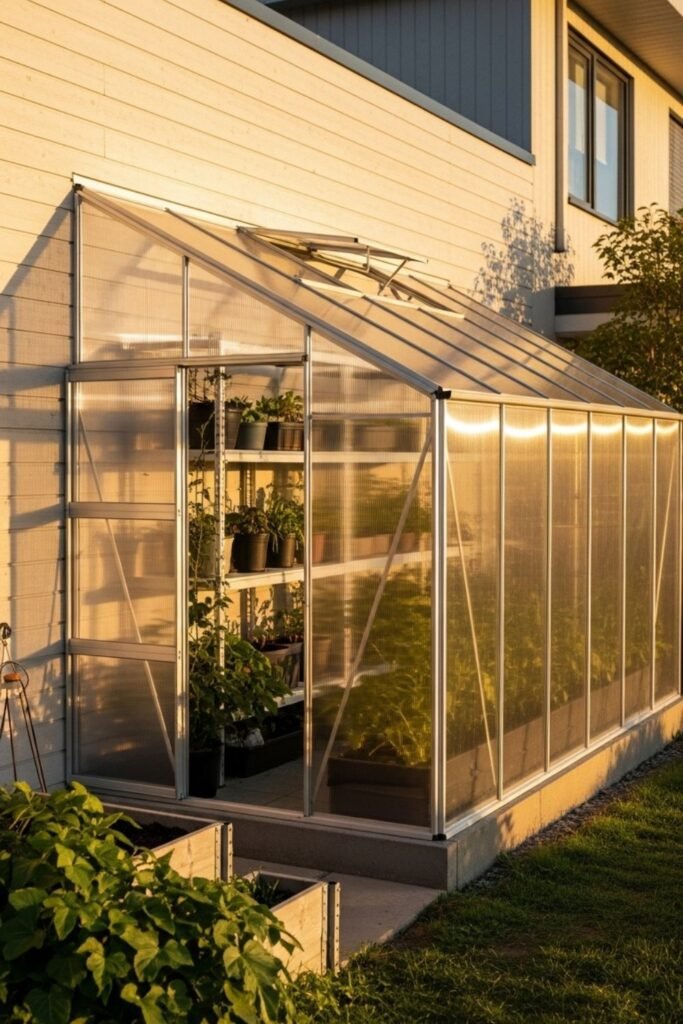
I always start by borrowing heat from an existing wall. Building a lean-to greenhouse against a sunny house side cuts heat loss fast.
I seal the shared wall, add insulation on the north side, and angle the roof for winter sun. If you do this first, nights stay warmer without heaters.
Maintenance stays low, space needs shrink, and energy bills drop while plants keep growing through cold snaps and frosts.
Night Retention
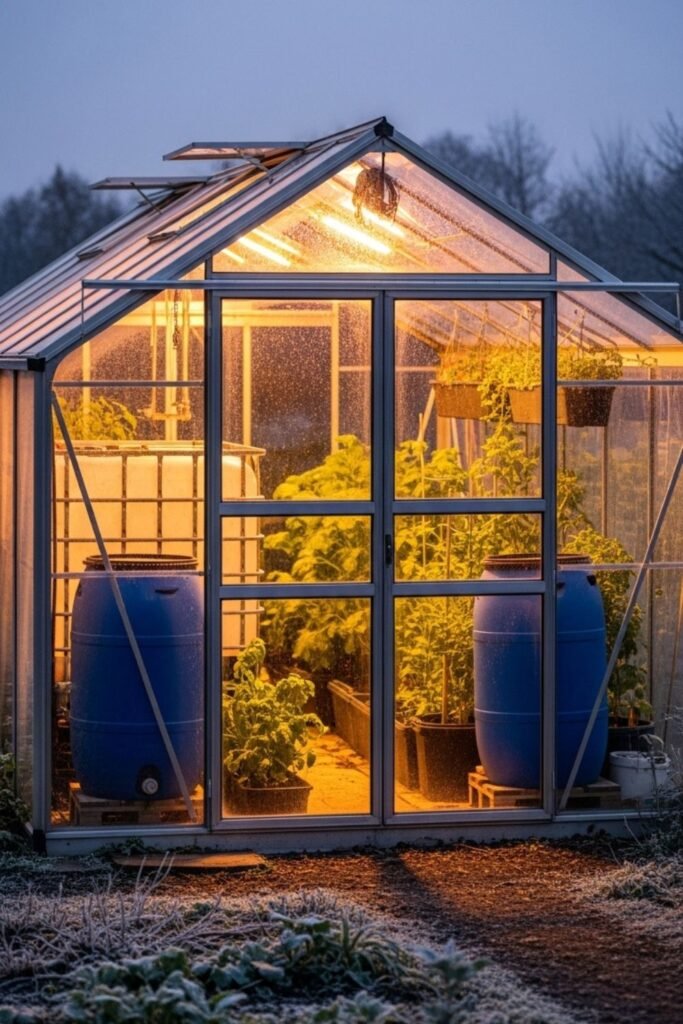
Nightfall exposes weak spots more than daytime ever will. I design backyard greenhouses to hold warmth after sunset.
Double layers, tight doors, and insulated bases slow heat escape. I place water barrels where sun hits them hardest, then cover plants at dusk.
If you focus on retention first, heaters become optional. You sleep easier, plants avoid stress, and mornings start productive without wasting money, power, time, or comfort long term.
Low Maintenance
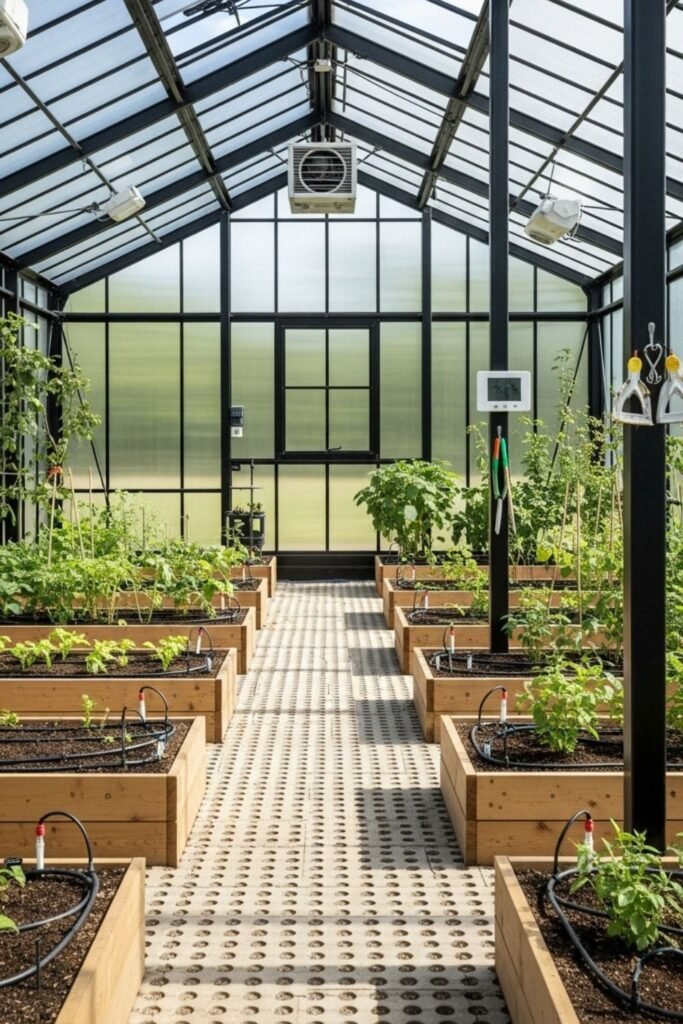
Busy weeks taught me to simplify every greenhouse choice. I build for fewer chores by choosing durable frames, smooth floors, and wide paths.
Automatic vents replace daily adjustments, while drip irrigation handles watering. If you set systems early, upkeep drops fast. Gardening stays enjoyable instead of demanding.
You spend time harvesting and learning, not fixing leaks or adjusting temperatures during busy seasons, long weekends, hot spells, cold nights, storms, annually.
Insulation First
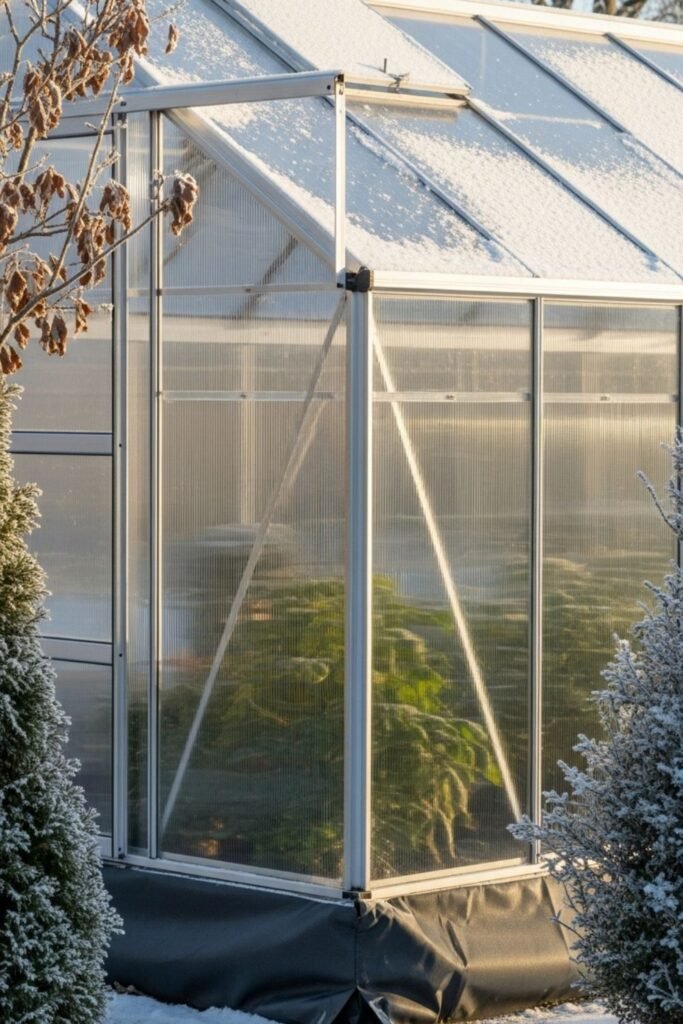
Insulation decisions saved me more money than any heater. I start budgets by upgrading panels, sealing joints, and protecting floors from cold ground.
Bubble wrap, polycarbonate, and insulated skirts work together. If warmth stays inside, energy use falls naturally. You avoid constant adjustments, plants grow steadier.
And the greenhouse feels predictable instead of fragile across seasons, climates, storms, winters, summers, nights, days, budgets, families, gardens, spaces, years ahead, confidently, always.
Thermal Storage
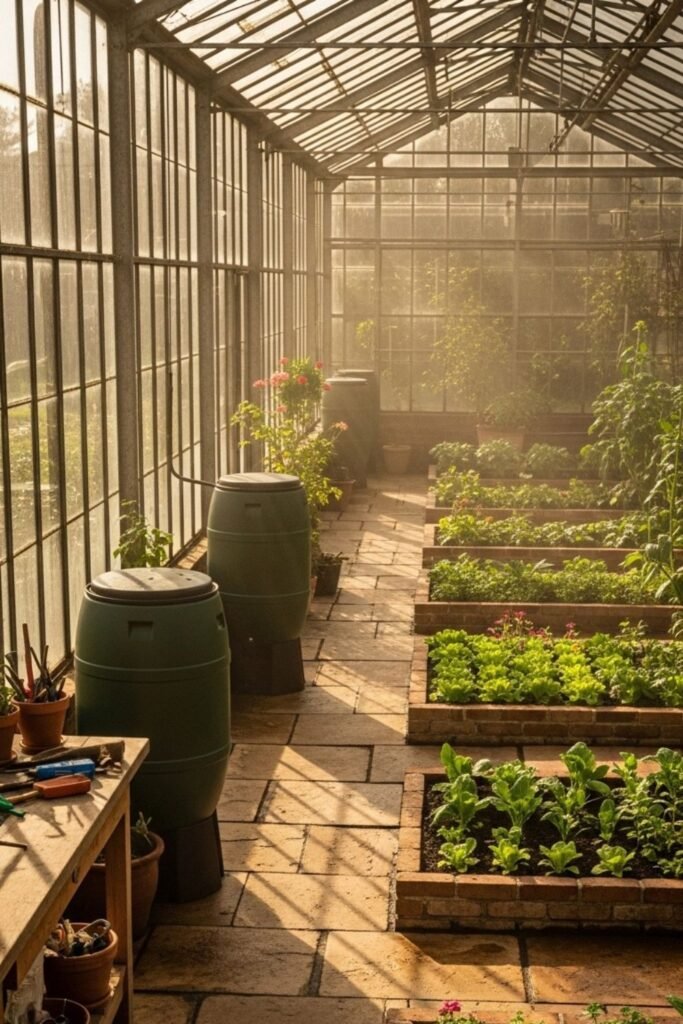
Learning how sunlight behaves changed everything for me. I rely on thermal mass instead of constant heat.
Dark water barrels, stone floors, and brick edges soak up warmth during the day and release it slowly at night. If you place them where sun hits longest, temperature swings shrink fast.
Plants grow steadier, heaters stay off, and energy bills stay predictable even during colder months and unexpected temperature drops.
Urban Compact
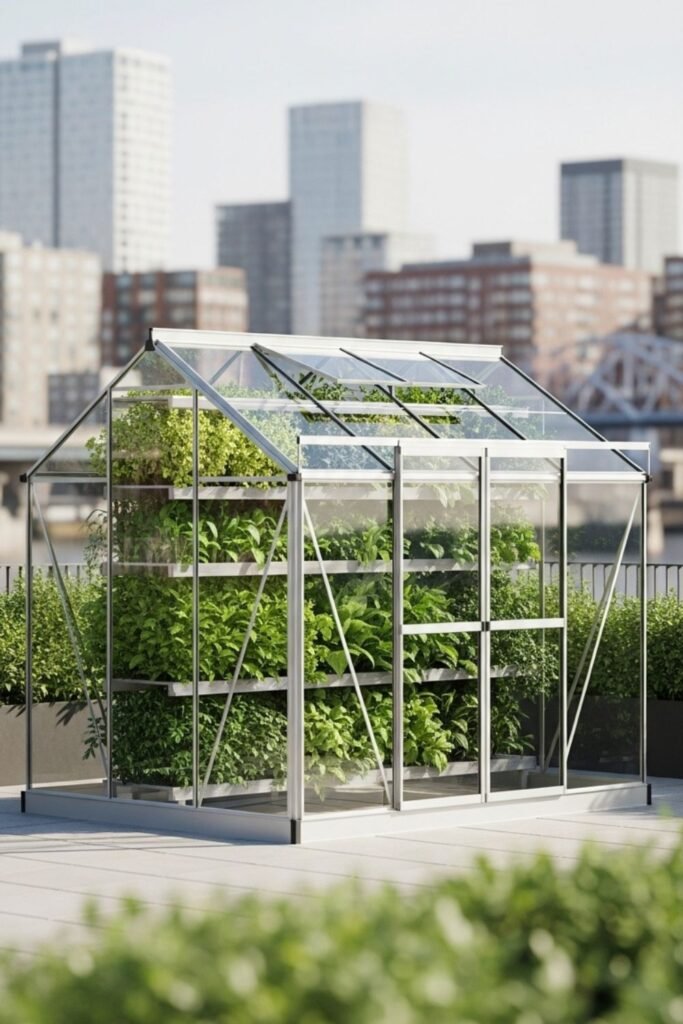
Living with limited space forced smarter greenhouse planning. I focus on narrow footprints, vertical shelves, and clear roof angles to capture light.
Every inch must earn its place. If you grow upward and keep walkways tight, productivity increases without crowding. Small patios suddenly feel usable.
This setup proves size doesn’t limit harvests when layout, airflow, and light direction work together from the start.
Cold Climate
Harsh winters taught me to respect insulation and orientation. I face the structure south, block northern winds, and thicken walls where heat escapes fastest.
Snow load matters, so I strengthen frames early. If you plan for cold instead of fighting it later, winter growing becomes realistic.
Plants survive freezes, structures stay intact, and seasonal frustration disappears even when outside conditions feel unforgiving.
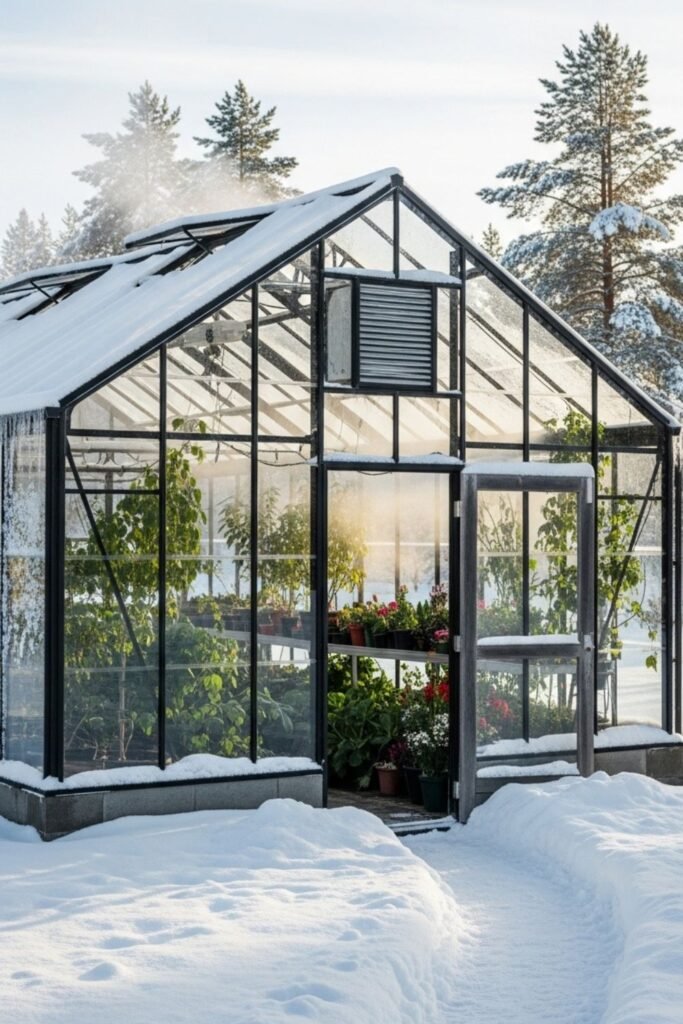
Humid Control
Sticky air once ruined entire growing cycles for me. Now I design greenhouses to breathe properly. Roof vents, side openings, and spacing between plants prevent trapped moisture.
If air keeps moving, disease struggles to spread. You water less, leaves stay dry, and harvests improve.
Managing humidity early saves plants, time, and stress while keeping the environment comfortable for both you and your garden.
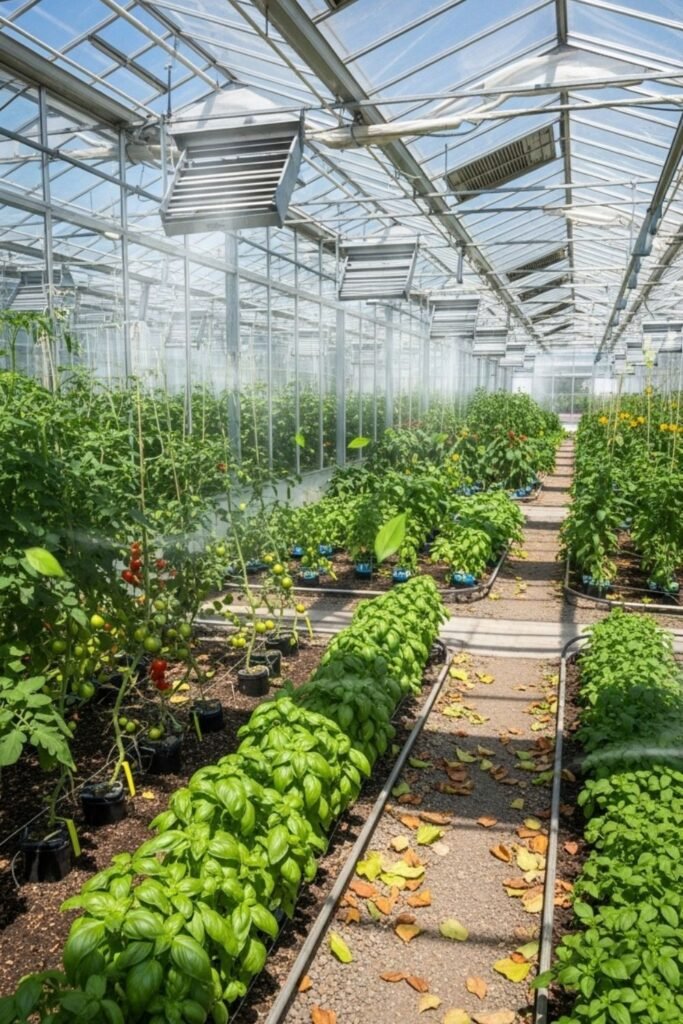
Learning Space
I built my greenhouse to invite kids, not restrict them. Lower beds, wide paths, and safe materials make learning easy. When children can reach plants, curiosity grows naturally.
I label sections, keep tools simple, and avoid sharp edges. If families garden together, habits stick longer.
This setup turns planting into shared time, builds confidence, and keeps the greenhouse welcoming instead of fragile or off-limits for everyday use and long enjoyment.
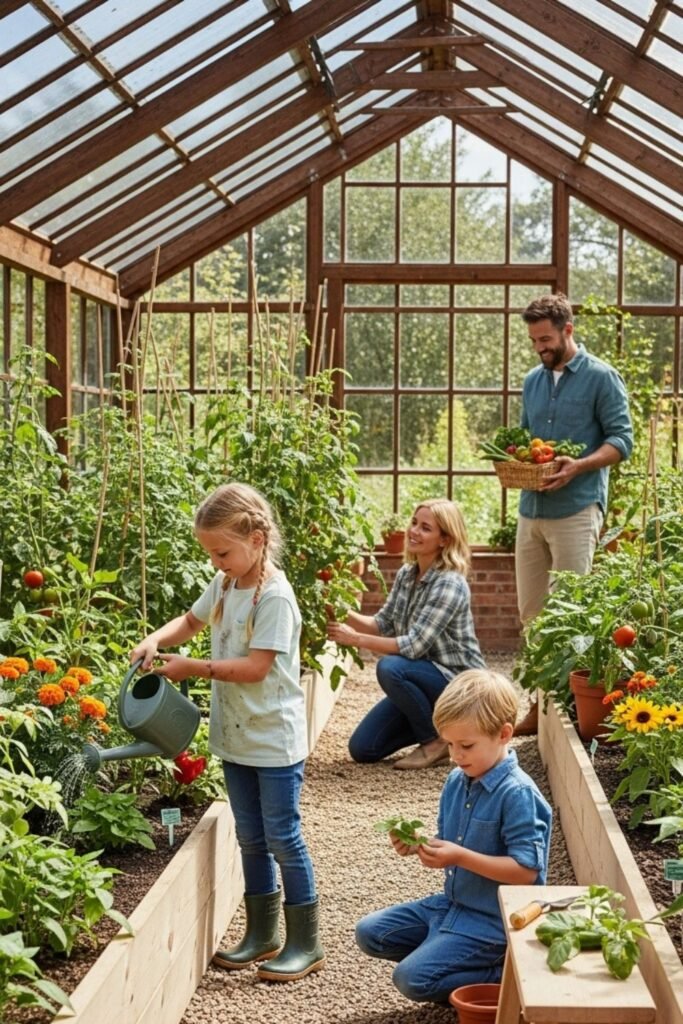
Storm Ready
I learned quickly that wind tests every weak choice. Strong anchors, reinforced frames, and flexible panels keep structures standing.
I brace corners, secure doors, and avoid brittle materials. If storms hit your area, preparation matters more than looks. This greenhouse stays calm during bad weather, protects plants.
And saves rebuild costs while giving peace of mind season after season without constant repairs or unexpected structural failures during extreme weather events.
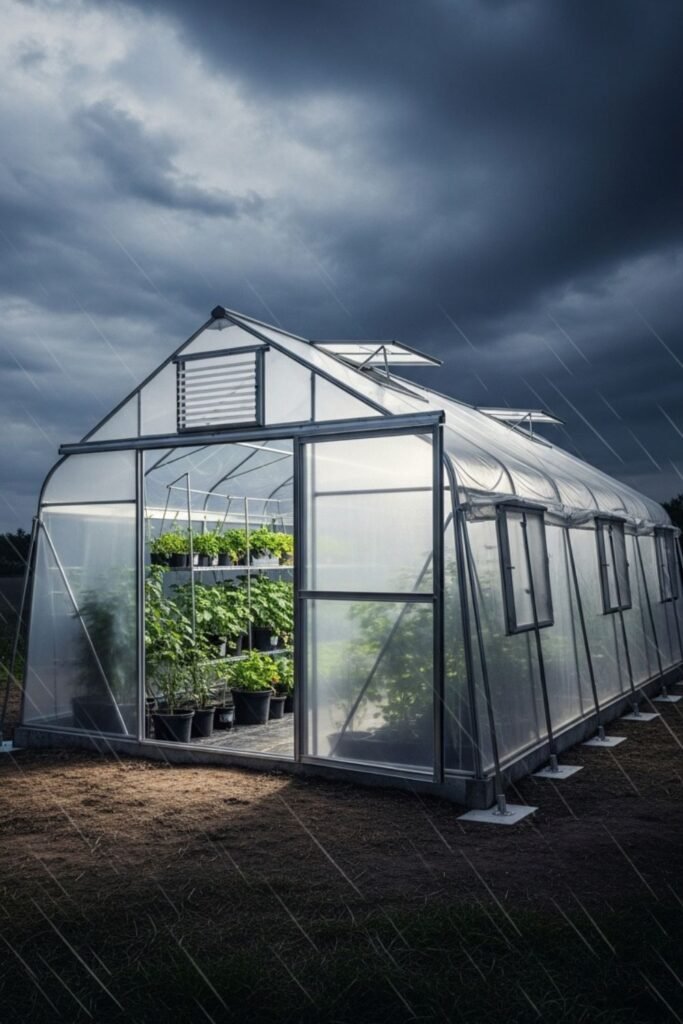
Beginner Simple
Starting out, I wanted fewer chances to mess things up. Simple layouts, basic materials, and clear routines reduce mistakes fast. I avoid complex systems and focus on airflow, light, and access.
If beginners build confidence early, progress feels motivating. This greenhouse removes guesswork, teaches fundamentals naturally.
And helps new gardeners succeed without feeling overwhelmed or discouraged during early growing seasons, learning curves, and first harvest experiences together confidently and safely.
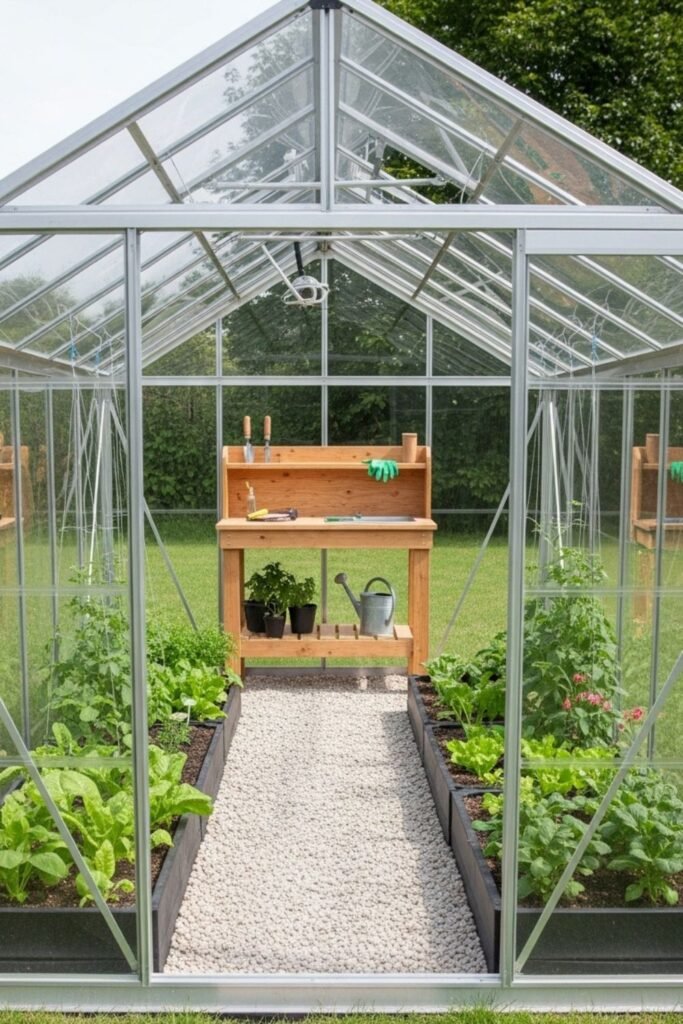
Off Grid
Electricity failures pushed me toward independence. I designed a greenhouse that works without power using gravity-fed water, manual vents, and stored heat.
Nothing depends on switches. If outages happen, plants stay protected. This approach lowers costs, reduces stress, and keeps food growing reliably.
You gain control, resilience, and freedom from utility limits across changing seasons and unexpected disruptions while maintaining steady growth, warmth, airflow, reliability.
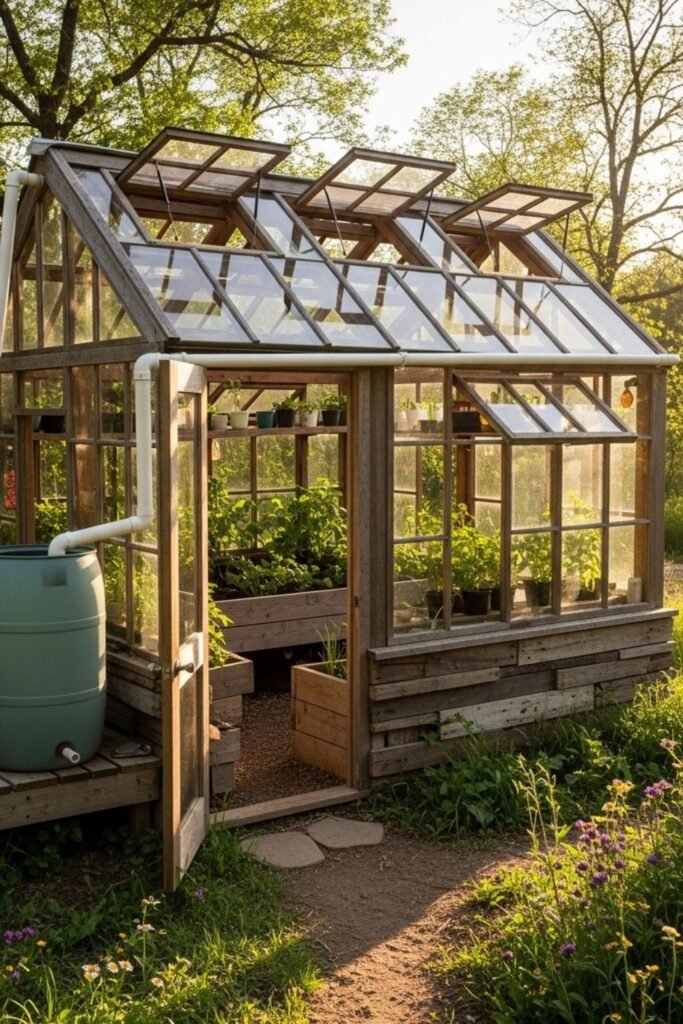
Vertical Growth
Growing upward solved my space problem faster than expanding outward. I install sturdy shelving, hanging planters, and trellises to multiply growing areas.
When floor space stays open, airflow improves and maintenance feels easier. Vertical layouts also keep plants accessible and organized.
If you stack smartly and space plants well, yields increase without crowding, and harvesting becomes quicker, cleaner, and far less tiring over time for busy home gardeners everywhere today.
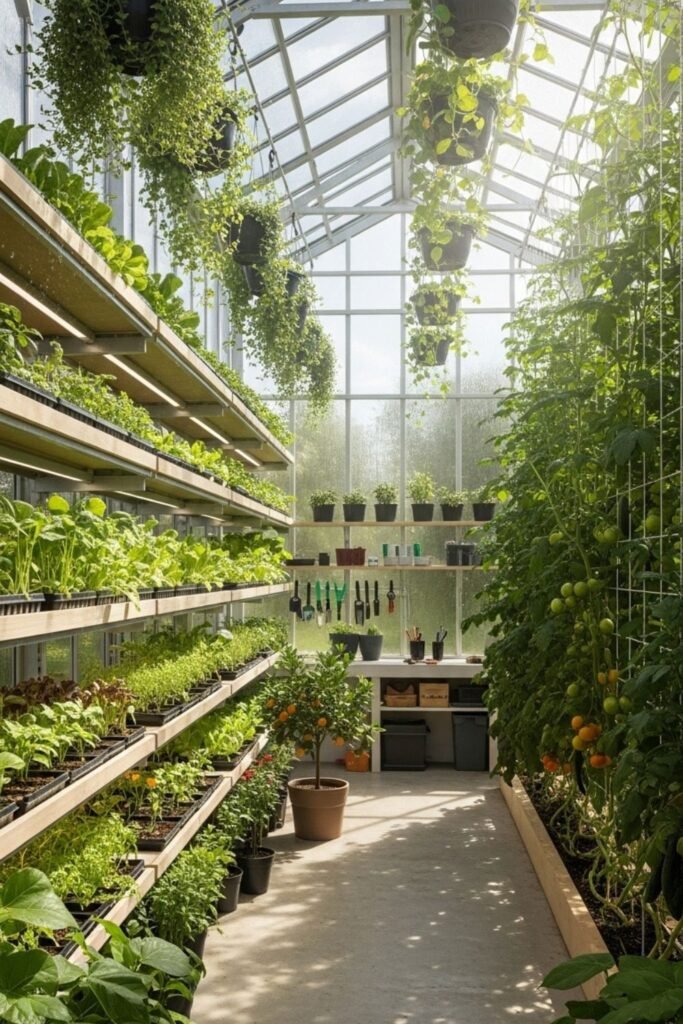
Year Round
Chasing year round harvests changed how I plan everything. I focus on insulation, steady temperatures, and crop rotation inside the greenhouse.
Cool-season greens thrive while warm crops follow naturally. When planting schedules overlap, food production never stops. If you manage light, warmth, and spacing carefully.
Fresh vegetables stay available even when outdoor gardens rest through winter months and unpredictable seasonal transitions without extra stress, waste, or energy costs involved long-term.
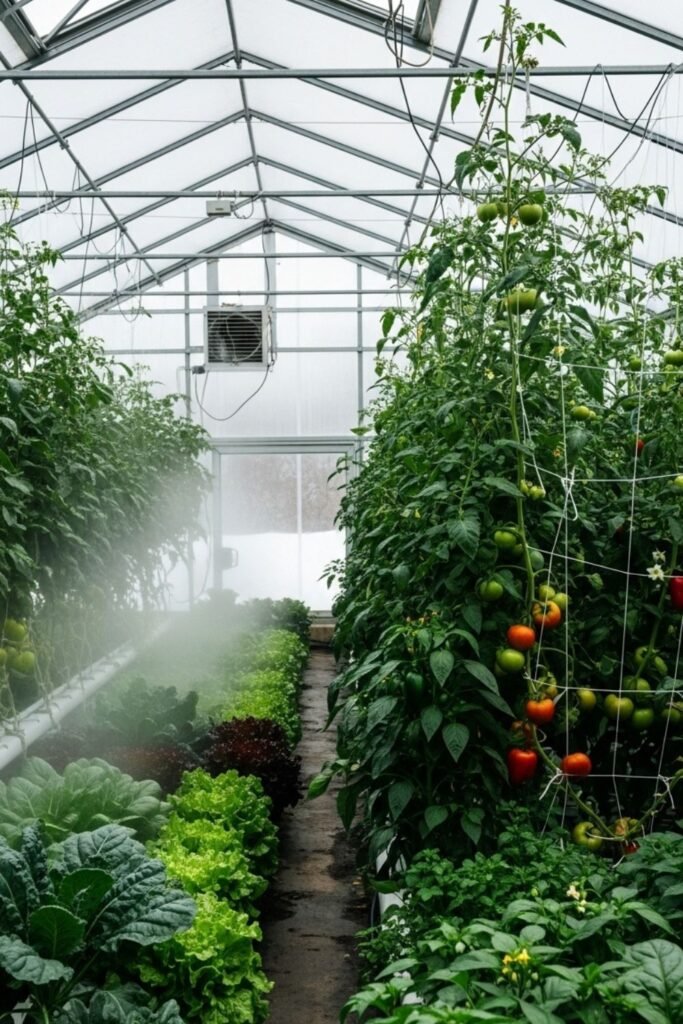
Durable Focus
Longevity became my priority after rebuilding too many times. I choose materials for strength, not looks, and accept simple finishes.
Thick frames, solid fasteners, and weather-resistant panels handle years of use. When durability leads decisions, maintenance drops naturally. If you value function first, the greenhouse survives.
And heavy use without constant repairs or costly replacements later across demanding climates, seasons, families, gardens, budgets, expectations, realities, long-term, reliability, matters.
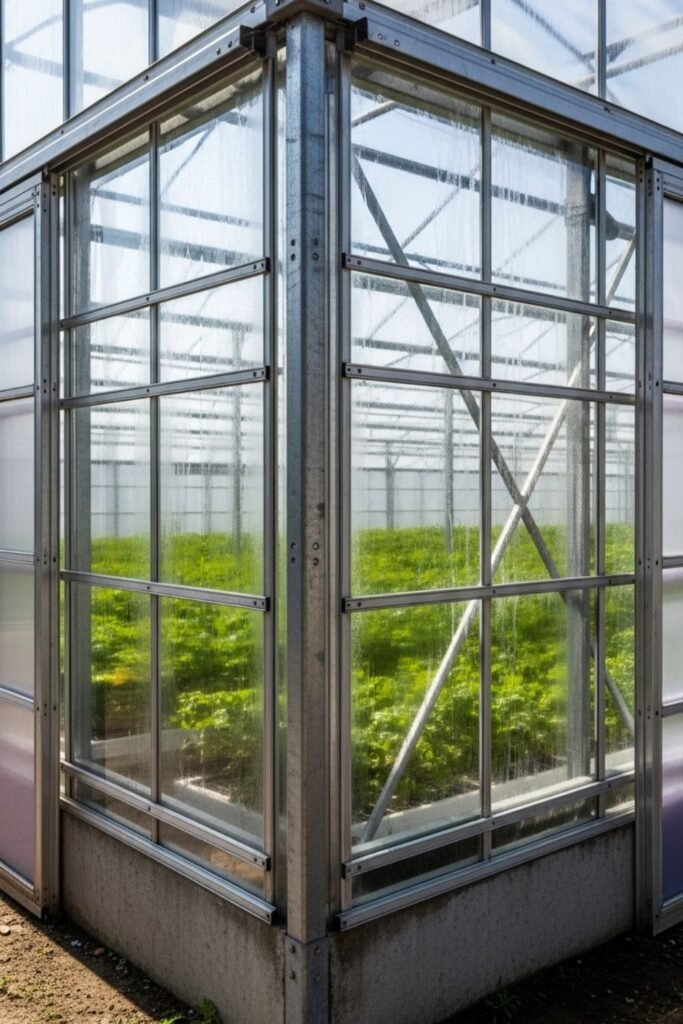
Portable Build
Moving homes taught me to keep things flexible. I design lightweight greenhouses with modular panels and simple anchors. Everything comes apart without damage.
When renting or planning changes, portability matters. If structures adapt easily, gardening continues anywhere.
This approach protects investments, avoids permanent alterations, and keeps growing possible during transitions, short stays, or uncertain future plans without stress, wasted money, lost time.
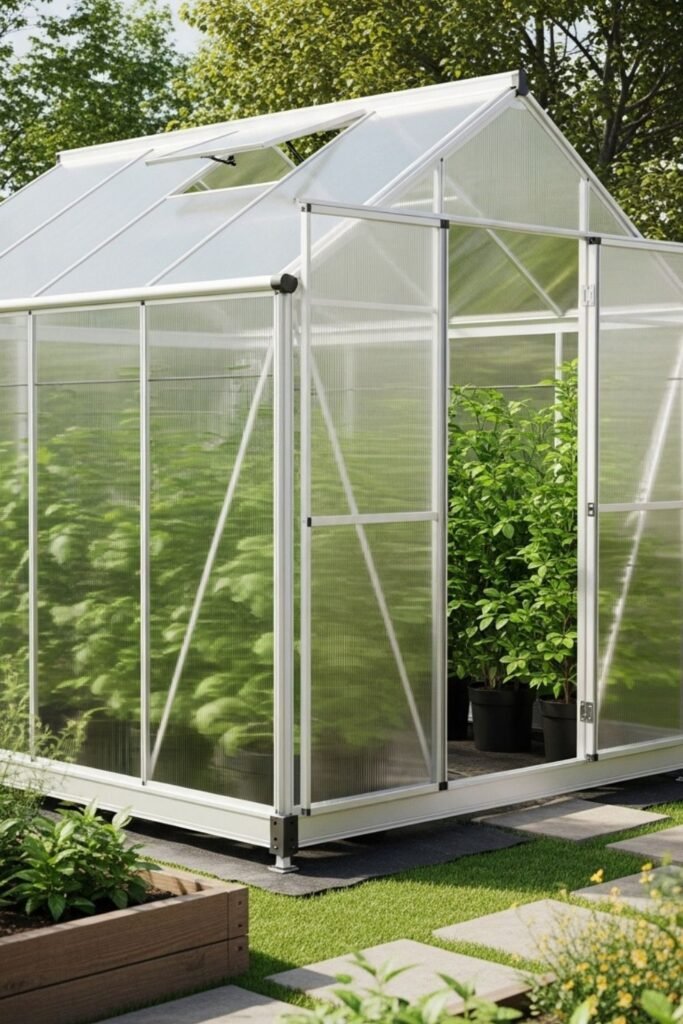
Heat Balance
Watching plants struggle taught me balance matters more than power. I design greenhouses to avoid overheating by mixing shade cloth, roof vents, and proper spacing.
When heat escapes at the right time, growth stays steady. If you control excess warmth early, plants stop stressing and watering becomes easier.
This setup prevents sudden temperature spikes, protects leaves, improves yields, and keeps the greenhouse comfortable to work in during hot days and long summers.
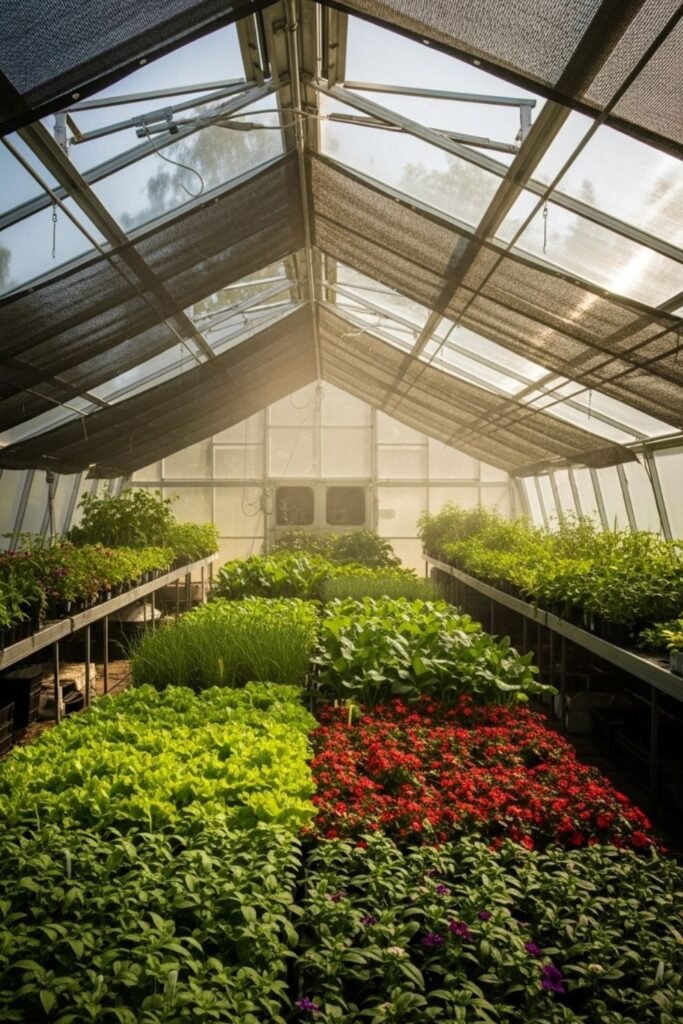
Smart Budget
Spending less doesn’t mean cutting corners if choices stay intentional. I focus money on structure, insulation, and panels, then save on extras.
When core parts last longer, replacements drop. If budgets stay tight, smart priorities matter.
You avoid repeat costs, enjoy stable conditions, and get dependable performance without stretching finances or sacrificing results over multiple growing seasons.
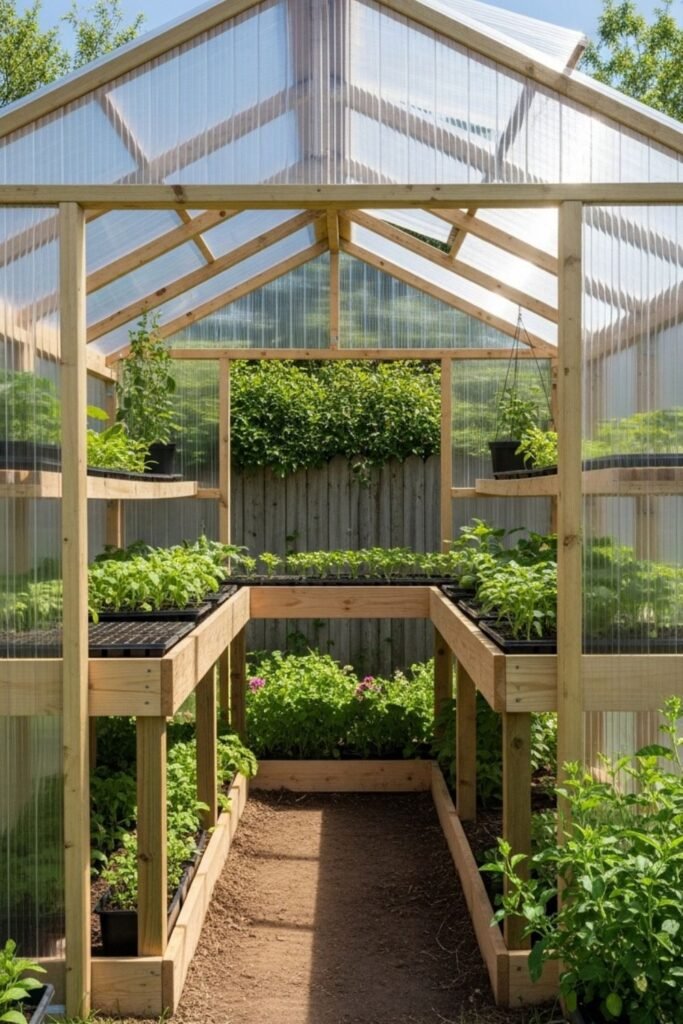
Sun Capture
Morning sunlight changed how I position everything. I angle roofs, clear shadows, and orient doors to catch early rays. When light arrives sooner, soil warms faster and growth starts earlier.
If you maximize sun access first, energy needs shrink. Plants respond quickly, schedules improve, and productivity rises naturally.
This approach works especially well in smaller yards where every hour of sunlight counts for healthy, consistent growth cycles.
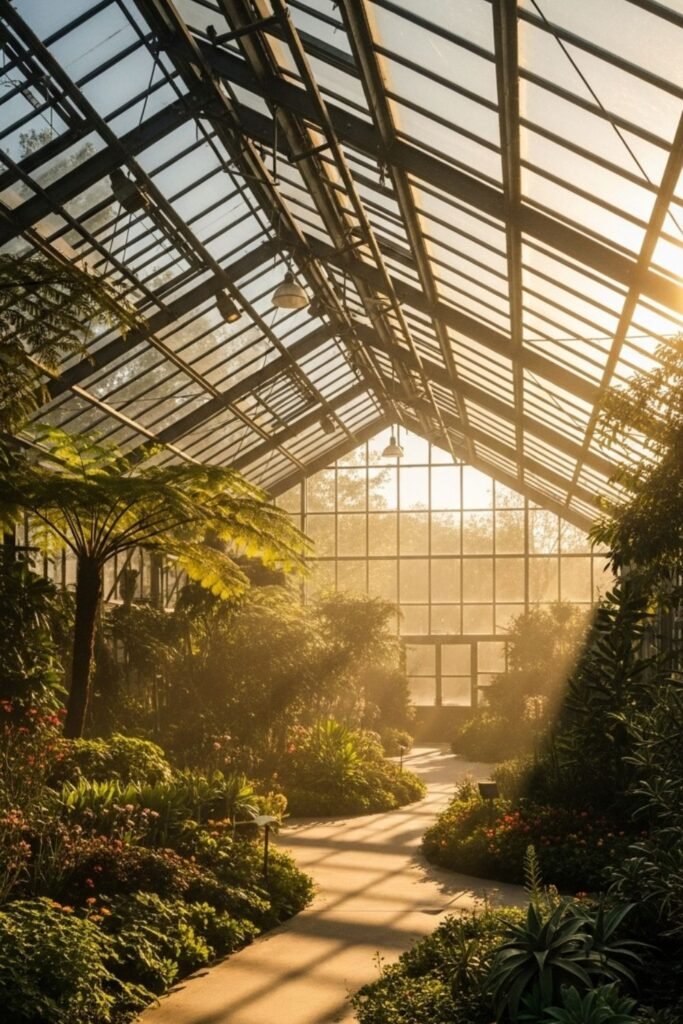
Calm Retreat
Gardening became therapy once I slowed the space down. I design greenhouses to feel quiet and uncluttered with natural light, simple paths, and minimal noise.
When surroundings feel calm, time inside feels rewarding. If stress levels drop, gardening stays enjoyable. This greenhouse supports mental rest while still producing food.
You step inside, breathe deeper, focus better, and leave feeling refreshed instead of rushed or overwhelmed each visit.
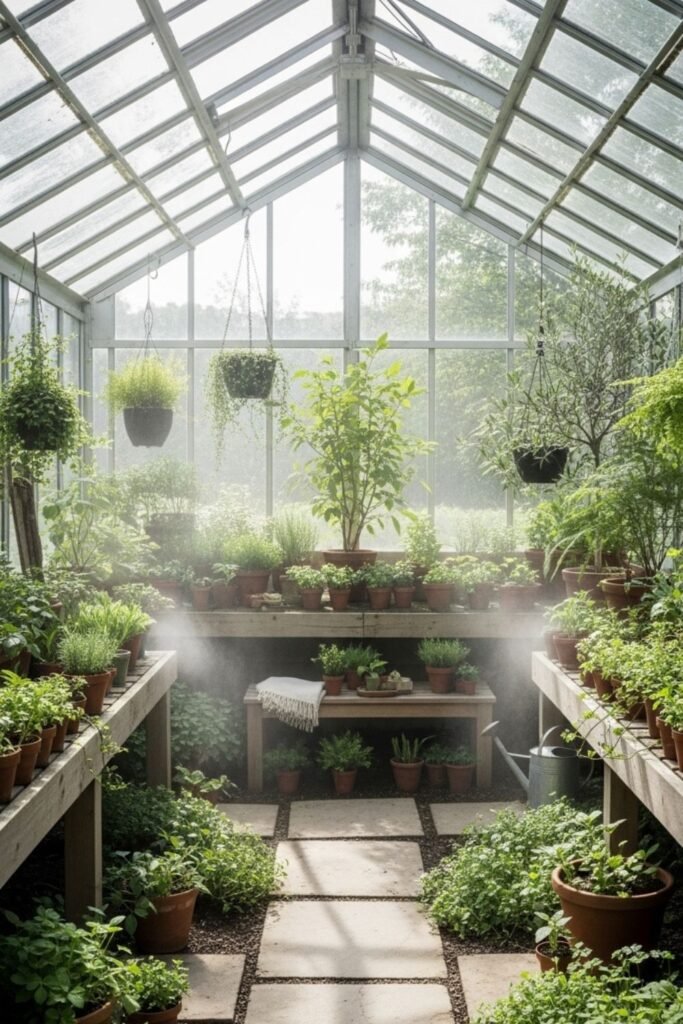
Family Shared
Gardening felt richer once everyone joined in. I designed this greenhouse with shared beds, flexible heights, and open walkways so adults and kids work together easily.
When tasks feel accessible, participation grows naturally. If everyone has a role, responsibility sticks.
This setup builds routine, teaches patience, and turns growing food into a family habit instead of a solo chore repeated quietly in isolation season after season with better results.
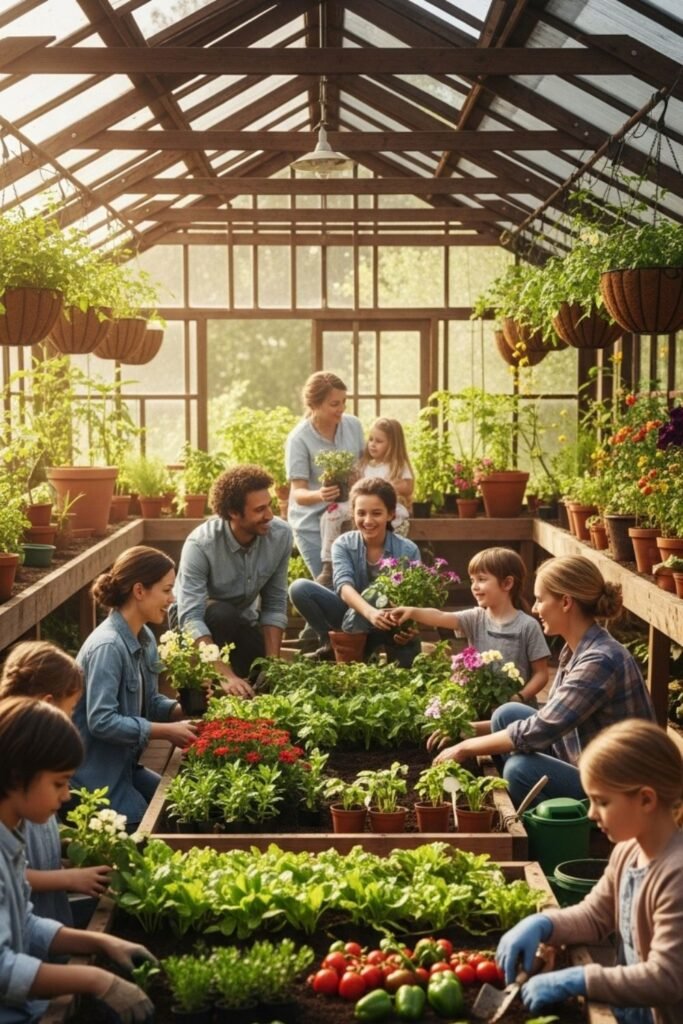
Disease Control
Plant losses forced me to rethink prevention first. I space crops properly, keep floors clean, and avoid overcrowding at all costs. When airflow stays consistent, moisture dries faster.
If disease can’t settle, treatments become unnecessary. This greenhouse reduces rot, mold, and pests naturally.
While managing growth through humid periods and unpredictable seasonal changes without constant monitoring or intervention.
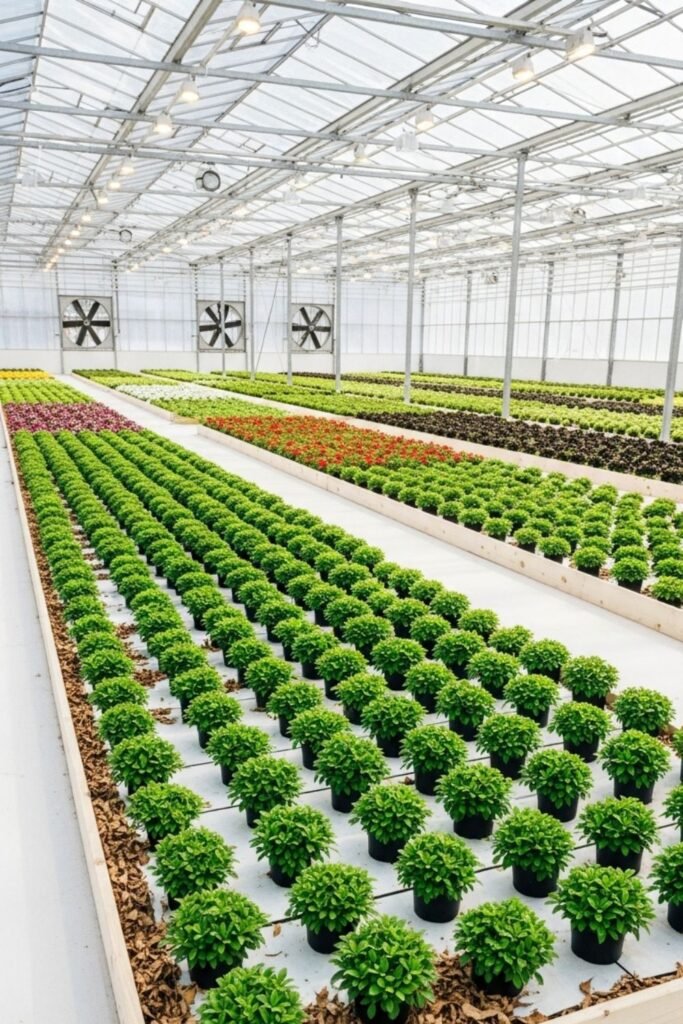
Minimal Clean
Mess builds fast if cleaning feels hard. I learned to design for easy wash-downs using smooth surfaces, simple corners, and removable trays.
When dirt has nowhere to hide, maintenance takes minutes. If cleaning stays simple, neglect never piles up. This greenhouse stays fresh, organized, and pleasant to work in.
You avoid pests, odors, and buildup while keeping the space functional and inviting throughout the year consistently and comfortably.
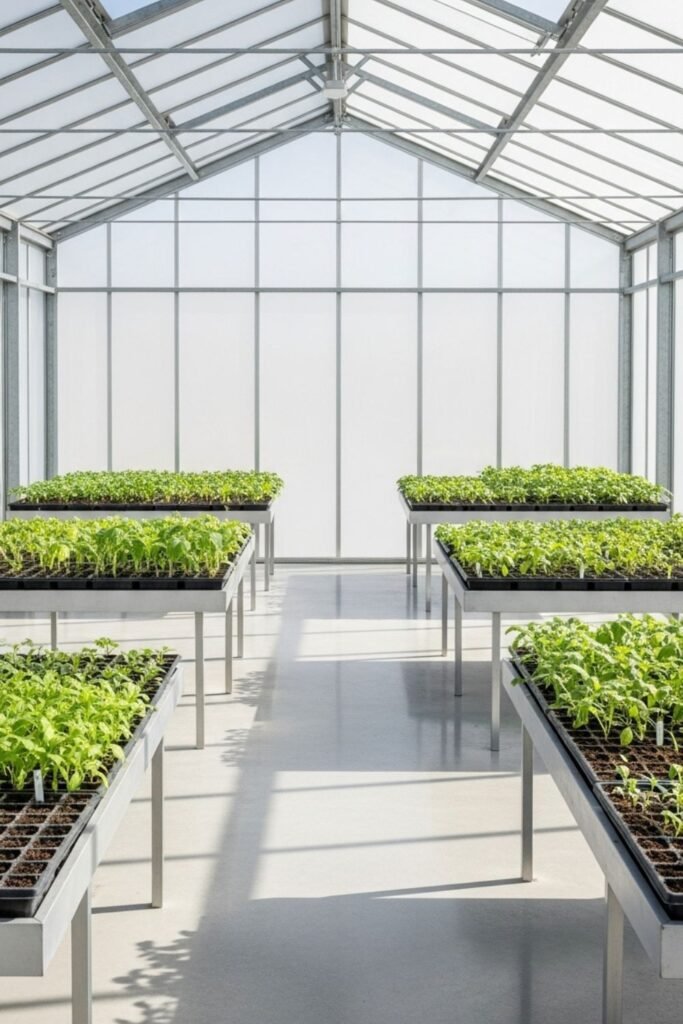
Long Term
Experience taught me to plan beyond the first harvest. I build greenhouses expecting years of use, not seasons. Strong foundations, replaceable panels, and timeless layouts matter.
When repairs are planned early, surprises disappear. If you think long-term, costs drop overall. This greenhouse grows with you.
Adapts to needs, and remains dependable long after trends fade or quick builds fail under real conditions and everyday use.
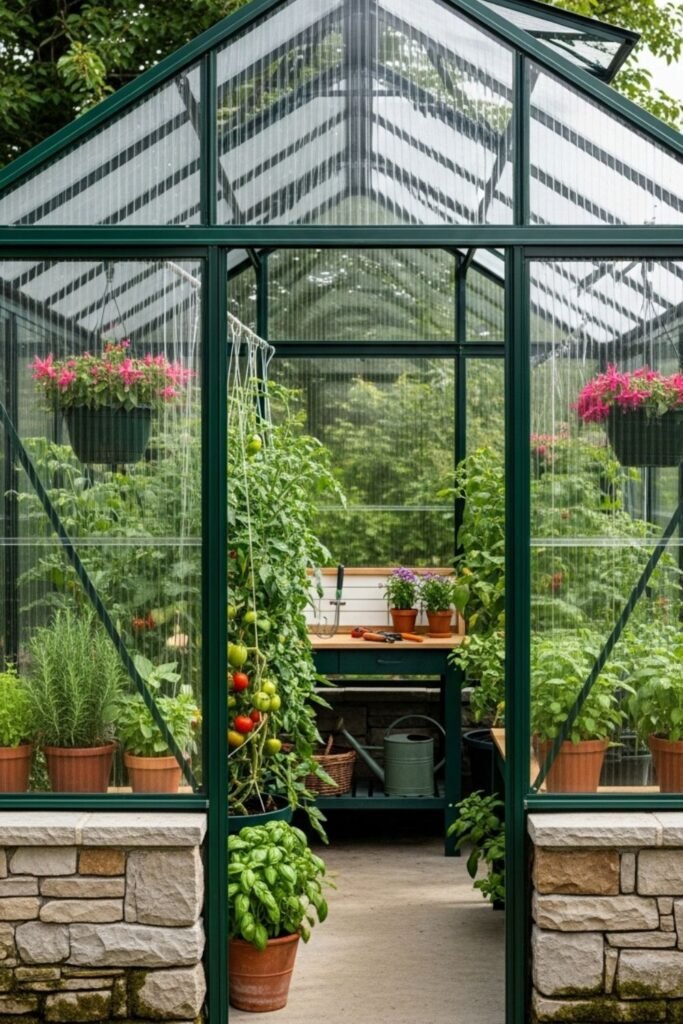
Light Balance
Too much sun can harm just as much as too little. I learned to soften light using diffused panels and light-colored interiors.
When brightness spreads evenly, leaves avoid burn and growth stays uniform. If light feels gentle, plants respond better.
This greenhouse keeps temperatures stable, reduces stress, and supports steady development instead of sudden growth spurts that weaken crops or shorten productive life spans unnecessarily.
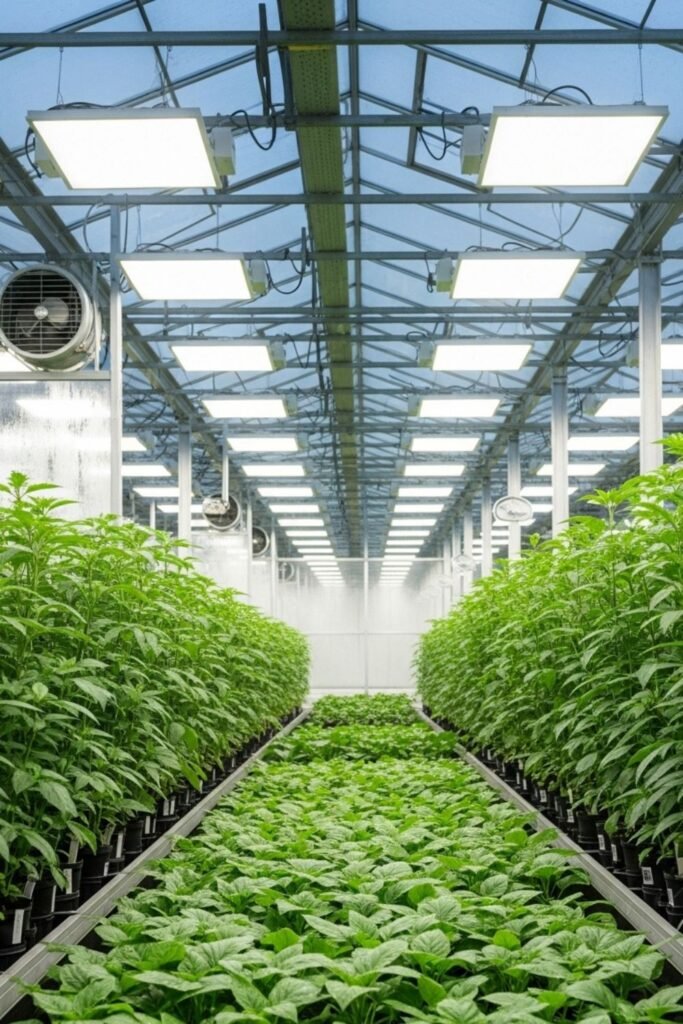
Practical Choice
Real success came when I stopped chasing perfection. I focus on balance between cost, strength, and ease of use. When each choice supports the next, the greenhouse works smoothly.
If practicality leads decisions, frustration disappears. This setup avoids extremes, stays adaptable, and fits real life.
You get reliable performance, manageable upkeep, and results that make sense for everyday gardeners with limited time, space, patience, and resources.
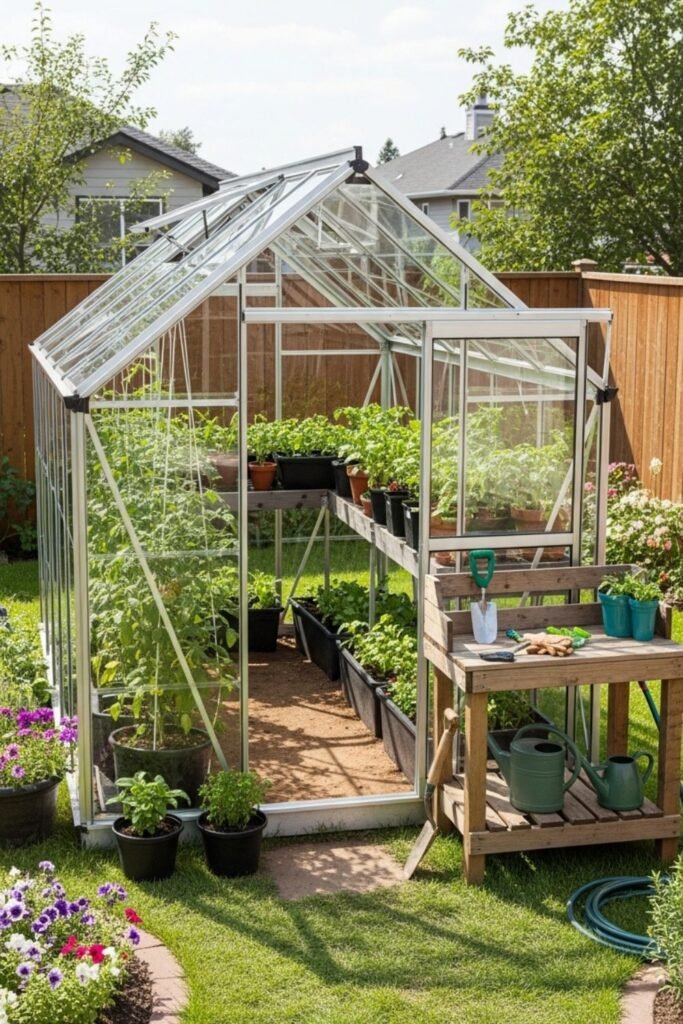
FAQs
Do I really need a heater for a home greenhouse?
Not always. In most cases, heat loss is the real problem, not a lack of heat. If you seal gaps, insulate the walls.
And use thermal mass like water containers, the greenhouse can stay warm enough for many plants without running a heater all night.
How long does a well-built greenhouse actually last?
A greenhouse can last 10–20 years or more if you choose durable framing and weather-resistant panels from the start.
Most early failures happen because of cheap materials, poor sealing, or weak foundations, not because greenhouses are hard to maintain.
Hi, I’m Afaf! I’m a law student who loves all things home, style, and gardening. I’ve been writing for over a year about topics like home decor, DIY projects, plants, fashion, and beauty.
I like sharing ideas that are easy to try and don’t cost a fortune. Whether it’s organizing a messy closet, decorating on a budget, or keeping houseplants alive, I write about what I’ve actually tried myself.
When I’m not studying, I’m usually on Pinterest looking for my next project or adding another plant to my collection!