
24 Container Gardening Ideas For 2026
You want plants in your home, but there’s a problem. You don’t have a yard. Your balcony is small. And if we’re being honest, the last plant you tried probably didn’t survive.
Most people think they’re bad at gardening, but that’s not the real issue. The problem is space, wrong pots, and advice that makes things harder than they need to be.
Container gardening fixes that. It lets you grow real, healthy plants in small spaces without complicated tools, messy soil, or hours of work.
In this article, you’ll find 24 practical Container Gardening ideas that actually work for modern homes in 2026.
Why Is Container Gardening Perfect for Small Spaces?
If you live in an apartment or have a tiny balcony, traditional gardening just isn’t realistic. You can’t dig, and you can’t spread out.
Container gardening works because it fits into the space you already have. You place plants exactly where the light is best. You move them when the weather changes.
You control the soil, the water, and the mess. If you only have room for one pot, that’s still enough to start. Small space doesn’t stop you from growing plants it just changes how you grow them.
Save this article for later! 👇👇
Why Is Container Gardening Perfect for Small Spaces?
Here’s the truth: most homes today don’t come with a garden. You have a balcony, a corner near a window, maybe a small patio. That’s it.
Container gardening works because it doesn’t ask for more space than you already have. If you can place a pot, you can grow a plant.
You control where it goes, how much sun it gets, and how much water it needs. No digging. No permanent setup. Small space isn’t a problem it’s exactly why container gardening makes sense.
Kitchen Herbs
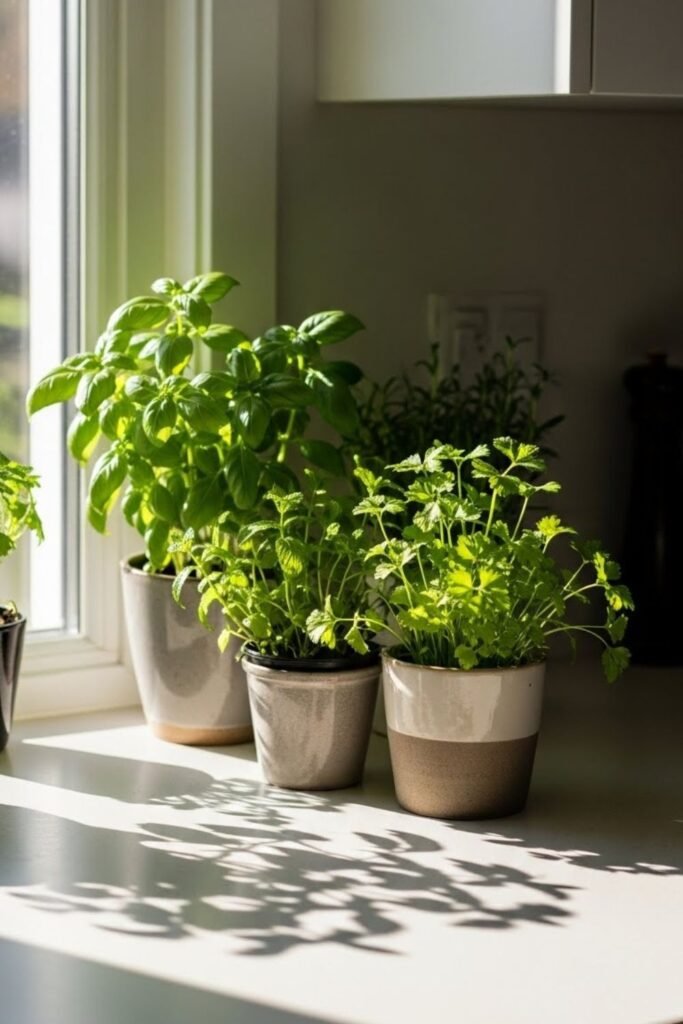
Cooking feels easier when fresh herbs sit within arm’s reach. I keep a few compact pots right near my kitchen window so I can snip what I need without planning ahead.
Basil, mint, and parsley grow well in containers and don’t demand much attention. I use one pot per herb to avoid crowding.
If cooking happens daily in your home, this setup saves time and adds flavor while making the space feel alive and personal.
Window Greens
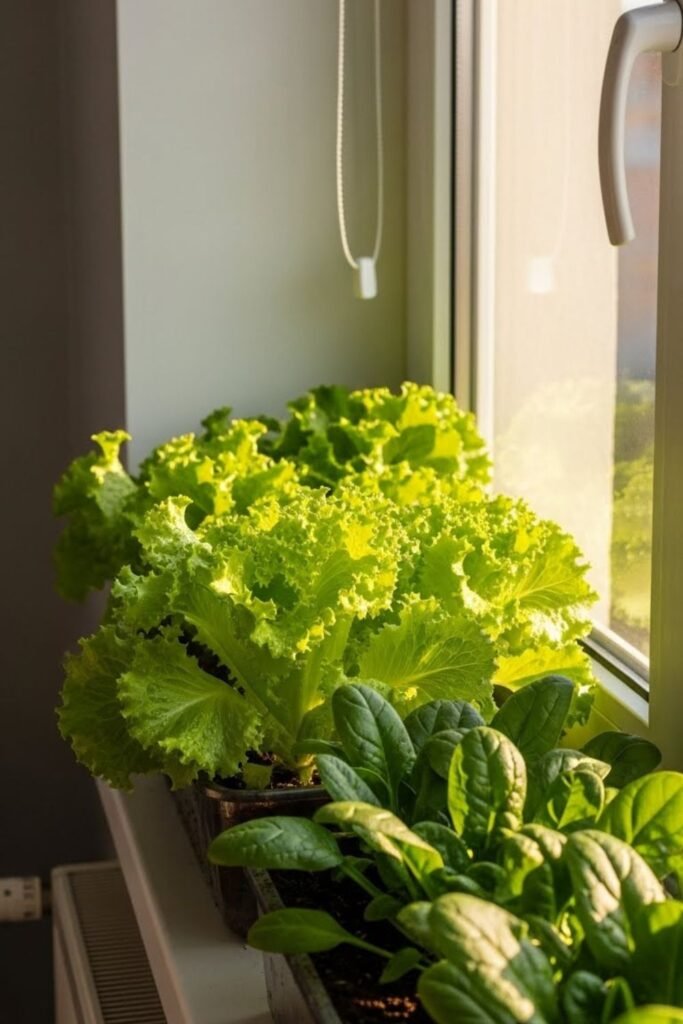
Morning light hitting a window can do more work than people expect. I use that light to grow leafy greens like spinach and lettuce in shallow containers.
Harvesting happens often, but the plants keep growing back. I don’t wait for perfect conditions; steady light and regular watering are enough.
If you want quick results without commitment, growing greens by a window gives fast wins and builds confidence early.
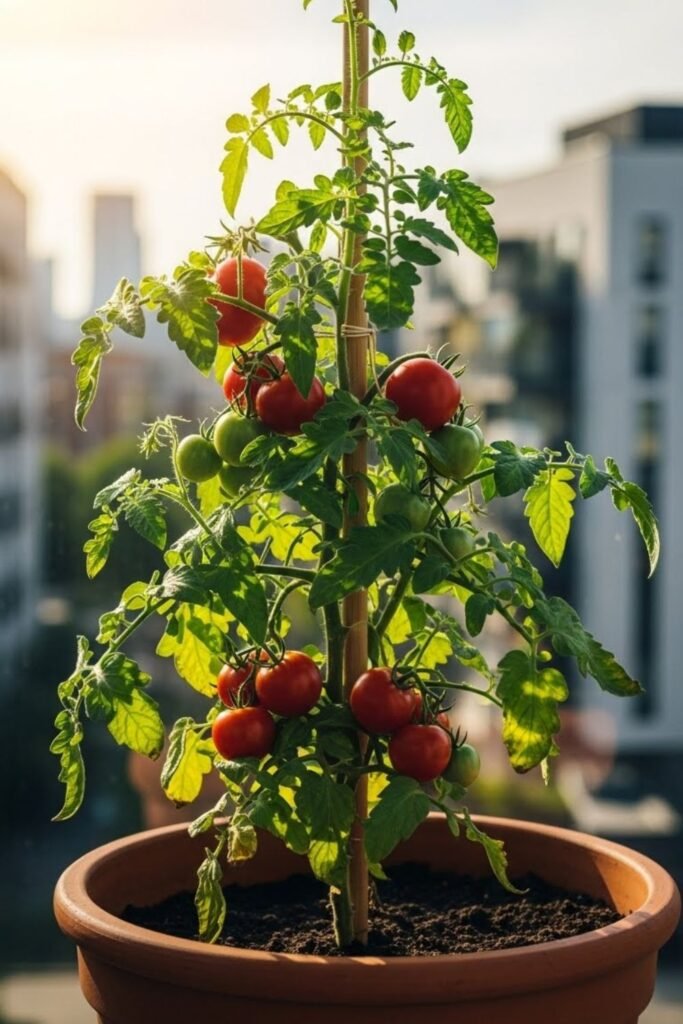
Tomato Focus
Growing tomatoes feels intimidating until you simplify the setup. I dedicate one deep container to one tomato plant and give it space to breathe.
Bigger pots hold moisture longer and reduce stress on roots. Support goes in early so growth stays controlled.
When attention stays on a single plant, problems show faster and fixes feel manageable. This approach works well when space is limited but expectations stay high.
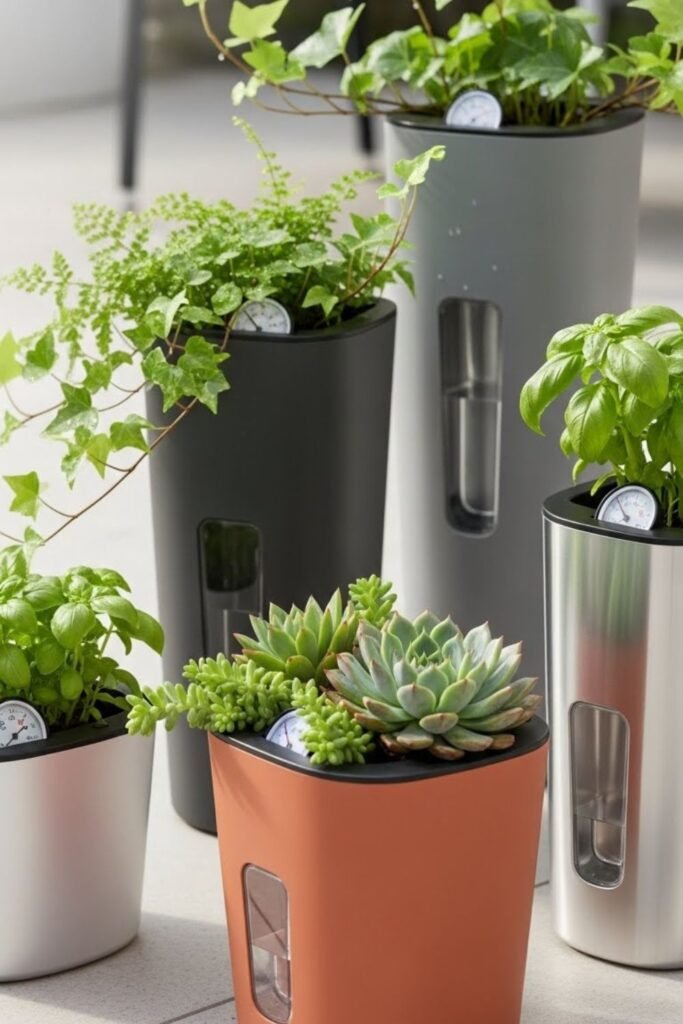
Water Ease
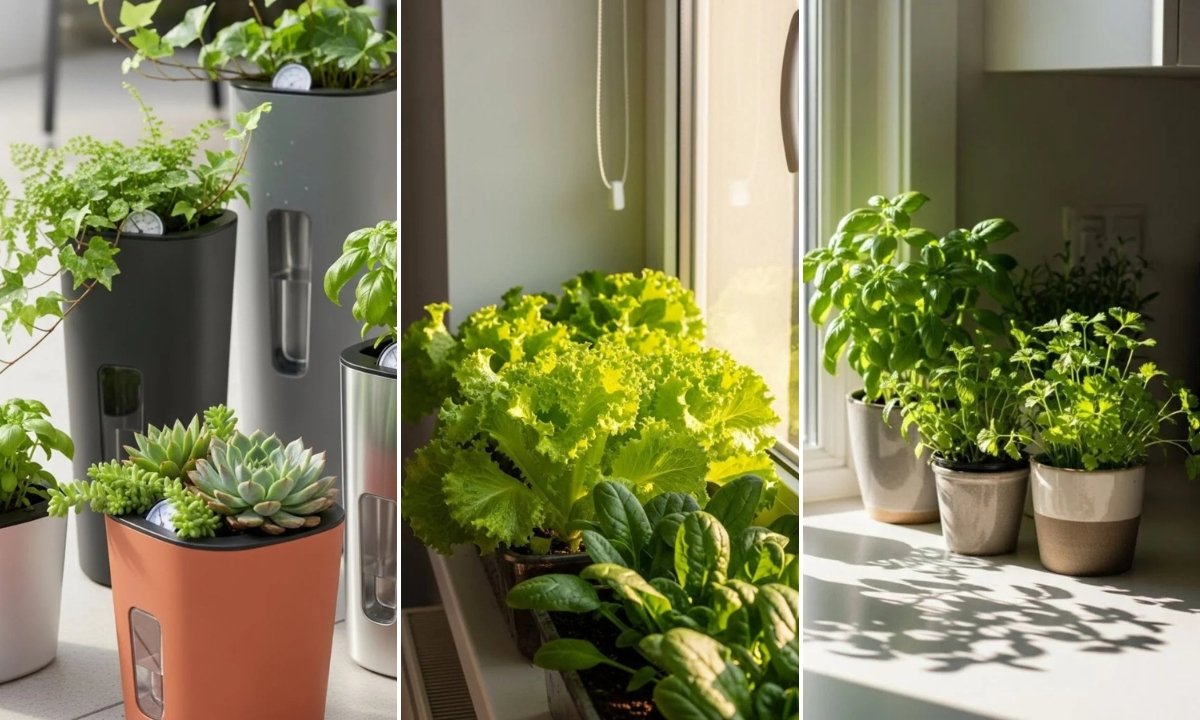
Busy days don’t mix well with strict watering schedules. I rely on self-watering containers to keep plants steady when routines slip.
These pots pull water from below, so roots drink when needed. I still check moisture, but daily stress disappears.
If consistency feels hard to maintain, this system helps plants survive real life. Less guessing leads to healthier growth and fewer disappointments over time.
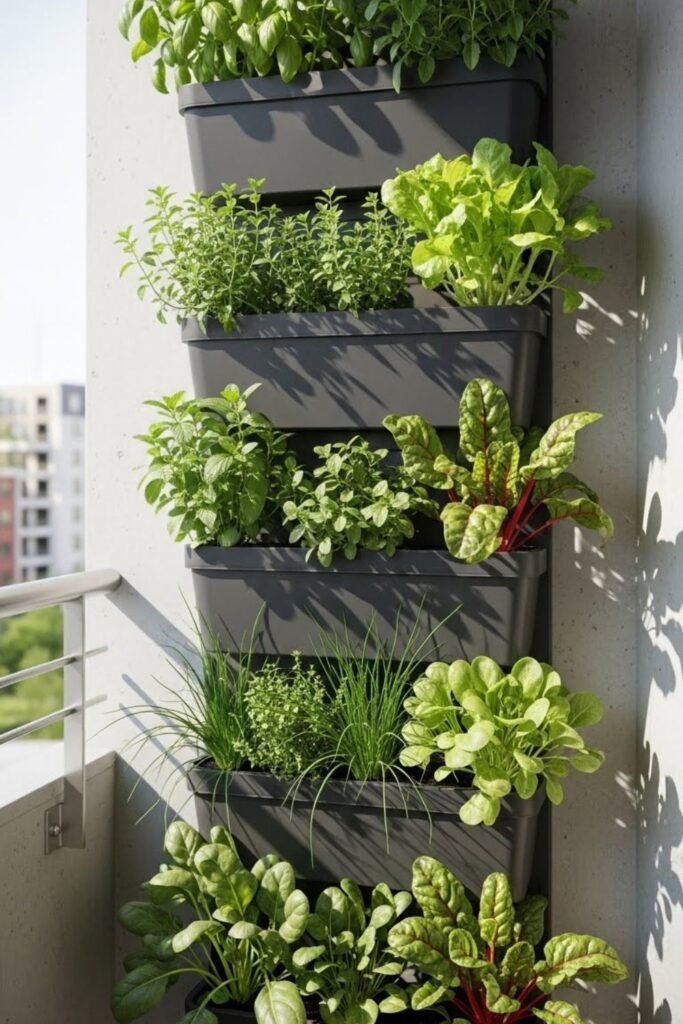
Vertical Stack
Growing upward changed how I use small spaces. I stack containers to turn empty walls and corners into planting zones without crowding the floor.
Each level gets enough light, and watering stays simple when done slowly from the top. Herbs, strawberries, and small greens work best this way.
If floor space feels limited, vertical stacking creates room you didn’t think you had while keeping everything easy to reach and manage daily.
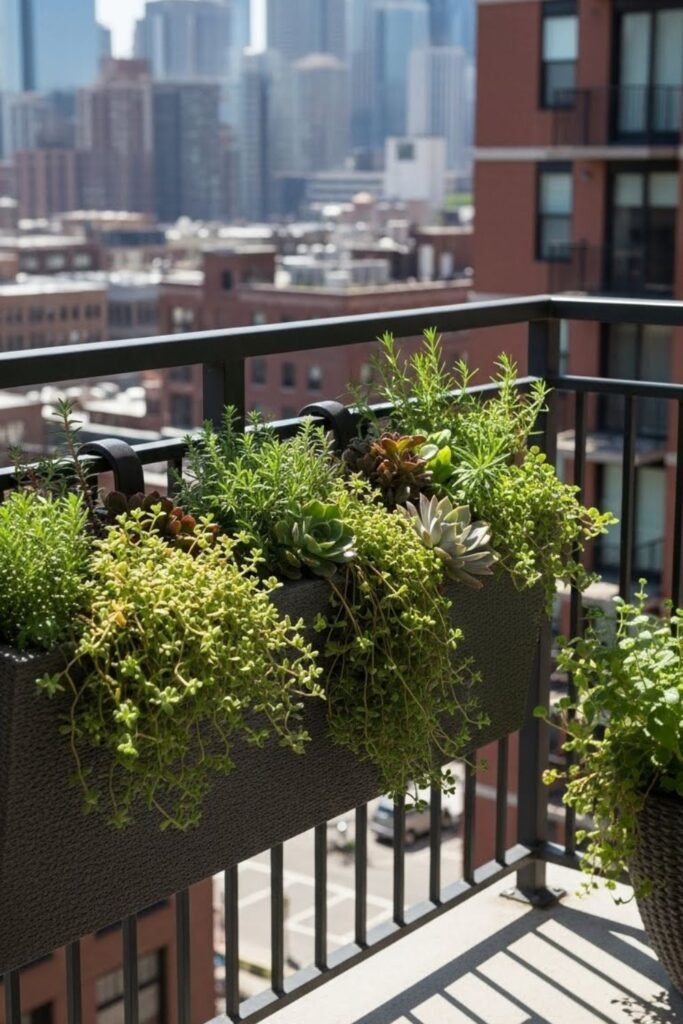
Rail Planters
Balcony rails often sit unused, so I treat them like extra ground. I hang narrow containers securely along the railing and plant shallow-root crops that don’t tip over easily.
Sun exposure improves because plants sit higher and catch more light. This setup keeps walking space clear and adds greenery at eye level.
If your balcony feels cramped, railing planters give you growing space without taking up a single step.
Shade Plants
Not every home gets strong sunlight, and that used to frustrate me. Now I work with shade instead of fighting it.
I place containers with plants that prefer lower light in north-facing or covered spots. Ferns, leafy greens, and some herbs grow steadily without stress.
If sunlight feels limited where you live, choosing shade-friendly plants helps containers thrive without forcing unnatural conditions or constant adjustments.
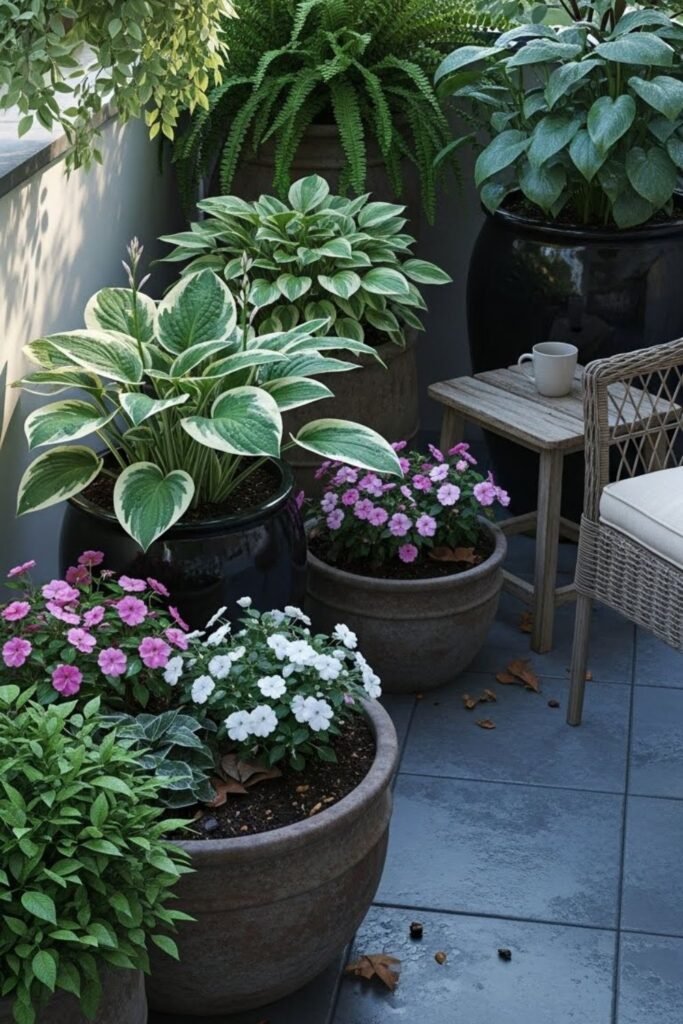
Grow Bags
Soft containers surprised me with how well they handle larger plants. I use grow bags for vegetables that need room for roots but don’t require permanent pots.
Air flows through the fabric, which helps prevent soggy soil. When the season ends, storage stays simple because bags fold flat.
If flexibility matters more than looks, grow bags offer a practical way to grow strong plants in limited areas.
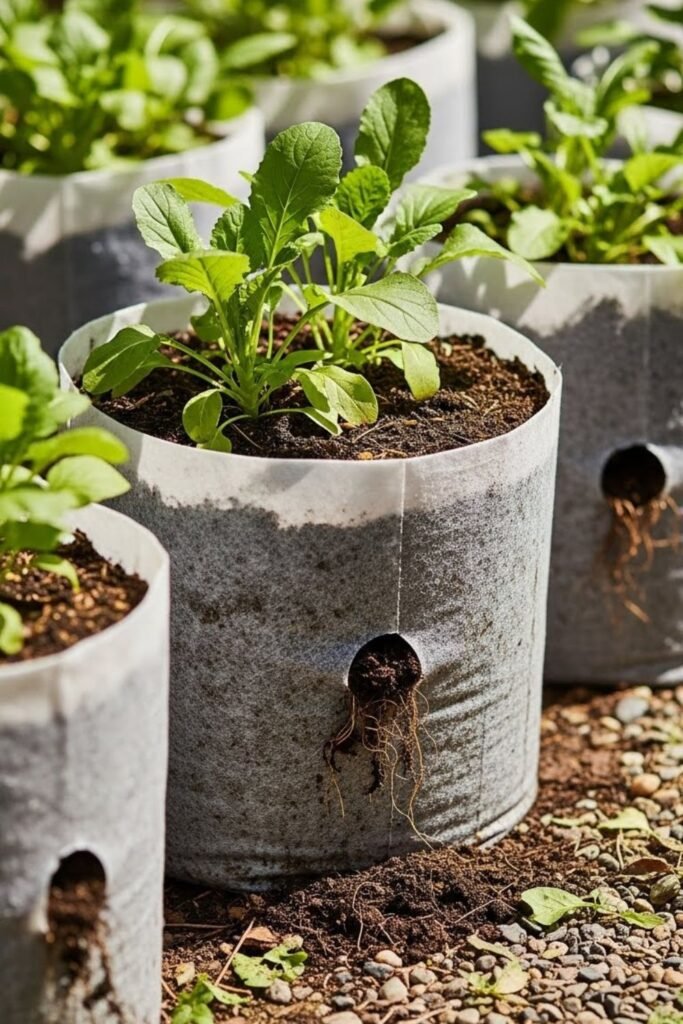
Salad Bowls
Fresh salads feel more satisfying when everything grows in one place. I plant loose-leaf lettuce, arugula, and spinach together in wide containers so harvesting stays simple.
Cutting leaves instead of pulling plants keeps growth going longer. I place these pots where I can reach them easily because frequent picking matters.
If quick meals matter to you, salad bowls provide steady harvests without replanting every few weeks or needing deep gardening knowledge.
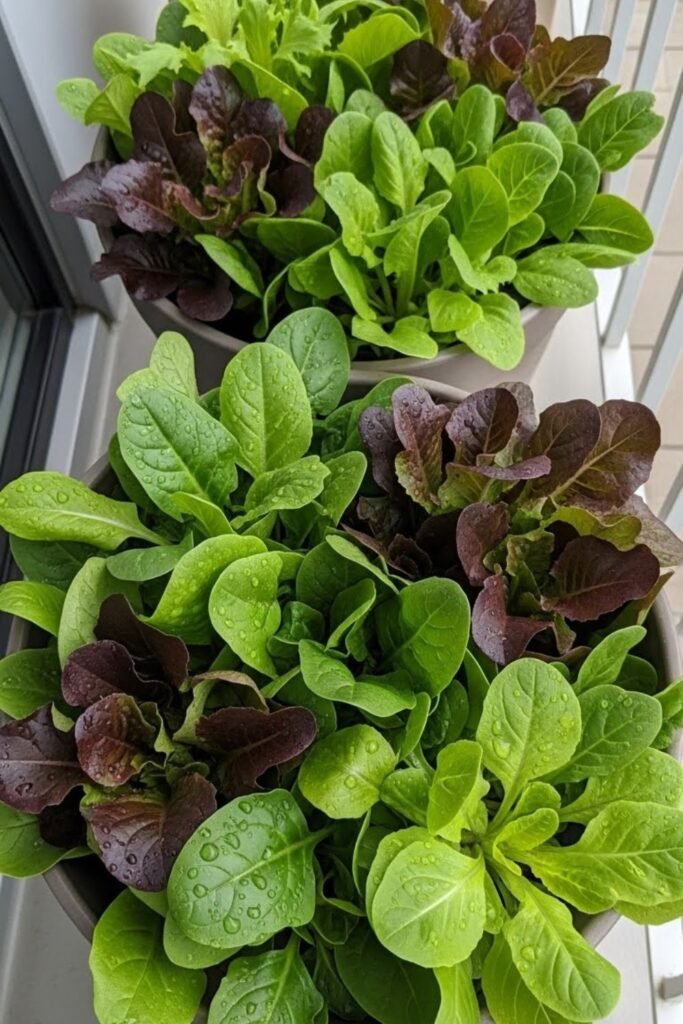
Indoor Grow
Limited outdoor space doesn’t stop plants from growing indoors. I set containers under simple grow lights and treat them like window plants with better consistency.
Light stays predictable, and weather stops being a concern. Herbs and greens respond especially well to this setup.
If seasons or climate make outdoor gardening difficult, indoor growing gives control and reliability while keeping greenery close year-round.
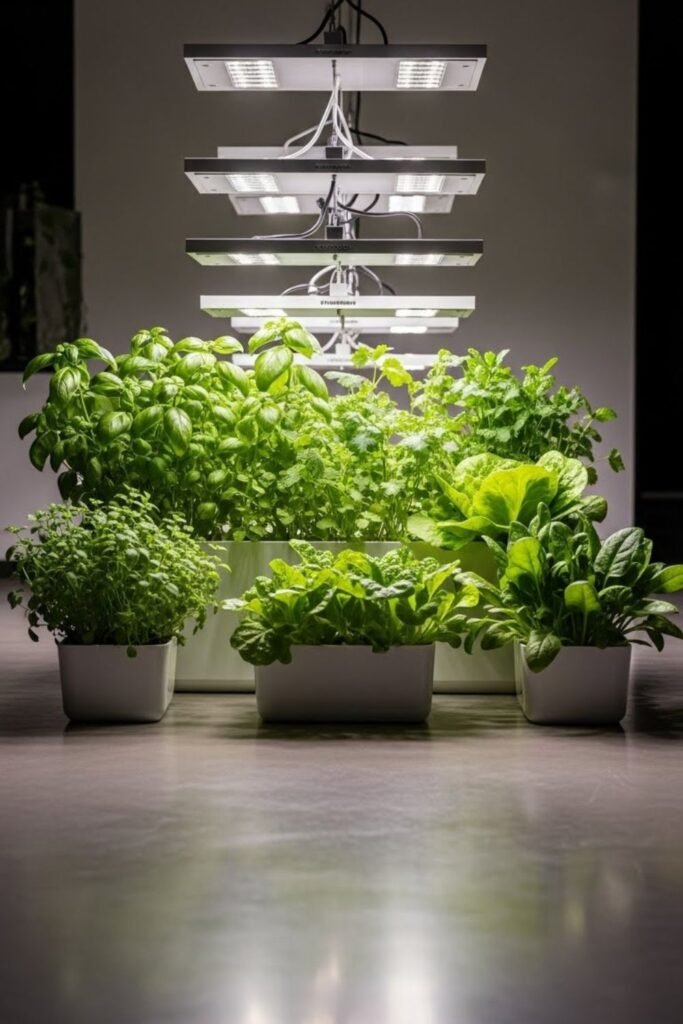
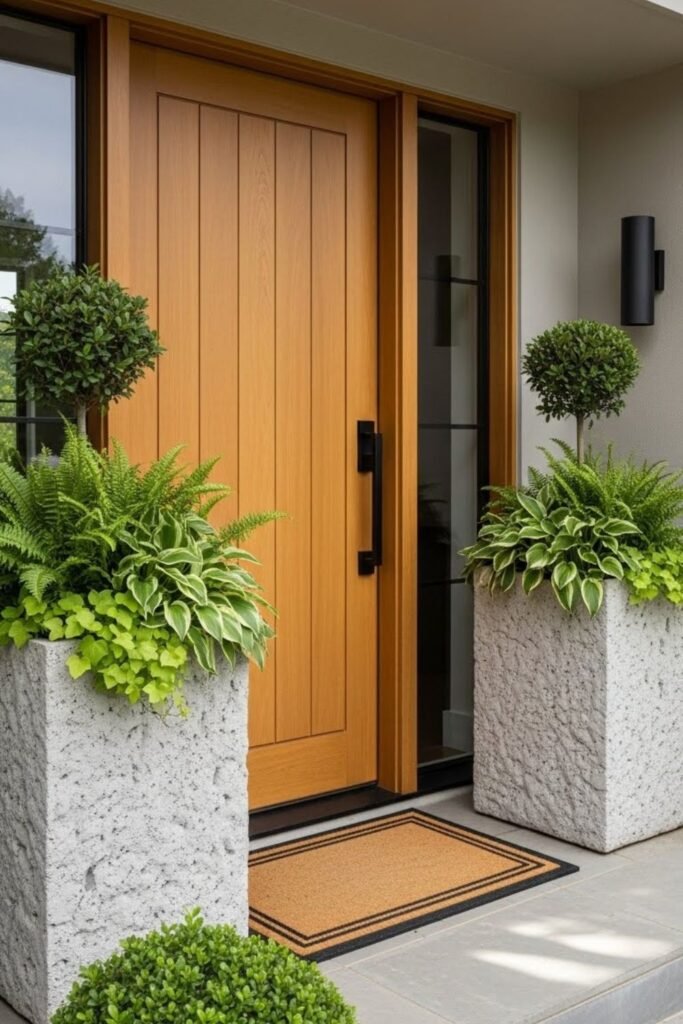
Entry Pots
First impressions change when greenery welcomes people at the door. I use large containers near entrances to grow plants that stay neat and strong.
These pots anchor the space and don’t need frequent moving. Choosing hardy plants reduces maintenance while still adding warmth.
If outdoor areas feel plain or forgotten, entryway containers quietly improve curb appeal without creating extra work.
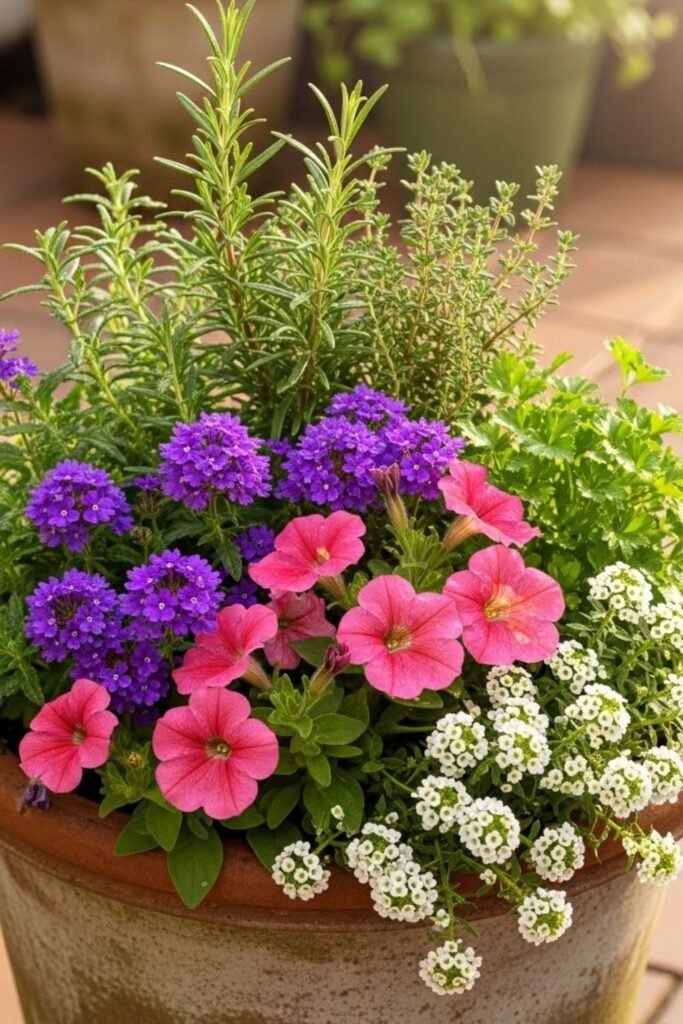
Mixed Beauty
Combining useful plants with flowers makes containers feel intentional. I grow herbs alongside blooms so the space looks decorative while staying practical.
Color draws attention, and fragrance adds another layer. Care stays simple because plants share similar needs.
If you want containers that serve both function and appearance, mixing beauty with purpose keeps things balanced without overcomplicating the setup.
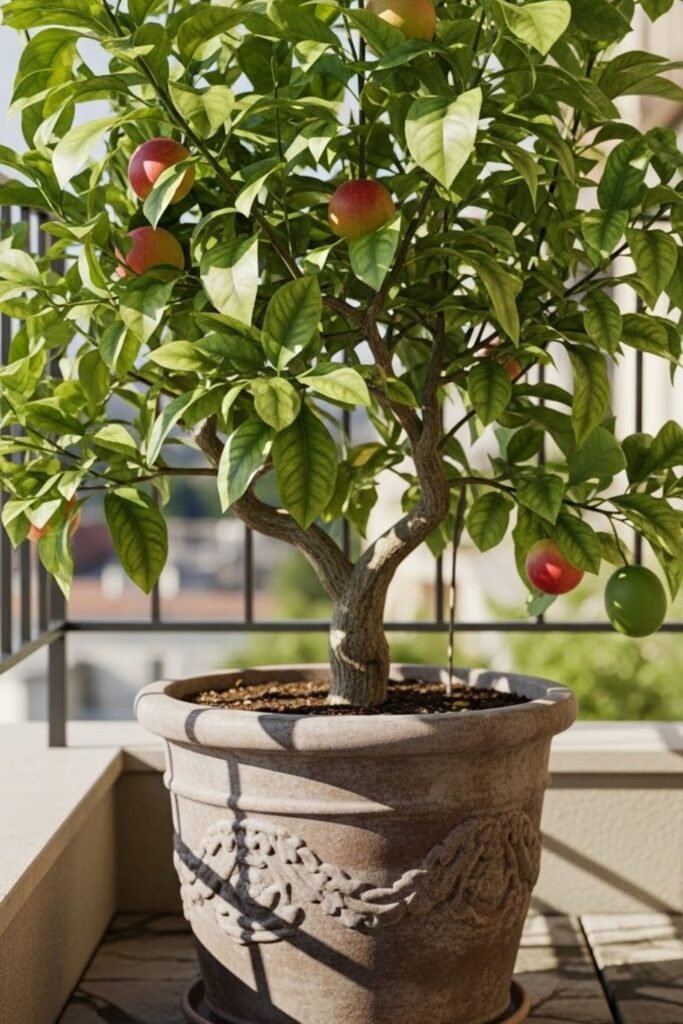
Dwarf Fruits
Watching fruit form on a small tree feels rewarding even in tight spaces. I grow dwarf citrus and figs in oversized containers so roots stay comfortable.
Sun exposure matters more than frequent feeding, so placement comes first. Pruning keeps size controlled and encourages fruiting.
If patience exists, this method delivers fresh harvests without a yard. Containers also make winter protection easier by moving trees indoors during cold months.
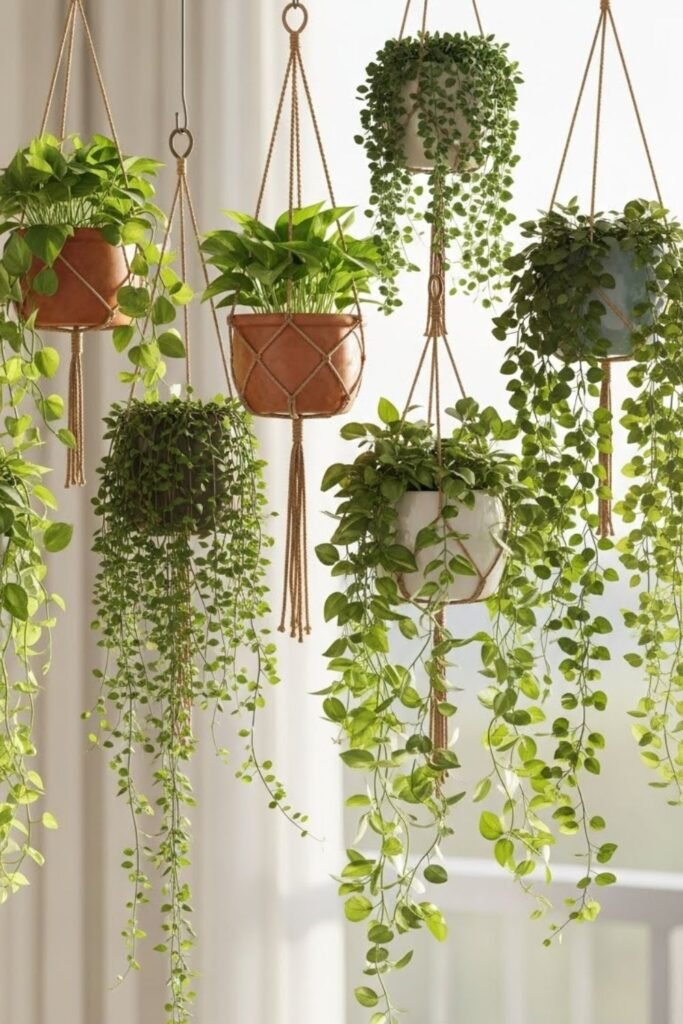
Hanging Greens
Hanging plants free up floor space while adding movement to a room. I use sturdy hooks and lightweight pots to avoid strain.
Trailing plants soften edges and grow downward naturally. Watering requires attention because hanging containers dry faster. If balance matters, placing them near eye level helps.
Herbs and vines perform best when rotated weekly and checked for even light exposure throughout the entire day.
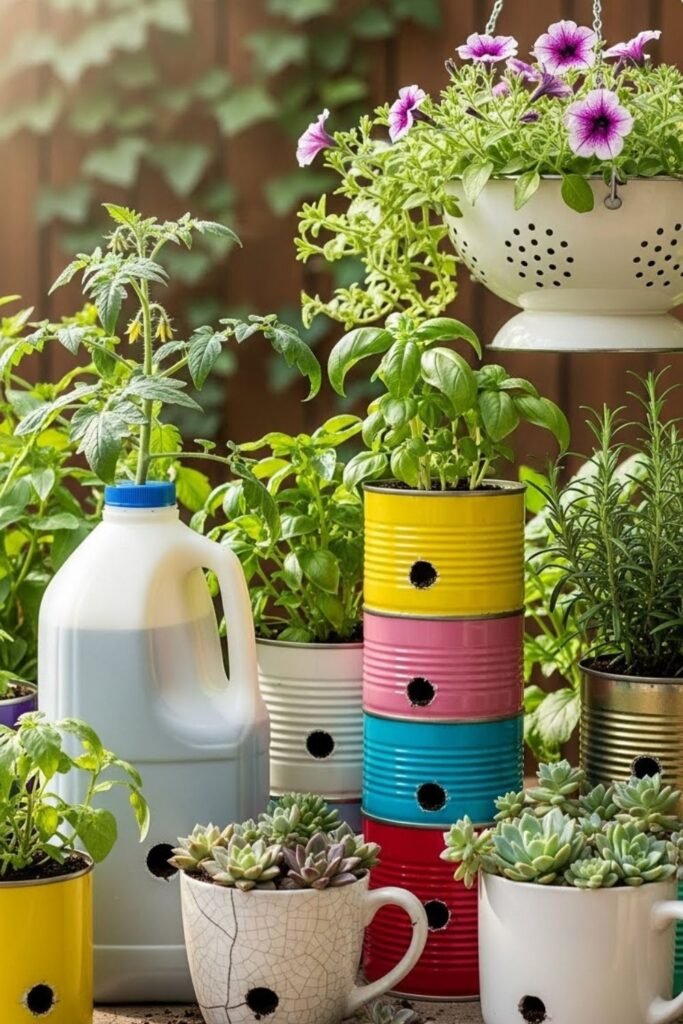
Recycled Pots
Reusing household items saves money and sparks creativity fast. I turn sturdy buckets, tins, and storage boxes into planters with drainage holes.
Function matters more than perfection, so safety comes first. Lighter containers move easily when sunlight changes. If budgets feel tight, repurposing works well.
Labeling helps track watering, and cleaning containers well prevents lingering residues from harming roots later on during future planting seasons at home projects.
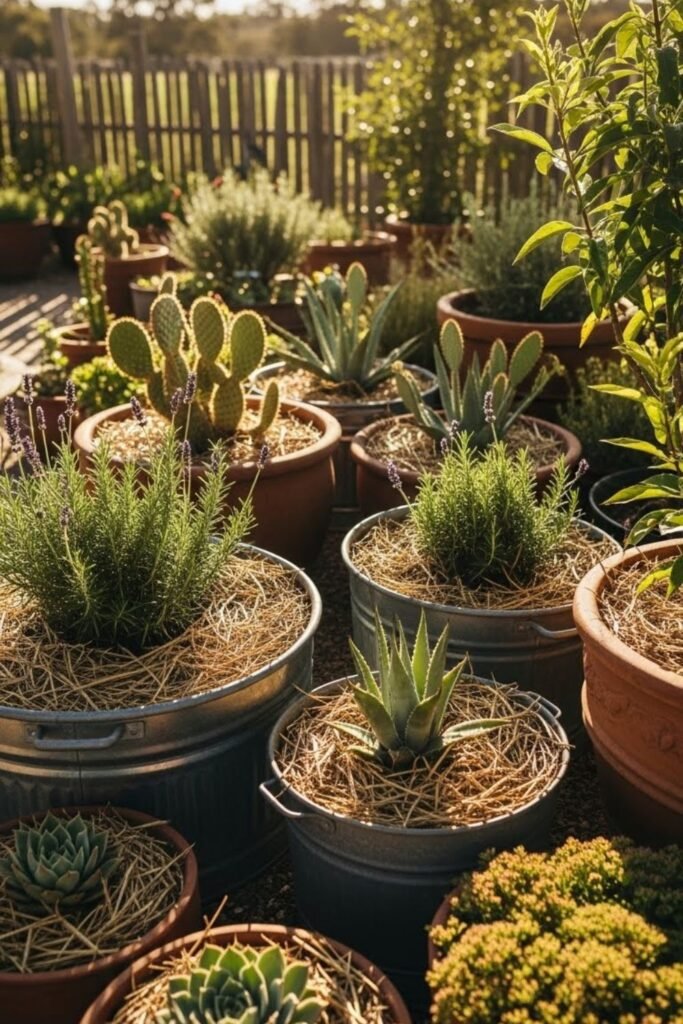
Dry Climate
Hot weather demands smarter plant choices and setups. I focus on drought-tolerant plants in containers that hold moisture longer. Mulch on top slows evaporation and protects roots.
Watering happens deeply but less often. If heat feels constant, this approach reduces stress. Containers stay productive without daily attention.
Clay mixed with compost improves retention, and grouping pots together creates shared shade across patios and balconies alike for busy households everywhere all summer long.
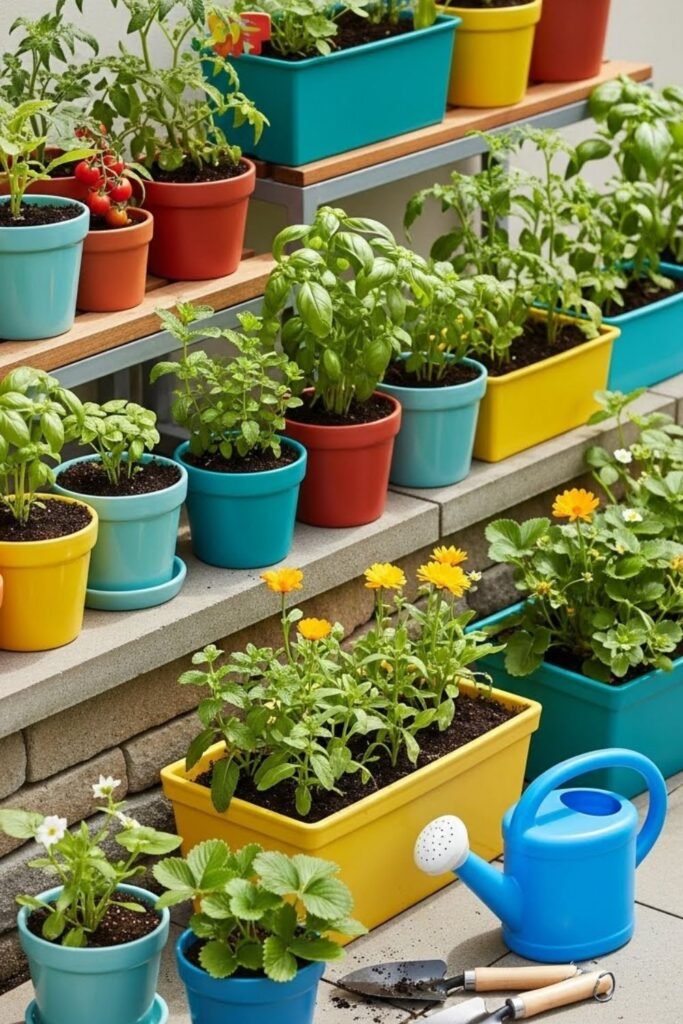
Kid Pots
Little hands get curious when plants grow fast. I choose containers with quick-growing plants so kids see results without waiting weeks.
Radishes, beans, and herbs work well because changes happen daily. I place pots where spills don’t matter and use safe soil. If you want children involved without stress, this setup builds interest.
And responsibility naturally. Gardening becomes an activity instead of a chore, and mess stays manageable while learning happens through simple care routines and observation.
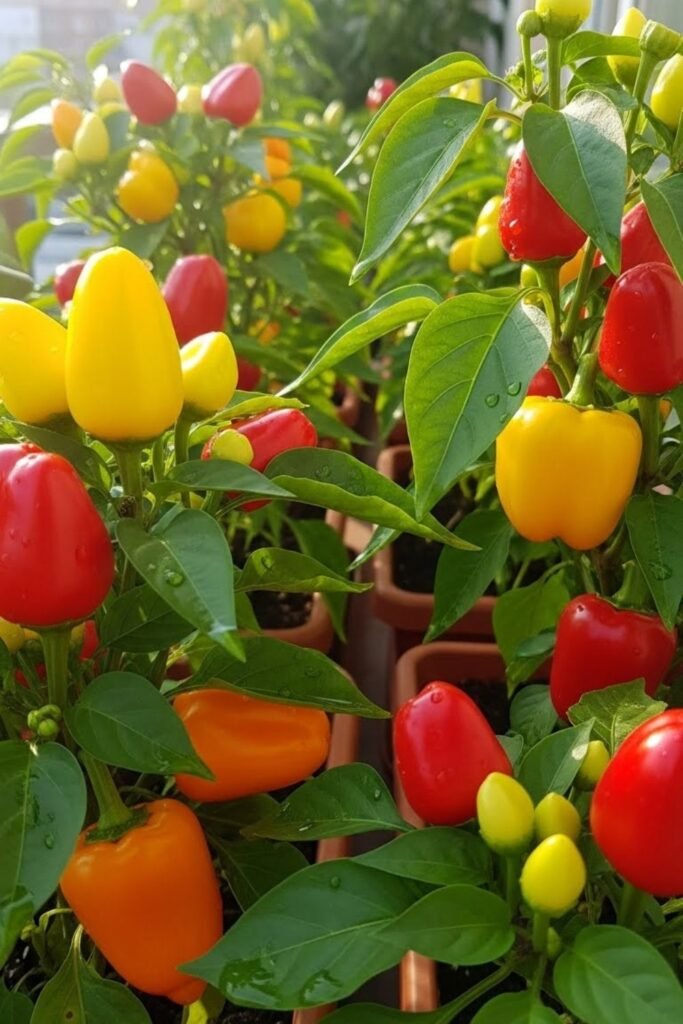
Pepper Pots
Spicy or sweet peppers thrive when space stays controlled. I grow one plant per medium container and focus on steady light and warmth. Feeding happens lightly but often.
Which keeps growth balanced. If you enjoy cooking, peppers add color and flavor without spreading out. Containers also make it easier to protect plants from sudden weather changes.
This approach keeps plants productive while fitting neatly into patios, balconies, or sunny corners near doors or windows at home.
Corner Fill
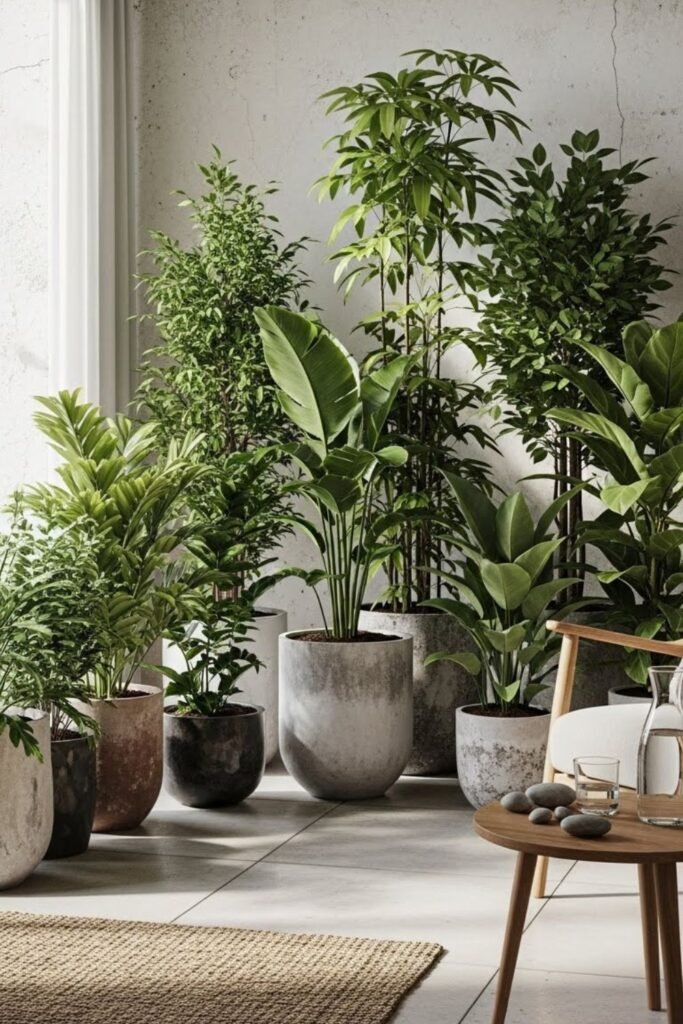
Empty corners usually go unnoticed until plants move in. I place tall or bushy containers in unused spots to soften hard edges. Growth fills vertical space and makes rooms feel complete.
Choosing plants that grow upward avoids crowding walkways. If areas feel awkward or bare, container gardening helps redefine them.
Corners turn into calm visual anchors with minimal effort, especially when pots stay consistent in color and care needs remain simple week after week.
Seasonal Switch
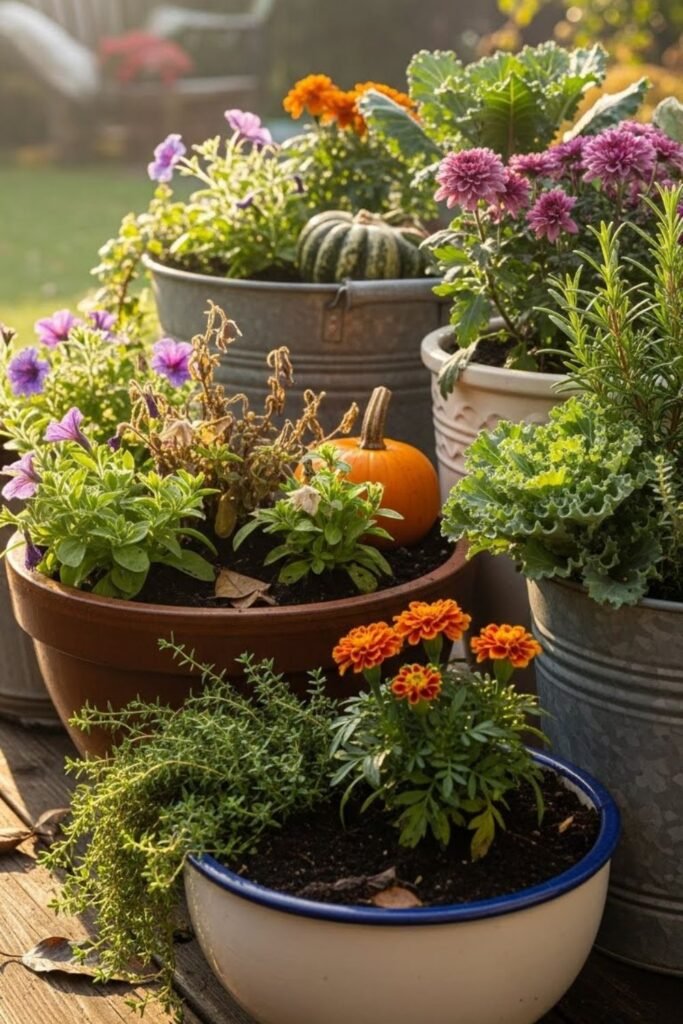
Plants don’t need to stay the same all year. I rotate containers with seasons so growth matches weather instead of fighting it. Cool crops grow early, heat lovers follow later.
This keeps soil active and avoids burnout. If variety keeps you interested, seasonal switching maintains excitement. Containers make transitions easy because nothing stays permanent.
Storage stays simple, and planting always feels fresh without needing extra space or new equipment every few months at home.
Fragrant Zones
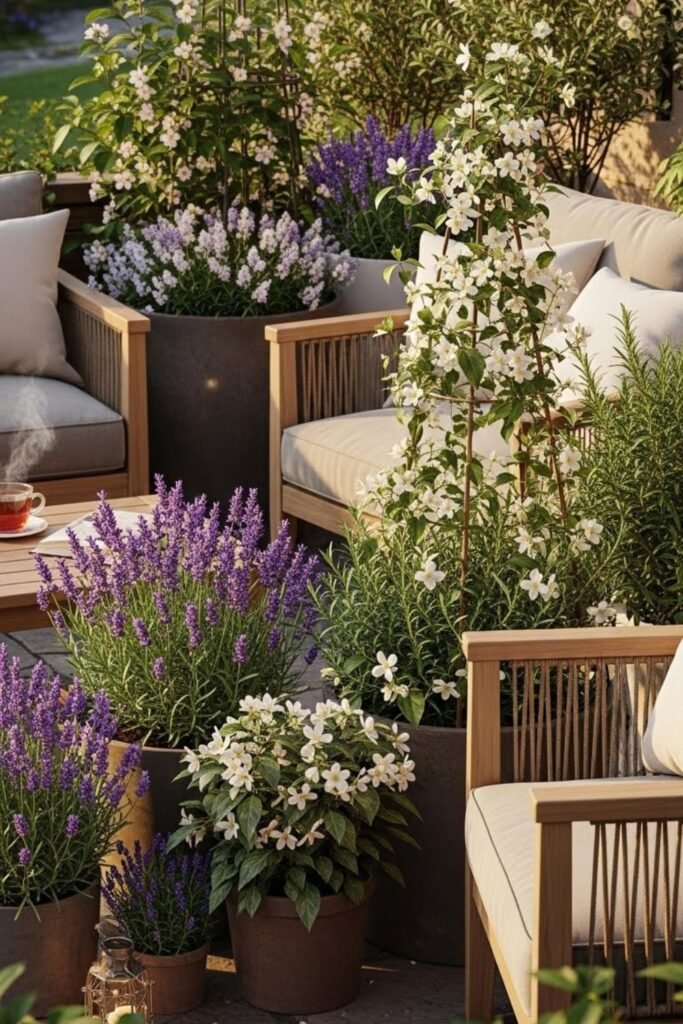
Scent changes how a space feels more than color ever could. I place containers with fragrant plants near seating areas so the smell becomes part of daily rest time.
Lavender, jasmine, and basil release scent when brushed past. Position matters more than quantity. If relaxation is the goal, a single well-placed pot works better than many scattered ones.
Containers make it easy to move fragrance closer during evenings and away during strong sun, keeping comfort balanced.
Single Focus
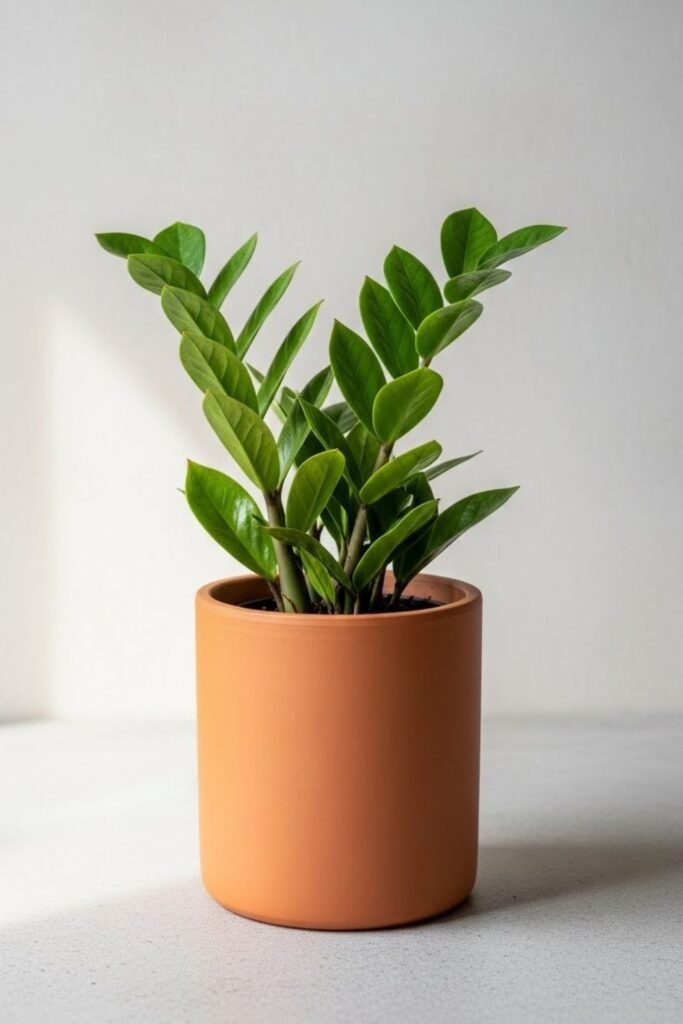
Overcrowding causes more problems than beginners realize. I stick to one plant per container so growth stays predictable and care feels simple.
Watering becomes easier, roots spread properly, and problems show early. If gardening ever feels overwhelming, this approach removes guesswork.
Containers shine here because control stays tight. Confidence grows faster when attention stays focused and results feel clear without confusion or unnecessary maintenance routines.
Sun Movers
Light changes throughout the day, and containers let me follow it. I use lightweight pots so plants move as sunlight shifts across balconies or rooms.
Morning sun suits some plants, while others prefer afternoon warmth. If shade patterns keep changing, moving containers solves the problem instantly.
This flexibility keeps plants healthier without adjusting soil or watering habits. Wheels help with heavier pots, making daily light adjustments simple instead of exhausting over time.
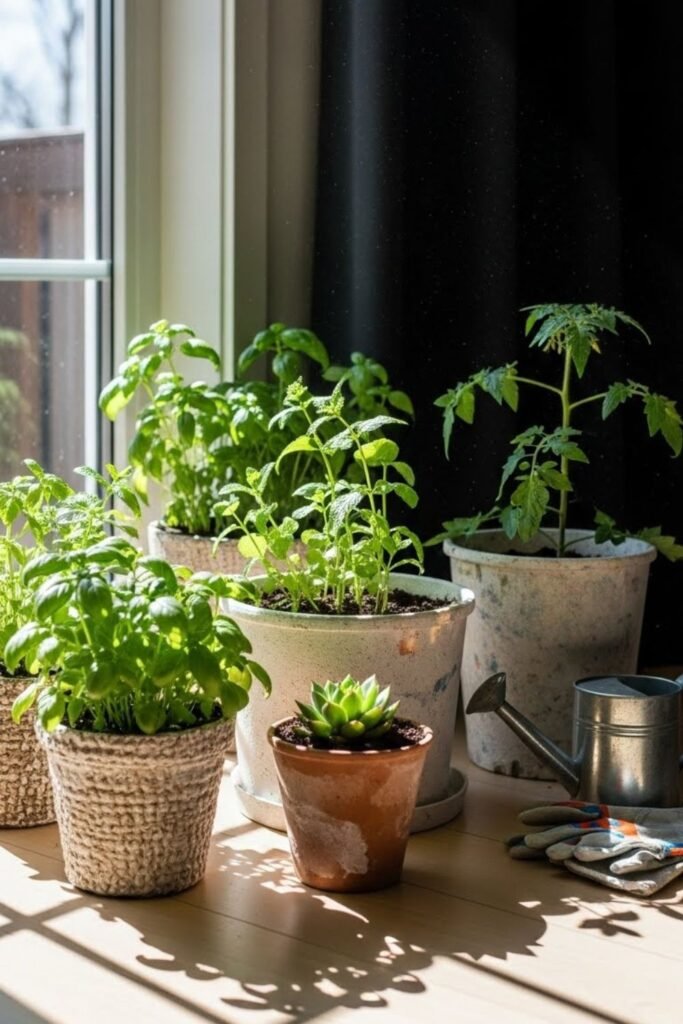
Calm Minimal
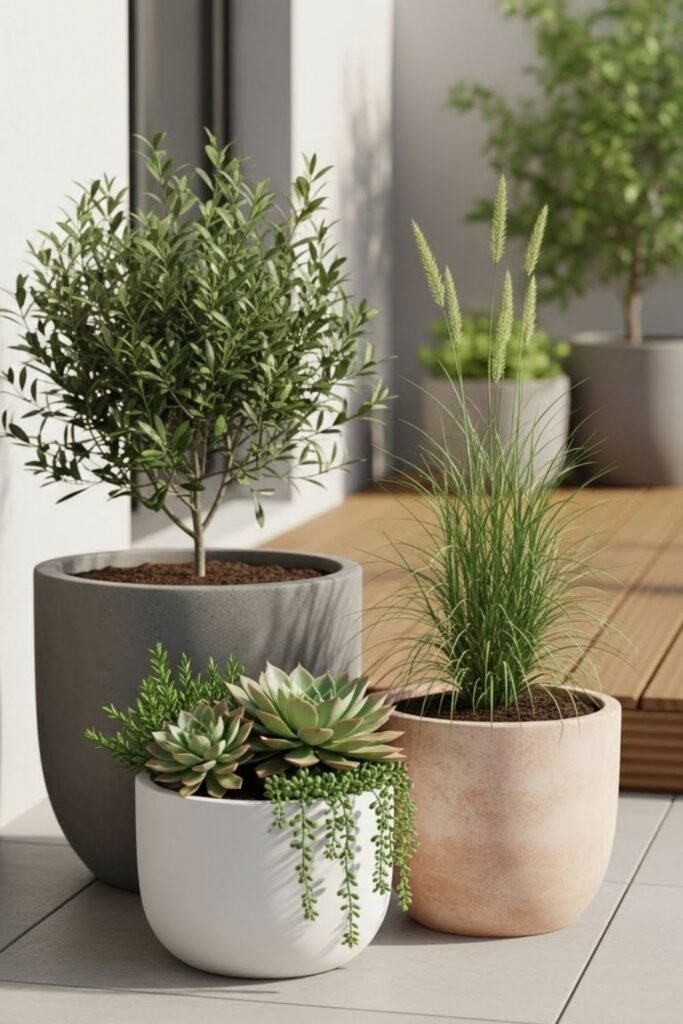
Too many plants can feel noisy instead of peaceful. I choose fewer containers with clean shapes and simple colors to create calm corners.
Growth feels intentional when distractions disappear. Neutral pots highlight foliage instead of competing with it. If relaxation matters more than harvest size, minimal setups work beautifully.
Container gardening doesn’t need to be busy. Space breathes better when plants feel chosen, not crowded, and care routines stay gentle and predictable.
FAQs
Can I start container gardening if I’ve failed with plants before?
Yes, and failure actually helps here. Most plant problems come from poor drainage, wrong soil, or containers that are too small not from lack of skill.
Containers give you control, which makes mistakes easier to fix. Start with one plant, one pot, and the right soil. When you change the setup, results change too.
How many containers do I really need to get started?
One. That’s enough. You don’t need a full setup or multiple pots on day one. One container helps you learn how light, water, and soil work in your space.
Once that plant stays healthy, adding more containers feels natural instead of overwhelming.

Hi, I’m Afaf! I’m a law student who loves all things home, style, and gardening. I’ve been writing for over a year about topics like home decor, DIY projects, plants, fashion, and beauty.
I like sharing ideas that are easy to try and don’t cost a fortune. Whether it’s organizing a messy closet, decorating on a budget, or keeping houseplants alive, I write about what I’ve actually tried myself.
When I’m not studying, I’m usually on Pinterest looking for my next project or adding another plant to my collection!