
26 Flower Garden Ideas For 2026
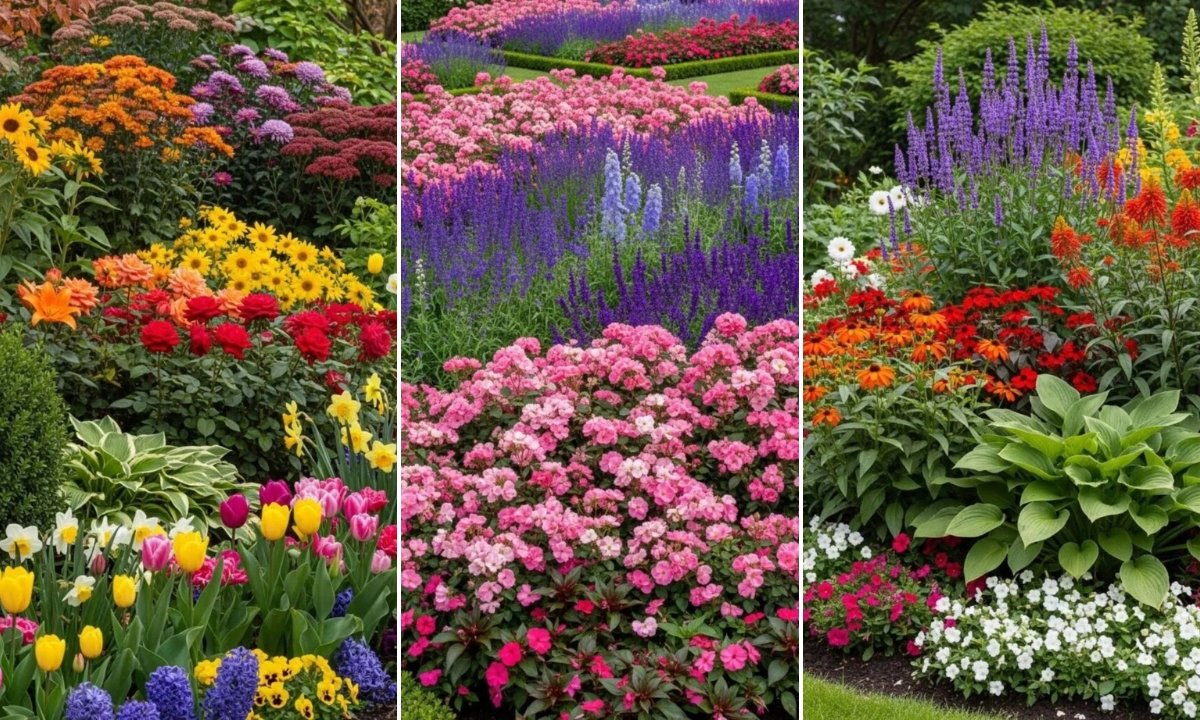
You plant flowers with excitement, watch them bloom, and then just like that they fade, leaving your garden looking empty or messy.
Maybe you’ve tried copying ideas from the internet, only to realize they don’t work in real life. The truth is, most flower gardens fail not because of bad flowers, but because of poor planning.
If you want a garden that looks good all year and doesn’t feel like constant work, you need a simple system not guesswork.
In this article, you’ll see 26 practical Flower Garden Ideas that make compact spaces feel intentional in 2026.
How Can You Design a Flower Garden That Blooms All Year?
If you plant flowers that all bloom at the same time, your garden will look great for a few weeks and then feel empty.
To avoid this, you need to plan in layers of time, not just color. Start by choosing flowers that bloom in different seasons some for spring, some for summer, and a few for fall.
Then mix in plants with strong leaves that stay green even when flowers fade. When one plant finishes blooming, another takes over, and your garden never looks bare.
Save this article for later! 👇👇
How Can You Mix Flowers and Greenery for a Balanced Look?
If your garden looks messy, the problem usually isn’t the flowers it’s what’s missing between them. Flowers come and go, but greenery holds everything together.
Start by using leafy plants as a base, then add flowers on top of that structure. If you rely only on blooms, your garden will look empty when they fade.
When you mix flowers with plants that have strong leaves, your garden stays full, balanced, and clean looking even when nothing is flowering.
Season Layers
I always plan blooms the same way I plan outfits for different seasons. I choose some flowers that wake up early in spring, others that shine in summer, and a few that hold on until fall.
I also keep leafy plants in between so gaps never appear. If one group finishes blooming, another steps in.
That simple timing shift keeps the garden active instead of disappointing halfway through the year.
Color Blocks
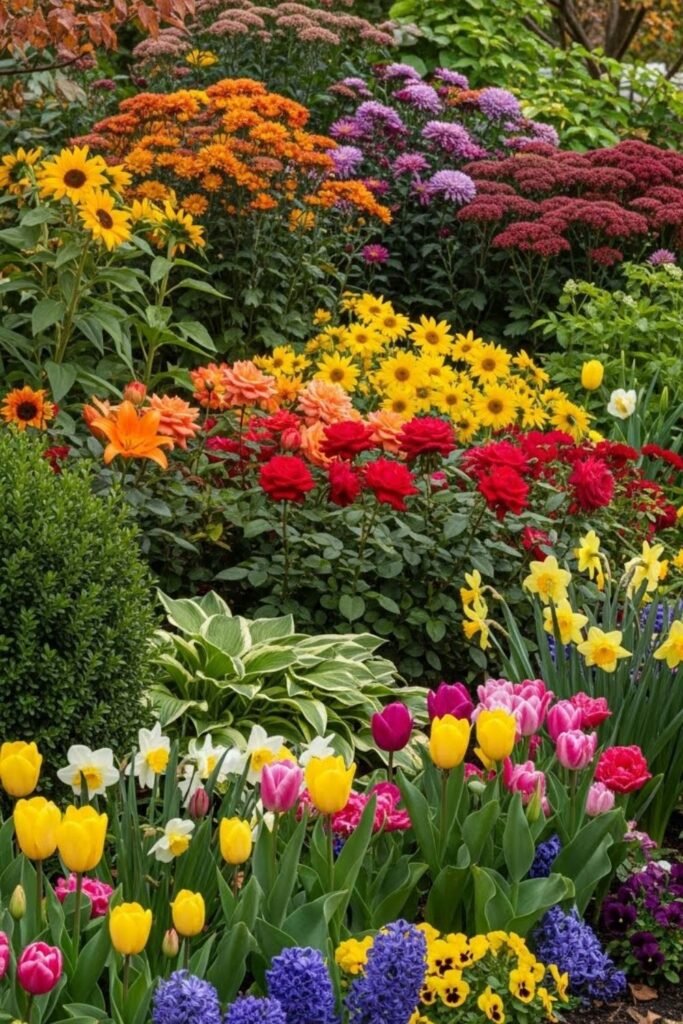
I treat color like a decision, not a surprise. I pick one or two shades and repeat them across the garden instead of mixing everything together.
Repeating colors creates calm, while random choices create noise. I space similar flowers in small groups so the eye moves smoothly instead of jumping around.
Fewer colors actually make the garden feel fuller, cleaner, and much easier to maintain over time.
Green Anchors
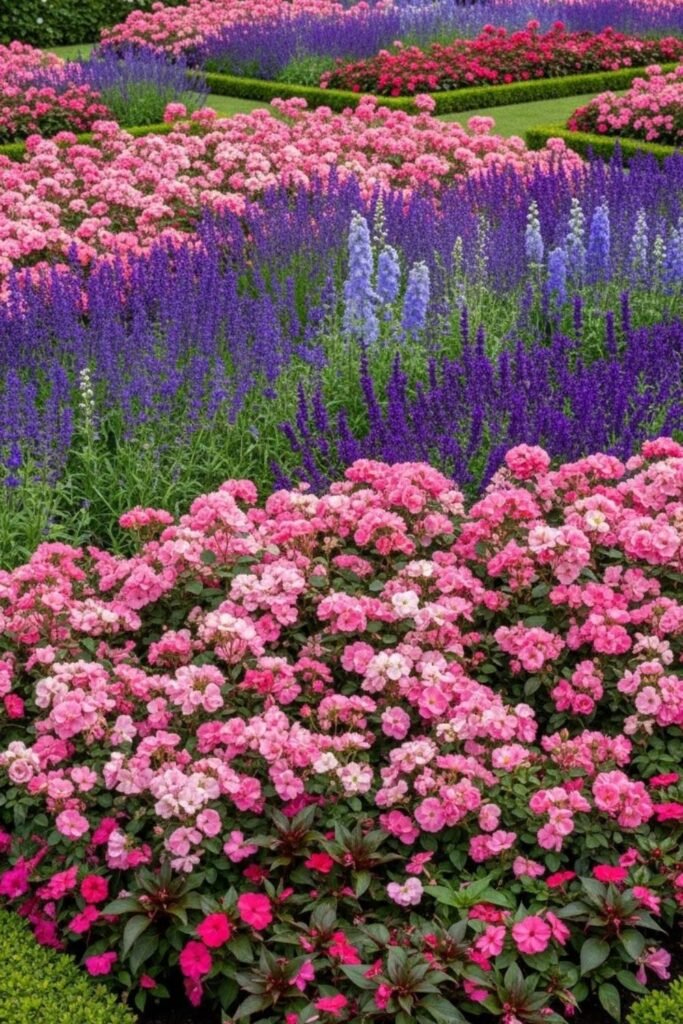
Every strong garden needs something steady, so I start with greenery first. I place plants with solid leaves where flowers usually fade fast.
Those leafy anchors hold the shape of the garden even when blooms disappear. Once the structure feels right, I layer flowers on top.
This approach keeps everything grounded and prevents that empty, tired look that happens when flowers stop showing off.
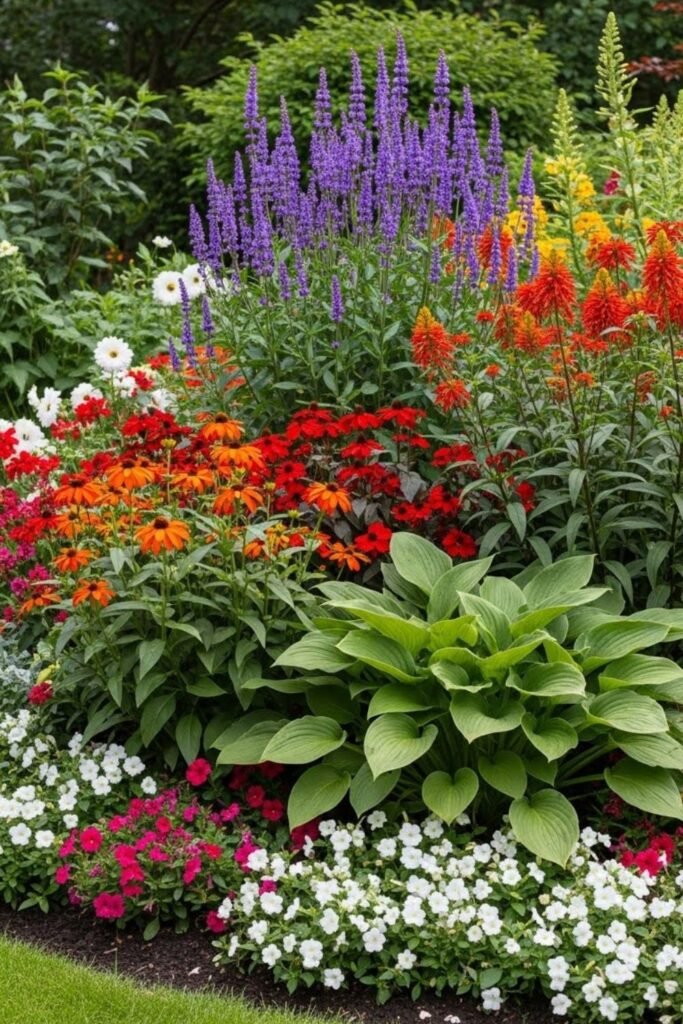
Perennial Core
I build the garden around plants that come back without asking much from me. Perennials handle the hard work year after year, which means less replanting and fewer surprises.
I add a few seasonal flowers only where I want extra color. This balance saves time and money.
While still eeping things interesting. Consistency from perennials makes the entire garden feel reliable and relaxed.
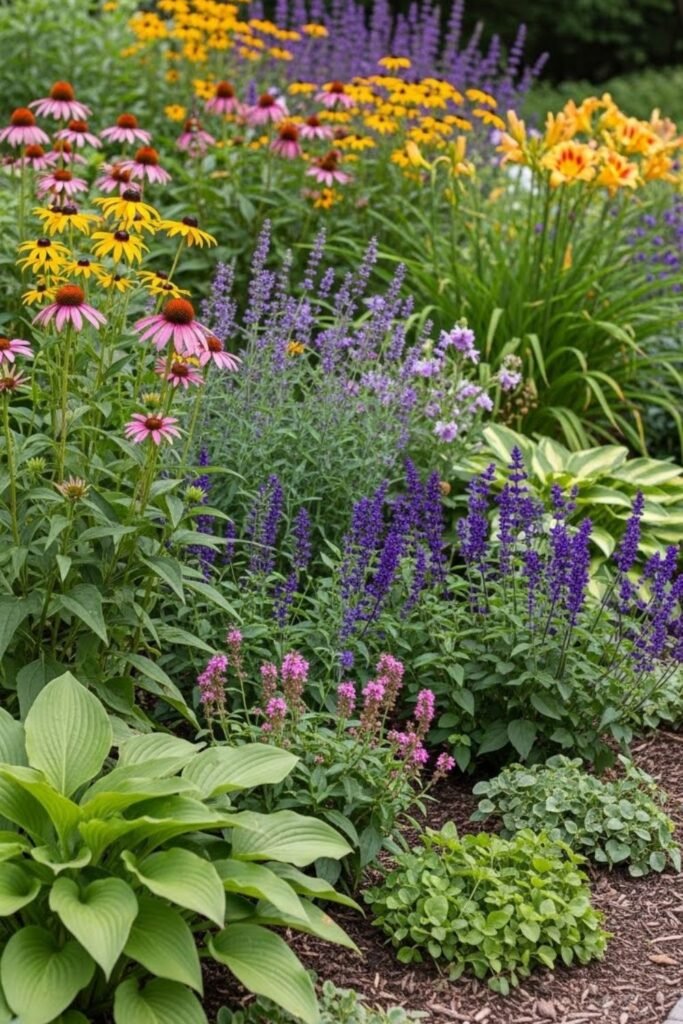
Narrow Borders
Small spaces taught me discipline. I stop thinking wide and start thinking tall and layered. Taller flowers go at the back, medium ones fill the middle.
And low growers soften the edge. I plant closer than usual so weeds struggle to survive. Narrow borders work best when every plant has a job.
Once spacing makes sense, even the slimmest strip looks intentional instead of forgotten.
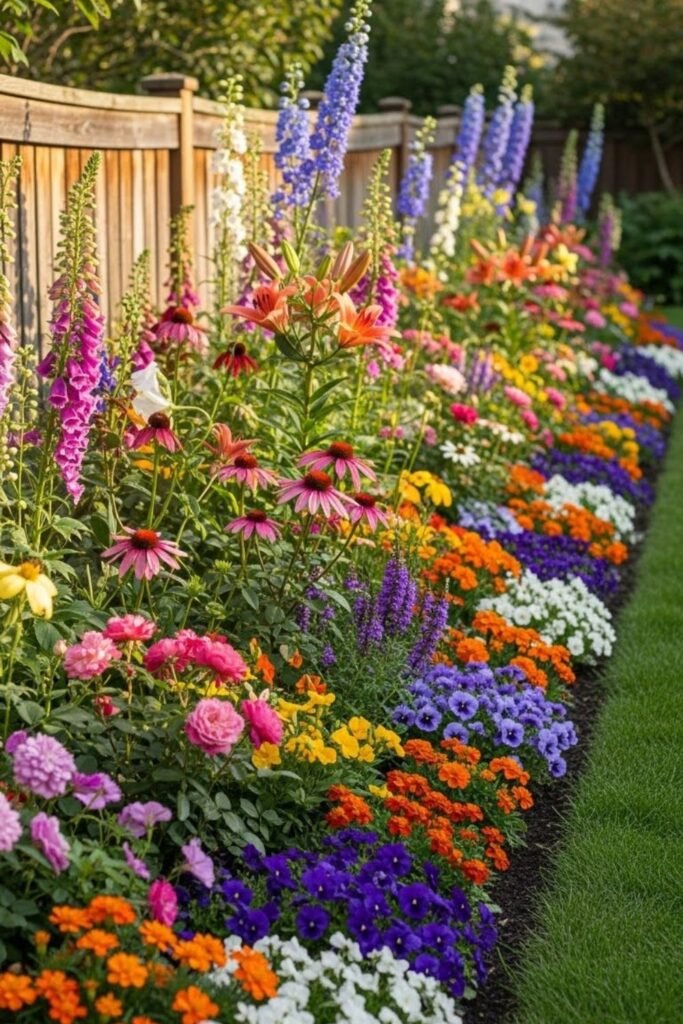
Curb Appeal
Front gardens feel stressful because everyone sees them, so I design them to stay neat without daily effort.
I stick to predictable shapes and repeat the same plants on both sides. That repetition makes everything feel planned, not busy. I avoid flowers that flop or spread too much.
Clean edges and steady structure matter more here than rare plants or dramatic color choices.
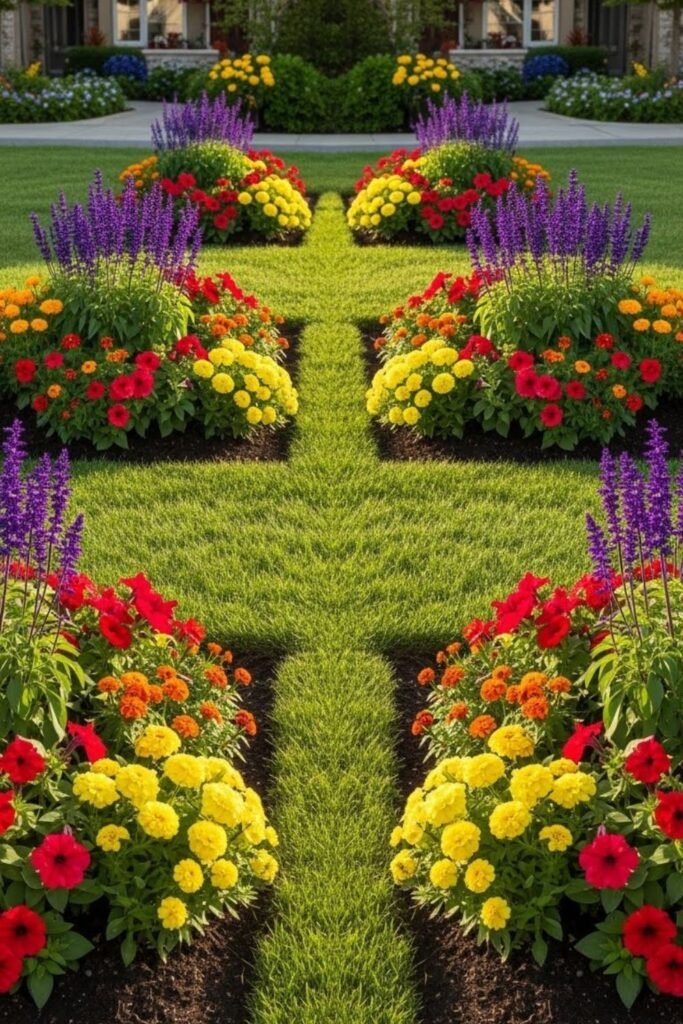
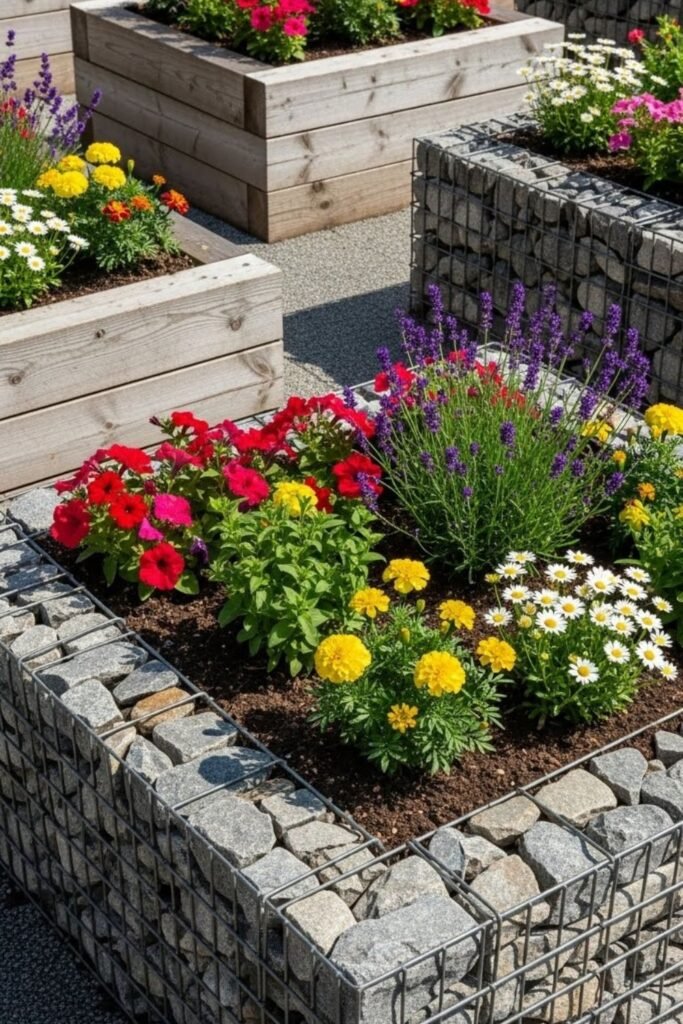
Raised Beds
Raised beds changed how much control I have. Soil stays loose, water drains better, and plants grow where I tell them to.
I use clear edges so the garden looks tidy even before flowers bloom. Height also saves my back.
Which matters more than people admit. With raised beds, I decide the rules first, and the plants simply follow them.
Containers Only
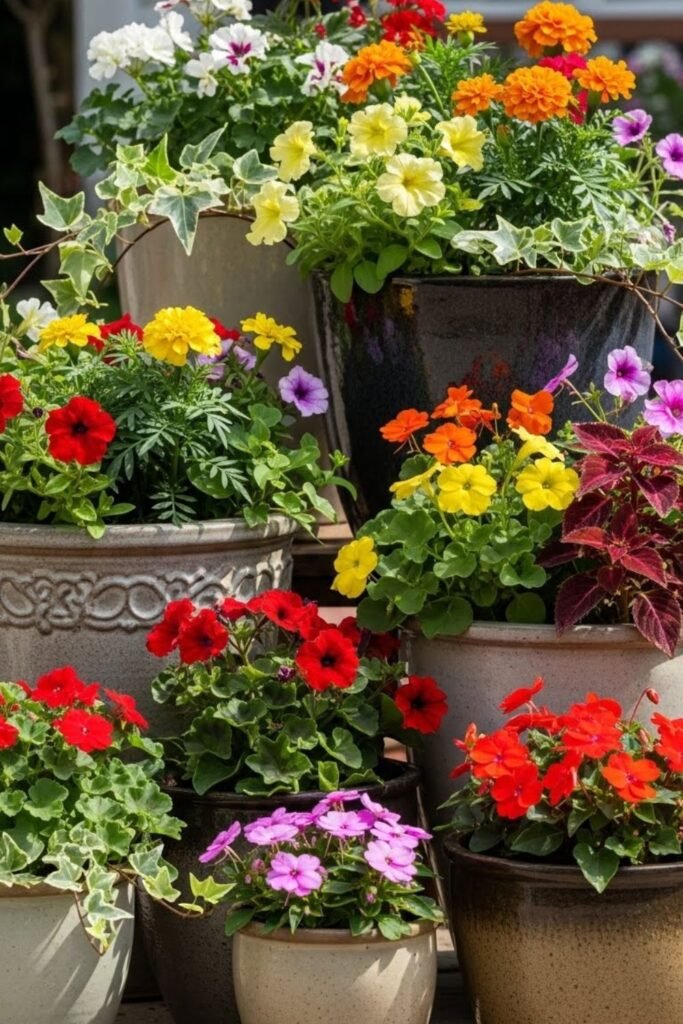
Containers give me freedom I never had in the ground. I move them when sunlight changes and swap plants without disturbing anything else.
I treat each pot like a small garden with one focus flower and supporting greenery. Grouping containers creates impact without commitment.
If something fails, I replace one pot instead of rethinking the whole garden, which keeps stress low.
Sun Lovers
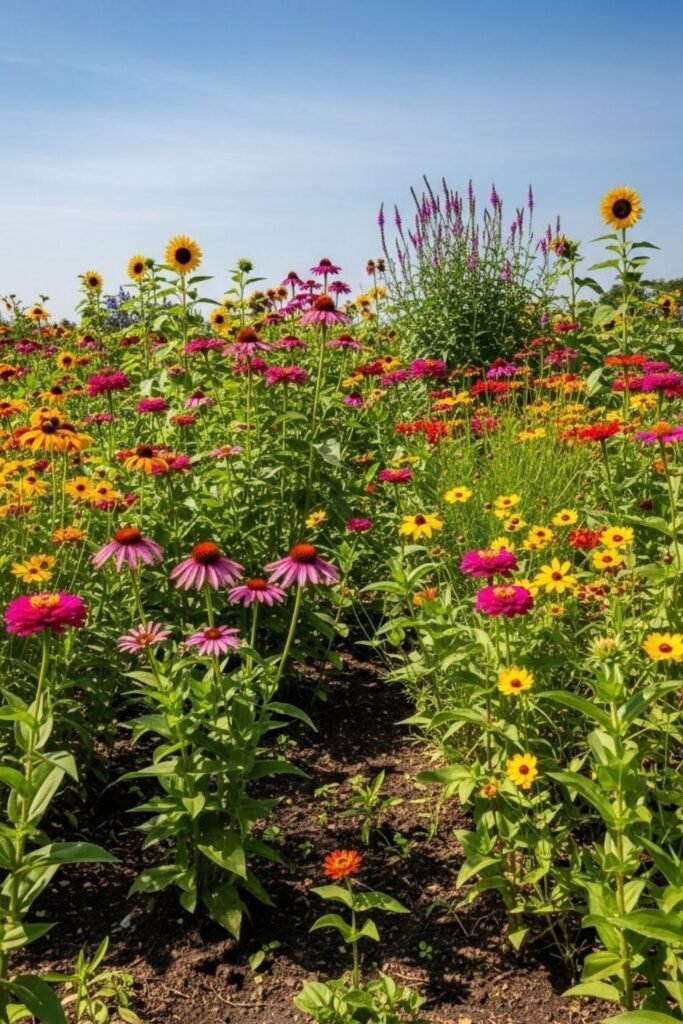
Bright sunlight changes how I choose flowers, so I stop fighting it and work with it. I pick plants that enjoy long hours of sun instead of forcing shade lovers to survive.
Heat-tolerant flowers stay upright, bloom longer, and need less babysitting. Mulch goes on early to lock in moisture.
Once sun-friendly plants settle in, watering becomes predictable and the garden stops stressing me out.
Soft Shade
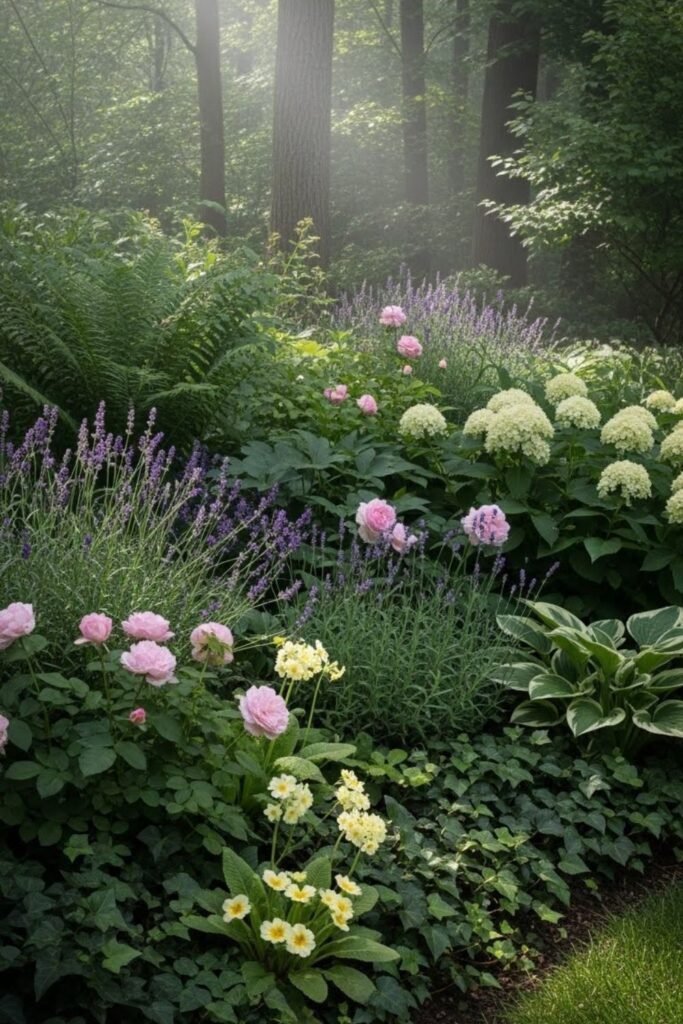
Shaded areas taught me that flowers aren’t always the main attraction. I focus on leaf shapes, soft colors, and gentle contrast instead of bold blooms.
Lighter flowers stand out better in low light, while textured greenery fills space quietly. I avoid overcrowding so air can move freely.
Shade gardens feel calm when plants are chosen for subtle beauty rather than constant color.
Pollinator Focus
Watching bees changed how I design gardens. I group flowers instead of scattering them so pollinators find food faster.
Open blooms work better than complicated shapes, so insects don’t struggle. I plan flowers with overlapping bloom times to avoid empty weeks.
Once pollinators show up regularly, the garden feels alive, balanced, and surprisingly low effort without constant human interference.
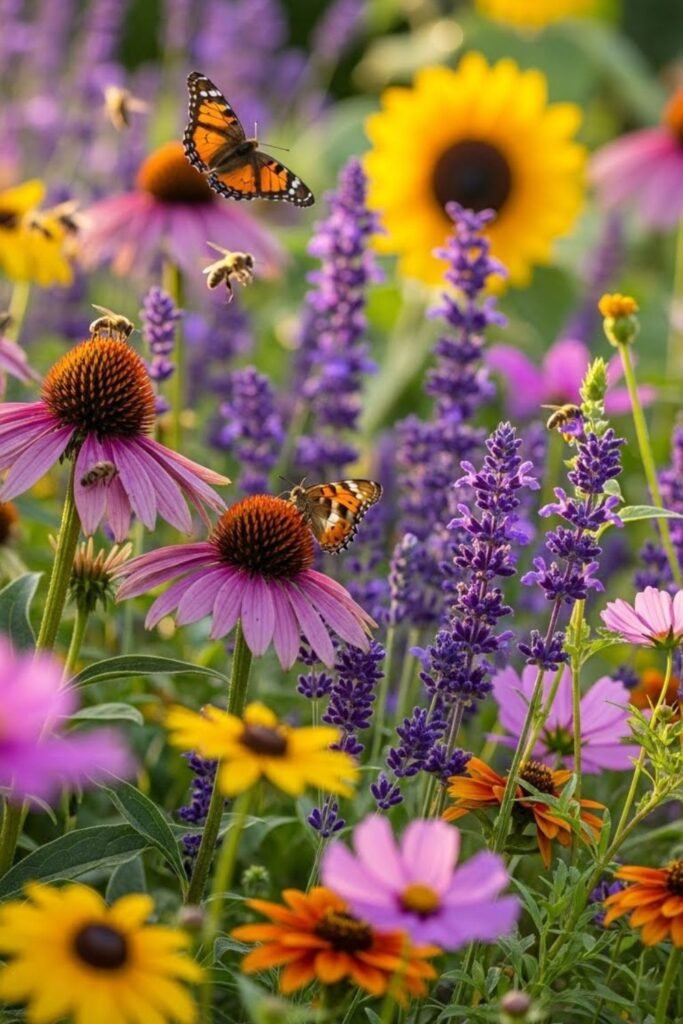
Cottage Flow
Loose planning works best when I still respect boundaries. I let flowers mingle naturally but keep paths and edges clear so chaos doesn’t take over.
Heights overlap slightly to create movement without blocking views. I repeat favorite plants to keep rhythm.
Cottage-style gardens succeed when freedom is controlled, allowing softness and structure to exist together without looking accidental or neglected.
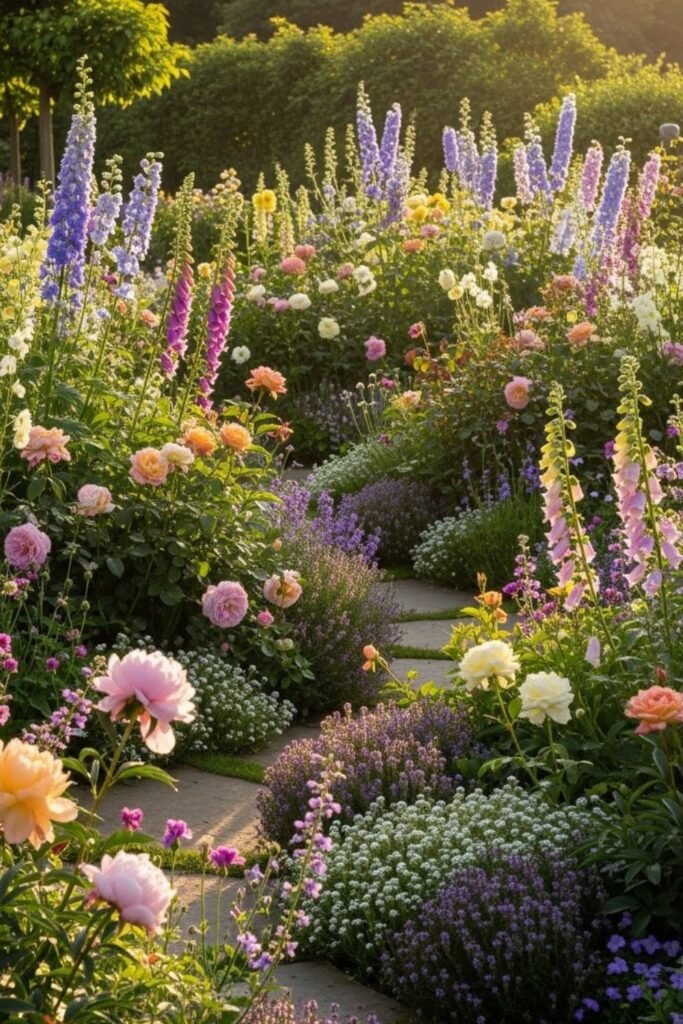
Clean Lines
Straight edges calm my garden instantly. I limit flower varieties and repeat them in clean rows or clusters. Fewer shapes create stronger impact, especially in modern spaces.
I leave breathing room between plants so each one stands out. Neutral greenery supports brighter blooms without competition.
Clean lines make maintenance easier and help the garden feel intentional instead of crowded or chaotic.
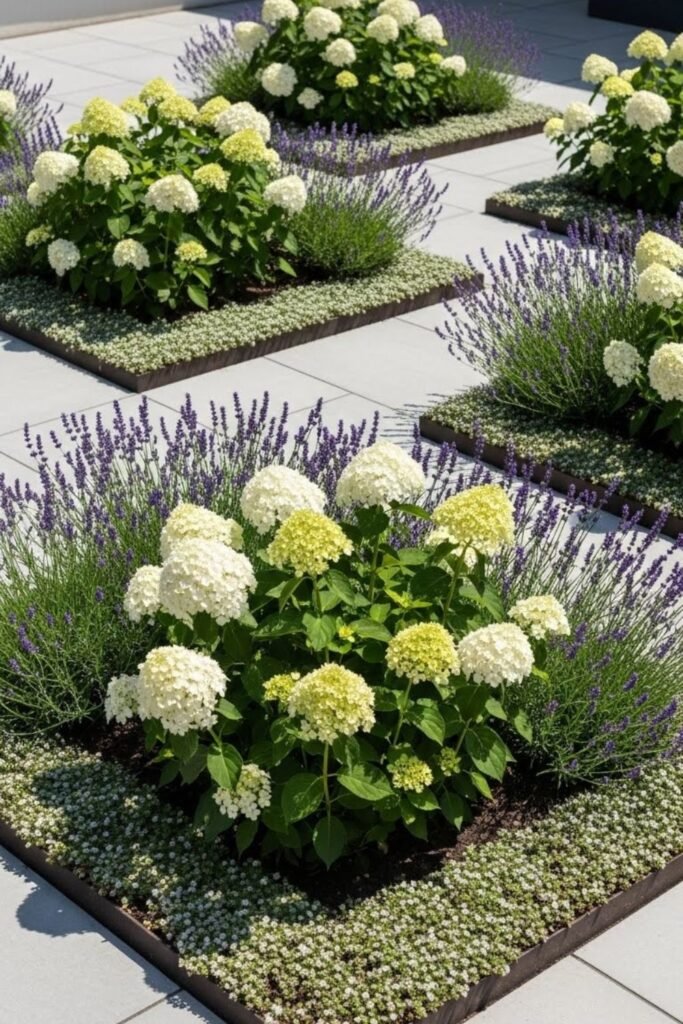
Wild Balance
Nature inspires me, but control keeps things livable. I allow flowers to reseed lightly while trimming back aggressive spreaders early.
Mixing native flowers with gentle structure prevents the garden from turning messy. Uneven heights add movement without blocking views.
This balance creates a relaxed look that still respects space, making the garden feel natural yet thoughtfully guided.
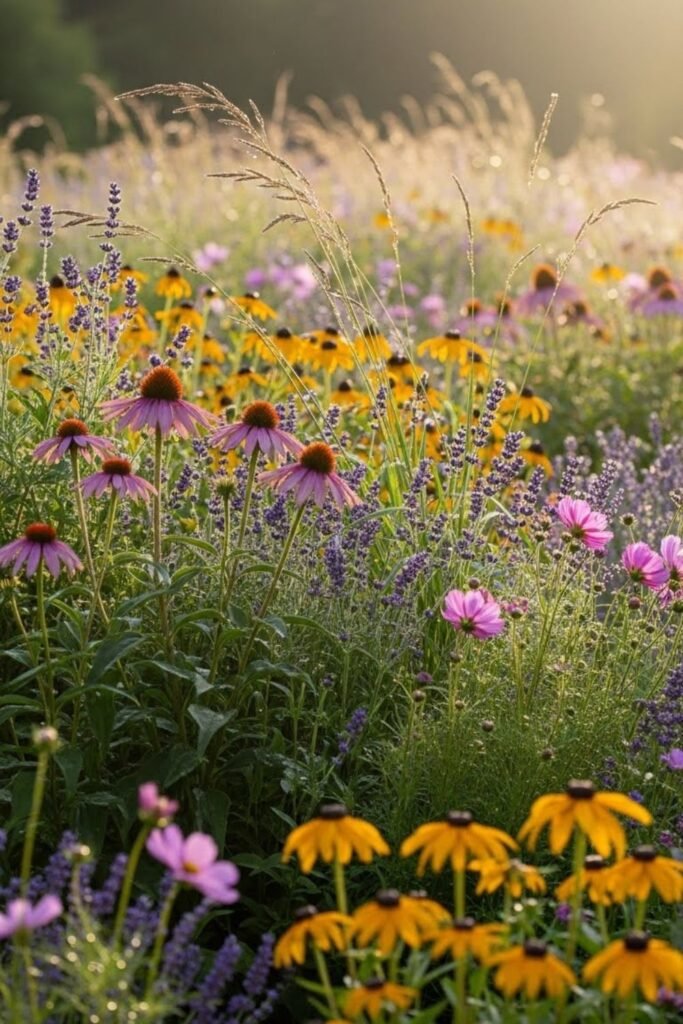
Path Edges
Walking paths deserve attention because eyes follow them naturally. I line paths with low flowers that soften edges without spilling over.
Repeating the same plant keeps movement smooth and predictable. Taller blooms stay farther back to avoid crowding footsteps.
Defined edges help the garden feel organized, guiding visitors while keeping maintenance simple and trimming predictable.
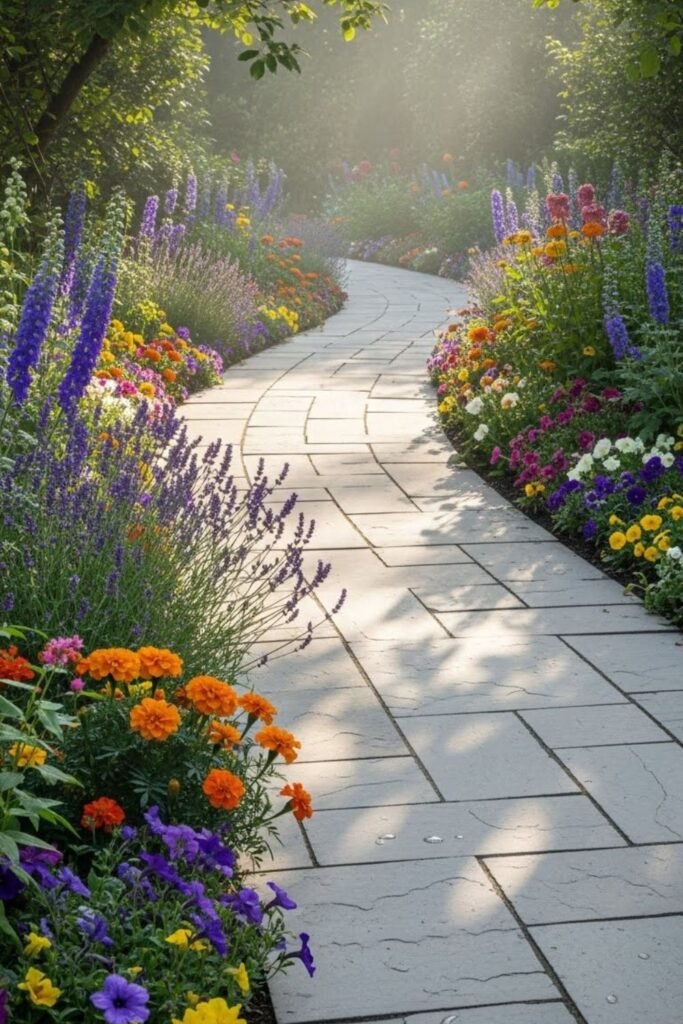
Leaf Focus
Leaves carry the garden when flowers rest. I choose plants with bold, patterned, or deep-colored foliage to create interest all season.
Flowers become accents instead of pressure points. Mixing leaf sizes adds depth without visual noise.
A foliage-focused garden stays full longer, looks healthier, and feels finished even during weeks when blooms take a break.
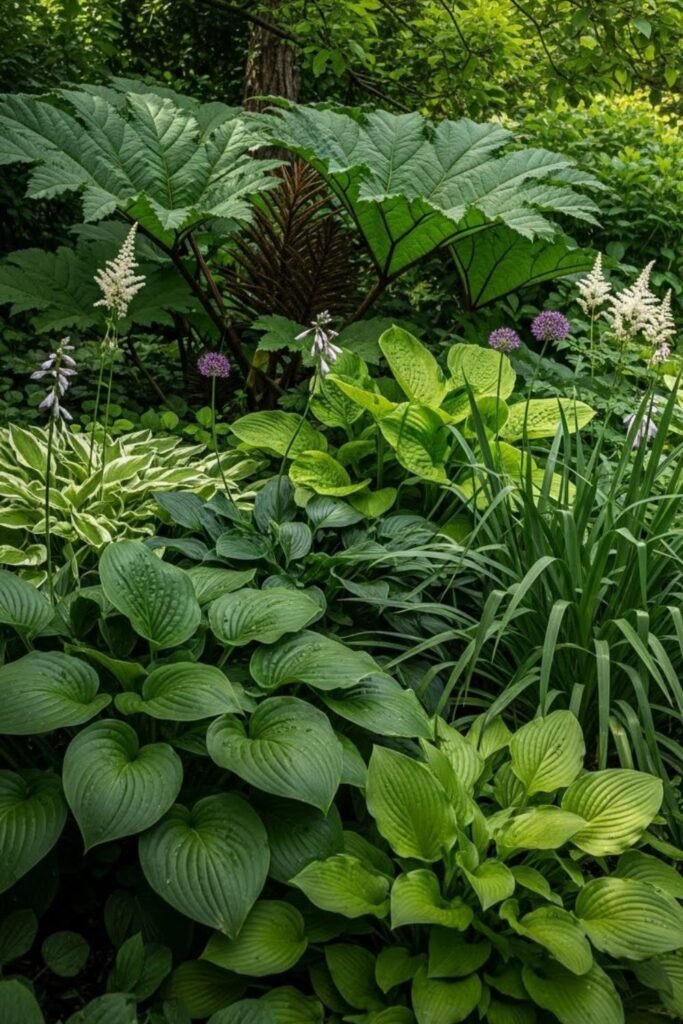
Single Shade
Limiting myself to one color completely changed how confident my garden looks. I choose different tones of the same shade so everything feels connected, not flat.
Light and dark variations create depth without confusion. Greenery becomes more noticeable because it frames the color instead of competing with it.
One-color gardens feel calm, elegant, and surprisingly forgiving when plants bloom at different times.
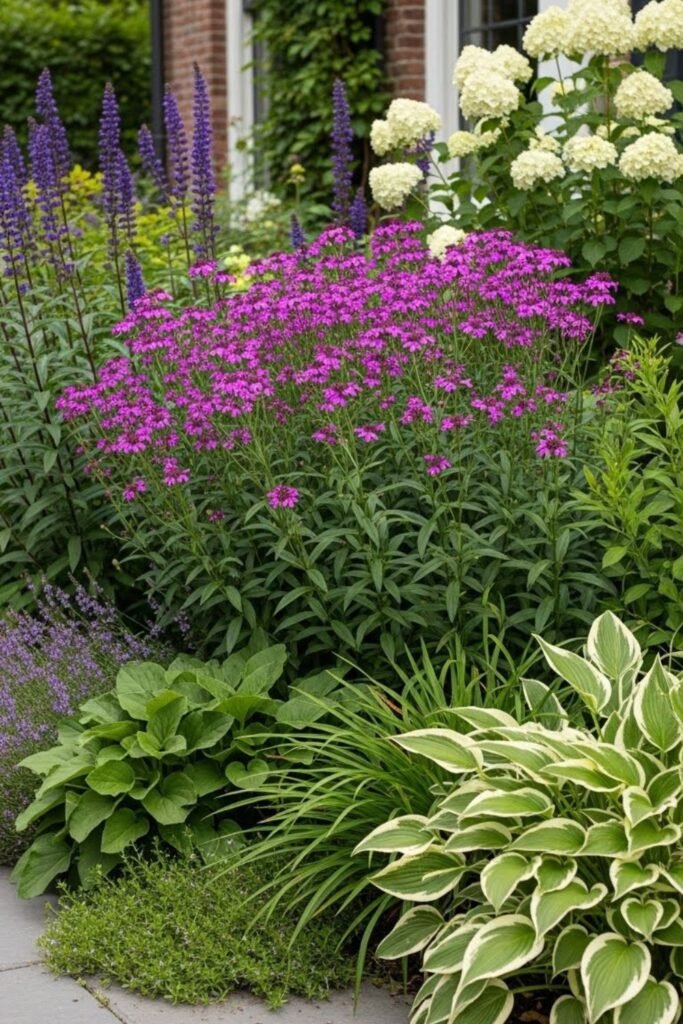
Height Play
Depth comes from height, not more plants. I place taller flowers where the eye naturally rests and step everything down gradually.
Sudden height changes feel awkward, so smooth transitions matter. Medium plants act as bridges between tall and low growers.
This layering pulls the viewer in and makes even a small garden feel larger, fuller, and thoughtfully designed.
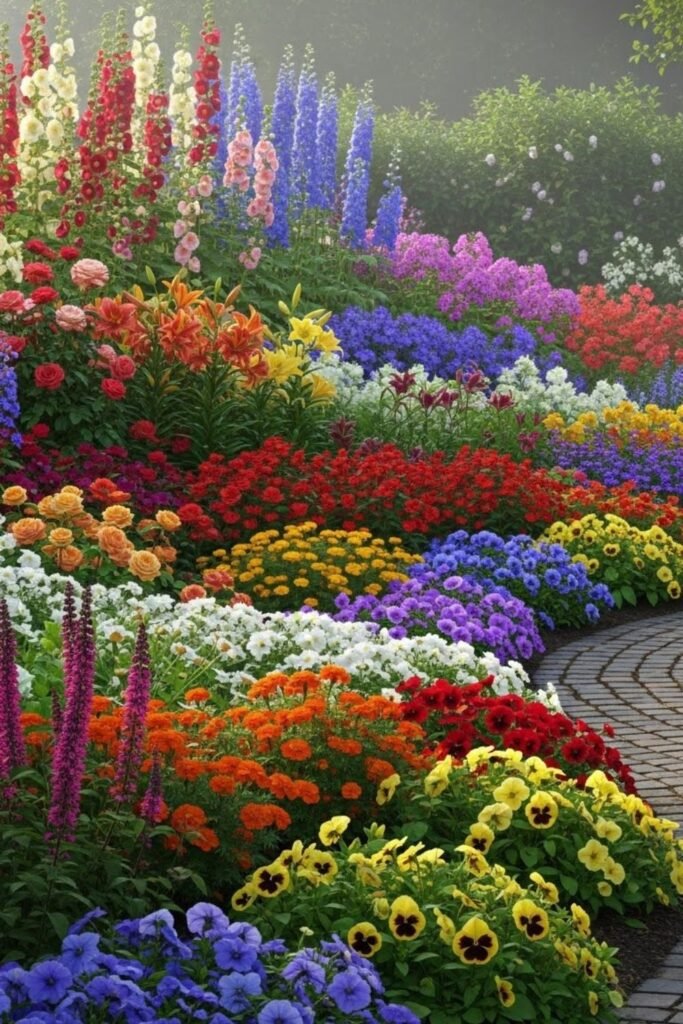
Easy Start
Confidence grows when success comes early. I begin with hardy flowers that tolerate mistakes and uneven care.
Simple spacing rules prevent overcrowding, and repeating plants avoids confusion. I don’t chase rare varieties or complex layouts at first.
A beginner-friendly garden builds trust fast, making learning enjoyable instead of frustrating and keeping motivation high through the first growing season.
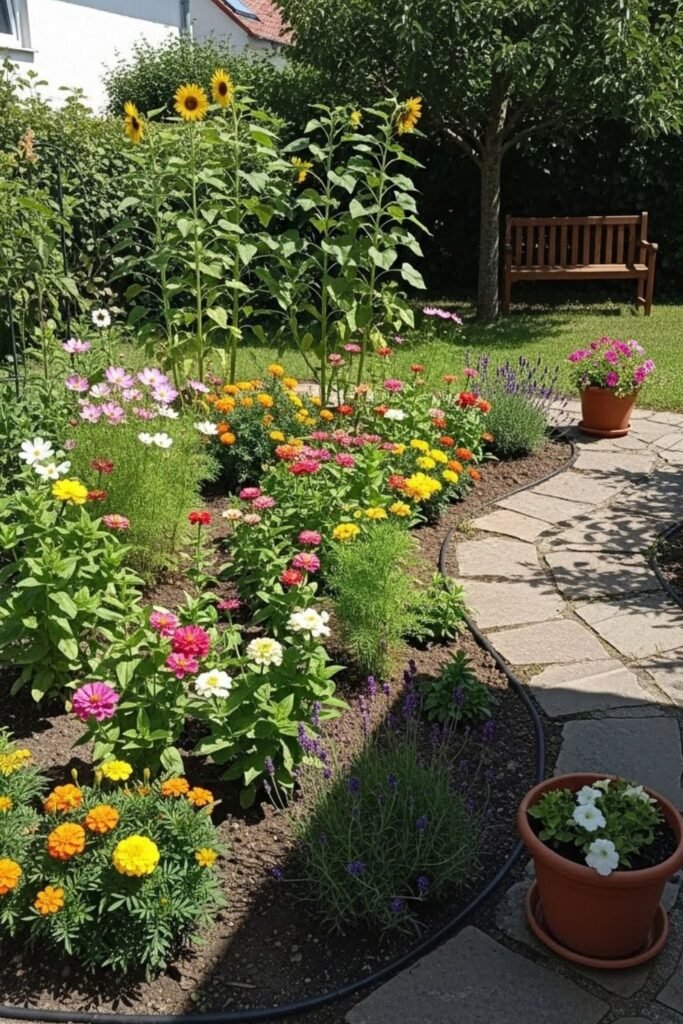
Dry Smart
Water rules everything in dry areas, so I plan around it instead of fighting it. I group plants with similar water needs to avoid stress.
Deep roots matter more than constant watering. Mulch becomes a tool, not decoration.
Once drought-tolerant flowers settle in, maintenance drops sharply and the garden survives heat without constant attention.
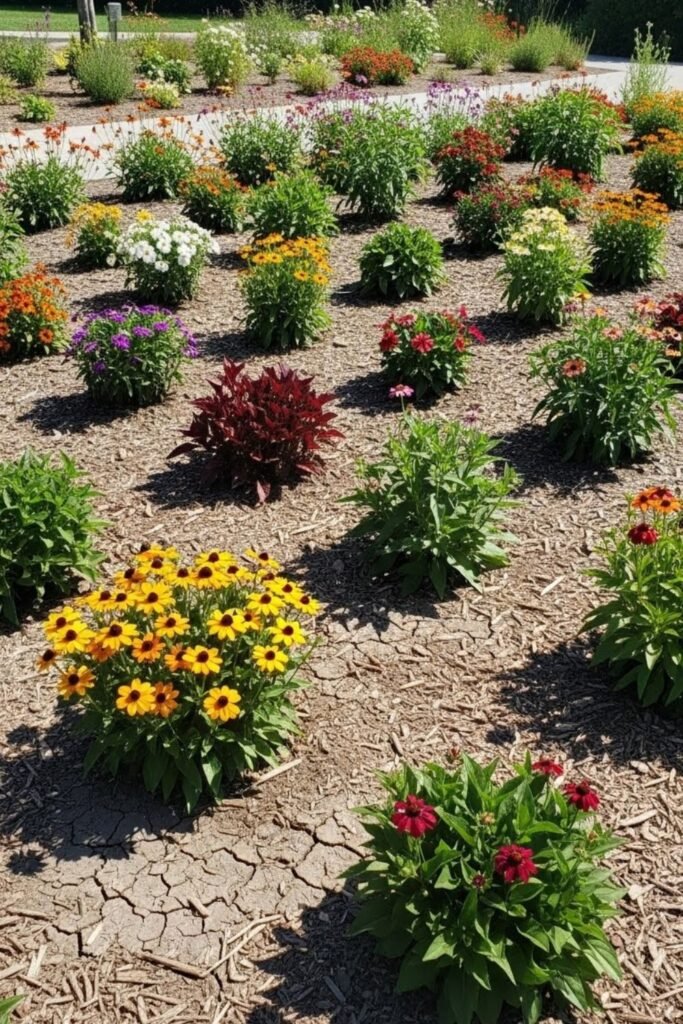
Seasonal Swaps
Changing a few plants each season keeps the garden fresh without starting over. I leave the main structure alone and only replace flowers that finish early.
That way, the garden evolves instead of collapsing. Spring bulbs give way to summer color, then fall flowers step in.
Small swaps create big impact and prevent burnout because the foundation never needs rebuilding from scratch.
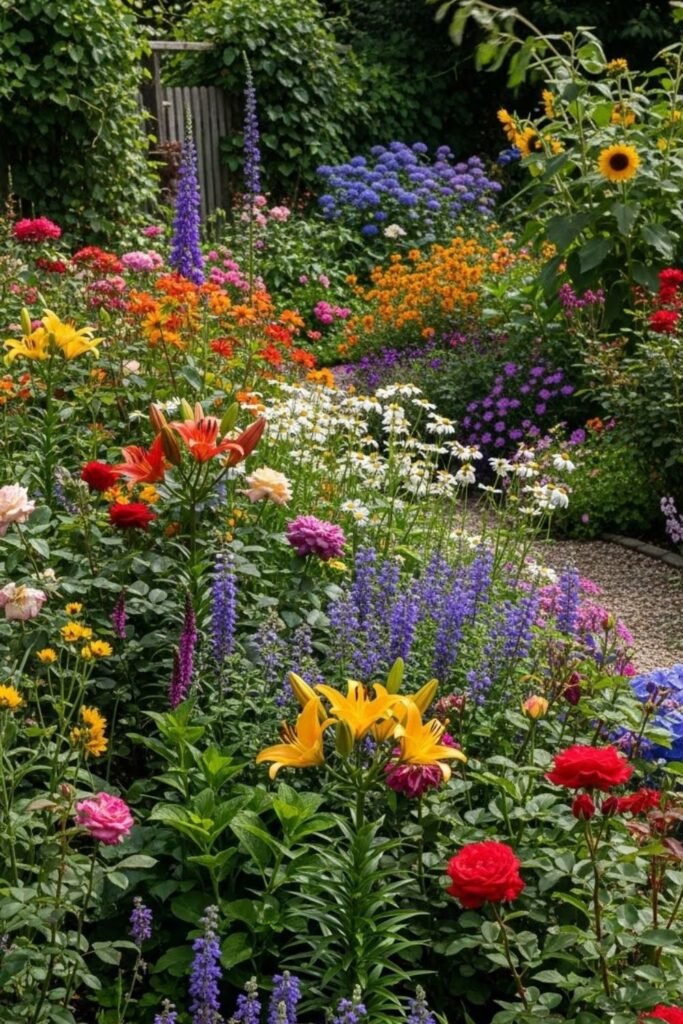
Family Proof
Durability matters when kids and daily life exist. I choose plants that bounce back after accidental stepping or brushing.
Soft edges near play areas reduce damage, while sturdier flowers hold their shape. I avoid anything fragile or toxic.
A family-friendly garden stays welcoming instead of stressful, letting everyone enjoy it without constant warnings or fear of ruining months of work.
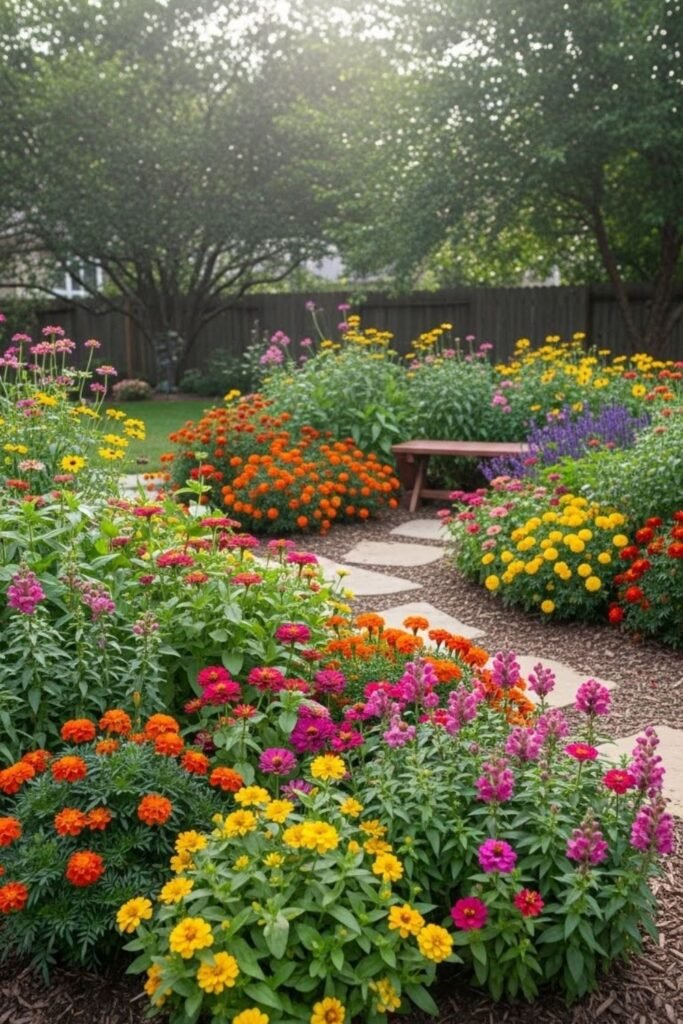
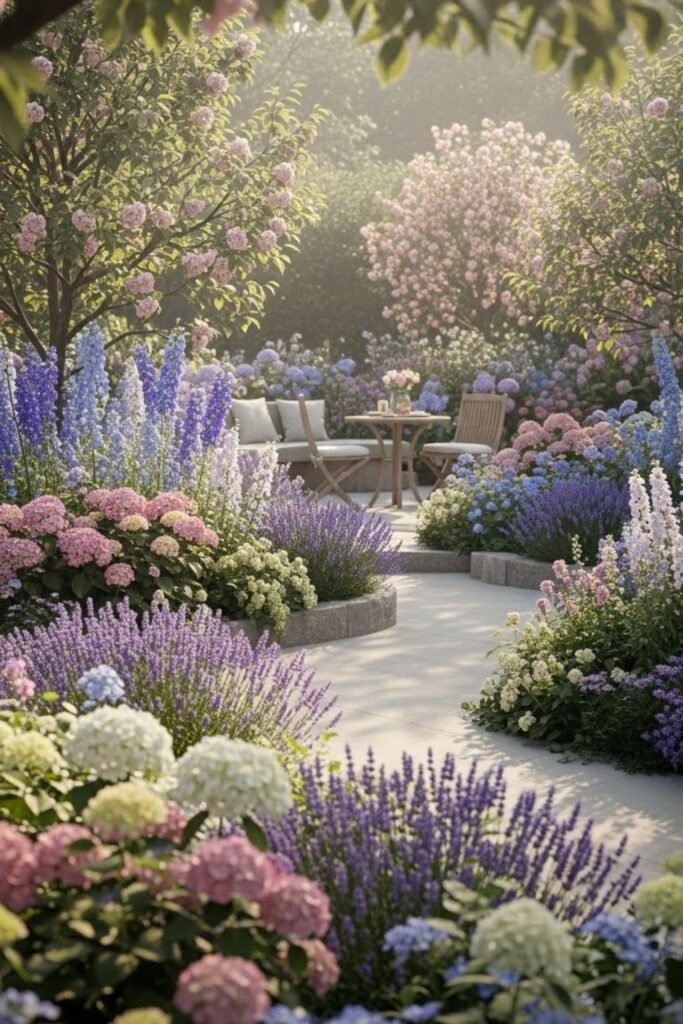
Calm Retreat
Quiet gardens start with softer choices. I lean toward gentle colors, flowing shapes, and plants that move slightly in the breeze.
Loud contrasts disappear here. Space between plants allows breathing room for the eyes. I place seating where flowers frame rather than crowd.
This type of garden feels like a pause button, offering calm without demanding attention or perfection.
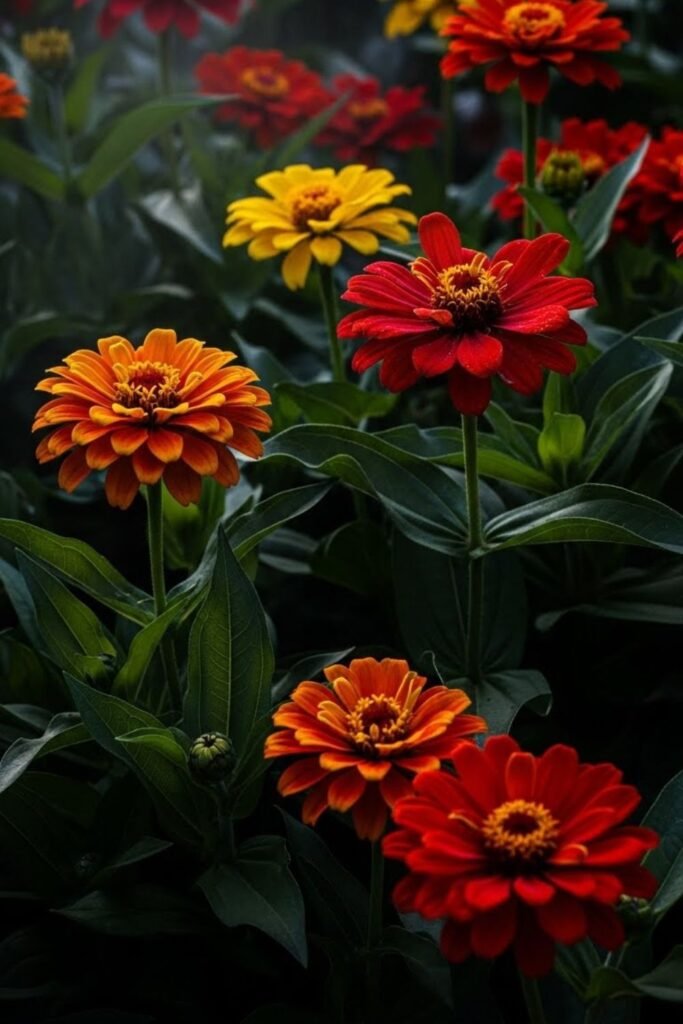
Bold Contrast
Strong gardens don’t whisper they speak clearly. I pair deep colors with lighter ones to create sharp contrast. Dark foliage makes bright flowers pop even more.
I limit the number of plants so contrast stays intentional, not chaotic. Bold gardens need confidence, not clutter.
When contrasts are planned, the space feels powerful and dramatic without becoming overwhelming.
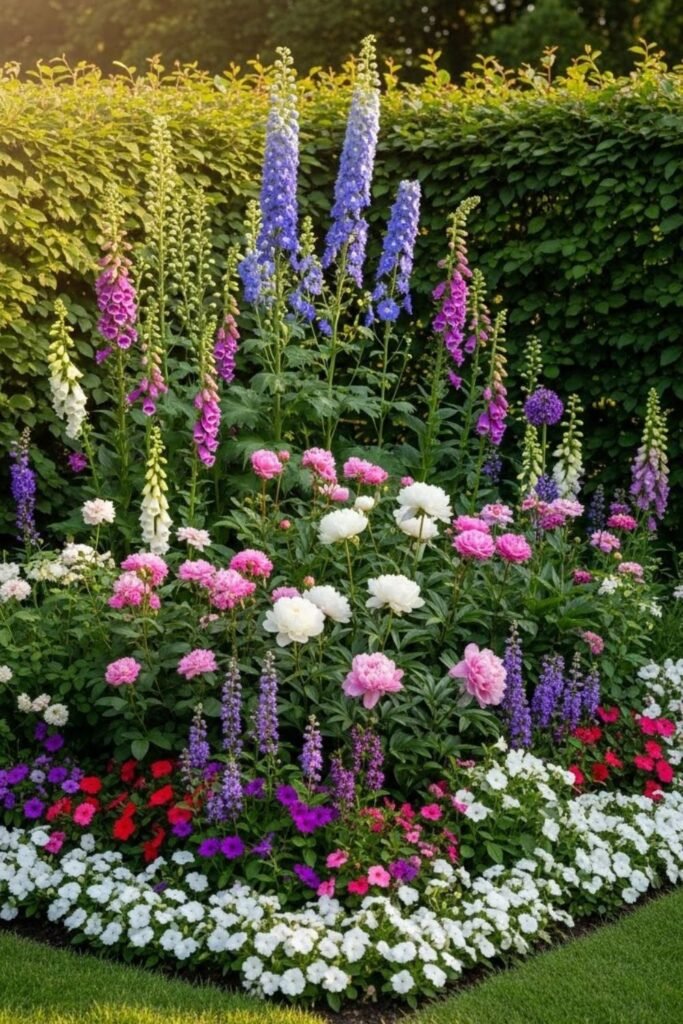
Corner Focus
Ignored corners become opportunities once I stop treating them as leftovers. I build upward using height to draw attention away from awkward angles.
Taller plants anchor the space, while smaller ones soften edges. Corners work best when given a clear role.
Instead of random fillers. Once designed intentionally, these spaces feel purposeful rather than forgotten.
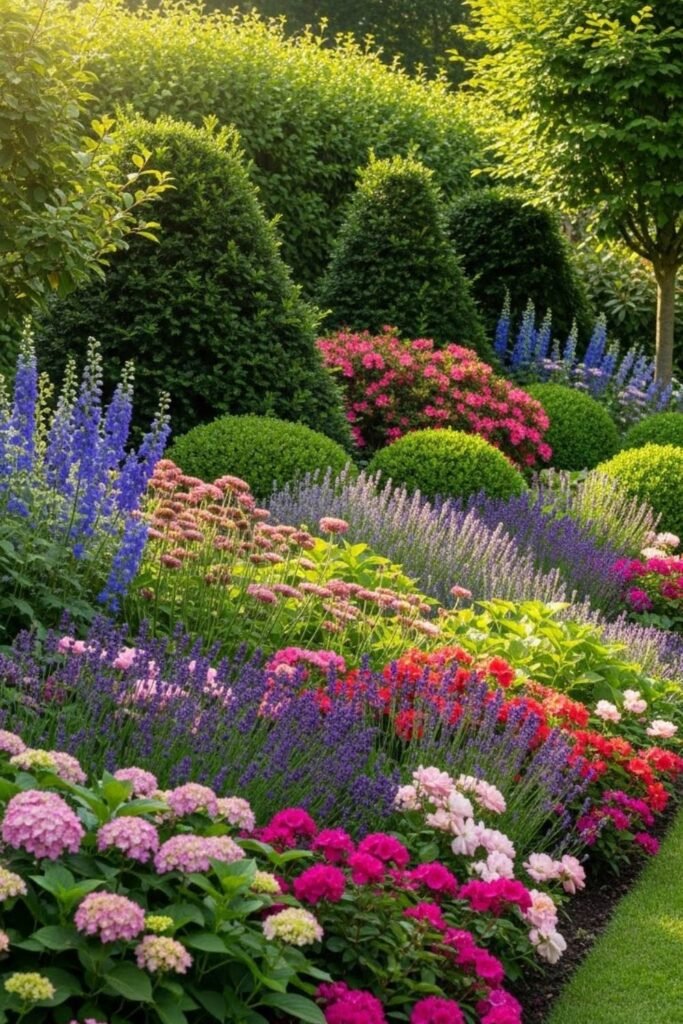
Shrub Blend
Flowers shine brighter when supported properly. I mix flowering plants with shrubs that give long-term shape and structure.
Shrubs create backdrops, block wind, and hold visual weight. Flowers then become highlights instead of carrying everything alone.
This blend reduces maintenance and keeps the garden looking complete even outside peak bloom periods.
FAQs
How long does it take for a flower garden to start looking good?
A flower garden doesn’t look finished overnight. Most gardens start looking noticeable within a few weeks, but real fullness comes after one full growing season.
If you mix fast-blooming flowers with plants that grow steadily, your garden improves month by month instead of feeling slow or disappointing at the start.
Do I need a big yard to create a beautiful flower garden?
A big yard helps, but it isn’t required. Good design matters more than space. Even small areas can look impressive when plants are grouped properly and colors are limited.
Containers, borders, and corners often create more impact than large open spaces when planned with intention.

Hi, I’m Afaf! I’m a law student who loves all things home, style, and gardening. I’ve been writing for over a year about topics like home decor, DIY projects, plants, fashion, and beauty.
I like sharing ideas that are easy to try and don’t cost a fortune. Whether it’s organizing a messy closet, decorating on a budget, or keeping houseplants alive, I write about what I’ve actually tried myself.
When I’m not studying, I’m usually on Pinterest looking for my next project or adding another plant to my collection!