My Mom And I Would Absolutely Say Yes To These Medieval Wedding Ideas

I’m planning Daniel’s work friend’s wedding next month (apparently I’m the one who gets asked about themes now?), and they’re going full medieval. Not like Renaissance fair medieval, but actually trying to make it feel authentic without everyone looking like they’re about to joust.
The challenge isn’t finding a castle venue or buying period costumes… it’s keeping 80 guests entertained for six hours without the whole thing feeling like dinner theater. You can’t just throw some banners on the walls and call it medieval.
What actually works is layering in activities that feel natural to the setting instead of forced. When guests are engaged, the theme comes alive. When they’re sitting around waiting for the next photo session, even the most beautiful venue starts to feel like a movie set.
Here are 16 ideas that actually work for creating that medieval atmosphere without making anyone uncomfortable.
What Are the Essential Elements of an Authentic Medieval Wedding Theme?
I’ve been to exactly one medieval wedding (my cousin’s, 2019, and it was… a lot), but I learned that atmosphere beats accuracy every time.
The venue should feel substantial—stone walls, wooden beams, high ceilings, anything that suggests permanence rather than decoration. Modern banquet halls with medieval wall decals don’t cut it, but a rustic barn with good bones absolutely can.
Clothing matters, but not in the way you think. Flowing silhouettes, rich fabrics, and earthy colors work better than trying to recreate exact historical pieces. A simple velvet gown reads more medieval than a polyester “wench dress” from a costume shop.
For decor, think communal rather than intimate. Long tables instead of rounds, shared platters, goblets, lots of candles. The goal is making dinner feel like a feast, not a formal reception where everyone politely waits their turn.
Entertainment is where most medieval weddings either succeed completely or fail spectacularly. Live music, group activities, and rituals that involve the guests work. Hired performers doing choreographed scenes usually don’t.
Lighting should be warm and layered—candles, lanterns, uplighting that mimics firelight. Harsh overhead lighting kills the mood faster than anything else.
When these pieces work together, you get something that feels like stepping into another time period rather than attending a very elaborate costume party
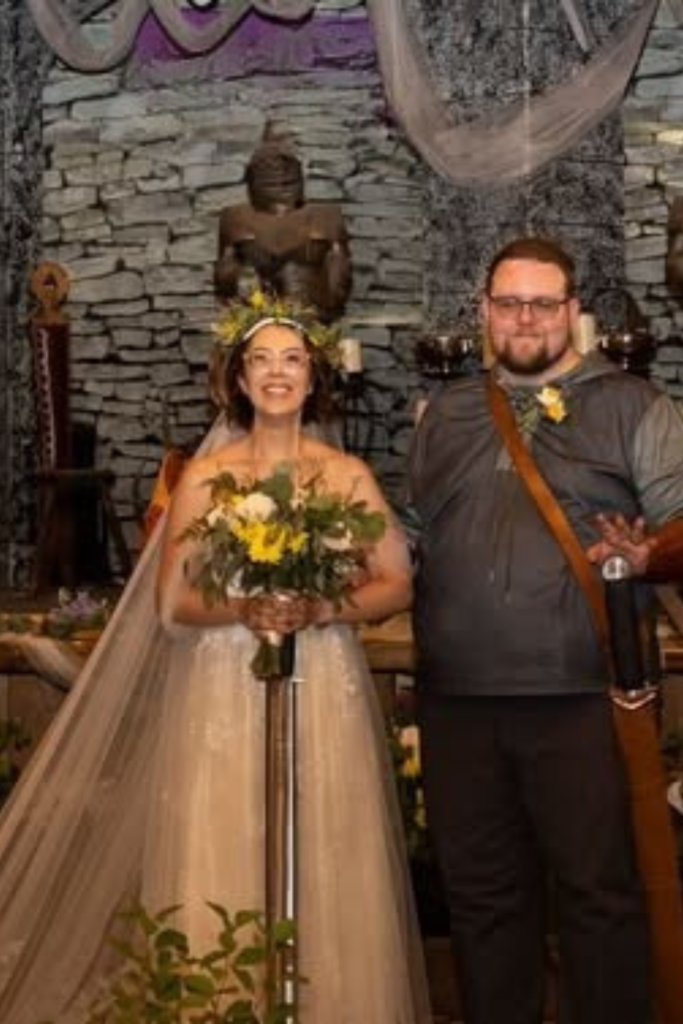
Knight Hall Ceremony
Stone venues give you a head start, but you can fake this in any space with substantial architecture. The key is making the ceremony space feel grand without being intimidating.
Position decorative armor or shields behind the altar area—not as props, but as part of the architectural backdrop. Wooden ceremony chairs (folding chairs with fabric draped over them work fine) and simple greenery keep the focus on the couple.
Soft floral arrangements help balance all that stone and metal. I’d go with deep colors—burgundy, forest green, maybe some dried elements that look like they’ve been there a while.
For lighting, think about how churches look at twilight. Warm uplighting against stone walls makes everything glow. Avoid anything too bright or too modern.
Flowing Medieval Attire
Honestly, the dress makes or breaks this whole theme. You want something that moves beautifully but doesn’t look like you raided the drama department’s costume closet.
Long sleeves, empire waist, rich fabrics—velvet, silk, anything with weight and drape. Jewel tones photograph incredibly well against outdoor settings, especially if you’re doing portraits in a garden or against stone walls.
Natural light is your friend here. Golden hour makes these fabrics look expensive and romantic instead of costumey. Harsh flash photography will make even the most beautiful medieval gown look like polyester.
Keep accessories simple—braided hair, a delicate circlet, maybe some vintage-looking jewelry. The goal is noble, not theatrical.
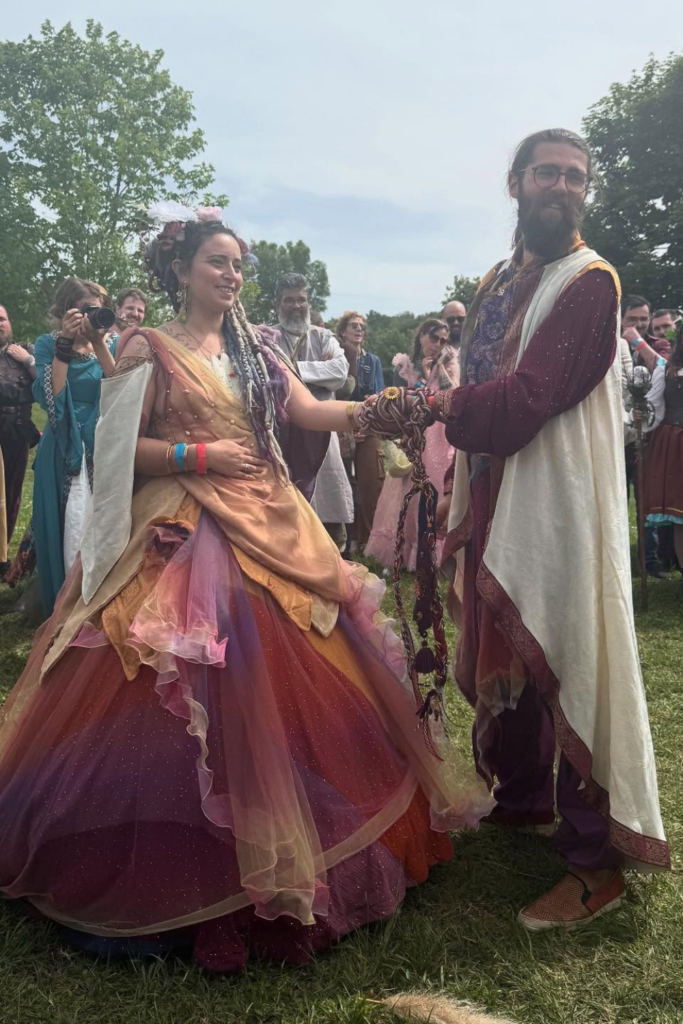
Handfasting Ritual Moment
This is probably the most meaningful addition you can make to a medieval ceremony, and it’s incredibly simple to execute.
The couple joins hands while ribbons or cords are wrapped around their wrists—it’s where “tying the knot” comes from. Position this moment center stage so everyone can see the symbolism unfold.
Use ribbons that match your colors, but choose natural materials—silk, linen, anything that photographs well and feels substantial. Cheap satin ribbon looks exactly like what it is.
Soft spotlight on the couple, everything else dimmed down. The contrast makes the moment feel sacred rather than performative.
Add some medieval banners and candle clusters around the altar area for layers and texture, but keep the focus on what’s actually happening between the couple.
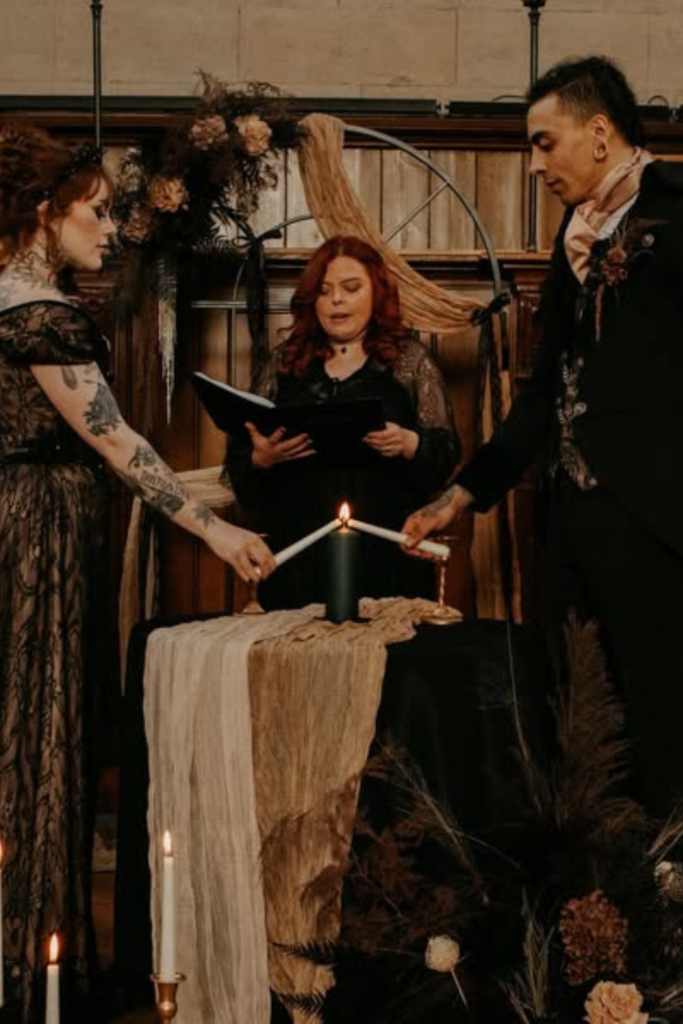
Unity Candle Ritual
Candle rituals work beautifully for medieval ceremonies because fire actually was central to medieval life (unlike, say, sand ceremonies, which feel very 2000s).
Set up a small altar table with two taper candles and one larger unity candle. Use a heavy wooden table or something that looks substantial—a folding card table with a tablecloth is not going to sell this.
Dark linens, maybe some dried flowers or herbs scattered around the base of the candles. Everything should look intentional but not precious.
Let the candlelight be the main source of illumination for this moment. You can add warm accent lighting from the sides to keep faces visible, but the flames should be doing most of the work.
Circle Dance Celebration
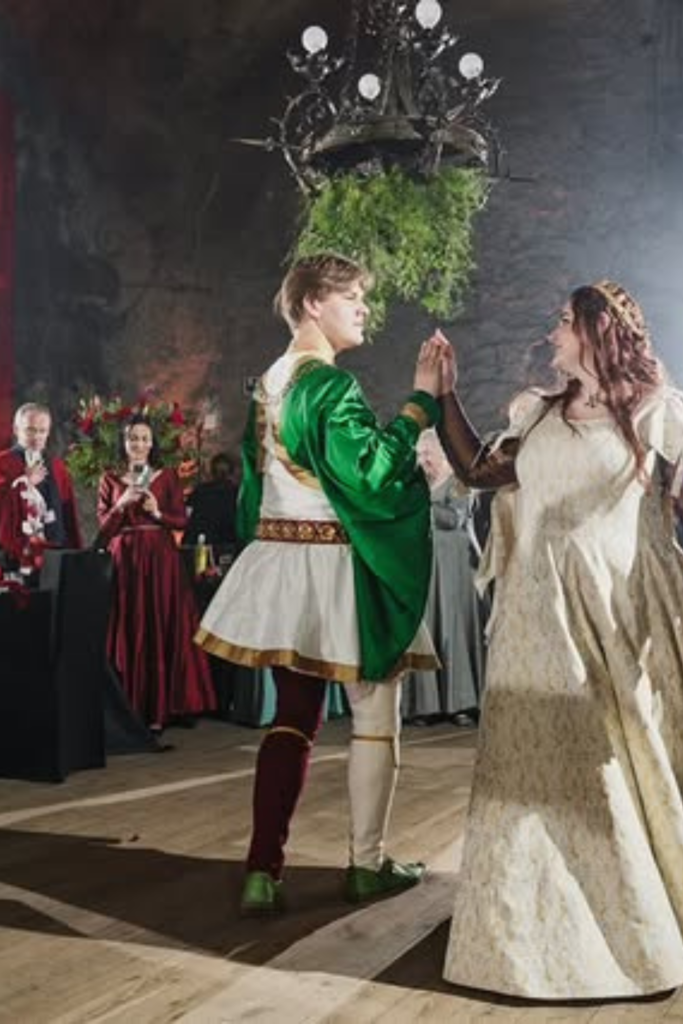
This is where most weddings either come alive or die a slow death. Group dancing can feel magical or mortifying, and it all depends on how you set it up.
Invite everyone onto the lawn immediately after the ceremony while energy is still high. Have someone (not the DJ making announcements, but maybe the officiant or a close friend) guide everyone through simple folk steps.
The couple dances in the center while everyone else forms circles around them. This works because it’s participatory but not performative—no one’s on display individually.
Live musicians make all the difference here. A drum circle or folk band gets people moving in ways that recorded music just doesn’t. Plus it adds to the authentic atmosphere instead of breaking it.
Natural daylight is perfect for this, but if you’re doing it later in the evening, string lights or lanterns around the dance area create a warm glow without feeling like a club.
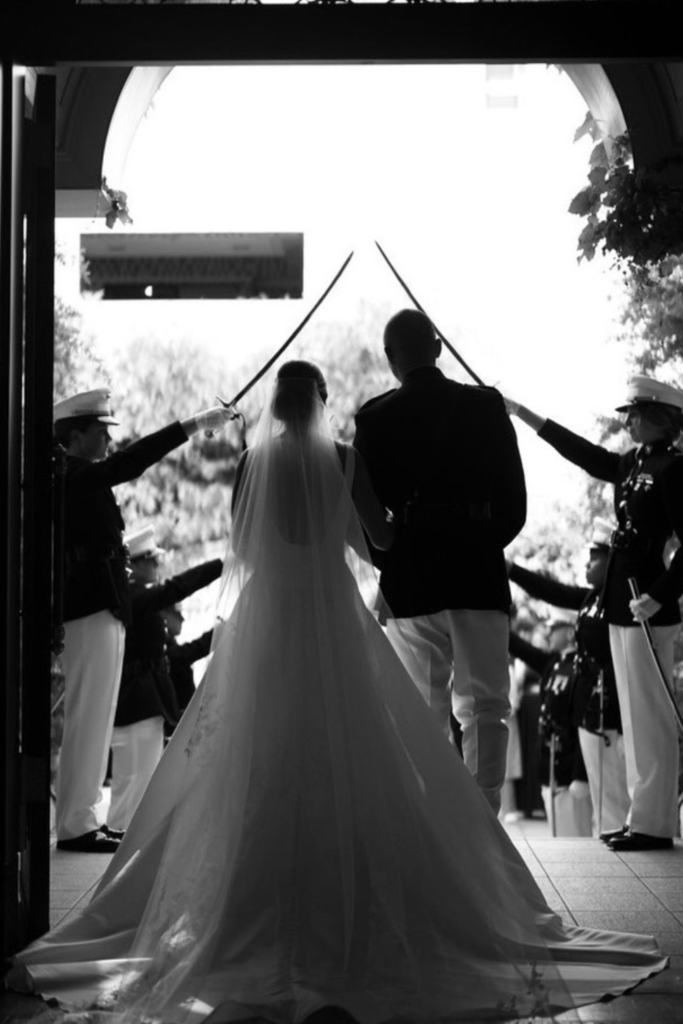
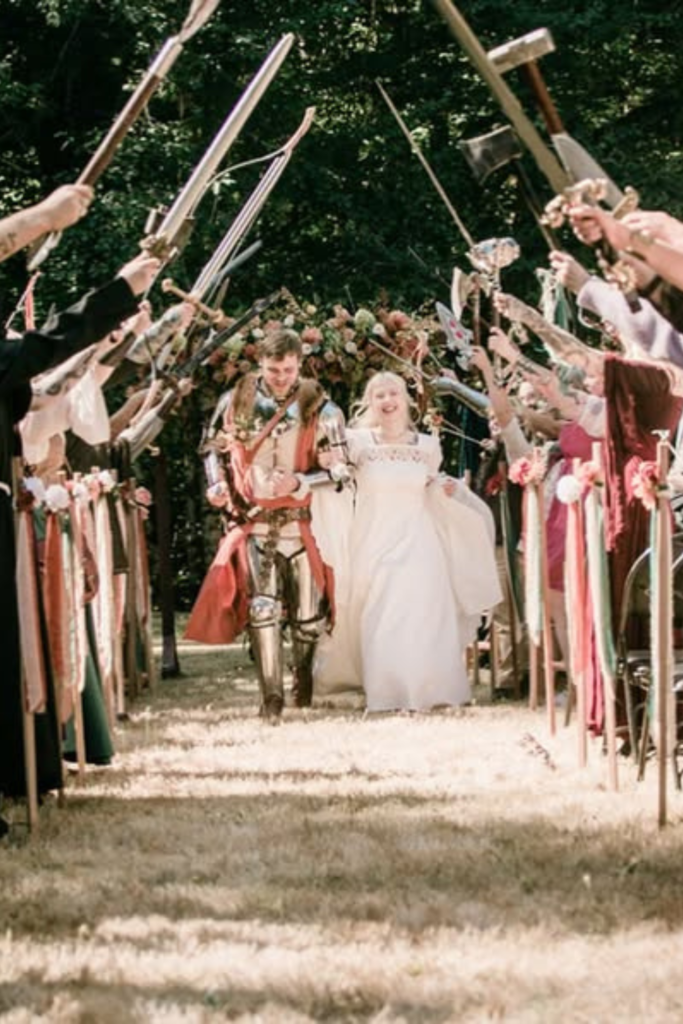
Sword Arch Exit
Grand exits are tricky because they can quickly cross the line into theatrical territory. The key is making it feel spontaneous even though it’s obviously planned.
Have your wedding party or close friends raise decorative swords (please, for the love of everything, make sure they’re ceremonial and not sharp) to create an archway as you walk through.
Timing matters here. Right after “you may kiss the bride” while everyone’s already standing and cheering. Don’t make people sit back down and then stand up again.
Position this so you’re walking toward bright light—a doorway, an outdoor area, whatever creates that silhouette effect. The contrast makes the moment feel cinematic in the best way.
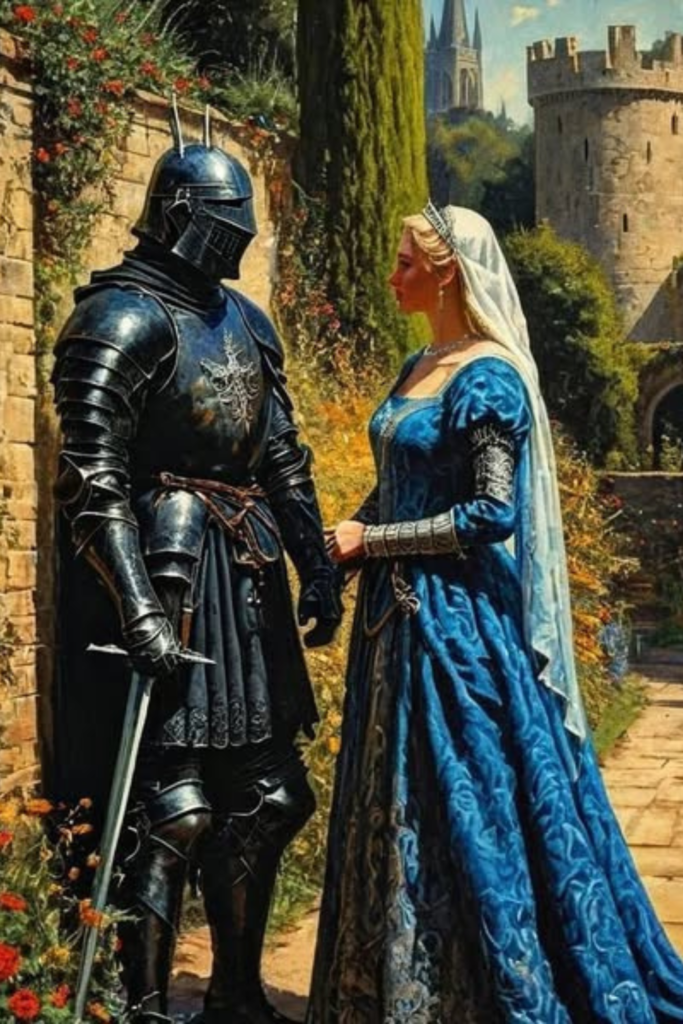
Knight Portrait Moment
The groom’s outfit is where a lot of medieval weddings go wrong. You want noble warrior, not dinner theater knight.
Think leather, rich fabrics, maybe some subtle armor-inspired details rather than a full suit of mail. The goal is looking like someone who could actually afford to get married in a castle, not someone who works at one.
Castle gardens or stone pathways are obvious choices, but ivy-covered walls or any substantial architecture can work. The texture of old stone makes everything look more expensive.
Late afternoon light is magic for these portraits. It highlights fabric texture and makes armor details gleam without looking harsh. Add some greenery in the background to soften all that stone.
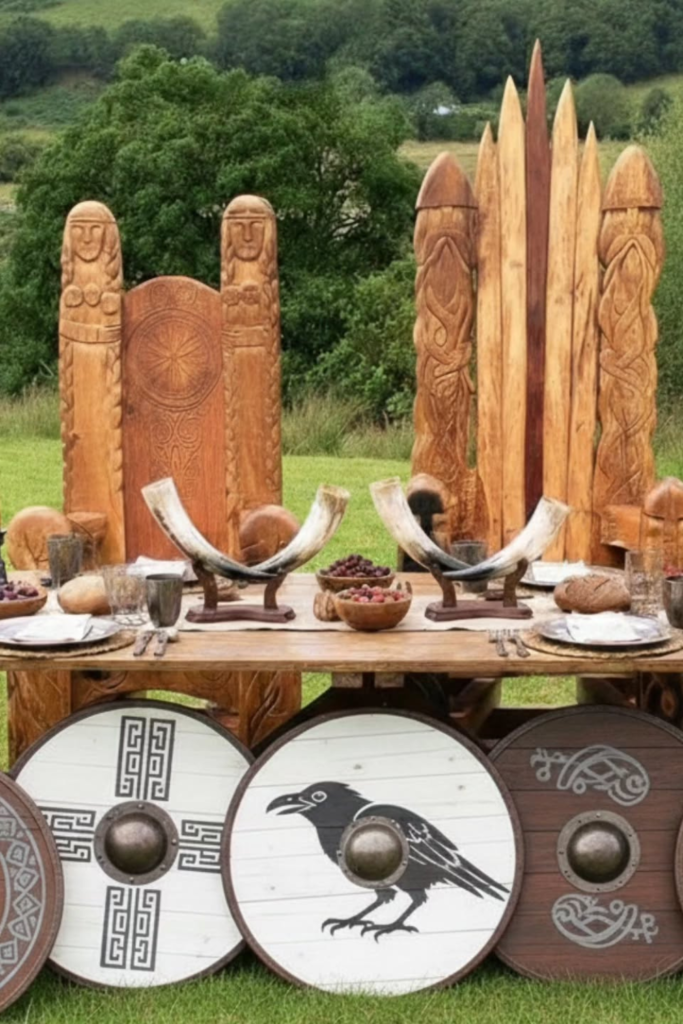
Viking Feast Table
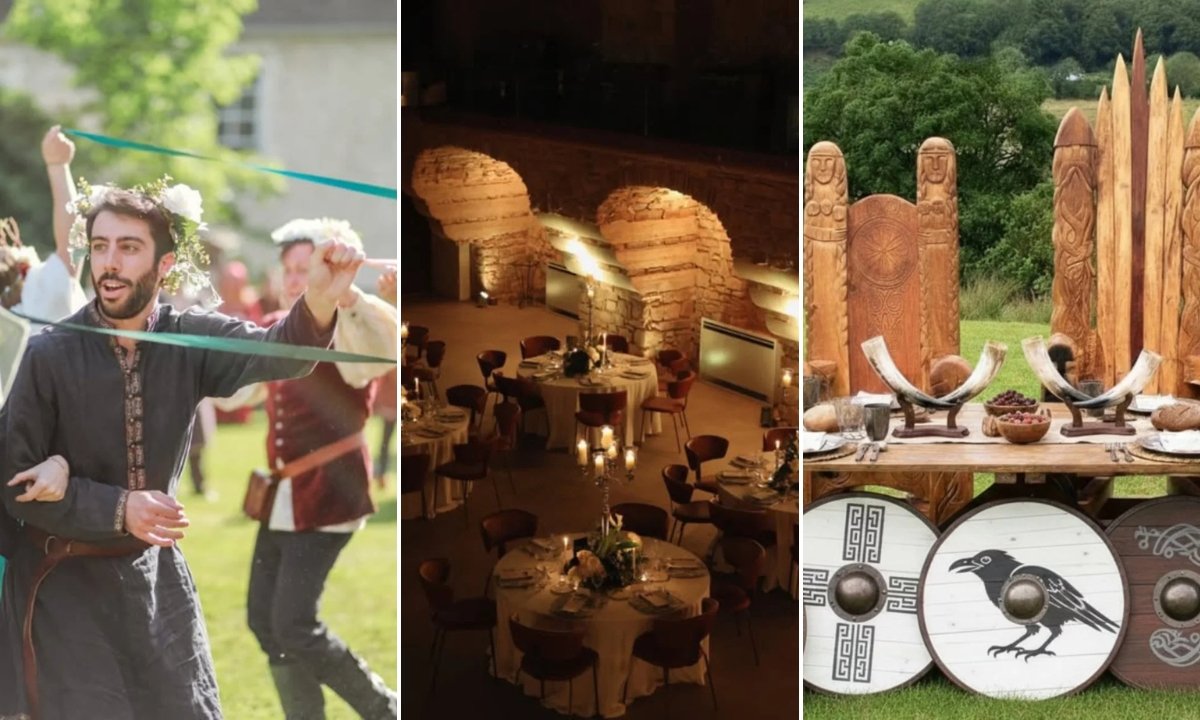
Long banquet tables instantly change the whole dynamic of a reception. Instead of couples sitting at separate rounds making small talk, everyone’s sharing one big communal experience.
Use actual wooden tables if possible, or at least something that looks substantial. Cover with rough linen rather than fancy linens—you want texture, not perfection.
Decorative shields along the table front hide table legs and add medieval detail without looking like theme park decoration. Wooden bowls, metal goblets, bread loaves as centerpieces…
The food setup matters too. Family-style serving, shared platters, things people pass around rather than individual plated meals. It changes how people interact.
Save this post for later ❤️
Candles in iron holders (or anything that looks like iron) create warm pools of light along the table as evening falls. Open countryside venues work best because you need space for these long setups.
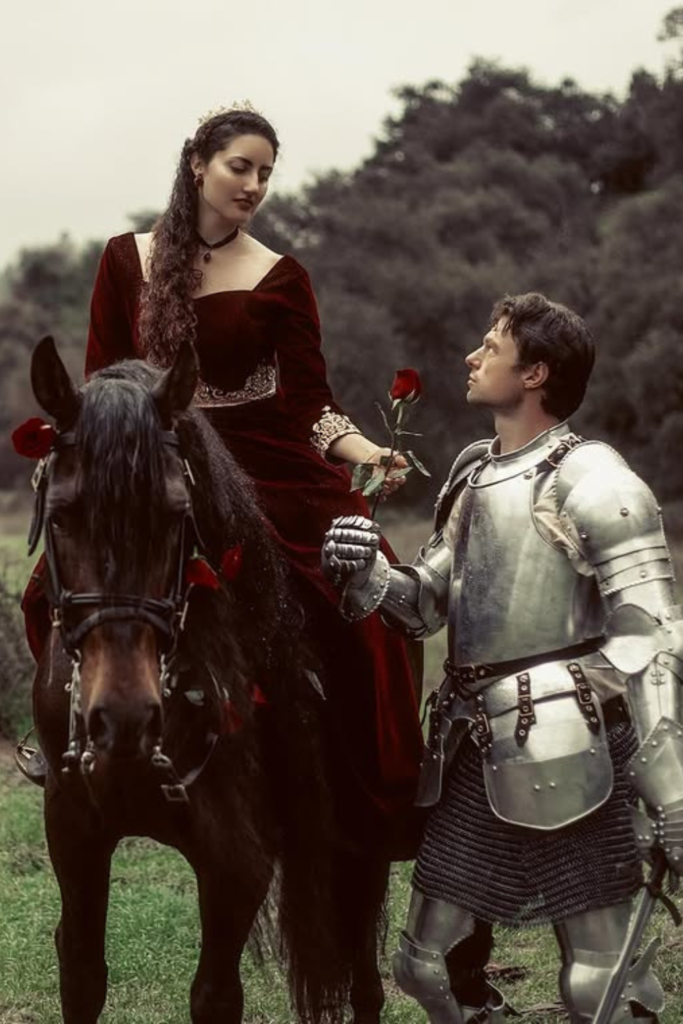
Knightly Horse Entrance
Okay, this is definitely the most extra thing on this list, but if you can pull it off, nothing else comes close for pure medieval drama.
You need open space—horses don’t do well in tight quarters or around lots of strangers. Castle grounds, large gardens, or rural venues work. Urban locations probably don’t.
Have knights (or people dressed as knights) escort the path. The key is making it look ceremonial rather than like a parade. Flowing fabrics on both the rider and the escorts help create that sense of movement and grandeur.
Time this for late afternoon when the light is warm and forgiving. You want those fabric textures and armor details to catch the light beautifully.
Small torches or lanterns placed along the path can add atmosphere, but natural lighting is really what sells this moment.
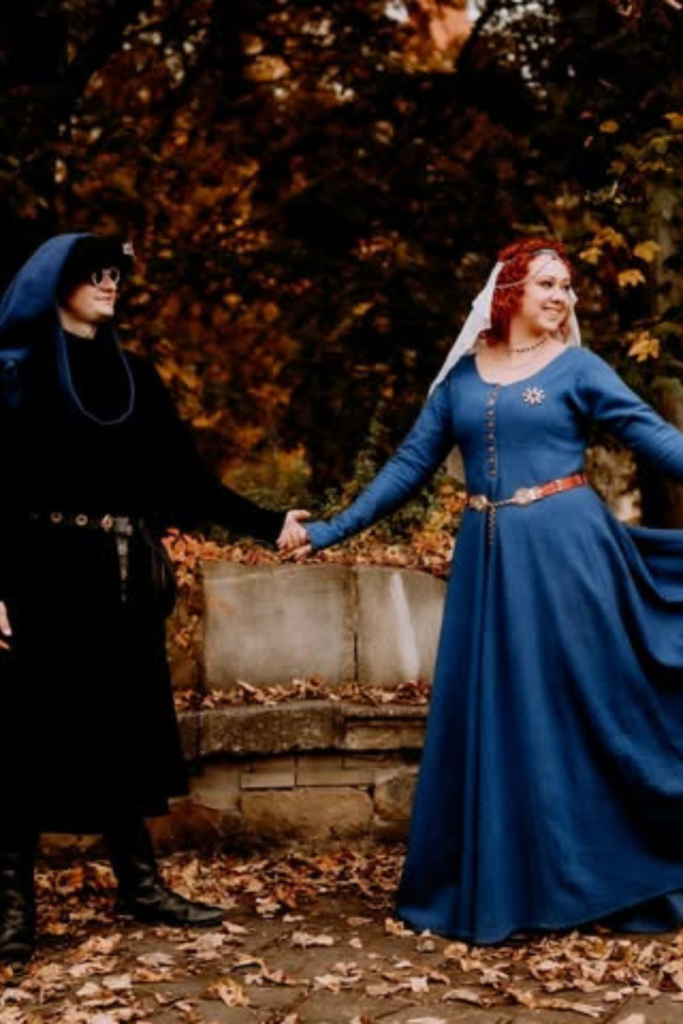
Cloaked Couple Portrait
Rich cloaks are probably the easiest way to make any couple look immediately more noble and medieval. Velvet or heavy wool in deep colors—burgundy, navy, forest green.
The beauty is that cloaks work over almost any outfit underneath. A simple dress becomes regal, a basic suit becomes courtly.
Stone staircases, castle courtyards, anywhere with substantial architecture. The key is finding backgrounds that match the weight and texture of the clothing.
String lights overhead create soft, romantic lighting that works beautifully as the sun sets. During the day, natural golden-hour light makes everything glow.

Stone Arch Ceremony
Historic venues give you automatic authenticity, but you can create this effect in other spaces if you’re strategic about setup.
Position your floral arch against existing architecture—a stone wall, chapel facade, anything that provides substantial backdrop. The architecture becomes part of the ceremony design rather than just background.
Dress your wedding party in simple medieval-inspired outfits. Nothing too elaborate, but cloaks and tunics help sell the setting.
Natural daylight works perfectly for this type of ceremony. Add string lights or lanterns around the building perimeter for evening atmosphere, but keep lighting subtle.

Woodland Crown Portrait
Forest settings work incredibly well for medieval weddings because they feel timeless—like you could be in any century.
Find a quiet path with tall trees and good natural light filtering through. Avoid anywhere that looks too manicured or park-like.
Leafy crowns or natural headpieces connect the bride to the woodland setting without looking costume-y. Keep them fairly simple—elaborate flower arrangements can quickly look more fairy tale than medieval.
The groom’s outfit should feel earthy—leather, wool, natural colors that blend with the forest rather than standing out against it.
Late afternoon forest light is absolutely magical. It creates natural spotlights through the trees and makes tulle and other light fabrics practically glow.

Garden Gate Ceremony
Gates and pillars create natural framing for ceremony spaces. Position your altar between tall architectural elements so the couple stands framed by strong vertical lines.
Floral arrangements should soften the metal and stone without overwhelming them. I’d go with warm autumn tones that complement rather than compete with the architecture.
Brick or cobblestone paths work beautifully here because they already look historic. If you don’t have them, consider renting some temporary stone-look pathway runners.
Small lanterns or discrete ground lighting around the floral arrangements can add warmth as evening approaches. Keep everything subtle though—the architecture should be the star.

Sword Aisle Walk
This works best as a processional element rather than just an exit photo op. Have your wedding party create the sword arch as you walk down the aisle toward the ceremony.
Make sure everyone knows exactly how high to hold their swords and how to coordinate the timing. This is not the moment for improvisation.
Tie ribbons or fabric to ceremony chairs to soften all that metal and add color. You want dramatic, not intimidating
Outdoor venues work better because you have more space to manage the logistics safely. Schedule this during bright daylight so the swords catch the sunlight and create beautiful reflections.
Candlelit Stone Banquet
This is where medieval weddings either nail the atmosphere completely or fall flat. Candlelight has to be the main lighting source, not just decoration.
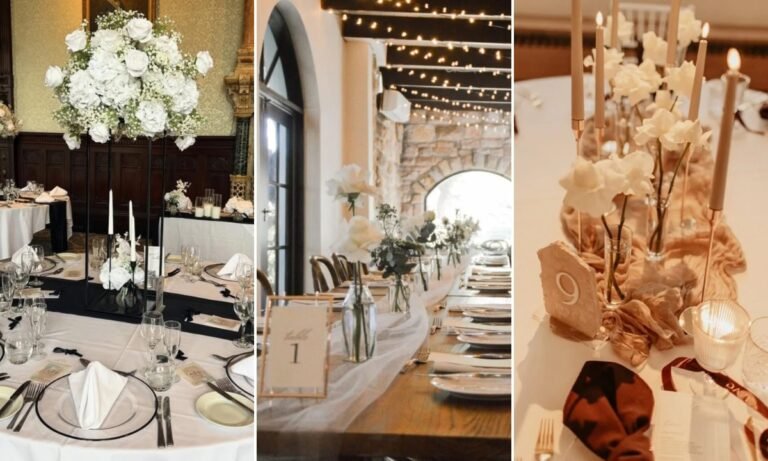
Use wooden tables with neutral linens—nothing too fancy or precious. The goal is creating a warm, communal feeling rather than formal elegance.
Multiple candles at different heights create layers of light and shadow. Stone walls in the background pick up the warm glow beautifully, especially with some subtle uplighting to highlight texture.
Turn off overhead lights completely during dinner. Let the candles reflect off glassware and silverware to create that flickering, intimate atmosphere that makes everyone look better and feel more relaxed.

Ribbon Dance Game
Interactive games are where you separate the successful medieval weddings from the ones where everyone stands around taking photos of each other’s outfits.
Set up ribbon dancing on the lawn immediately after cocktail hour, while people are still mingling and energy is high. Give everyone long colorful ribbons and have someone demonstrate simple weaving patterns.
The key is making it feel spontaneous and fun rather than like a forced group activity. Live music helps enormously here—drums or folk instruments get people moving in ways recorded music doesn’t.
Simple medieval-style accessories help guests feel more comfortable participating. Flower crowns, simple cloaks, anything that makes everyone feel like they’re part of the theme rather than watching it.
Bright afternoon light keeps the energy up, but string lights or lanterns can extend the activity into evening if people are enjoying it.

FAQs
What music works best for a medieval-themed wedding?
Live acoustic music makes all the difference between authentic medieval atmosphere and dinner theater vibes. Harps, lutes, flutes, violins, hand drums—anything that could plausibly have existed before electricity.
During the ceremony and dinner, keep it soft and atmospheric. For dancing later, you can get more energetic with folk tunes that actually make people want to move (not just appreciate artistically).
Stone halls and courtyards have amazing natural acoustics that make live music sound incredible. Modern sound systems in these spaces can actually work against you by making everything sound too polished.
How can guests participate in medieval wedding entertainment?
The secret is giving people things to do together rather than asking them to perform individually. Group activities like circle dancing, storytelling circles, or simple lawn games work because nobody’s on the spot.
Provide simple costume elements guests can borrow—cloaks, flower crowns, basic tunics. This helps shy guests feel more comfortable joining in while adding to the overall atmosphere.
Set up activity areas with good lighting and space to move around. Nothing kills the mood like trying to organize medieval games in a crowded corner with harsh overhead lighting.