29 Textured Crop Hair Men Ideas For 2026
You browse textured crop hairstyles for men, maybe save a couple of pictures, and then you head to the barber.
But when you leave, you’re staring at a haircut that doesn’t resemble what you envisioned. The top is flat, the fringe is off, and getting it to look decent at home is a constant battle.
It’s not your fault, though. Most guys aren’t given a proper explanation of what “texture” really means or how this particular cut is supposed to function with their hair.
In this article, you’ll see 29 stylish Textured Crop Hair ideas that men are loving for 2026.
How Do You Style A Men’s Textured Crop Haircut?
If your textured crop seems to lose its appeal once you leave the barber’s chair, the problem likely lies in the styling.
Texture thrives on a bit of imperfection; it doesn’t come alive when your hair is slicked back or meticulously combed.
Begin with hair that’s dry or nearly so. Work a small amount of matte clay or paste between your palms, then gently tap it into the top of your hair, rather than smoothing it through.
This technique helps maintain the separation of the layers. If your hair tends to flatten out, a light dusting of texture powder at the roots can help.
Save this article for later! 👇👇
What Face Shapes Suit A Textured Crop The Best?
A textured crop is a versatile choice, flattering wide range of face shapes thanks its customizable sides and fringe.
For those with round faces keeping the sides closer to the head is a good idea this prevents the face from appearing broader.
Conversely if your face is longer adding more weight to the fringe can create a more balanced look.
Square faces benefit from a bit of messy texture on top, which helps to soften any harsh angles. Even if your hairline is starting to recede, a textured fringe can be a helpful disguise.
Clean Fade
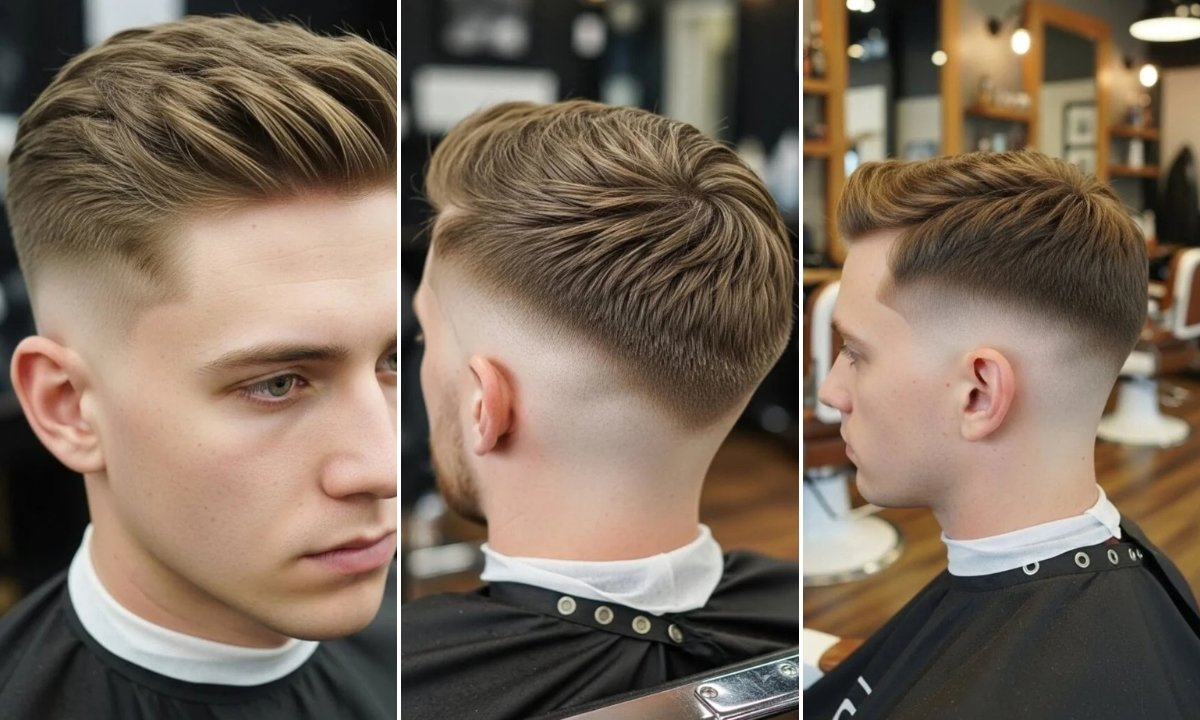
Clean sides make textured hair on top look sharper without trying too hard. Keeping the fade tight around the ears lifts the whole haircut and stops the top from looking heavy.
Request a low-to-mid skin fade from your barber with a gentle transition into the crown. For styling work matte clay into dry hair with your fingers.
This keeps the texture looking relaxed and natural avoiding any stiff or shining appearance.
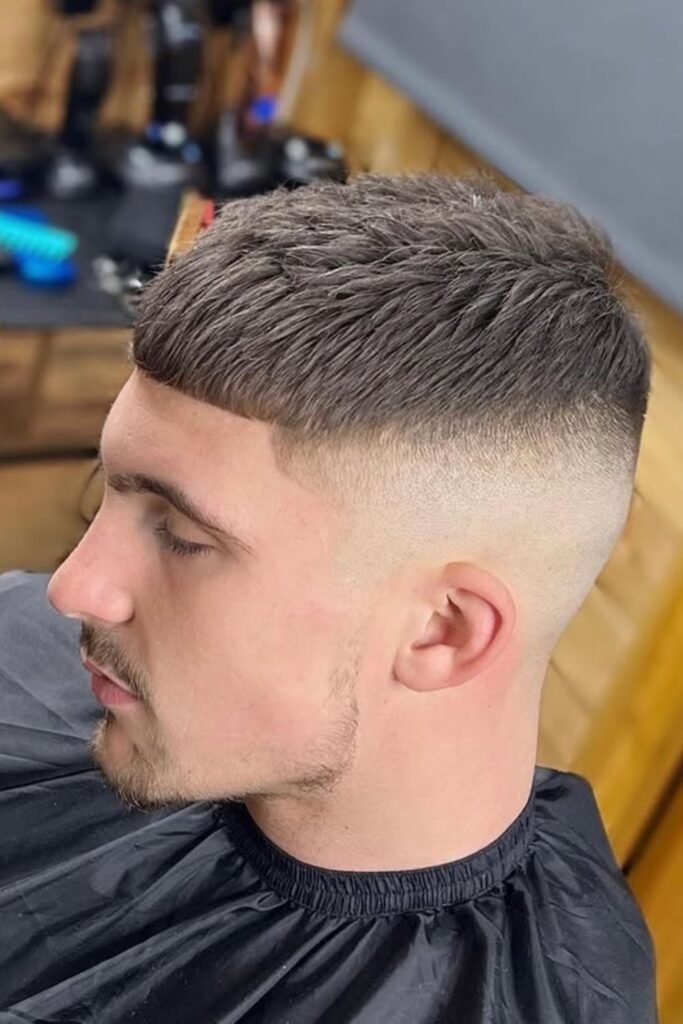
Blunt Fringe
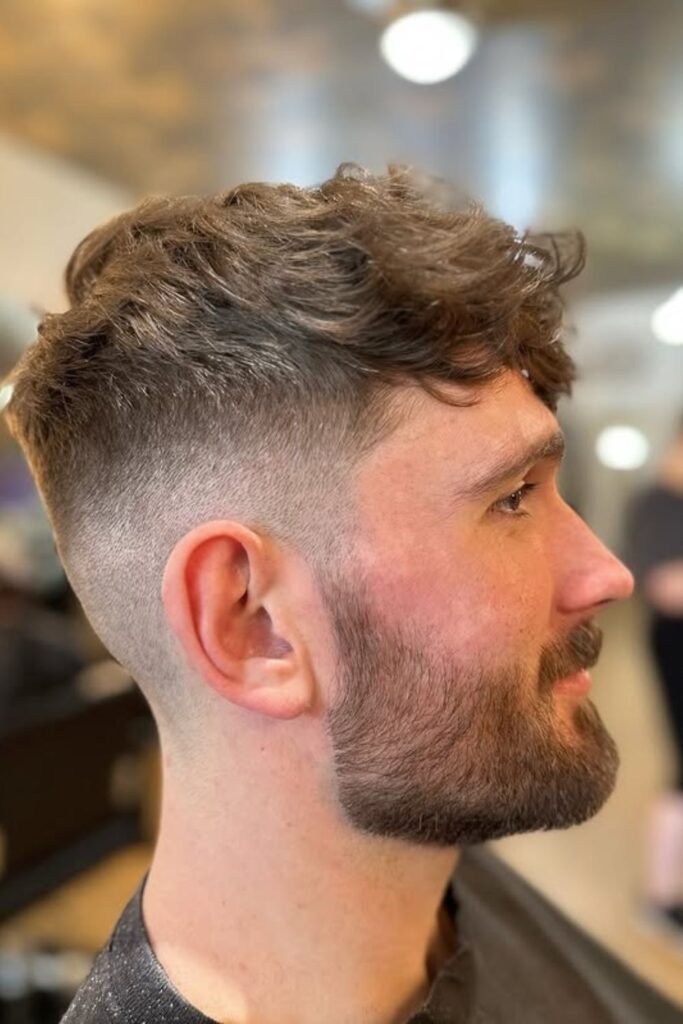
Straight fringe lines change how a textured crop feels instantly. Keeping the front sharp adds structure, while the rough texture behind it stops the cut from looking too stiff.
Ask your barber for a blunt and horizontal fringe and a high skin fade that’s tight on the sides.
Keep the styling straightforward: a light matte paste, worked into the top, will maintain definition without compromising the sharpness of the fringe.
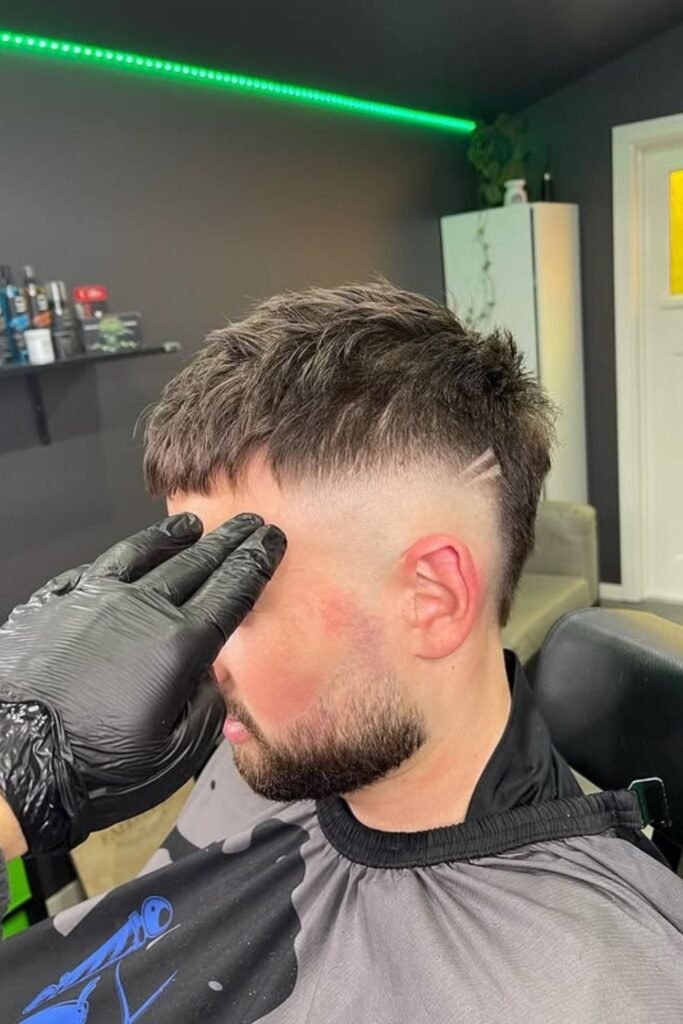
Razor Detail
One clean line can turn a simple textured crop into something sharper. The shaved detail on the side adds edge without touching the top length.
The texture is still the star of the show. Maintain a mid to high fade to maintain the line sharp for a while.
Have your barber position it a bit further back, avoiding the temple area. Don’t overdo the product;a light matte paste will keep the attention on the haircut itself.
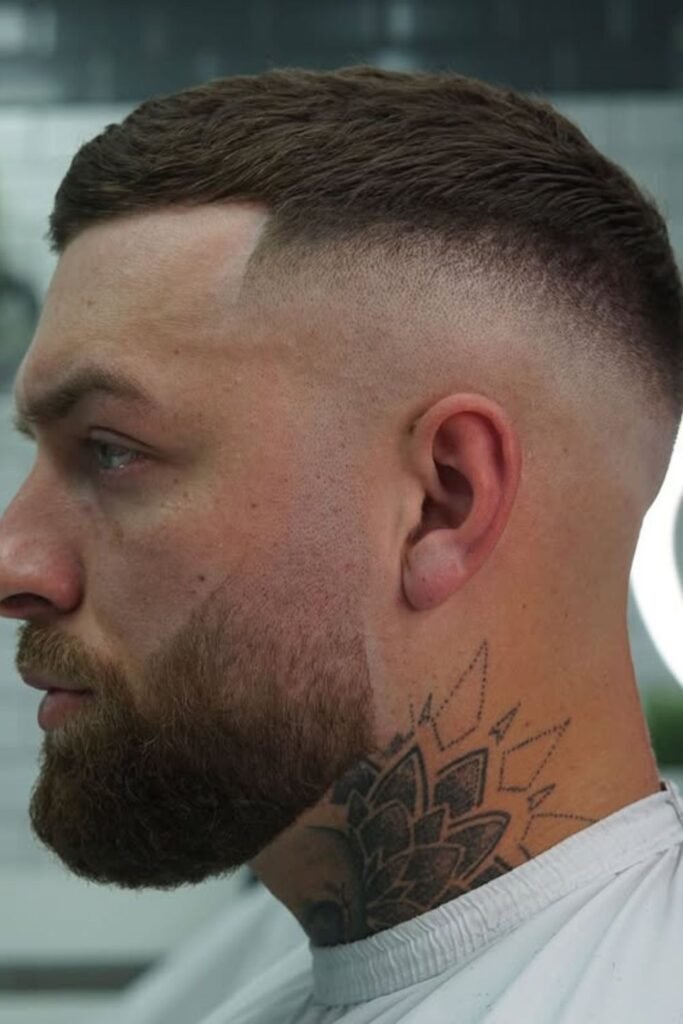
Tight Crop
Shorter texture changes the whole feel when life needs low effort. Keeping the top compact stops styling from becoming a daily task.
The mid fade keeps the sides looking crisp. For the top, request scissor texturing instead of clippers; this prevents a flat appearance.
A light matte cream is all you need just work it in and let hair be. This style is ideal if you’re aiming for a clean look without appearing overly done.
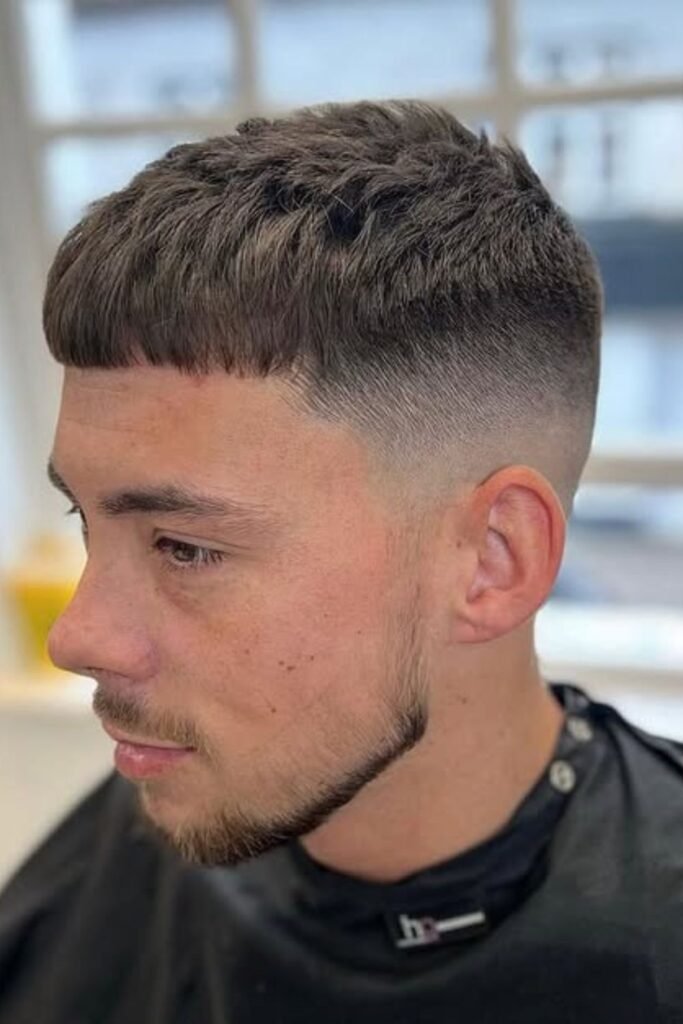
Soft Fringe
Balance matters more than length here. A gently rounded fringe takes the edge off a sharp fade and makes the textured top feel more natural.
This approach is particularly effective if your forehead is on the larger side or your hairline has some irregularities.
When you sit in the barber’s chair, ask them to maintain the fringe soft, avoiding a harsh, razor-sharp look, and to merge the texture towards the front.
Dense Texture
Thickness does the work for you here. The tightly packed texture on top creates depth without needing long length, while the fade keeps the sides clean and controlled.
This cut really works wonders if your hair is naturally thick and unruly. When you go to the barber, request a heavy texture cut with scissors.
And be sure to avoid excessive thinning. The styling is kept simple: just a dab of matte paste, worked in to define the layers.
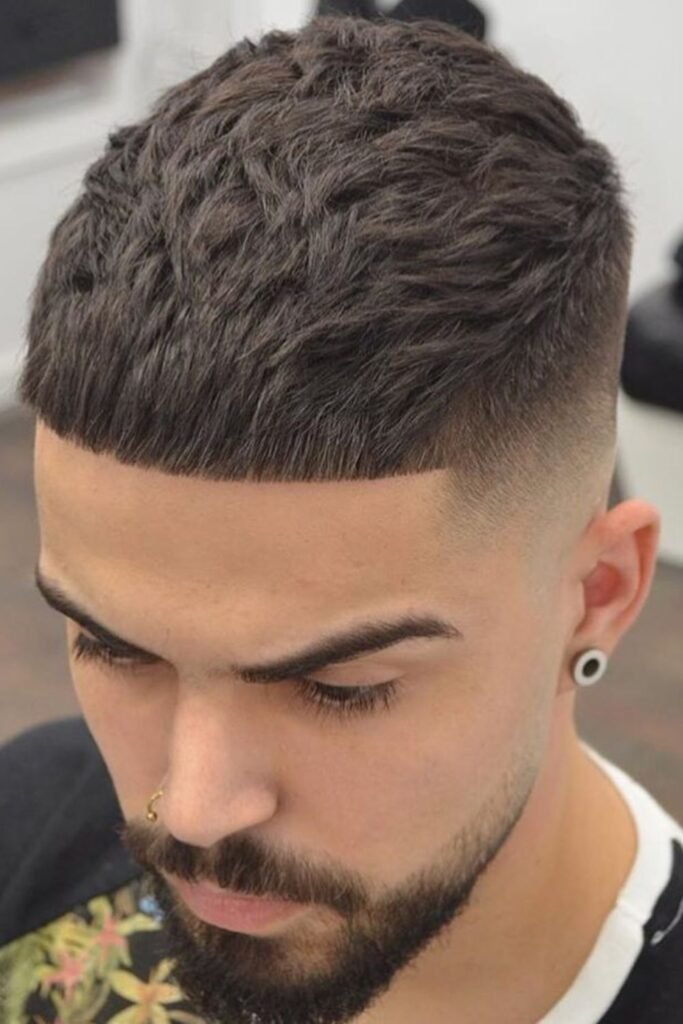
Loose Texture
Movement takes priority here. Longer, airy texture on top keeps the haircut relaxed while the sides stay softly tapered instead of sharply faded.
This style really shines if your hair has a natural forward fall or a bit of wave to it. When you get it cut, request a scissor-cut texture.
Avoiding a harsh fringe line, and a low taper around the ears. To style, simply scrunch a light cream into dry hair and let it do its thing.
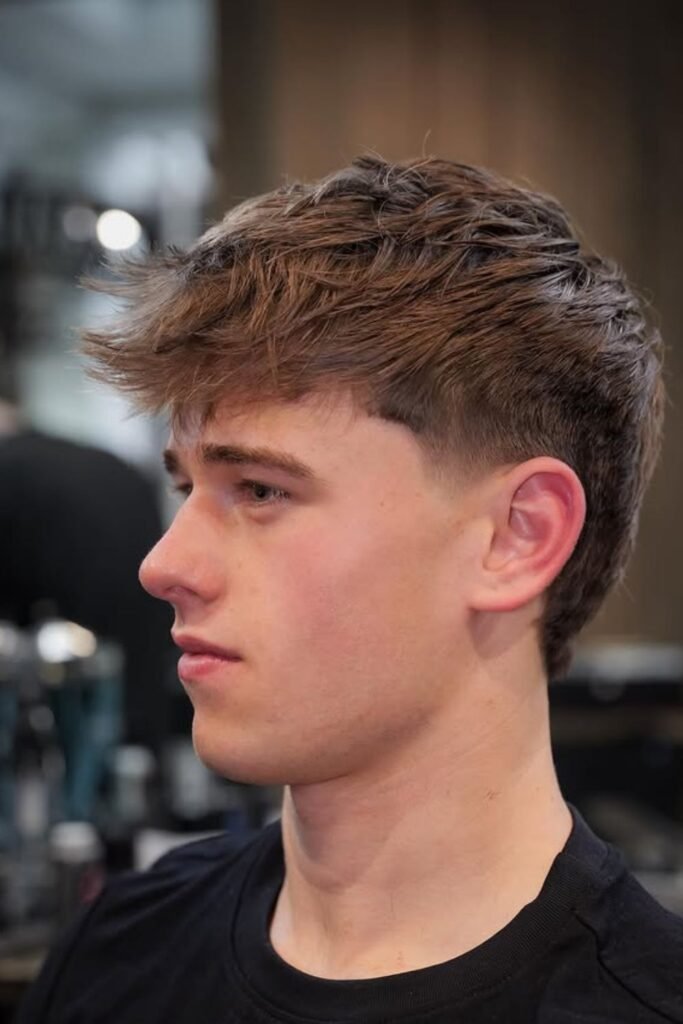
Heavy Top
Volume up top changes how the whole cut reads. Extra weight in the textured crop gives stronger presence while the fade keeps the sides disciplined.
This style shines if you’ve got a good head of hair that grows quickly. When you see your barber ask them to keep the bulk on top and add some texture, but without making it too thin.
Forget the powders; instead, use a little matte clay. Work it in, pushing upwards to maintain a full shape, not a fluffy one.
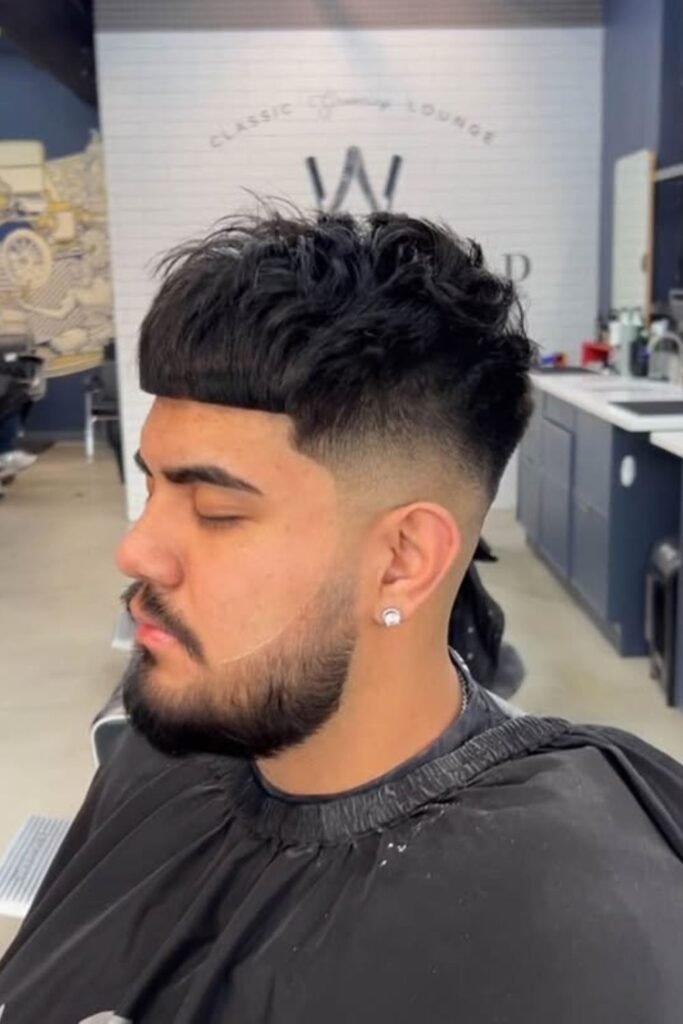
Short Texture
Clean edges make short texture feel deliberate instead of basic. Keeping the top tight with fine scissor work gives control while the skin fade.
And it keeps everything looking crisp around the temples and neck. This is a good approach if you are aiming for a cropped style that still reveals detail when you go up close.
Request a light texture, avoiding anything too heavy or choppy. The styling is simple just rub small amount of matte cream between your palms and then gently tap it in.
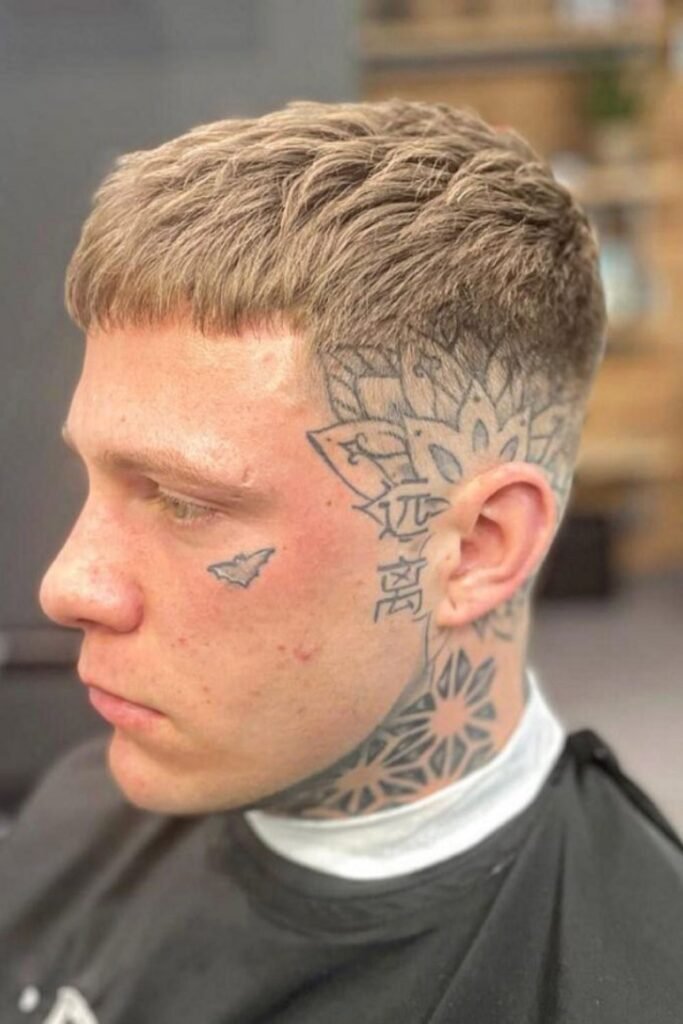
Sharp Fringe
Straight lines change everything here. A crisp level fringe gives the textured crop a bold, controlled feel while the low skin fade keeps the sides tight and modern.
This approach is ideal for those who appreciate a structured and welldefined look. When you visit the barber request a blunt even fringe avoid anything too textured.
For styling, keep it simple. A tiny dab of matte paste worked in carefully will help maintain a crisp edge.
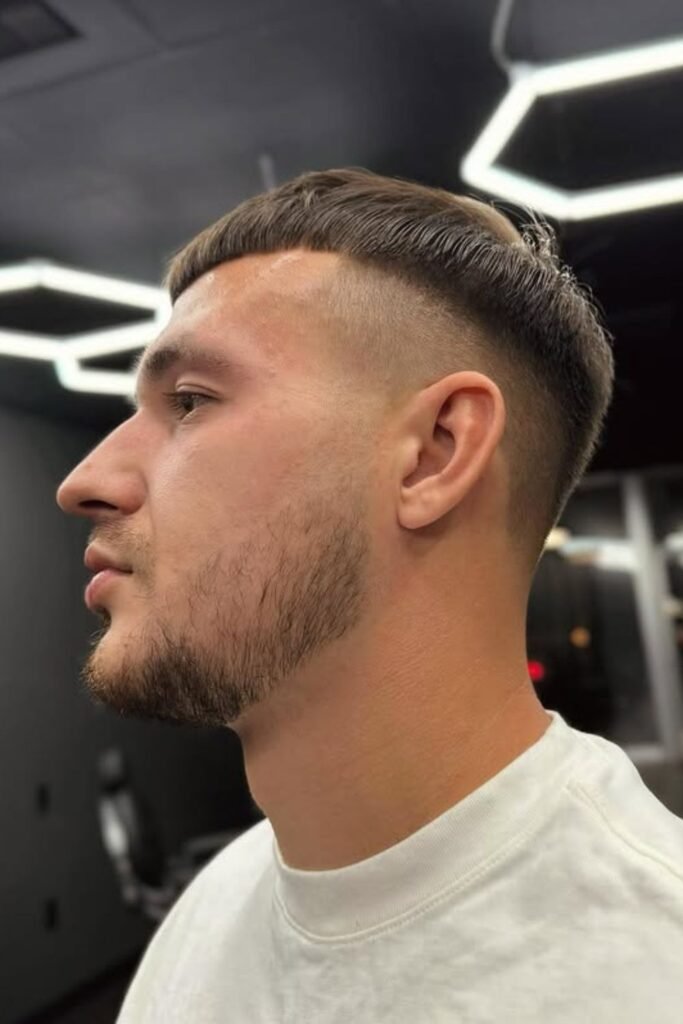
Micro Fringe
Nothing hides mistakes here, and that’s the point. A tight, short fringe puts all the focus on precision and texture instead of volume.
This look is ideal for those who favor bold, graphic haircuts and frequent trims. Request a very short, straight fringe with fine texture on top avoid heavy layering.
For styling and leave it dry. Ditch the creams or use a bit of matte powder to maintain that sharp texture.
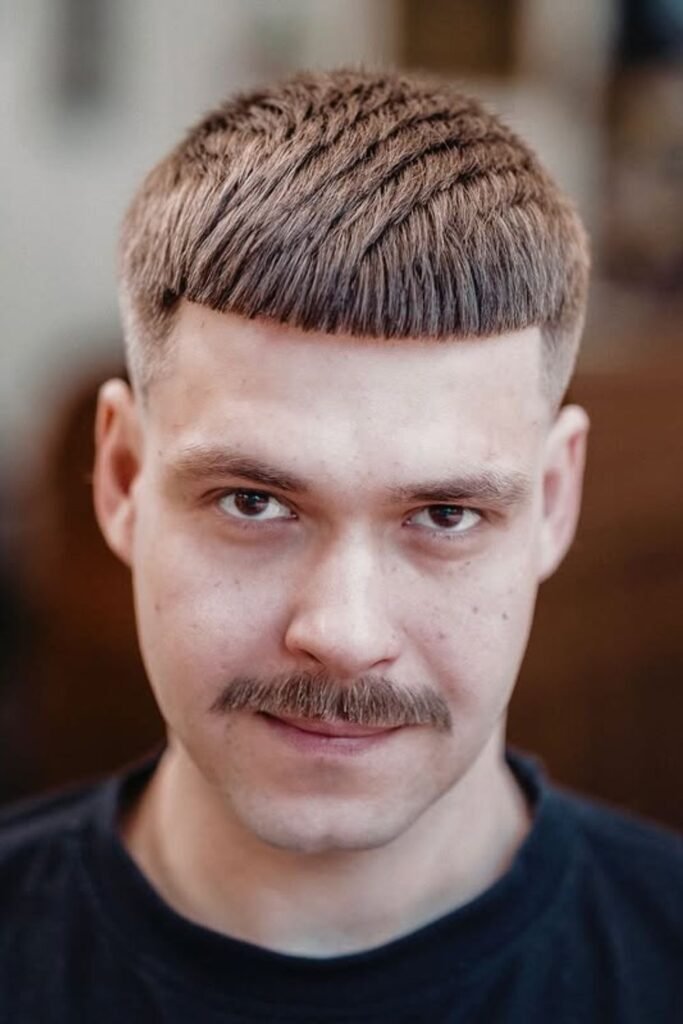
Choppy Fringe
Uneven ends make this crop feel relaxed instead of strict. The broken fringe softens the face and while the fade keeps everything controlled on the sides.
This haircut is ideal for those with thick or slightly wavy hair who like a softer and less structured look around the face.
When you go to the barber and request a jagged fringe, achieved with scissors rather than a razor.

Curly Crop
Natural curl changes the rules completely. Letting the texture spring on top adds volume without forcing shape, while a tight fade keeps the sides under control.
This approach is ideal if your hair already has some natural movement, and you’re not keen on battling it daily.
When you visit the barber, request a dry cut on top to ensure the curls fall as they should. Use a mild curl cream to style, and then just let it be after it’s set.

Spiky Texture
Controlled chaos makes this crop stand out. The texture is pushed upward instead of forward, which gives height without needing length.
This style really shines on hair that’s thick and has a bit of natural hold. When you go to the barber request a short top with plenty of texture, achieved with scissors not thinning shears.
The styling process is straightforward melt a small quantity of matte clay between your palms, then rub it into your hair, pushing up, and stop before it looks too much.
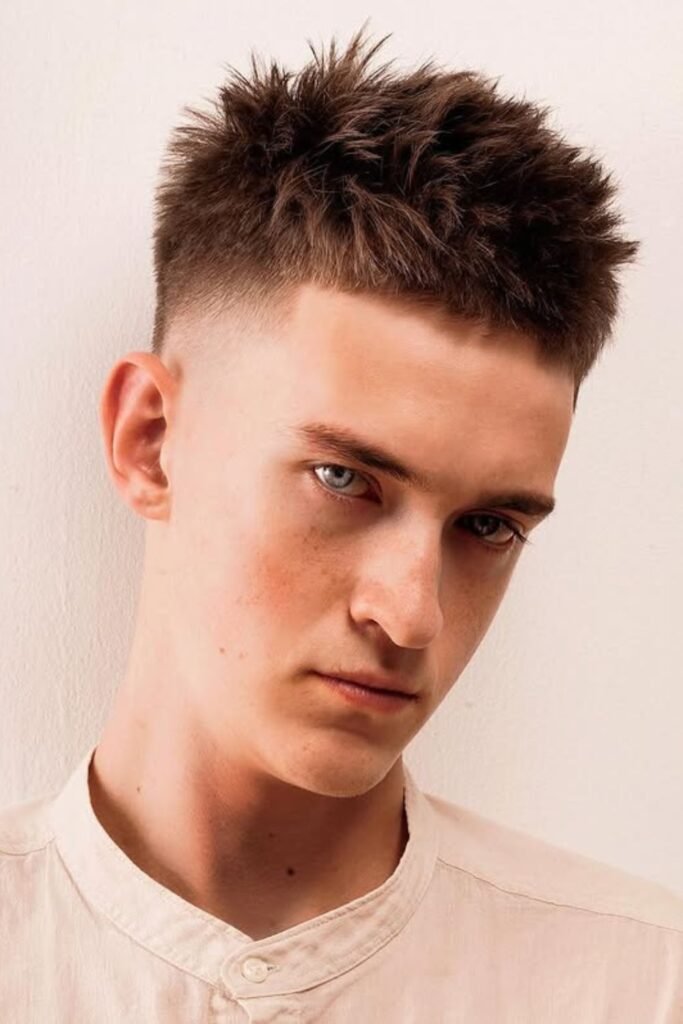
Forward Flow
Hair falling toward the face gives this crop a softer, more relaxed feel. The longer fringe creates movement while the high fade keeps the sides sharp and light.
This approach is ideal if your hair has a natural forward growth pattern and you’re not aiming for a lot of height.
When you visit your barber, request that they keep some length at the front and add a bit of texture.
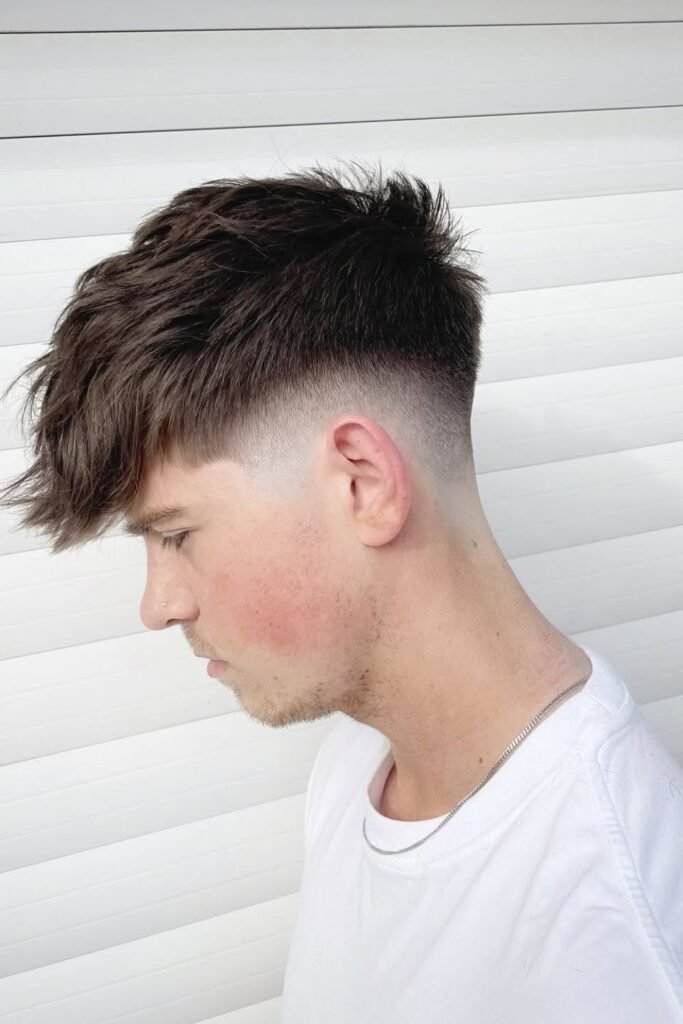
Shadow Blend
Soft blending changes how a textured crop grows out. Instead of a sharp fade line, the sides melt gradually into the top, so the haircut still looks intentional weeks later.
This approach is ideal if you’re not keen on constant maintenance or if your hair has a tendency to grow in an uneven manner.
When you visit your barber, request a cut that avoids harsh lines and emphasizes a gradual removal of weight.
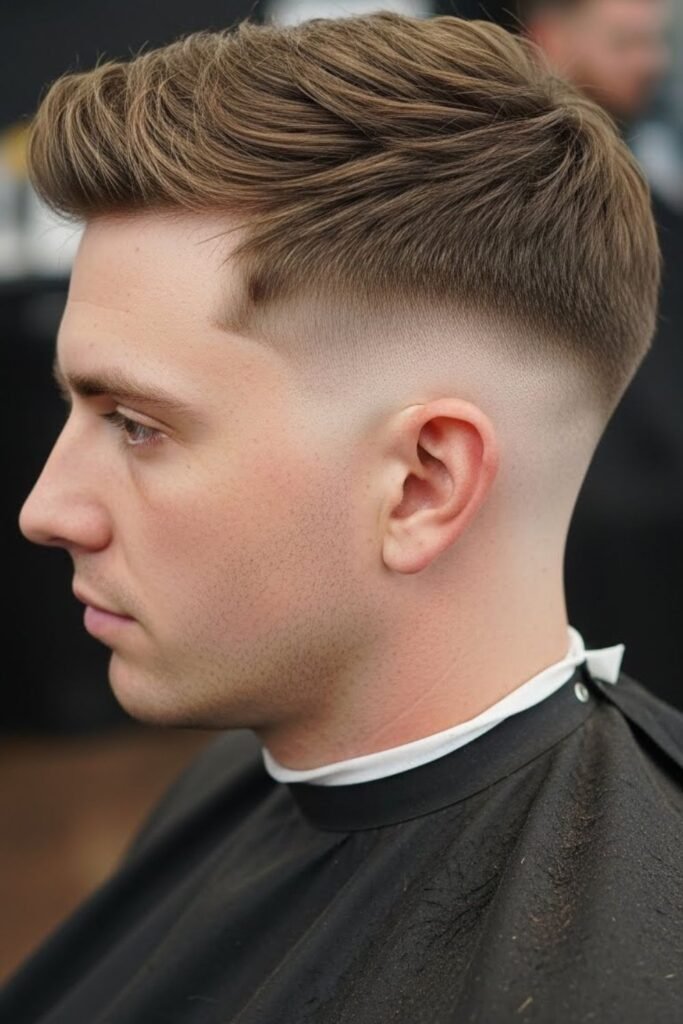
Broken Crown
Flat crowns ruin good haircuts more than bad fringes. Breaking the texture specifically at the crown adds lift where hair usually collapses.
This approach is ideal if your hair appears lackluster from the side, even if it looks decent from the front.
Instruct your barber to focus on adding texture with scissors at the crown, while keeping the fringe neatly in place.
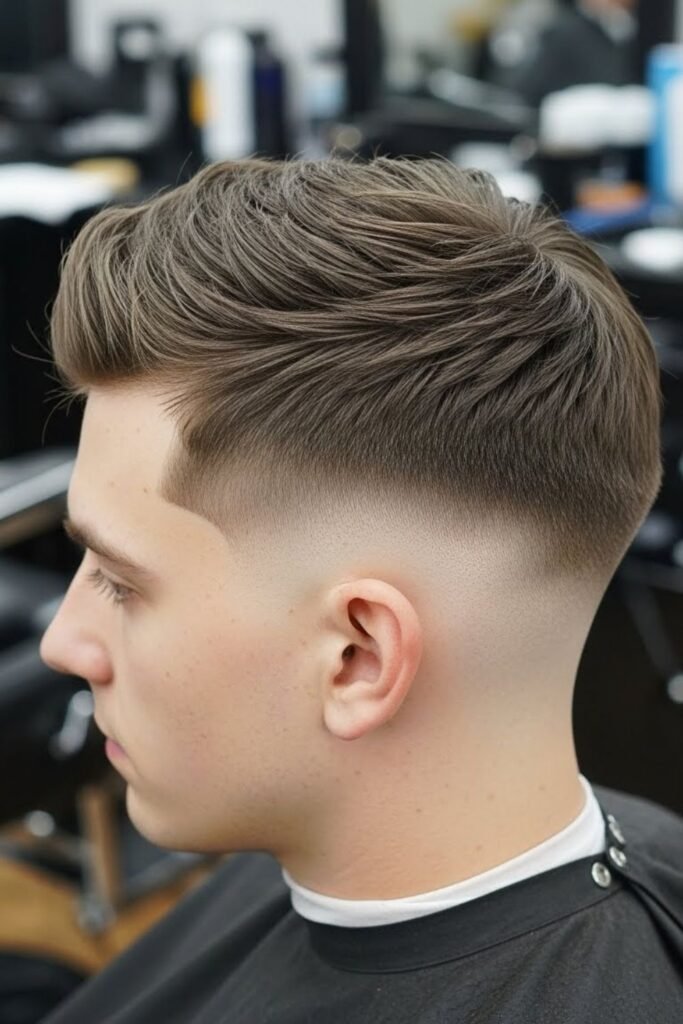
Low Profile
Not every textured crop needs volume. Keeping everything closer to the head creates a calm and controlled look that works in professional settings.
This method works well for those who prefer a textured look without drawing too much attention.
Request shallow layers or avoiding any drastic chopping, and keep the fade low and understated.
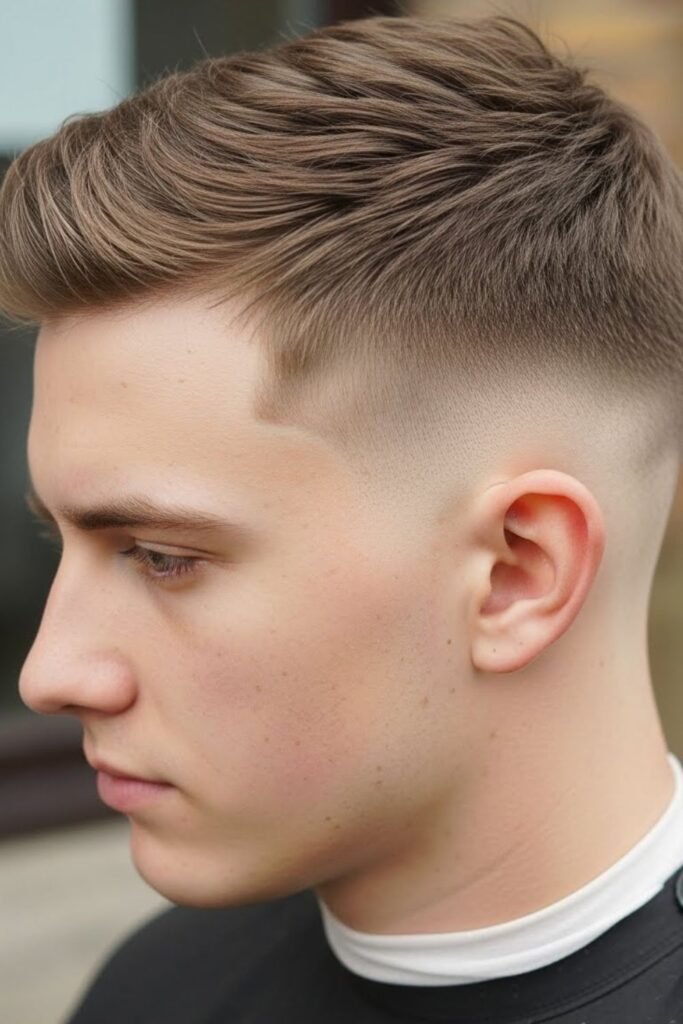
Direction Shift
Most crops push hair forward, but shifting texture slightly to one side changes the entire personality of the cut.
This approach is ideal if your hair has a natural diagonal fall and resists straight fringes.
When you visit your barber, request texturizing that follows your hair’s natural growth and rather than cutting against it.
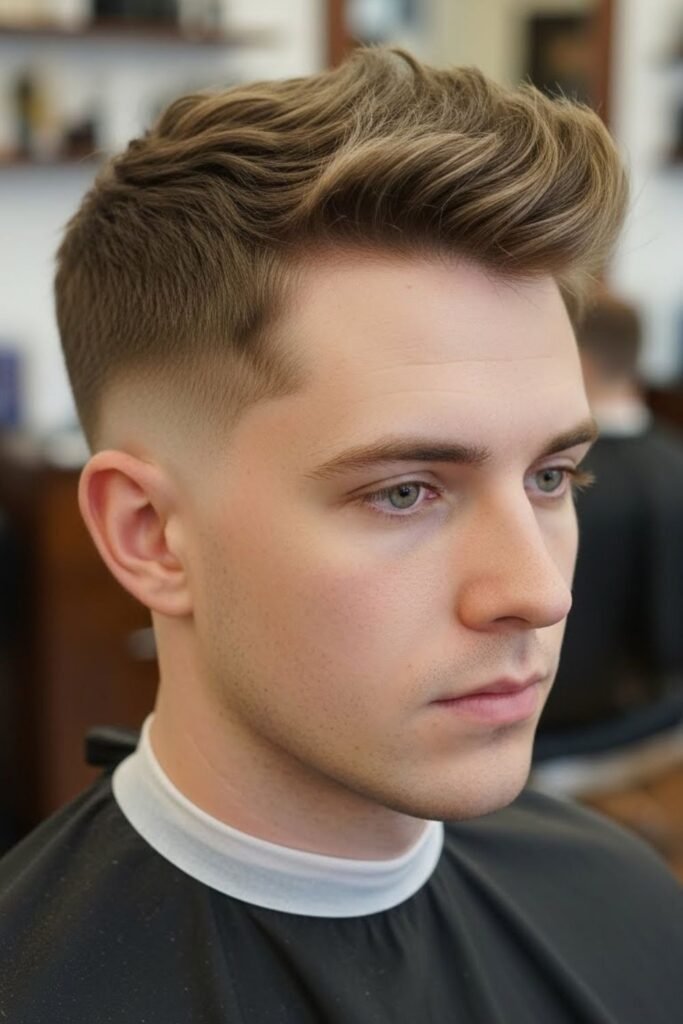
Weight Control
Heavy hair does not need more texture it needs smarter removal. This crop focuses on taking weight out without thinning the hair flat.
Perfect for dense hair that puffs up. Ask for internal layering rather than surface chopping. That keeps shape while reducing bulk.
If your hair usually looks big but undefined, controlling weight instead of adding texture fixes the problem instantly.
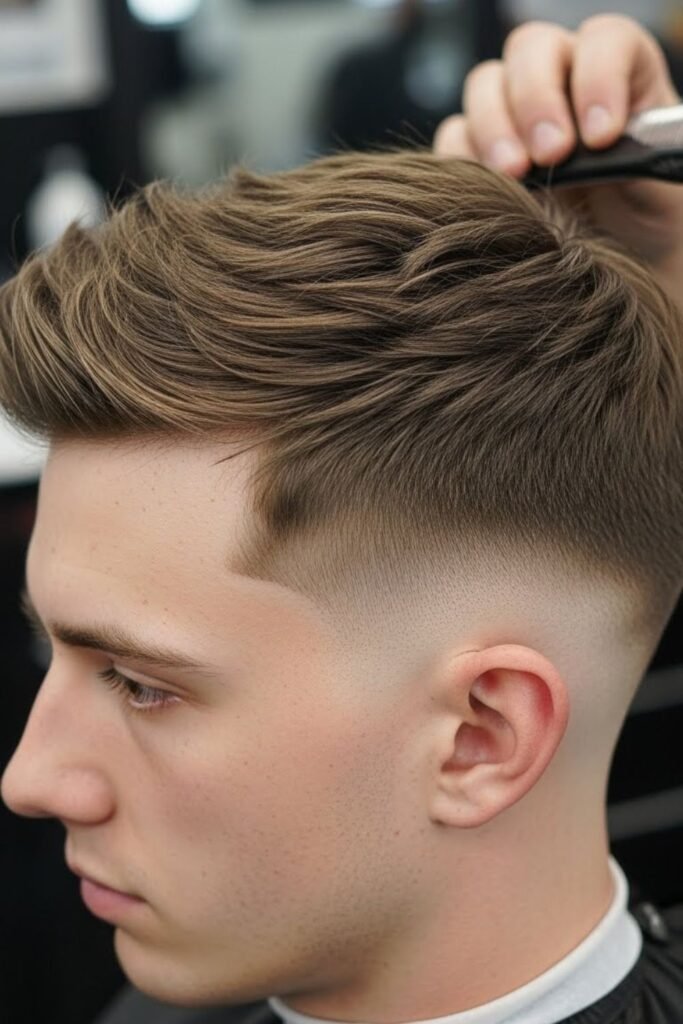
Subtle Fringe
Some foreheads only need a hint of coverage. A barely-there fringe softens the hairline without looking obvious.
This is a good option if you’re after balance but are not a fan of the typical blunt bangs.
When you see your barber and ask them to keep the fringe light and a bit uneven or seamlessly blending into the longer hair on top and rather than having it sit apart.
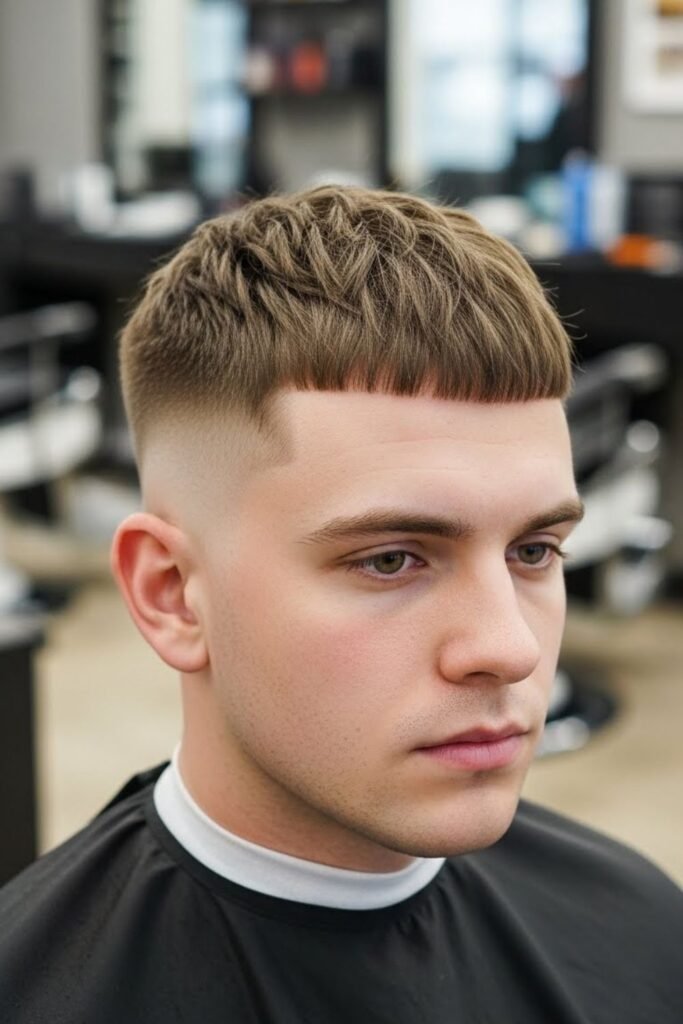
Matte Finish
Shine kills texture faster than bad cutting. This crop is built around a dry, matte finish that keeps every layer visible. Ideal if your hair gets oily or collapses by midday.
Let your barber know you’re aiming for a matte finish this will help them avoid over-thinning the top. Steer clear of pomades altogether.
If your haircut looks great immediately after styling but then falls flat within an hour, the issue likely lies with the product, not the actual cut.
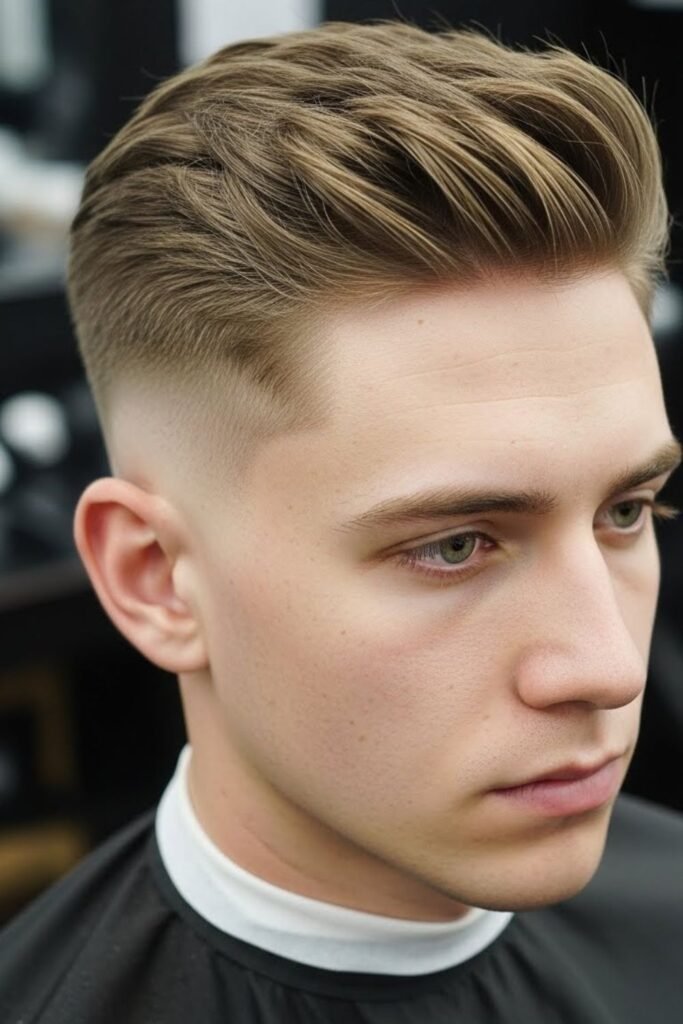
Grown Fringe
Short fringes are not for everyone. Letting the front sit slightly longer creates movement without turning into bangs.
This approach is great if you value versatility forward one day and styled up the next. When you see your barber request more length at the front and a soft texture to avoid a blunt look.
The styling is key go forward for a relaxed vibe, or slightly up for a more polished appearance. One haircut and a range of options.
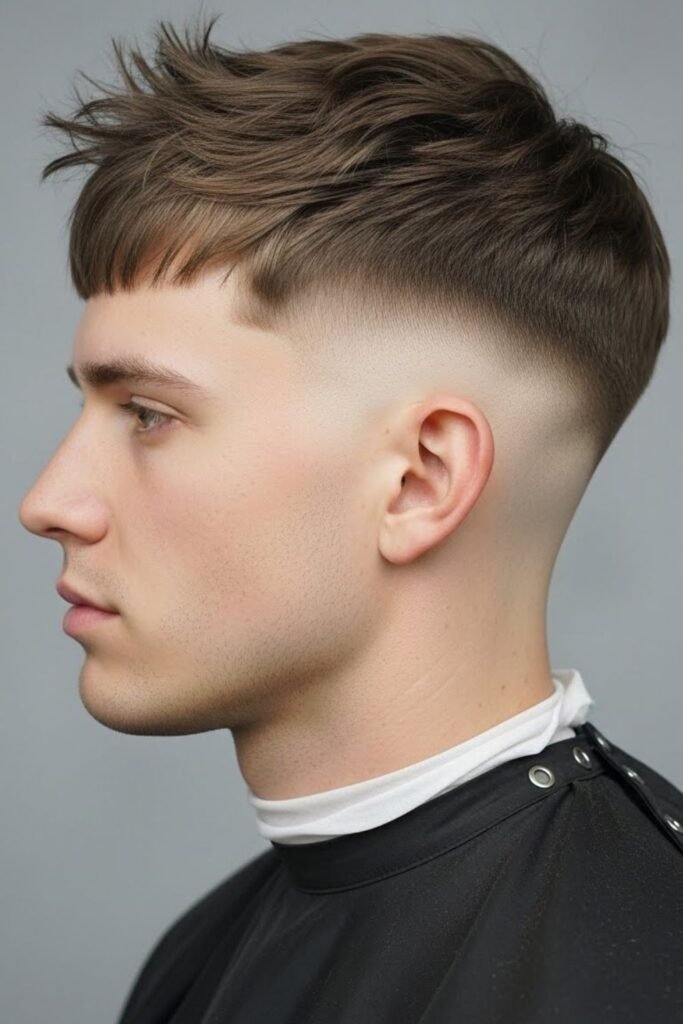
Taper Focus
Fades get attention, but tapers create longevity. A tapered textured crop keeps the haircut clean without screaming for maintenance.
This is a good choice for those who prefer a softer look, avoiding stark contrasts. Request a classic taper around the ears and neckline, rather than a skin fade.
The styling is easy a light paste and minimal fuss. If you value haircuts that look better over time and rather than just on the first day, a taper is a smart move.
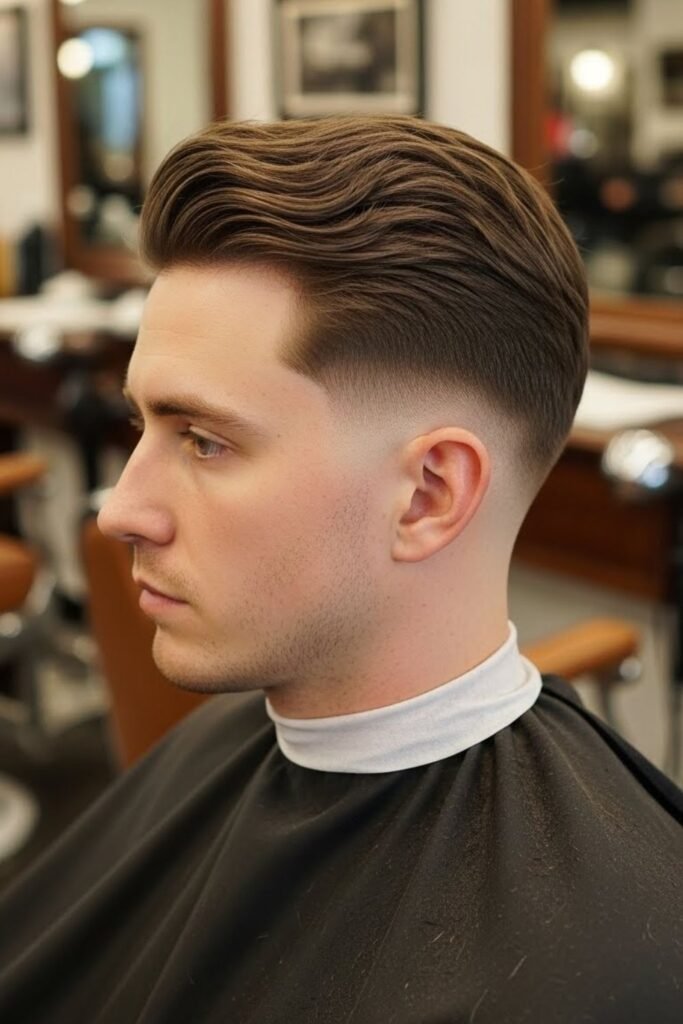
Texture Reset
Some hair just needs a restart. This crop strips length down slightly and rebuilds texture evenly across the top. Best for hair thats been overcut, uneven, or damaged.
Before adding any texture, have your barber even out the base length. This makes everything feel deliberate again.
Styling becomes a different experience afterward it’s less about battling your hair and more about working with it.
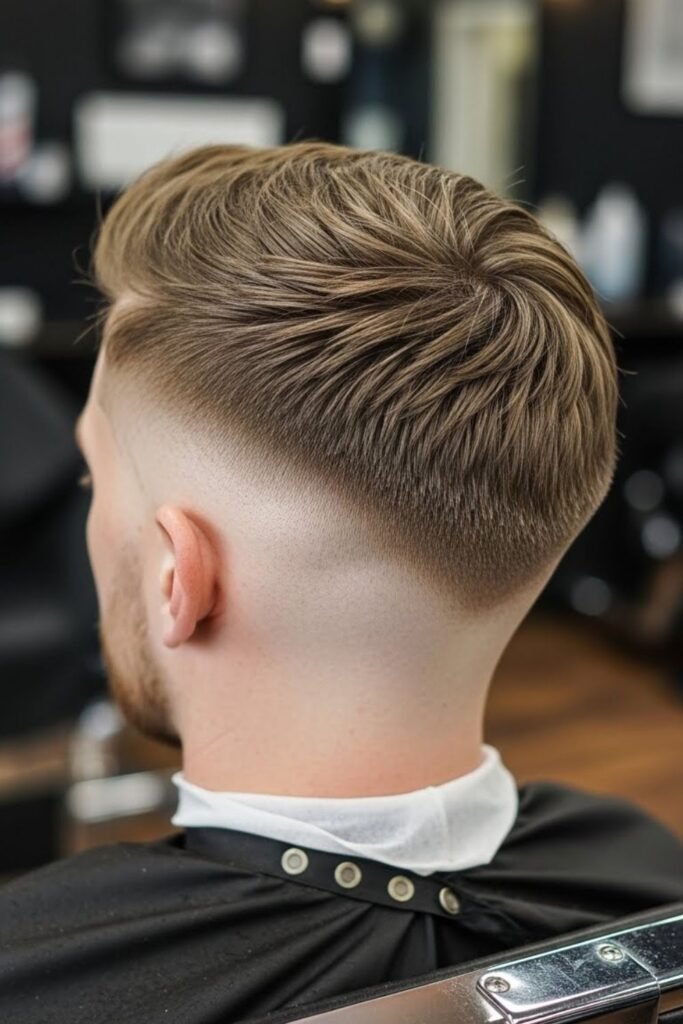
Natural Edge
Perfect lines aren’t always flattering. Softening the hairline and edges creates a more natural finish that works well with facial hair.
This method works well for guys who prefer some texture but don’t want the appearance of a just-groomed haircut.
When you see your barber request that they skip the sharp line-ups and leave the edges a bit ragged. Keep your styling relaxed, using your fingers instead of a comb.
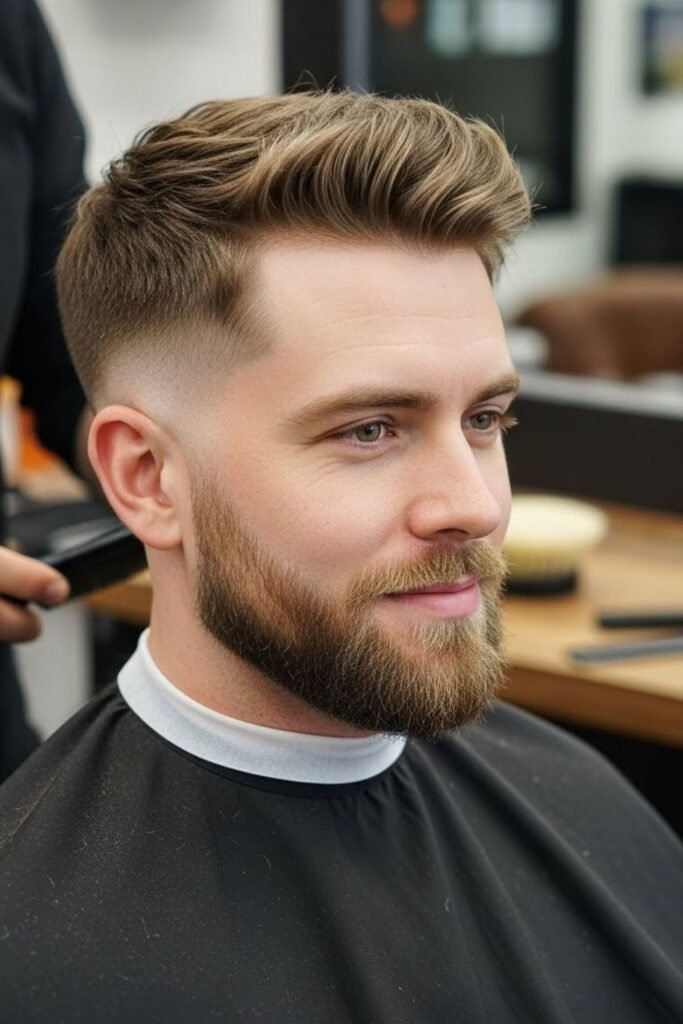
Dry Texture
Wet styling hides texture; dry styling reveals it. This crop is cut to be styled only when hair is completely dry.
Perfect for those whose hair goes flat when blow-dried. Have your barber add texture to dry hair after the cut.
Press, separate, and then stop. When texture is achieved without moisture, it holds up better and appears more natural as the day goes on.
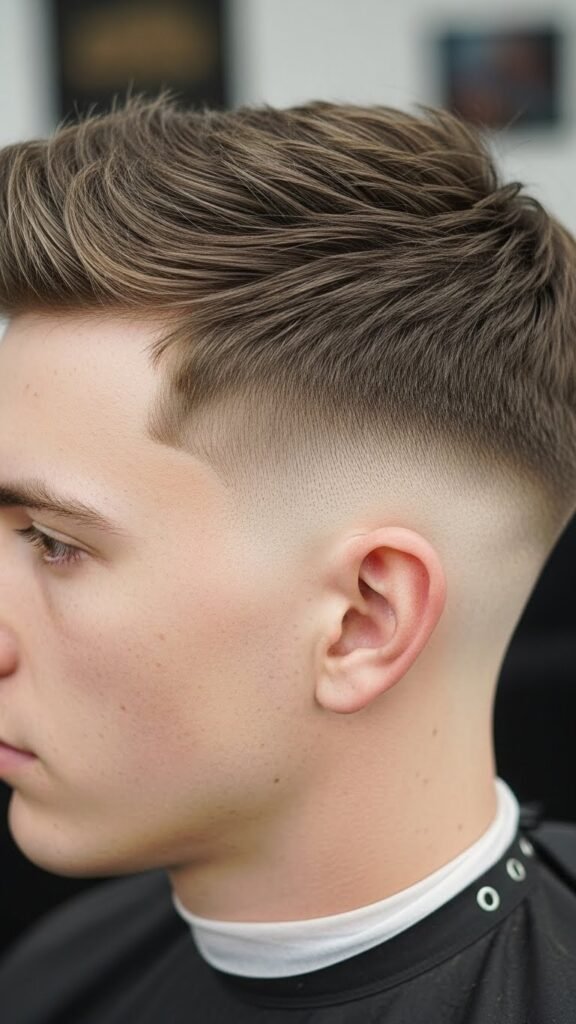
Compact Shape
Big texture isn’t always better. Keeping the crop compact creates strength through shape instead of height.
This approach is ideal if your facial structure is already well defined. Request a controlled texture balanced proportions and a mid fade that stays low.
The styling should be deliberate and using minimal product applied with precision. The effect is a look that exudes confidence and maturity and rather than being overly flashy.
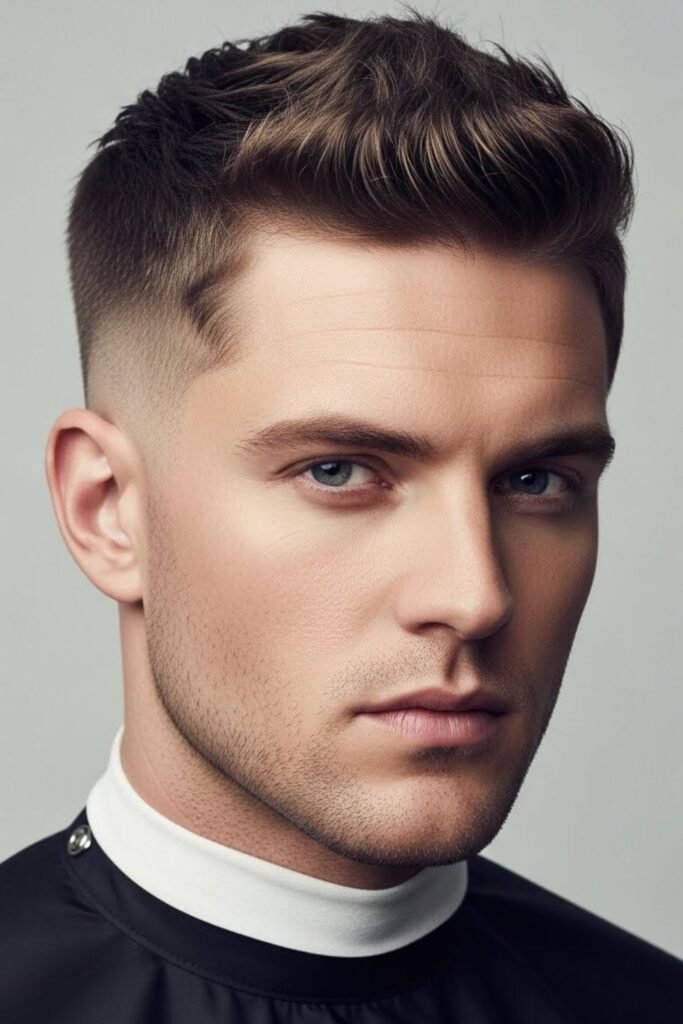
Balanced Length
Too short feels harsh, too long feels messy. Balanced length sits right in between, giving texture room to breathe without losing control.
This approach is ideal for those trying out textured crops for the first time. When you visit your barber and request a uniform length on top, with a subtle texture rather than extreme layering.
The styling process becomes straightforward and that a definite plus. You can expect the same outcome every time. Consistency is the key benefit.
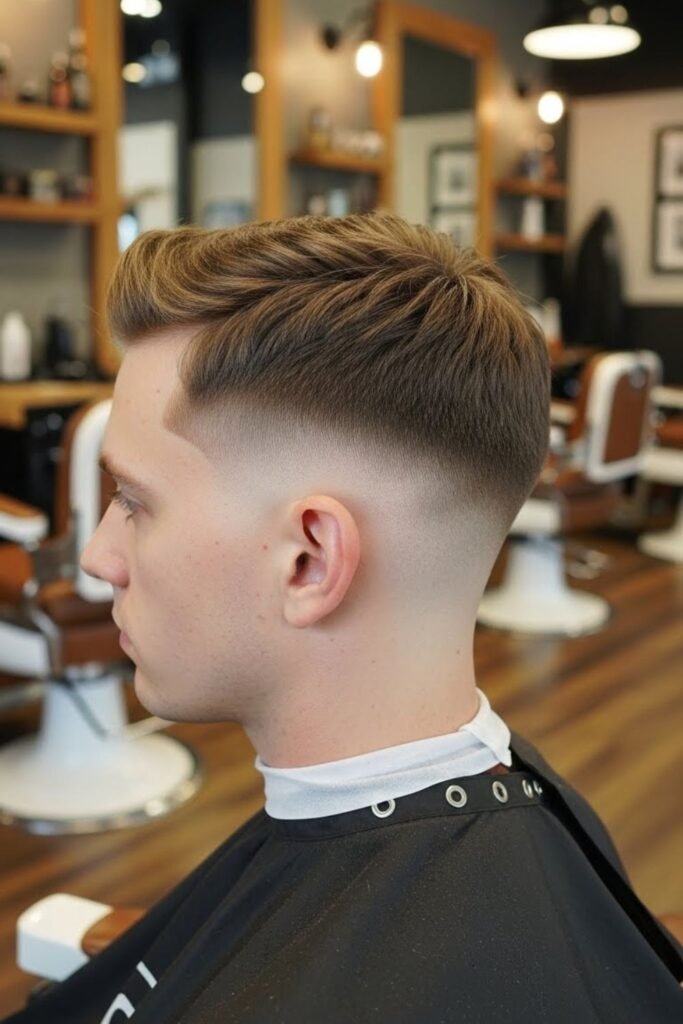
FAQs
Do textured crops actually save time in the morning, or is that a myth?
They only save time if the cut is actually good. When the texture is cut to complement your hair’s natural growth pattern, styling is a breeze.
But if the barber overdoes it, or tries to impose a shape, you’ll be stuck trying to fix it. A well-executed textured crop should take just minutes, not a lot of work.
Why does my textured crop stop looking good after two weeks?
Most textured hairstyles go wrong because the sides outpace the top. When that happens, the whole thing falls apart.
Regularly tidying up the edges is more important than a complete haircut. Keeping the sides neat helps the top maintain its intended look, even as it grows out.

Hi, I’m Afaf! I’m a law student who loves all things home, style, and gardening. I’ve been writing for over a year about topics like home decor, DIY projects, plants, fashion, and beauty.
I like sharing ideas that are easy to try and don’t cost a fortune. Whether it’s organizing a messy closet, decorating on a budget, or keeping houseplants alive, I write about what I’ve actually tried myself.
When I’m not studying, I’m usually on Pinterest looking for my next project or adding another plant to my collection!