25 Low Taper Haircut Ideas For 2026
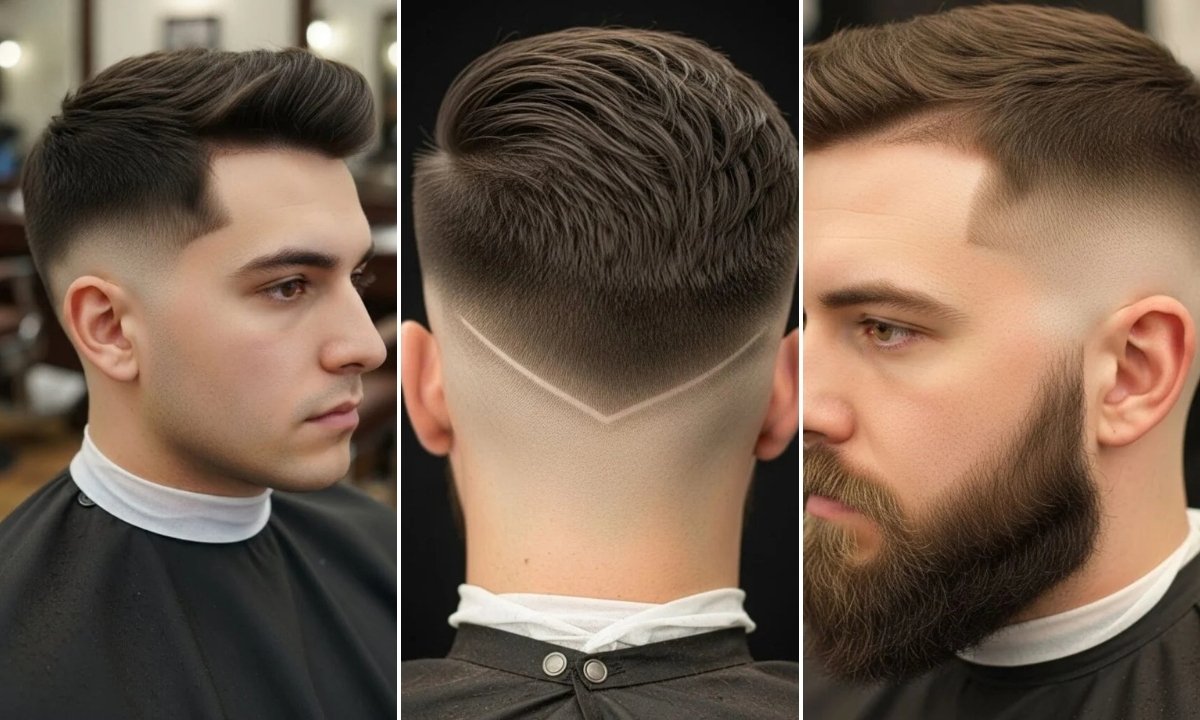
You’re on the hunt for a low taper haircut, but the search is a minefield of conflicting images. One picture screams “fresh and effortless,” while another seems to be a full-on fade.
You start to question whether your barber will even get it, or if this style will even flatter your face.
That uncertainty is common, and it’s the reason so many people leave the salon feeling let down.
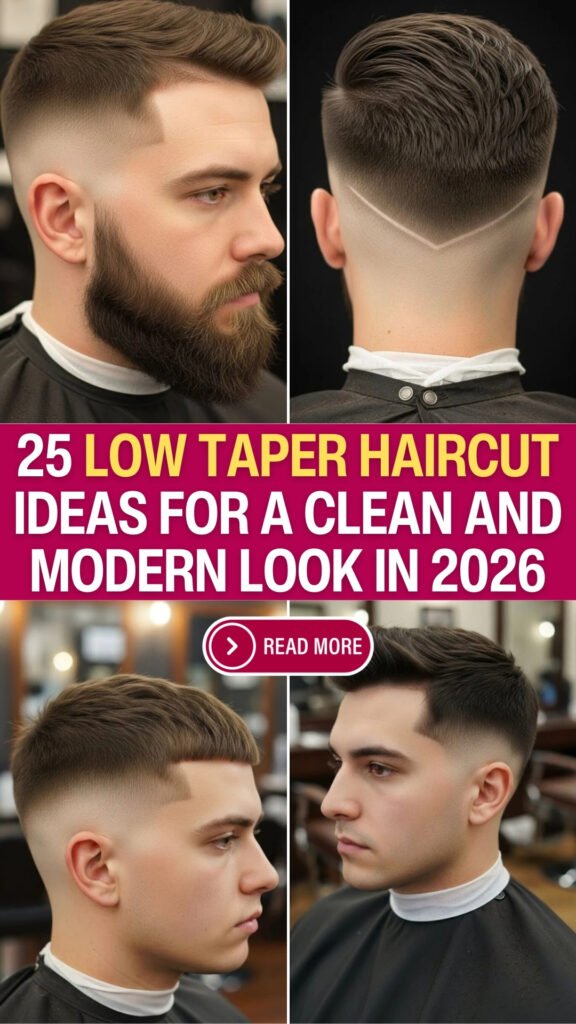
In this article, you’ll explore 25 eye-catching Low Taper Haircut ideas designed for women in 2026.
Is A Low Taper Haircut Good For All Face Shapes?
A low taper generally flatters most face shapes, though it’s not a universal solution. For a round face, adding more length on top can create a more balanced appearance.
Conversely, if your face is long and overly tight sides might accentuate that length, so a softer taper is preferable.
Square faces often see the most improvement as the sharp lines emphasize the jaw. The principle is straightforward.
The lower and more subtle the taper the more adaptable it is. Get the proportions wrong and the haircut can easily disrupt your entire aesthetic.
Save this article for later! 👇👇
Can A Low Taper Haircut Be Styled In Different Ways?
Exactly, and that’s precisely why its a popular choice. A low taper offers versatility, allowing you to avoid a single, fixed style.
For those who prefer a straightforward approach, the top can be left natural and simply maintained. Want something more fashionable.
You can introduce texture waves and curls or even a slicked-back look. The taper itself remains subtle, letting the top do the talking.
When the top is expertly cut and styled, that same low taper can effortlessly transition from casual to refined.
Natural Curls
Loose curls stay full while the low taper keeps the sides and neckline clean. This works best if you want structure.
Keep the top as is, no need to mess with it. Ask your barber for a low, gentle taper; you want to preserve the curls’ natural bounce.
Avoid anything too heavy a lightweight curl cream will do the trick, letting your hair flow freely rather than looking like a helmet.
Coily Shape
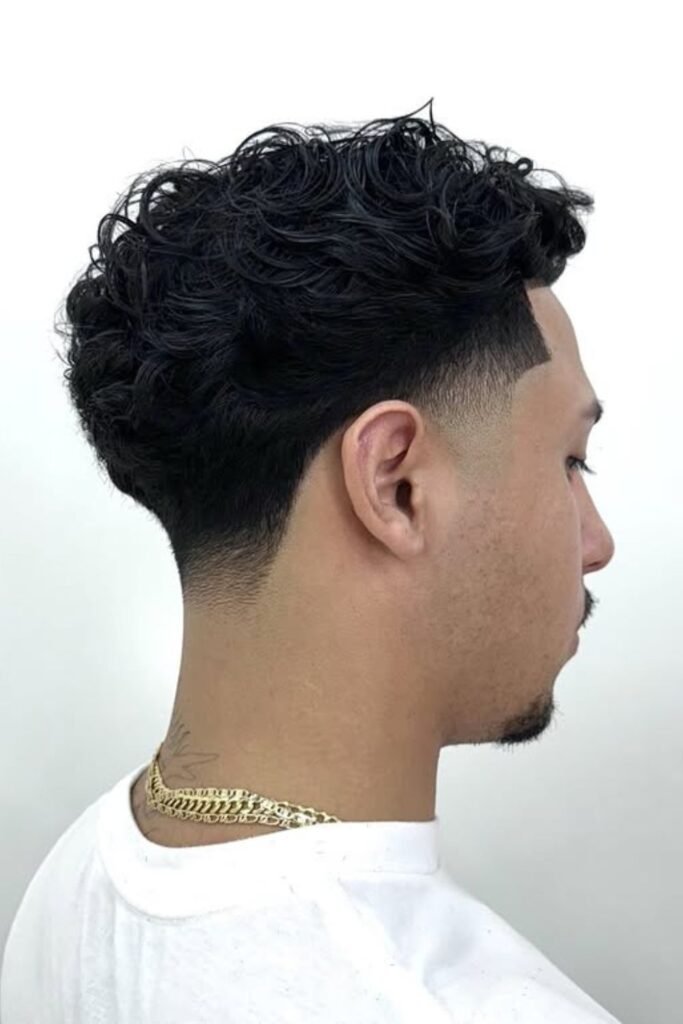
Dense coils sit higher while the low taper keeps the edges controlled and sharp. This works best if you want volume.
Without letting the sides explode as hair grows. Request a low taper, keeping it sharp at the nape.
And gradually blending into the curls. Consistent edge ups are key; without them the haircut loses its shape quickly.
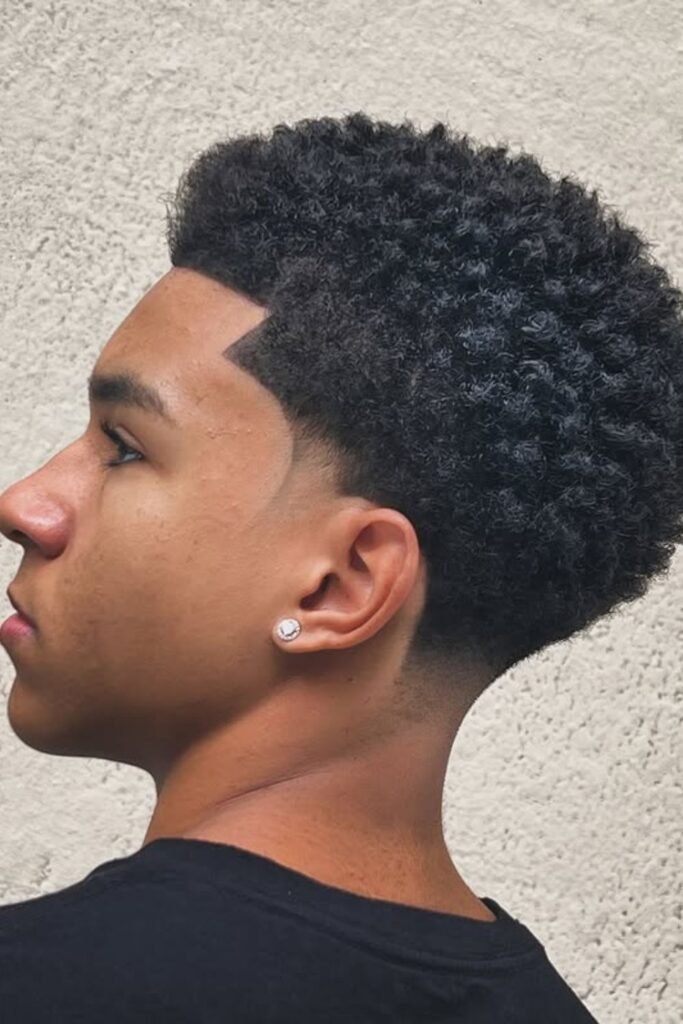
Textured Volume
Messy volume on top paired with a low taper works when you like a relaxed, lived in look that still feels intentional.
The taper should remain close and neat and preventing the back and sides from expanding as the hair lengthens.
Keep the top intentionally messy and organic; excessive shaping destroys the look. A little matte cream, applied with your fingers, will help manage volume without making it look flat.
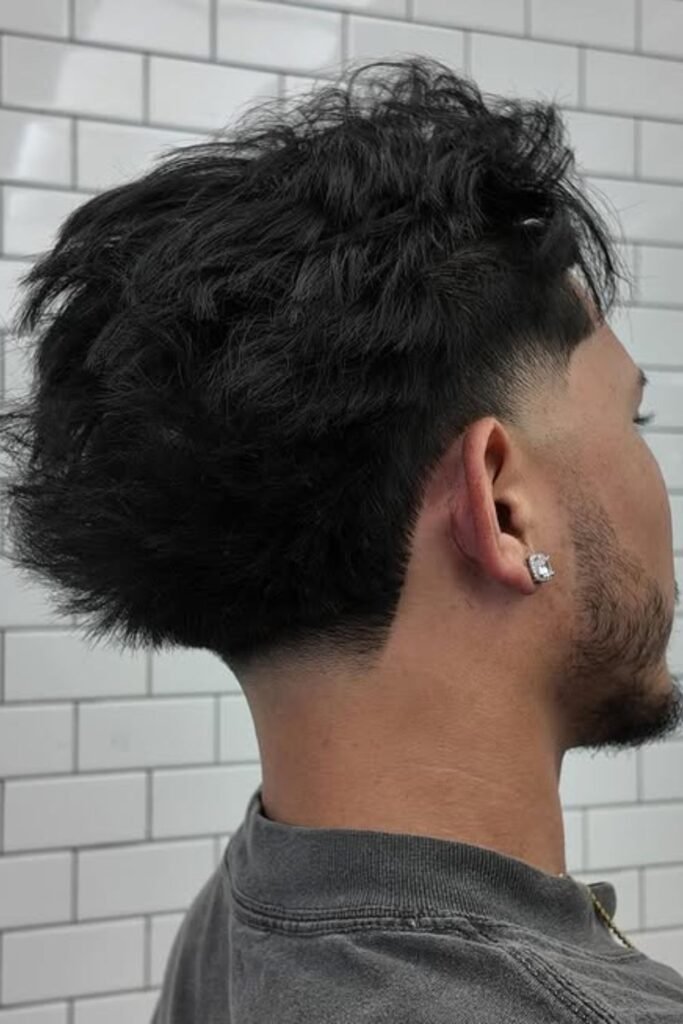
Soft Part
A clean side part paired with a low taper works best when you want something polished without looking overdone.
The taper remains understated around the ear, allowing the part and the top to be the focal points.
Request a seamless blend into the beard from your barber to provide a natural look. A touch of styling cream will assist manage the part without making the hair feel rigid.
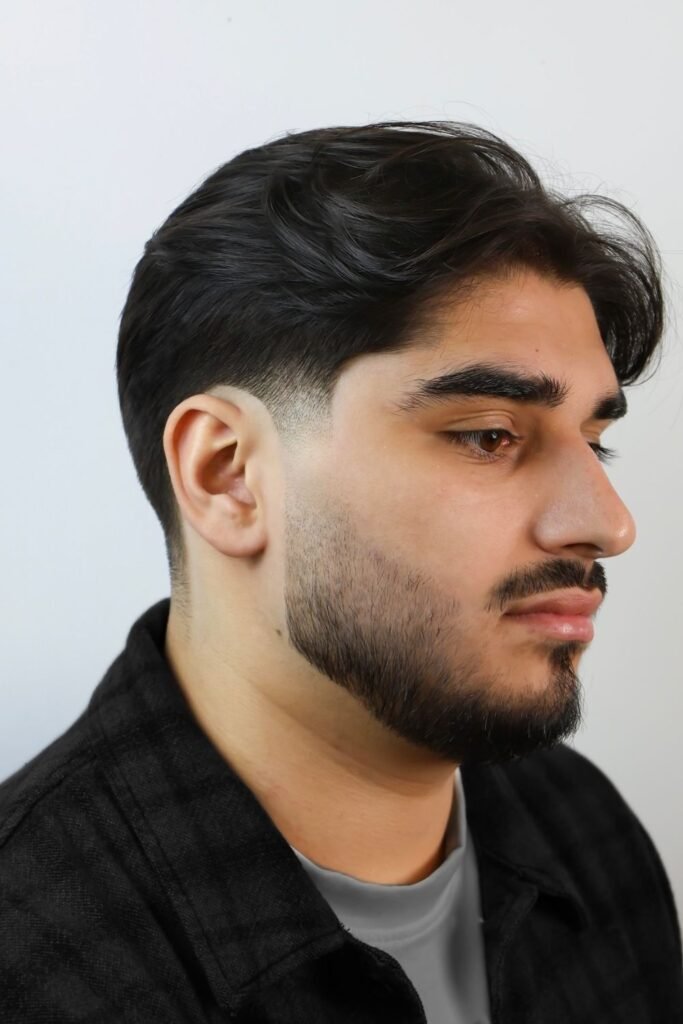
Clean Texture
Straight hair with natural texture looks sharper when the low taper stays tight at the neckline and fades softly upward.
This approach is ideal if your hair tends to get a bit bulky in the back as it grows. Keep the top lightly layered; this allows it to fall organically, rather than lying flat.
A small dab of matte paste can help define the texture, giving the haircut a more effortless appearance.
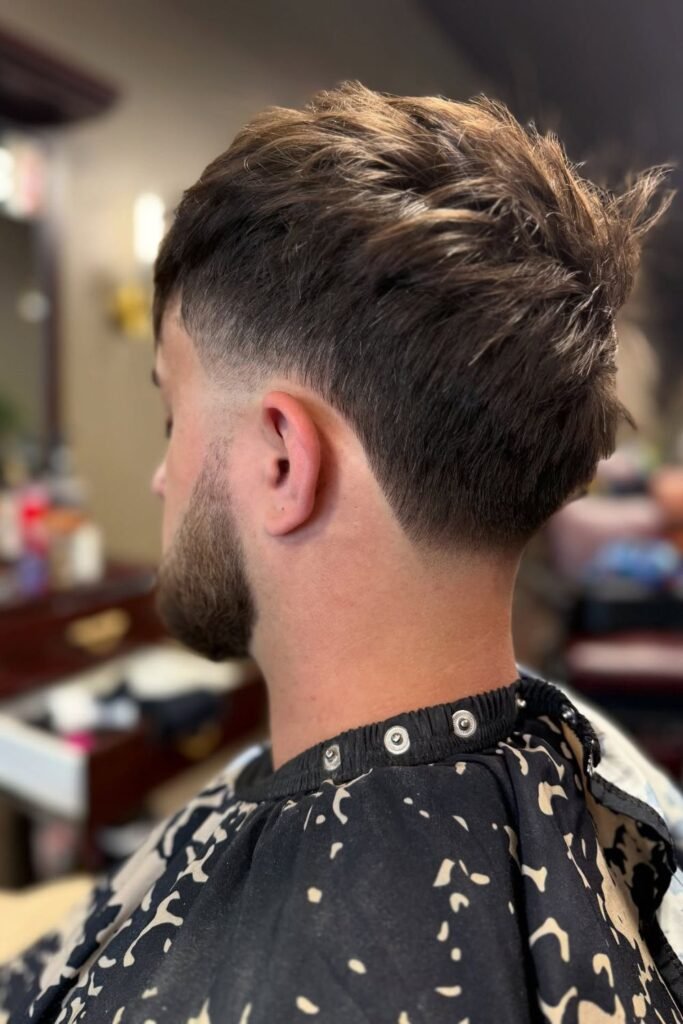
Swept Back
Hair pushed back like this works best if you want a clean, grown look without sharp lines. The low taper.
Maintaining tidy sides while the longer top introduces some dynamism and movement is key.
Request a subtle taper that seamlessly blends into the hair and rather than one that draws attention.
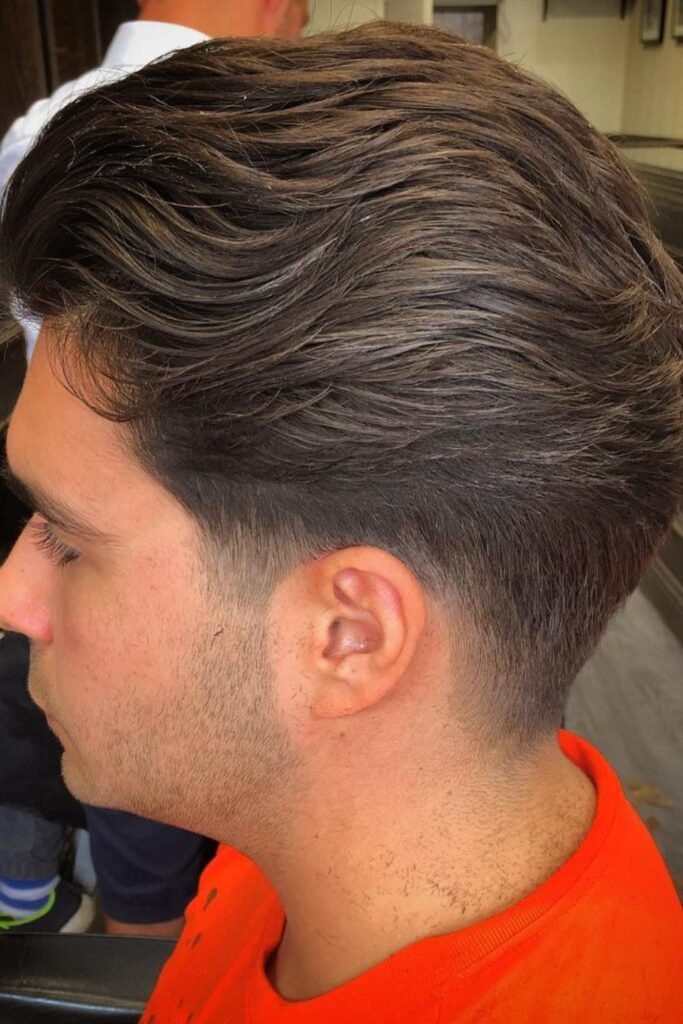
Crop Fringe
A short fringe paired with a low taper suits anyone who wants control without styling every morning.
The fringe is what keeps the front looking sharp, and the taper tidies up the sides and back.
When you have the taper, ask for it to be low otherwise the haircut can start to seem too square as it grows out.
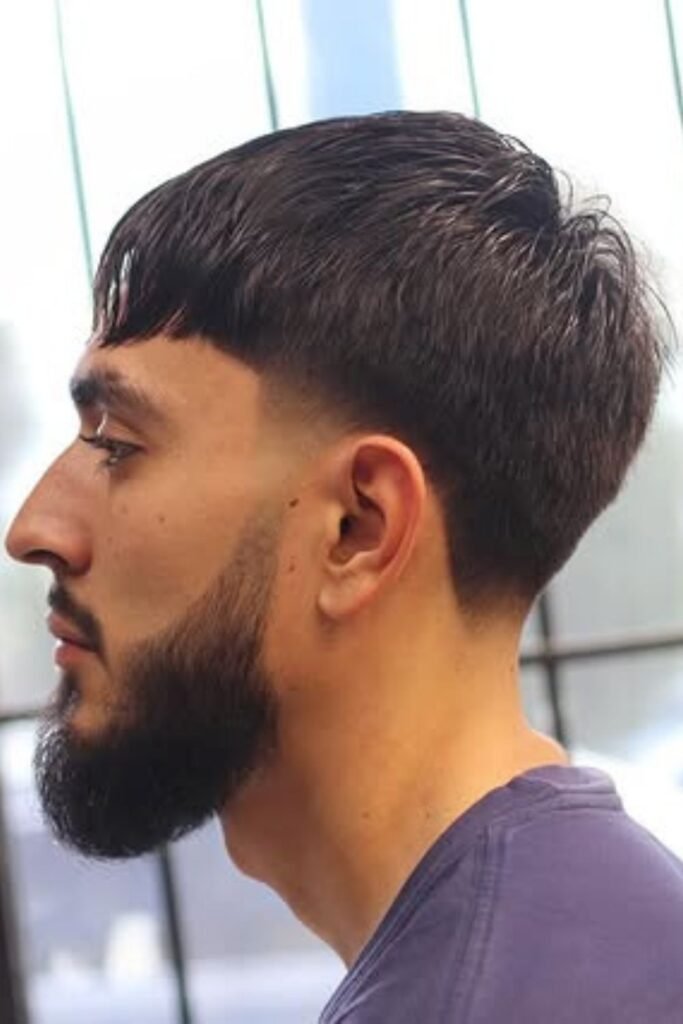
Sharp Waves
Defined waves paired with a low taper work best when you want a clean frame without losing the pattern on top.
The taper should hug the ear, then flow seamlessly into the beard, maintaining a cohesive look. Request a low, even mix and a clean lineup.
Regular brushing and a touch of wave grease are essential without them, the waves won’t have the same impact.
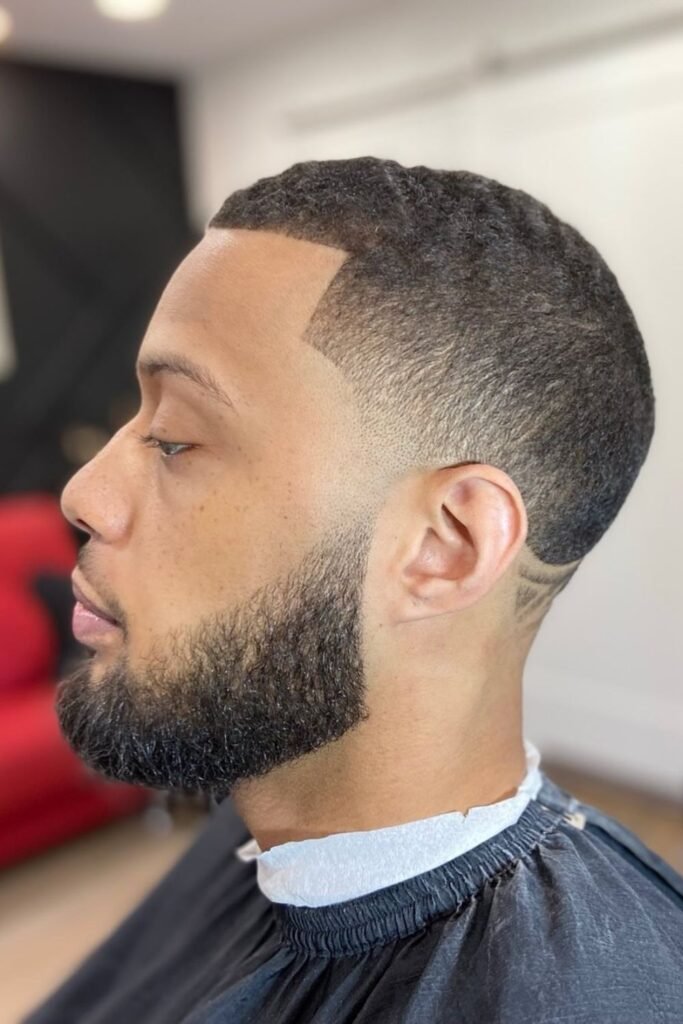
Curly Blend
Full curls up top paired with a low taper work when you want volume without the sides looking wild.
The taper should remain low and seamless, preventing the curls from losing their shape or becoming frizzy as they lengthen.
A leave-in conditioner is key it maintains the curl definition and allows the haircut to grow out neatly, rather than seeming unkempt.
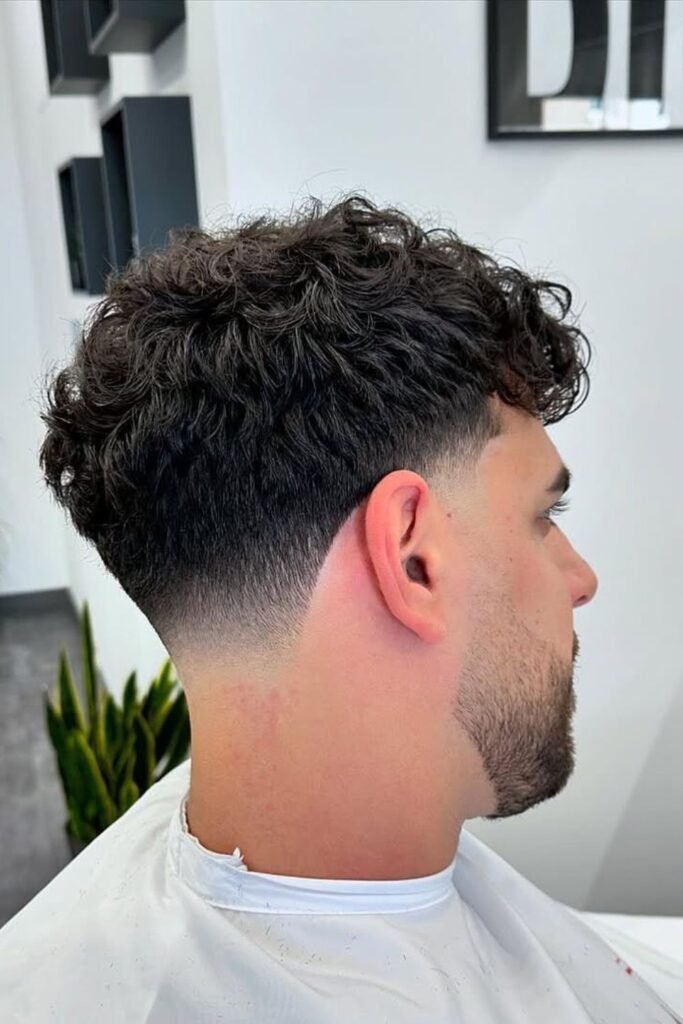
Tapered Curls
Defined curls sit better when the taper quietly handles the sides and neck. This setup works if you want curls to stay dominant.
Keep the taper subtle and well-defined; this helps maintain the shape as the hair grows. A bit of curl cream, applied with your fingers, is all you need.
Avoid brushes and heavy styling tools, as they can weigh down the texture and disrupt the overall look.
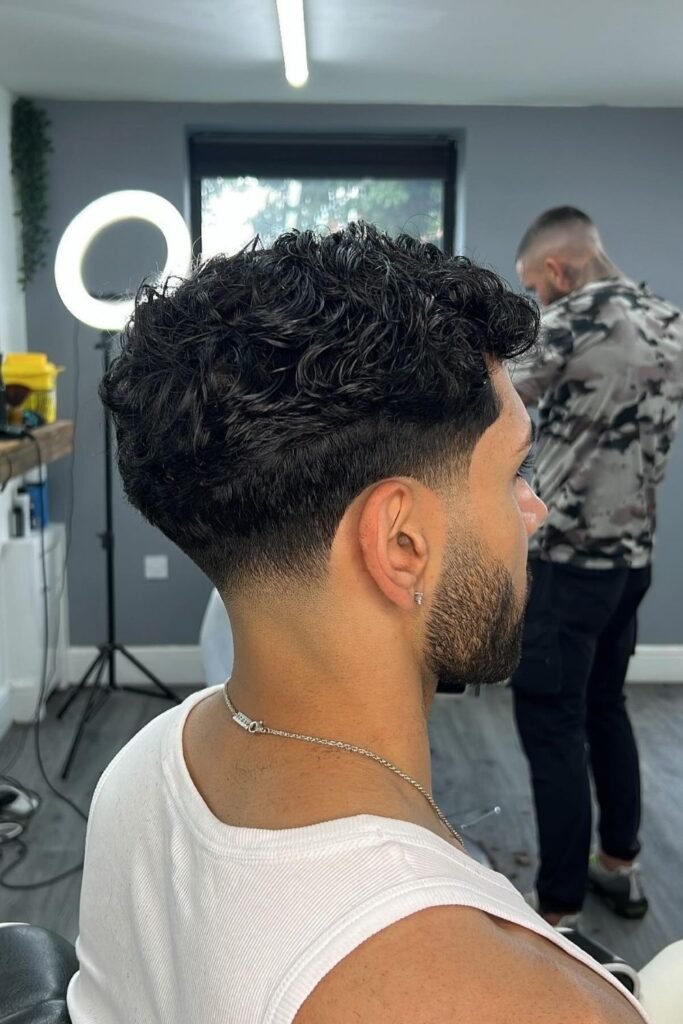
Natural Flow
Hair moving back and slightly to the side works when you want polish without losing personality.
The low taper should be subtle around the ears, allowing the hair on top to fall naturally.
Use a blow dryer with airflow or avoiding heat, and then use a light cream to maintain a natural, effortless look and rather than a slicked-back style.
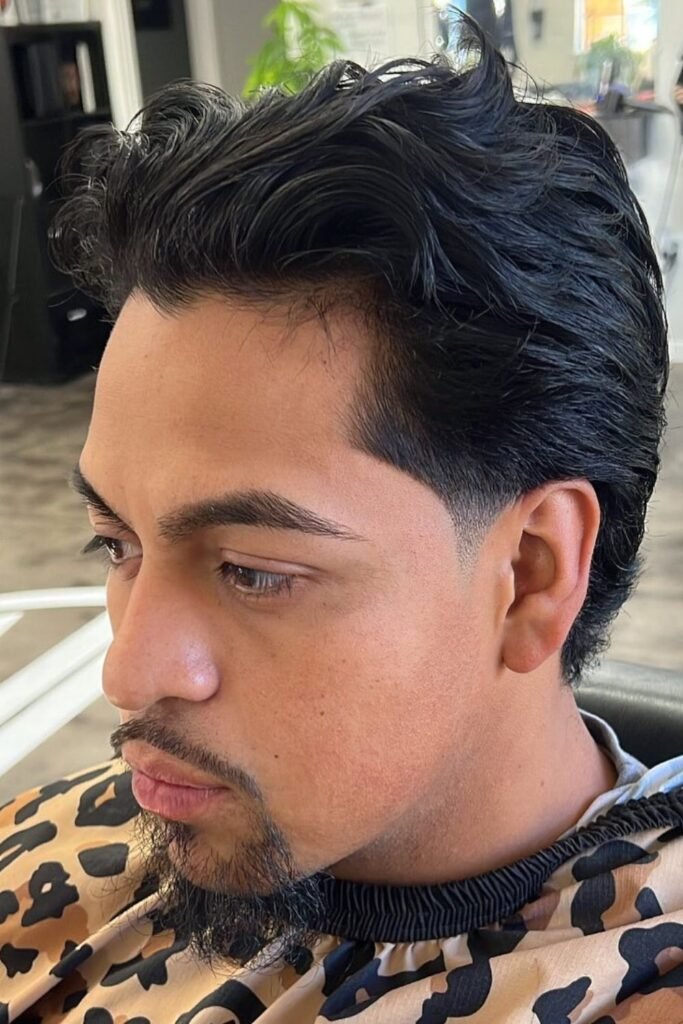
Slick Back
Hair pushed straight back like this works when you want a sharp, confident finish without touching the sides too much.
The low taper maintains a tidy silhouette, allowing the longer hair on top to make a statement.
When you visit your barber, request a modest taper; you don’t want it to clash with the slicked-back style.
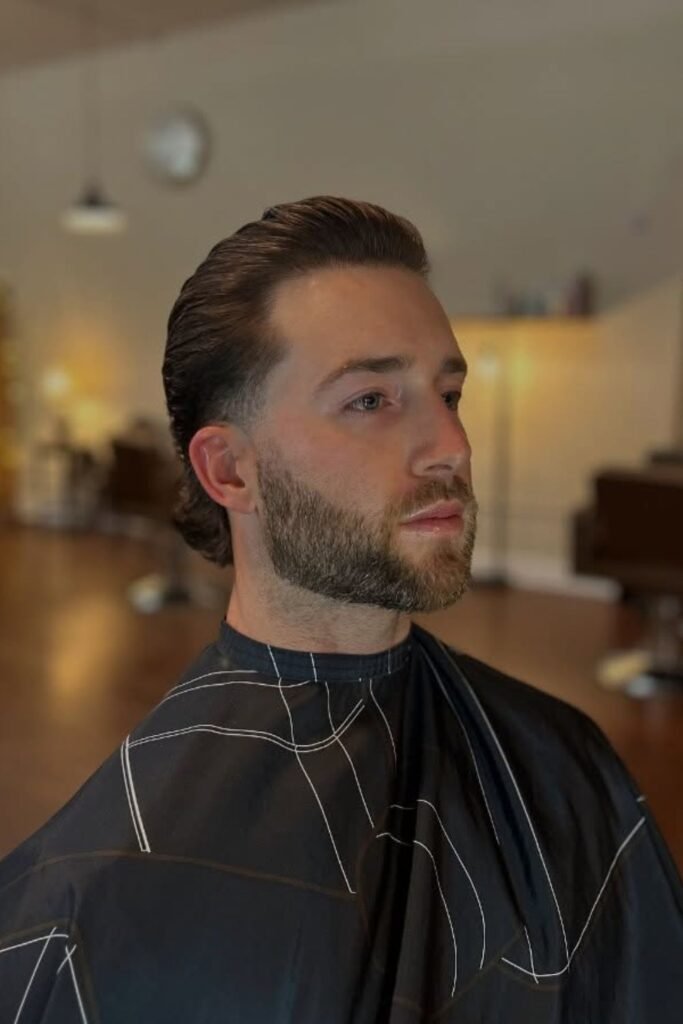
Loose Fringe
Hair falling forward like this works when you want movement without committing to heavy styling.
The low taper keeps things tidy on the sides, preventing the fringe from seeming disheveled from any direction.
The fringe should be kept uneven and light a too precise cut would strip away the casual vibe that makes this style appealing.
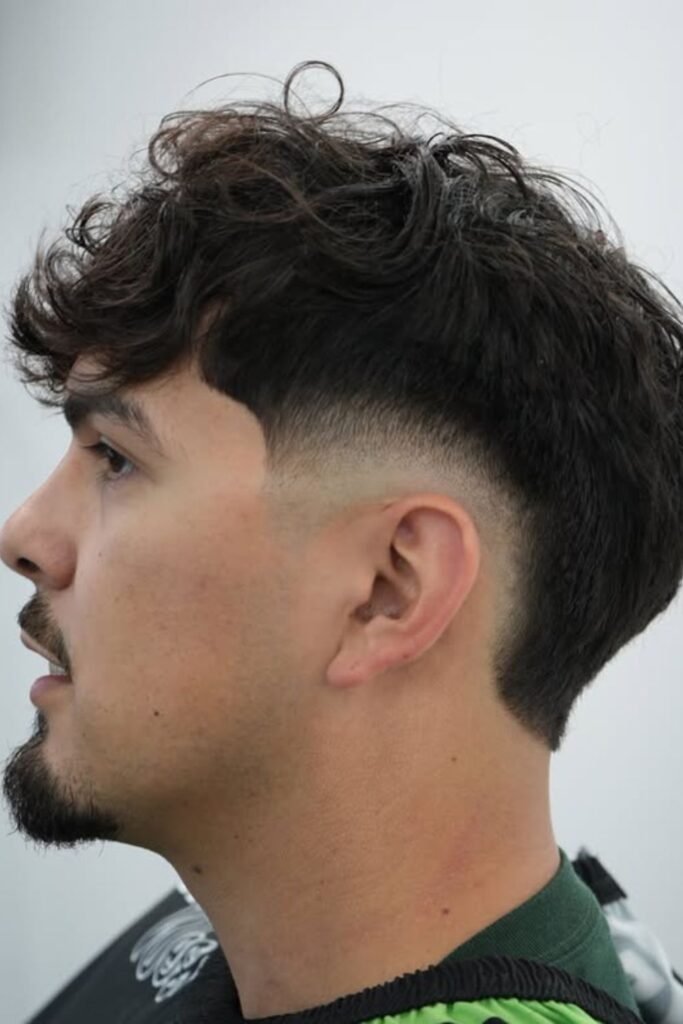
Temple Focus
Attention shifts fast when the taper is concentrated only around the temples. This approach works best if your sides grow uneven or stick out near the front.
A super low, tight taper at the temples instantly freshens up your look without touching the rest of your hair.
Tell your barber to focus on the temples first and leaving the back alone for now, and get that blend just right.
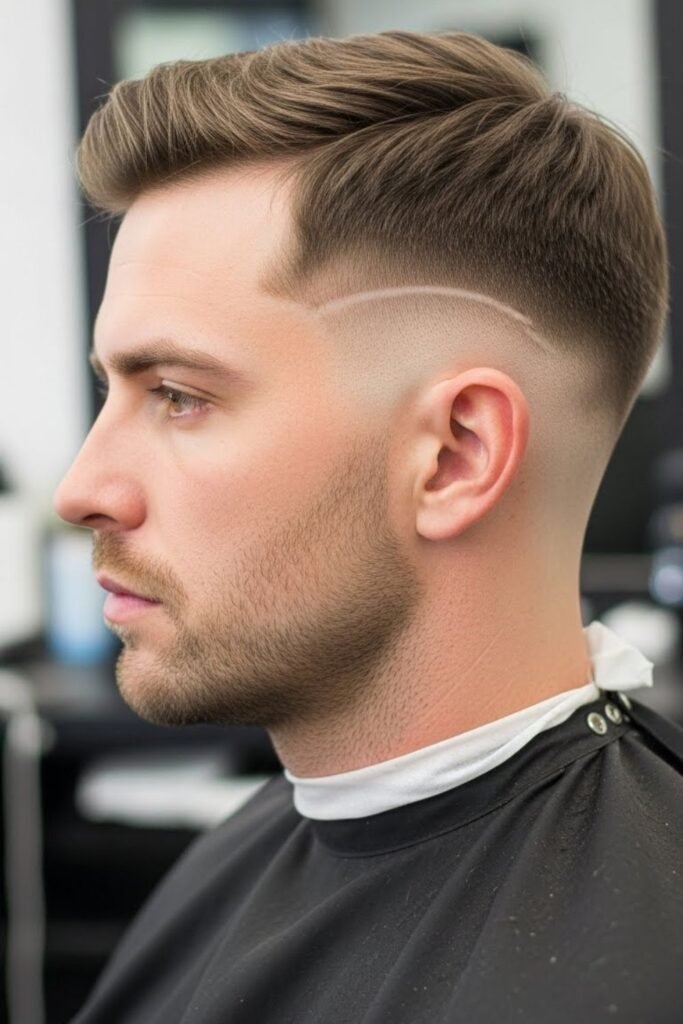
Neck Control
Messy growth usually shows first at the neckline, not the sides. A low taper that prioritizes the nape solves that problem quietly.
This approach is ideal if your haircut still looks decent from the front, but the back starts to look a bit ragged after a couple of weeks.
A clean nape helps the haircut last longer and cuts down on the frequency of full trims. It’s a minor tweak, but it keeps the style looking deliberate for a longer period.

Side Weight
Heavy sides can completely wreck a decent haircut. A low taper, meant to trim down the sides without compromising the top preserves the overall look.
This method works particularly well for people with thick hair that has a tendency to spread out. Ask for weight to be taken off with a taper and avoid thinning shears.
The aim is to keep the top looking full while the sides gradually get shorter, preventing a puffy effect.
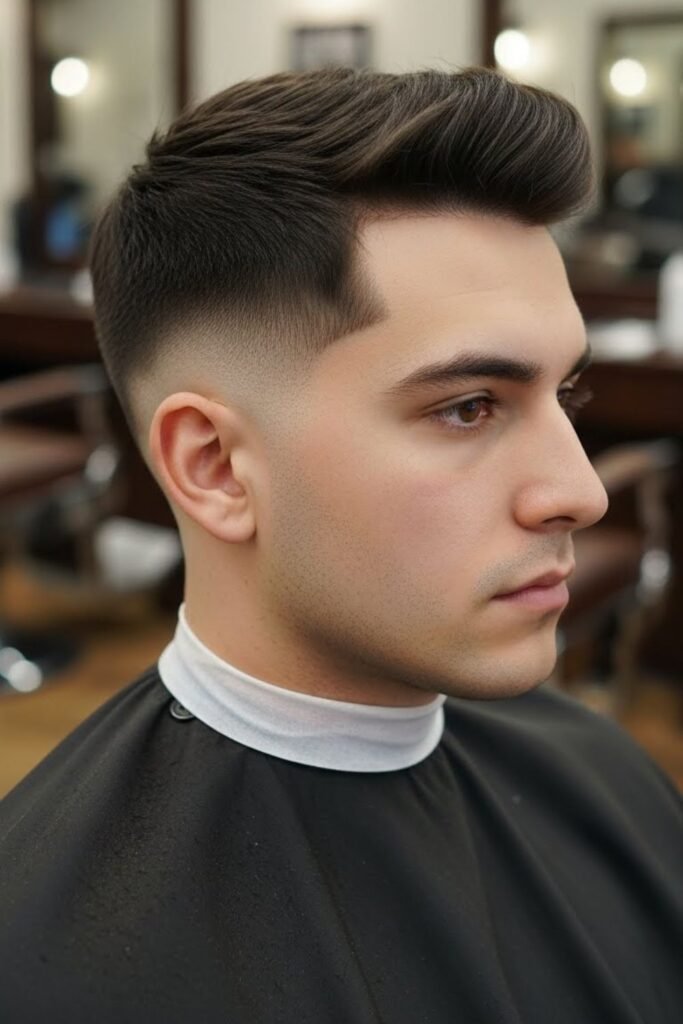
Growth Buffer
Some haircuts look great week one and fall apart by week three. A low taper built as a growth buffer fixes that.
The taper begins with a gentler, broader approach, allowing the hair to flourish without obvious demarcations.
This method is ideal for those who prefer to extend the interval between haircuts. When you sit in the chair.
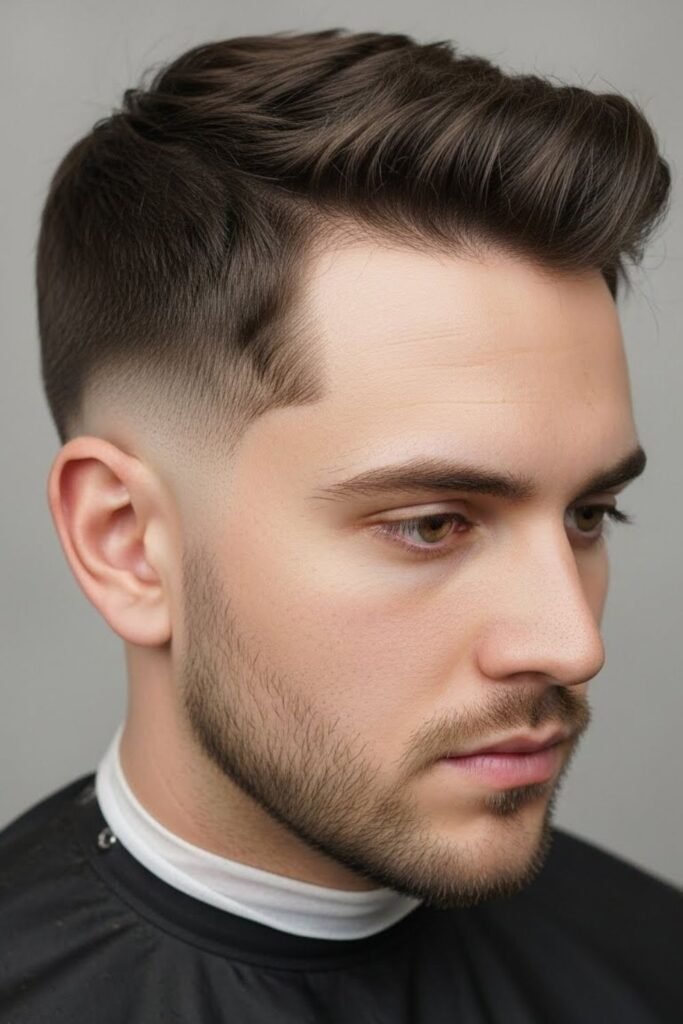
Beard Bridge
Disconnects between hair and beard create awkward gaps. A low taper that acts as a bridge fixes that instantly.
This method is ideal if your beard is robust, but the sides seem a bit sparse. Request a taper that seamlessly integrates with the beard, rather than cutting off above it.
The result is a unified shape that frames the face and giving the haircut and beard a fuller appearance without adding length or employing extreme fades.
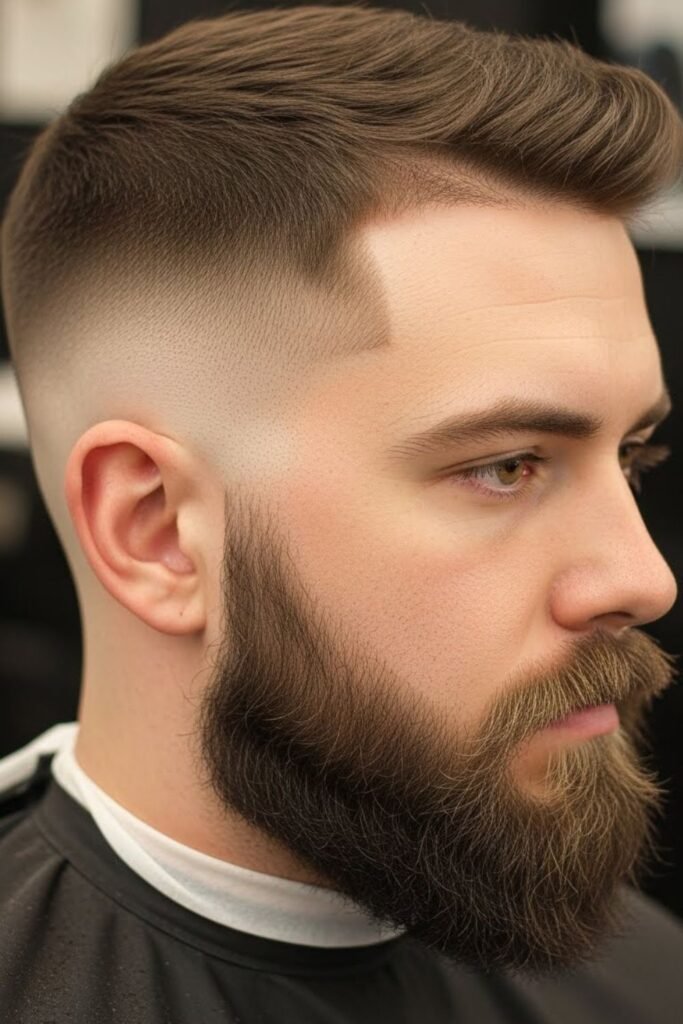
Crown Balance
Volume at the crown can make the head look uneven from the side. A low taper designed to support crown shape helps redistribute attention.
This style is best if the back of your hair is longer than the front. Tell your barber to start with a low taper and gradually blend it up and working to support the crown rather than cutting into it.
This approach creates a more balanced look from every aspect, preventing that awkward “helmet” appearance that can occur.
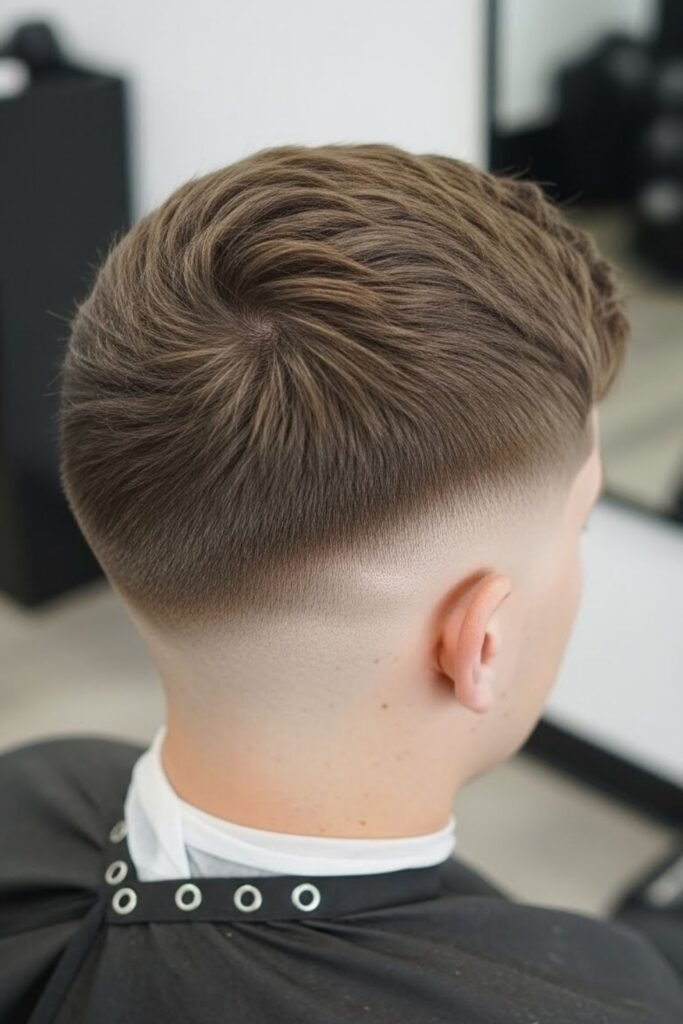
Soft Outline
Hard lines aren’t for everyone. A low taper with a soft outline keeps the haircut clean without screaming for attention.
This is ideal for professional environments or for those who like a more understated look.
Request no razor work around the ears or neck clippers and blending are the way to go. The resulting edges appear natural not artificially defined.

Ear Drop
Ears that stick out can make tapers tricky. A low taper that drops slightly behind the ear instead of hugging it solves that visually.
This approach is particularly effective if your ears are positioned higher or wider than others.
When you go to the barber, request that the tapering be done slightly beyond the curve of your ear.
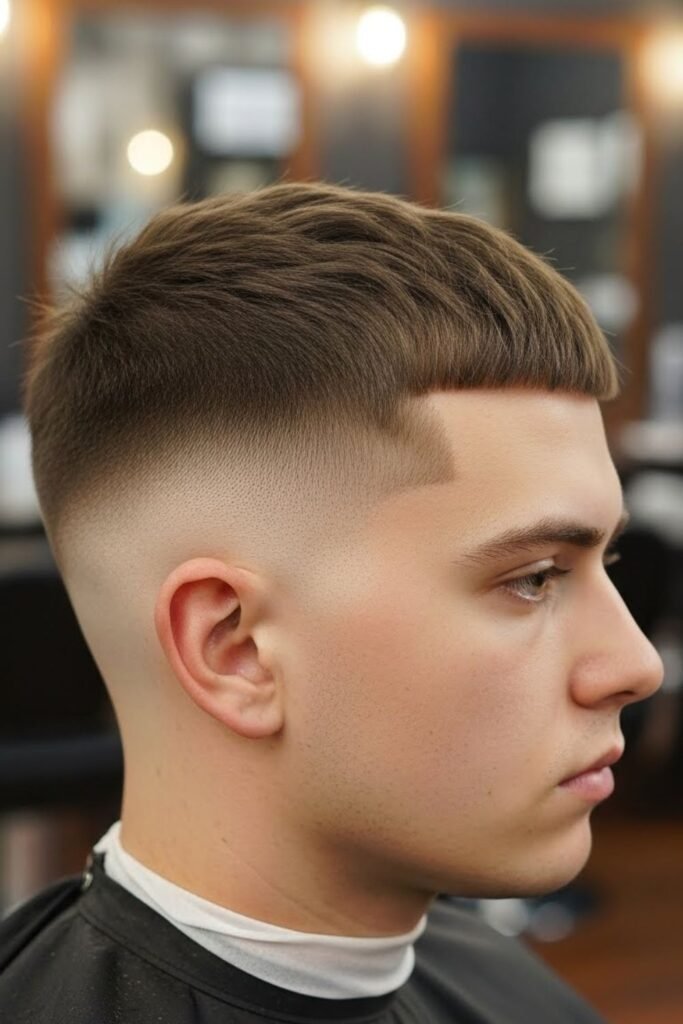
Front Anchor
Haircuts often fail because the front and sides don’t agree. A low taper built around anchoring the front hairline keeps everything connected.
Request that your barber shape the taper to follow the natural contours of your hairline and rather of striving for a perfectly symmetrical look.
The resulting haircut appears deliberate from all perspectives, particularly when styled casually.
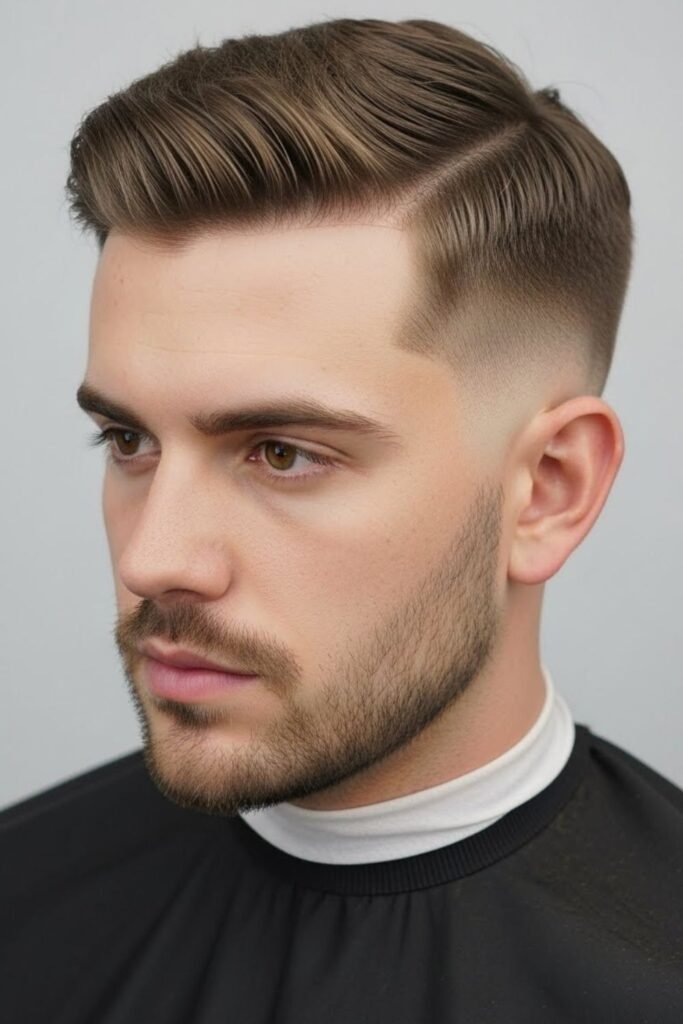
Texture Support
Some tapers kill texture by cutting too high. A low taper that exists only to support texture avoids that mistake.
This technique is ideal if you want to keep your hair’s natural flow intact. When you sit in the chair and tell your barber to prioritize preserving the texture, then focus on the taper.
The sides will look neat, but the top will still have its natural movement. It’s a low-maintenance style, perfect for those who prefer to skip hair products entirely.
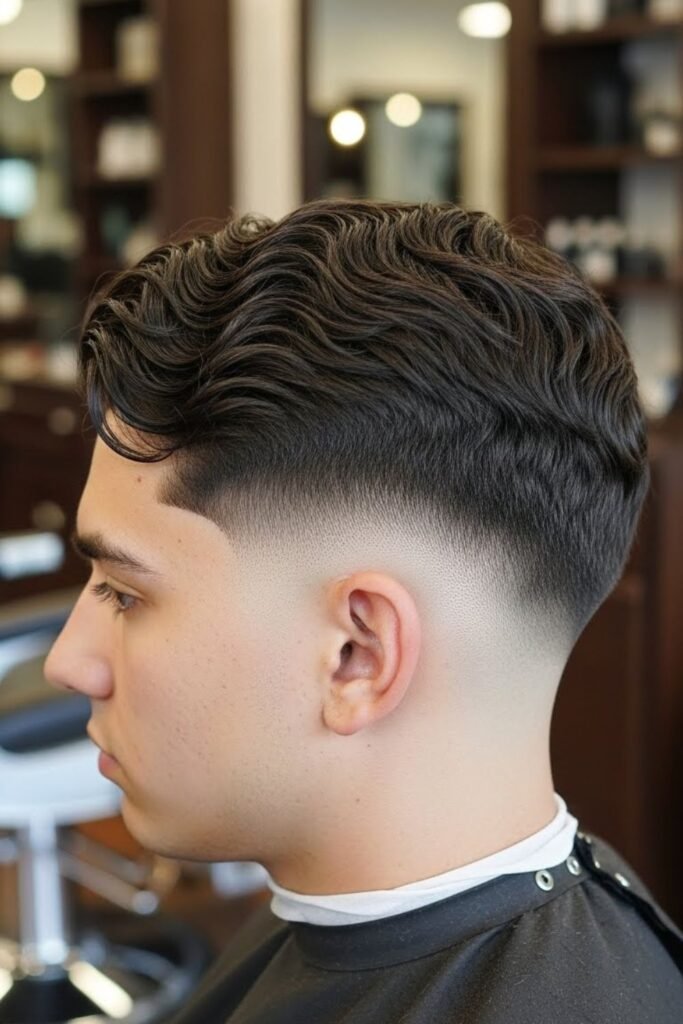
Minimal Contrast
High contrast isn’t always flattering. A low taper with minimal contrast blends gently into the hair above.
This style is ideal for those seeking a polished appearance, free from stark contrasts. Request a seamless blend and minimal skin exposure.
The result is a haircut that seems composed or harmonious and understated. Its perfect for everyday wear, requiring no maintenance.
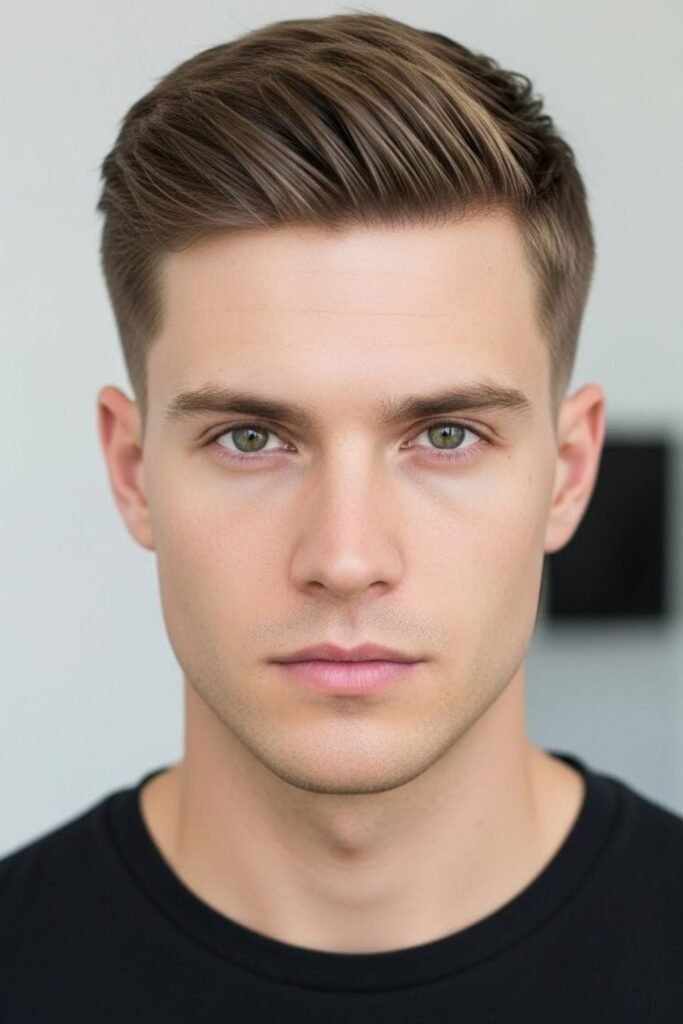
Shape Reset
Bad growth patterns can throw off your entire haircut. A low taper used as a shape reset brings everything back into line.
This approach is helpful when your hair grows unevenly on the sides. Instead of taking length off the top, ask your barber to redefine the form with a taper.
When the sides are in check the entire haircut looks more polished. Its a subtle repair and addressing issues without making any major alterations.

FAQs
Does a low taper still look good when it grows out?
Absolutely if executed correctly. A low taper tends to grow out more neatly than most fades, simply because it does not expose the skin.
The secret lies in keeping the taper soft and low from the beginning. If barbers take it up too high or make it too sharp, the grow-out becomes a bit of a disaster in no time.
A well-done low taper maintains its shape, even when you’re past due for a haircut.
Why does my low taper sometimes look like a fade?
It often occurs when the barber goes too high with the blend or takes away too much bulk around the ear.
A proper low taper should hug the hairline, preserving some of the hair’s natural density on the sides.
If the sides appear sparse or the blend ascends too far, you’ve inadvertently created a fade.

Hi, I’m Afaf! I’m a law student who loves all things home, style, and gardening. I’ve been writing for over a year about topics like home decor, DIY projects, plants, fashion, and beauty.
I like sharing ideas that are easy to try and don’t cost a fortune. Whether it’s organizing a messy closet, decorating on a budget, or keeping houseplants alive, I write about what I’ve actually tried myself.
When I’m not studying, I’m usually on Pinterest looking for my next project or adding another plant to my collection!