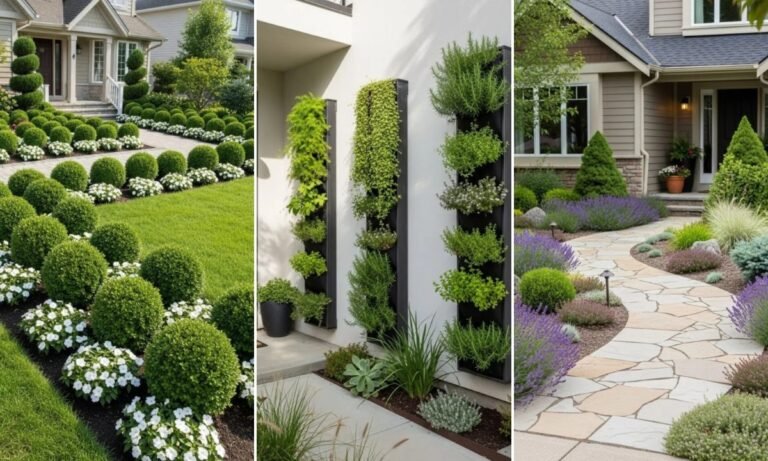
25 Driveway Landscaping Ideas For 2026
You clean your driveway, step back, and something still feels off. The edges look messy. Weeds keep creeping in. The space feels unfinished no matter how neat the house is.
If that sounds familiar, you’re not doing anything wrong you’re just missing the right landscaping around it.
The good news is you don’t need expensive plants or high-maintenance designs to fix this.
I’ve gathered 25 practical Driveway Landscaping Ideas to help you plan smarter in 2026.
What Are The Best Plants To Use Along a Driveway?
When choosing plants for a driveway, think tough before you think pretty. Cars bring heat, dust, and sometimes oil, so delicate plants usually fail here.
If you pick low-growing, hardy plants, you won’t block car doors or your view when backing out. Stick with plants that stay compact, handle dry soil.
And don’t have aggressive roots. When you do this, you avoid cracked concrete, constant trimming, and dead plants.
The right driveway plants don’t demand attention they quietly do their job and keep the space looking clean year-round.
Save this article for later! 👇👇

What Lighting Ideas Improve Driveway Landscaping At Night?
Good driveway lighting isn’t about making things bright it’s about making them clear. If you add soft lights along the edges, you guide cars without blinding anyone.
Low lights help you see where the driveway ends and the landscaping begins, which prevents accidents.
Keeps plants from getting run over. When you place lights near turns or slopes, you make the space safer right away.
Choose simple, warm lighting and keep it low to the ground. This way, your driveway feels welcoming at night, not harsh or overdone.
Gravel Border
Messy edges used to drive me crazy, so I started with a gravel border. I lay a weed barrier first because skipping that step only invites weeds back in.
Then I add compact gravel and lock it in with edging. This keeps stones from spreading onto the driveway and stops soil from washing out.
The space instantly looks cleaner, and maintenance drops because nothing really grows where gravel sits.

Planting Strip
Parking felt tight until I narrowed the planting strip along the driveway. I keep it slim on purpose so car doors open without hitting leaves or branches.
I choose compact plants that stay low and don’t spill outward. This approach keeps everything looking neat while still adding greenery.
If you want plants without daily trimming or scratches on your car, controlling the width changes everything.

Raised Edge
Cracked concrete pushed me to raise the driveway edge slightly. I use stone or concrete blocks to lift the soil just enough to hold it in place.
This keeps mulch from sliding onto the driveway during rain. Water flows where it should, and the edge looks intentional instead of worn down.
A raised edge also makes the whole driveway feel finished without adding plants everywhere.

Groundcover Swap
Lawn grass never survived next to my driveway, so I replaced it with tough groundcover. These plants handle heat, dry soil, and foot traffic much better.
I space them so they fill in over time instead of crowding right away. Once established, they block weeds and need very little care.
Switching groundcover saves time and stops that patchy, half-dead grass look for good.

Metal Edging
Heat and rain kept undoing my borders, so I switched to metal edging. I install it flush with the driveway to hold soil exactly where it belongs.
Once it’s in, mulch and gravel stop drifting after storms. The thin profile stays almost invisible, which I love.
Maintenance drops because trimming becomes easy, and weeds lose places to creep through edges over time without constant fixes or repairs every single season.

Curved Borders
Straight lines made the driveway feel stiff, so I softened it with curves. I mark gentle bends before planting anything so the shape stays controlled.
Curves slow the eye and make narrow spaces feel wider. When mowing or edging, flowing lines guide tools naturally.
The result feels relaxed, intentional, and far less harsh than rigid borders beside concrete. This approach also reduces mistakes during planting and future changes at home.

Mulch Beds
After rain kept splashing mud onto my car, I focused on mulch beds. I build them slightly lower than the driveway edge to catch runoff.
Mulch absorbs water and protects nearby plants from stress. Refreshing it once a year keeps everything tidy.
This simple layer prevents stains on concrete and saves time cleaning vehicles later. It also reduces erosion and keeps weeds from spreading fast along the driveway edges daily.

Low Shrubs
Instead of lining the whole driveway with plants, I place low shrubs only at key spots. I keep them near the start and end so sightlines stay clear.
Compact shrubs add structure without crowding cars. Pruning stays minimal because height is controlled from day one.
This strategy gives greenery where it matters and leaves busy areas open. Maintenance feels easier, and mistakes become far less likely over time overall long-term.

Gravel Drainage
Water pooling annoyed me every time it rained, so I added permeable gravel sections beside the driveway. I excavated shallow trenches and filled them with layered stone and gravel.
Rain now sinks instead of running downhill. This setup protects concrete edges and nearby plants. Maintenance stays simple because gravel resets easily.
If drainage causes trouble, permeable zones quietly solve the problem without changing the driveway itself over time long term.

Zone Design
Visual clutter made my driveway feel chaotic, so I broke it into clear zones. I alternate hard surfaces with planting pockets along the edge.
This rhythm keeps the space organized and easier to maintain. Plants stay where soil belongs, and stone handles foot traffic.
Planning zones first prevents overcrowding later. The driveway feels intentional, not random, and future changes stay simple for busy households with limited time and less stress.

Slope Control
Gravity worked against me on a sloped driveway, so runoff needed control. I shaped planting beds across the slope instead of straight down.
Each bed slows water and holds soil in place. Deep-rooted plants anchor everything. This approach stops erosion before it starts.
Walking and driving feel safer, and heavy rain no longer leaves damage behind during storms, saving repairs and keeping maintenance manageable year-round for families like mine daily.

Rock Minimalism
Too many details overwhelmed my driveway edges, so I went minimalist with rocks. I selected one stone size and one color to keep things calm.
Rocks handle heat and tires without complaining. Cleaning becomes quick because nothing grows here. This setup frames the driveway without stealing attention.
If simplicity matters, rock landscaping keeps everything neat with almost no effort while reducing upkeep costs for long driveways and busy homes today.

Buffer Zone
Crowded edges caused constant damage, so I created a buffer zone beside the driveway. I leave a small strip completely clear where tires and feet usually pass.
This space absorbs daily wear and protects nearby plants. Gravel or compacted soil works best here. Once I stopped planting right up against the concrete, maintenance dropped fast.
Fewer crushed plants, cleaner edges, and less frustration made this simple gap surprisingly effective long-term.

Symmetry Balance
Uneven planting made everything feel off, so I leaned into symmetry. I match plant spacing and size on both sides of the driveway entrance.
Balance tricks the eye into seeing order, even with simple materials. Trimming becomes easier because growth stays predictable.
This setup works especially well for small homes where chaos shows quickly. Symmetry doesn’t need fancy plants, just consistent placement and restraint from overfilling spaces.

Native Choice
Local plants changed everything once I stopped fighting the climate. I choose native varieties that already handle heat, poor soil, and drought.
These plants settle in faster and don’t panic near hot pavement. Watering drops, replacements stop, and growth feels natural.
Native choices also support pollinators without extra effort. If survival matters more than perfection, native plants keep driveway landscaping alive and stress-free for years.

Tree Placement
Shade sounded nice until roots caused problems, so I got strategic with trees. I plant small trees far enough from concrete to avoid lifting or cracking.
Distance matters more than species here. Proper placement gives shade without damage. I also avoid fast-growing types that demand pruning.
Thoughtful tree spacing protects the driveway and still adds height, creating long-term structure without future repair headaches.

Entry Framing
First impressions matter more than I realized, so I focused on framing the driveway entrance only. I add plants and structure right.
Where the driveway meets the street and keep the rest simple. This draws attention to the entry point instead of every inch of concrete.
The driveway feels intentional without extra work. Concentrating effort here saves money, reduces upkeep, and still gives that finished look visitors notice immediately.

Texture Mixing
Flat surfaces bored me, so I started mixing textures along the driveway edge. I pair gravel with mulch or stone with plants to create contrast.
Different textures stop the space from looking dull without adding clutter. Each material has a clear role, which keeps maintenance simple.
This mix adds depth and interest while staying controlled. When textures work together, the driveway feels designed instead of patched together over time.

Narrow Gardens
Limited space forced me to rethink planting, so I designed gardens just for narrow areas. I choose plants that grow upward or stay tight to their base.
Every inch counts here. Tight spacing keeps things clean and walkable. This approach proves small spaces can still feel thoughtful.
Narrow gardens work best when you plan growth first and resist the urge to overplant early on.

Evergreen Order
Seasonal dieback made the driveway look messy, so I rely on evergreens for structure. These plants keep shape year-round and hide bare spots during colder months.
I mix them with seasonal accents, but evergreens do the heavy lifting. Visual order stays intact even when flowers fade.
This choice keeps the driveway looking stable and cared for without constant replanting or empty gaps appearing unexpectedly.

Soft Lighting
Night driving used to feel awkward, so I blended soft lighting with plants. I place low lights behind foliage so glare stays controlled. Leaves diffuse light and guide tires naturally.
This setup highlights edges without screaming for attention. Wiring stays minimal because solar fixtures work fine here.
When lighting supports plants instead of competing, the driveway feels calm, safe, and welcoming every evening for families returning home late after work.

Entry Framing
Most people miss this detail, so I define the driveway entry clearly. I concentrate plants, edging, and lighting where cars turn in.
This visual cue slows drivers and prevents tire damage nearby. Everything beyond the entrance stays simple on purpose. By anchoring design here first, the driveway feels organized immediately.
Visitors understand where to go, and maintenance stays focused instead of scattered everywhere across the whole property long term easily.

Low Profile
Blocked sightlines scared me once, so I stick with low profile plants. I choose varieties that mature under knee height. This keeps views open when backing out.
Trimming stays minimal because height never becomes a fight. Low plants also survive tire heat better.
When visibility stays clear, the driveway feels safer for kids, pets, and guests using it daily during busy mornings, evenings, and school drop-offs year-round always safely too.

DIY Stages
Big projects overwhelm me, so I break driveway landscaping into stages. I start with edging first because it controls everything else.
Next comes gravel or mulch, then plants later. Each step stands alone and still looks finished. This approach spreads cost and effort over time.
Progress feels motivating, and mistakes stay small enough to fix without stress while learning what works best for your space, budget, and schedule long term.

Color Control
Too many colors distracted the eye, so I control plant colors tightly. I limit choices to two shades and repeat them along the edge.
This repetition creates calm and hides gaps. Fewer colors also simplify replacements later. When something dies, matching it stays easy.
Color restraint makes the driveway feel larger, cleaner, and more intentional without extra plants or work while saving time, money, and energy every single season ahead.

FAQs
How close can plants be placed to a driveway without causing problems?
Plants should never touch the concrete edge. I always leave a small gap so roots don’t push against the driveway and soil doesn’t spill over.
This space also helps with drainage and makes trimming easier. When plants have room to breathe, they stay healthier and your driveway stays intact longer.
What is the easiest driveway landscaping option to maintain long term?
Gravel combined with proper edging is the easiest option I’ve used. It doesn’t need watering, mowing, or constant cleanup.
Once edging is installed, gravel stays put and weeds struggle to grow. This setup works especially well if you want a clean look without adding more work to your routine.

Hi, I’m Afaf! I’m a law student who loves all things home, style, and gardening. I’ve been writing for over a year about topics like home decor, DIY projects, plants, fashion, and beauty.
I like sharing ideas that are easy to try and don’t cost a fortune. Whether it’s organizing a messy closet, decorating on a budget, or keeping houseplants alive, I write about what I’ve actually tried myself.
When I’m not studying, I’m usually on Pinterest looking for my next project or adding another plant to my collection!