
20 Snake Plant Indoor Ideas For 2026
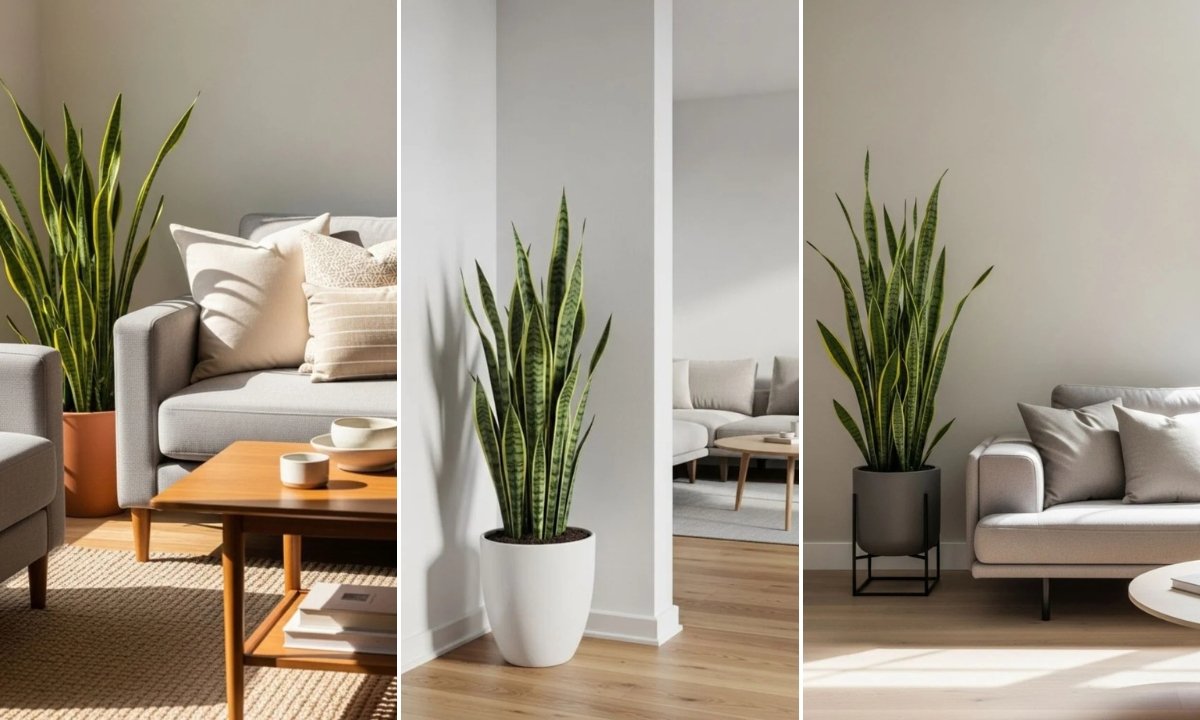
You buy a snake plant because everyone says it’s easy. You bring it home, put it in a corner, step back and it still looks awkward.
Not ugly just off. The room doesn’t feel finished, and the plant feels like it doesn’t belong there. If that sounds familiar.
You’re not doing anything wrong. The problem isn’t the snake plant. It’s how it’s placed and styled.
In this article, I’ll show you 20 simple, real ways to use a snake plant indoors so it actually looks intentional, modern, and effortless in 2026.
How Do You Decorate With a Snake Plant In Modern Interiors?
Modern interiors are clean, simple, and a little unforgiving. If you drop a snake plant anywhere and hope for the best, it will look random.
Instead, treat it like part of the room, not an add-on. Place it where your eye naturally rests near a sofa, a cabinet, or an empty corner that feels unfinished.
Keep the pot simple and the lines clean. If everything around it is low and flat, give the plant a little height.
When the plant supports the layout of the room, it stops looking like decor and starts looking intentional.
Save this article for later! 👇👇
How Can You Style a Snake Plant Indoors Without Making It Look Boring?
If your snake plant looks boring, the plant isn’t the issue the setup is. A plain pot on the floor with nothing around it will always feel flat.
Change one thing and the whole look shifts. Raise it slightly, switch to a textured pot, or place it next to something lower so the leaves stand out.
Snake plants look best when there’s contrast. When you give it a role in the room instead of leaving it alone, it instantly feels styled instead of forgotten.
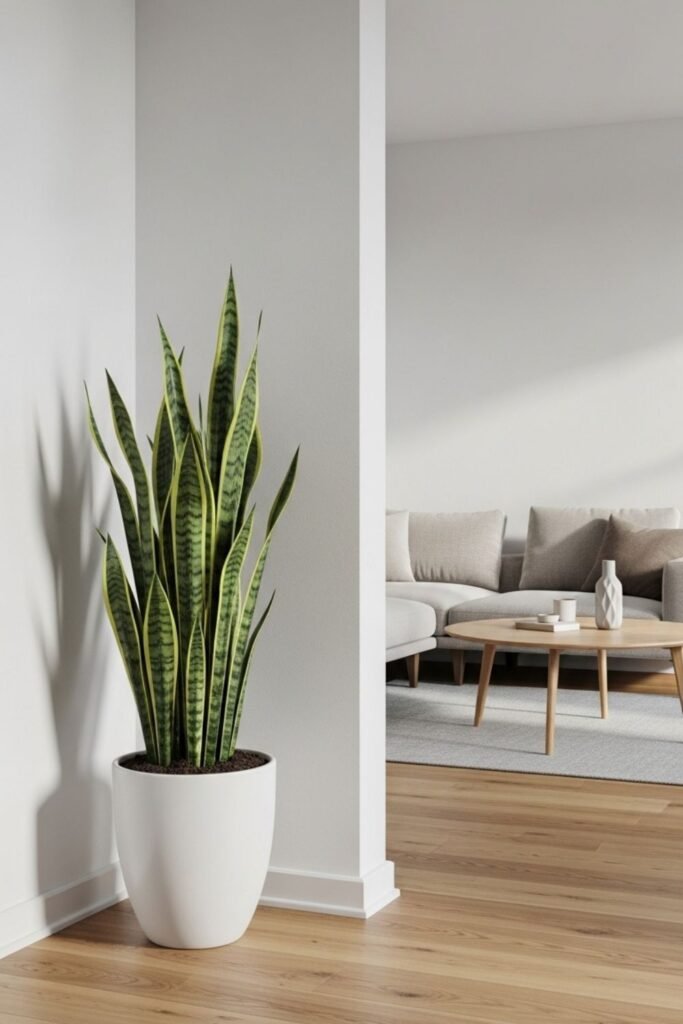
Corner Anchor
Most rooms fail because corners get ignored, so I start there. I place a snake plant where walls meet and let it finish the space quietly.
A simple pot keeps the look modern, while the height pulls the eye upward. I leave breathing room around it so nothing feels cramped.
That corner suddenly looks planned, not empty. If a room feels unfinished, anchoring one corner often fixes everything faster than adding more decor without overwhelming the rest of the layout.
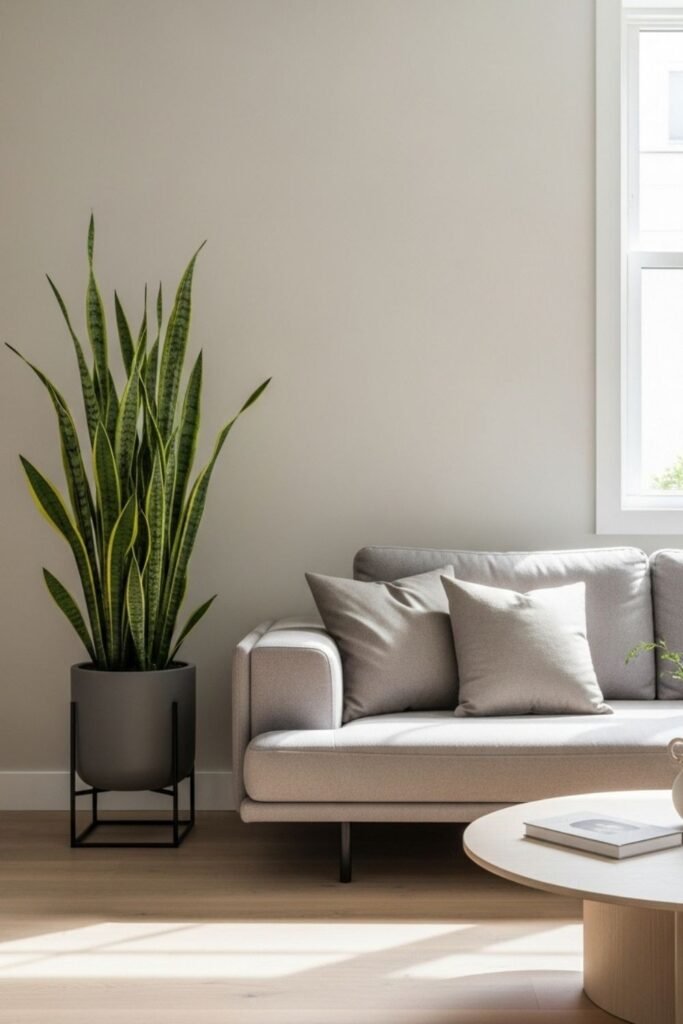
Height Balance
Flat furniture can make a space feel dull, and I fix that with height. I set a snake plant beside low sofas or benches to break the horizontal line.
The tall leaves add movement without clutter. A raised stand works if the floor feels crowded. I always check balance from across the room.
Once vertical contrast appears, the whole setup feels intentional and calm instead of heavy and stuck while keeping seating areas visually light and comfortable for daily living.
Soft Edges
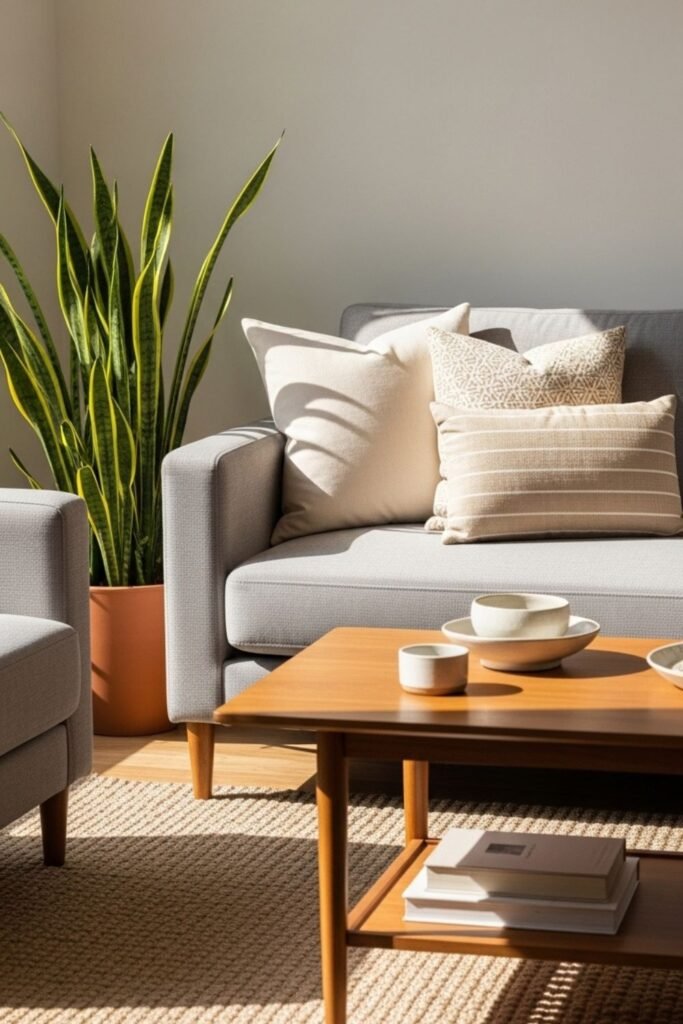
Sharp lines dominate modern homes, which is why I use plants to soften them. I position a snake plant near seating to relax the space visually.
The upright leaves contrast hard edges without looking messy. Pairing it with fabric or wood nearby helps even more. I notice conversations feel easier in rooms like this.
Subtle softness changes how a space feels, even before anyone sits down, and it quietly lowers the tension in everyday moments around family life at home.
First Impression
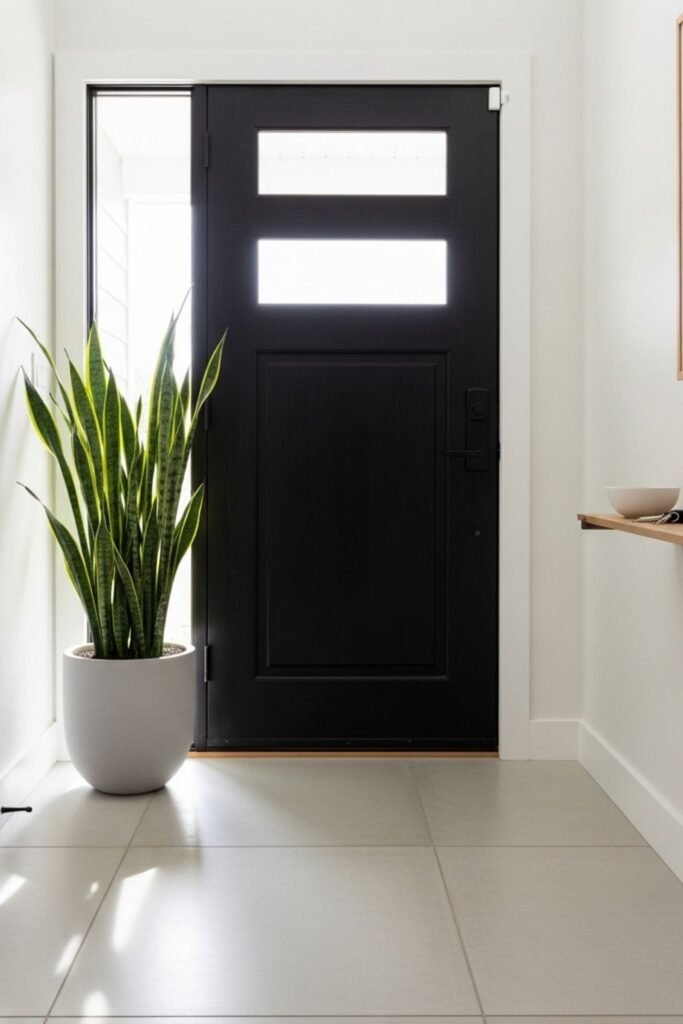
First impressions matter at the door, so I keep it simple. I place a snake plant near the entry to signal calm right away. Clean pots work best because shoes and bags already add visual noise.
The plant adds life without demanding attention. I make sure it doesn’t block movement. Walking in feels lighter, organized, and welcoming, even on rushed days.
That small choice sets the tone for the entire home before conversations, coats, or clutter take over inside daily.
Bedroom Calm
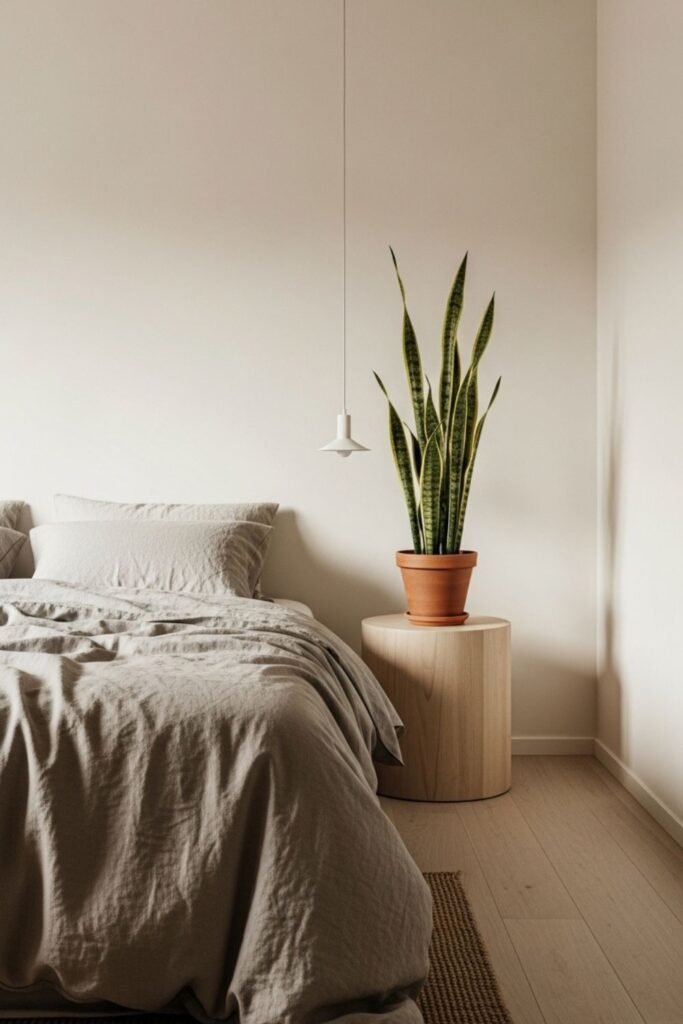
Bedrooms need rest, so I keep snake plants quiet there. I place one beside the bed but not centered, letting it support the space instead of stealing focus.
Soft light matters more than height here. I choose muted pots and avoid busy textures. The plant becomes part of the background calm.
Night routines feel slower and cleaner. When decor stops shouting, sleep comes easier, and the room feels designed for rest rather than display during quiet evenings at home alone.
Shelf Flow
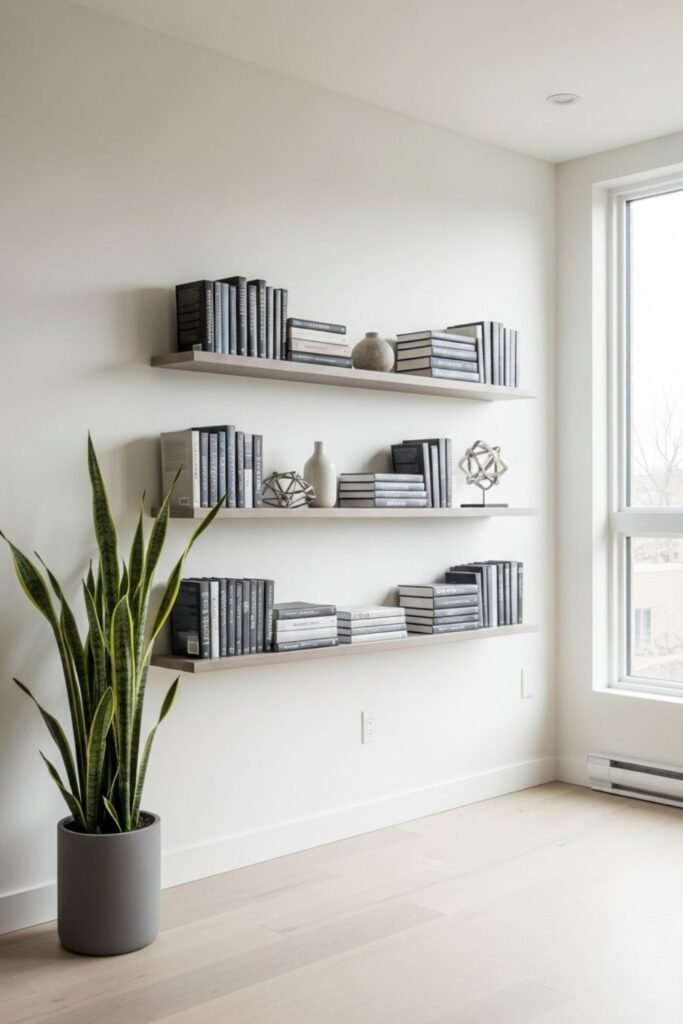
Shelves often feel stiff, so I loosen them up with greenery. I slide a snake plant near floating shelves, letting the leaves break straight lines.
Floor placement works better than shelf placement here. Visual connection matters more than symmetry. Books and objects suddenly feel lighter.
Styling shelves becomes easier because the plant handles the vertical work while decor stays simple and breathable for modern homes that avoid clutter completely every single day inside.
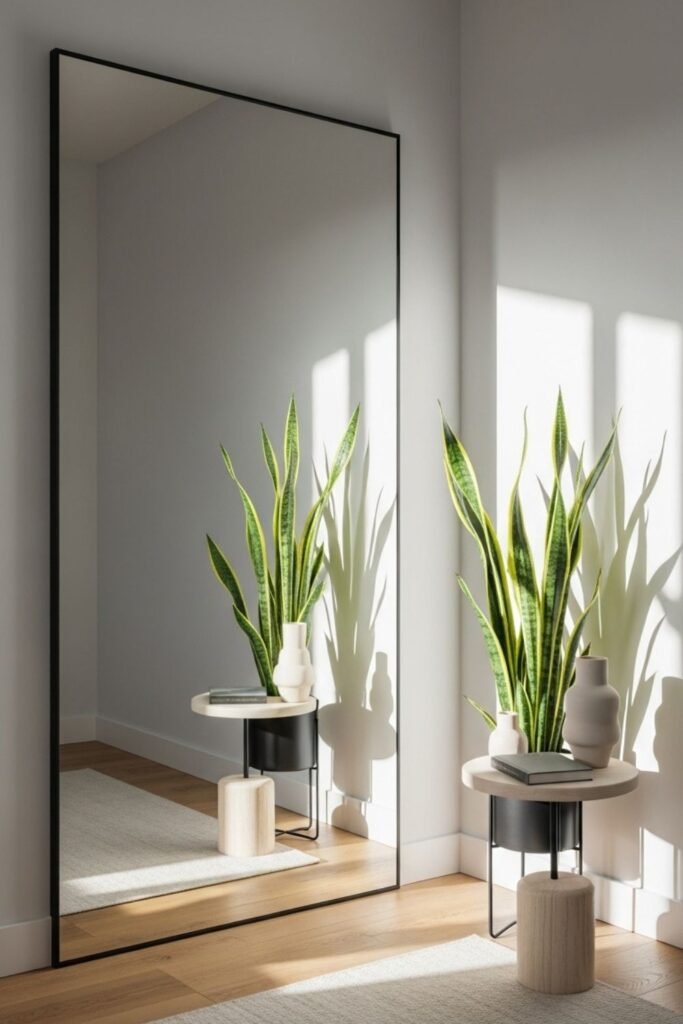
Mirror Boost
Mirrors change everything, and I use plants to double that effect. I position a snake plant near a mirror so light and height bounce back into the room.
The reflection makes the space feel taller and brighter. I avoid placing it directly in front. Angled placement feels natural.
This trick works well in small rooms where light feels limited and walls need quiet visual expansion without adding furniture or color chaos at all for calm daily living spaces indoors now.
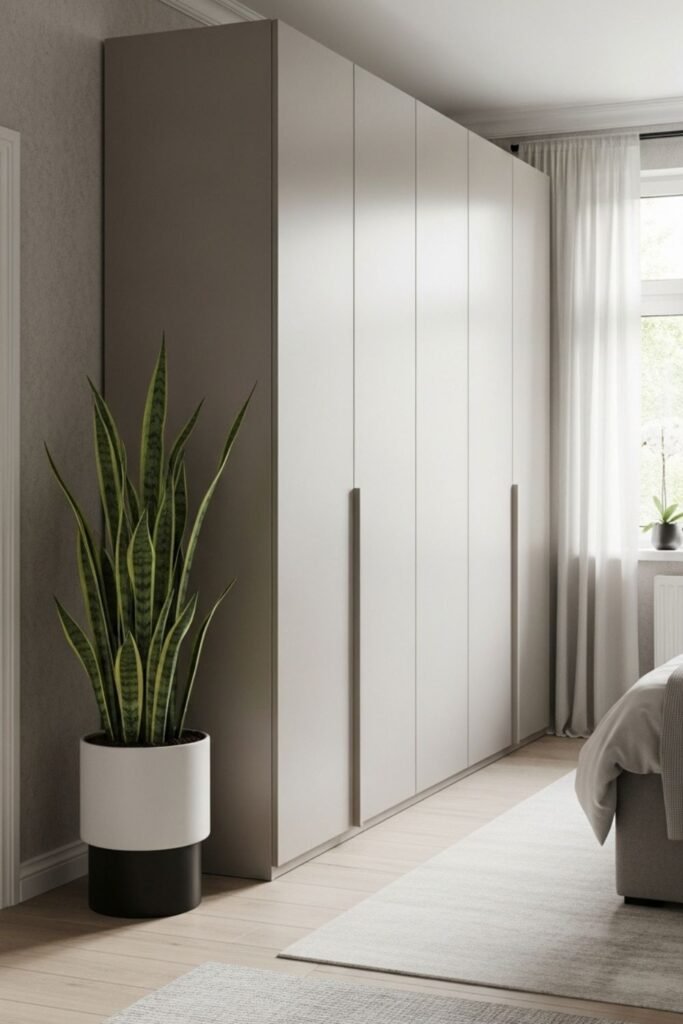
Wardrobe Balance
Large wardrobes dominate rooms, so I soften them carefully. I place a snake plant beside tall cabinets to break the heavy block.
The leaves pull attention away from bulk and toward movement. Neutral pots help it blend. Distance matters, not closeness. Once balanced, the room feels lighter without moving furniture.
That single plant reduces visual weight and makes storage areas feel calmer and more intentional for families managing daily mess behind closed doors with less stress, more peace, overall always.
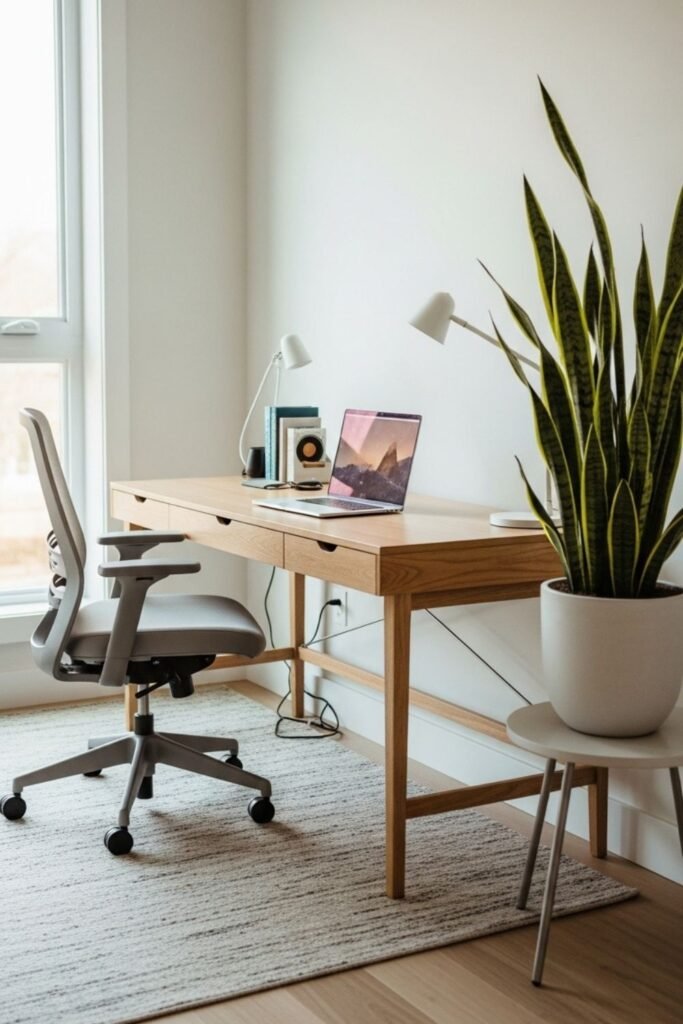
Office Relief
Screens tire the eyes fast, so I use a snake plant to calm the workspace. I place it just outside my direct line of sight, close enough to soften the room but not distract me.
The upright shape adds order, not chaos. Work feels less boxed in. A simple setup like this makes long hours easier.
Greenery reminds me to pause without pulling attention away from tasks, which helps productivity stay steady during busy workdays at home.
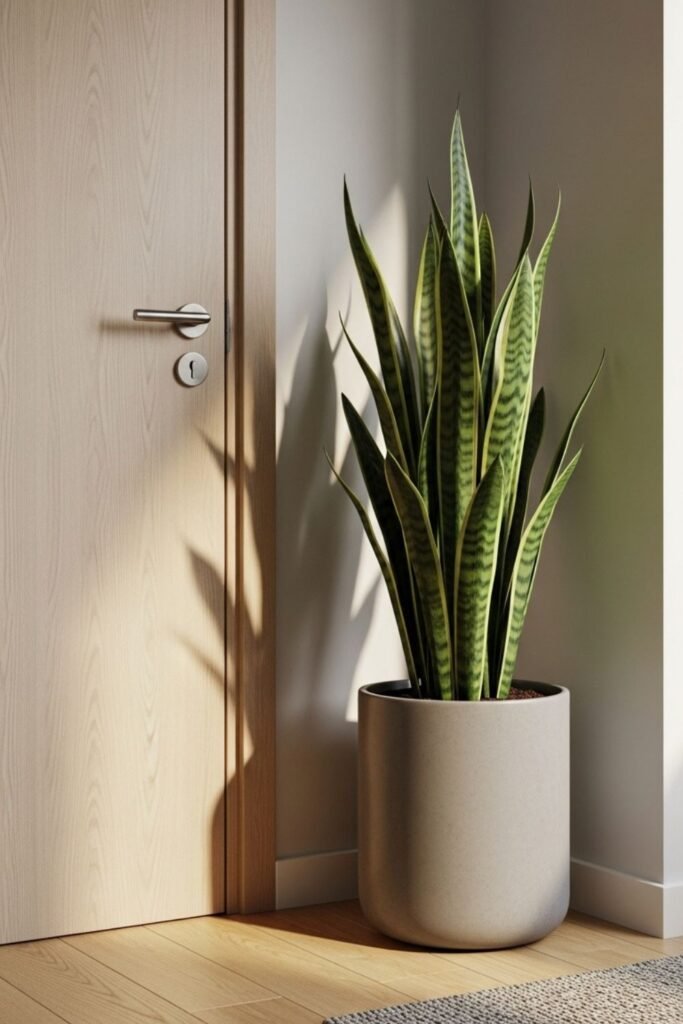
Awkward Filler
Some spaces feel too small for furniture yet too empty to ignore. I solve that problem with a snake plant. Narrow gaps beside doors or between pieces suddenly feel useful.
The plant fills space without crowding it. I choose slim pots to keep movement easy. Those awkward spots stop bothering me once they hold something intentional.
Instead of forcing decor where it doesn’t belong, I let the plant quietly complete the layout without demanding attention or constant adjustment ever.
Texture Pairing
Cold rooms need softness, so I rely on contrast. I place a snake plant next to woven baskets, fabric chairs, or wooden pieces to balance modern lines.
The leaves look sharper when textures stay gentle. I avoid matching everything. Mixing smooth and soft creates comfort. The room feels lived in, not staged.
This approach works well in neutral homes where warmth matters more than color and every object needs a purpose to avoid clutter and visual noise.
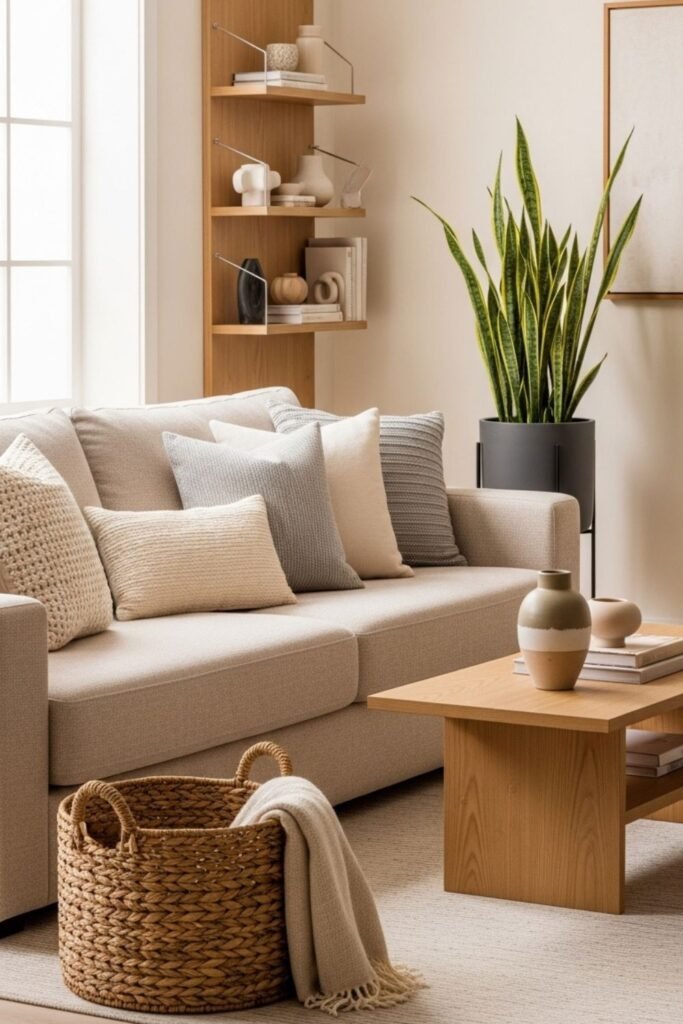
Visual Lines
Rooms already have invisible lines, so I follow them. I align snake plants with windows, cabinets, or wall seams to support existing flow. Placement feels natural instead of forced.
The eye moves smoothly through the space. Nothing looks random. I step back and adjust until it feels right.
Small shifts make a big difference, especially in modern layouts where balance matters more than decoration for calm everyday living.
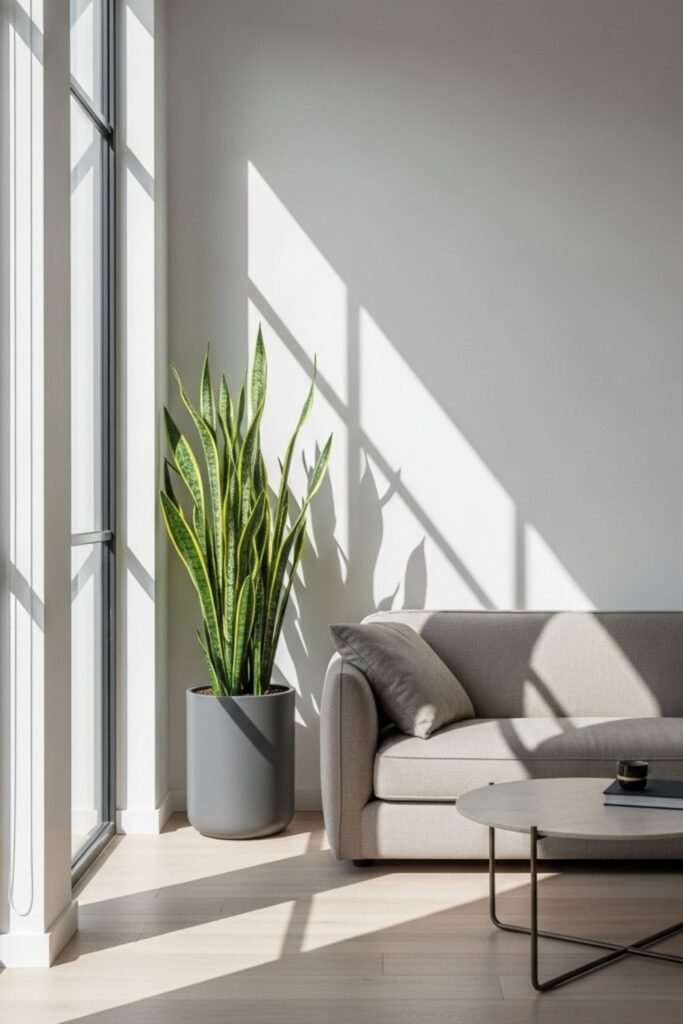
Neutral Ground
Neutral rooms can feel flat, so I use a snake plant to ground them. Beige, white, and gray feel warmer once something living enters the space.
I place the plant near key furniture so it connects everything visually. Clean pots keep the palette calm. The leaves add contrast without color overload.
Suddenly the room feels finished, not empty. Neutral doesn’t have to mean boring; it just needs one strong element to hold the space together quietly every day.
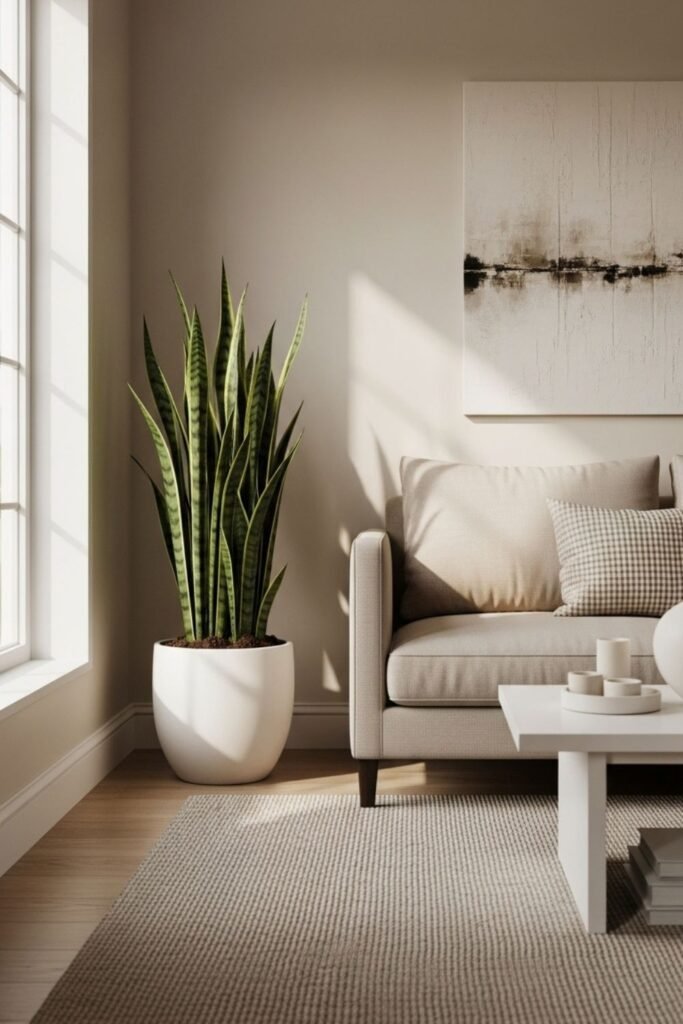
Window Support
Natural light deserves support, not blockage. I keep snake plants close to windows but slightly off to the side. Light stays open while the plant benefits from brightness.
The leaves frame the view instead of fighting it. Curtains move freely, and the space feels airy. This setup works well in living rooms where windows are focal points.
A plant placed thoughtfully near light adds life without stealing attention from what’s outside the glass at all during the day.
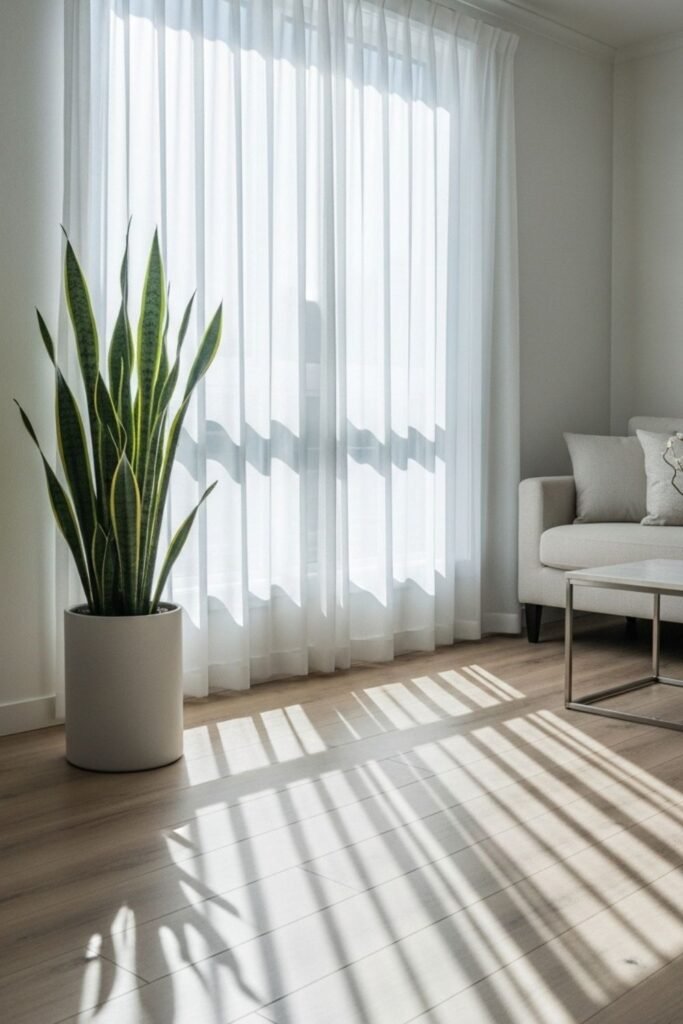
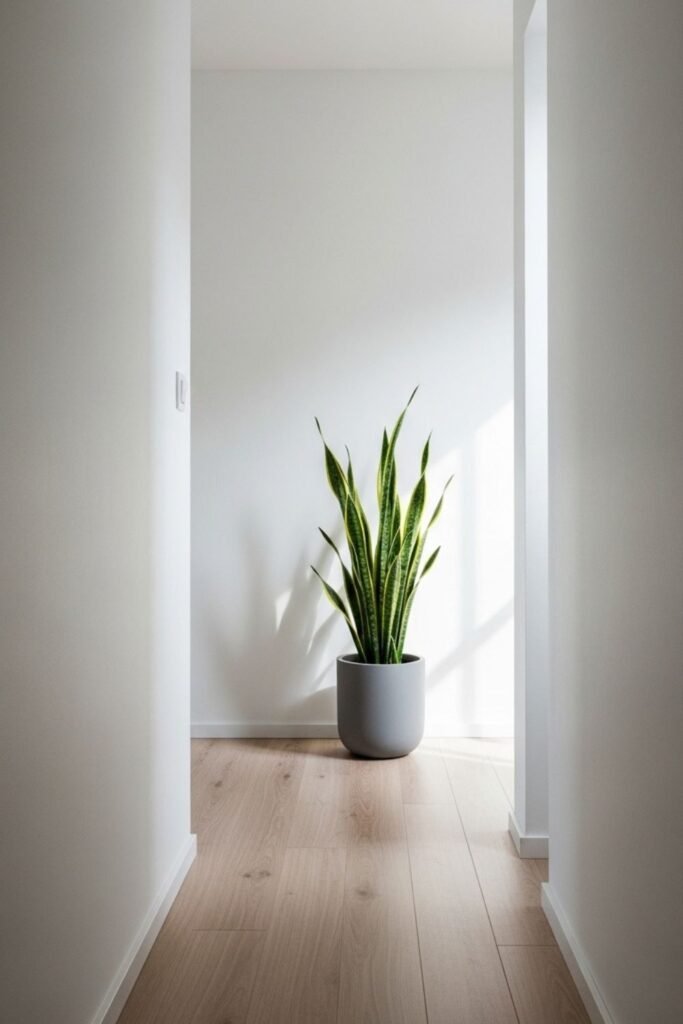
Hallway Life
Hallways often feel forgotten, so I treat them with intention. I place a snake plant where walking paths widen slightly. Slim pots keep movement easy.
The vertical shape adds interest without clutter. Passing through feels calmer, not rushed. Long walls need something living to break the repetition.
This small addition turns a pass-through space into part of the home, not just a route between rooms, making everyday movement feel more pleasant and less mechanical overall.
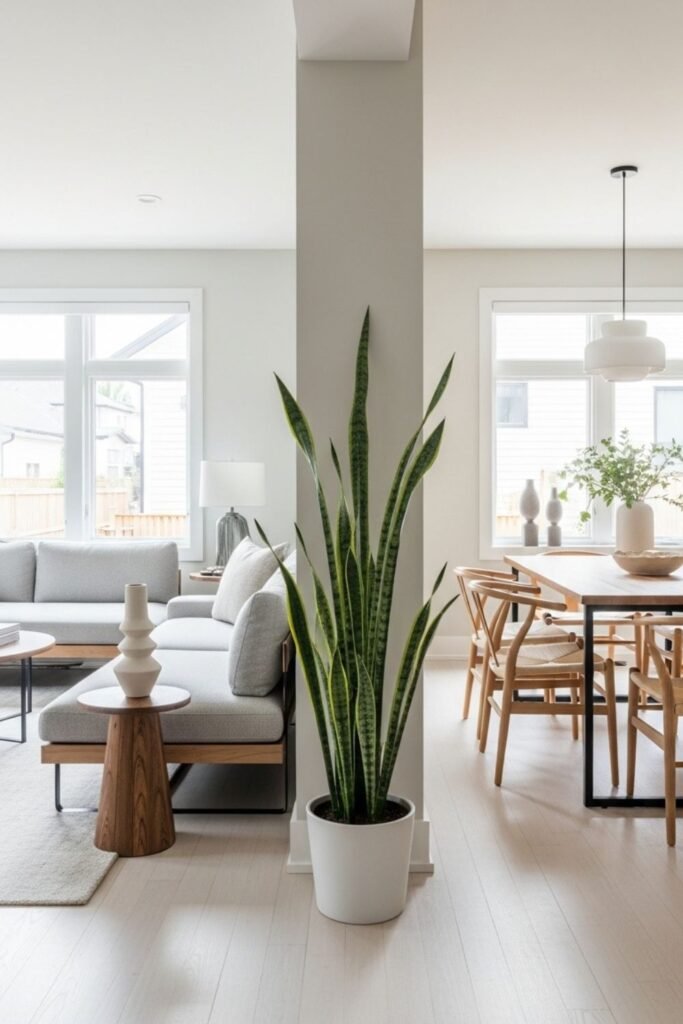
Zone Divider
Open spaces need boundaries without walls, and I use plants for that. I position a snake plant between zones like living and dining areas.
Height creates separation without blocking sight lines. Furniture stays connected, yet each area feels defined. The plant acts as a quiet signal, guiding movement naturally.
Open layouts work better when zones feel intentional. One well-placed plant can do what extra furniture cannot, keeping flow open while giving each space its own purpose.
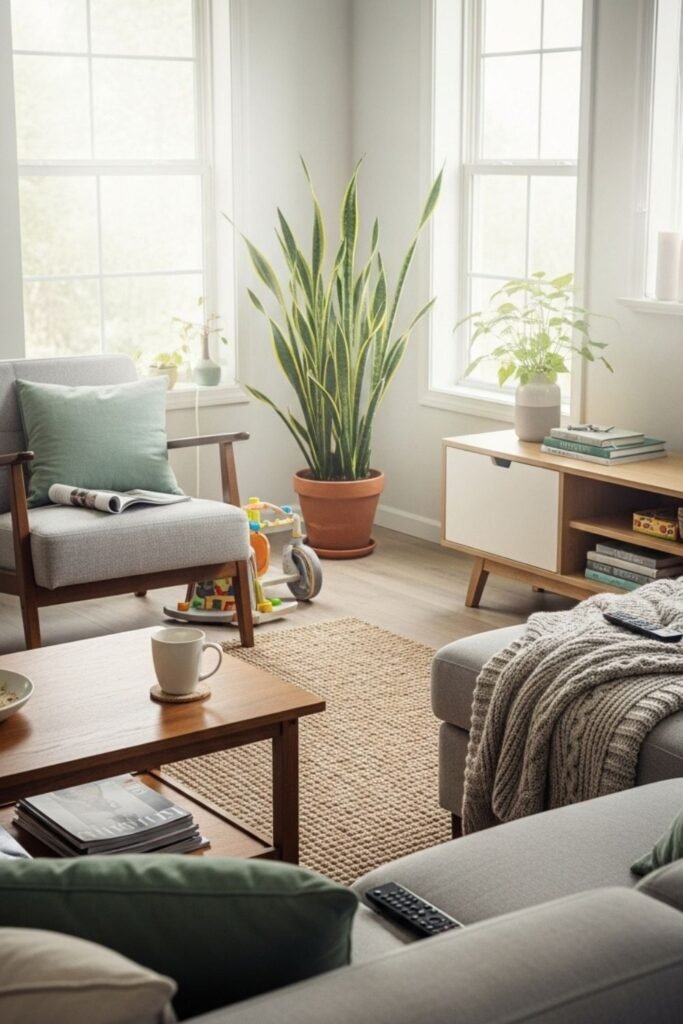
Busy Control
Busy rooms overwhelm fast, so I simplify with one strong plant choice. I place a snake plant where clutter tends to collect and let it reset the space visually.
The tall shape brings order without asking for effort. I remove extra decor nearby so the plant can breathe. The room instantly feels calmer.
Instead of adding more storage or decoration, one plant helps the eye rest and brings balance back to spaces that feel constantly active with daily family life.
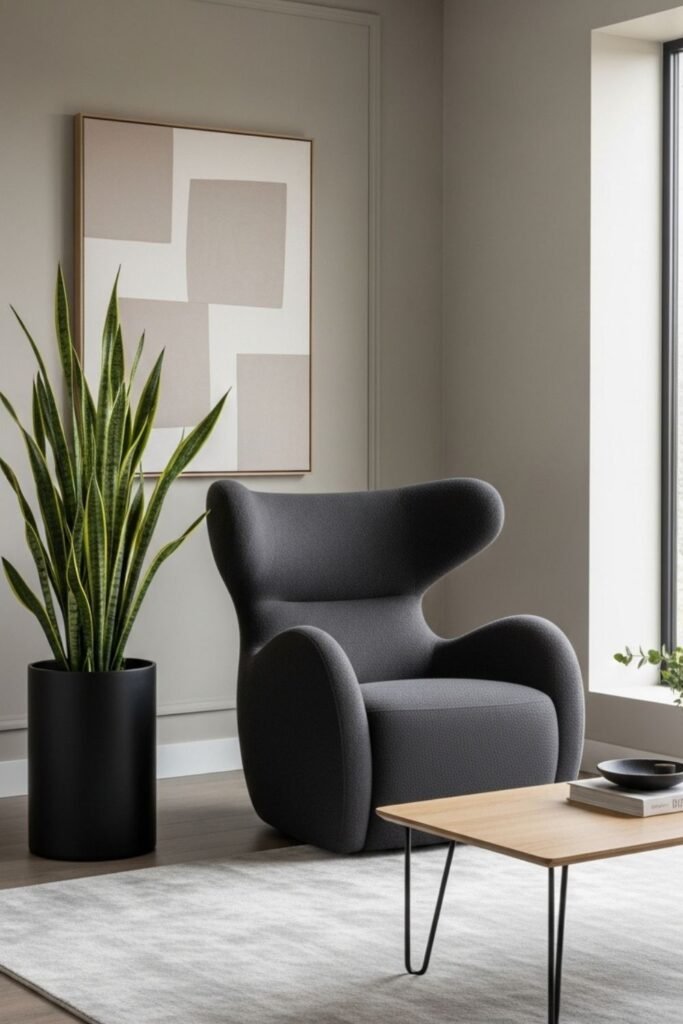
Eye Guide
Focal points need help sometimes, so I guide attention gently. I place a snake plant near statement furniture like a sofa, bed, or console.
The leaves naturally pull the eye upward, then back to the main piece. Nothing competes. The setup feels thoughtful instead of staged. This works well in modern rooms where furniture is simple.
A plant used this way supports the design and helps the room feel complete without adding extra objects or visual noise anywhere.
Low Effort
Low-maintenance areas still deserve style, so I rely on snake plants there. I place one in spots I don’t want to think about daily. Watering stays minimal, and the look stays clean.
The plant handles itself while the space stays fresh. This approach suits busy households where time is limited. Greenery shouldn’t feel like another task.
One reliable plant keeps the room alive without constant attention or guilt when schedules get overwhelming and priorities shift daily.
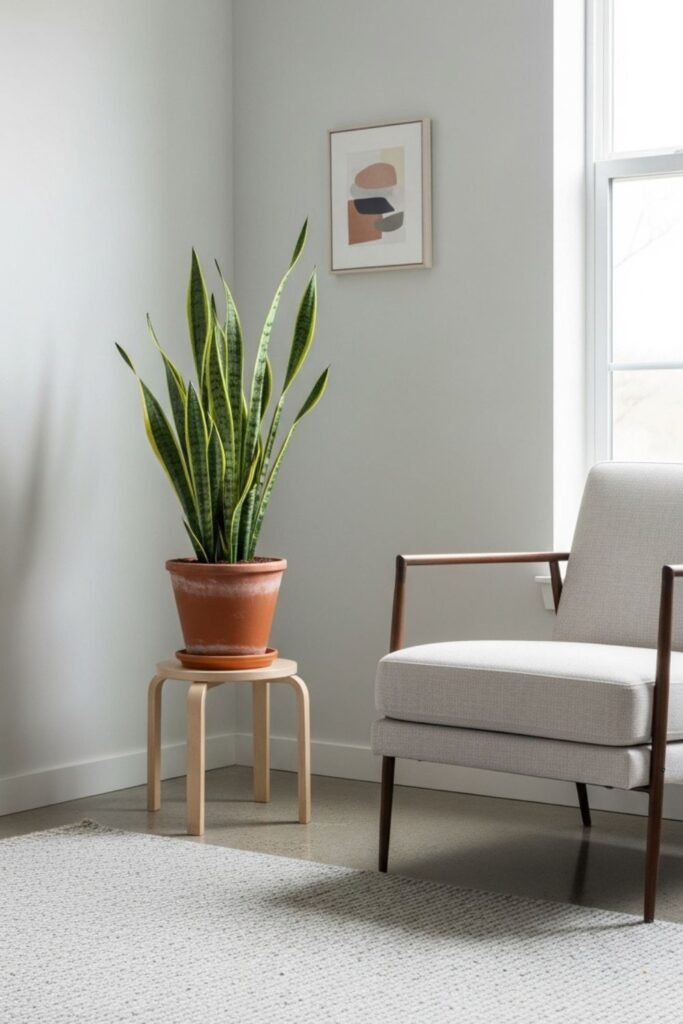
Calm Living
Calm homes feel intentional, not decorated, so I use plants with purpose. I place a snake plant where it supports quiet routines rather than steals focus.
Clean surroundings help it shine. The space feels breathable and steady. This choice isn’t about trends. It’s about creating rooms that feel good to live in.
A snake plant used this way becomes part of daily life, grounding the home and making simplicity feel comforting instead of empty or unfinished.
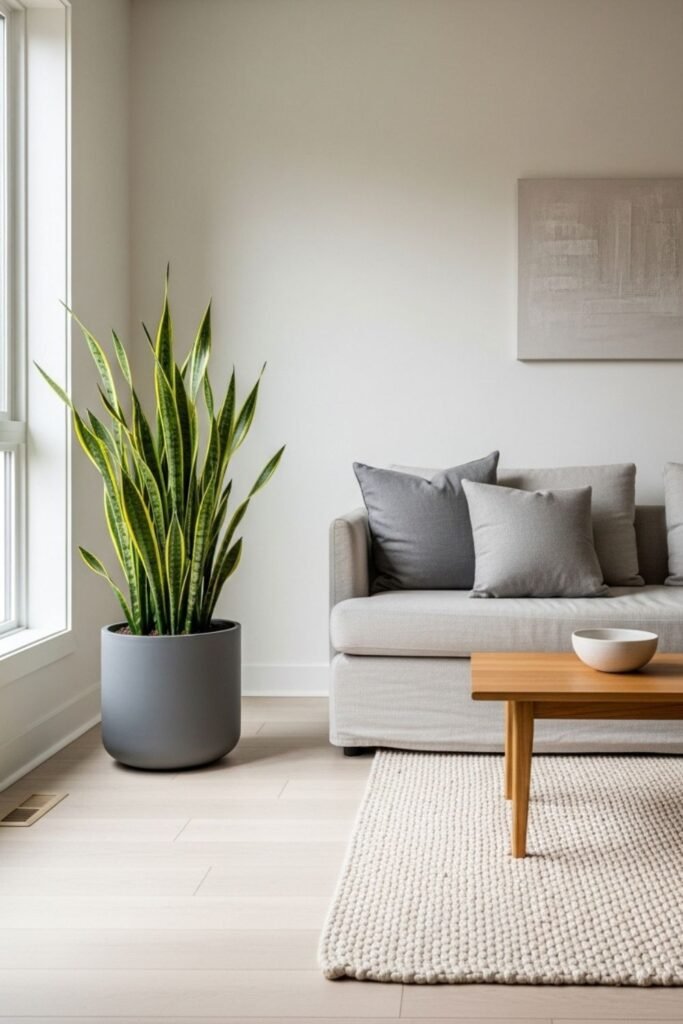
FAQs
Can a snake plant still look good if I only use one plant?
Yes, one snake plant is often enough. The key isn’t quantity, it’s placement. A single plant works best when it fills a purpose, like finishing a corner or balancing furniture height.
Give it space, choose a clean pot, and let it stand on its own. One well-placed snake plant usually looks better than several scattered around without intention.
What makes a snake plant look “out of place” indoors?
A snake plant looks out of place when it feels dropped in instead of planned. This usually happens when it sits alone on the floor with nothing supporting it visually.
Lack of contrast, wrong pot choice, or blocking walkways can also make it feel awkward. Once the plant connects with nearby furniture or room lines, it immediately feels like it belongs.

Hi, I’m Afaf! I’m a law student who loves all things home, style, and gardening. I’ve been writing for over a year about topics like home decor, DIY projects, plants, fashion, and beauty.
I like sharing ideas that are easy to try and don’t cost a fortune. Whether it’s organizing a messy closet, decorating on a budget, or keeping houseplants alive, I write about what I’ve actually tried myself.
When I’m not studying, I’m usually on Pinterest looking for my next project or adding another plant to my collection!