
26 Vertical Garden Ideas For 2026
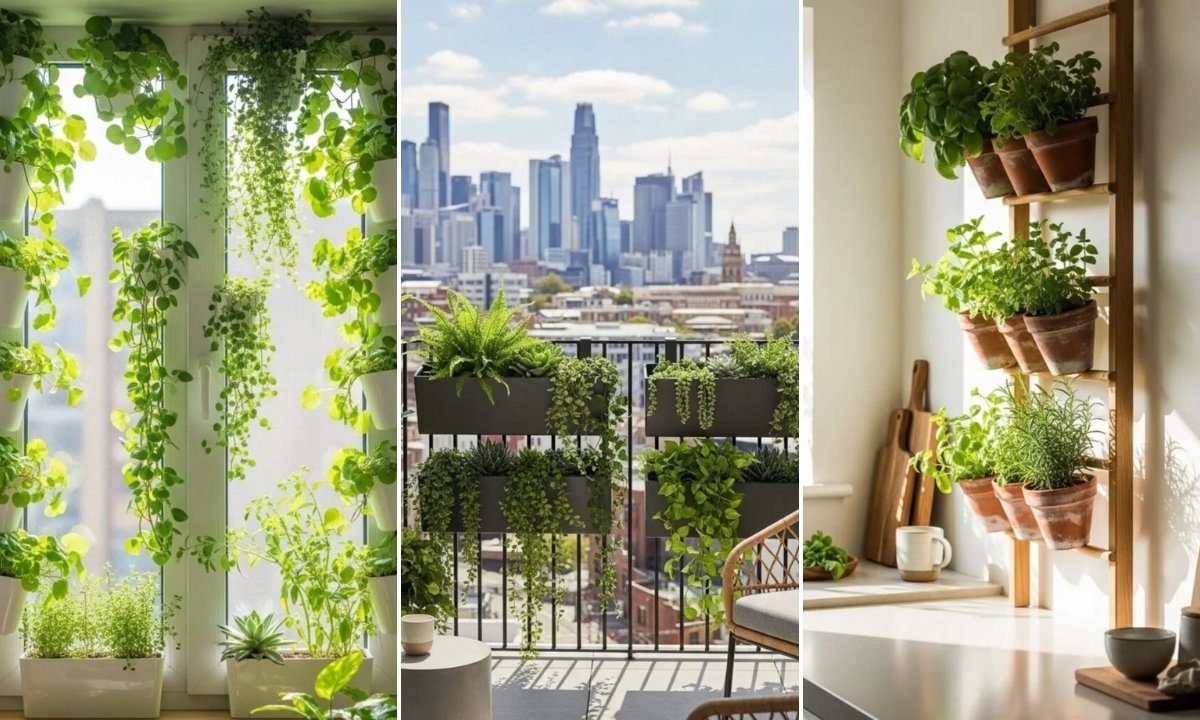
You look at your home and want more green, but there’s a problem. There’s no yard. The floor already feels crowded.
And every time you buy a plant, it either dies or ends up in the way. If that sounds familiar, you’re not alone I’ve been there too.
The good news is you don’t need more space to enjoy plants. You just need to use the space you already have, differently. That’s where vertical gardens come in.
In this article, you’ll find 26 practical, real-life vertical garden ideas that help you add greenery without stress, mess, or wasted money in 2026.
Where Can You Install a Vertical Garden At Home?
You can add a vertical garden almost anywhere you just have to look at your home differently. If a spot gets light and stays unused, it’s a good candidate.
Balcony walls work well because they already handle outdoor conditions. Empty kitchen walls are perfect if you want fresh herbs within reach.
Indoors, a bright corner near a window can instantly feel alive. Even narrow hallways or small patios can support a vertical setup.
If you can hang a frame or lean a stand safely, you can turn that space into a green wall without taking up your floor.
Save this article for later! 👇👇
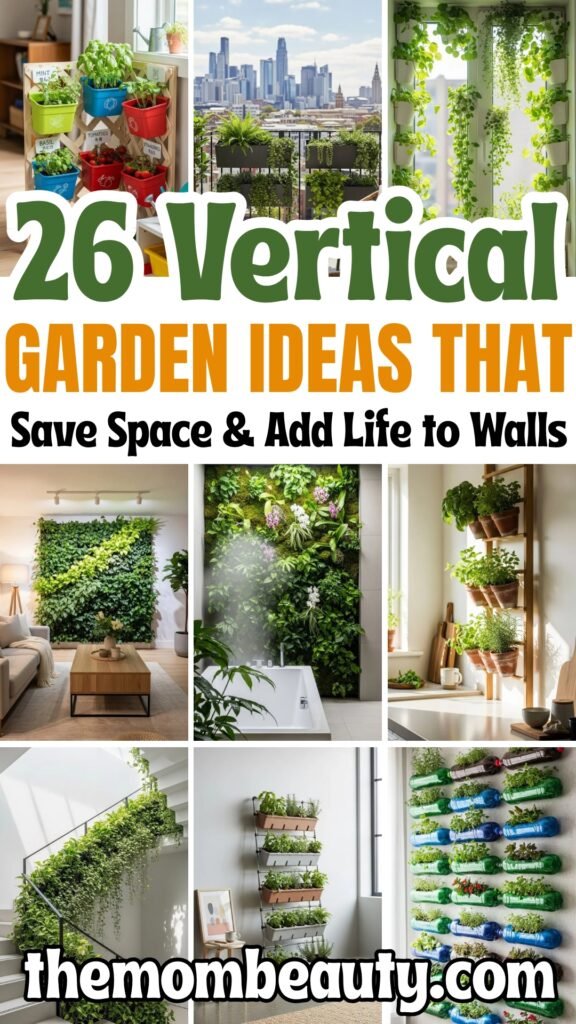
Can You Create a DIY Vertical Garden On a Budget?
Yes, and you don’t need fancy systems to do it. If you want to save money, start small and use what you already have.
Old shelves, wooden crates, or hanging organizers can hold plants just fine. When you reuse containers, you control the cost and the size.
The key is to focus on drainage and light first get those right, and the rest becomes easy.
A simple DIY setup lets you experiment without pressure, and if something doesn’t work, you can fix it without wasting a lot of money.
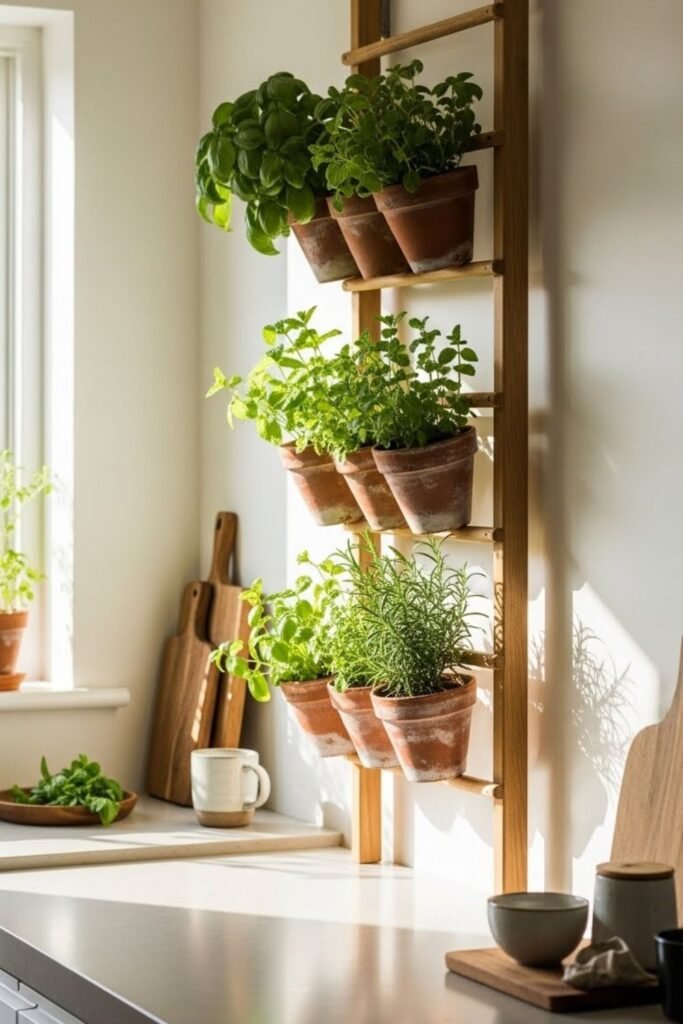
Kitchen Ladder
One wall in the kitchen usually sits empty, and that’s exactly why I like using it for herbs. I hang a slim ladder or stepped frame and place small pots on each level.
When I cook, I just reach out and snip what I need. This setup keeps herbs off the counter and saves space.
If you place it near natural light, the plants stay healthy, and your kitchen feels fresher without adding clutter or extra maintenance.
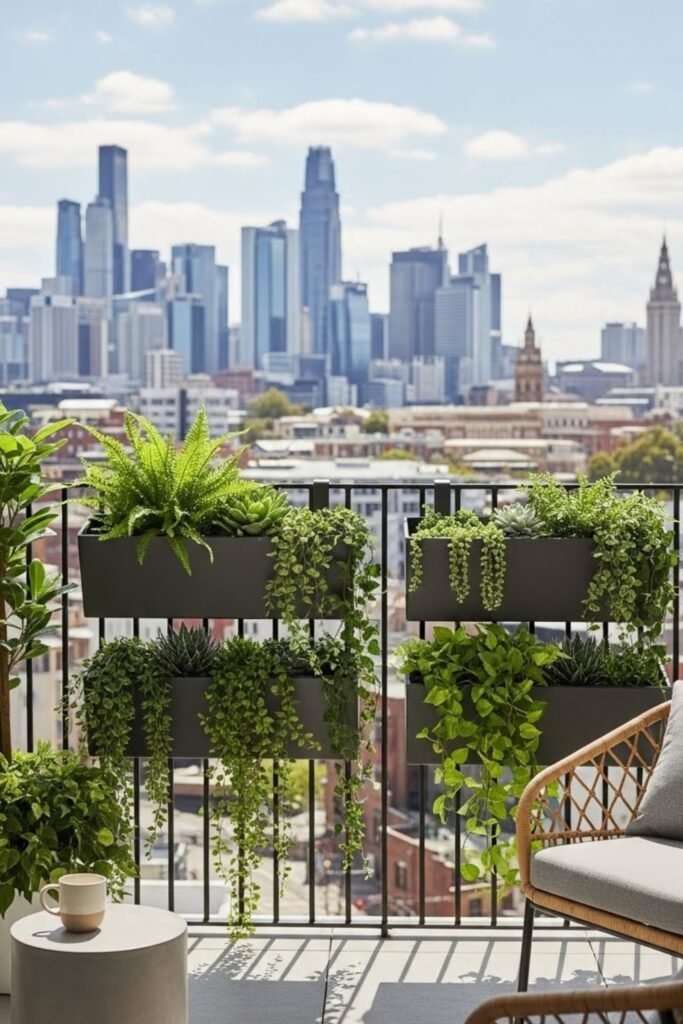
Balcony Railing
Most balconies waste the railing space, but that’s where I start. I attach narrow planters along the railing so the plants grow outward instead of taking up floor room.
This works well if you still want space to sit or move around. I suggest choosing plants that can handle sun and wind.
Once the greenery fills in, the balcony feels more private, cooler, and far more relaxing without changing the layout.
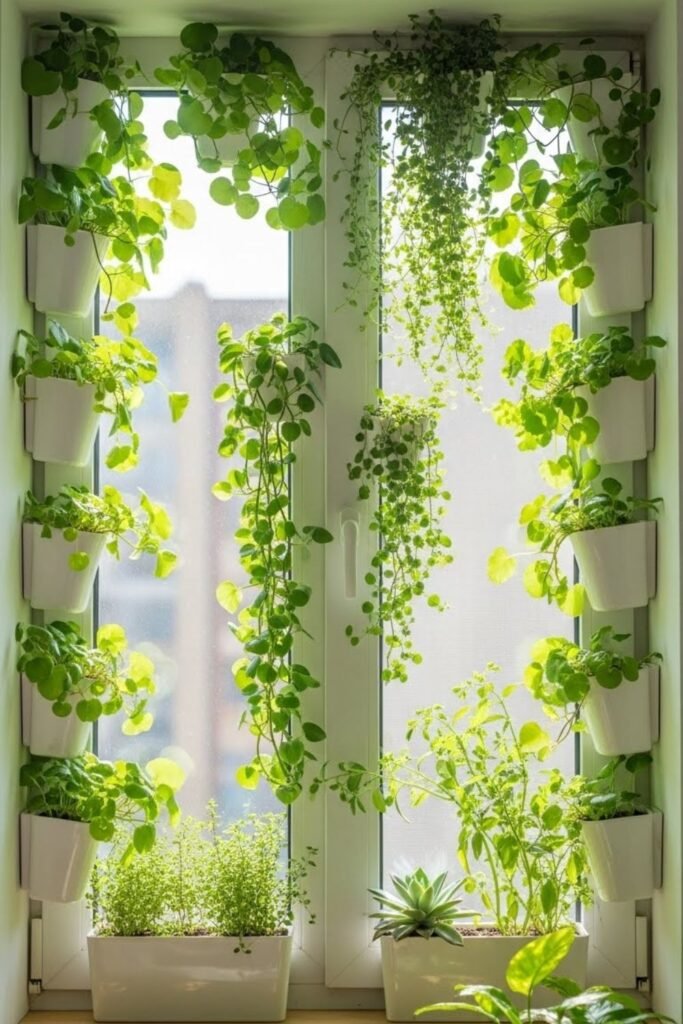
Window Frame
Sunlight already enters through your window, so I use that area to grow plants vertically. I fix a light frame or hang small containers around the window edges.
This way, plants get steady light without blocking the view. If you live in an apartment, this is one of the easiest setups to manage.
The plants grow naturally toward the light, and the space feels alive without needing shelves or floor stands.
Bathroom Wall
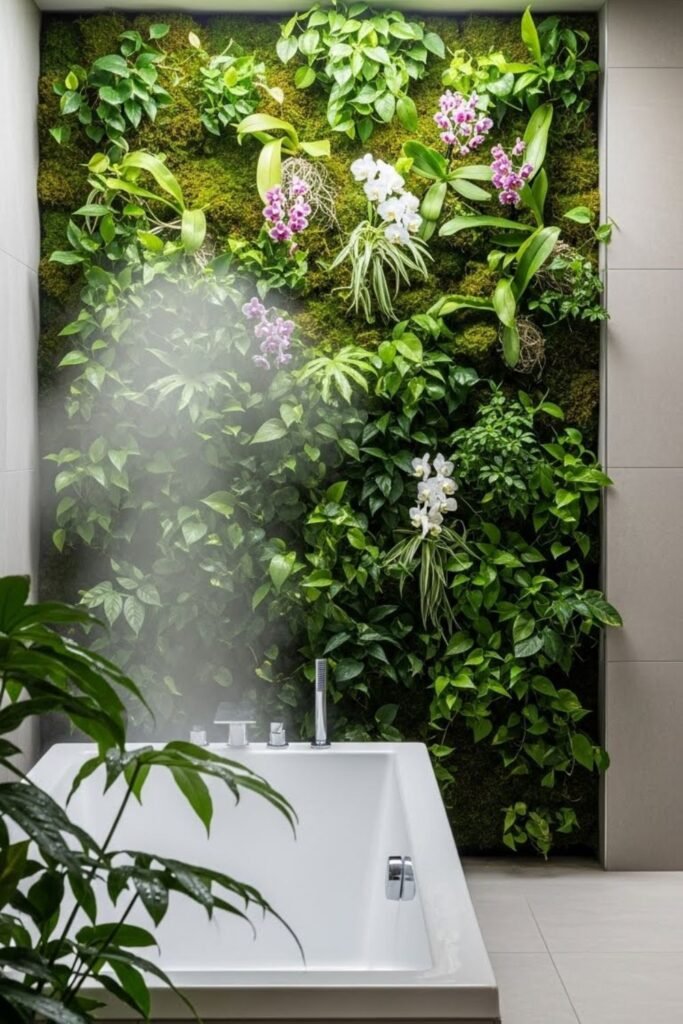
Humidity in bathrooms often ruins décor, but I turn it into an advantage. I add moisture-loving plants to one free wall using small holders or pocket planters.
This works especially well if your bathroom gets indirect light. The plants help soften the space and make it feel calmer.
When you choose the right varieties, you won’t need to water them often, and the wall stays fresh instead of dull.
Kids Learning
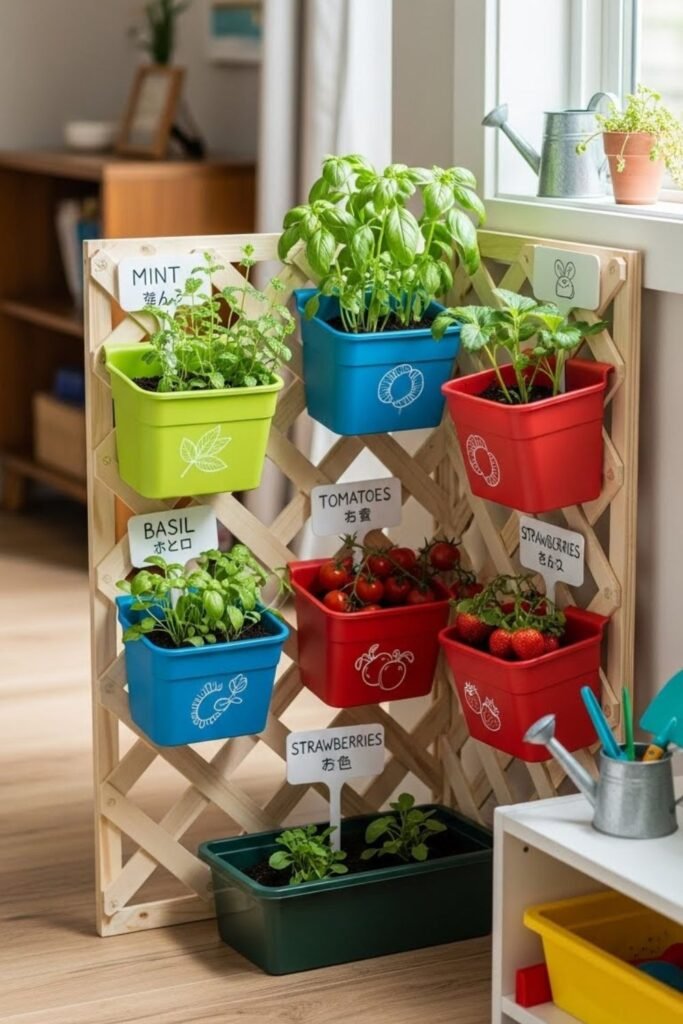
Kids get curious when plants become part of their routine, so I build a small vertical garden just for them. I place it at their height and let them water and check growth daily.
This setup turns care into a habit instead of a chore. If you want children to respect nature, this helps.
Simple labels, fast growing plants, and easy access make learning visual, hands on, and surprisingly fun without pressure, rules, lectures, or screens during quiet afternoons together.
Living Room
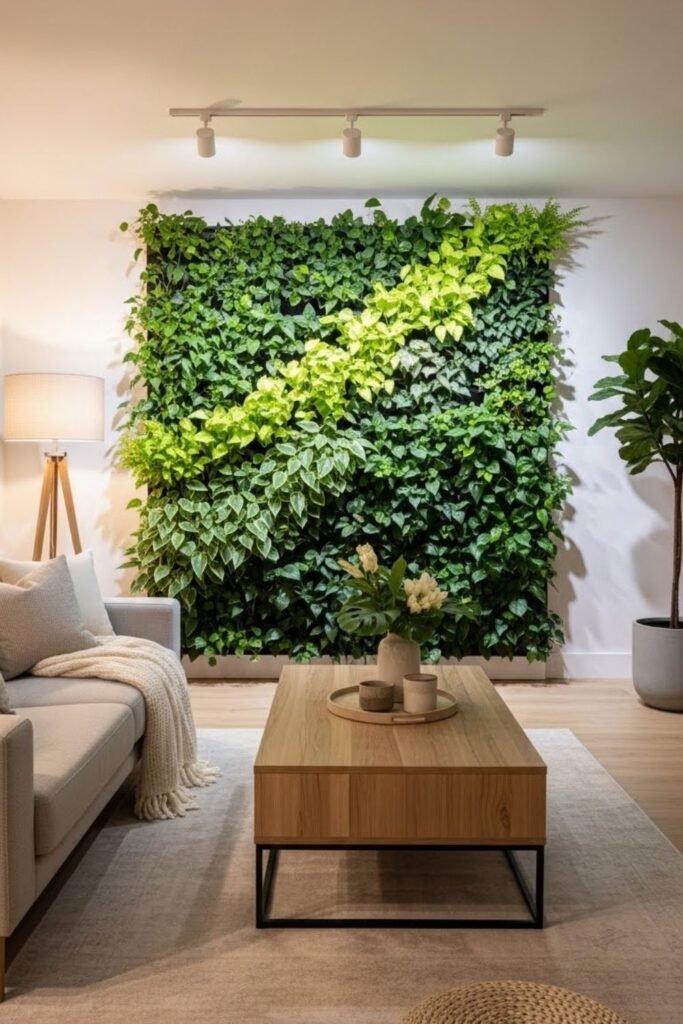
Guests always notice greenery first, which is why I treat the living room wall as a feature. I choose one focused area and build upward with balanced spacing.
This approach keeps the room open while adding life. If your space feels flat, this changes it fast. Neutral pots, consistent plant sizes, and good lighting help the wall feel intentional, calm and styled.
Rather than busy without overwhelming furniture, colors, or movement during everyday family moments indoors that matter most daily.
Staircase Wall
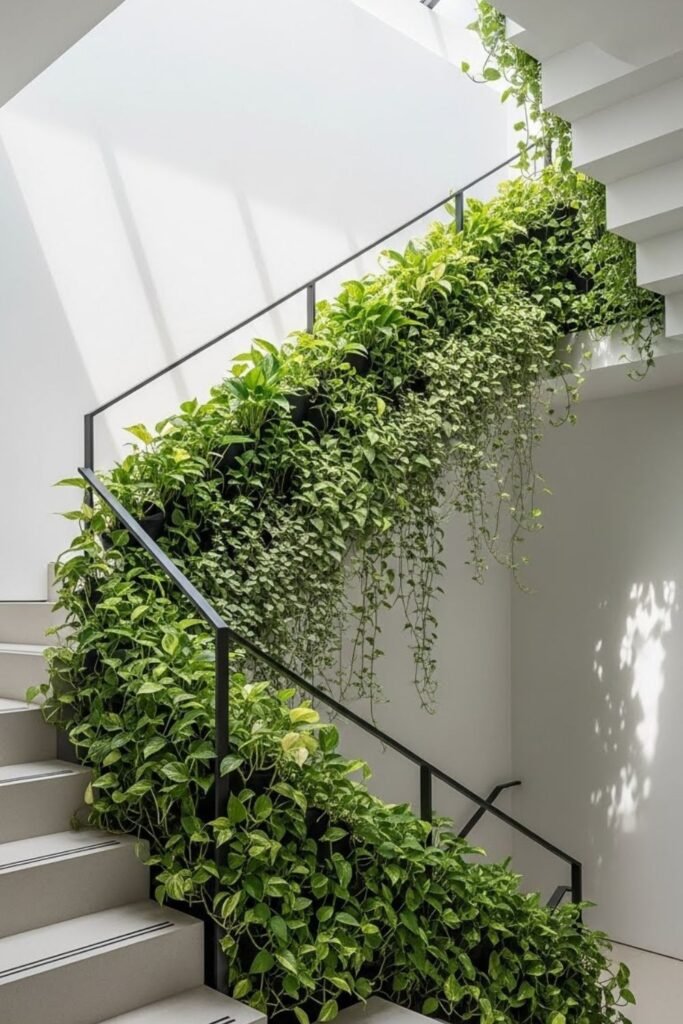
Staircase walls feel awkward to decorate, so I use them vertically instead. I follow the line of the stairs and place plants step by step. This creates flow and movement without blocking the path.
If your staircase feels empty, this solves it. Lightweight planters and trailing plants work best here. They soften hard angles and turn a forgotten area into something.
You enjoy passing every day without changing structure or daily routines in small or busy homes with limited decor.
Rental Friendly
Renting does not mean giving up on plants, and I plan around that. I use freestanding frames, hooks, or leaning structures that leave walls untouched. This keeps deposits safe and stress low.
If you move often, this matters. Lightweight systems let you rearrange anytime. You get greenery without tools, damage, or commitment, which makes this option practical, flexible.
And easy to live with long term while adapting quickly to new spaces and changing light conditions indoors without extra cost ever.
Recycled Bottles
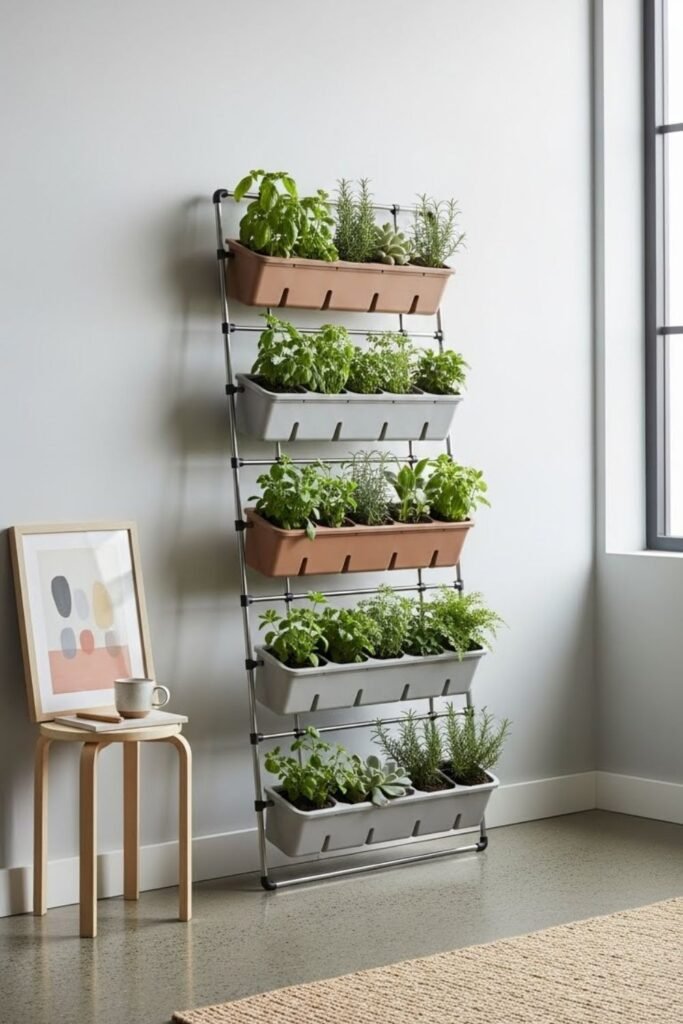
Turning waste into planters changed how I see gardening at home. I cut clean bottles, add drainage holes, and stack them upward on a simple frame.
This setup costs almost nothing and feels rewarding to maintain. If you want to start without spending much, this works well.
Consistent watering matters here, so I space plants carefully and choose hardy varieties that forgive small mistakes during everyday care routines at home daily.
Fabric Pockets
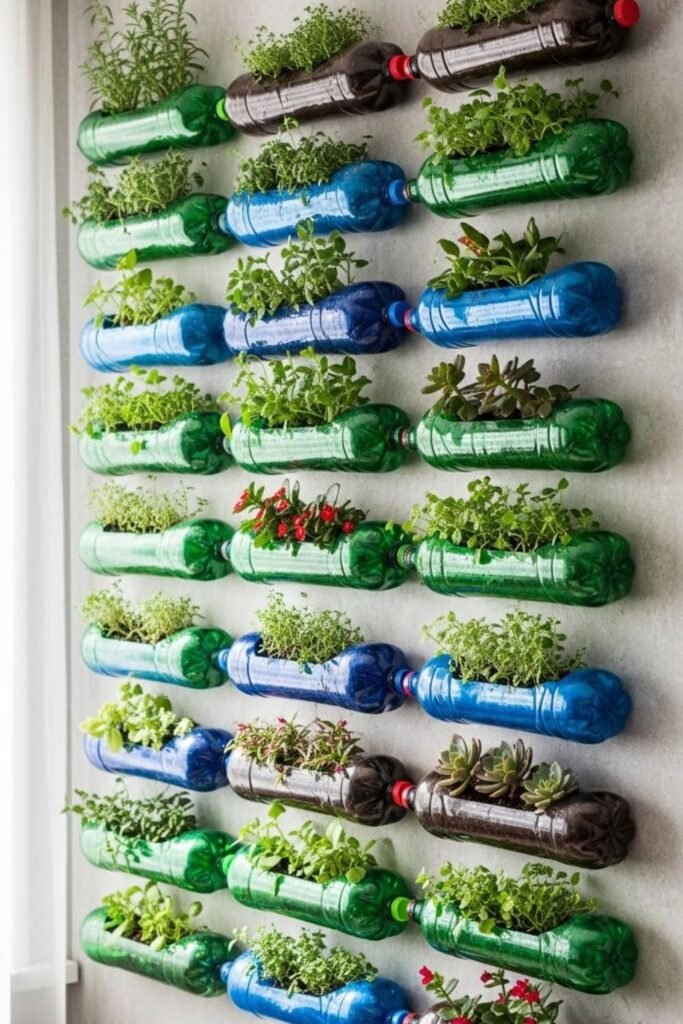
Sewing or buying fabric pockets opened vertical gardening for me. I hang the panel, slide soil inside, and plant without heavy tools.
Soft pockets work well indoors and outdoors when drainage gets planned. If space feels tight, pockets hold many plants in little width. Regular trimming keeps growth balanced.
I like how roots stay cool and moisture spreads evenly, making maintenance simpler and forgiving for beginners learning plant care slowly through everyday routines without pressure.
Freestanding Frame
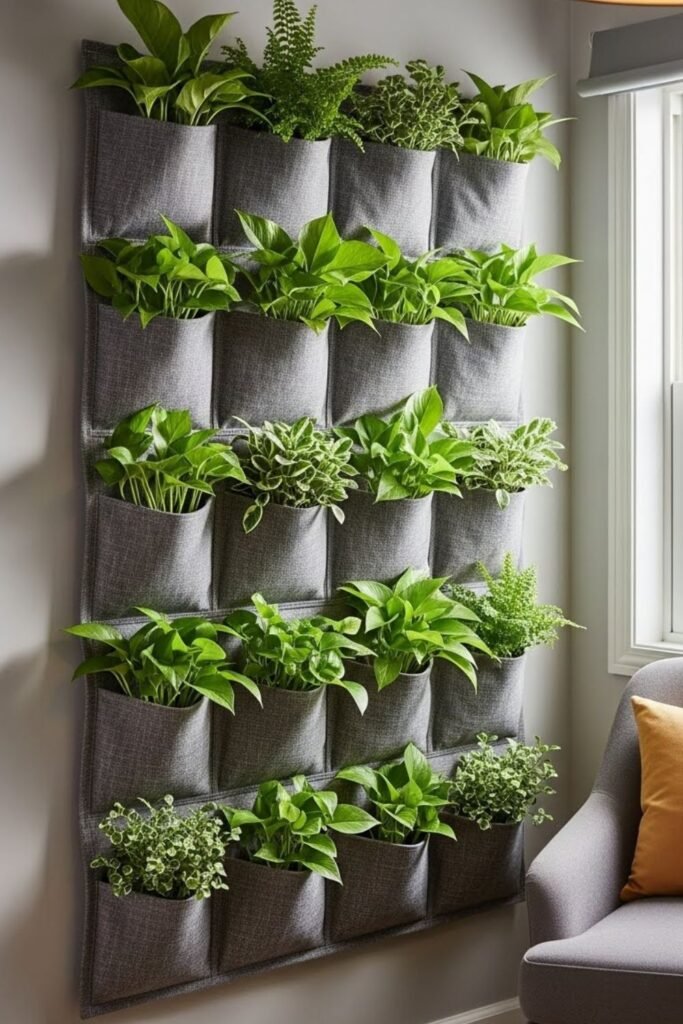
Standing gardens give freedom I value in changing homes. I place a vertical frame where light feels right and move it anytime. No drilling means no damage and less worry.
If layouts change, the garden moves too. Balanced weight keeps it stable, so I choose sturdy bases.
This option suits renters or anyone testing ideas before commitment while still enjoying height and flexibility in one simple setup that adapts to daily life and seasonal light shifts indoors everywhere.
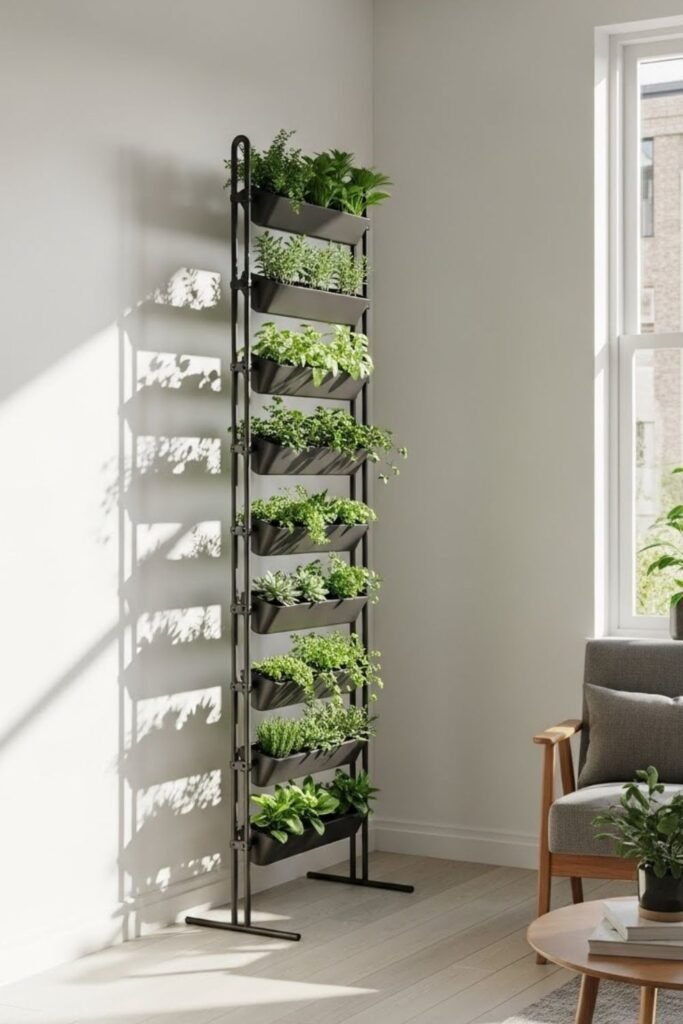
Bedroom Corner
Quiet spaces deserve plants that support rest, not clutter. I choose one bedroom corner and build upward with calming greenery. This keeps the floor clear and the mood soft.
If sleep matters, plant choice matters too. I avoid strong scents and focus on gentle textures. Low light plants work well here, creating a peaceful routine where care feels slow, personal.
And part of winding down each evening without distractions, noise, or visual overload near the bed during nighttime hours daily.
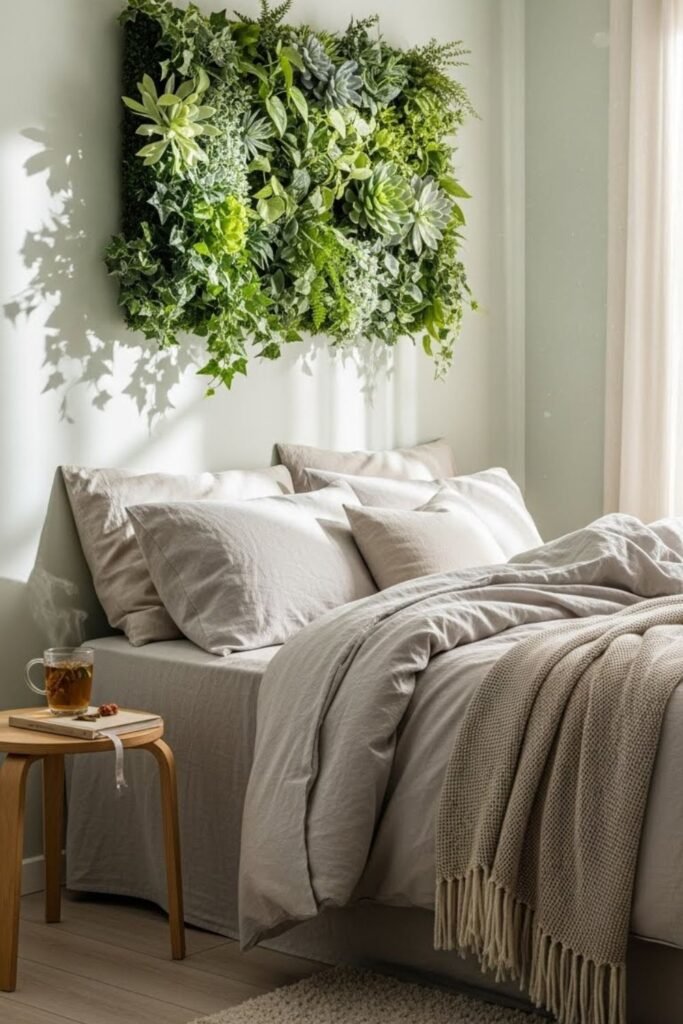
Fence Garden
Outdoor fences often sit unnoticed, so I turn mine into growing space. I attach lightweight planters along the fence and let plants spread upward instead of outward.
This keeps the ground clear and adds privacy at the same time. If your yard feels bare, this fixes it fast. Sun exposure matters here, so I match plants to light direction.
Regular watering keeps growth even, and soon the fence feels alive rather than plain or forgotten during daily outdoor use.
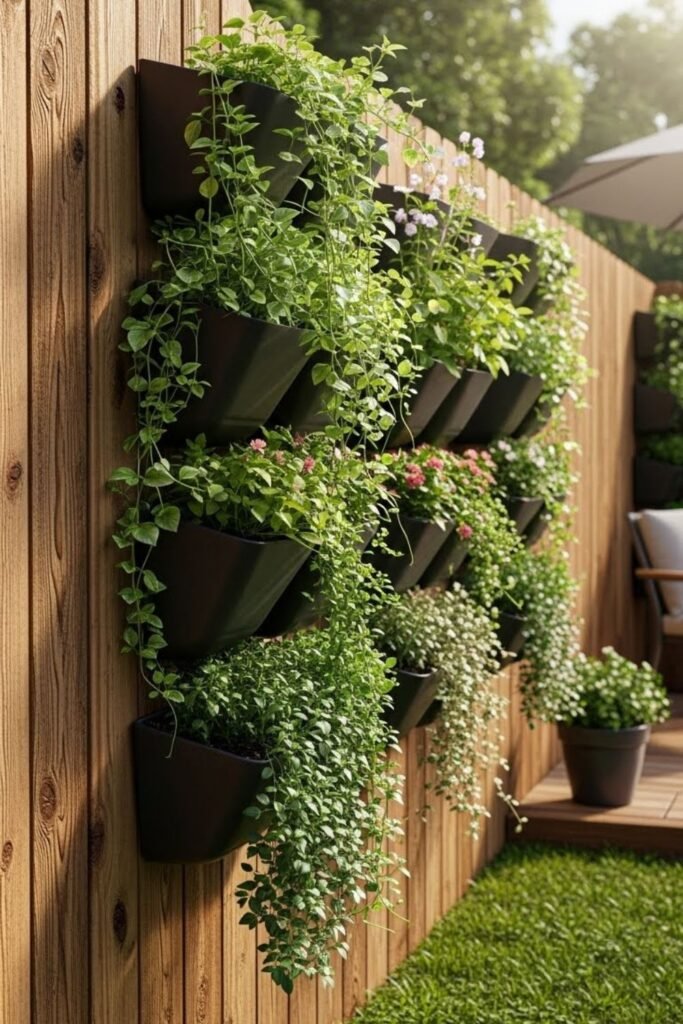
Vegetable Wall
Fresh food feels more rewarding when you grow it yourself, so I dedicate one vertical space to vegetables. I choose compact growers like greens and herbs that don’t need deep roots.
If cooking is part of your routine, this setup saves time and money. Plants stay clean and easy to reach. Good light and consistent watering matter most here.
Once growth starts, harvesting becomes simple and satisfying without bending, digging, or managing a full garden bed at home.
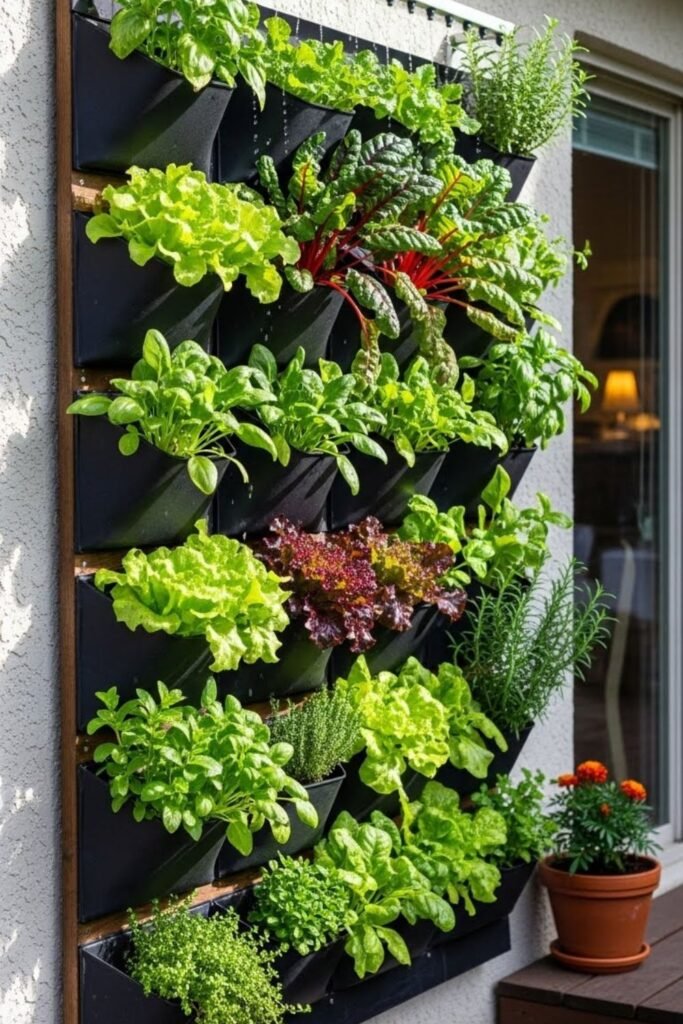
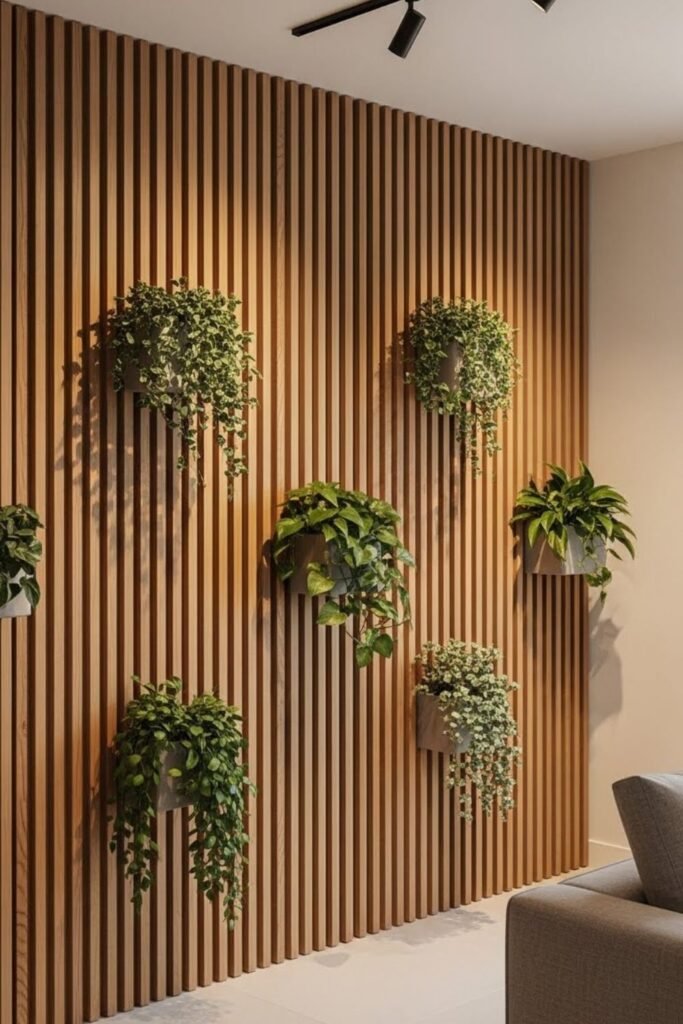
Wooden Slats
Natural materials always feel warmer, so I use wooden slats to build structure. I space them evenly and hang pots between gaps for balance.
This approach works indoors or outdoors and blends easily with furniture. If you like clean design, slats keep things organized. Treated wood lasts longer, especially outside.
Plants sit securely without crowding, and the whole wall feels intentional, calm, and styled rather than rushed or temporary in everyday living spaces where design matters.
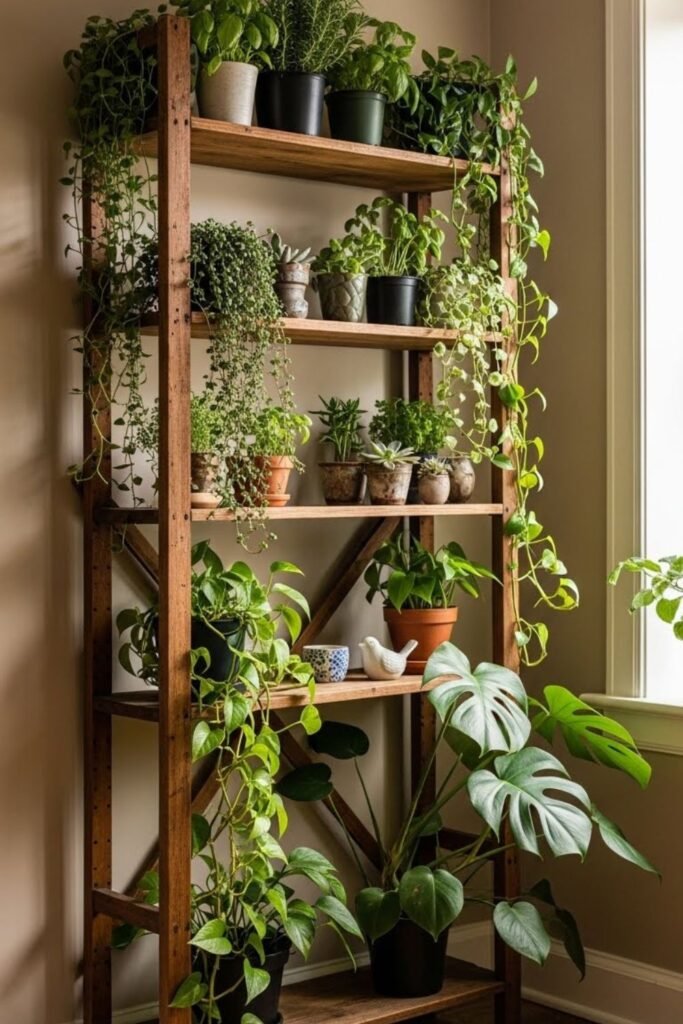
Old Shelves
Unused shelves deserve a second life, so I turn them into vertical plant holders. I mount them securely or lean them against a wall and arrange plants from top to bottom.
This creates depth and makes care simple. If you already own shelves, costs stay low. Drainage trays protect surfaces, and spacing allows airflow.
The result feels flexible and personal, letting you rearrange plants anytime without rebuilding or committing to fixed systems in changing homes.
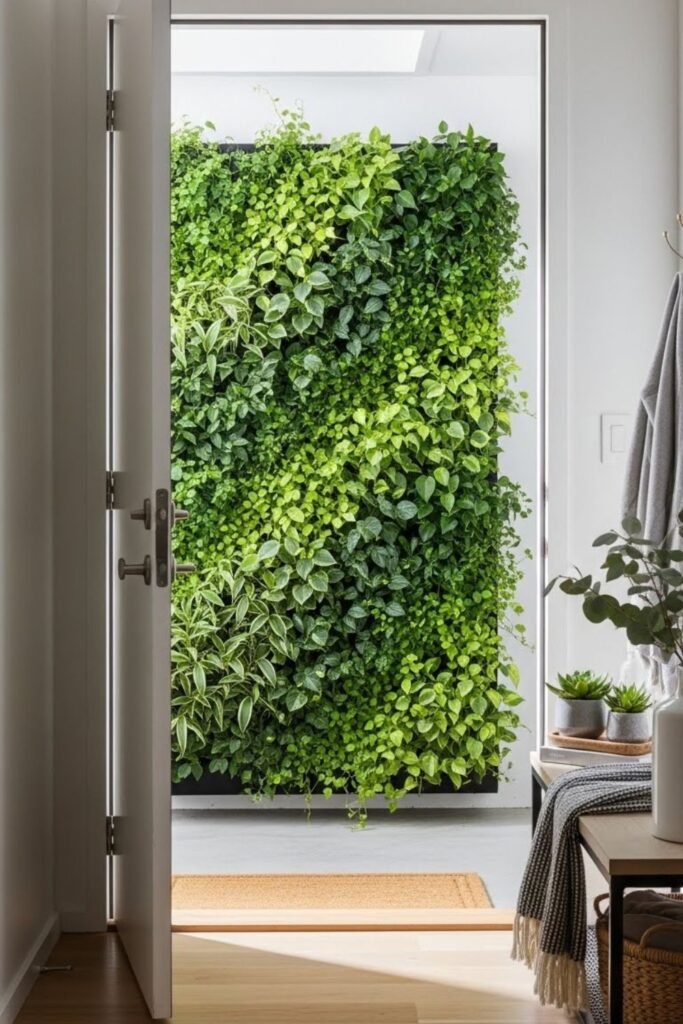
Entry Wall
First impressions matter, so I use the entry wall to add greenery right away. I place a vertical setup near the door where it doesn’t block movement. This instantly makes the home feel welcoming.
If guests walk in and see plants, the space feels warmer. I keep the design simple and sturdy since this area gets daily use.
Easy-care plants work best here, helping the wall stay fresh without demanding attention during busy mornings or rushed returns home.
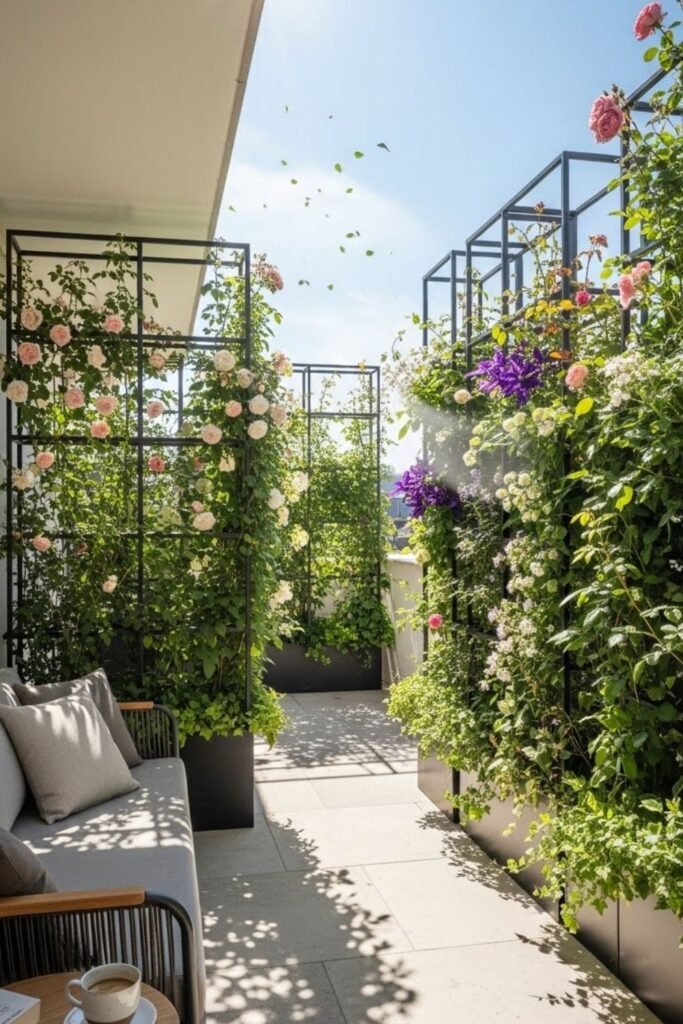
Terrace Sun
Bright terraces give plants energy, so I build vertically instead of spreading pots around. I place tall frames against sun-facing walls and let plants grow upward.
This keeps walking space open and reduces clutter. If heat feels intense, vertical growth improves airflow. I choose sun-tolerant plants and water consistently.
Over time, the terrace feels cooler and more usable, turning harsh sunlight into a growing advantage rather than a problem in outdoor living areas.
Pet Safe
Pets love to explore, so I design my vertical garden with safety in mind. I keep plants elevated and choose non-toxic varieties. This prevents chewing and accidents.
If you have cats or dogs, this setup gives peace of mind. Vertical placement protects plants and pets at the same time. Strong holders keep everything secure.
You still enjoy greenery without worry, knowing your home stays safe, calm, and plant-friendly for every family member.
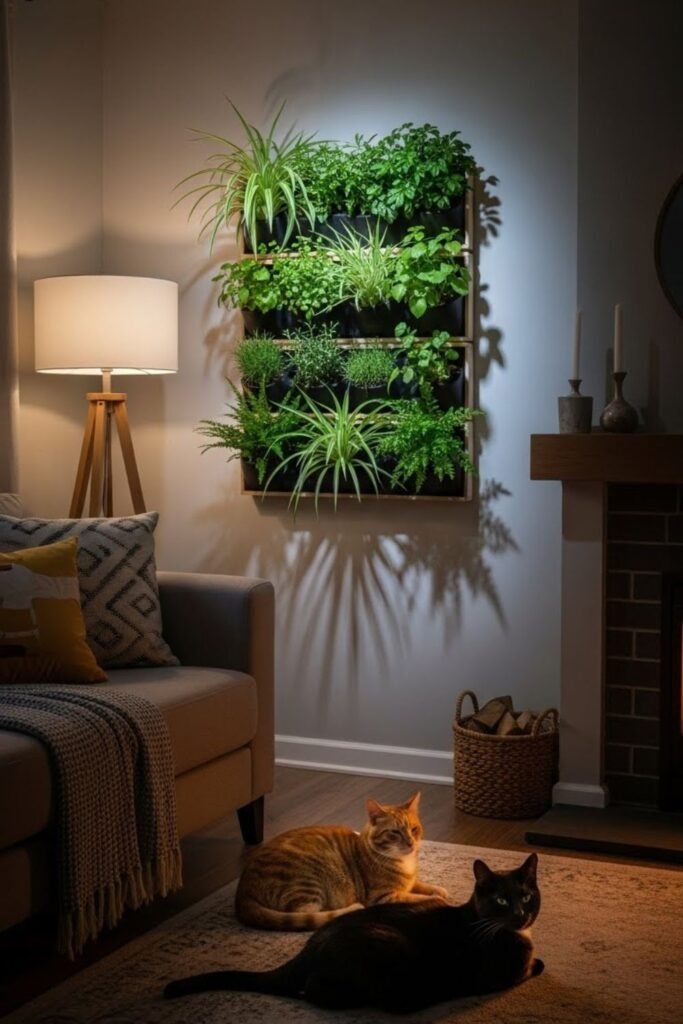
Low Light
Not every home gets strong sunlight, and that’s okay. I work with low-light areas by choosing plants that don’t need much sun. I place them vertically near windows or soft indoor lighting.
This helps dull corners feel alive. If you struggle with dark spaces, this approach works. Consistent care matters more than brightness here.
Once established, these plants grow steadily, proving that limited light doesn’t mean limited greenery inside the home.
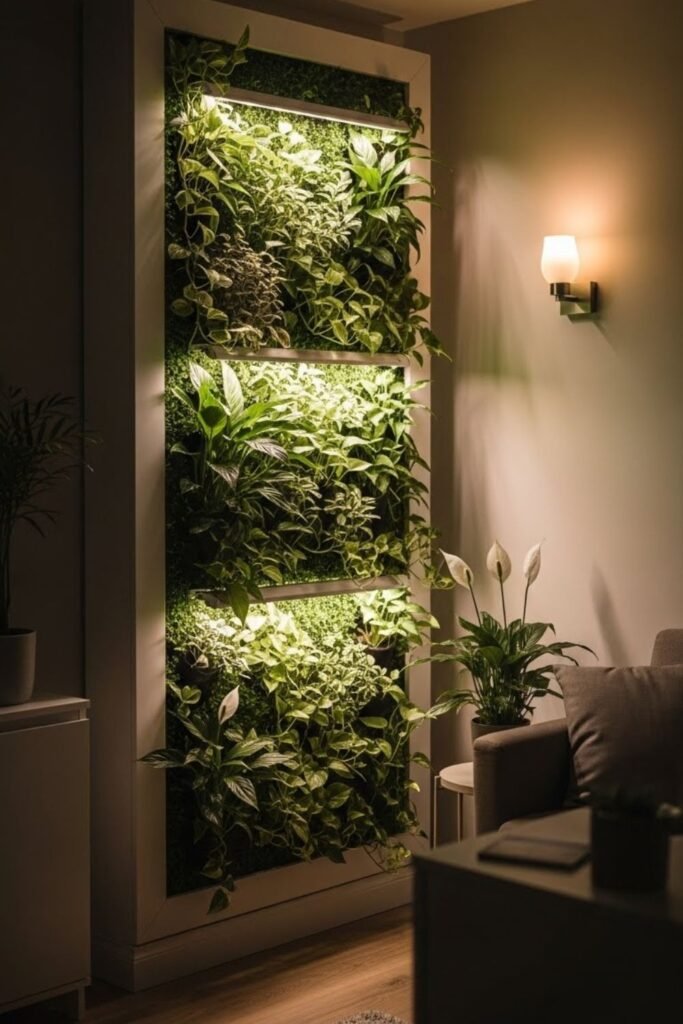
Narrow Hallway
Long hallways often feel empty, so I use vertical space to add interest without blocking movement. I place slim planters flat against the wall and grow upward instead of outward.
This keeps walking space clear. If your hallway feels boring, this changes it instantly. I stick to lightweight pots and trailing plants that soften the space.
Good lighting matters here, even simple wall lights help. The result feels warm and alive instead of long and dull.
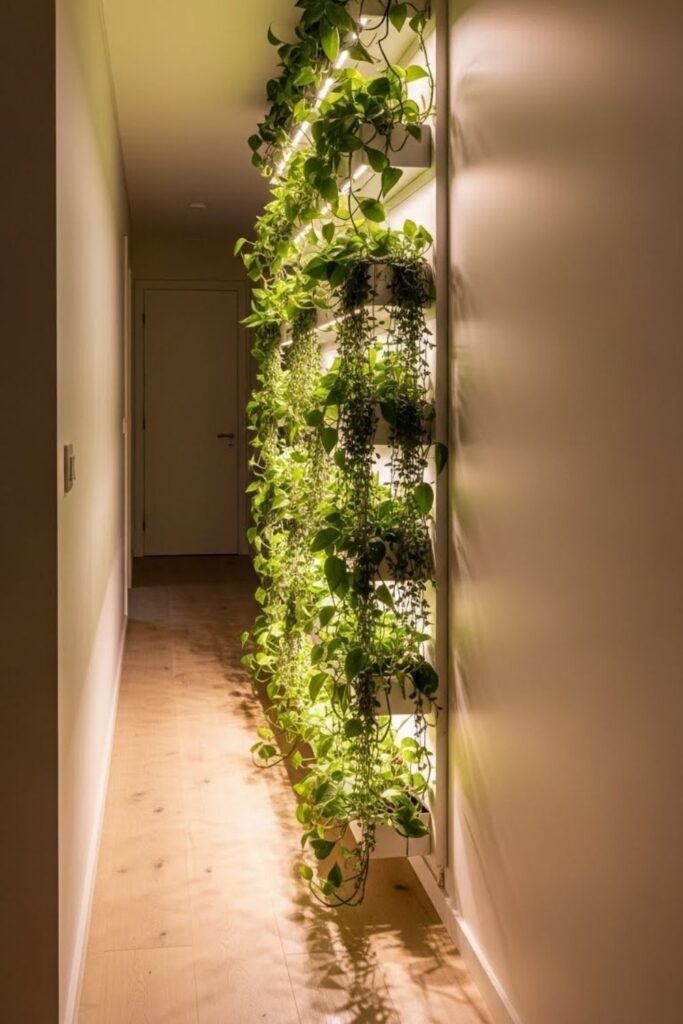
Seasonal Flowers
Changing plants with the seasons keeps things exciting for me. I dedicate one vertical setup to flowers that bloom at different times of the year. When one season ends, I swap plants.
Instead of rebuilding everything. If you enjoy color, this works well. Simple frames make switching easy.
This approach keeps the garden fresh and prevents boredom. It also helps you learn plant cycles naturally while enjoying new textures, colors, and moods throughout the year at home.
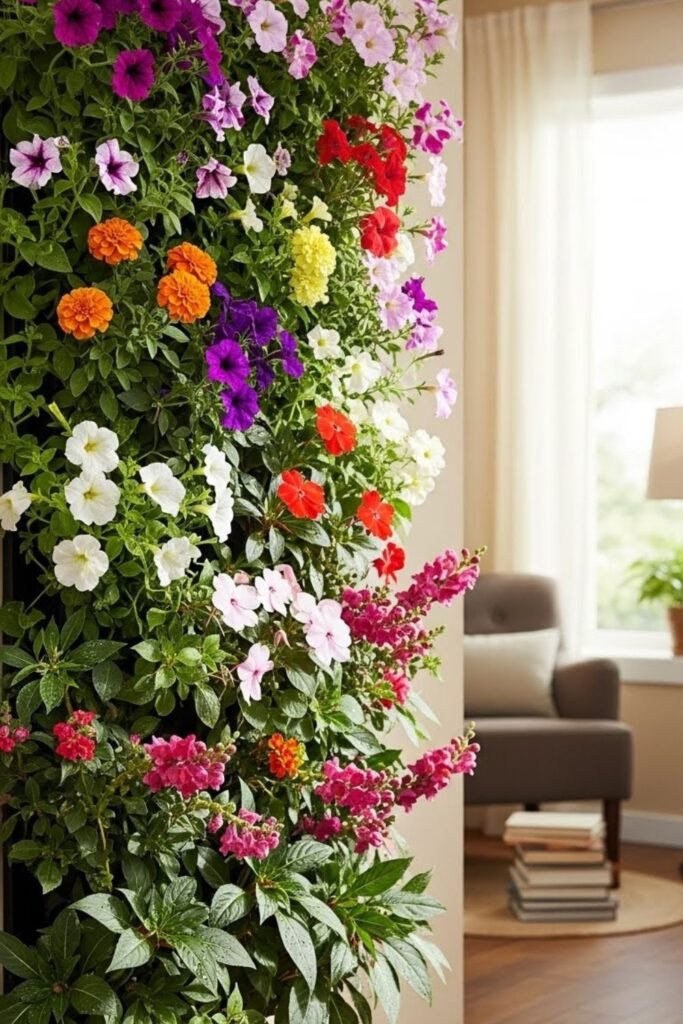
Calm Corner
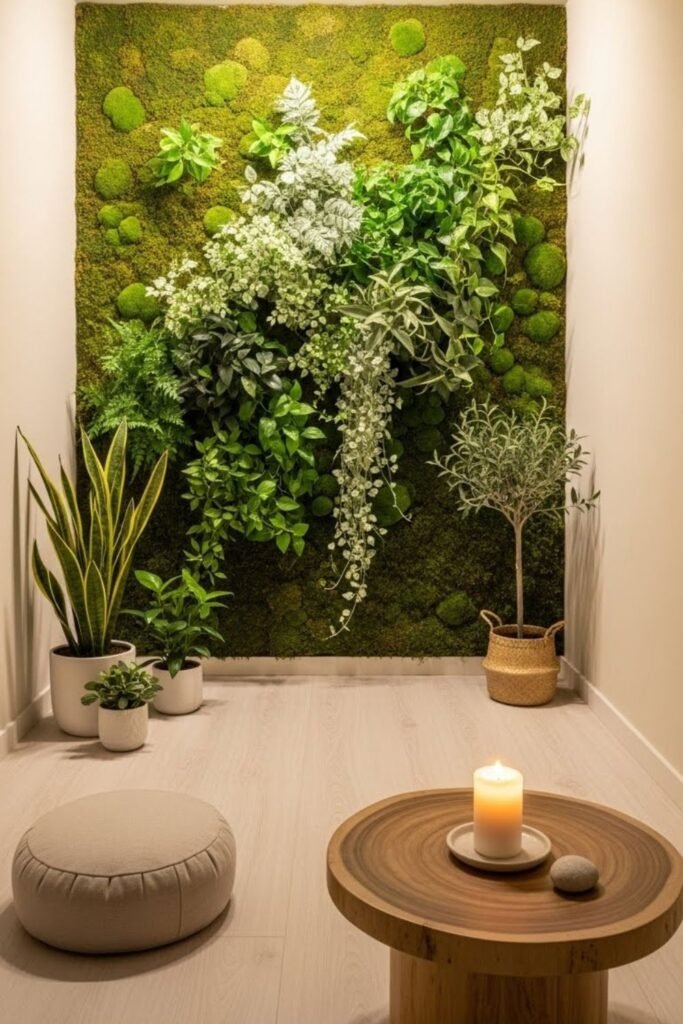
Quiet moments need quiet surroundings, so I build a vertical garden near my calm space. I choose soft green plants and keep the layout simple. This helps the area feel grounded.
If you meditate, pray, or just sit quietly, greenery supports that routine. I avoid busy patterns and focus on balance.
The plants become part of slowing down, making the space feel personal and peaceful without distractions or maintenance stress during moments meant for rest and reflection.
Clay Pots
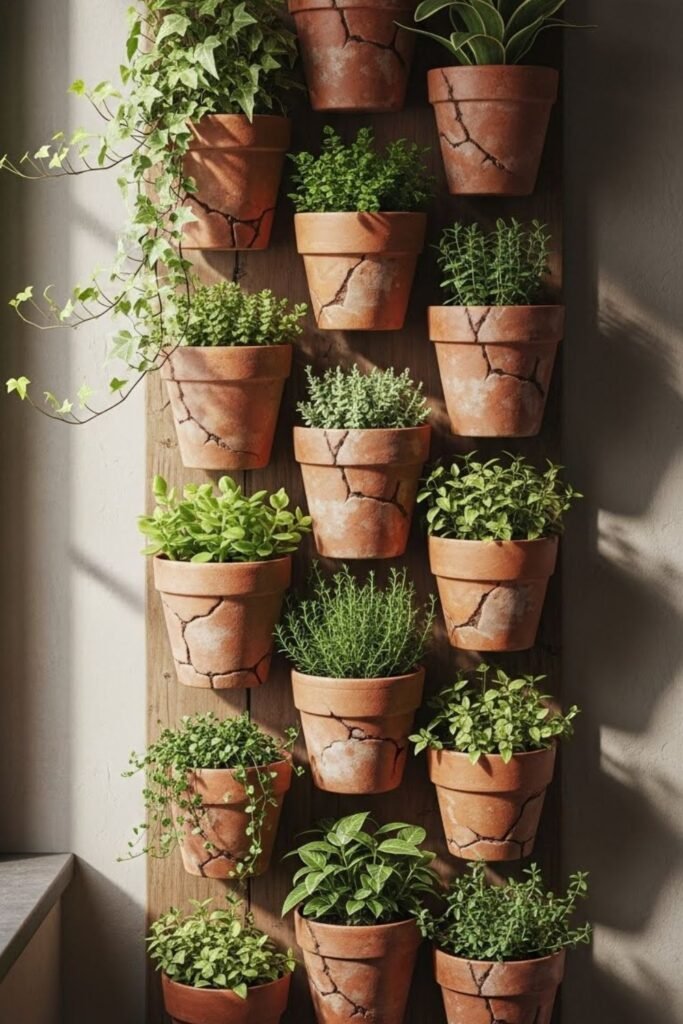
Clay pots bring a natural feel I love working with. I arrange them vertically using strong hooks or frames, spacing them evenly. This keeps the look balanced and breathable.
If you prefer classic materials, this fits well. Clay helps regulate moisture, which protects roots. I keep plant sizes consistent to avoid visual mess.
Over time, the wall develops character, blending earthy texture with greenery in a way that feels timeless and grounded indoors or outside.
Patio Climbers
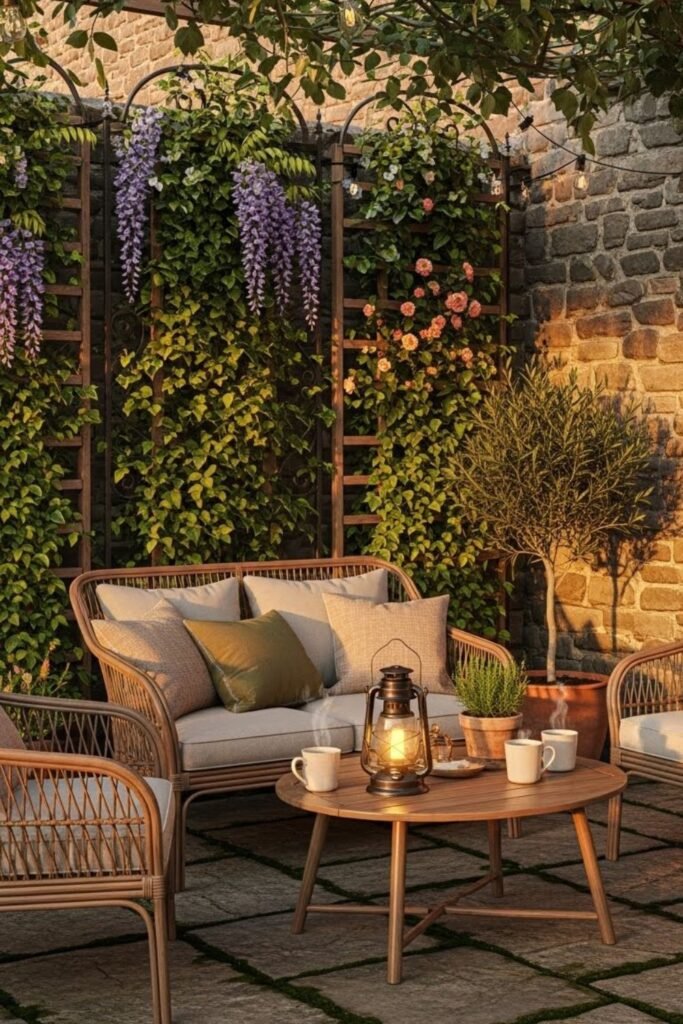
Climbing plants make patios feel fuller without crowding the floor. I guide vines upward using vertical supports along the wall. This keeps seating areas open and shaded.
If your patio feels exposed, this adds privacy naturally. Regular trimming keeps growth controlled. I choose fast climbers for quicker results.
Over time, the wall becomes living shade, reducing heat and creating a cozy outdoor space that feels inviting for relaxing, reading, or spending evenings outside comfortably.
Clean Air
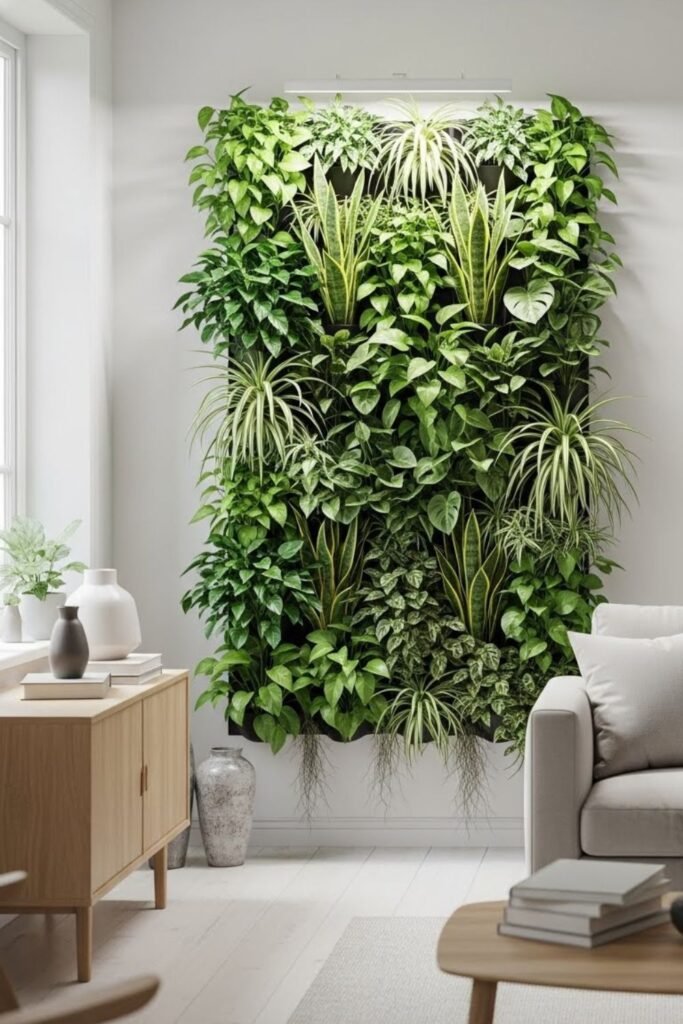
Indoor air matters more than people think, so I focus one vertical garden on air-purifying plants. I place it where the family spends most time. This setup works quietly in the background.
If you want a healthier home, this helps. The plants don’t need constant care, just consistent light and watering.
Over time, the space feels fresher and calmer, proving plants can support wellness while also adding beauty without extra effort.
FAQs
Can a vertical garden work if I’ve never grown plants before?
Yes, it can. You don’t need gardening experience to start. If you choose easy plants and focus on light and watering first, the rest becomes simple.
Start with a small setup, learn how your plants respond, and adjust as you go. Most beginners fail only when they try to do too much at once.
How do I keep a vertical garden from becoming messy over time?
The key is planning before you start. Use proper drainage, space plants correctly, and trim them regularly.
When you keep plant sizes under control and clean trays or pots once in a while, the garden stays neat and attractive instead of looking overgrown or chaotic.

Hi, I’m Afaf! I’m a law student who loves all things home, style, and gardening. I’ve been writing for over a year about topics like home decor, DIY projects, plants, fashion, and beauty.
I like sharing ideas that are easy to try and don’t cost a fortune. Whether it’s organizing a messy closet, decorating on a budget, or keeping houseplants alive, I write about what I’ve actually tried myself.
When I’m not studying, I’m usually on Pinterest looking for my next project or adding another plant to my collection!