33 Shag Haircut Ideas For women For 2026
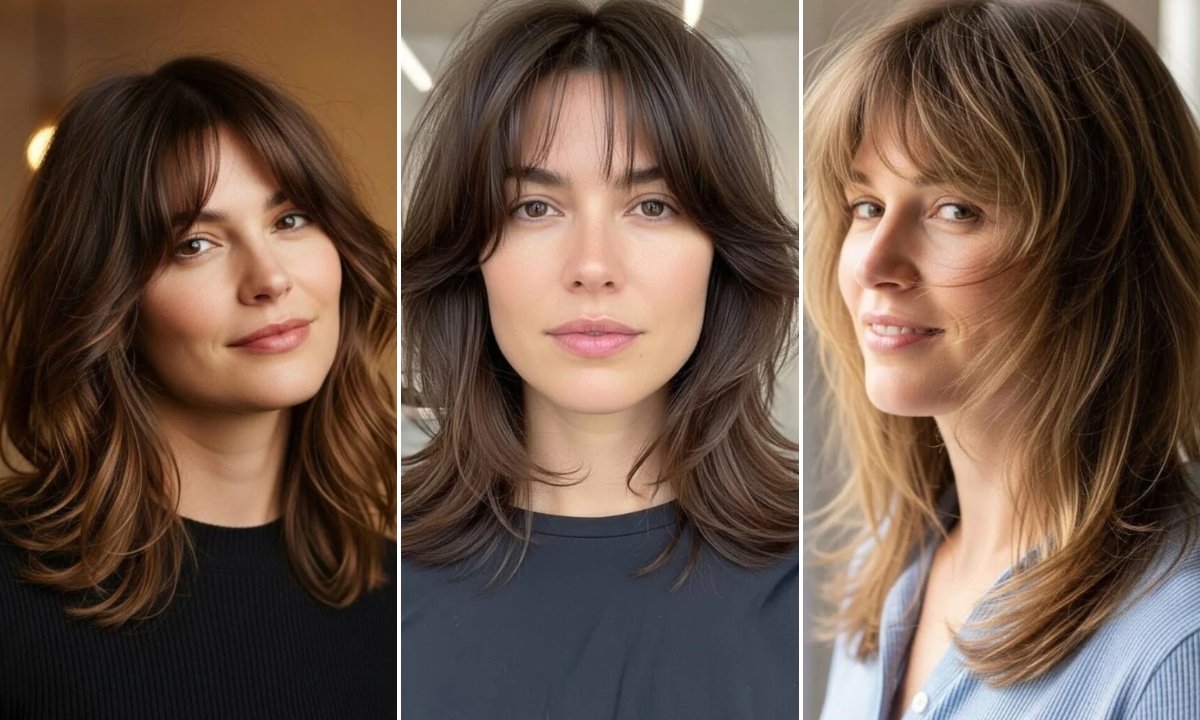
Before you commit to a shag haircut a straightforward question likely looms: will this simplify things or complicate them.
Those glossy online photos suggest a carefree vibe, but real life and real hair does not always play along.
I have witnessed people embrace their shag, thrilled with the newfound movement it brings.
Conversely, I have seen others wish they’d thought twice, unprepared for the daily realities.
In this article, I’ve gathered 33 modern shag haircut ideas women can try without overthinking in 2026.
Is a shag haircut low maintenance or hard to style?
A shag haircut’s supposed to be low-maintenance, but only if your hair already has a bit of a personality.
If your locks naturally bend, wave, or dry with a bit of texture, this cut can be a real time-saver.
You can scrunch, let it air-dry, and be done. But if your hair dries flat and straight, those layers aren’t going to style themselves.
You’ll need to put in at least a little effort heat, product, or a combination of the two.
So, if you’re after zero styling, a shag might feel like a chore. If you’re willing to do something, though, it can feel pretty effortless.
Save this article for later! 👇👇
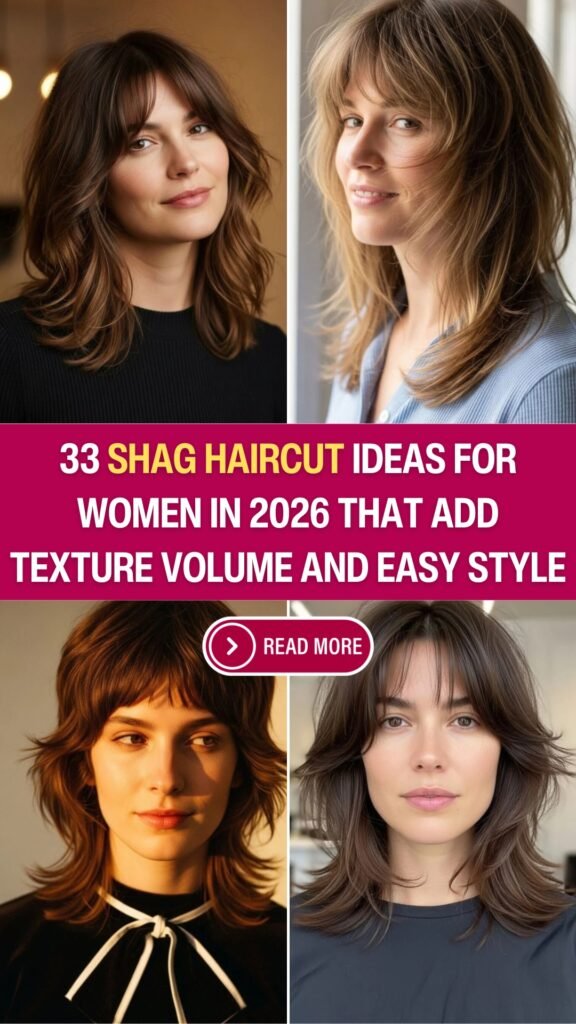
Does a shag haircut work for curly or wavy hair?
Absolutely, a shag haircut can be a fantastic choice for curly or wavy hair, provided it’s executed correctly. The layers are key, as they lighten the load.
This prevents curls from flattening out at the crown or clumping together at the ends. However, if the layers are cut too short the hair will likely become frizzy rather than falling into place.
The success of this cut hinges on honoring the curls. When you style your hair while its wet and use the appropriate products.
And allow the curl pattern to dictate the style a shag can appear effortlessly natural and well-proportioned.
Curtain Shag
Soft layers around the face do the heavy lifting here. The bangs split naturally and melt into the rest of the cut.
So the hair moves instead of sitting stiff. This works best if you like visible shape but still want to keep your length.
To recreate it, the key is light layering near the cheekbones and avoiding blunt ends anywhere near the face.
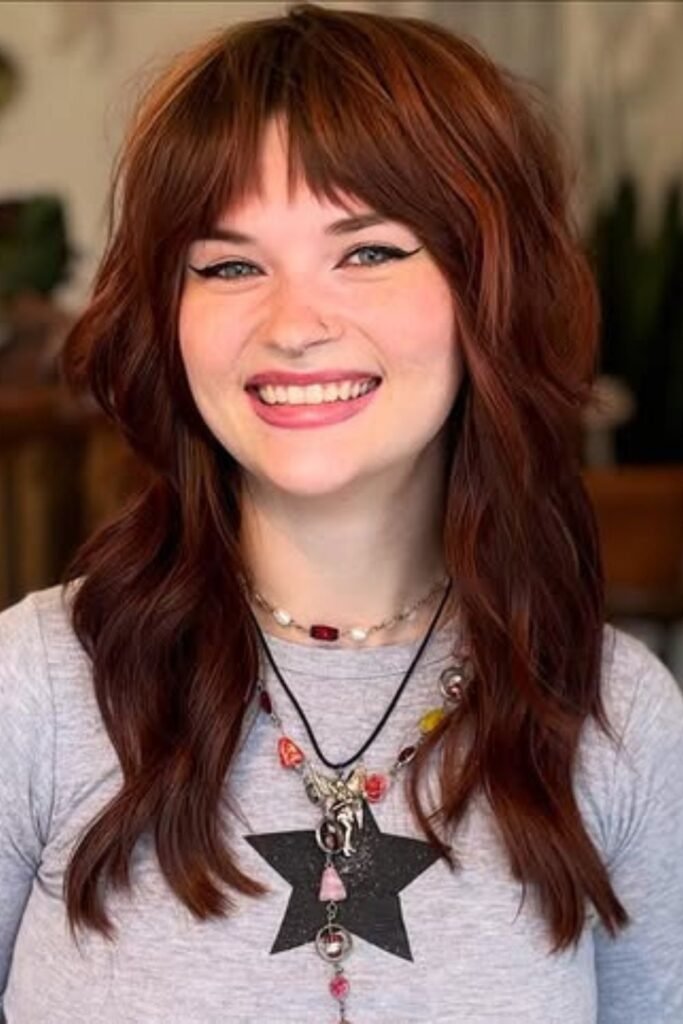
Razor Shag
Texture is doing all the work here, not length. The razor-cut layers break up thickness and give the hair that lived-in, slightly undone feel.
This haircut makes sense if your hair feels heavy or falls flat at the sides. To recreate it, the cut needs light hands.
And movement-focused layering. Over-polishing it with heat will kill the effect, so let it stay imperfect.
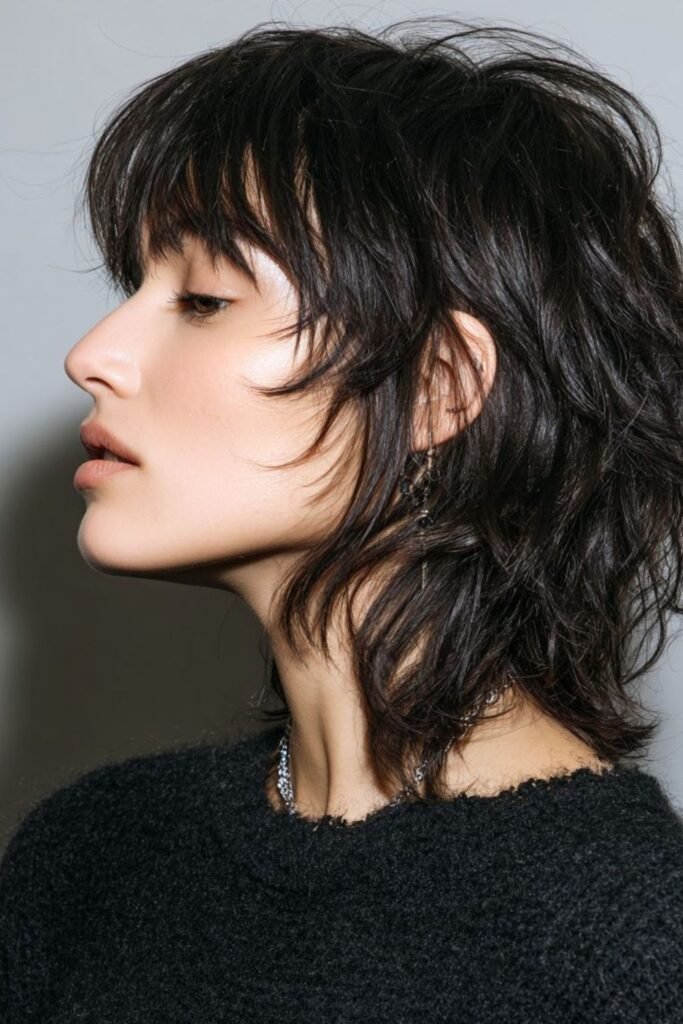
Micro Fringe
Short bangs completely transform the vibe of this shag. The fringe is cut high, immediately drawing the eye.
It also allows the remaining layers to remain loose and gentle. This is a great option if you’re after a significant shift without drastically shortening your hair.
For the bangs to look good, they need texture not a harsh andstraight line. The styling is simple air dry and let the haircut do the talking.
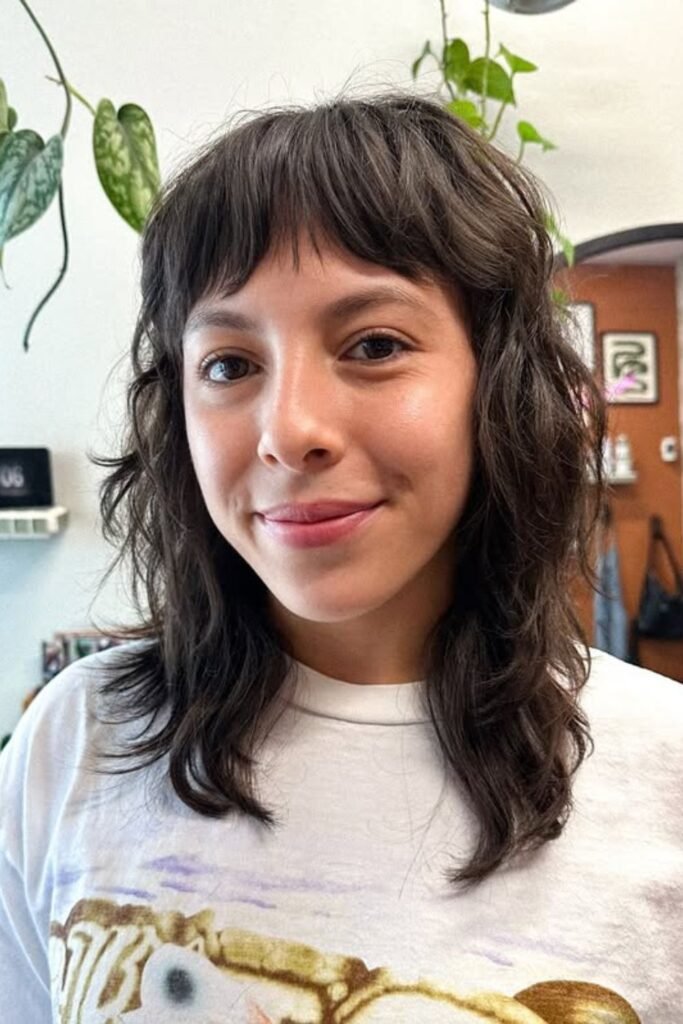
Long Shag
The length remains, but the heaviness dissipates. The layers are arranged to encourage movement, allowing the hair to flow rather than weigh it down.
This technique is ideal if your hair feels weighed down, yet you’re not quite ready for a drastic change. Achieving this look requires internal layering.
A soft, blended fringe is a must and a blunt cut simply won’t work. To really bring the style to life, scrunch your hair as you dry it.
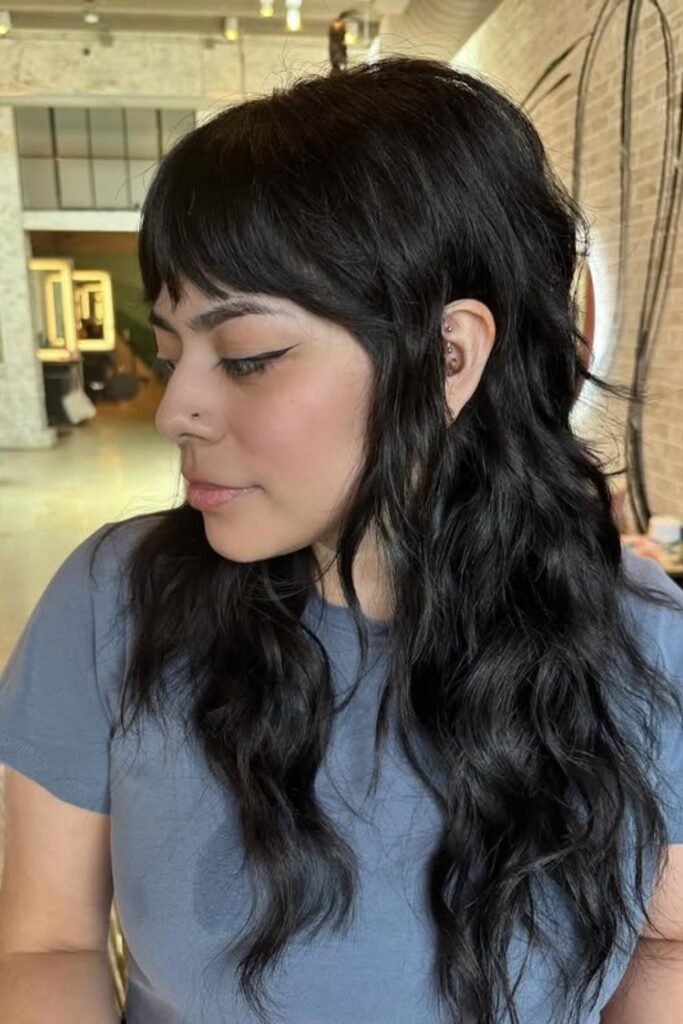
Polished Shag
It’s all about equilibrium, really. The full fringe does wonders, softening the features, and the layers are kept in check, not all over the place.
This particular style is perfect if you’re into that shaggy vibe, but still want something polished for everyday wear.
To get the look, the layers should be longer around the jawline and collarbone, and the bangs should be full but not overwhelming.
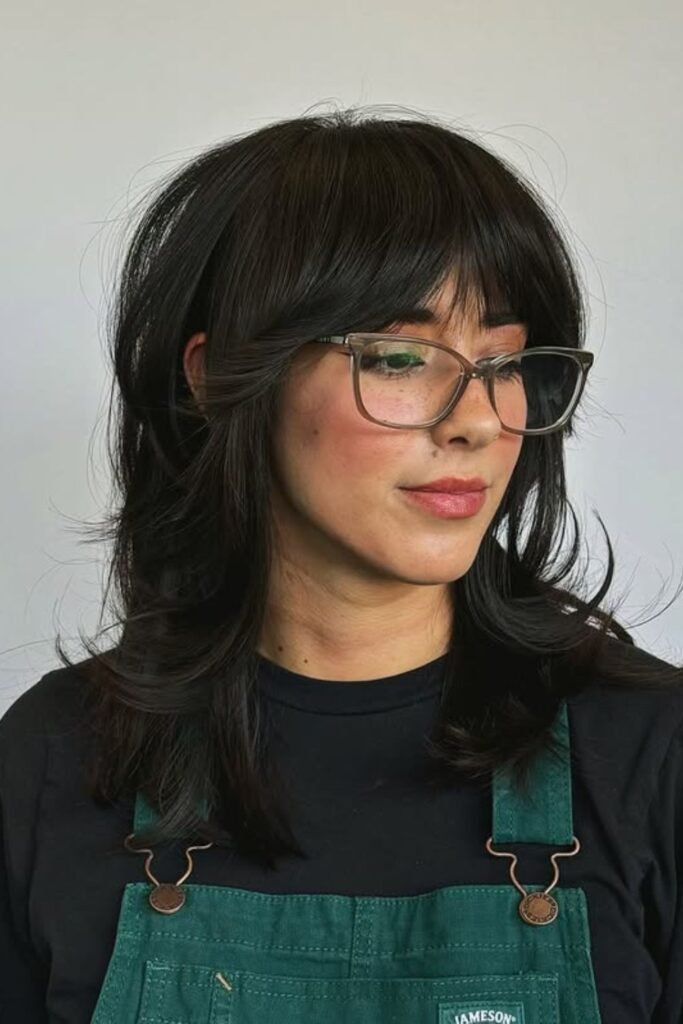
Natural Shag
The beauty of this haircut is its ease it doesn’t feel contrived. The layers are designed to complement the hairs natural movement and rather than contradict it.
This approach simplifies styling. It’s particularly effective if your hair already has a bit of wave or a textured and imperfect quality when it dries.
To achieve the look, the cut should remain soft at the ends, avoiding any harsh lines. Air-drying is key to revealing the haircut’s inherent, relaxed shape.
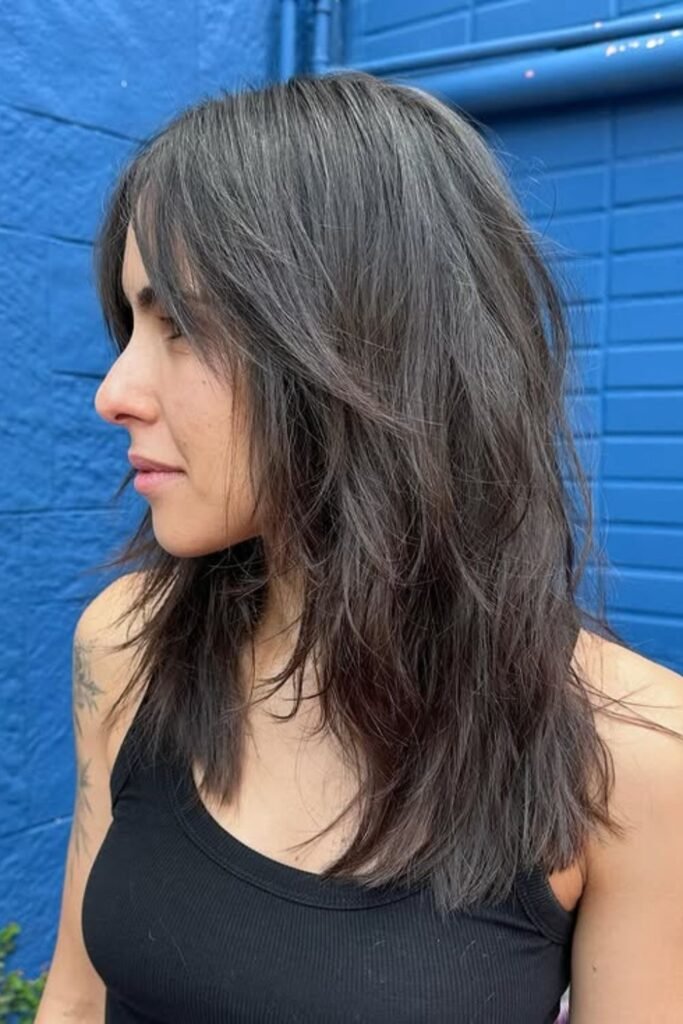
Volume Shag
Crown lift is the first thing you notice here. The layers sit higher, so the hair doesn’t collapse at the top or cling to the head.
This works well if your hair looks flat no matter how much you style it. To recreate it, the cut needs shorter layers near the crown.
And softer length through the ends. A quick rough blow-dry is enough to activate the shape.
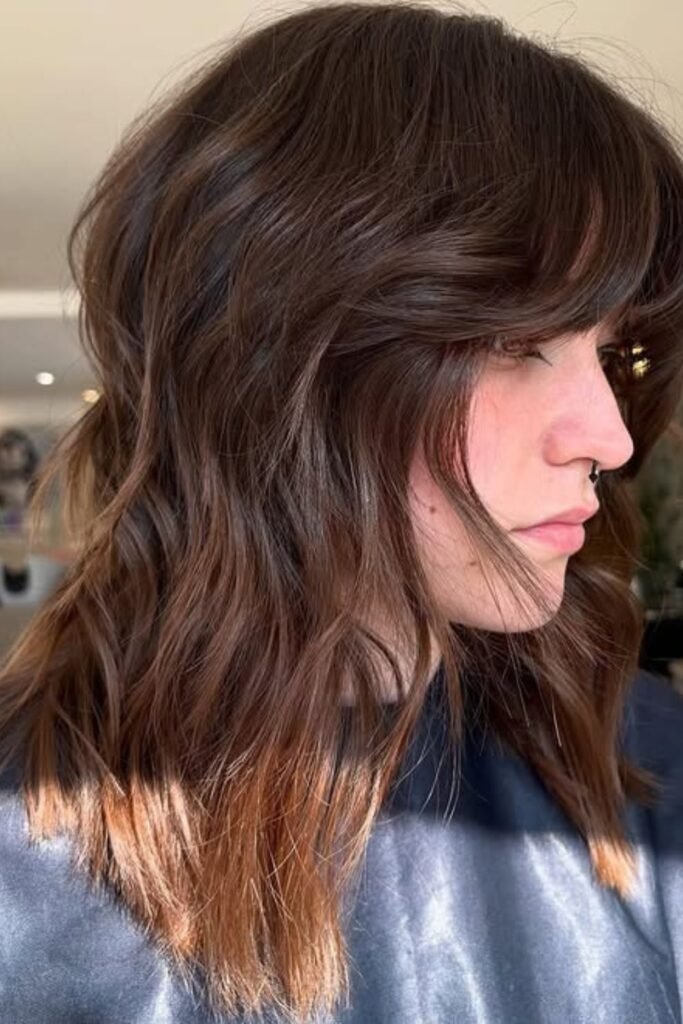
Textured Shag
Soft chaos is what makes this one work. The layers are uneven on purpose, which gives the hair movement without making it look messy.
This suits someone who likes a relaxed, slightly edgy finish and doesn’t want anything too perfect.
To get the look back, you’ll want to point-cut the ends and add some light layering around the bangs. For styling, a bit of texture cream and finger-drying are your best bets.
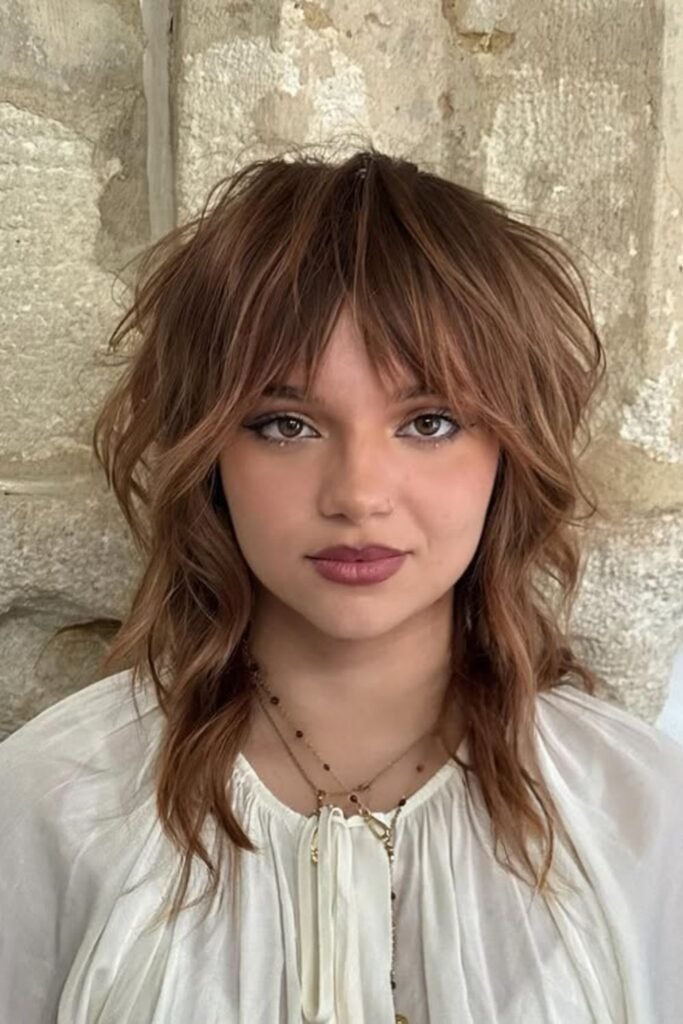
Short Shag
Confidence is the key to pulling off this look. The length is elevated, the fringe has a nice fullness, and the layers are cut to flip out adding a playful element.
This style is ideal if you’re after a significant change without committing to a super-short cut. To achieve it and the haircut requires a strong shape at the crown.
Controlled layers are also essential along the sides. Styling is straightforward a quick blow-dry and a bit of texture to prevent it from looking limp.
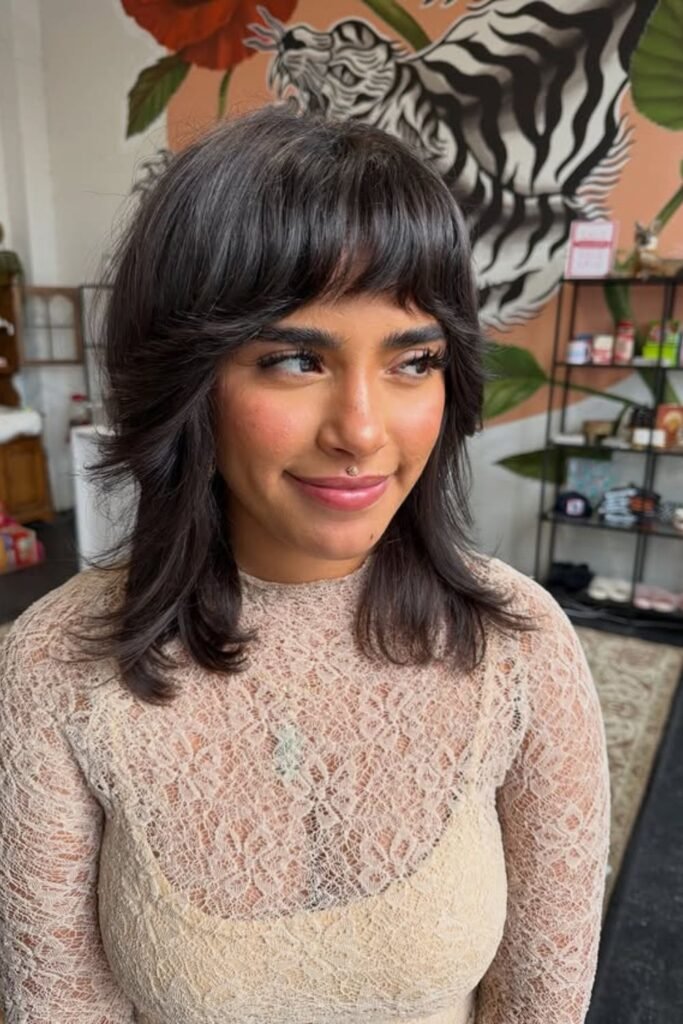
Soft Fringe
The understated difference is what makes this shag work. The fringe is kept airy and wispy and the layers maintain their natural wave and avoiding any awkward flips.
It’s a great choice if you’re after a shag that’s more serene than chaotic. To achieve this look the cut requires soft layering at the top.
Plus, the fringe needs to be textured enough to fall naturally. Air-drying with a bit of cream helps it stay relaxed and easy to manage.
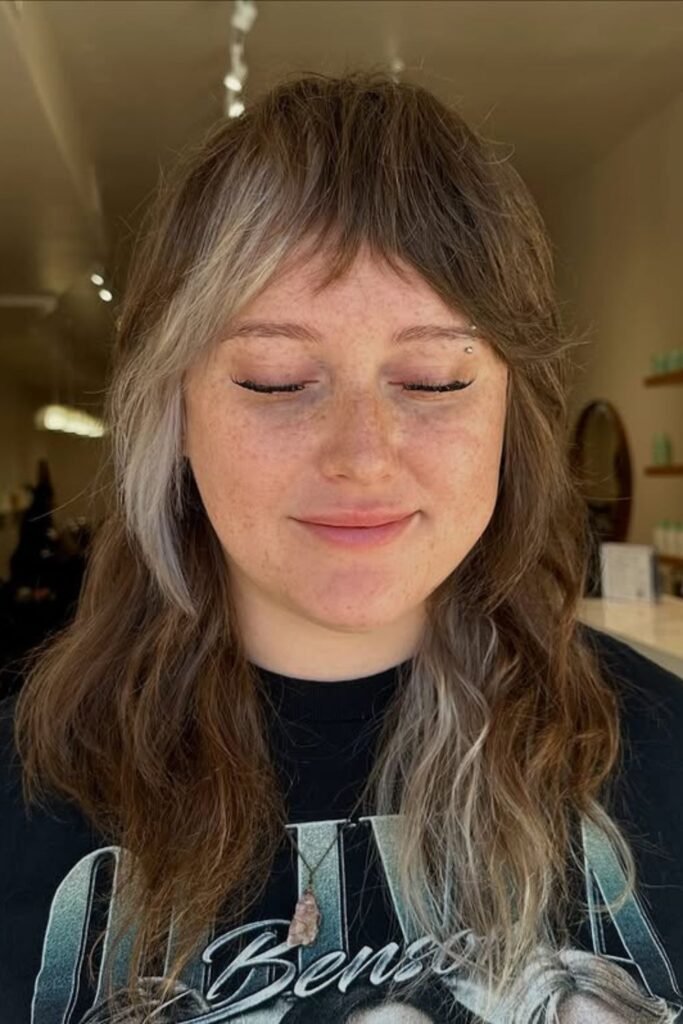
Feathered Shag
Soft lift around the crown gives this cut its energy without making it look wild. The layers fall in a feathered way.
So the hair moves even when you don’t style much. This works well if your hair feels flat at the top but heavy at the ends.
To recreate it, the layers need to stay airy and blended, with bangs cut to open around the eyes instead of closing the face.
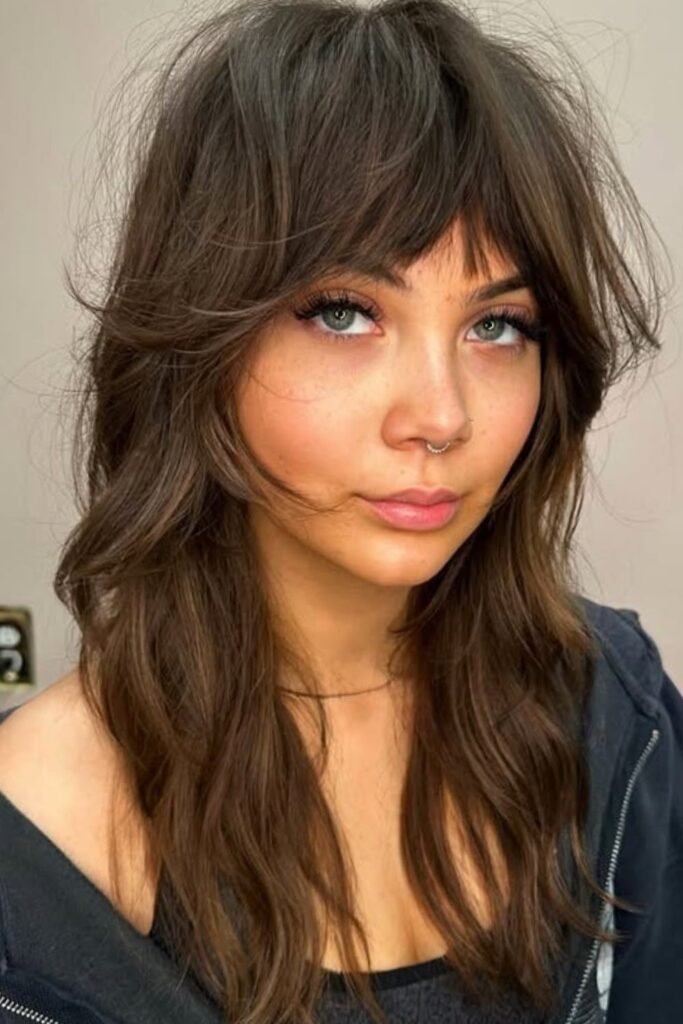
Wavy Shag
Texture already exists here, so the cut simply guides it instead of forcing shape. The layers encourage waves to clump naturally.
Which keeps the hair from looking frizzy or uneven. This works best if your hair dries wavy without much effort.
To recreate it, the cut should follow the wave pattern and avoid thinning too much at the ends. A leave-in or curl cream is enough to finish it.

Edgy Shag
Mood comes first with this cut. The dark tone or blunt fringe, and loose layers create a slightly rebellious feel without looking messy.
This works if you like your hair to have personality even on low-effort days. To recreate it, the fringe needs a clean shape.
While the rest stays textured and loose. Letting it air-dry keeps the attitude intact overstyling makes it fall flat.
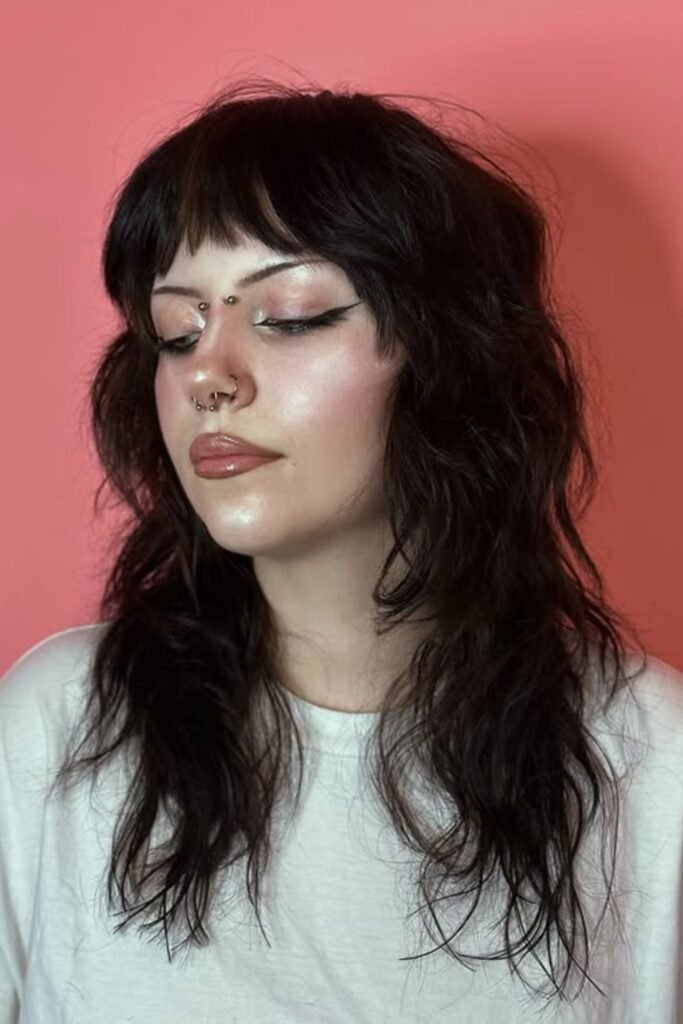
Curly Shag
Volume stays controlled here because the layers work with the curls not against them. The shape lets curls stack instead of spreading out.
Which keeps the haircut full without turning bulky. This works best if your curls shrink when dry.
To recreate it, the cut needs to be done curl-by-curl or dry-cut, with length left where curls spring the most. A lightweight curl cream keeps definition without crunch.
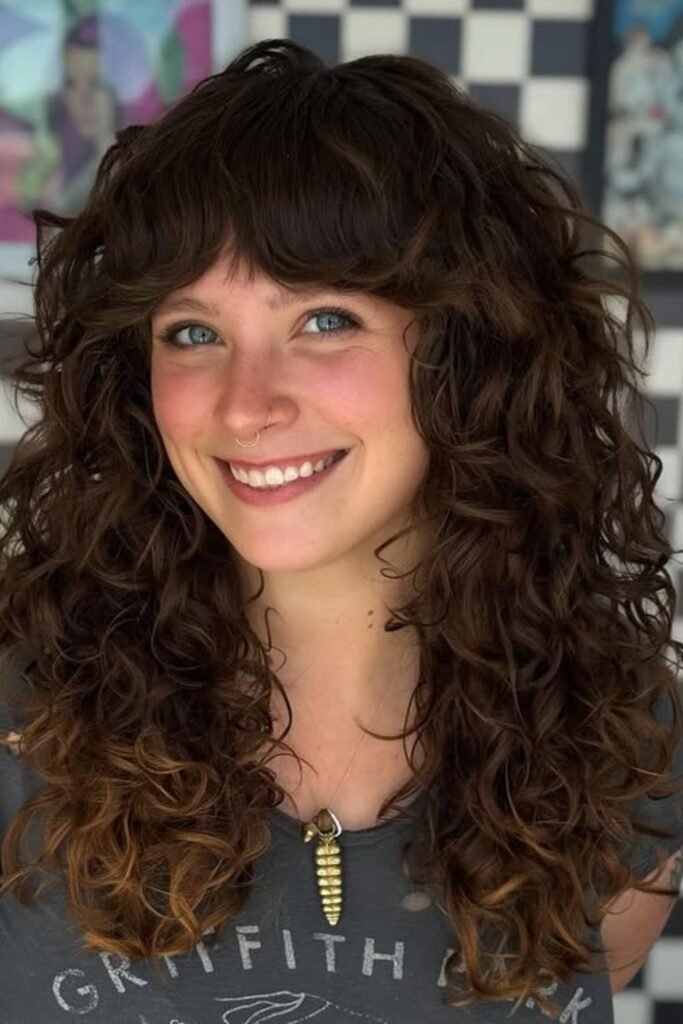
Choppy Shag
Uneven ends give this cut its attitude. The layers don’t line up perfectly, which keeps the hair from looking flat or overstyled.
This works well if your hair feels boring no matter what you do to it. To recreate it, the cut needs visible texture through the ends.
And shorter pieces around the face. Styling stays loose rough drying and the bit of texture spray is enough to wake it up.

Blowout Shag
Soft volume is the star of the show, not texture. The hair is sculpted to flare out, creating that light, professional look without any stiffness.
This technique is ideal if you’re a fan of round brush styling and want your hair to stay put from morning until night.
To achieve this, the haircut requires longer layers in the front and sufficient weight at the tips to maintain a sleek blowout.
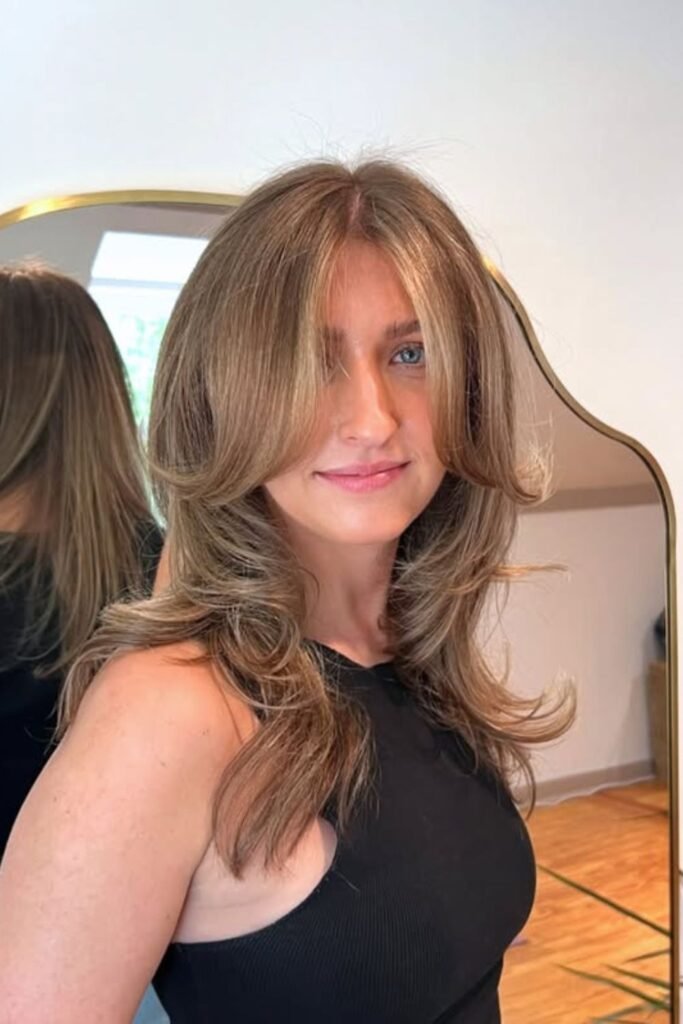
Wispy Shag
Lightness around the fringe changes everything here. The bangs stay airy, not heavy, so the face feels open.
While the layers add movement through the length. This works well if you want a soft, feminine shag without sharp edges.
To recreate it, the cut needs fine layering and feathered bangs that sit just below the brows. A gentle blow-dry or air-dry keeps it easy and natural.
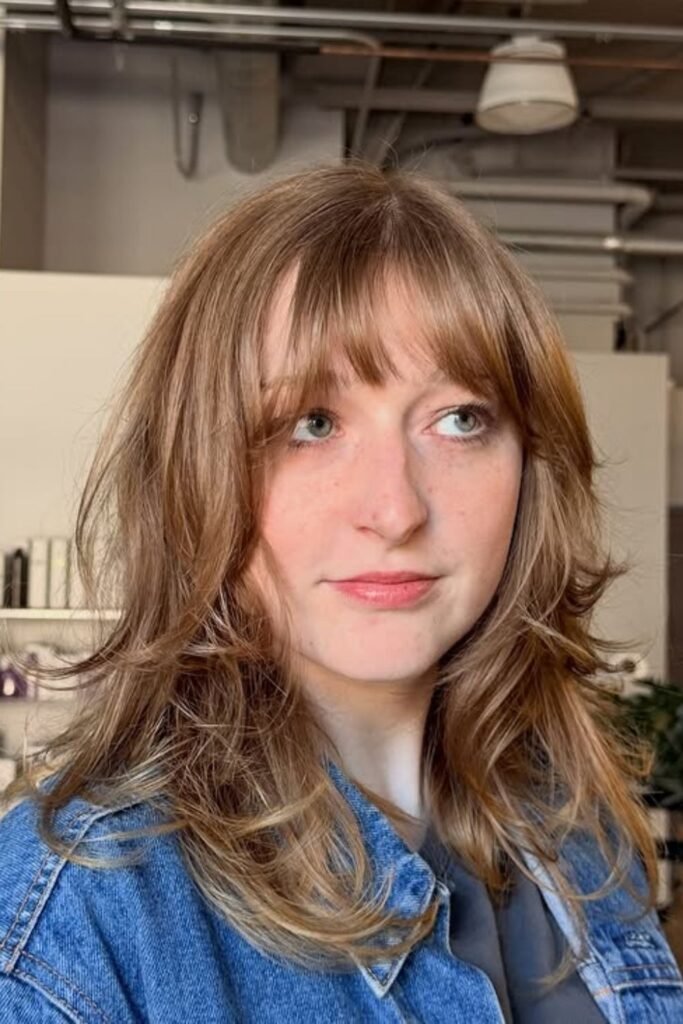
Collar Shag
Hair that grazes the collarbone can be a tricky length, unless it’s shaped correctly. This shag haircut incorporates gentle layers around the shoulders.
Hair that moves effortlessly and rather than awkwardly sticking out. Its an ideal choice for those who find themselves in that in-between stage not quite ready for a full-on long style.
It grows out beautifully, sidestepping that often-unflattering, boxy look that can happen when hair is shoulder-length.
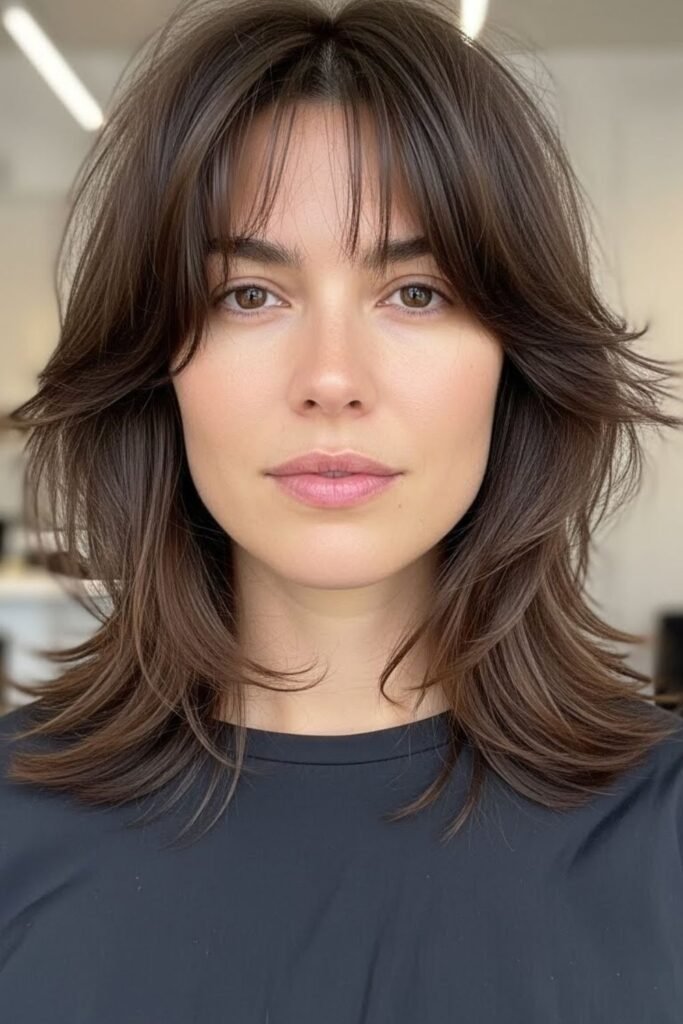
Slim Shag
Heavy layers aren’t always the answer. This approach maintains a slim silhouette while introducing texture. It’s particularly effective for fine hair.
And for straight hair that can appear bulky with excessive layering. The key is shallow layers that eliminate bulk without adding volume.
Styling should be kept simple too much product will flatten the style rather than enhance it.
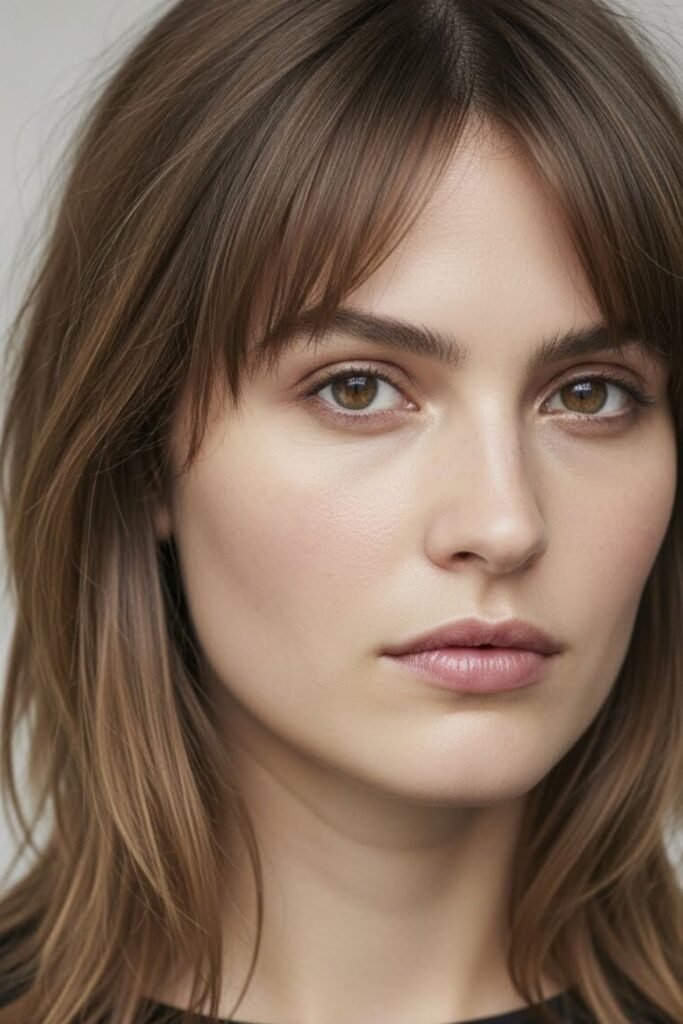
Cheekbone Shag
The instant the layers graze the cheekbones, the face takes on a different shape. This shag haircut draws the eye inward, effectively softening the appearance of fuller cheeks or a broad jaw.
The cut requires short, face-framing pieces that swiftly transition into longer lengths.
To avoid a rigid look, the fringe should be adaptable. A bit of heat styling will add movement.
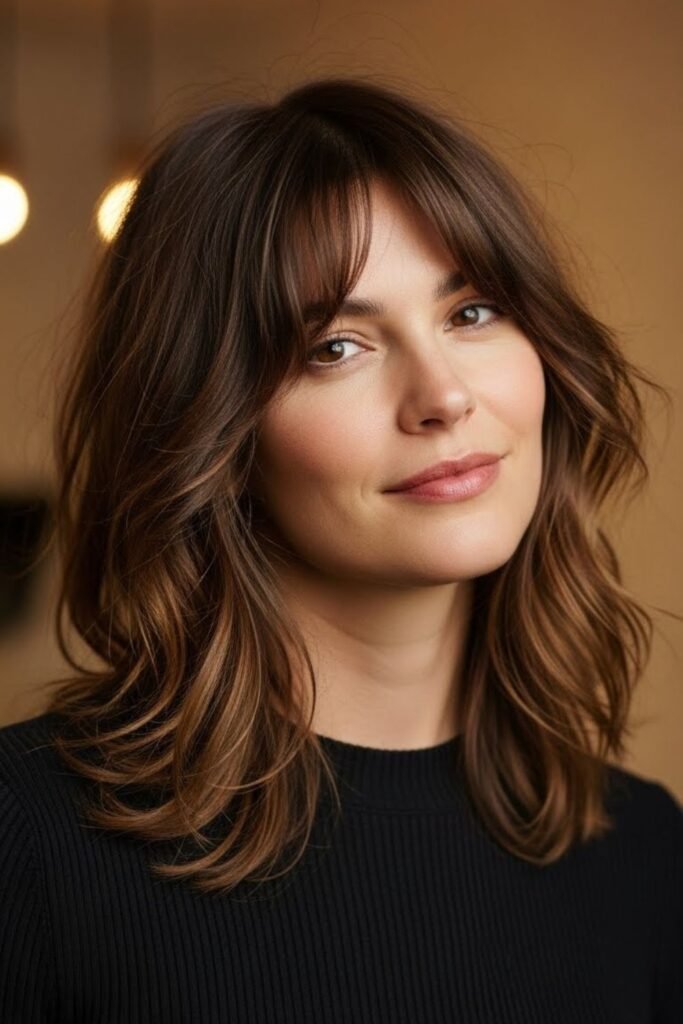
Airy Shag
Breathable layers give this haircut a featherlight feel, even if your hair is on the thicker side. Rather than piling on the volume, the layers are designed to separate.
This allows air to circulate through the hair. It’s particularly effective if your hair tends to feel weighed down or overheated as the day wears on.
Request internal layering, avoiding any visible chopping. Air-drying is surprisingly effective as the cut itself does the work of separation.
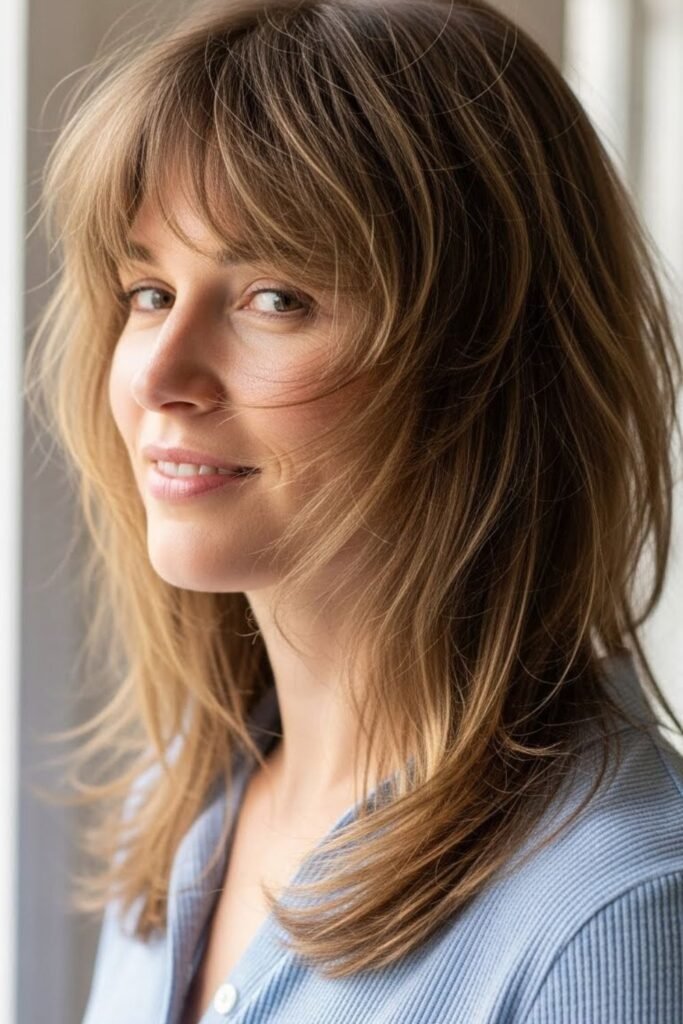
Grown Shag
Fresh shags aren’t for everyone. This idea focuses on a shag that already looks lived-in.
Longer fringe, softer layers, and no harsh breaks make it easy to wear from day one. Perfect if you hate frequent trims.
The shape stays intact even as it grows, so missed appointments wo not ruin the look.

Fringe Shag
The bangs are the star of the show, not the layers. They establish the overall vibe with the rest of the hair simply playing a supporting role.
This approach is ideal if you are looking to refresh your appearance without sacrificing any length. The key is in how the bangs move a rigid, unyielding fringe can completely destroy the look.
A fast and gentle stroke with round brush is all it takes keep everything or looking intentional not thrown together.
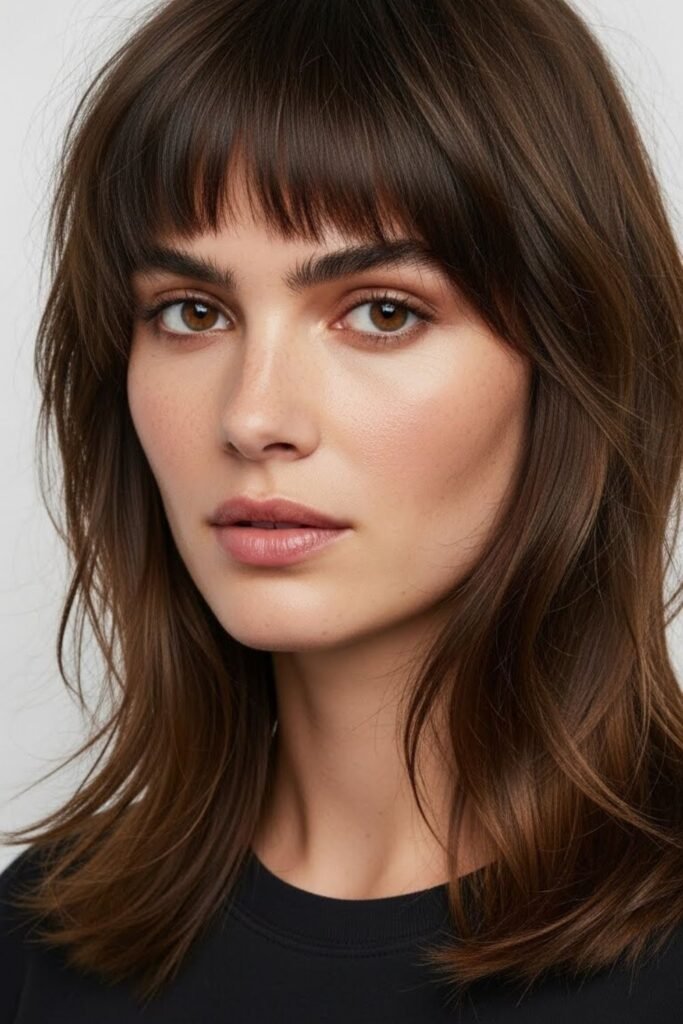
Subtle Shag
Not everyone wants visible texture. This version hides the shag inside the cut. Layers sit underneath.
So the hair looks simple but moves when you touch it. Best for work settings or low-drama routines.
Ask for invisible layering and soft ends. You’ll feel the difference even if others can’t immediately spot it.

Retro Shag
Vintage influence shows up in the shape, not the styling. Shorter layers up top and longer edges create that old-school flow.
Without looking costume-like. This works if you like character in your hair. Avoid sharp modern lines to keep it authentic. A little natural wave or bend brings out the throwback feel.
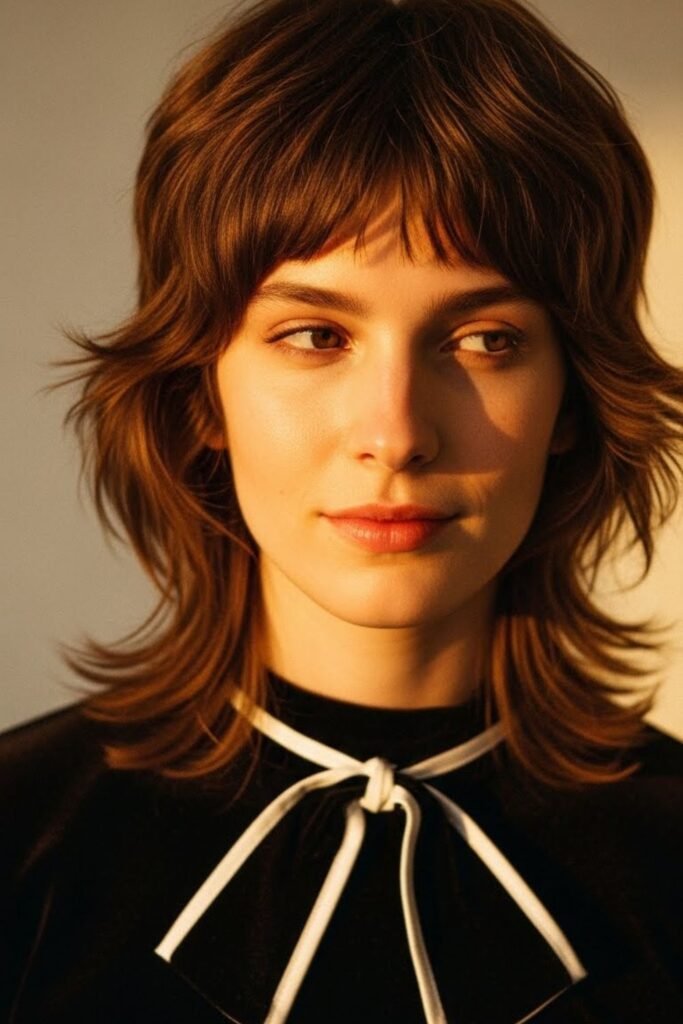
Jaw Shag
The key is where the layers land. This particular cut, with its length at the jawline, brings definition to softer facial features.
If your hair has a tendency to droop around the cheeks, this is a solid option. To avoid a heavy look, keep the fringe light. Blow-drying the hair forward first helps to set the style.
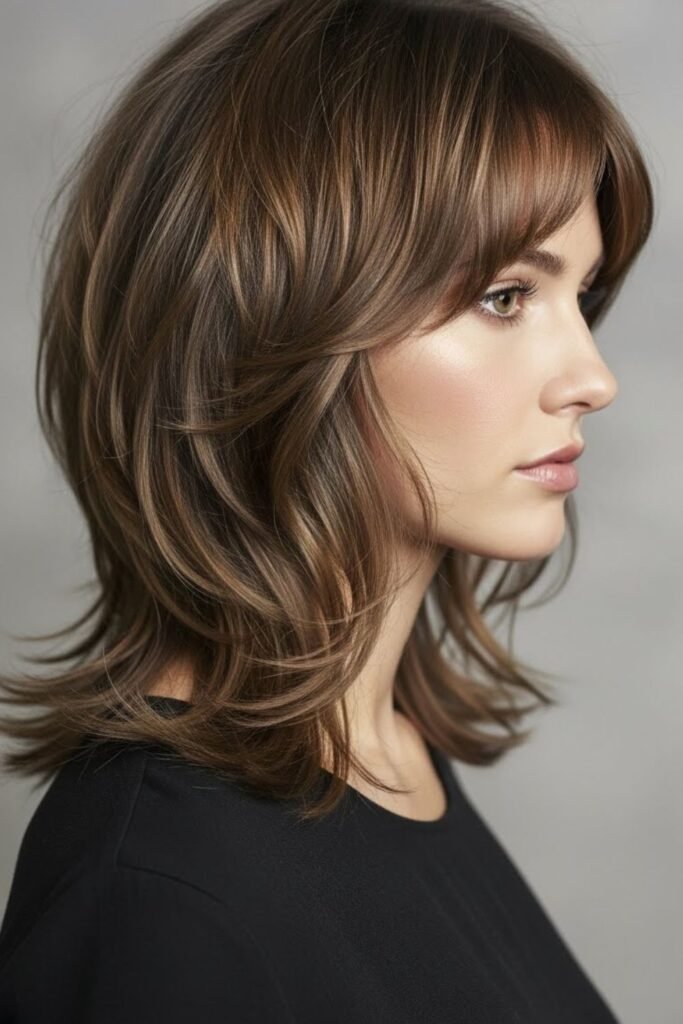
Easy Shag
Busy lives call for haircuts that are easy to manage. This shaggy style is a lifesaver on those days when you just can’t be bothered or when you’re running late.
It’s ideal for hair with a natural wave or curl, even just a hint of one. When you get the cut and request uneven ends and layers that can move.
Don’t try to make it perfect over styling is a mistake. The key is to embrace the movement not meticulousness.

Side Shag
A side part can completely transform a shag. It redistributes the weight and creating a more dramatic effect without adding any length.
This is especially effective if your hair tends to fall flat when parted down the center. The haircut itself should complement the part not work against it.
To keep those layers from misbehaving and turning around and blow dry your hair in the direction you plan to style it.
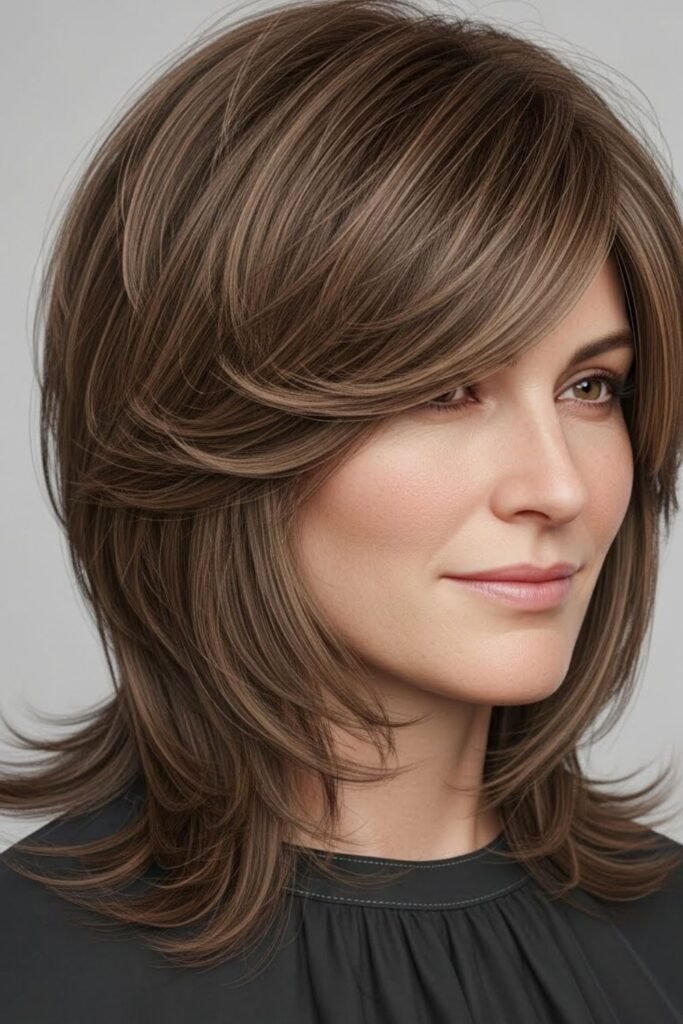
Soft Shag
Edges stay gentle here. Nothing looks sharp, chopped, or aggressive. This is ideal if you want a shag that feels calm and wearable.
The layers need to blend together not remain distinct. Keep the styling light, using creams and sprays. Excessive hold will make the hair rigid which defeats the purpose of this cut.
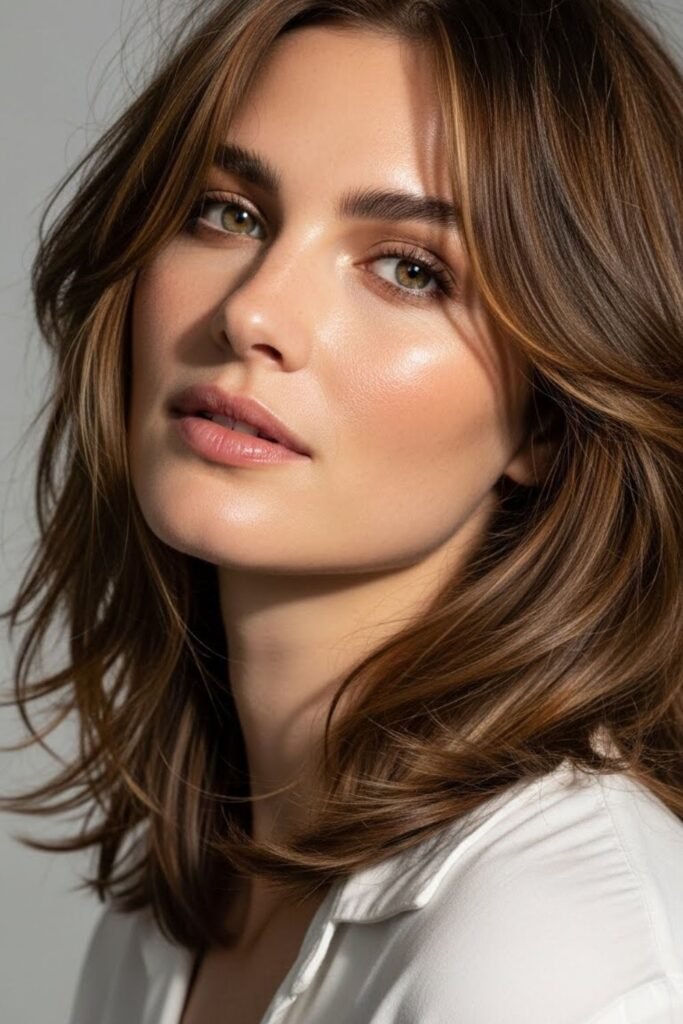
Low Shag
Volume doesn’t have to live at the crown. This shag builds shape lower down, which helps long or narrow faces.
The top stays relaxed while the ends move. Ask for longer crown layers and texture below the ears.
It achieves equilibrium, avoiding the inflated, overdone appearance that other shag cuts can have.
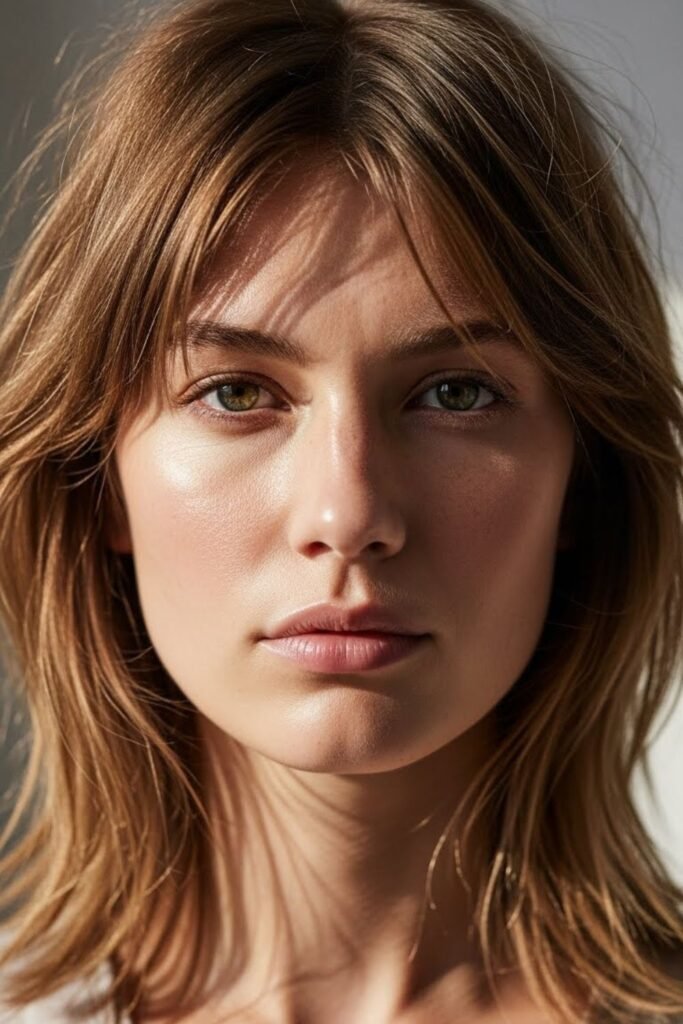
Broken Shag
Perfect symmetry is intentionally absent. The uneven layers create a natural-looking movement as opposed to a deliberately styled appearance.
This approach is particularly effective if your hair tends to dry in an unpredictable manner. Rather than battling against it the cut embraces it.
Request broken ends and irregular lengths. Styling becomes simpler as precise alignment is unnecessary.
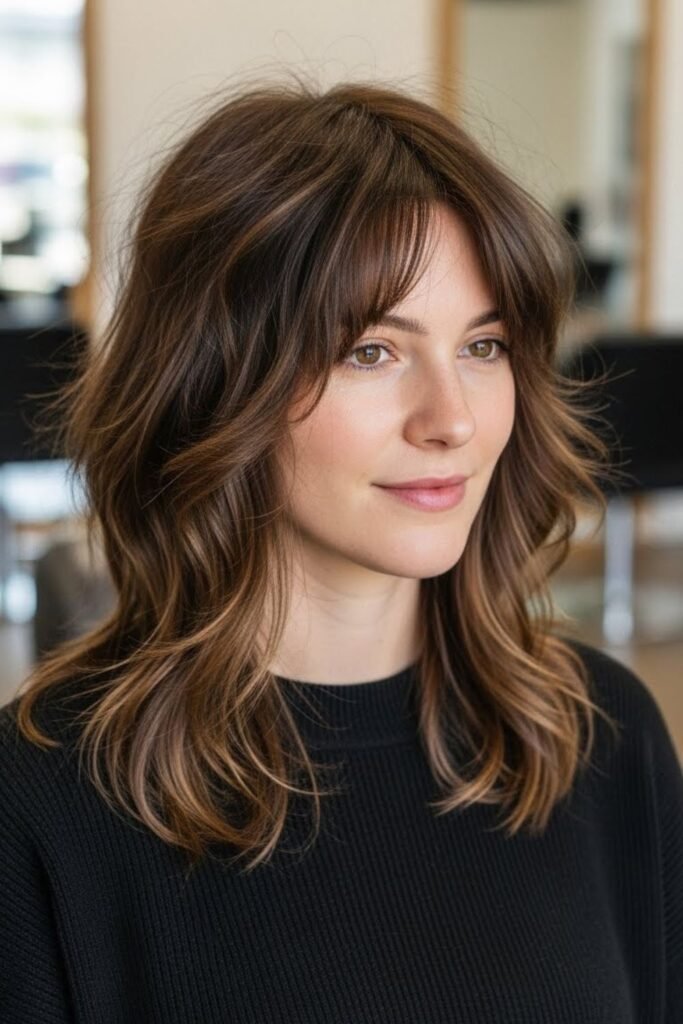
Quiet Shag
This haircut does not shout “fashion statement.” Its meant to flow seamlessly into your everyday routine and offering structure without being overly dramatic.
Ideal for those who prefer subtlety over a spotlight. The layers are kept long, and the fringe remains soft.
The ends are kept neat. It works beautifully with uncomplicated ensembles and a low maintenance approach to grooming.
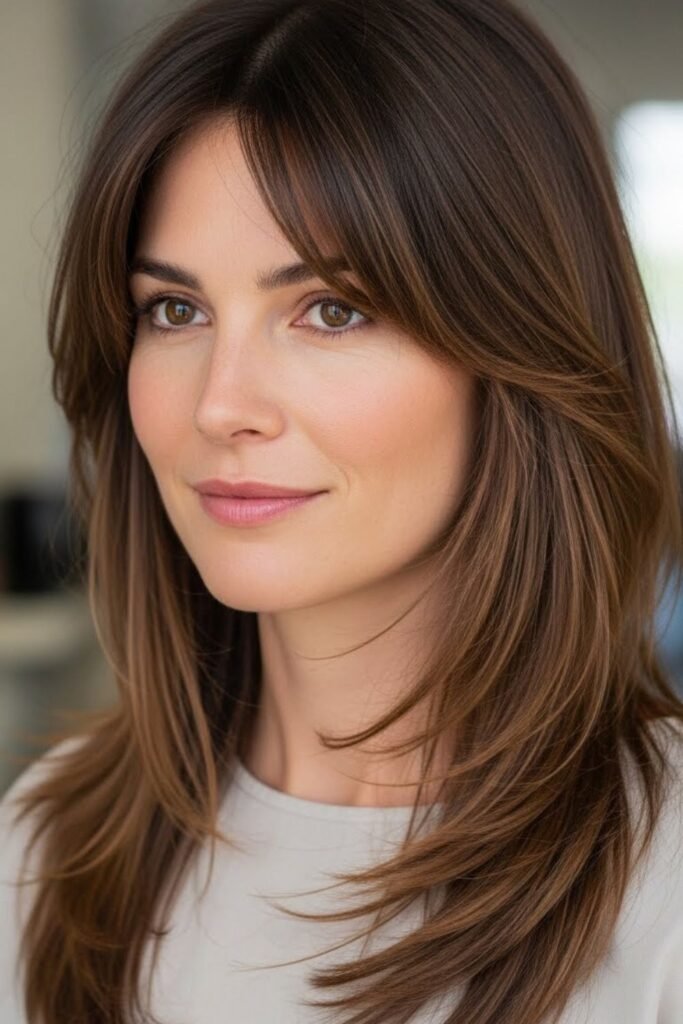
Balanced Shag
Each piece of this cut complements the others; nothing feels out of place. It’s a successful design.
If previous haircuts were uneven, request a more balanced layering from the front to the back.
Blow-dry using your fingers to maintain the overall shape. Overdoing one area may easily disrupt the entire style.
FAQs
Will a shag haircut make my hair look thinner over time?
It can work, but only if it’s done with careful layering. A shag haircut depends on clever layering, not on excessive thinning.
If you take away too much weight, fine hair may quickly become wispy and lifeless.
To prevent this, the cut should maintain structure at the ends, using texture only where you want to create movement.
Why does a shag haircut look great at the salon but different at home?
Salon styling can be deceptive. Your stylist dictates the heat, the way your hair is styled, and the products used. At home, though, your hair reverts to its natural state.
If your shag only looks beautiful after it’s been blow-dried to perfection, then the cut wasn’t really designed to work with your hair’s everyday behavior.

Hi, I’m Afaf! I’m a law student who loves all things home, style, and gardening. I’ve been writing for over a year about topics like home decor, DIY projects, plants, fashion, and beauty.
I like sharing ideas that are easy to try and don’t cost a fortune. Whether it’s organizing a messy closet, decorating on a budget, or keeping houseplants alive, I write about what I’ve actually tried myself.
When I’m not studying, I’m usually on Pinterest looking for my next project or adding another plant to my collection!