
13 Security Camera Ideas For 2026
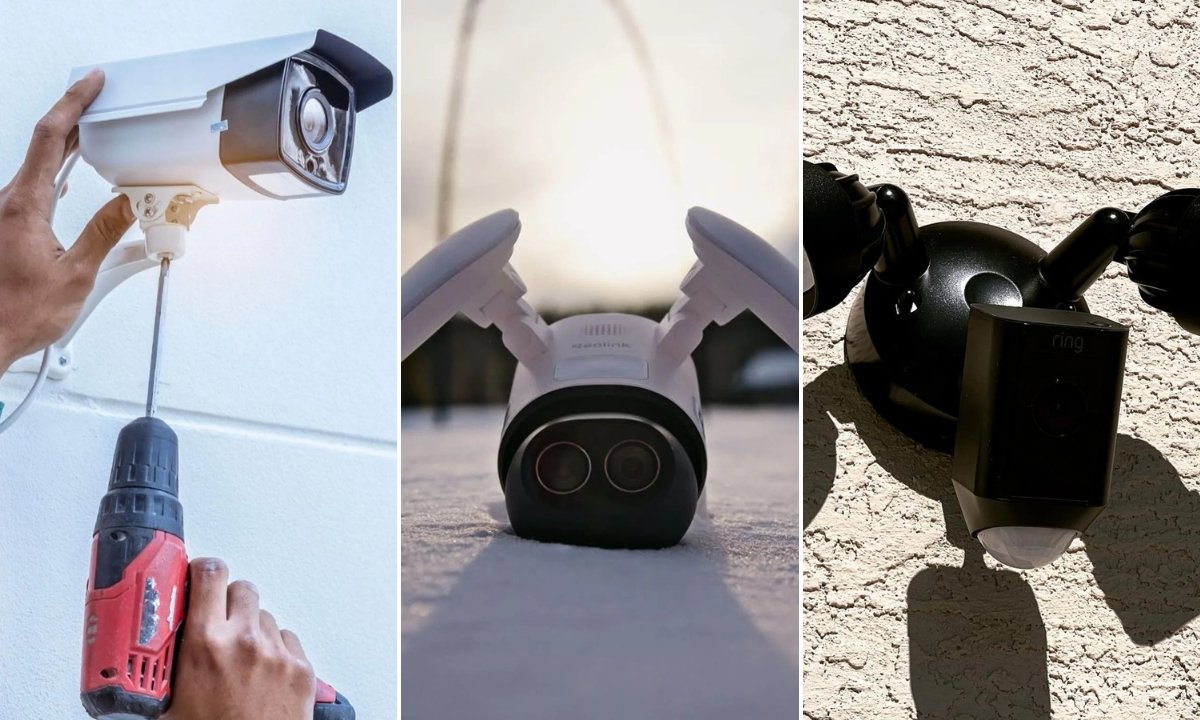
Last year, a mom in my neighborhood installed a security camera after a package disappeared from her porch. She felt better until she checked the footage.
The camera showed a blurry hoodie no face, no clear angle, nothing useful. She had protection, but not the right setup.
That’s the real problem. Most people don’t need more cameras. They need smarter placement.
If you live in a small home or apartment, every camera has to work harder. One wrong angle can leave a blind spot. One bad height can ruin the footage.
This article brings together 13 Security Camera ideas that highlight how technology continues to simplify life in 2026.
Let’s jump in!
Which Security Camera Ideas Work Best for Small Homes or Apartments?
If you live in a small home or apartment, you don’t have space to waste and you don’t have cameras to waste either. You can’t just mount one anywhere and hope it works.
Every camera needs a purpose. Start with your main entry door. That’s where most activity happens.
If you add a second camera, cover your driveway, hallway, or the path someone must walk through to reach you. Focus on choke points, not random corners.
In small spaces, smart angles matter more than extra devices. Place cameras where they capture faces first.
Avoid blind spots. If one camera can cover two areas, you win. Simple setup. Maximum coverage.
Save this article for later! 👇👇
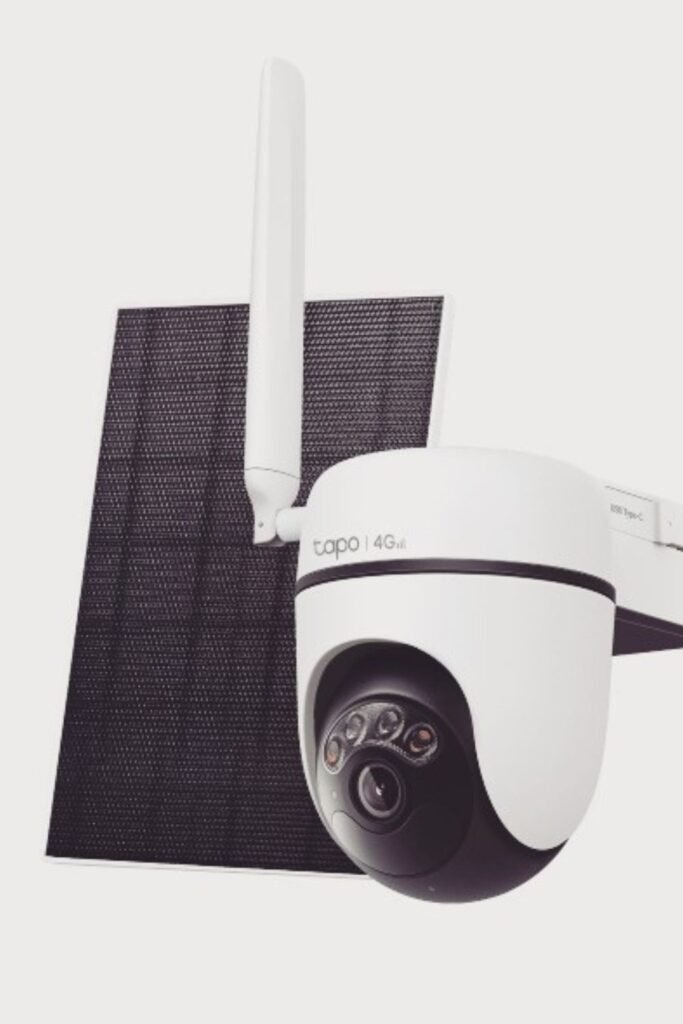
Solar Surveillance
Power outlets shouldn’t decide where you feel safe. A solar-powered PTZ camera like this one gives you freedom to mount it where coverage actually matters not where a plug exists.
Perfect for side yards, back fences, detached garages, or apartment balconies where wiring isn’t practical.
The built-in solar panel keeps the battery charged, so you don’t climb ladders every few weeks. Add the 4G connectivity.
And you’re not even tied to Wi-Fi, which makes it ideal for rental properties, rural homes, or spots with weak signals. Mount it high enough to prevent tampering.
Angle it toward the main approach path, and use motion tracking to follow movement across the yard. One well-placed unit can cover a wide area, reducing the need for multiple fixed cameras.
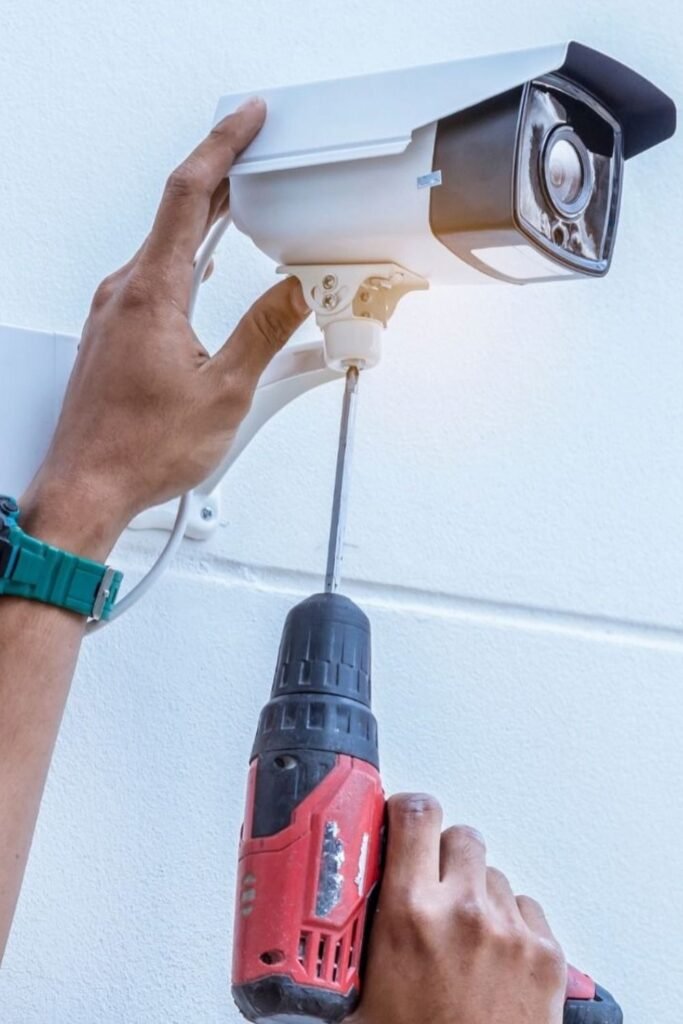
Wall Mount
Drilling once in the right place saves you from regret later. A wired bullet camera like this works best above entry doors, garage openings, or along side walls where people naturally pass.
The fixed lens gives a clear, steady view, which makes it great for capturing faces instead of random movement.
Mount it around 8–10 feet high so no one can easily reach it, then tilt it slightly downward to avoid sky glare.
Keep the cable tucked neatly along the wall or inside conduit so it doesn’t look messy or invite tampering.
Placement matters more than the camera itself. Aim toward the path someone must walk through, not just the yard. If every visitor has to pass under it, you’ll always get usable footage.
Dual Panels
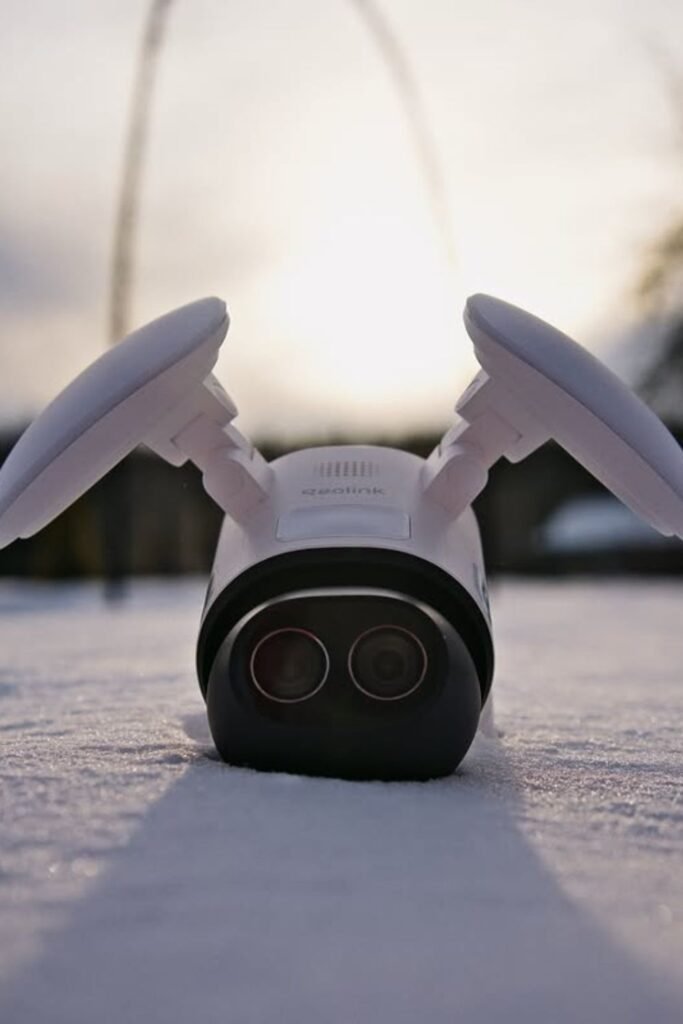
Sunlight should work for you, not against you. A camera with dual solar panels like this keeps charging from different angles, which means fewer dead batteries and less maintenance.
Perfect for open yards, driveways, rooftops, or fence lines where the sun moves throughout the day.
Wide outdoor spaces demand consistent power. One panel can struggle if part of the area stays shaded. Two adjustable panels solve that by catching light from both sides.
Angle them toward the strongest sunlight in your area, then mount the camera high enough to watch entry paths, gates, or parking spots.
Set it once, position it smartly, and let the panels handle the rest. Continuous power equals continuous protection especially in larger outdoor areas.
Floodlight Guard
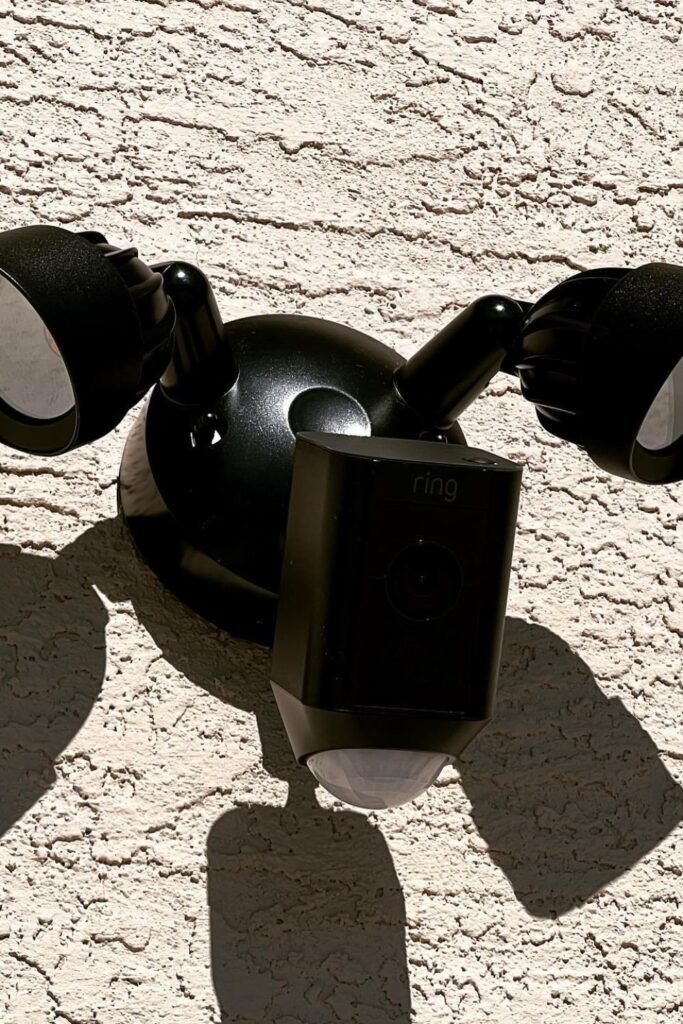
Dark corners invite problems. A floodlight camera like this shuts that down fast. Bright motion lights plus a built-in camera create instant attention.
Which makes it perfect for driveways, garages, back patios, or side yards where someone could hide. Light changes behavior. The moment motion triggers those beams.
Most people rethink their plan. Position it above the area you want to protect, around 9 feet high, and angle the lights to cover wide ground while keeping the lens focused on entry paths.
Pair it with motion alerts on your phone so you know the second someone steps into that space.
Night footage becomes clear instead of grainy, and you get both visibility and deterrence in one setup. One smart install here can replace two separate devices.
Spotlight Lens
Night doesn’t have to mean blurry footage. A spotlight security camera like this uses built-in LED lights around the lens to capture color video even in low light.
Instead of relying only on infrared, it lights up the scene the moment motion starts. Front porches, small backyards, or apartment entrances benefit most from this setup.
Mount it where visitors naturally walk so the light hits their face, not their back. Keep it high enough to avoid glare but angled slightly downward to prevent washing out the image.
Extra brightness also acts as a warning. Sudden light makes people pause, which gives the camera time to record clear footage.
Combine motion alerts with the spotlight feature and you’ll know exactly what’s happening outside even after sunset.
Indoor Watch
Peace of mind inside your home matters just as much as outside. A compact indoor camera like this fits perfectly on shelves, nightstands, or kitchen counters without drawing attention.
Ideal for watching the front door from inside, keeping an eye on kids after school, or checking in while you’re at work.
Small spaces don’t need bulky equipment. Place it in a corner that covers the main entry point or hallway.
Elevate it slightly so it captures faces, not just the top of someone’s head. Keep it near a power outlet to avoid battery concerns.
Live view on your phone lets you check instantly, whether it’s a delivery, a babysitter arrival, or your child getting home safely. Simple placement, clear coverage, zero clutter.
Corner View
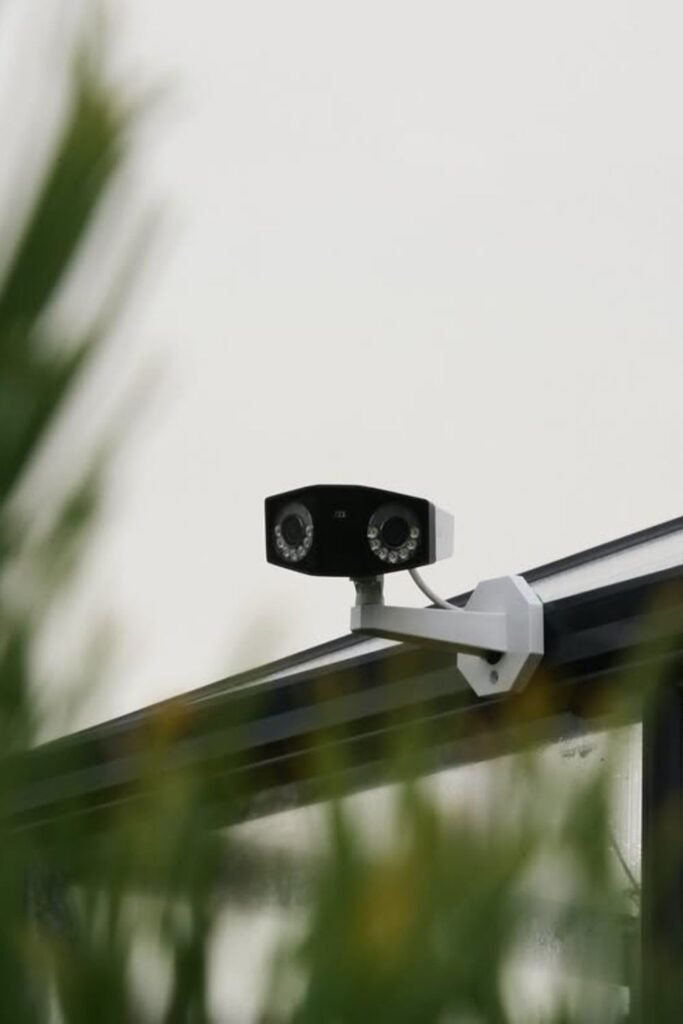
High corners see what ground-level cameras miss. A dual-lens outdoor camera mounted along the roofline gives you a wider field of view without installing two separate units.
Great for backyards, patios, or long driveways where one straight angle isn’t enough. Height works in your favor here.
Mount it under the eaves so it stays protected from rain, then tilt it downward to capture both the yard and the entry door below.
Dual lenses help reduce blind spots, especially in open spaces where movement can come from either side.
One elevated placement can monitor fences, gates, and sliding doors at the same time, which makes it ideal for small homes that need maximum coverage from minimal hardware.
Pole Mount
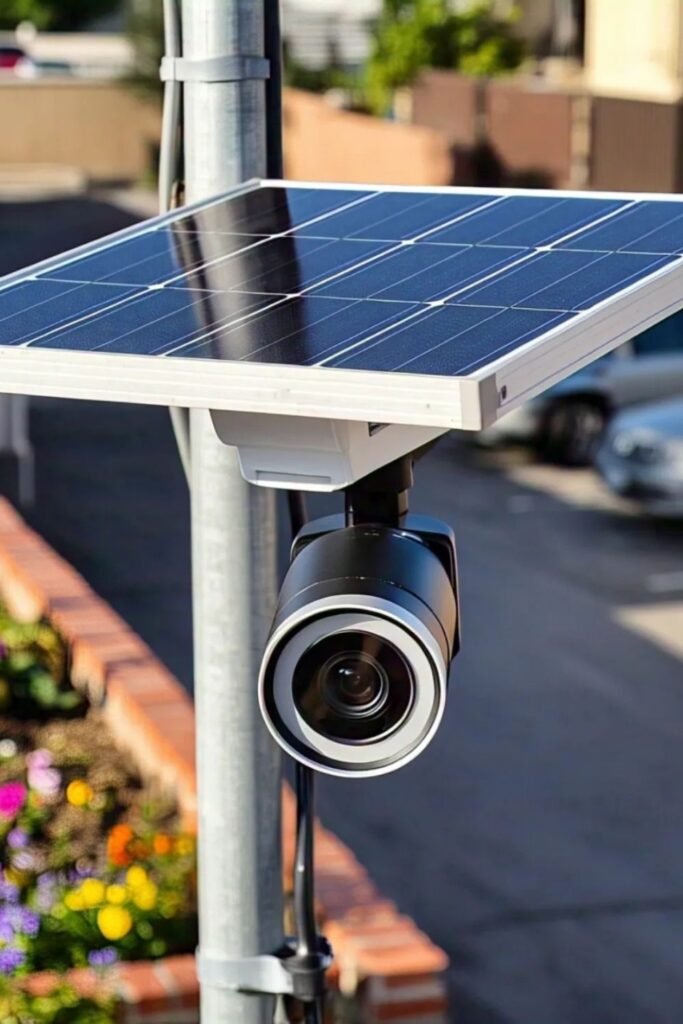
Street view without tearing up walls feels like a win. A pole-mounted solar camera like this works beautifully for driveways, parking spots.
Shared entrances, or front garden areas where mounting on the house isn’t ideal. Utility poles, metal posts, or sturdy fence pipes become your anchor point.
Strap the bracket tightly, angle the solar panel toward full sunlight, and tilt the lens slightly downward to capture faces and license plates as they approach.
Height gives you protection from tampering while widening your coverage. Apartments with front parking or homes with long driveways benefit most from this setup.
No exterior drilling, no messy wiring running across walls. Sunlight powers the system, and the elevated angle lets one camera monitor vehicles, sidewalk traffic, and your gate all at once.
Porch Clip
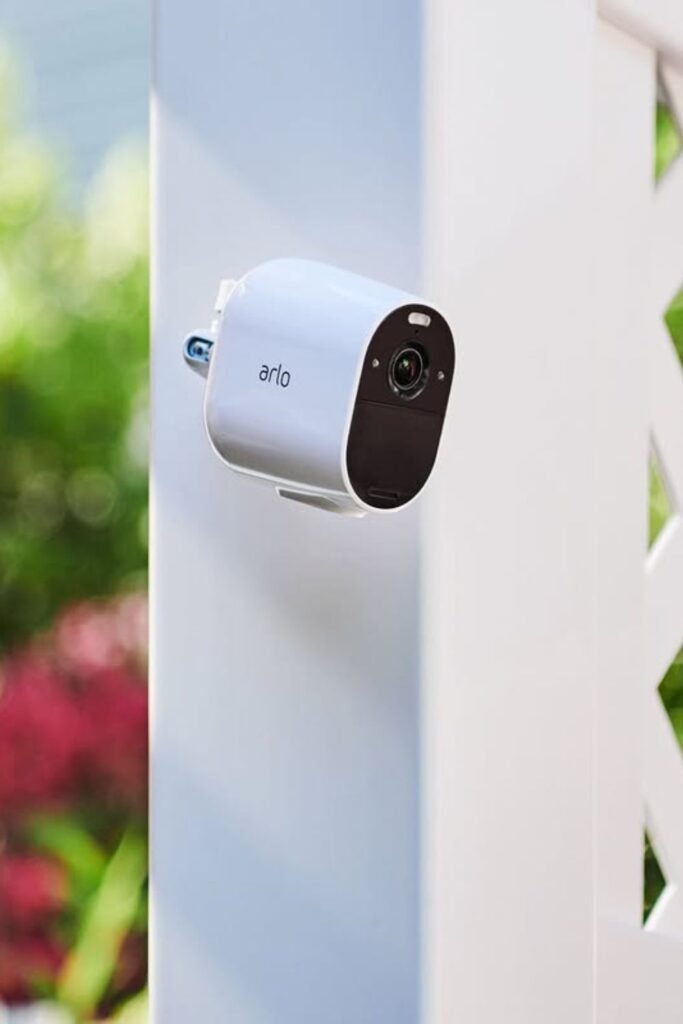
Front porch columns hide cameras better than you think. A compact wireless camera like this blends into trim or railing posts while still capturing everyone who steps up to your door.
Slim design works perfectly for apartments, townhouses, or small homes where bulky hardware looks out of place.
Mount it at eye level or slightly above, angled toward the walkway instead of straight out at the street. That way you capture faces clearly before someone reaches the door.
Battery-powered models make installation simple. No drilling through brick, no visible wires running down the wall.
Attach the mount securely to wood or vinyl trim, lock the camera in place, and test the angle from your phone.
Desk Cam
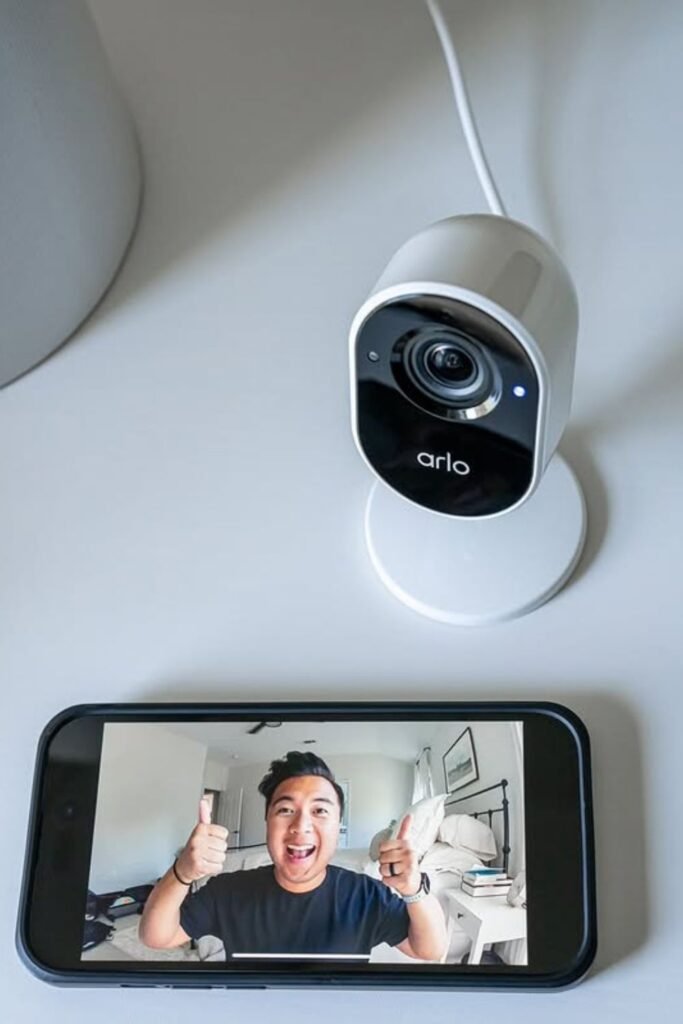
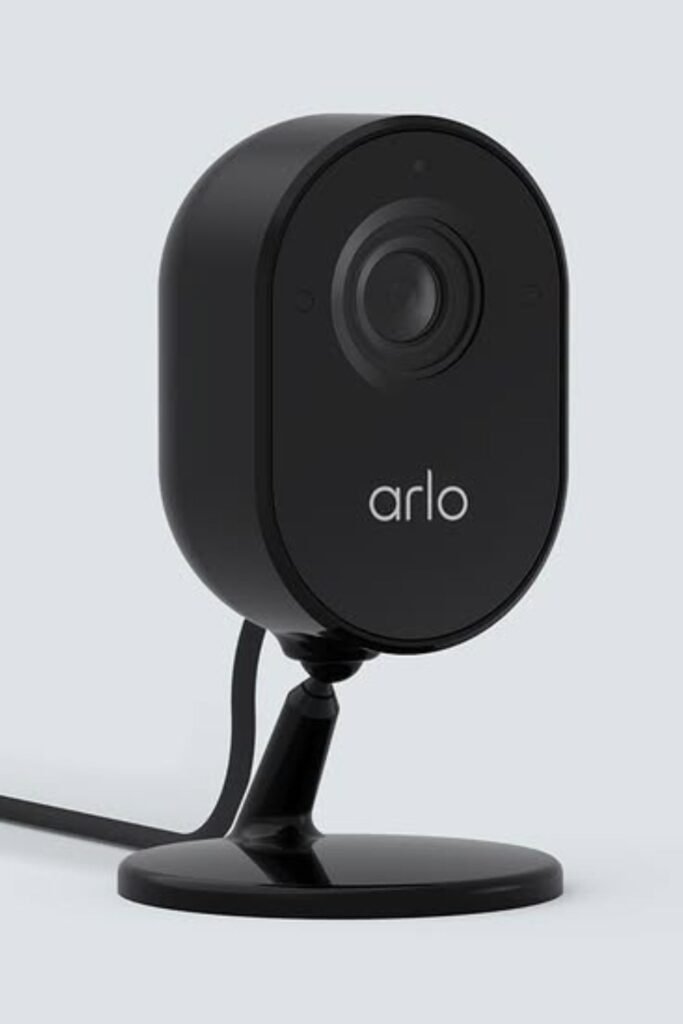
Sometimes the safest angle sits right on a shelf. A small wired indoor camera like this works perfectly for monitoring hallways, living rooms, or the space facing your front door from inside.
Compact design keeps things simple. Set it on a console table, bookshelf, or kitchen counter and adjust the tilt so it captures faces as soon as someone walks in.
Keep it slightly above waist height to avoid awkward upward shots. Wired power means no battery worries, which makes it great for constant monitoring in apartments.
Pair it with motion notifications and two-way audio if you want to speak to kids, check on pets, or respond to unexpected visitors.
Small homes don’t need complex systems. One well-positioned indoor camera can cover the main entry area and give you instant access through your phone anytime you need it.
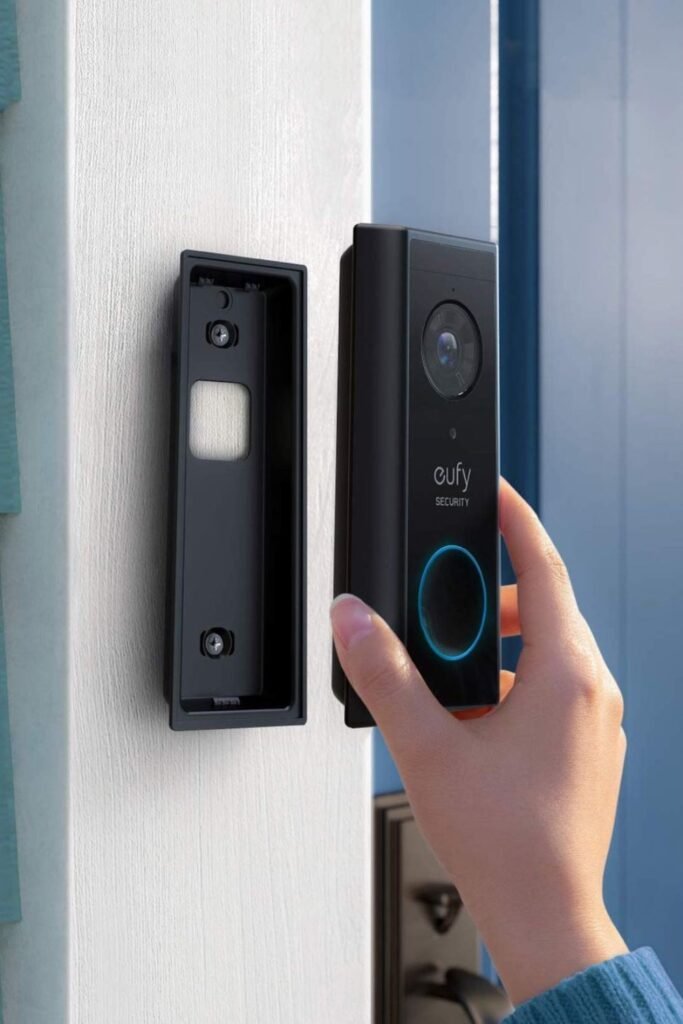
Smart Doorbell
Front doors deserve special attention. A video doorbell like this replaces your traditional bell and turns every knock into a live alert on your phone.
Perfect for apartments, townhouses, or small homes where most activity happens at one entrance.
Correct height changes everything. Install it around 48 inches from the ground so it captures faces and packages clearly.
Angle it slightly toward the walkway instead of straight out to the street. That way you see who approaches before they even press the button.
Battery-powered models make setup easier if wiring feels complicated. Secure the mounting bracket tightly, snap the device into place, and test the view through the app before locking it in.
Solar Bullet
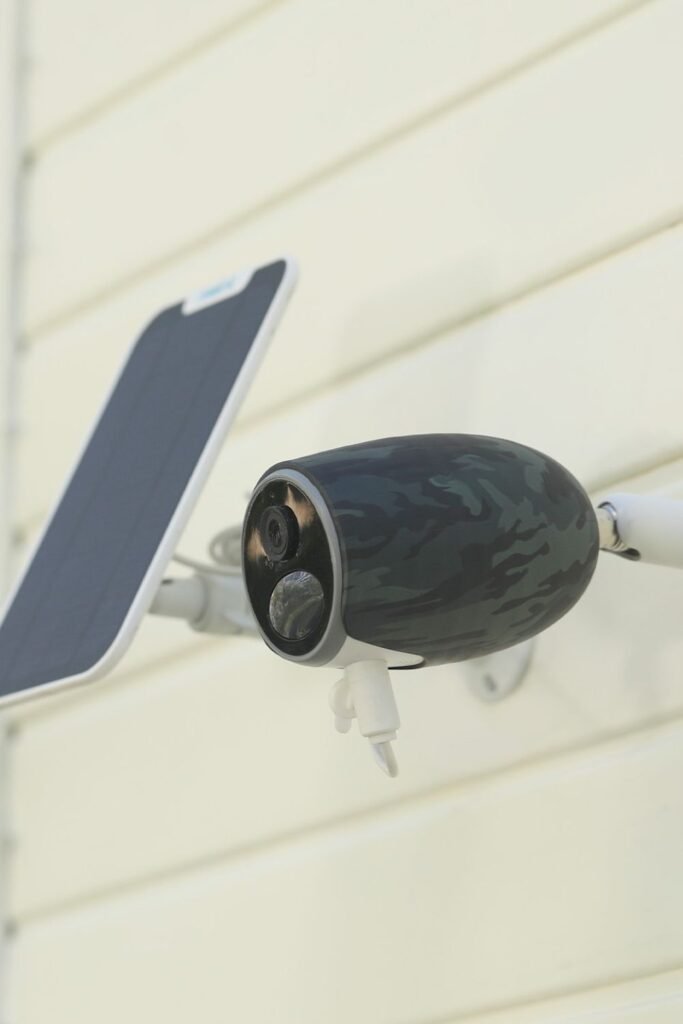
Sun-powered security keeps things simple. A compact bullet camera paired with a small solar panel works great for side yards, garden gates, or fences.
Where running wires would be a headache. Separate solar panel gives you flexibility. Mount the camera under the eaves for protection, then position the panel.
Where it gets the most direct sunlight. Even if the camera sits in shade, the panel can still charge it from a brighter angle nearby.
Bullet-style lenses focus on one direction, which makes them perfect for narrow walkways or drive paths. Aim it toward the route someone must take to reach your door, not just open space.
Clean wiring and tight mounting make it look intentional, not temporary. One well-placed solar bullet camera can quietly guard an entire side of your home without constant battery swaps.
PTZ Guard
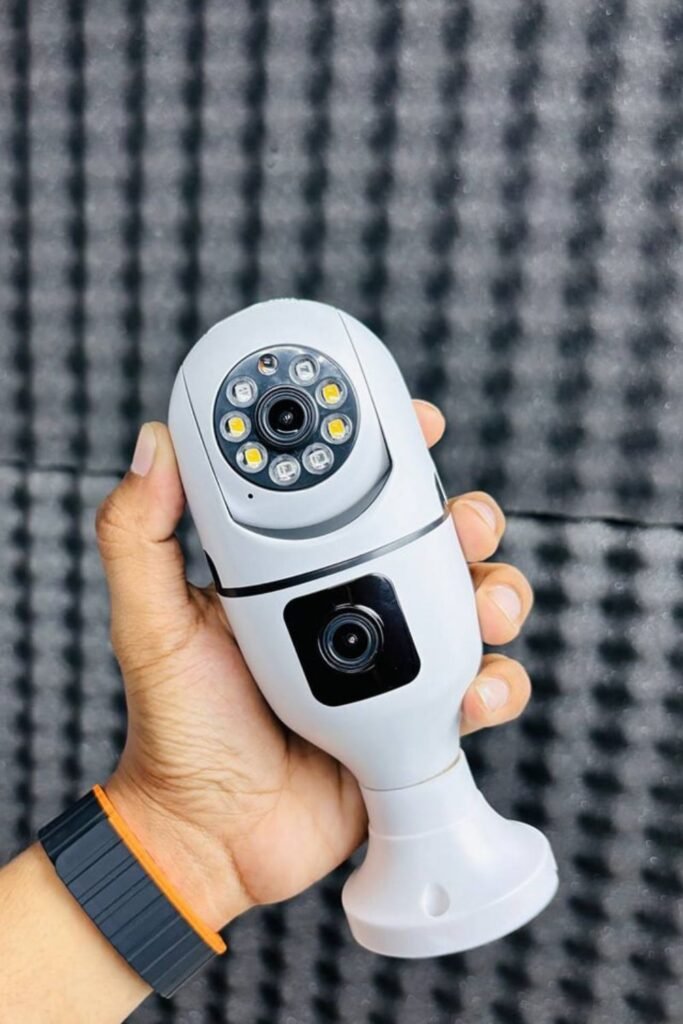
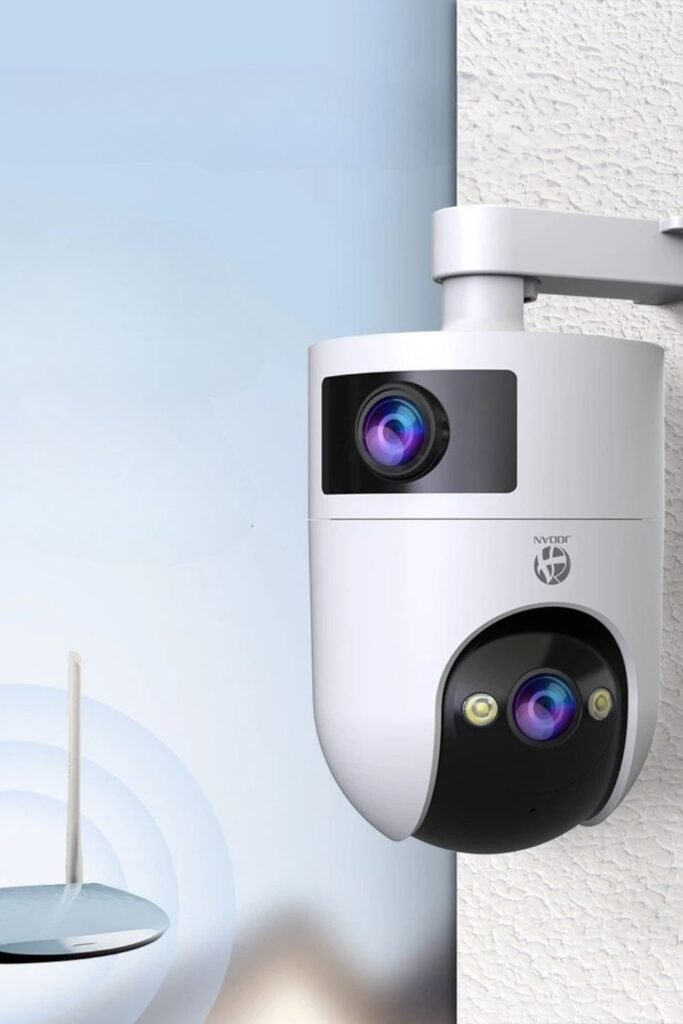
Wide yards demand movement, not a fixed stare. A dual-lens PTZ camera like this rotates and tilts to follow motion.
Which makes it perfect for large backyards, open driveways, or corner homes where activity can come from different angles.
Upper lens handles wide monitoring while the lower lens tracks movement. That combination reduces blind spots without installing multiple cameras.
Mount it high on an exterior wall so it can scan across fences, gates, and entry points. Strong Wi-Fi matters here. Place your router close enough or use a range extender so live tracking doesn’t lag.
Set motion alerts and auto-tracking inside the app, then test the rotation range before finalizing the angle. One PTZ unit can replace two or three fixed cameras when installed strategically.
FAQs
How many security cameras do I really need for a small home or apartment?
Start with one at your main entry door. That alone covers most daily activity. Add a second camera if you have a driveway, back door, or long hallway that acts like a choke point. ,
Small spaces don’t need four or five cameras. Smart placement beats quantity every time. If every visitor has to pass in front of at least one lens, you’re covered.
What’s the biggest mistake people make with security camera placement?
Mounting it too high or pointing it at empty space. If the camera only captures the top of someone’s head or a wide yard with no clear face, the footage won’t help.
Always angle toward the path someone must walk through. Faces first. Details second. That simple shift changes everything.

Hi, I’m Afaf! I’m a law student who loves all things home, style, and gardening. I’ve been writing for over a year about topics like home decor, DIY projects, plants, fashion, and beauty.
I like sharing ideas that are easy to try and don’t cost a fortune. Whether it’s organizing a messy closet, decorating on a budget, or keeping houseplants alive, I write about what I’ve actually tried myself.
When I’m not studying, I’m usually on Pinterest looking for my next project or adding another plant to my collection!