
16 Money Plant Ideas For 2026

You buy a money plant thinking it will make your home feel fresh and calm. Instead, a few weeks later, the vines spread everywhere.
The corner looks crowded, and the space feels messy instead of styled. If this sounds familiar.
You’re not doing anything wrong most people place money plants without a plan.The good news is, you don’t need fancy pots or a big house to fix it.
In this article, you’ll see 16 Money Plant Ideasthat make compact spaces feel intentional in 2026.
How Can You Style a Money Plant Without Making the Space Look Messy?
A money plant looks messy when you place it without control. If the vines grow in all directions, the space starts feeling chaotic.
To fix this, decide the direction first. Let the plant grow up, down, or along one side never everywhere. Use one clear spot instead of moving it around.
When you give the plant structure, the room instantly looks cleaner. Also, avoid placing it on already crowded surfaces.
If the area feels full, the plant will add clutter, not beauty. Control the growth, and the mess disappears.
Save this article for later! 👇👇

Corner Balance
Empty corners often feel awkward, but a raised money plant fixes that without eating space. Lifting the plant off the floor.
Keeps the leaves at eye level and stops them from spreading randomly. A sturdy stand works best near sofas or chairs where movement is minimal.
Let the plant grow upward instead of outward, and trim lower leaves if needed. This setup keeps the corner calm, green, and visually balanced instead of crowded.

Layered Growth
Round leaves stacked at different heights keep this money plant from looking flat or boring. Training one stem upward.
While letting smaller offshoots fill the base creates a full shape without chaos. This setup works best near doors or entry points.
Where you want a clean but welcoming green touch. Rotate the pot weekly so the plant grows evenly and doesn’t lean toward one side.

Vertical Flow
Gravity does half the work here. Hanging a money plant lets vines fall naturally, keeping growth controlled and off surfaces that already feel busy.
This works best near a bright window where light comes from one direction, encouraging long, healthy trails.
Trim the tips once they reach your preferred length so the plant stays elegant instead of wild. One hanging spot creates impact without adding clutter anywhere else.

Shaped Growth
Training a money plant into a defined form turns wild vines into intentional greenery. Guiding stems around a frame early.
Keeps growth dense and controlled instead of loose. This approach suits balconies or bright indoor corners.
Where the plant gets steady light from one side. Regular pinching encourages fuller leaves and helps the plant hold its shape without constant trimming.

Braided Trunk
Twisted stems instantly give structure, so the plant looks styled even without extra décor. Keeping the base exposed.
With pebbles helps control moisture and prevents soggy soil. This setup works well near windows where light stays soft and consistent.
Slow growth is the goal here, so avoid heavy feeding. With minimal trimming, the plant holds its form and stays neat instead of turning bushy.

Upright Training
Height solves clutter faster than spreading ever will. Training a money plant up a moss pole keeps leaves stacked neatly.
Instead of crawling across the floor. Corners near windows work best because light hits the plant evenly from the side.
Tie new growth loosely as it climbs, and trim side shoots that stick out. The plant grows tall, clean, and intentional without taking extra space.

Floor Anchor
Tall money plants work best when they act like furniture, not decoration. Keeping one strong plant on the floor grounds the space.
And removes the need for multiple small pots. A clean, neutral planter helps the leaves stand out without visual noise.
Place it where natural light stays consistent, and prune the top lightly so growth stays upward, not wide. One solid plant can define the whole room.
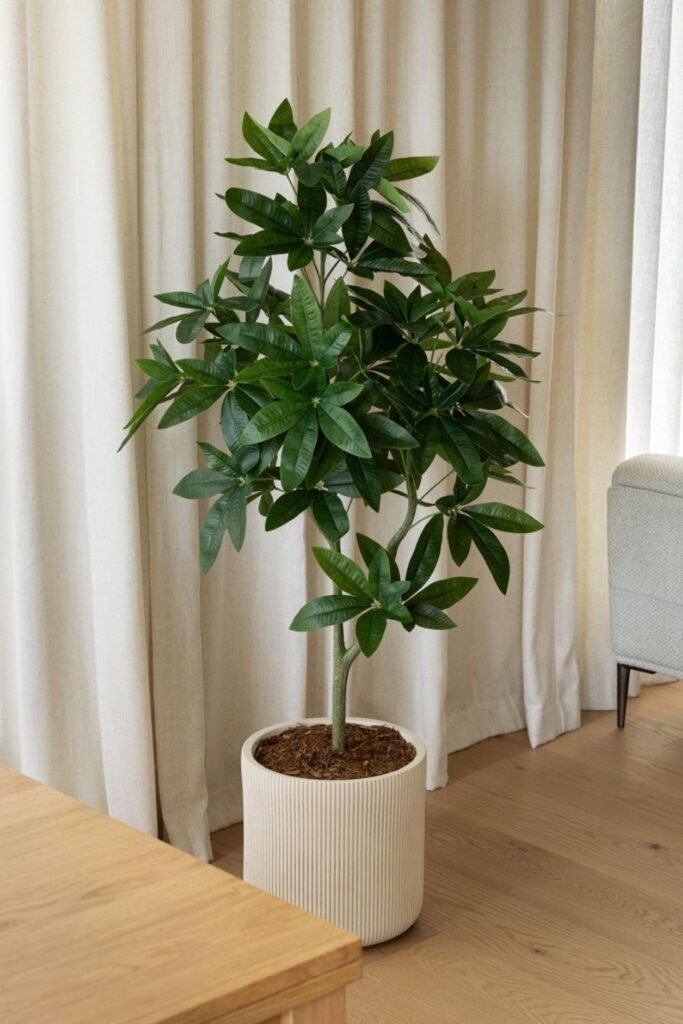
Corner Focus
Tall money plants work best when they replace clutter, not add to it. Using one strong plant in a corner near the TV or furniture.
Keeps attention upward instead of spreading across the room. A raised planter improves air flow and prevents damp floors.
Prune the top lightly so the canopy stays compact. This setup turns an unused corner into a calm focal point without crowding the space.

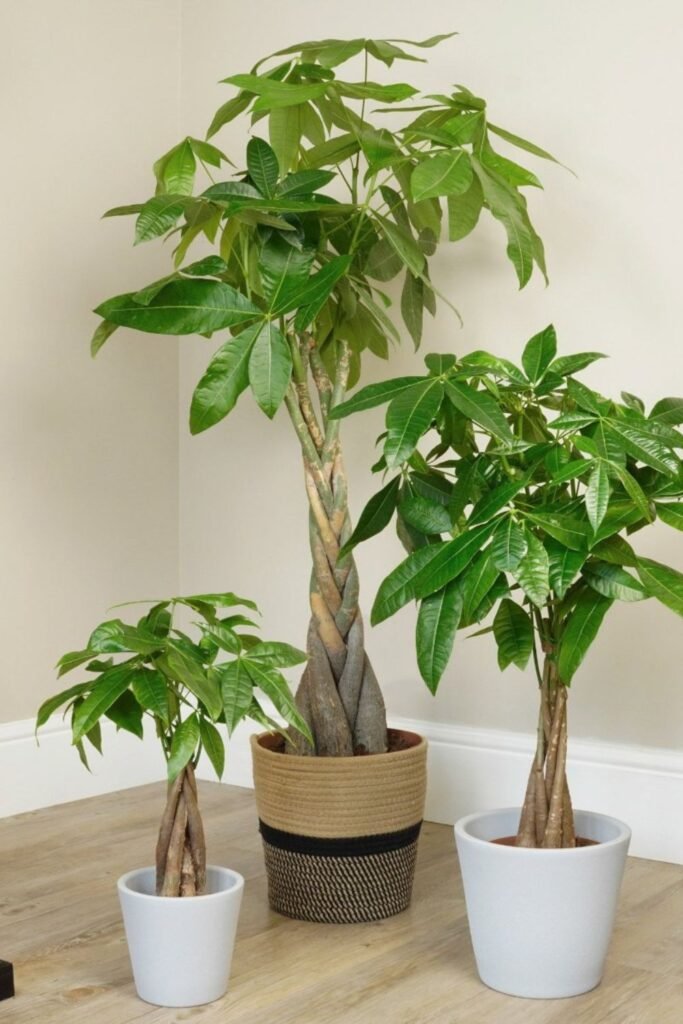
Size Grouping
Different heights working together feel calmer than one oversized plant fighting the room. Grouping money plants in small, medium.
And tall sizes keeps growth balanced and visually controlled. This works well in open corners where light stays even all day.
Keep spacing between pots so leaves don’t overlap. Each plant grows freely, yet the overall setup looks planned instead of crowded.
Green Column
Dense foliage wrapped tightly around a support turns a money plant into a living column. Training vines upward.
Instead of letting them trail keeps walkways clear and growth compact. This setup fits offices, entry halls, or narrow spaces where width is limited.
Guide new stems back into the pole regularly, and trim any runners that escape. The plant grows tall, full, and controlled without spreading chaos.

Table Cluster
Round-leaf money plants shine when grouped at table height instead of being scattered around the room.
Keeping them together creates one clear green zone rather than visual noise. A small table near filtered light works best so leaves stay compact and upright.
Mix simple pots but keep heights slightly different. The grouping feels styled, yet maintenance stays easy because everything gets watered and rotated at once.

Quiet Statement
Clean lines matter more than extra leaves here. Keeping the money plant trimmed into a single canopy makes it feel calm, not bulky.
A matte planter helps the greenery stand out without competing for attention. Corners near windows work best.
So light hits evenly from one side. Regularly remove low or crossing branches to keep the shape sharp and the space feeling intentional.

Guided Climb
Control starts at the center. Letting the money plant wrap around a moss pole keeps growth tight and vertical.
Instead of spilling outward. This setup works well on side tables or corners where width is limited but height is free.
Gently tuck new vines back toward the pole every week. The plant grows fuller and taller without turning messy or hard to manage.

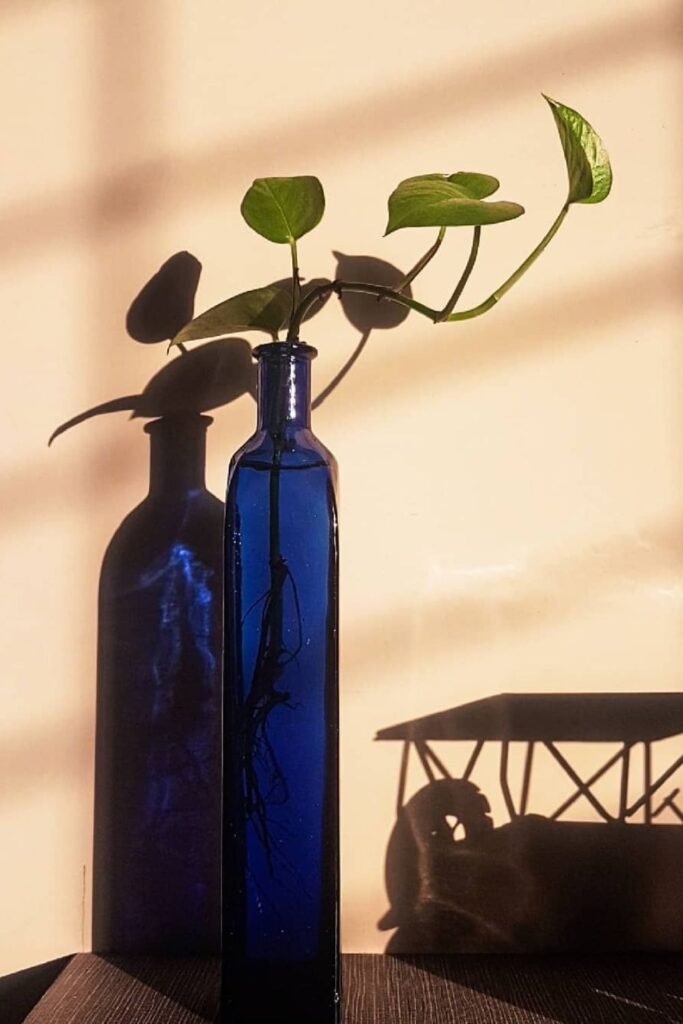
Bottle Roots
Water-grown money plants work best when simplicity leads the setup. A narrow glass bottle keeps the stem steady and roots visible.
Which helps prevent rot. Place it where soft light falls for a few hours a day, not harsh sun. Change the water once a week.
And trim extra roots if they crowd the bottle. Clean lines and slow growth keep this idea elegant, not messy.
Bonsai Balance
Shallow planting forces the money tree to grow slowly and stay compact. Exposed roots and stones help control moisture and prevent overwatering.
This setup suits calm indoor corners where light stays gentle and consistent. Prune new shoots early so the plant keeps its shape.
Instead of stretching upward. Patience matters here slow growth creates a cleaner, more intentional look that never feels overgrown.

Entry Control
Busy entryways need order, not spread. Training a money plant tightly around a support pole keeps leaves contained while still adding greenery.
This works well near doors or storage zones where movement is constant. Keep the pot slightly away from walls so air flows around it.
Trim loose runners early, and the plant stays tall, tidy, and practical instead of turning into a traffic obstacle.

FAQs
Why does my money plant look messy even when it’s healthy?
A money plant can be healthy and still look untidy if its growth isn’t guided. When vines spread in different directions or sit too low, the space feels cluttered.
Training the plant upward, limiting it to one clear spot, and regular trimming help keep it looking clean and intentional.
How often should I trim a money plant to keep it styled?
Light trimming every two to three weeks works best. Remove long runners and side shoots that break the shape.
Regular small trims are easier to manage and keep the plant looking styled, instead of waiting too long and having to cut back heavily.

Hi, I’m Afaf! I’m a law student who loves all things home, style, and gardening. I’ve been writing for over a year about topics like home decor, DIY projects, plants, fashion, and beauty.
I like sharing ideas that are easy to try and don’t cost a fortune. Whether it’s organizing a messy closet, decorating on a budget, or keeping houseplants alive, I write about what I’ve actually tried myself.
When I’m not studying, I’m usually on Pinterest looking for my next project or adding another plant to my collection!