26 Jaw Length Bob Haircut Ideas For 2026
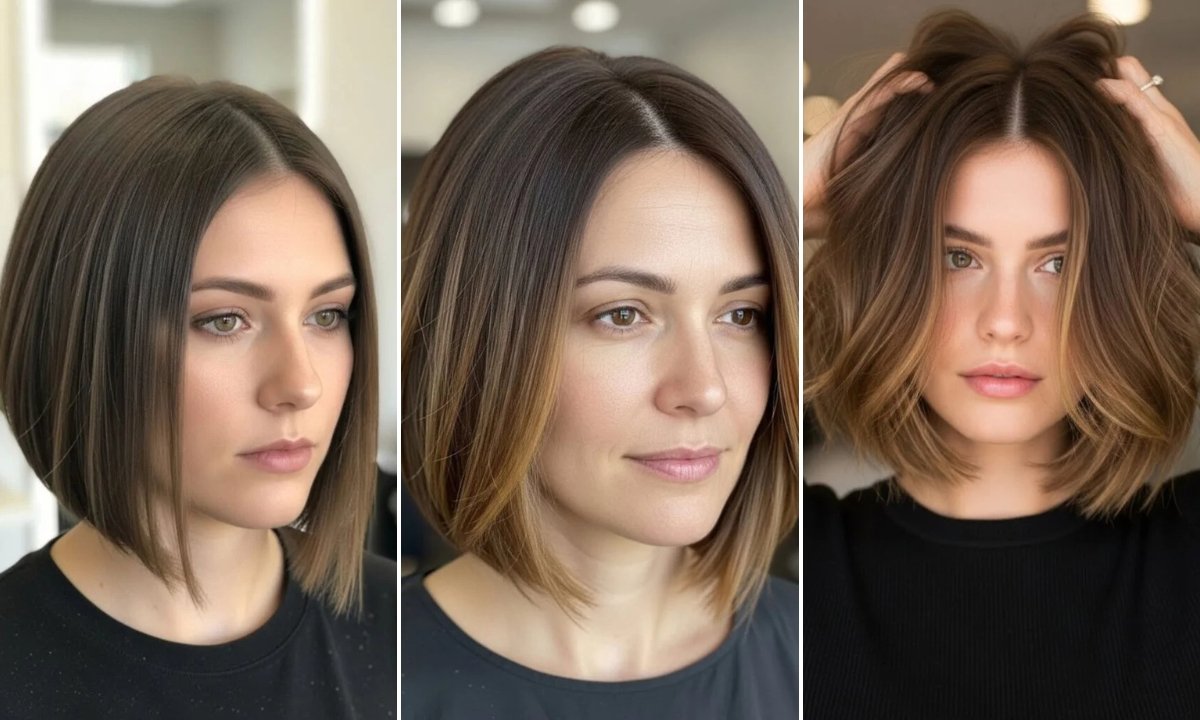
You’re likely torn between the allure of a jaw-length bob, as seen in countless photos, and the fear it might not translate well to your own hair.
Will it make fine hair appear even flatter. Will it widen your face. And why does this style seem to suit some people perfectly while looking out of place on others?
The reality is, this particular haircut can be a stunning success or a total disaster, hinging on a few subtle factors that are rarely discussed.
In this article, I’m showing 26 wearable Jaw Length Bob Haircut ideas every woman can try in 2026.
Is a jaw length bob good for thin hair?
Yes but only if it’s cut the right way. Thin hair usually looks fuller when it’s shorter, and a jaw-length bob can help because it removes dead weight from the ends.
The problem starts when the cut is too blunt or heavy. That makes thin hair sit flat against your head.
If you want this style to work, you need light movement and a clean shape, not thick layers.
Done right, it gives thin hair structure and makes it look like you actually have more hair than you do.
Save this article for later! 👇👇
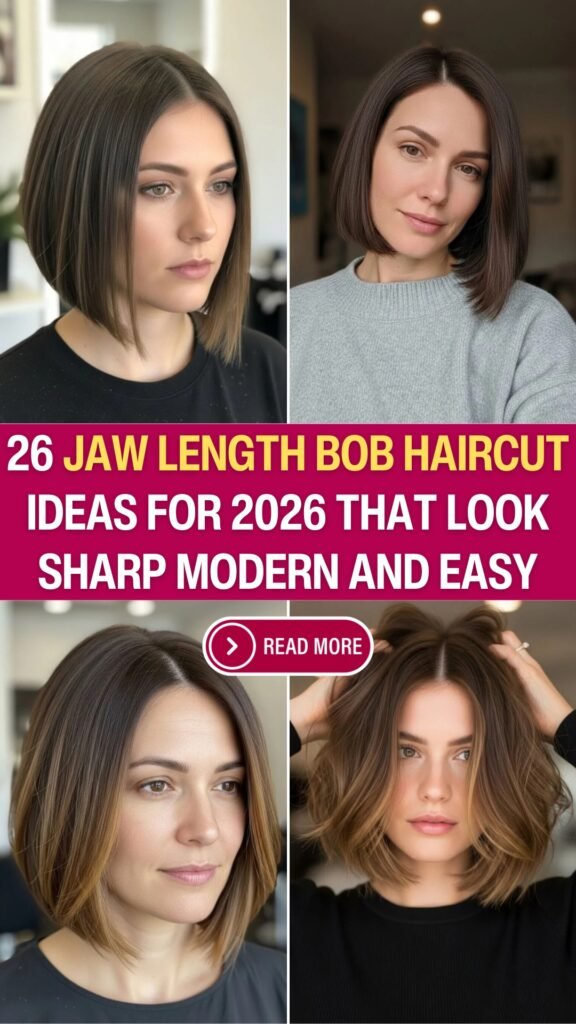
Can a jaw length bob make your face look slimmer?
It can, of course, have the opposite effect if you’re not paying attention. A cut that lands right at the widest point of your jawline can actually make your face appear wider.
To achieve a slimming effect, the length of the cut is key. Keeping the hair just below the jawline and steering clear of a harsh, straight line helps elongate the face create a more balanced appearance.
Soft movement, a side part, or some added texture can draw the eye away from width and direct it downward, which is the real trick to achieving that slimmer look.
Soft Texture
The movement around the jawline prevents the cut from appearing too harsh or weighed down. And a light texture at the ends allows fine hair to fall with a natural grace.
This avoids the awkwardness of hair sticking out at the sides. A center part is ideal in this case, as the front sections gently graze the jaw, softening the overall look.
To achieve this, steer clear of blunt lines and instead style with loose, uneven bends, rather than perfectly polished waves.

Soft Waves
Bounce changes how a jaw-length bob behaves. Gentle waves break up the line at the jaw, which stops the cut from looking boxy.
And adds width where thin hair usually falls flat. A side part shifts volume diagonally, helping the face look longer instead of wider.
Recreate it with a loose curling iron pass and finger-combing not brushing, so the shape stays relaxed.
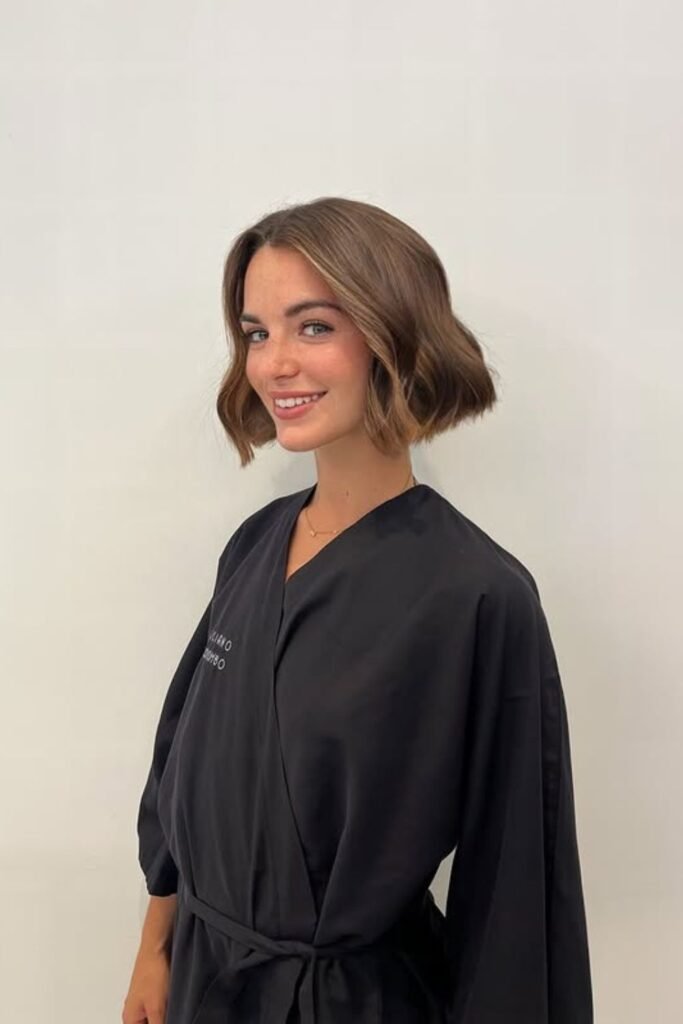
Clean Blunt
Sharp angles may give fine hair the definition it sometimes lacks. A crisp, chin-grazing line can make thin hair appear deliberate.
Think less wispy especially and if you are going for a center part to keep things even. Glasses are a good choice in this instance, as the frame’s shape complements the face without overwhelming it.
Maintain the exact perimeter and style the edges with a straight line and minimizing any curves to preserve the sharpness of the form.

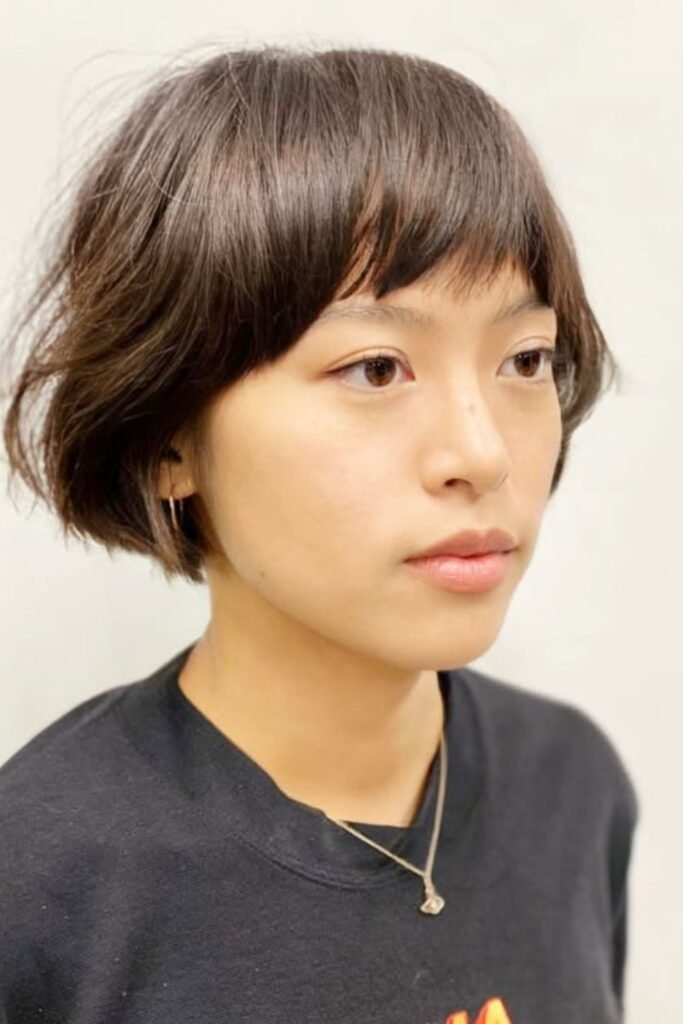
Textured Fringe
Short bangs change how a jaw-length bob reads on the face. A soft, broken fringe pulls attention upward, which helps balance a fuller jaw or rounder cheeks.
Texture through the sides keeps the cut light instead of helmet-like. To make this work, keep the bangs airy.
And slightly uneven, then style with a small amount of cream so the hair moves instead of sitting stiff.
Choppy Fringe
Texture transforms the entire vibe of a jaw-length bob. Those uneven ends and a short fringe prevent the cut from looking overly polished.
This is especially effective for thicker hair which benefits from some disruption. A subtle wave through the sides helps manage volume, keeping it from ballooning.
To achieve this look, request point cutting and styling with a matte cream ensuring the shape remains pliable not rigid.

Lived Texture
The uneven ends of this jaw-length bob add a certain lightness. Soft layers prevent the sides from flaring yet the length remains sharp at the jawline.
This subtle bend is particularly flattering on fine to medium hair and providing shape without adding weight.
To achieve this look, keep the layers minimal and style with a flat iron, using a twisting motion rather than curls. This technique creates a more natural, lived-in texture.
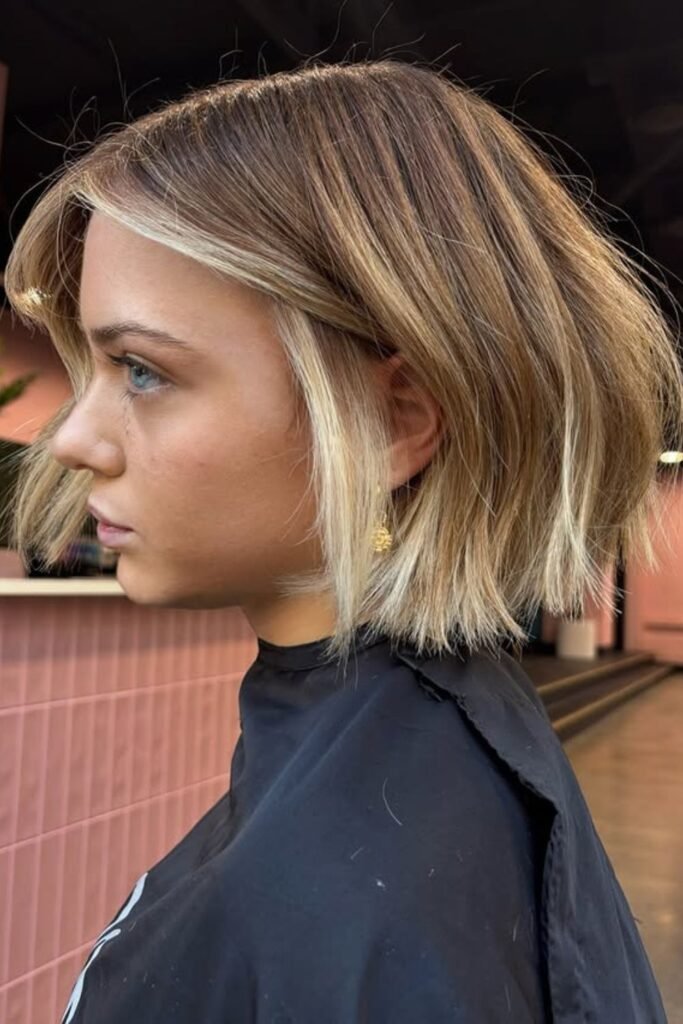
Face Framing
Longer pieces around the cheeks change how short hair sits on the face. That extra length pulls the eye downward.
Which helps soften a strong jaw or fuller cheeks without losing the sharp bob shape. A deep side part adds movement and stops the cut from feeling flat.
Recreate it but make the front a bit longer. And style it with a light cream so the parts stay and distinct not stiff.

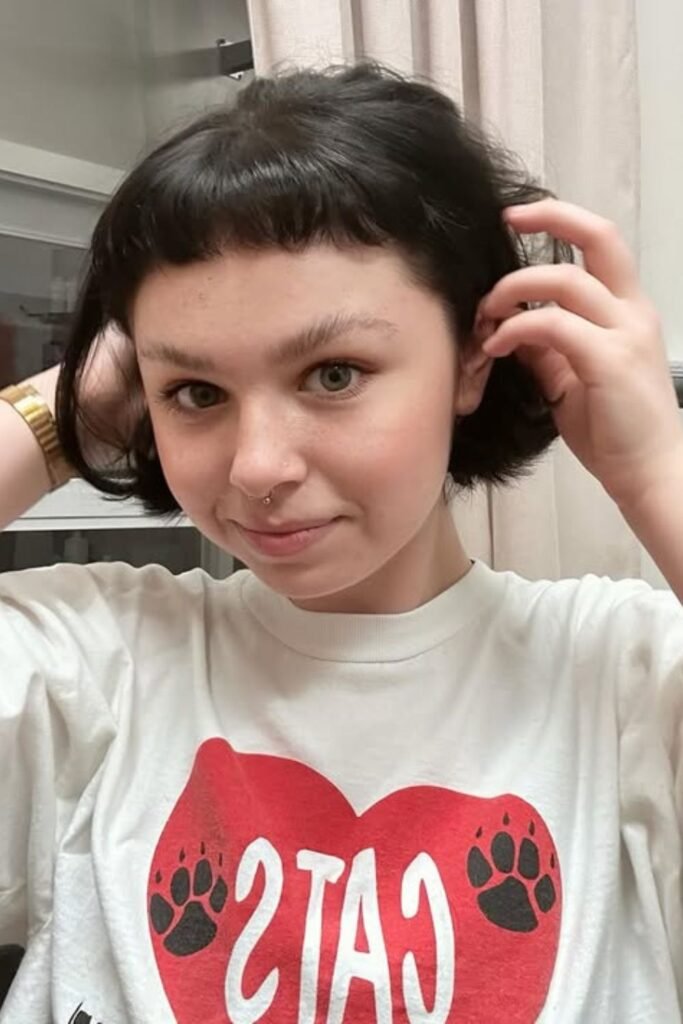
Micro Fringe
Short, cropped bangs immediately draw the eye, altering the entire perception of the bob. The jaw-length cut maintains a sense of playfulness.
The fringe, by breaking up the face vertically, prevents the look from becoming overly severe. Natural texture along the sides adds a relaxed quality.
To achieve this, keep the bangs soft and a little messy, allowing the rest of your hair to air dry. And touch of styling cream will add definition and the movement.
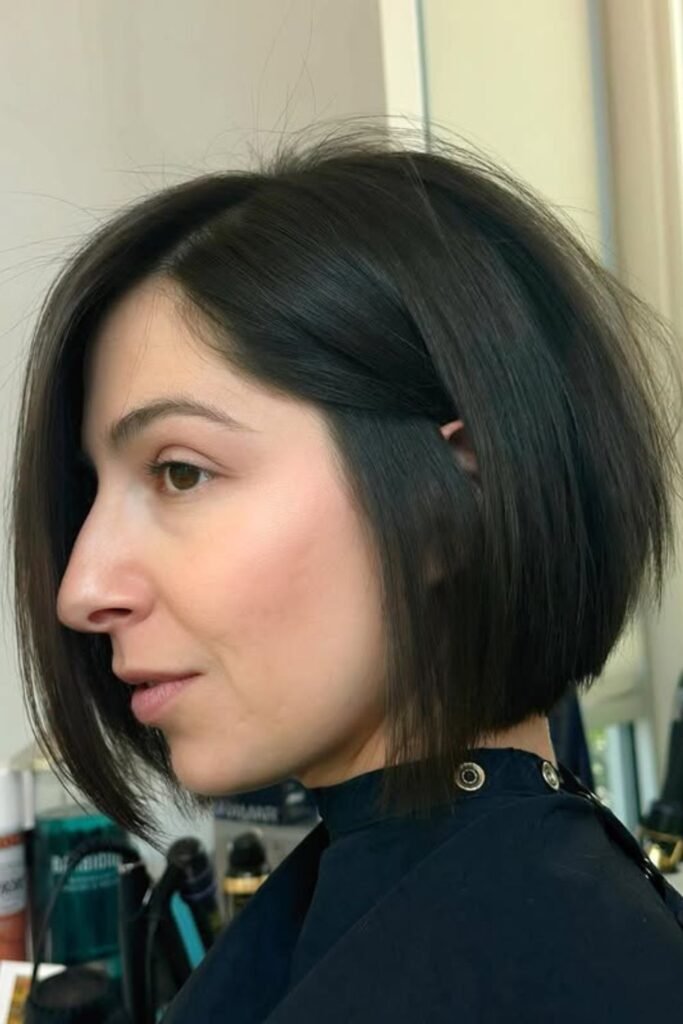
Sleek Angle
Clean lines fundamentally alter the way a jaw-length bob frames the face. A subtle forward angle maintains the cut’s precision, preventing the jawline from appearing overly pronounced.
Smooth styling is ideal, as it highlights the haircuts form and while keeping side volume in check.
To achieve this look, maintain a snug fit at the back and allow the front to be slightly longer, and blow-dry using a flat brush for a sleek, refined appearance.
Soft Layers
Volume placement is key. A bit of light layering at the crown gives the jaw-length cut a lift.
It won’t fall flat or cling to the sides of the face. And natural waves soften the look and preventing the bob from appearing too severe.
To achieve this, keep the layers airy, avoiding a stacked effect, and use a lightweight mousse to scrunch in texture without adding bulk.
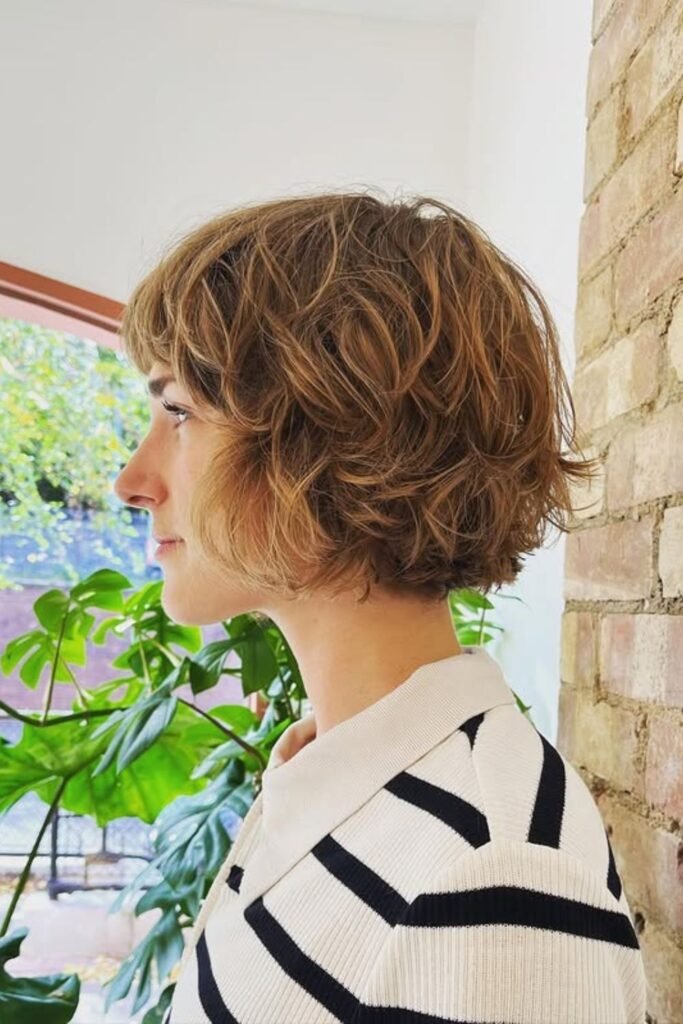
Wispy Bangs
Soft bangs subtly alter the way a jaw-length bob shapes the face, without making it appear shorter. The fringe draws attention to the front.
The sides remain light and a bit tousled and which helps to soften more angular features. Adding texture to the ends prevents the cut from appearing heavy or old-fashioned.
To achieve this look, keep the bangs thin and well-blended, then style with a small round brush or a light wave to create movement, rather than a tight curl.
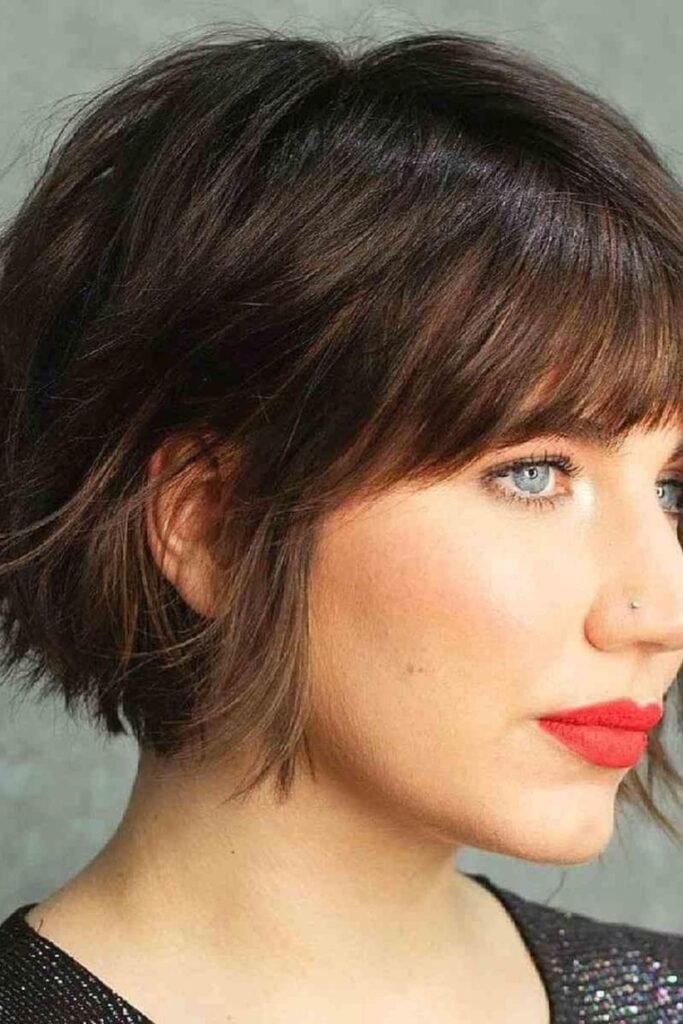
Baby Bangs
Short bangs completely change the balance of a jaw-length bob. Cropped fringe brings attention upward.
Which keeps the face from feeling bottom-heavy even with a blunt shape. The clean outline works best when the rest of the hair stays simple and smooth.
Recreate it by keeping the bangs airy, not thick, and styling the bob straight so the contrast feels intentional rather than heavy.

Curly Crop
Natural curls change the rules of a jaw-length bob. Volume spreads upward and outward, which keeps the jaw from looking too heavy.
And even at a shorter length. A short fringe works here because curls soften the line automatically.
Recreate it by shaping curls dry, not wet, and using a curl cream instead of gel so the texture stays round and touchable rather than tight.
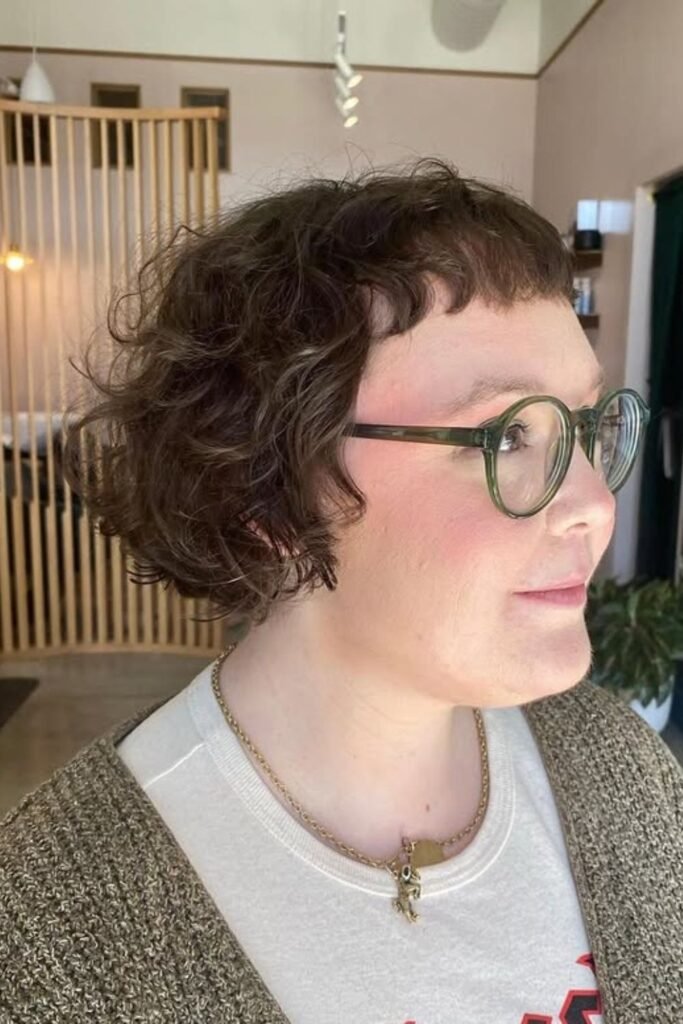
Shadow Roots
Depth at the scalp changes how short hair behaves. A darker root makes the bob feel fuller.
And keeps thin hair from looking see-through at jaw level. This works especially well for low-maintenance color lovers.
Ask for a soft root melt so regrowth blends naturally instead of creating harsh lines as the cut grows out.
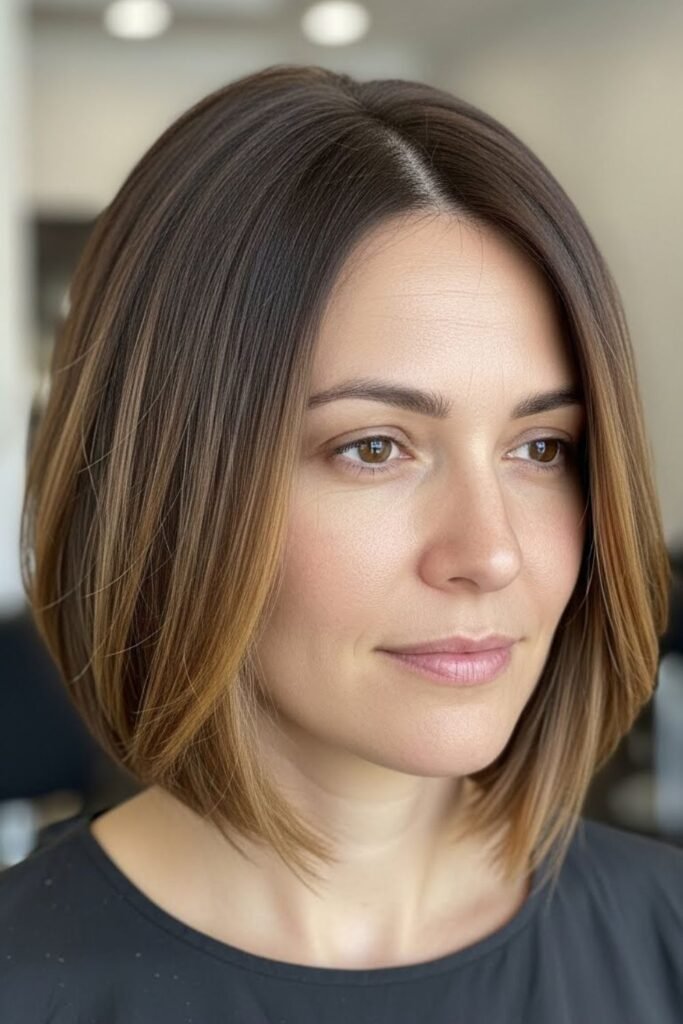
Ear Tuck
The effect of negative space can be as powerful as the length of the object itself. A single and well-placed tuck reveals the jawline and while the other side remains relaxed.
This technique instantly adds shape without sacrificing length. It’s ideal for those who find perfect symmetry a bit too harsh.
To style, simply smooth one side behind the ear and leaving the other side gently tousled.

Razor Finish
Scissors build form a razor, on the other hand, encourages movement. A razor-cut jawline sidesteps that rigid shelf-like appearance and making it ideal for hair.
This technique allows the hair to flip outward with ease. The ends become lighter and the hair moves more freely.
Keep styling to a minimum to preserve the inherent softness and excessive product will defeat the purpose of this particular finish.

Grown Roots
Contrast directs the gaze. The combination of visible root growth and a defined jawline prevents the haircut from appearing overly delicate.
This approach is most effective on straight or gently wavy hair and where the overall shape remains crisp.
Embrace the differences and rather than trying to smooth them all out. Celebrate the variations and instead of attempting to erase them.
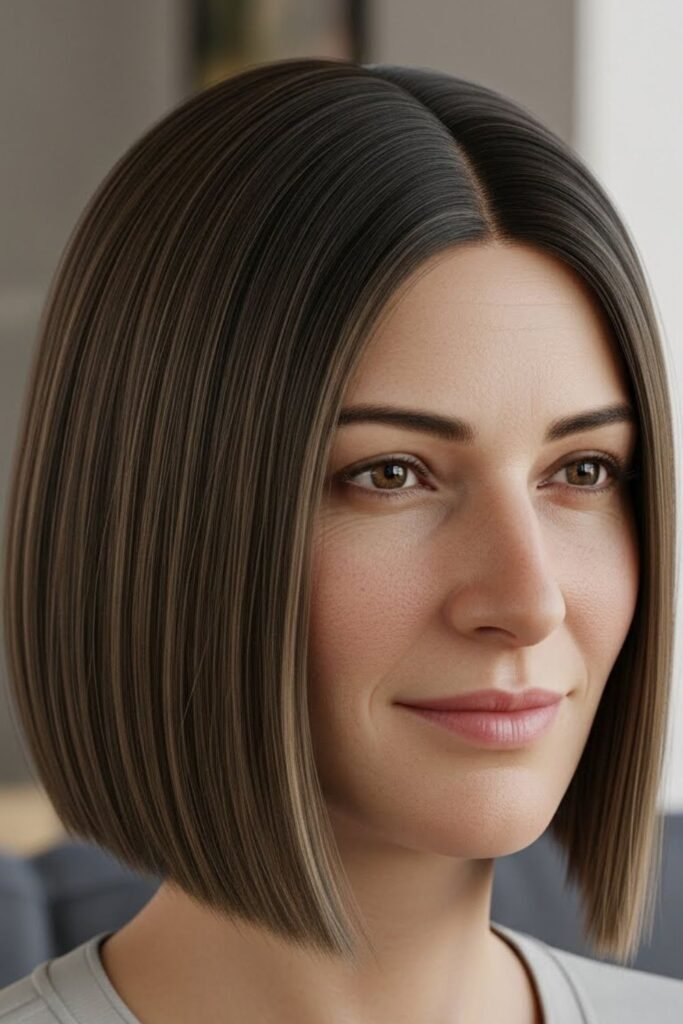
Subtle Asymmetry
Perfect symmetry isn’t always the most appealing. A slight asymmetry, a barely perceptible change in length from one side to the other and can actually enhance the jawline.
It introduces a certain intrigue without shouting “fashion statement.” This approach is particularly effective.
For those with round or fuller faces. The secret is in restraint no harsh lines and just a gentle alteration.
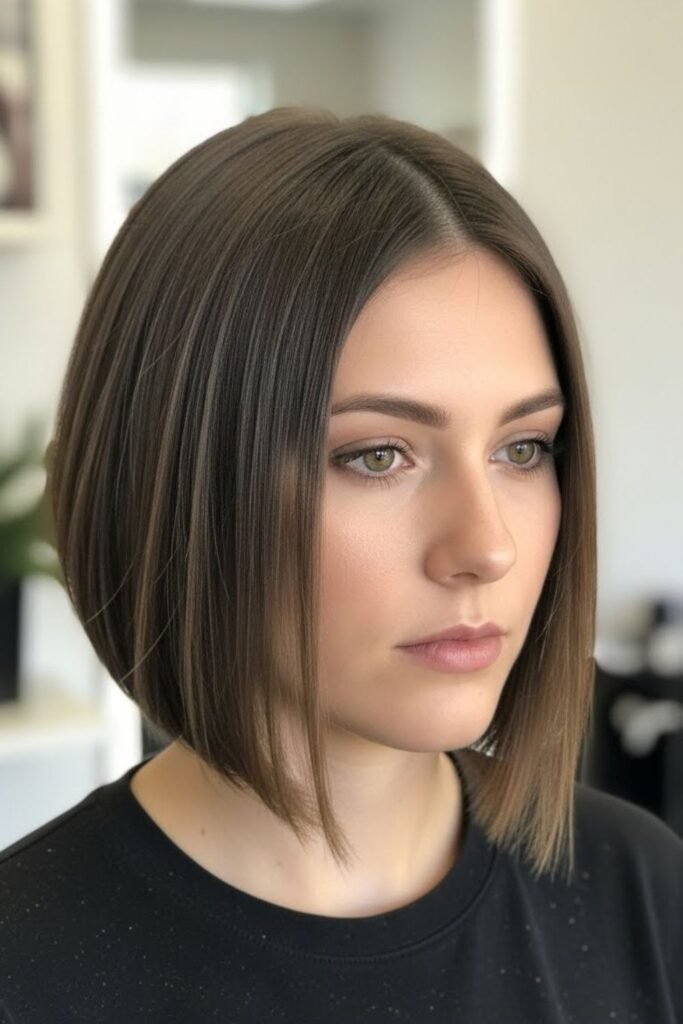
Glass Hair
Reflection gives the appearance of substance. A sleek, polished look, coupled with a defined jawline, may make fine hair seem purposeful and robust.
This method works best with straight cuts, steering clear of any layered styles. Always use heat protection, and finish with a lightweight shine serum avoid oils, as they can weigh the hair down.
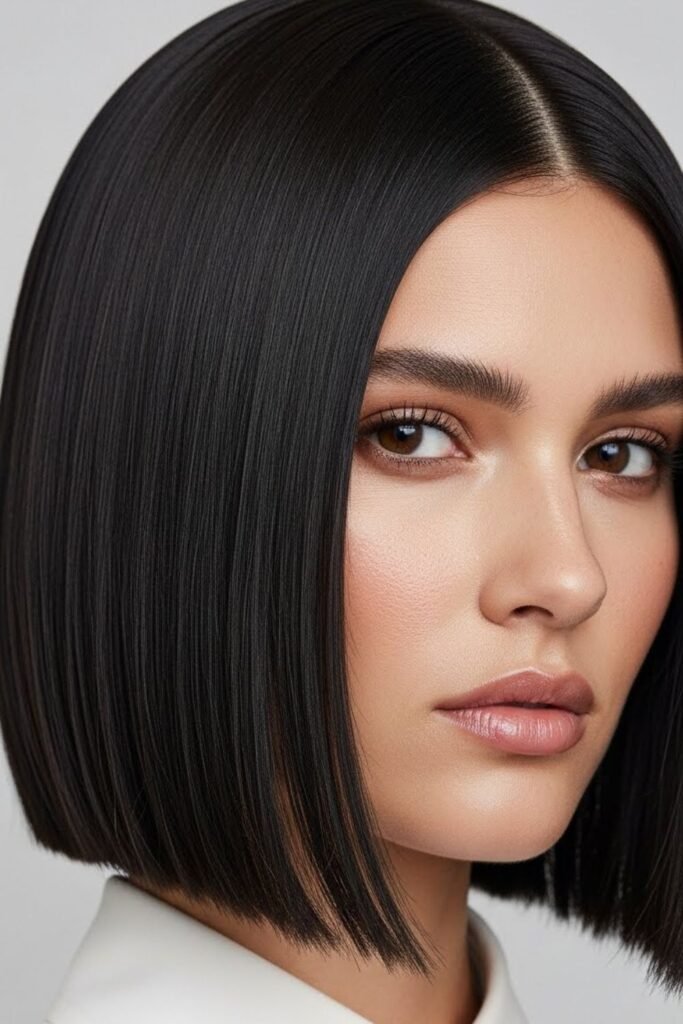
Collar Grazing
Sitting just at the jaw and neck’s edge, that little extra bit of length, makes all the difference in the cut, softening it without sacrificing its shape.
That extra millimeter. It’s crucial. This is particularly effective for faces that feel broad at the jawline.
When you ask for the length, make sure to specify that you want it to move when you turn and your head rather than remaining static.
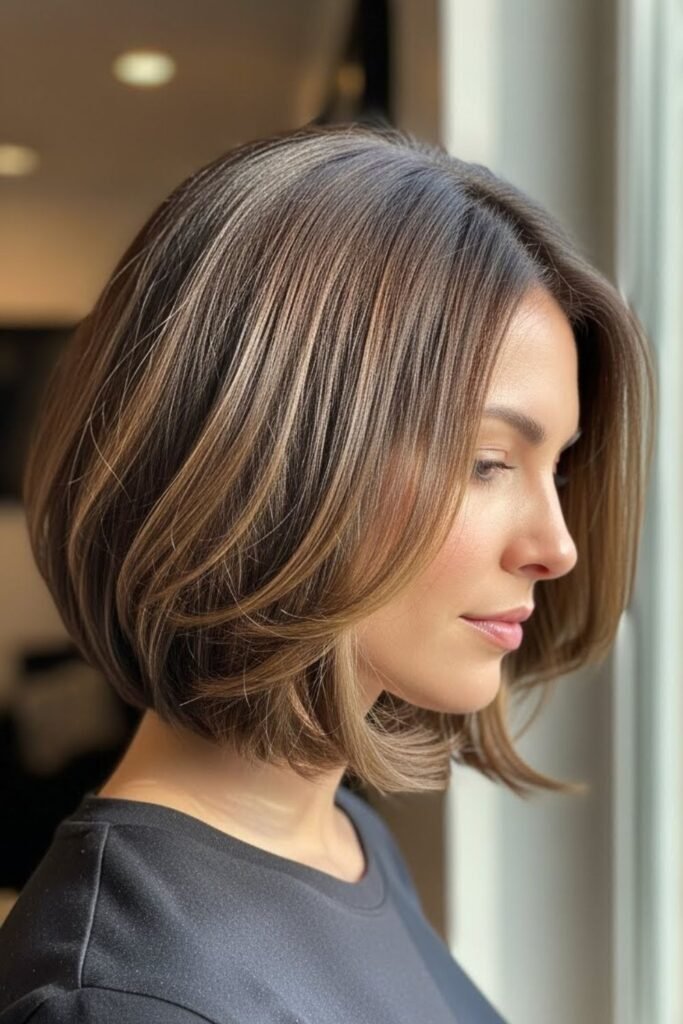
Color Blocking
Strategically placed highlights around the front of the face alter its visual impact. Lighter tones around the cheekbones draw the eye inward.
This creates the illusion of a narrower jawline. The concept is effective even with straightforward haircuts, as the color itself performs the sculpting.
Maintain a subdued palette elsewhere to ensure the placement appears deliberate.
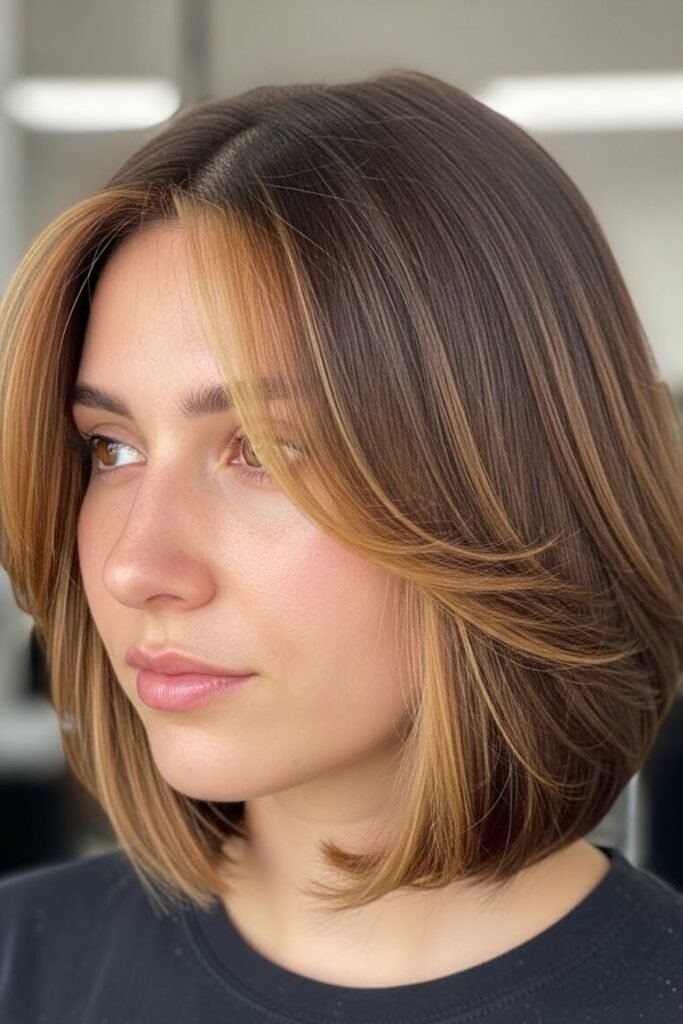
Weight Drop
The majority of bobs go awry because the weight is positioned too high. Lowering the weight just below the jawline prevents the sides from puffing out.
This technique is particularly effective for thick hair, which tends to widen when cut straight across.
Steer clear of short layers instead and concentrate on establishing a solid border.
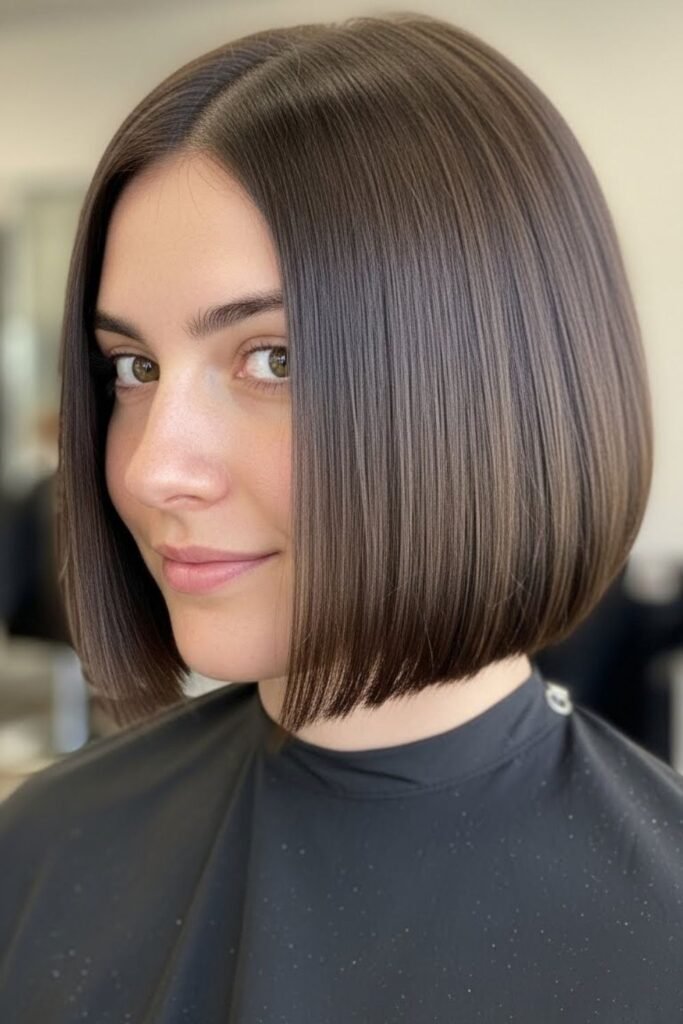
Minimal Layers
Excessive layering can quickly destroy the sleekness of a jaw-length bob. A near-one-length cut, with only a hint of internal layering, is the solution.
This approach maintains volume and a polished form. It’s ideal for those seeking.
And alow-maintenance hairstyle, requiring no styling. The cut ought to have substance, a weight to it.

Center Precision
A perfectly executed middle part reveals every imperfection; when done well, it projects a sense of assurance and contemporary style.
Here, precision is paramount, more so than the hair’s texture. This particular look is very flattering on oval.
And elongated facial shapes. To maintain a deliberate appearance, blow-dry the roots flat.
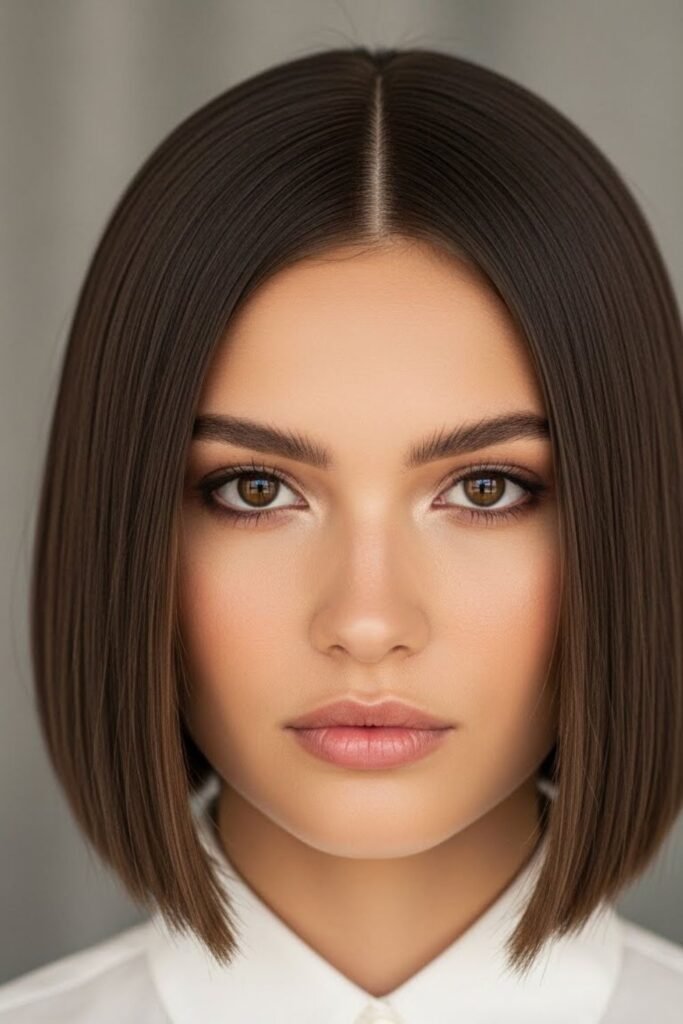
Soft Bend
Movement doesn’t require curls. A subtle bend in the mid-lengths alters the perception of the jawline.
It also keeps the cut from looking rigid, which is perfect for people who aren’t into a lot of fuss.
But they still want a bit of shape. Get the look you want with a flat iron, not a curling iron.

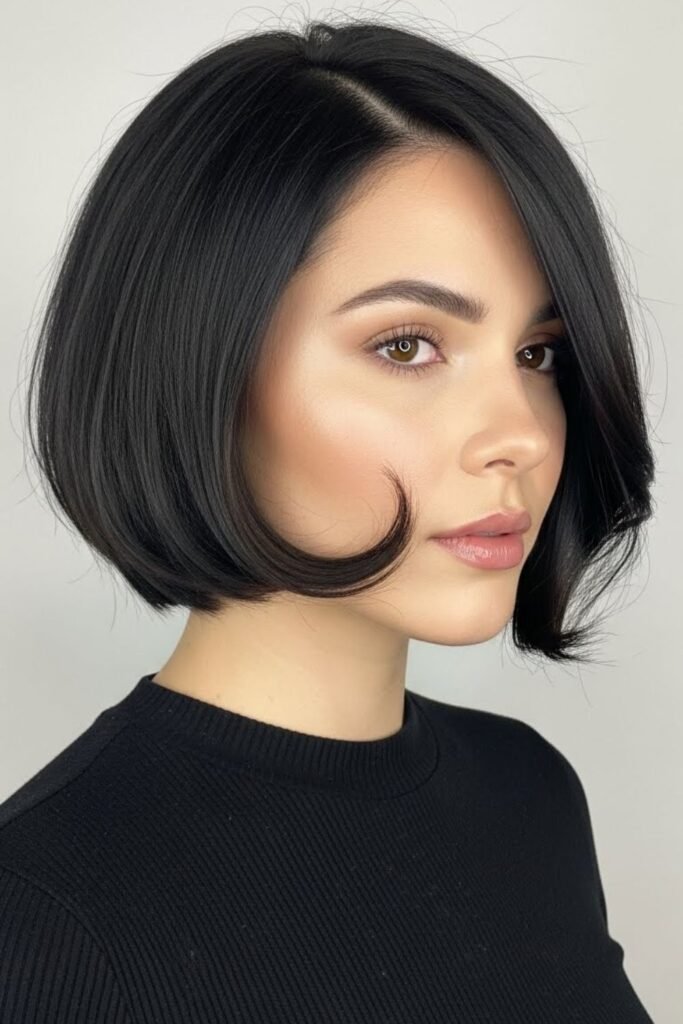
Jaw Contour
Hair can shape a face just like cosmetics can. Keeping some volume near the front, just above the jawline.
While the rear stays close to the head, provides a more slender appearance.
This approach is particularly effective for those with pronounced jawlines. The key is to style the hair forward, rather than letting it hang straight down.
FAQs
Does a jaw-length bob work if you don’t style your hair every day?
Yes, the cut needs to do the hard lifting. If the shape demands a lot of styling to look good, it’s going to unravel quickly.
A softer edge and less layering allow the hair to fall naturally. For a truly low-maintenance look, steer clear of sharp, blunt lines and request movement integrated into the cut itself.
How often does a jaw-length bob actually need trimming?
More frequent than longer styles though not as frequently as one might assume. The form shifts rapidly as the hair falls below the jawline.
To maintain a deliberate appearance, most individuals require a trim every six to eight weeks. Allowing it to grow longer can result in an uneven look rather than a polished, grown-out style.

Hi, I’m Afaf! I’m a law student who loves all things home, style, and gardening. I’ve been writing for over a year about topics like home decor, DIY projects, plants, fashion, and beauty.
I like sharing ideas that are easy to try and don’t cost a fortune. Whether it’s organizing a messy closet, decorating on a budget, or keeping houseplants alive, I write about what I’ve actually tried myself.
When I’m not studying, I’m usually on Pinterest looking for my next project or adding another plant to my collection!