
25 Spring Garden Ideas For 2026
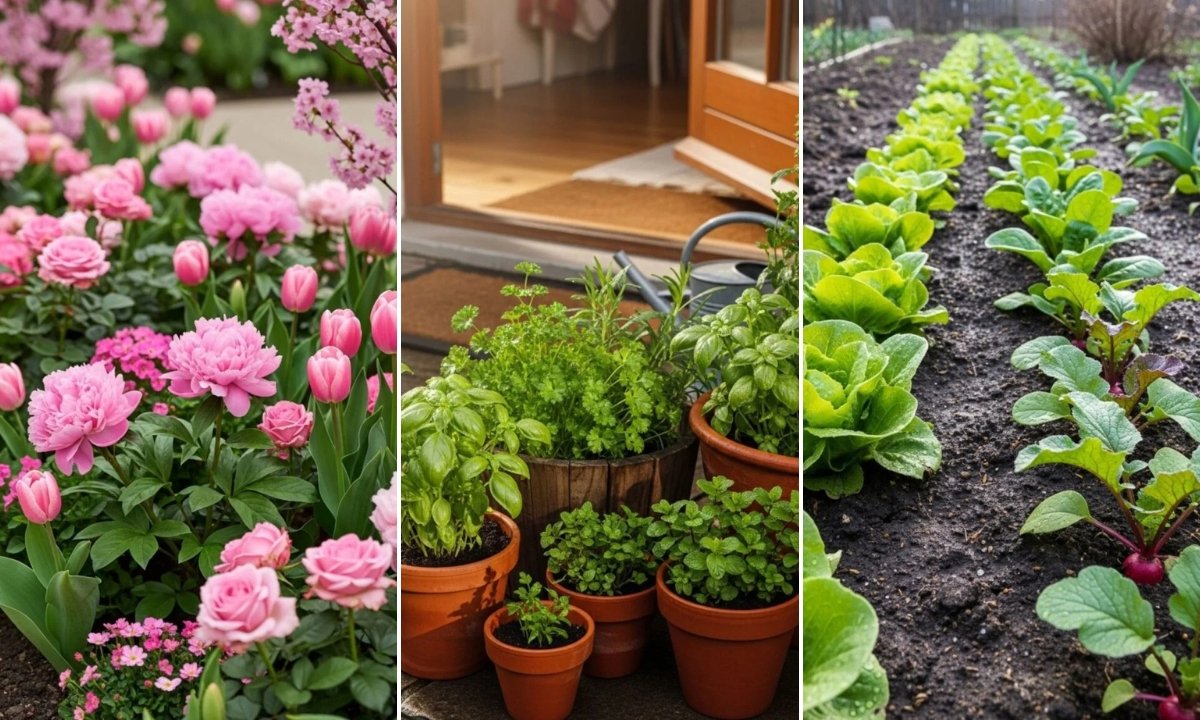
After winter, your garden usually looks worse than you remember. Dead plants, messy soil, and no clear idea where to start.
You want it fresh again, but every guide you read makes it feel complicated or time-consuming. If you’ve ever stood outside thinking, I don’t want to mess this up, you’re not alone.
The good news is you don’t need expert skills or fancy tools. You just need the right steps in the right order.
This guide breaks down 25 realistic spring garden ideas that suit everyday homes in 2026.
How Do I Prepare My Garden for Spring After Winter?
Start by cleaning up what winter left behind. Remove dead plants, fallen leaves, and broken branches so sunlight and air can reach the soil again.
Once the area is clear, loosen the soil with a small shovel or fork. This helps roots grow faster and prevents water from sitting on the surface.
Add compost or fresh soil next because tired winter soil can’t support new growth. Don’t rush into planting yet.
If the ground is still cold or soggy, wait a few days. Preparation first saves you from weak plants later.
What Are the Easiest Spring Garden Ideas for Beginners?
If you’re new to gardening, start with plants that forgive mistakes. Choose herbs like mint or parsley, leafy greens like lettuce, or flowers like marigolds and pansies.
These grow fast and don’t need perfect care. Use containers if you’re unsure about your soil because they give you more control. Plant only a few things at first.
When you see them grow, your confidence builds. Once you understand how watering and sunlight work in your space, you can add more plants without feeling overwhelmed.
Single Color
One trick I always suggest is choosing just one flower color for spring. I plant different flowers in the same shade so the garden looks calm instead of messy.
Mixing textures while keeping one color makes everything feel planned, even if you’re new. I usually start small.
Because fewer colors mean fewer mistakes. If you want an easy win, pick one color you love and build around it slowly.

Kitchen Herbs
Cooking becomes more fun when fresh herbs grow close by. I place small containers near the kitchen door so grabbing herbs feels effortless.
Basil, parsley, and mint work well because they grow fast and forgive mistakes. I water them while making morning tea, which keeps care simple.
Growing herbs nearby saves money and gives quick results, especially if gardening feels overwhelming at first.

Cool Vegetables
Early spring feels perfect for growing food that enjoys cooler weather. I begin with lettuce, spinach, and radishes because they sprout quickly and don’t demand much care.
Loose soil helps roots grow fast, so I spend time on prep before planting. Watching edible plants grow builds confidence fast.
If flowers feel intimidating, vegetables offer clear progress you can see and taste.

Hanging Balcony
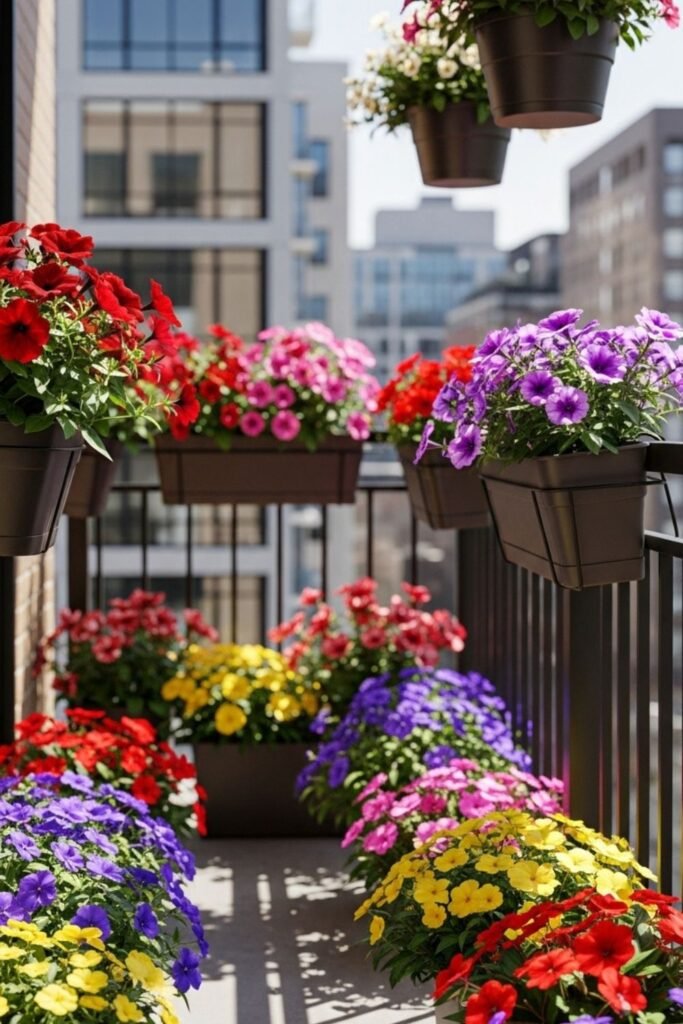
Limited space never stops me from gardening. Hanging planters turn balconies into green corners without using floor space.
I hang lightweight pots with flowers or trailing herbs where sunlight hits first. Watering becomes easier because everything stays in reach.
This setup works well for renters who can’t dig soil. Vertical growing keeps things organized and makes even small spaces feel alive.
Raised Beds
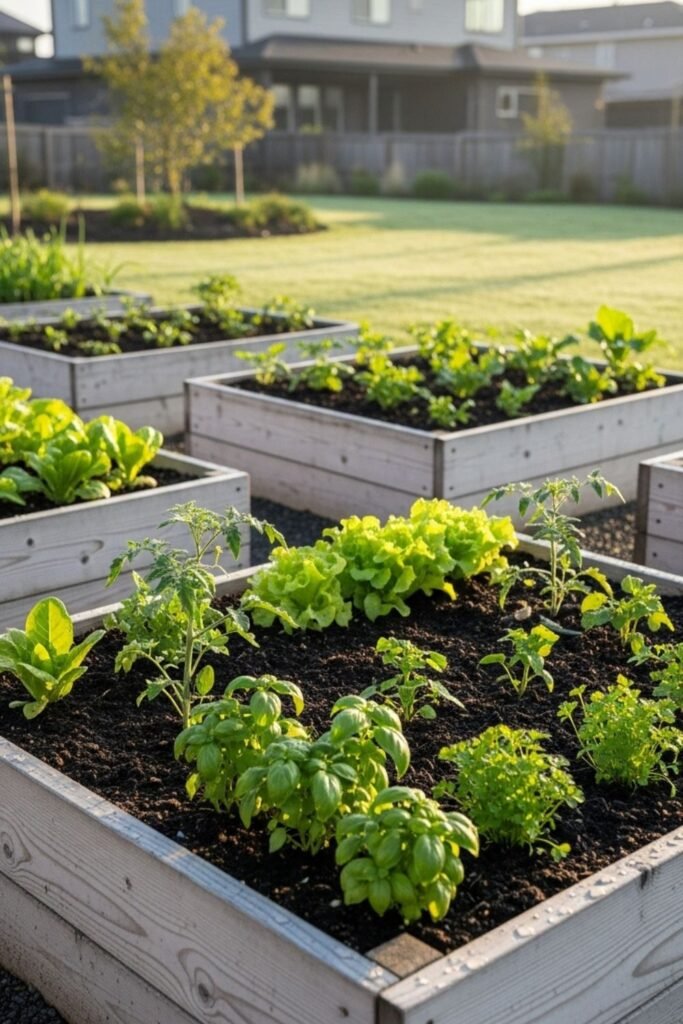
I prefer raised beds when spring weather stays unpredictable. Soil warms faster above ground, so planting happens earlier without worry.
I build simple frames and fill them with loose soil and compost. Drainage improves instantly, which prevents root rot after heavy rain.
Raised beds also reduce bending, making gardening easier on busy days. This setup keeps plants healthier and saves time throughout the growing season for beginners and experienced gardeners.
Fragrant Plants
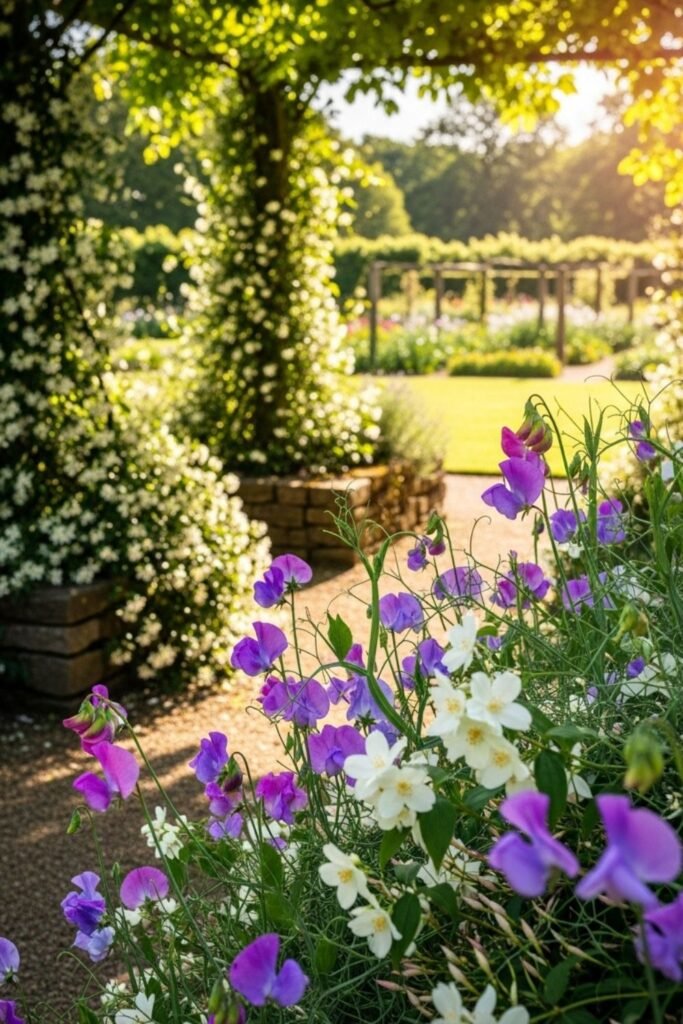
Fragrance changes how a garden feels more than color. I choose plants that release scent as I walk past them. Lavender, sweet peas, and jasmine make outdoor time relaxing.
Placement matters, so I plant near paths or seating areas. Strong smells also attract pollinators naturally.
A scented garden feels personal and calming, especially during cool spring mornings outside. This approach improves mood and encourages daily garden visits without maintenance work.
Pollinator Focus
Pollinators improve gardens faster than fertilizers ever could. I plan spring beds with bees and butterflies in mind. Flowers with open centers make feeding easier.
Mixing bloom times keeps food available longer. Avoiding chemicals protects helpful insects naturally. Watching pollinators arrive feels rewarding and confirms healthy choices.
A lively garden grows stronger when nature handles part of the work without constant effort from me during busy spring weeks each year.

Kids Garden
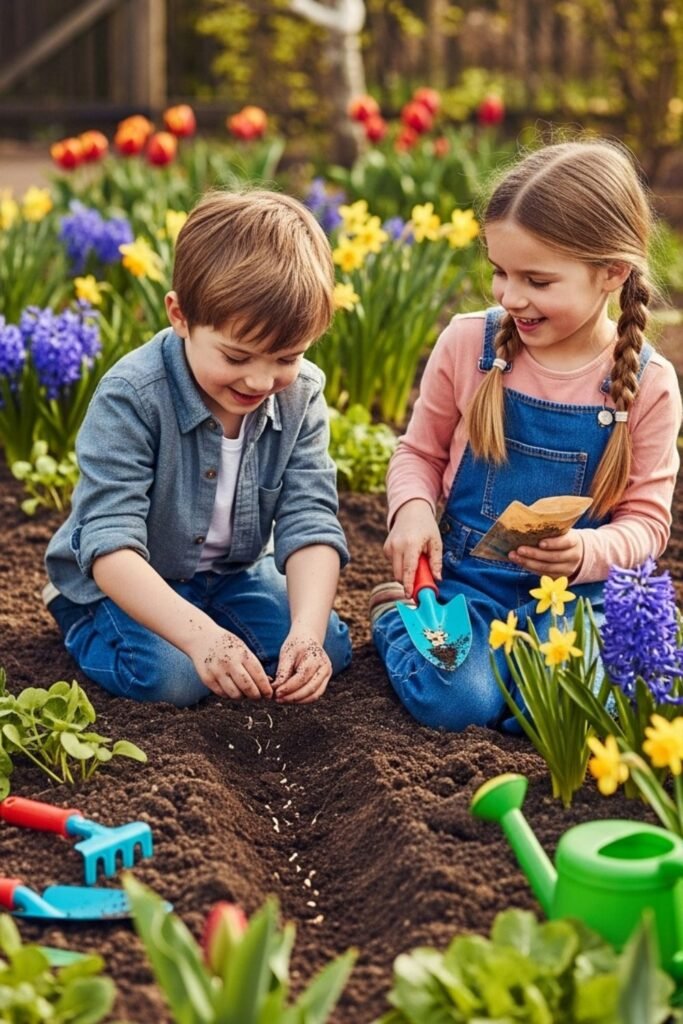
Gardening with children works best when results come quickly. I pick seeds that sprout fast and look exciting. Sunflowers, beans, and radishes keep interest high.
Giving kids small tools makes them feel involved. Messes happen, so patience matters. Shared planting time builds habits and memories.
A simple kid garden turns spring into learning through play while encouraging responsibility confidence and curiosity about growing food together at home every season yearly.
Low Maintenance
Busy days push me toward simple systems. I choose hardy plants, spread mulch thickly, and water deeply once or twice weekly. Fewer chores keep momentum going.
Perennials handle missed days better than annuals. Drip watering saves time and reduces waste. Simple layouts cut confusion. When care feels light, consistency improves.
Consistency brings steady growth, fewer problems, and a garden that survives hectic weeks without guilt for busy households everywhere today.

Window Boxes
Windows become stages for color. I install sturdy boxes where sun reaches daily. Spring flowers brighten rooms instantly and lift mood. Soil drains well, preventing soggy roots.
Regular trimming keeps blooms coming. I water from above until runoff appears. Compact choices thrive here.
Window boxes deliver quick impact, require little space, and reward effort every time curtains open. They suit renters, beginners, and anyone wanting visible progress fast at home.

Seed Savings
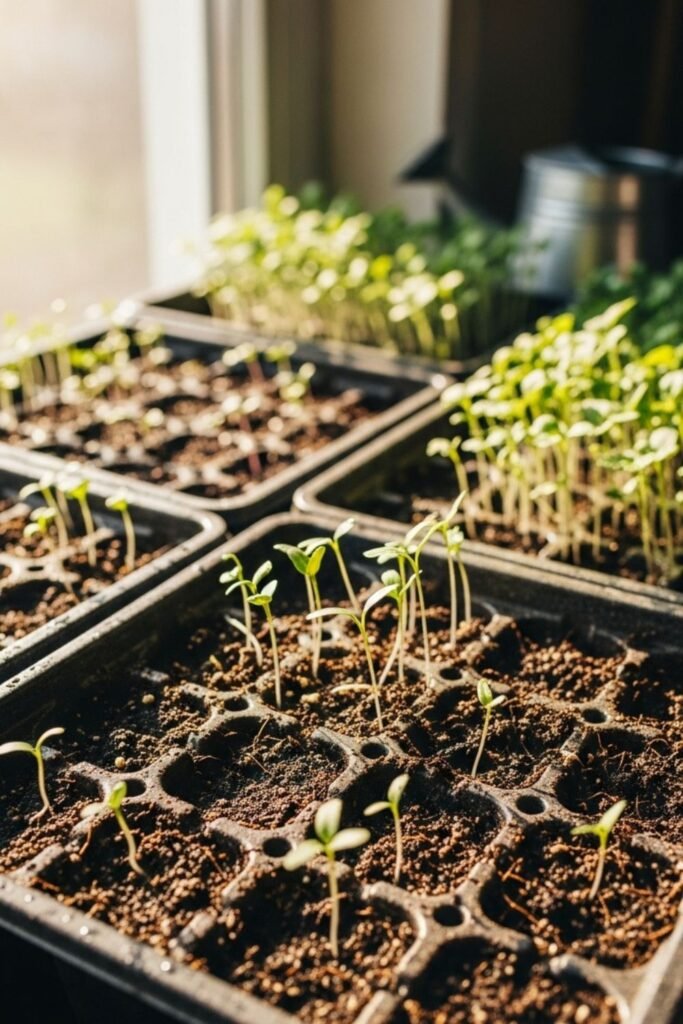
Saving money matters each season. I start gardens from seeds to stretch budgets further. Packets cost little and offer many plants. Sowing teaches patience and timing.
Trays near windows work fine. Thinning seedlings strengthens survivors. Losses hurt less when costs stay low.
I label dates carefully, reuse trays, and share extras with neighbors for spring success yearly ahead always.
Vertical Growth
Walls can grow food too. I use vertical planters to multiply space quickly. Greens, strawberries, and herbs climb upward neatly. Airflow improves and pests drop.
Water drips downward, feeding lower plants. Sun exposure evens out. Vertical setups look tidy and modern.
This approach suits patios, fences, and tight corners needing productivity without clutter. I secure anchors well, check weight limits, and water slowly to prevent leaks during spring rains safely.

Native Plants
Local plants simplify spring gardening for me. Native species already match climate and soil conditions. Watering needs drop, survival rates rise, and pests cause fewer issues.
I research regional natives and group them together. Roots grow deeper, supporting long term health. Wildlife responds quickly.
Maintenance stays minimal once established. Choosing natives saves effort, supports ecosystems, and creates a garden that feels natural rather than forced during spring weather every year.

Statement Plant
Focusing on one bold plant helps me avoid overthinking design. I choose something tall, colorful, or unusual. Everything else supports it. Smaller plants frame the star and fill gaps.
Care stays simple because attention centers on one feature. Visual impact increases without clutter.
This method works well in small gardens and containers, creating intention, balance, and confidence even for beginners during early spring planning stages with clear direction and results.
Salad Garden
Fresh salads motivate me more than flowers sometimes. I dedicate space to greens I eat weekly. Lettuce, arugula, and spinach grow quickly.
Harvesting outer leaves keeps plants producing. Succession planting extends yield. Water consistently for tender texture. A salad garden delivers fast rewards and healthier meals.
Watching dinner grow outside builds appreciation for simple food, reduces grocery trips, and keeps spring gardening practical enjoyable satisfying for busy families every week.

Bloom Stages
Continuous color keeps my garden interesting longer. I plan plants with different bloom times. Early flowers start the show, midseason fills gaps, late bloomers extend joy.
Empty spaces disappear. Care stays steady instead of overwhelming. Timing matters more than quantity. Staggered blooms create rhythm and flow.
This strategy prevents dull weeks, supports pollinators, and delivers lasting beauty from early spring through warmer days ahead without constant replanting or extra work.

Season Transition
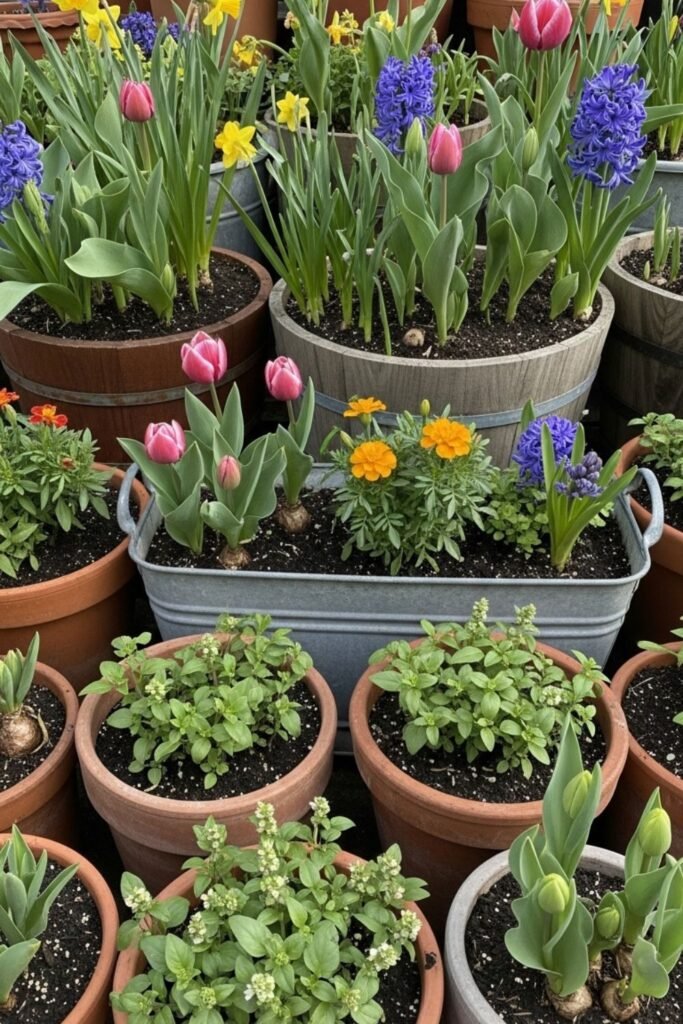
I plan containers that change with the weather instead of replacing them. Early spring flowers share space with summer plants started small.
As temperatures rise, I remove fading blooms and let warm season plants take over. This saves money and effort. Containers stay full all season.
Planning ahead avoids empty pots and keeps growth moving forward smoothly without replanting stress later during busy weeks when time feels limited outside home.
Edible Blooms
I grow flowers that end up on my plate. Nasturtiums, calendula, and pansies add color and flavor. I plant them near herbs for easy access.
Harvesting petals feels creative and fun. Meals feel special without extra cost. Edible flowers also attract pollinators.
This idea blends beauty with function and makes gardening feel playful, useful, and rewarding throughout spring season for beginners families cooks seeking joy freshness variety.

Mulch Focus
I rely on mulch to control spring chaos. A thick layer locks moisture, blocks weeds, and protects roots. Soil stays cooler on warm days and warmer on cold nights.
Watering needs drop quickly. I spread mulch after planting to avoid disturbing roots. This simple habit saves hours of weeding later.
And keeps gardens looking neat, healthy, and manageable through unpredictable spring weather conditions without extra tools effort stress ever again.

Shade Solutions
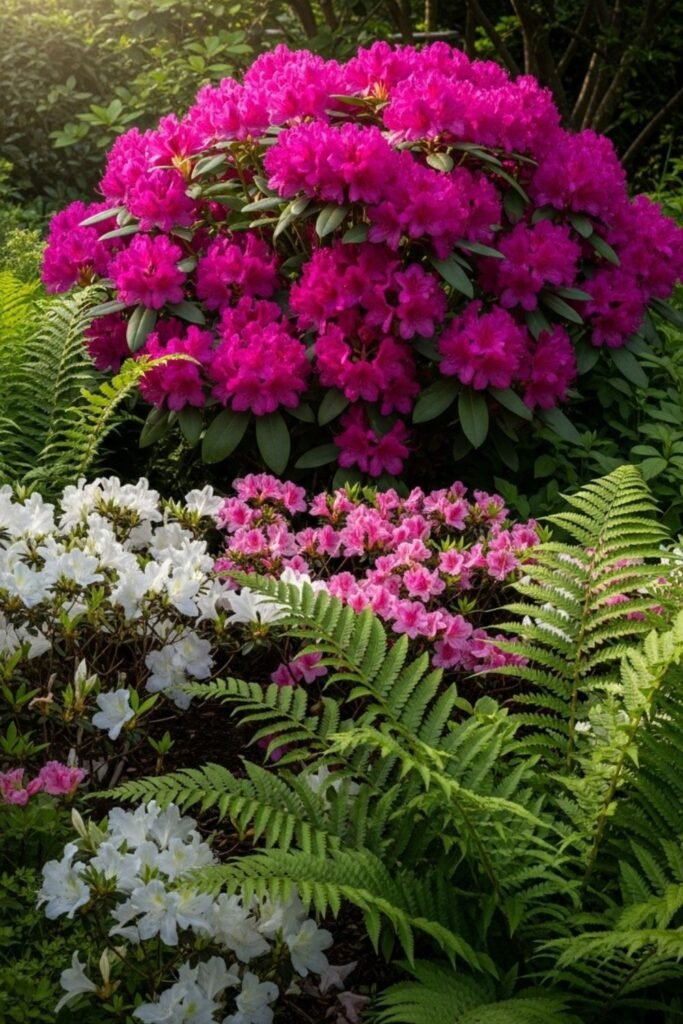
I once thought shade meant failure. Now I plan gardens around low light conditions. Ferns, hostas, and leafy greens thrive without harsh sun. Cooler areas reduce watering needs.
I observe light patterns before planting anything. Working with shade instead of fighting it prevents frustration.
A shade garden feels calm, lush, and reliable, proving spring success does not require constant sunshine for small yards trees walls buildings patios corners homes everywhere.

Recycled Planters
Turning old household items into planters keeps spring gardening creative for me. Buckets, tins, baskets, or cracked bowls gain new purpose outside.
Drainage holes matter, so I add them first. Lightweight soil prevents tipping. This approach saves money and reduces waste. Each reused item adds character.
Gardening feels less serious and more playful, which removes pressure to be perfect. Recycled planters encourage experimentation and help beginners start without buying everything new.

Minimal Layout
Fewer plants often create better results. I limit varieties so care stays simple and focused. Repeating the same plant builds rhythm and order. Watering routines become easier.
Problems stand out quickly. Minimal layouts feel calm and intentional instead of crowded. This style suits beginners who want control without stress.
A restrained garden grows stronger, looks cleaner, and proves success doesn’t require filling every inch with something green during spring months.

Soil First
Healthy plants start underground, so soil gets my attention before anything else. I loosen compacted ground and mix compost evenly. Worms return quickly when conditions improve.
Better soil drains well and holds moisture longer. Roots spread easier, reducing stress later. Skipping this step causes weak growth.
Investing time here prevents future problems. Focusing on soil first makes every spring garden idea work better with less effort afterward overall consistently.

Calm Space
Gardens can offer quiet, not just color. I design areas meant for slowing down. Soft plants, gentle textures, and muted tones create balance.
Seating invites pauses. Wind chimes or rustling leaves add sound. This space doesn’t need many plants. Purpose matters more.
A calm garden supports mental rest and encourages daily visits, turning spring gardening into a habit of peace rather than another task to manage constantly.

No Fail
Confidence grows fastest with reliable plants. I always recommend forgiving choices for early success. Pansies, mint, chives, and lettuce handle mistakes well. Missed watering rarely ruins them. Quick growth builds motivation.
Once results appear, trying harder plants feels safer. Starting with no fail options prevents disappointment and keeps momentum strong.
Gardening should feel encouraging, not discouraging, especially during first spring attempts when habits still form slowly.

FAQs
How early should I start working on my spring garden?
Start as soon as the soil stops freezing and feels workable. If you can dig without the soil sticking like mud.
You’re good to begin cleanup and prep. Early action helps soil warm faster and gives plants a stronger start.
What if I make mistakes in my spring garden?
Mistakes are part of gardening. Most plants recover if you adjust watering, sunlight, or spacing early. \
Start small, observe daily changes, and fix one issue at a time. Progress matters more than perfection in spring gardening.

Hi, I’m Afaf! I’m a law student who loves all things home, style, and gardening. I’ve been writing for over a year about topics like home decor, DIY projects, plants, fashion, and beauty.
I like sharing ideas that are easy to try and don’t cost a fortune. Whether it’s organizing a messy closet, decorating on a budget, or keeping houseplants alive, I write about what I’ve actually tried myself.
When I’m not studying, I’m usually on Pinterest looking for my next project or adding another plant to my collection!