
31 Rooftop Garden Ideas For 2026
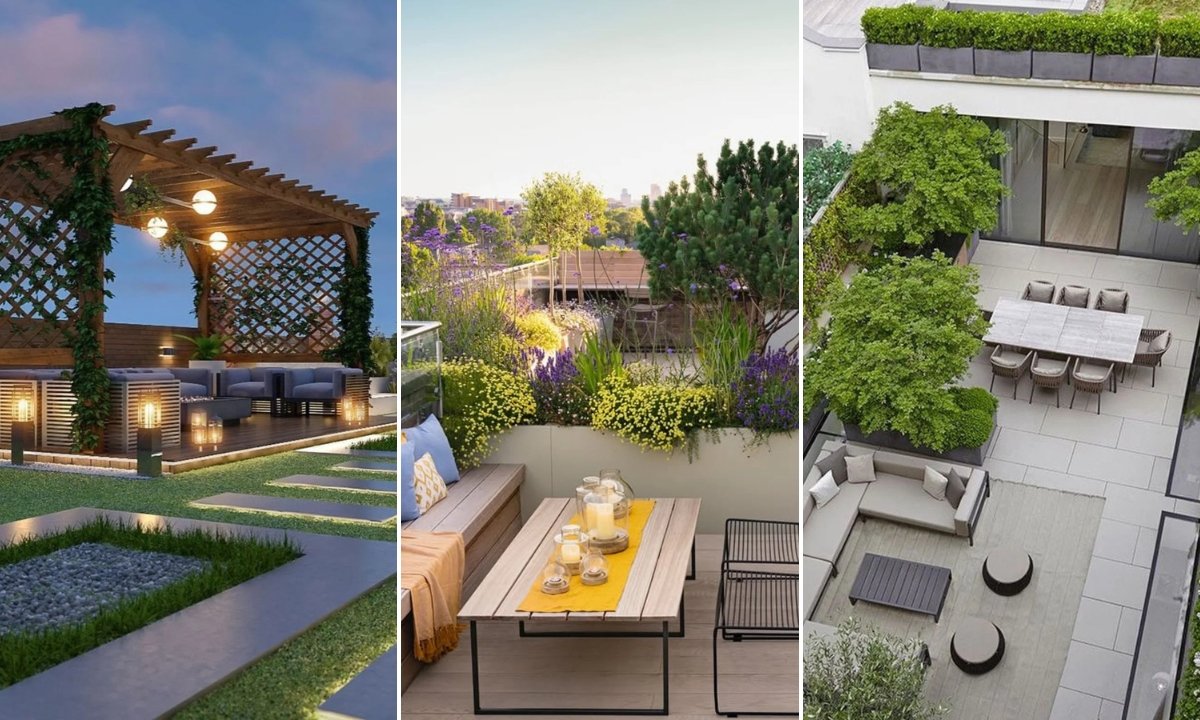
Most people don’t lack a rooftop garden because they don’t want one. They lack it because they don’t know where to start.
You look at your bare rooftop and imagine greenery, seating, maybe a quiet morning corner – but then the questions hit.
Will it leak? Is it expensive? Will the plants survive? Online ideas look beautiful, but none tell you what actually works in real homes.
This article covers 31 space-saving Rooftop Garden Ideas you can actually apply in 2026.
How Do You Turn a Bare Rooftop Into A Livable Garden Space?
Start by treating your rooftop like an empty room, not a garden. Before buying plants, decide how you want to use the space.
If you want to sit there, place seating first. If you want greenery, plan where sunlight hits during the day.
Use lightweight pots, keep everything close to the edges, and leave walking space in the center.
If you add plants before structure, the space will feel messy. Do the layout first, then add greenery slowly.
Save this article for later! 👇👇

Living Walls
Privacy and greenery can solve each other when plants climb instead of spreading. Dense vertical planting along the edges blocks unwanted views while keeping air flowing.
Climbers or wall-mounted planters work best on rooftops where floor space is limited. Focus on one or two sides, not all around.
Green walls feel calmer than solid barriers and turn blank boundaries into the strongest garden feature.

Pergola Greens
Climbing plants change a wooden pergola from shade into shelter. Vines trained along the lattice soften the structure, filter sunlight.
And cool the seating area naturally. Choose fast growers if the roof feels exposed, slower ones if wind is strong.
Growth overhead creates comfort without closing the space, making rooftops usable even during hot afternoons.

Layered Borders
Soft privacy works best when plants grow in levels, not rows. Mixing low flowers, mid-height herbs, and taller shrubs.
Along the edges creates depth without blocking light. This approach suits rooftops where views matter but exposure feels uncomfortable.
Use long planters to control roots and weight. Seasonal blooms keep the space lively without constant rearranging.

Perimeter Planting
Edges decide how private a rooftop feels. Continuous planters filled with dense shrubs turn open borders into green boundaries.
Without blocking the sky. This setup works best for large or rectangular rooftops where seating stays in the center.
Keep plants trimmed just above eye level when seated. The space stays open, calm, and shielded from nearby windows.
Floral Canopy
Overhead blooms change how a rooftop feels without touching the floor. Flowering climbers trained on frames create natural shade, soften harsh sunlight.
And pull attention upward instead of outward. This works best on rooftops with open views where privacy matters less than comfort.
Strong supports matter here once established, the plants do most of the work on their own.

Corner Greens
Unused corners quietly solve two problems at once. Tall leafy plants placed along the edges cut off surrounding views.
While a single potted tree adds height without crowding the floor. This setup fits small rooftops where space feels limited.
Keep planters narrow and roots controlled. One green corner can make the entire rooftop feel calmer and more intentional.

Screened Blooms
Slatted screens stop feeling rigid once plants take over. Flowering climbers and tall planters soften the lines, add color.
And break direct sightlines from nearby buildings. This approach suits rooftops overlooked from one side only.
Let greenery climb unevenly instead of trimming it flat. The mix of structure and plants keeps the space private without making it feel boxed in.

Framed Seating
Greenery feels more intentional once it wraps around where people sit. Planters placed behind and beside seating define the space.
Soften wind, and add color at eye level. This works well on wide rooftops that feel too open. Keep plants.
Slightly taller than the sofa backs. The seating stays social, while the garden quietly does the enclosing.

Soft Enclosure
Greenery works best when it surrounds instead of separates. Shrubs, small trees, and flowering plants placed in a loose circle.
Turn an open rooftop into a calm retreat. This layout suits social seating areas where comfort matters more than views.
Vary plant heights to avoid a boxed feel. The space stays open overhead while feeling protected at eye level.

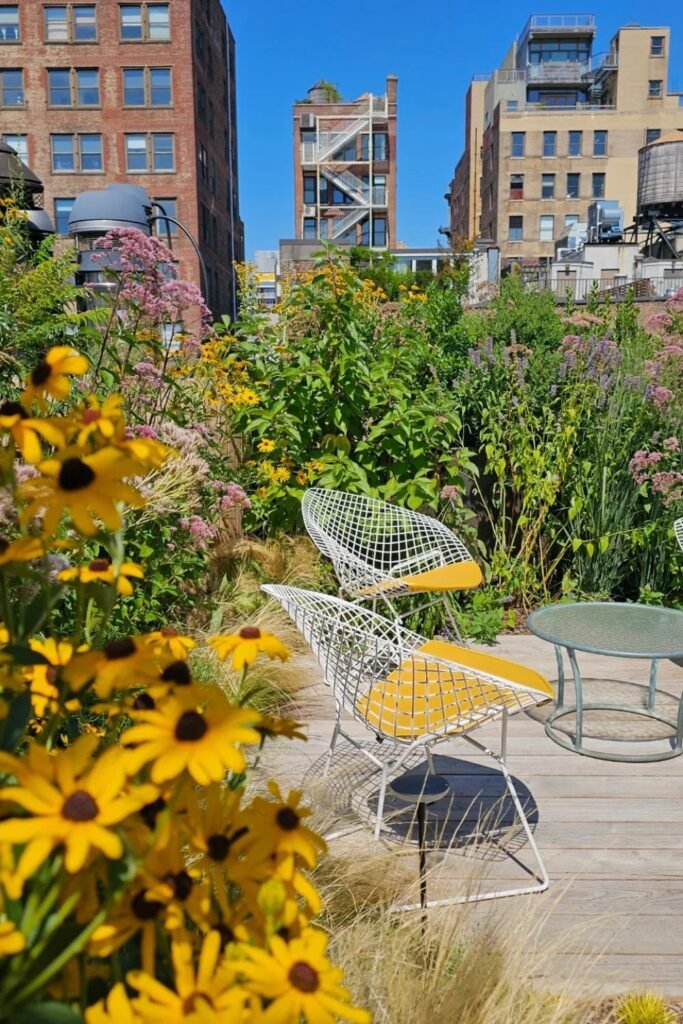
Wild Planting
Nature feels closer when plants grow freely instead of in neat lines. Native flowers and grasses fill space fast, attract pollinators.
And survive rooftop conditions with less care. This style suits rooftops meant for relaxing rather than hosting.
Let plants overlap and spill slightly. Controlled chaos brings life, movement, and seasonal change without constant maintenance.
Night Greens
Evenings feel softer once plants take over the edges. Shrubs and flowering bushes absorb light, reduce glare, and make nighttime seating feel calmer.
This setup works best for rooftops used after sunset. Keep greenery closer to seating zones so light reflects off leaves.
Instead of open floors. A planted boundary makes night gatherings feel intimate, not exposed.

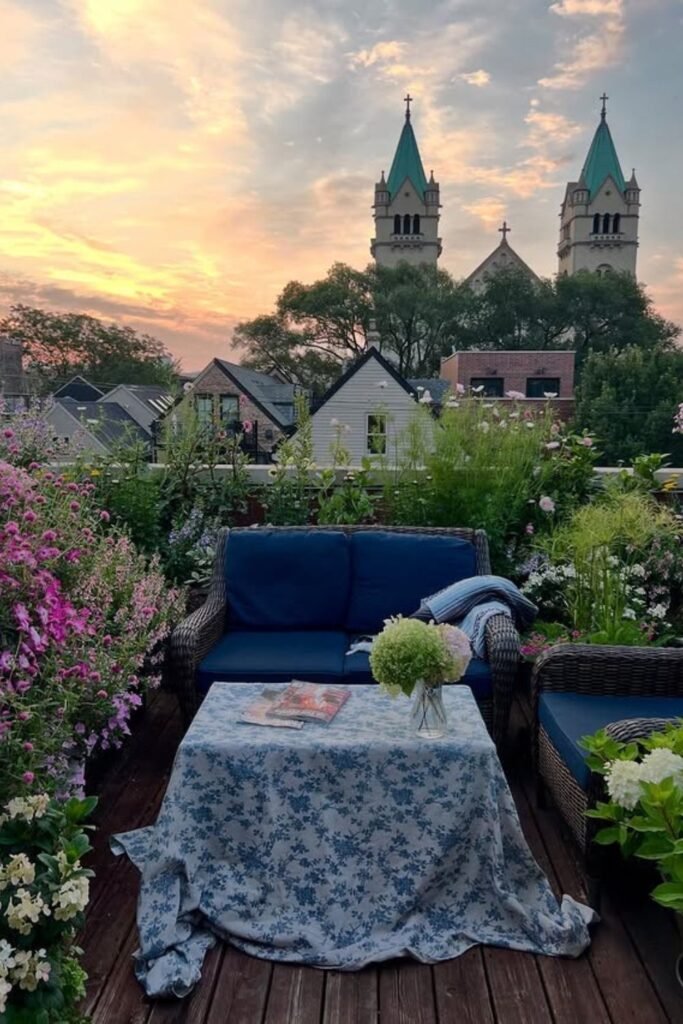
Bloom Surround
Comfort improves when flowers replace railings. Dense flowering plants placed close to seating soften views, add scent.
And pull attention inward instead of outward. This approach suits rooftops used for slow evenings and quiet conversations.
Mix shrubs with seasonal blooms so coverage stays full year-round. Sitting inside flowers feels intentional, warm, and naturally private without shutting the skyline out.
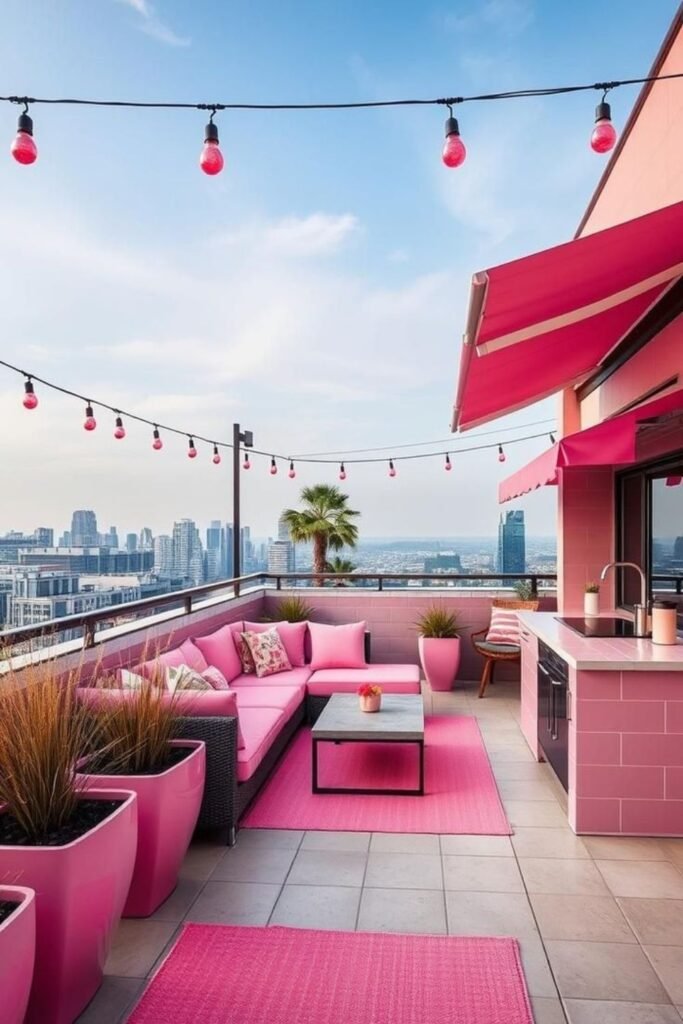
Color Planters
Bold planters do more than decorate they guide the mood. Bright containers filled with palms, grasses.
Compact shrubs turn a plain rooftop into a lively hangout. This works well for social rooftops where energy matters.
Keep plant choices simple so color doesn’t overwhelm growth. When greenery stays consistent, playful tones feel intentional instead of loud.
Hammock Greens
Relaxation feels safer once greenery frames it. Potted trees and thick plants placed behind and beside a hammock soften wind.
Reduce exposure, and make the space feel tucked in. This setup works well on rooftops meant for unwinding rather than hosting.
Keep plants tall but airy. Gentle movement from leaves adds calm without blocking city views.

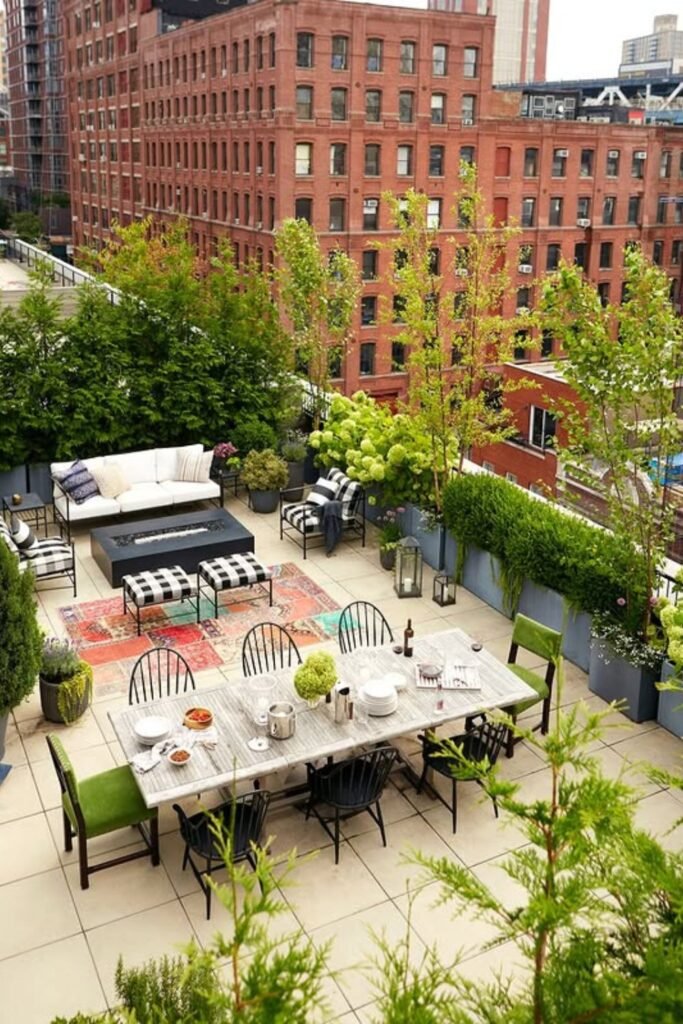
Tree Buffers
Height changes everything on an exposed rooftop. Slim trees planted along the edges block harsh views while keeping the skyline visible above.
This approach works best for large rooftops used for dining or gatherings. Use lightweight planters and space trees evenly.
so growth feels balanced. A green border at eye level makes long stays feel comfortable instead of tiring.
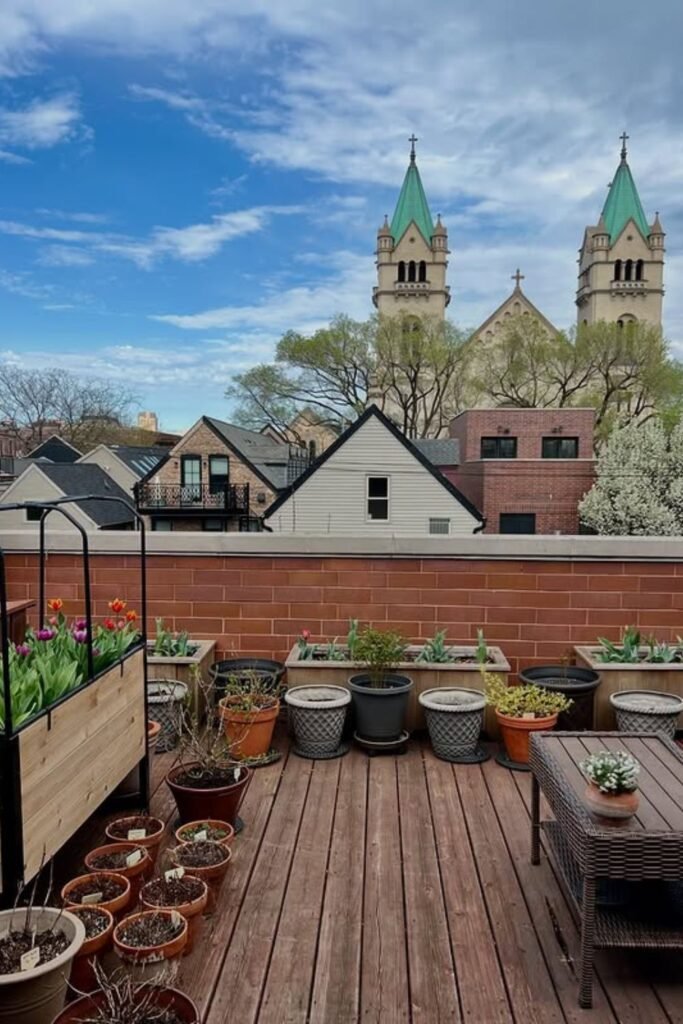
Container Rows
Consistency makes small rooftops feel organized instead of cluttered. Matching pots lined along the railing create a clean green border while keeping everything lightweight and movable.
This works best for renters or anyone who likes flexibility.
Mix flowers with herbs so the garden stays useful and colorful. A simple row of containers can quietly define the entire space.
Pavilion Plants
Shade feels better once greenery fills the space around it. Potted plants placed inside and around a pavilion cool the air, soften hard flooring, and make seating feel grounded.
This works best for rooftops used during the day or in warm climates.
Mix tall leafy plants with smaller flowering ones so the area feels lively, not heavy.

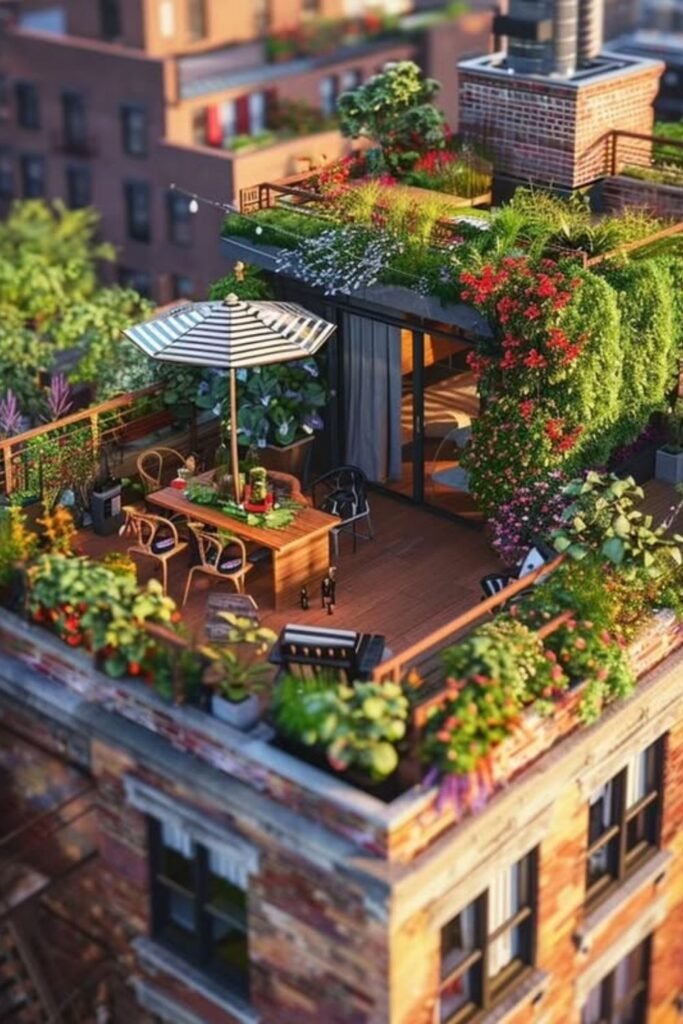
Full Coverage
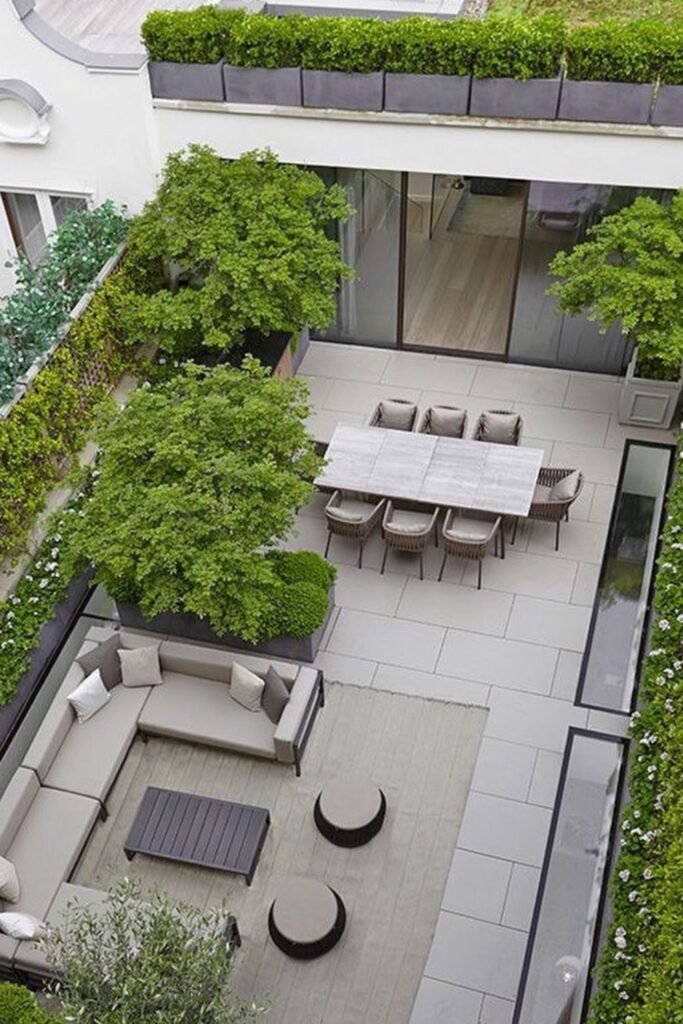
Greenery works hardest when it wraps the entire rooftop, not just the corners. Plants layered along railings, walls.
And even rooftops above create a self-contained garden feel. This setup fits larger rooftops meant for daily use.
Balance dense planting with clear walking paths. When green surrounds everything, the city fades into the background naturally.
Green Pathway
Movement feels calmer once plants guide the way. Tall planters lined on both sides turn a simple walkway into a garden corridor.
This works best on long or narrow rooftops that feel empty in the middle. Keep plants consistent in height and texture.
So the path feels intentional. Walking through greenery makes the rooftop feel larger and more peaceful at the same time.

Hedge Framing
Order replaces chaos once greenery draws the boundaries. Low hedges planted along the edges give structure, guide seating placement.
And soften hard tiles at the same time. This approach works well for rooftops used often during the day.
Keep hedges trimmed but not tight. Gentle shapes feel welcoming and help the space stay calm without constant rearranging.

Bamboo Borders
Privacy improves fast once tall plants replace solid walls. Bamboo planted along narrow edges creates a soft screen, cuts noise.
And makes tight rooftops feel secluded instead of boxed. This works best for long or enclosed rooftops between buildings.
Use planters with root control to avoid spread. Vertical greenery draws the eye upward and turns limited space into a calm escape.

Pergola Layers
Depth changes how a rooftop feels when plants grow at different heights. Grasses, shrubs, and climbers placed around a pergola soften.
Its sharp lines and filter sunlight throughout the day. This works best for dining areas that feel too exposed.
Let some plants spill outward instead of trimming everything tight. Layered growth keeps the space airy while still feeling protected.
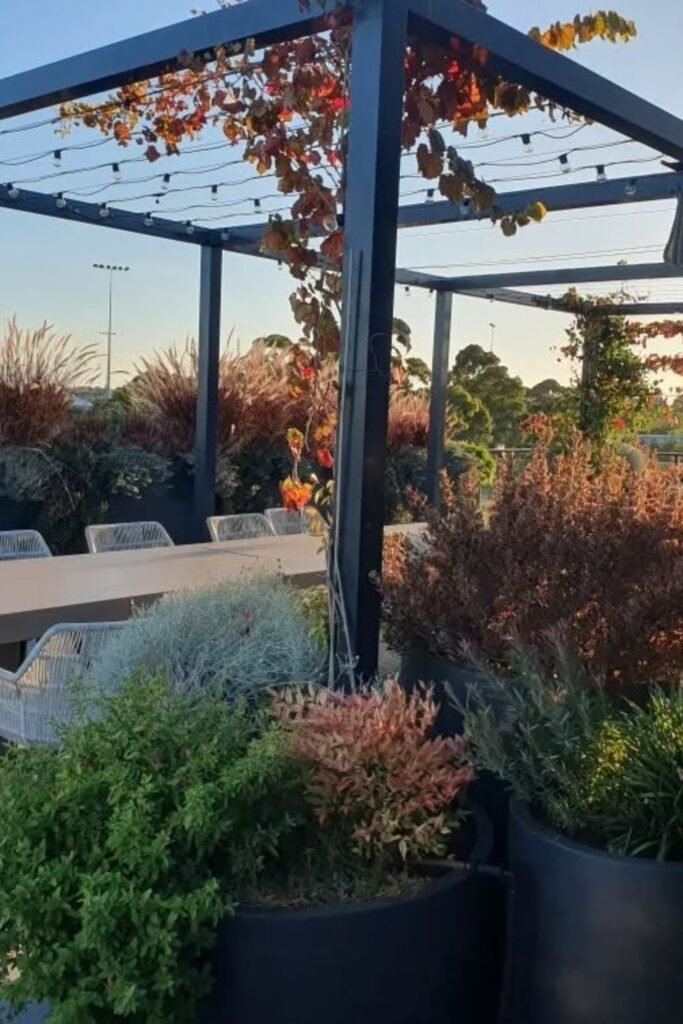
Stepped Blooms
Levels turn planting into a feature instead of filler. Flowers and shrubs placed along steps soften height changes and guide movement naturally.
This works best on rooftops built on different elevations or terraces. Use trailing plants near edges and upright ones higher up.
Each step becomes part of the garden, making the climb feel slower, calmer, and more enjoyable.

Hedge Dining
Meals feel calmer once greenery replaces open edges. Thick hedges placed behind dining areas block surrounding views.
And soften city noise at the same time. This setup works best for rooftops used for family meals or hosting guests.
Keep plants slightly taller than seated eye level. A green backdrop turns eating outdoors into a relaxed, everyday habit instead of an occasional event.

Hanging Greens
Overhead planting changes empty space without adding weight below. Hanging planters with trailing plants bring softness, movement.
And shade while keeping the floor clear. This works best for compact rooftops or bar-style seating areas.
Choose drought-tolerant plants that don’t drip constantly. When greenery floats above eye level, the rooftop feels finished without feeling crowded.
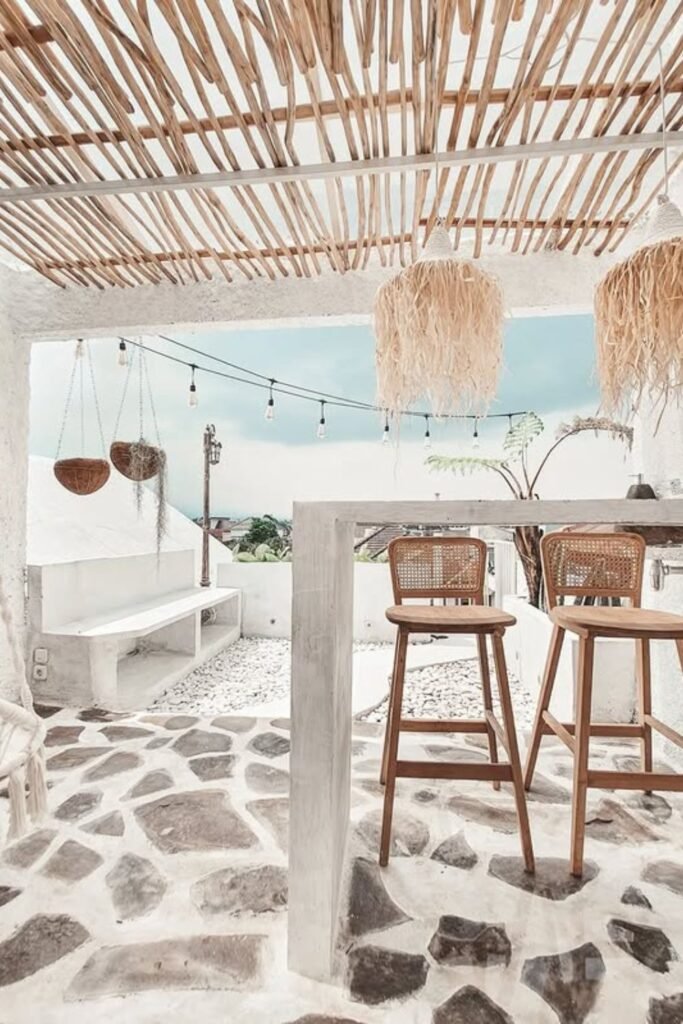
Trellis Shade
Climbing plants earn their place once they start filtering sunlight. A simple trellis covered with vines cools the dining area.
Softens nearby buildings, and adds privacy without blocking air. This works well for rooftops used during lunch or early evenings.
Let vines grow loose rather than trimmed flat. Dappled shade feels more comfortable than full cover and keeps the space breathable.
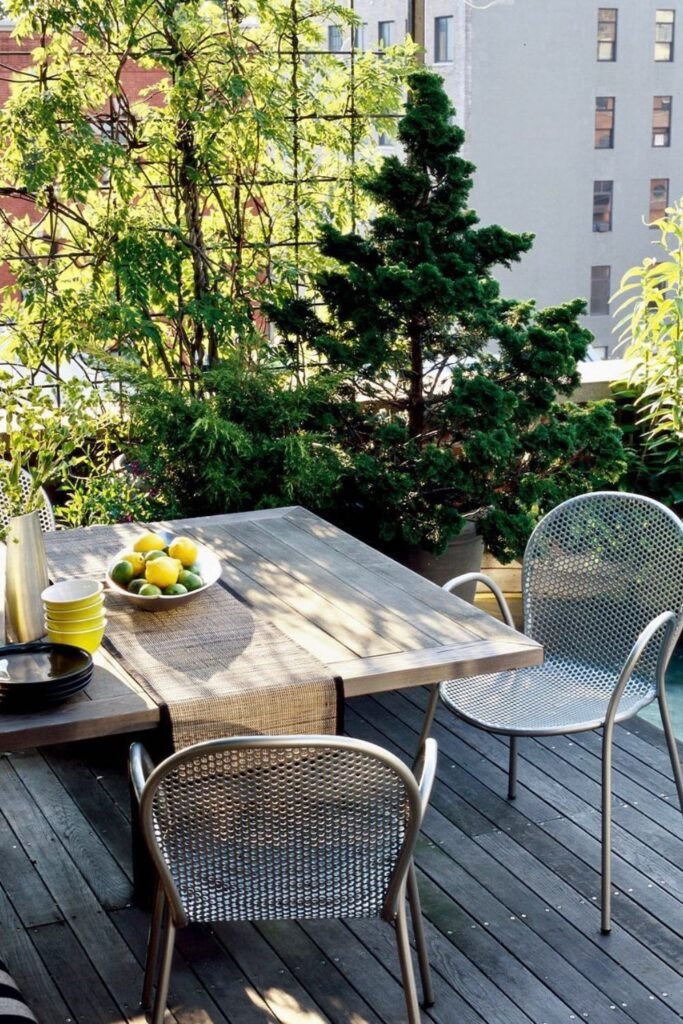
Scenic Framing
Views feel more intentional once greenery acts as a soft border instead of the main focus. Potted plants placed around seating.
Gently frame the landscape without blocking it. This works best for rooftops with open surroundings or scenic backdrops.
Keep plants low and airy so the view stays wide. Green edges help the eye settle while the scenery stays untouched.

Soft Screening
Exposure drops quickly once plants fill the gaps around seating. Tall grasses and shrubs placed near pergola edges break sightlines without blocking air or light.
This works well for rooftops surrounded by buildings. Keep planting loose instead of packed tight.
Soft movement from leaves makes the space feel relaxed, while the structure still provides shape and comfort.

Zen Balance
Calm settles in once greenery meets open space. Low plants, sculptural trees, and simple ground cover work.
Together to soften hard surfaces without filling every corner. This setup suits rooftops meant for quiet mornings or slow evenings.
Keep planting minimal and intentional. When green space breathes between elements, the rooftop feels peaceful instead of busy.

Grounded Greens
Balance comes from keeping plants low and purposeful. Shrubs, small trees, and ground-level planting soften sharp lines.
And guide movement without crowding the space. This approach works well for modern rooftops with clean architecture.
Let greenery sit where paths slow down. When plants stay close to the ground, the rooftop feels calm, stable, and easy to move through.

Fountain Greens
Sound changes the mood faster than decor. A small water feature paired with flowering plants creates a cooling.
Calming corner on an otherwise open rooftop. This works best for relaxation zones where noise from the city feels distracting.
Keep plants clustered around the fountain, not spread out. Moving water plus greenery makes the space feel alive without adding clutter.

FAQs
Can a rooftop garden work if my roof gets full sun all day?
Yes. Strong sun isn’t a problem if plants are chosen correctly. Use heat-tolerant plants, lighter pots that don’t overheat roots, and add partial shade with pergolas or climbers.
Once shade and airflow are balanced, full-sun rooftops often grow plants better than shaded ones.
How do I stop a rooftop garden from feeling cluttered over time?
Start with fewer plants than you think you need. Let greenery grow into the space instead of filling it instantly. Stick to repeating plant types and matching containers.
Prune regularly and remove anything that stops serving a purpose. Less structure and smarter planting keeps rooftops calm.

Hi, I’m Afaf! I’m a law student who loves all things home, style, and gardening. I’ve been writing for over a year about topics like home decor, DIY projects, plants, fashion, and beauty.
I like sharing ideas that are easy to try and don’t cost a fortune. Whether it’s organizing a messy closet, decorating on a budget, or keeping houseplants alive, I write about what I’ve actually tried myself.
When I’m not studying, I’m usually on Pinterest looking for my next project or adding another plant to my collection!