
15 January Flower Ideas For 2026
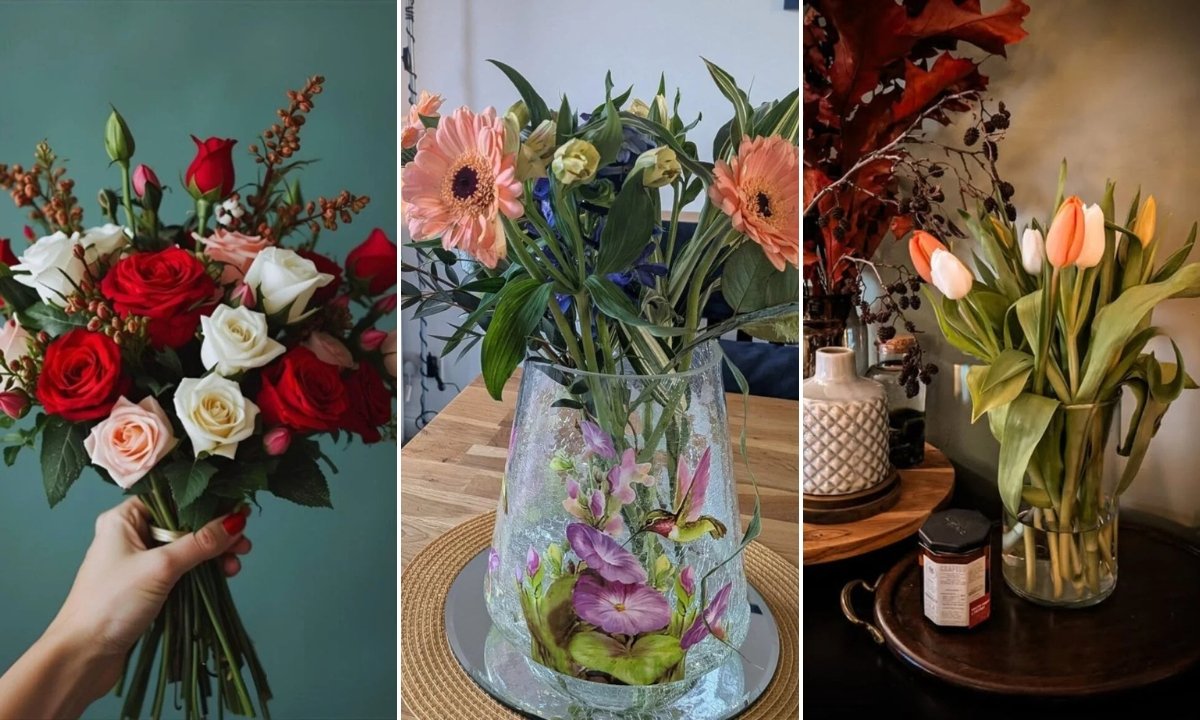
January is tricky when it comes to home decor. You want your space to feel warm and fresh.
But most flowers either look too spring-like or don’t last in the cold months. You might have tried skipping flowers altogether because nothing feels “right” for this time of year.
That’s the real problem not a lack of flowers, but not knowing which ones actually work in January.
The good news is, there are winter flowers that look beautiful indoors and make your home feel calm and put-together.
In this guide, you’ll find 15 January flower ideas that actually work in winter and still look beautiful in 2026.
Which Winter Flowers Look Best For January Home Decor?
January calls for flowers that feel calm, simple, and natural – not bright spring blooms that look out of place.
If your home feels cold or empty after the holidays, the right winter flowers can instantly soften the space and make it feel lived-in again.
The key is choosing flowers that hold up well indoors and match January’s quiet mood. When you pick the right types and colors.
you don’t need big arrangements or constant upkeep. Even one small vase can make your home feel warmer and more intentional.
Save this article for later! 👇👇
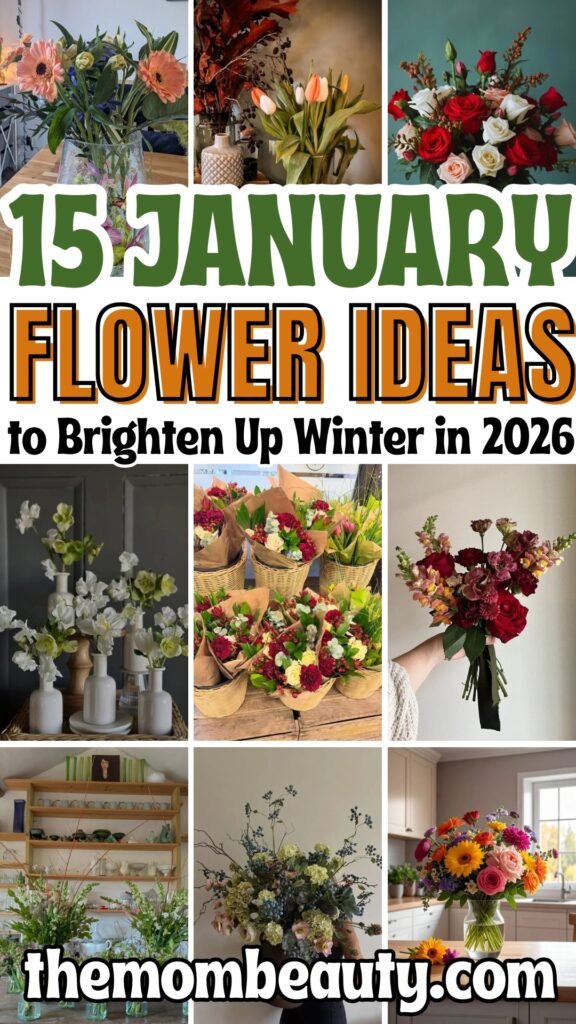
Winter Roses
Deep red and soft ivory roses bring instant warmth into a January space when everything outside feels bare.
Roses work best indoors during winter because they don’t need sunlight once cut and hold their shape longer in cooler rooms.
Place a mixed rose bouquet on a dining table, console, or kitchen counter where you spend the most time.
To recreate this look, choose two strong winter shades and one softer neutral, then keep the greenery minimal so the flowers stay the focus.
Trim stems every two days and keep the arrangement away from heaters to help it last longer through the week.
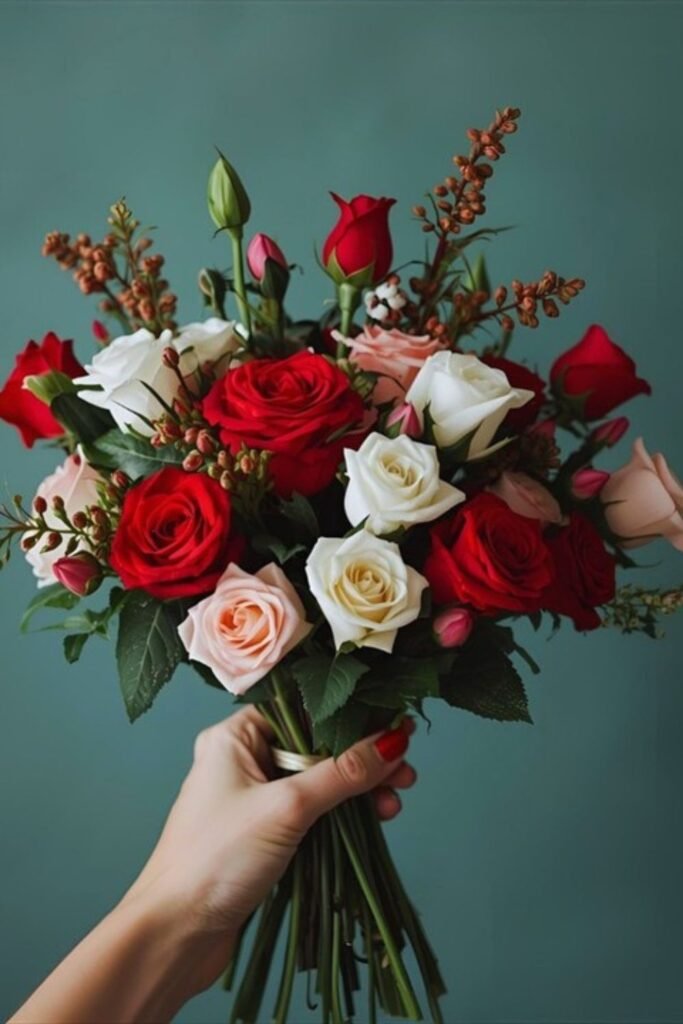
Soft Gerberas
Muted pink gerberas bring life into a January room without making it feel loud or out of season.
Gerberas work well indoors during winter because they brighten dark corners while still feeling gentle and calm.
Place them on a dining table or coffee table where natural light hits for part of the day, but avoid direct cold drafts from windows.
To recreate this setup, mix gerberas with long green foliage and keep the vase slightly oversized so the stems can spread naturally.
Change the water often and shorten the stems every few days to keep them upright and fresh longer.
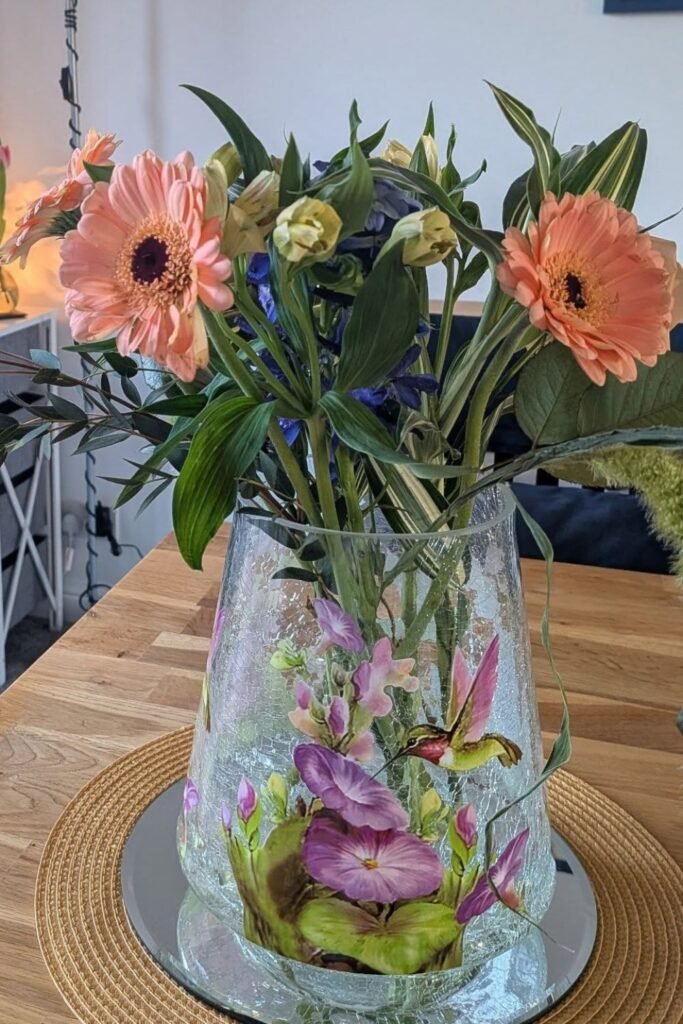
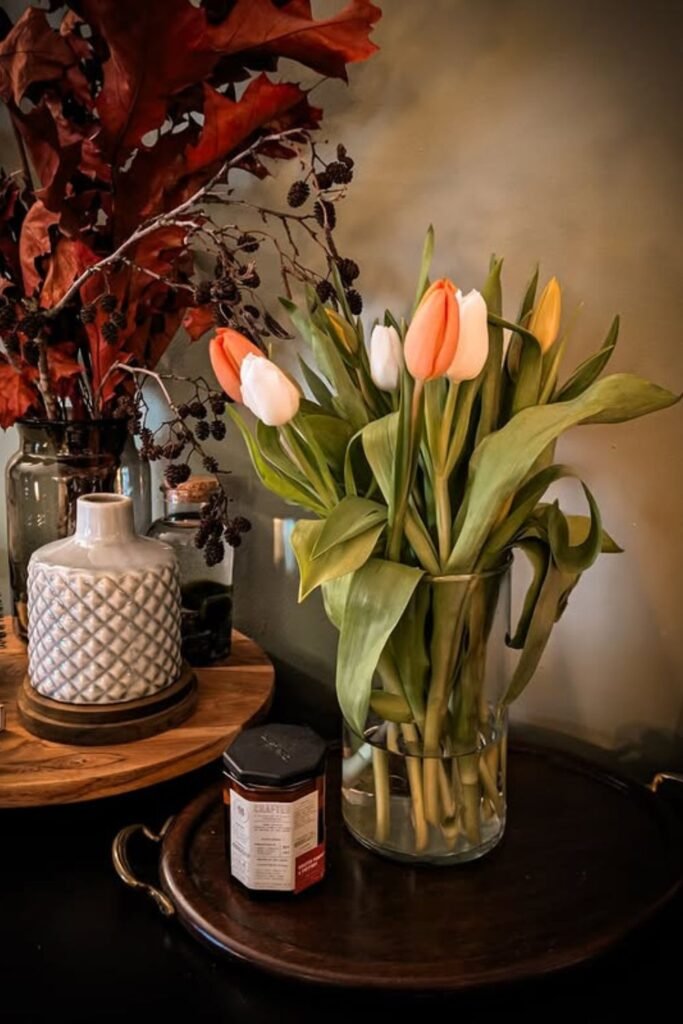
Winter Tulips
Early tulips feel right in January because they sit between seasons still calm, but full of promise.
Tulips work best when you let them stay a little wild instead of forcing them into a tight arrangement.
Set them on a side table, entryway, or quiet corner where you pass by often, so you notice them changing day by day.
To recreate this look, use a clear glass vase, keep most of the leaves intact, and allow the stems to bend naturally.
Pairing tulips with dried branches or winter foliage adds balance and keeps the arrangement grounded in the season rather than drifting into spring too soon.
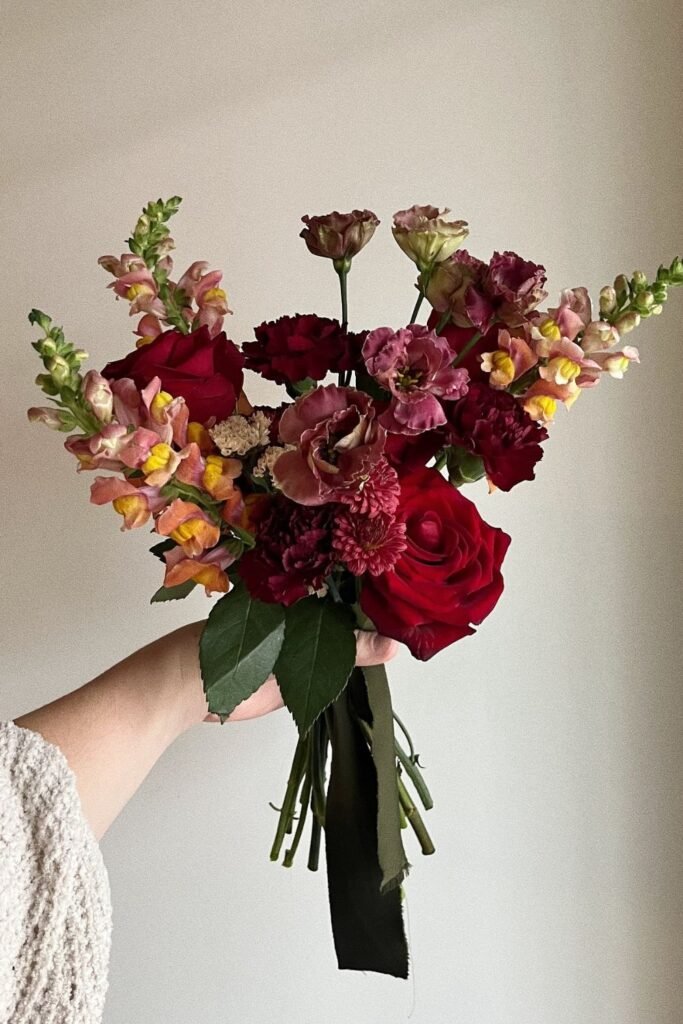
Moody Mix
Deep tones work especially well in January because they echo the season instead of fighting it.
Burgundy roses, soft pink snapdragons, and textured filler flowers create a grounded arrangement that feels calm and intentional indoors.
Use this kind of mix in spaces where you want warmth without brightness, like a bedroom dresser or a quiet reading corner.
Recreate it by choosing one dominant dark flower, then layering softer shades around it for balance.
Keep the bouquet slightly loose so each stem has space to show its shape. Shorter stems help the arrangement feel cozy rather than formal.
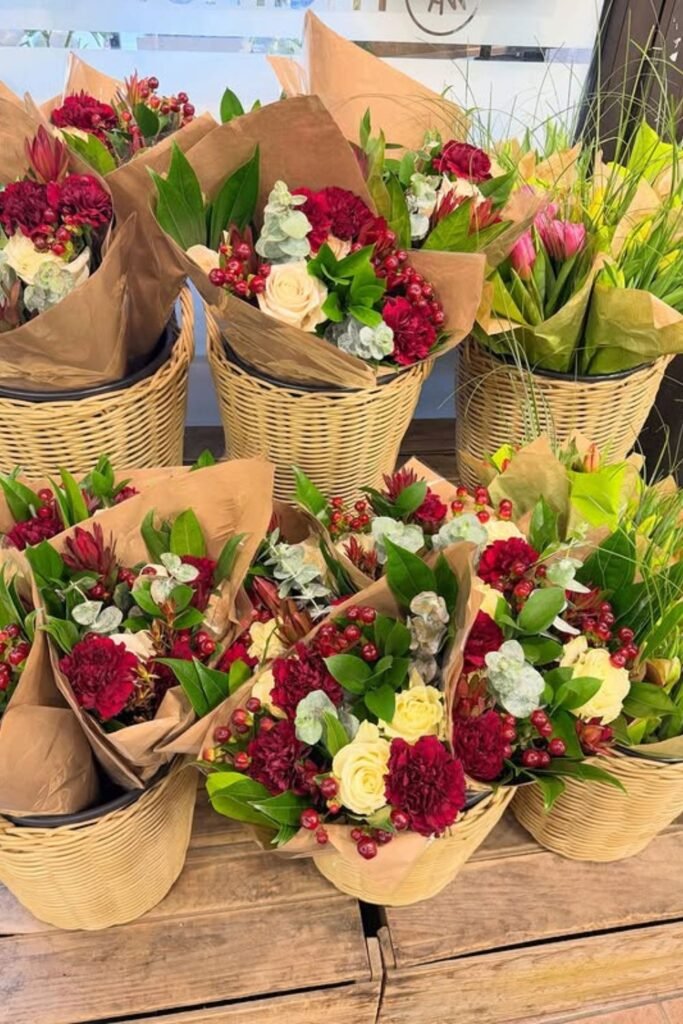
Market Bundles
Market-style bundles bring a cozy, gathered-from-the-garden feel that works perfectly in January.
Wrapped bouquets filled with winter berries, carnations, roses, and sturdy greenery feel practical and unfussy, which suits the season well.
Use this idea in an entryway, kitchen counter, or near a window where you want color without formality.
To recreate it at home, group several small bouquets instead of one large arrangement and keep the paper or wrap on for texture.
Choose flowers with thicker stems and winter foliage so they hold up indoors. Rotating bundles every few days keeps the space feeling fresh without much effort.
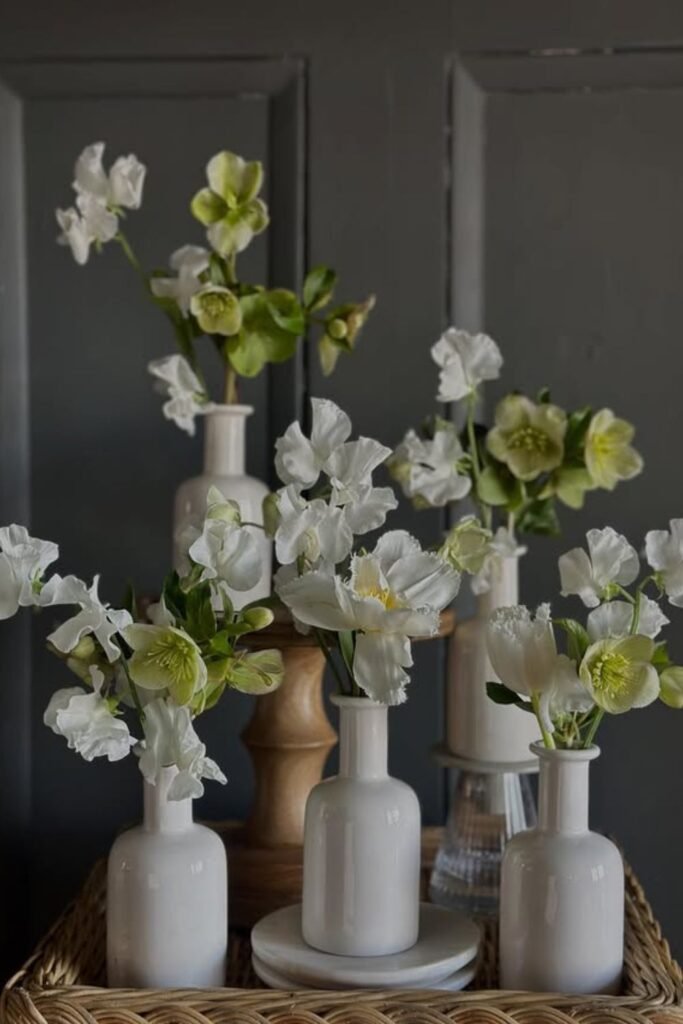
Winter Whites
Clean white winter blooms bring calm into a home when January feels heavy and dark. Hellebores and similar winter flowers work.
especially well indoors because they thrive in cooler conditions and don’t need much attention.
Use small groupings like this on shelves, sideboards, or bathroom counters where you want a quiet, tidy look instead of bold color.
Recreate the idea by placing a few single stems in short ceramic or glass bottles rather than one large vase.
Mixing heights keeps it interesting while still feeling simple. Fresh water every couple of days is enough to keep these flowers looking crisp and intentional.
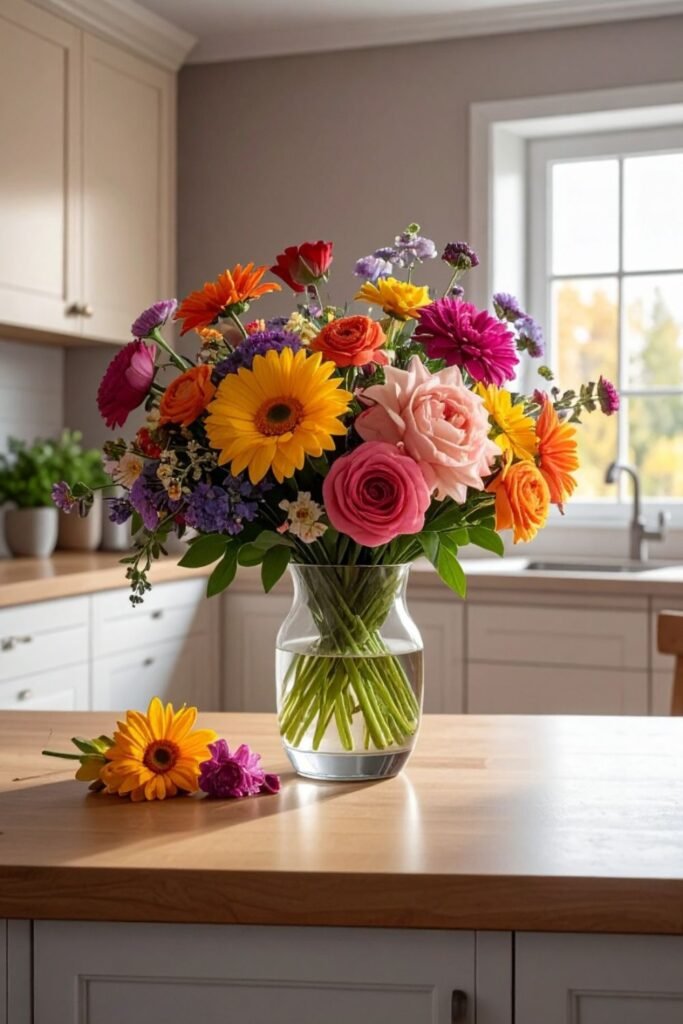
Cheerful Contrast
Color can still work in January if you control it instead of letting it take over. Bright gerberas and roses feel balanced here.
Because they’re grounded by greenery and placed in a simple kitchen setting. Kitchens handle color better than quiet spaces.
Especially in winter, because they already feel active and lived-in. Recreate this by choosing a clear glass vase.
And trimming stems to sit low and full, not tall and dramatic. Keep the background neutral so the flowers don’t overwhelm the room.
Swapping out one or two blooms as they fade keeps the arrangement fresh without rebuilding it from scratch.
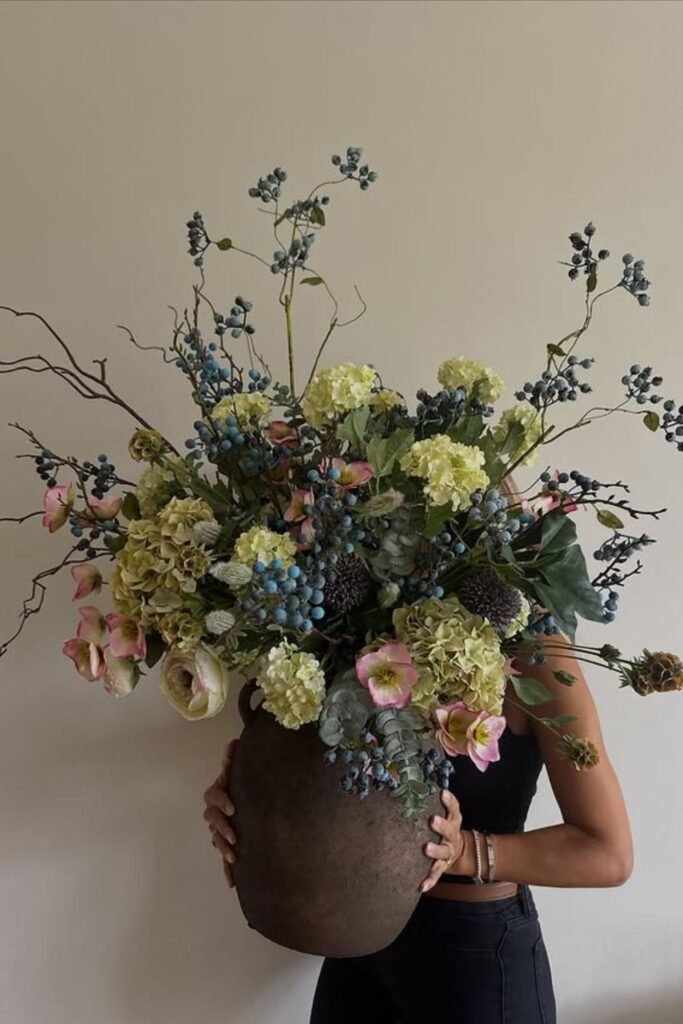
Winter Branches
Bare branches mixed with winter blooms make a space feel styled without trying too hard. Twisting stems.
And berry-like textures work well in January because they mirror what’s happening outdoors and bring that quiet winter feel inside.
Large arrangements like this belong in open areas such as living rooms, entryways, or corners that feel empty after holiday decor comes down.
Recreate the look by starting with branches as your base, then layering hardy winter flowers like hydrangeas or hellebores around them.
Use a heavy pot or ceramic vase so the arrangement stays grounded and doesn’t tip as branches spread naturally.
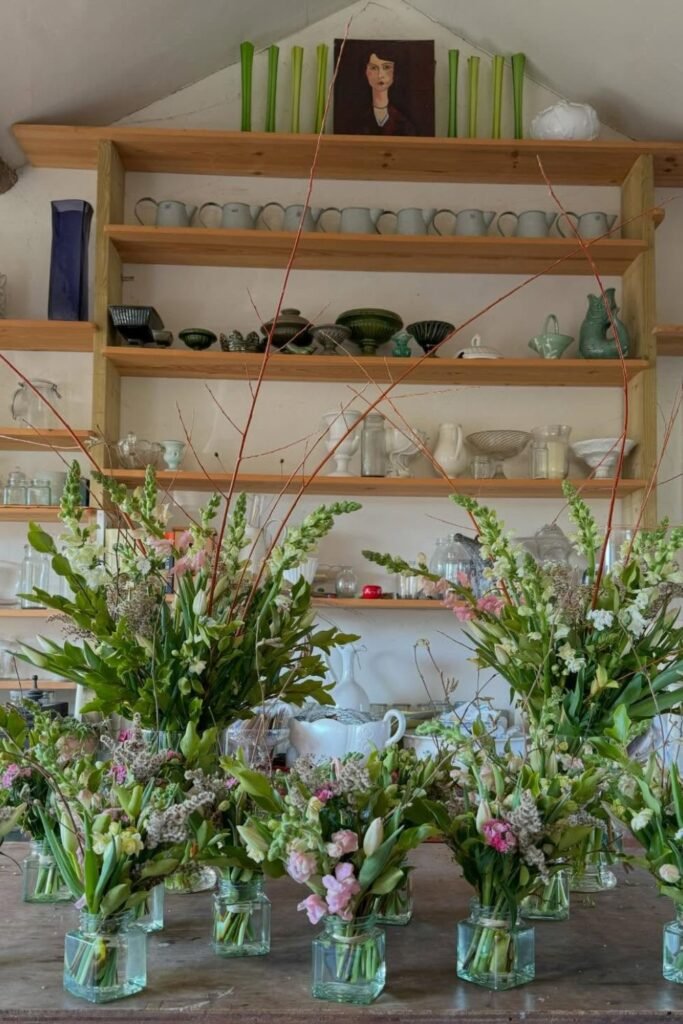
Shelf Greens
Rows of greenery feel especially grounding in January when rooms start to feel empty again.
Grouped arrangements like this work well on long tables, open shelves, or kitchen islands where repetition creates calm instead of clutter.
Small glass jars make the setup easy to manage and let the stems become part of the look.
Recreate it by using mostly winter greenery, then adding a few soft blooms for contrast rather than color overload.
Keep heights slightly varied so the eye moves across the space naturally. Refreshing one or two jars at a time keeps the whole display looking intentional without redoing everything.
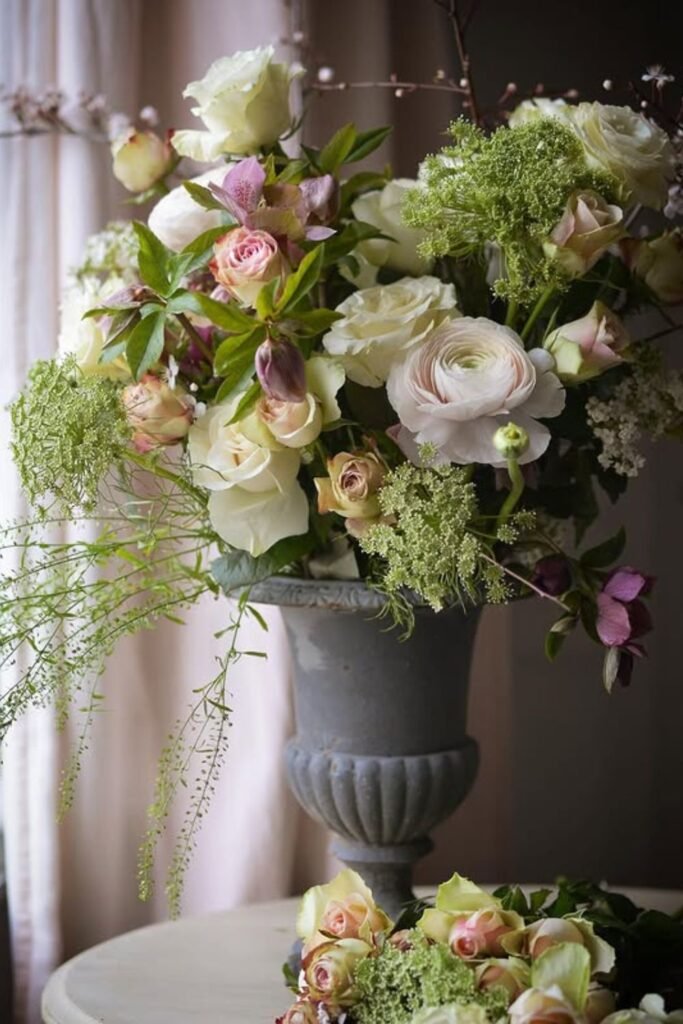
Gentle Layers
Soft layers help January flowers feel relaxed instead of forced. Pale roses, ranunculus, and airy green filler work together here.
Because none of them try to steal attention. Arrangements like this suit window tables, bedside corners, or quiet sitting areas.
Where natural light already does some of the work. Recreate the look by building in stages start with greenery for shape.
Add medium blooms for body, then finish with a few delicate flowers near the edges. Let some stems fall outward instead of trimming everything tight.
A slightly weathered vase keeps the arrangement grounded and prevents it from feeling too polished for winter.
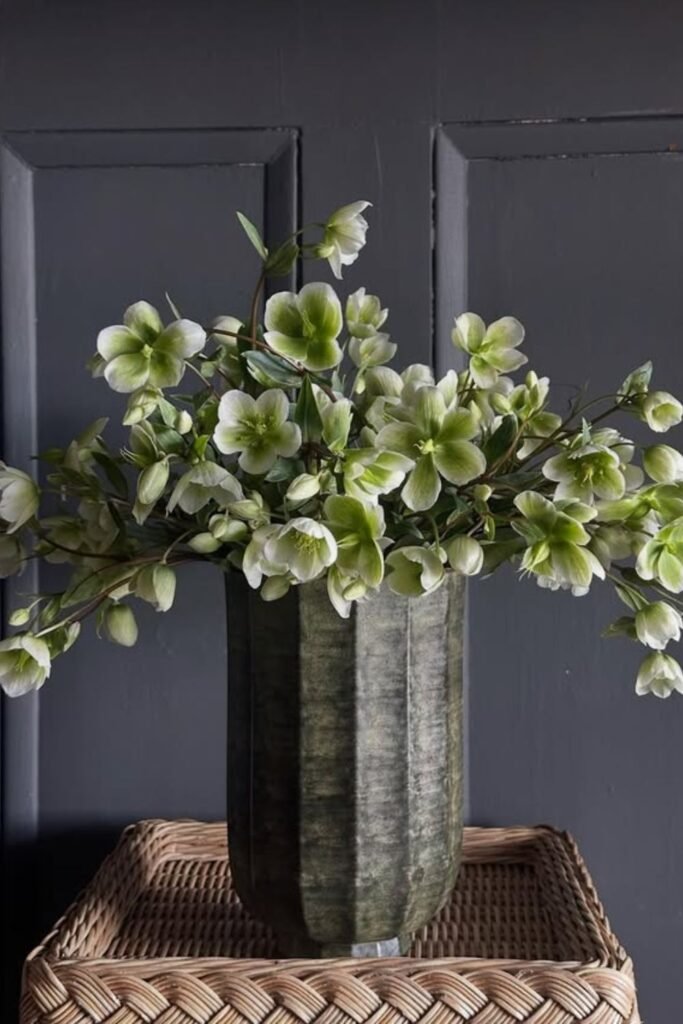
Green Hellebores
Quiet green blooms suit January homes because they feel natural rather than decorative.
Hellebores hold their shape well indoors and don’t wilt quickly, which makes them ideal if you want something low-effort but still thoughtful.
Use an arrangement like this on a sideboard, hallway table, or anywhere dark colors dominate, since the soft green lifts the space without adding brightness.
Recreate the look by choosing one sturdy winter flower and letting the stems spread outward instead of standing straight.
A tall, textured vase helps anchor the arrangement and keeps it from feeling fragile. Minimal water changes are enough to keep these blooms looking fresh for days.
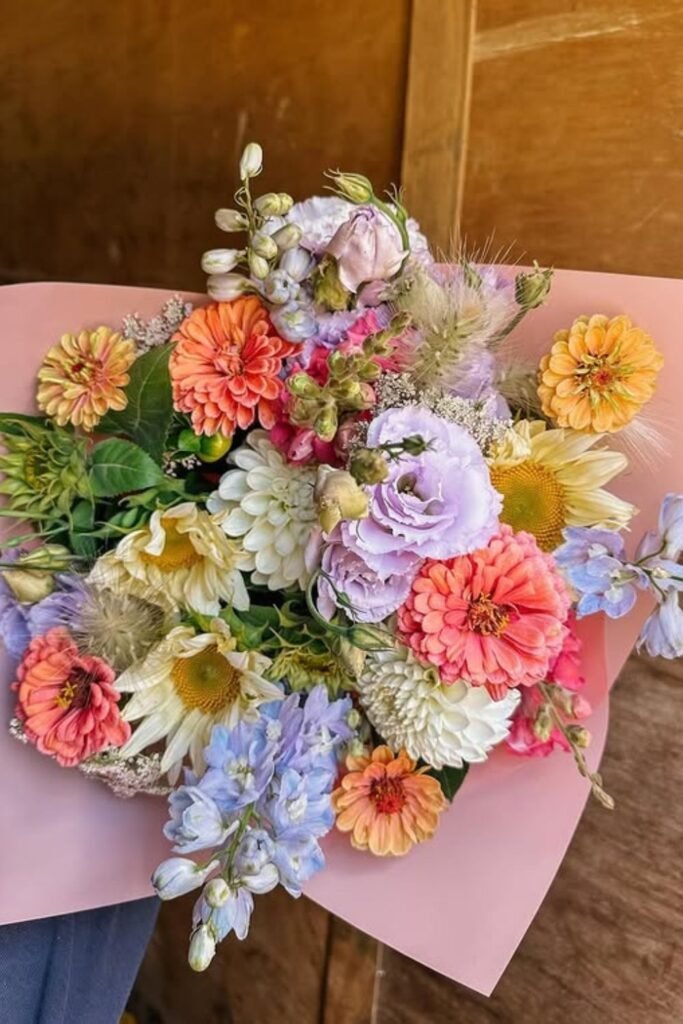
Garden Mix
Unexpected color works in January when it feels collected, not styled. A hand-tied bouquet filled with garden-style flowers.
Brings that just-picked feeling indoors, even in winter. This kind of mix suits kitchens, breakfast nooks, or worktables where life happens daily.
Recreate it by choosing flowers that look natural together rather than matching perfectly—think soft pastels mixed with one or two brighter blooms.
Keep stems uneven so the bouquet doesn’t feel formal. Wrapping the flowers loosely instead of arranging them in a vase also helps keep the look relaxed.
If you grow flowers seasonally, this style mimics the same easy balance you’d get from cutting straight from the garden.
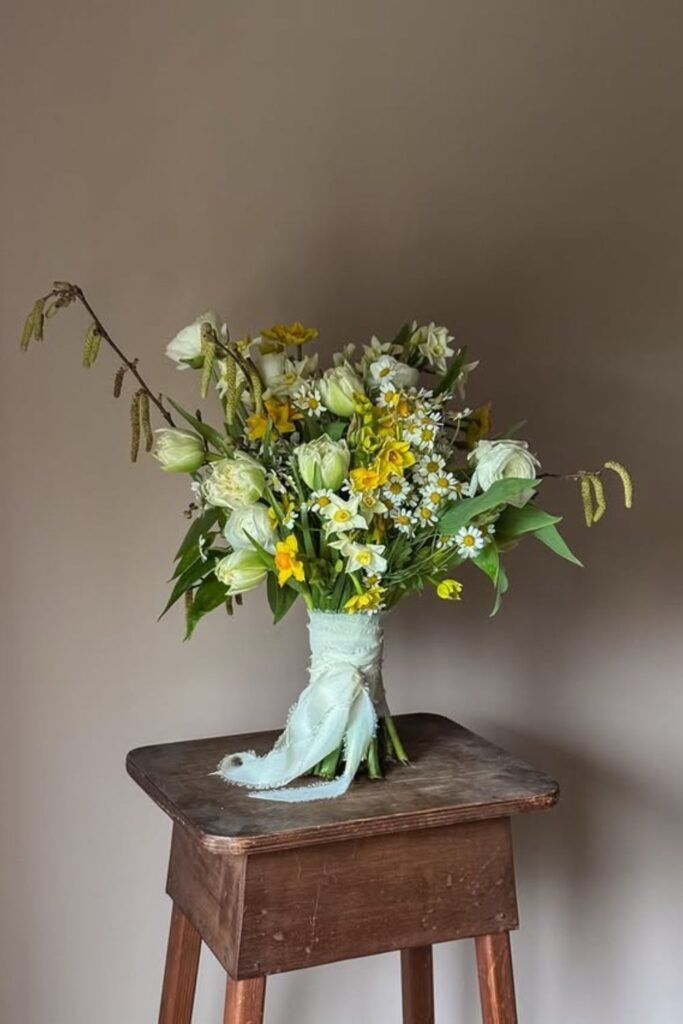
Fresh Meadow
Early spring-style blooms can still work in January if they feel simple and grounded. White tulips, small daffodils.
And tiny daisy-like flowers bring a gentle lift without turning the space too bright. This setup fits well in quiet corners.
Like a hallway table. Bedside stand, or home office where you want something light but not distracting.
Recreate it by choosing mostly pale flowers and adding one soft yellow tone for warmth. Keep the bundle tied loosely.
And place it on a stool or small table rather than a large surface. Let the arrangement stand alone so it feels intentional, not decorative clutter.
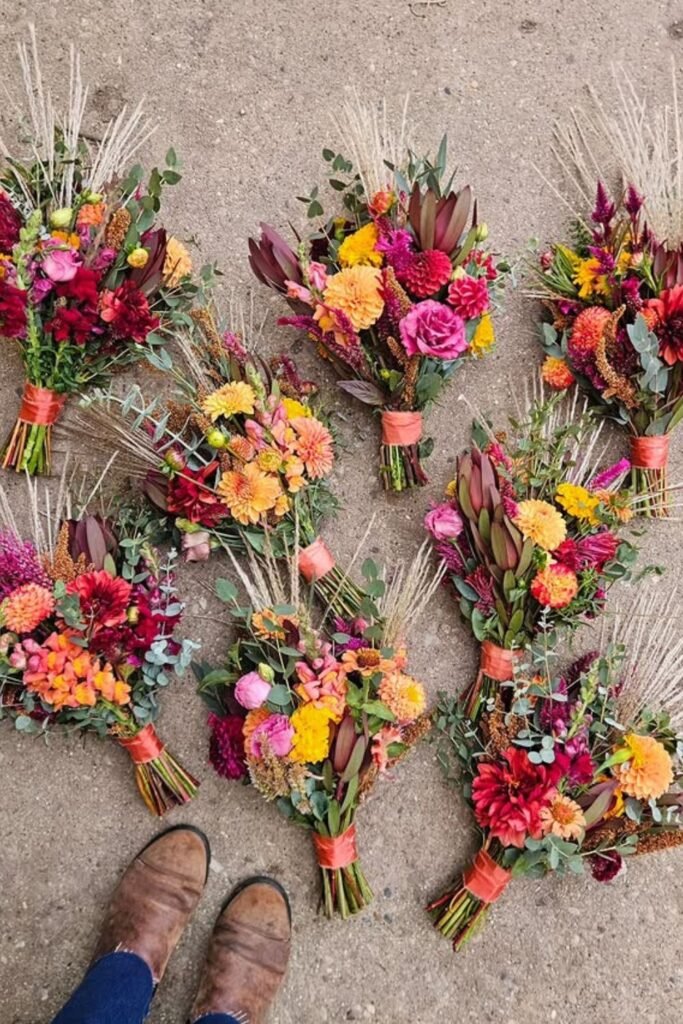
Dried Posies
Texture carries more weight than color in January, and dried elements do that job well. Grasses, seed heads.
And sturdy blooms hold their shape and bring a garden-at-rest feeling indoors. Small hand-tied posies like these work best on hooks, entry tables, or open shelving.
Where they can sit quietly without water. Recreate the look by mixing a few fresh winter flowers with dried grasses and eucalyptus.
Then binding them tightly with twine or ribbon. Let uneven stem lengths show so the bundles feel natural.
Once the fresh blooms fade, remove them and keep the dried pieces to extend the life of the arrangement through the rest of winter.
Evergreen Roses
Evergreens bring structure first, flowers come second and that order matters in January.
Fir branches, pinecones, and winter berries create a strong garden base that makes red roses feel seasonal instead of festive.
Arrangements like this work best near entryways or on a hallway table where they can handle cooler air and still look full.
Recreate the look by starting with cut evergreen branches from a garden center or yard, then tucking roses deep into the greenery rather than placing them on top.
Add natural accents like pinecones or cinnamon sticks for texture. Keeping the flowers protected by foliage helps them last longer and keeps the whole arrangement grounded in winter.

FAQs
Can winter flowers survive indoors during January?
Yes, but only if you pick the right ones and place them well. Winter flowers and greenery last longer indoors when they’re kept away from direct heat sources like radiators and fireplaces.
Cooler rooms with natural light help them hold their shape and color, which is why entryways, dining areas, or window-adjacent spaces work best in January.
How do you keep a garden from looking empty in January?
Focus less on flowers and more on structure. Evergreens, clipped shrubs, paths, and vertical elements give the garden form when blooms fade.
When structure is in place, even small winter details like frost, dried seed heads, or lighting—make the space feel intentional instead of bare.

Hi, I’m Afaf! I’m a law student who loves all things home, style, and gardening. I’ve been writing for over a year about topics like home decor, DIY projects, plants, fashion, and beauty.
I like sharing ideas that are easy to try and don’t cost a fortune. Whether it’s organizing a messy closet, decorating on a budget, or keeping houseplants alive, I write about what I’ve actually tried myself.
When I’m not studying, I’m usually on Pinterest looking for my next project or adding another plant to my collection!