
18 Lavender Flowers Ideas For 2026
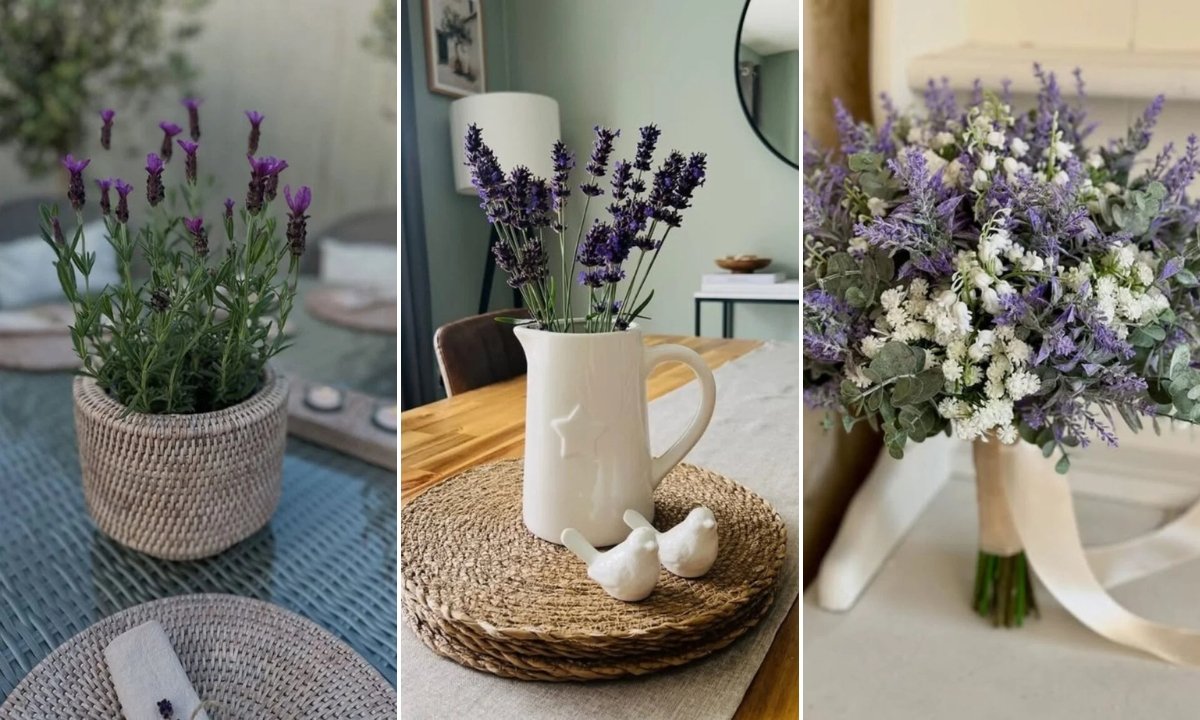
You’re not doing anything wrong if lavender keeps looking beautiful in photos but awkward in your home.
Most people bring lavender indoors, place it in a random vase, and then wonder why it feels messy, dusty, or out of place after a few days.
The problem isn’t the flowers it’s not knowing where and how to use them indoors. If you want lavender to make your space feel calm, clean, and intentional.
In this article, you’ll see 18 practical Lavender Flowers ideas that make compact spaces feel intentional in 2026.
What are the most creative ways to decorate with lavender flowers indoors?
If you want to decorate with lavender indoors, you need to think beyond just putting it in a vase and calling it done.
Indoors, lavender works best when you use it with intention where it adds calm, scent, and softness instead of visual clutter.
The most creative ways come from understanding how lavender behaves in closed spaces, how long it lasts, and what kind of mood you want to create.
Once you get that right, decorating with lavender becomes simple, practical, and actually enjoyable.
Save this article for later! 👇👇
Dried Bundles
Loose lavender works best indoors when you treat it like a finished harvest, not a fresh flower.
Drying the stems and tying them into small bundles keeps the shape neat and stops petals from dropping everywhere.
This setup fits perfectly in bedrooms, closets, or shelves where you want a soft scent without daily care.
To recreate it, cut lavender when the buds are just opening, hang it upside down in a dry space, then wrap the stems in paper or twine once fully dry.
Keep the bundles away from humidity, and they’ll stay beautiful and fragrant for months without needing water or sunlight.
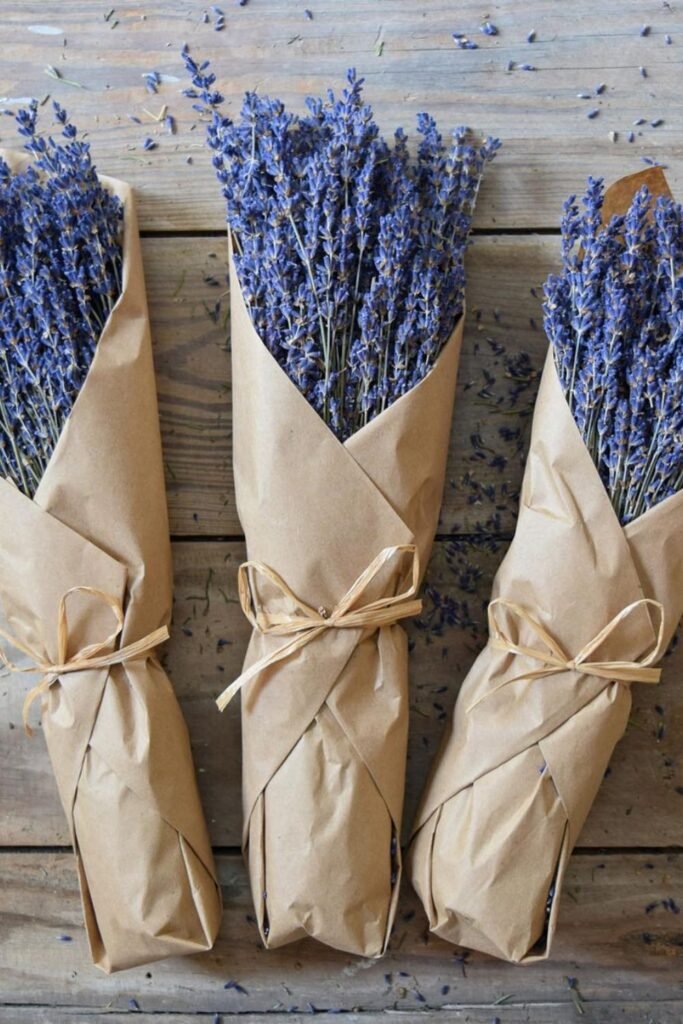
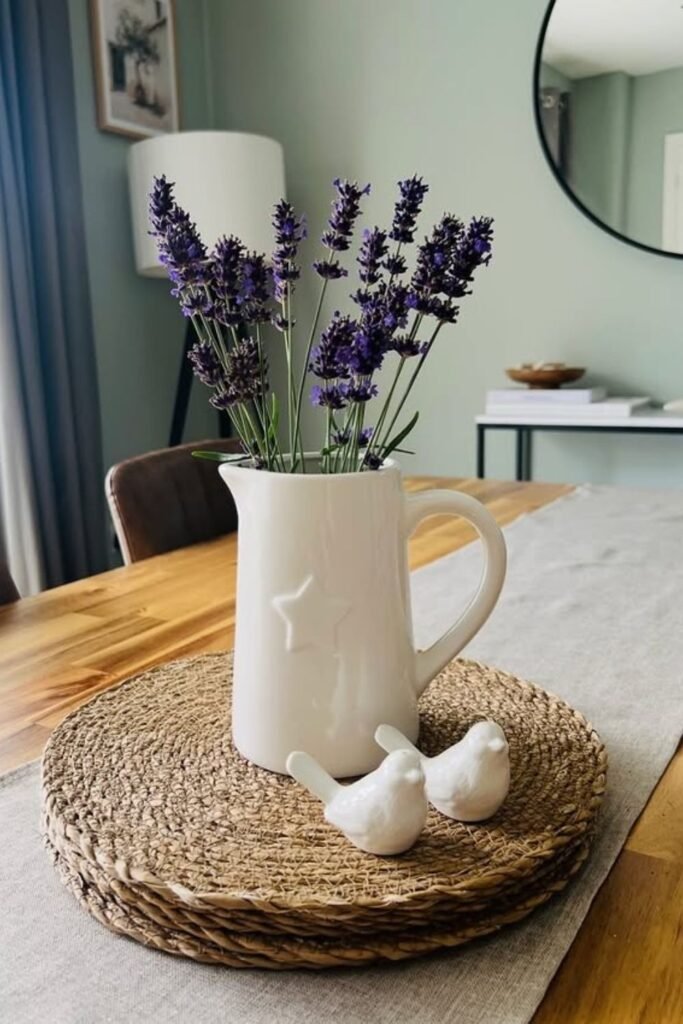
Table Harvest
Fresh lavender feels right indoors when it looks like something you just picked, not something you arranged for display.
Cutting a few stems from a healthy plant and placing them loosely in a jug keeps the setup relaxed and natural.
This works best on dining tables, kitchen islands, or sideboards where you want a light scent without overpowering the room.
Use freshly watered lavender so the stems stay firm, trim the bottoms, and refresh the water every two days.
Skip tight bunches space between stems helps them last longer and keeps the look clean instead of crowded.
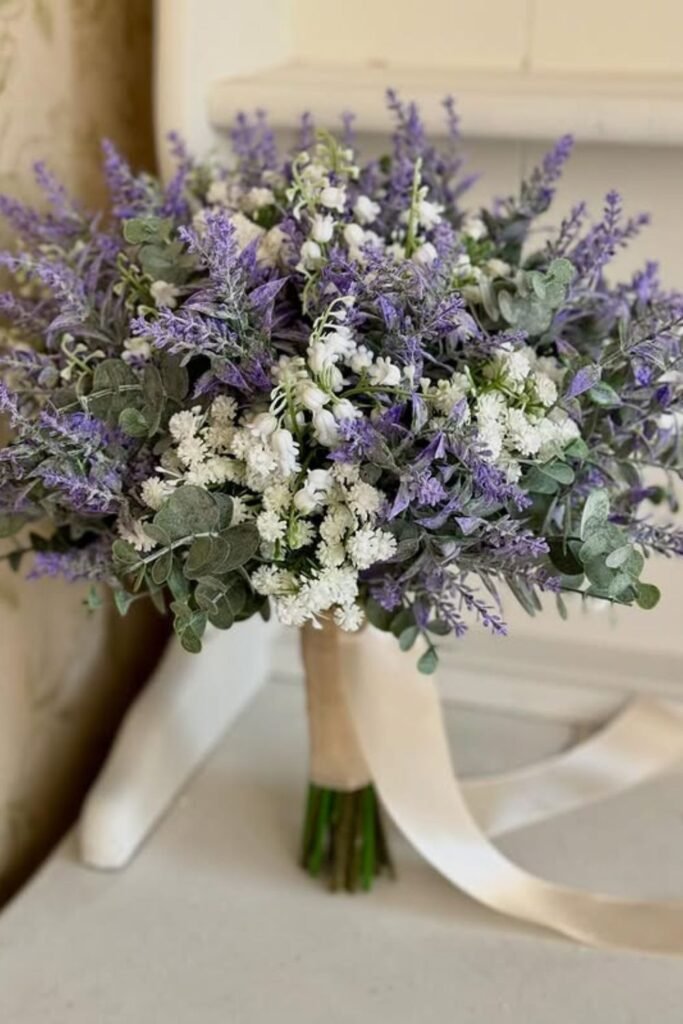
Mixed Cuttings
Lavender feels more balanced indoors when it’s not carrying the whole arrangement alone. Mixing it with soft white blooms.
And muted greenery creates a fuller look that still feels calm, not heavy. This works best in living rooms, entry tables.
Quiet corners where you want presence without strong scent overload. To recreate it, cut lavender early in the morning.
Pair it with garden fillers like eucalyptus or small white flowers. And keep stem lengths uneven.
That slight irregularity keeps the bouquet relaxed and natural, like something gathered straight from a backyard garden instead of a florist’s cooler.
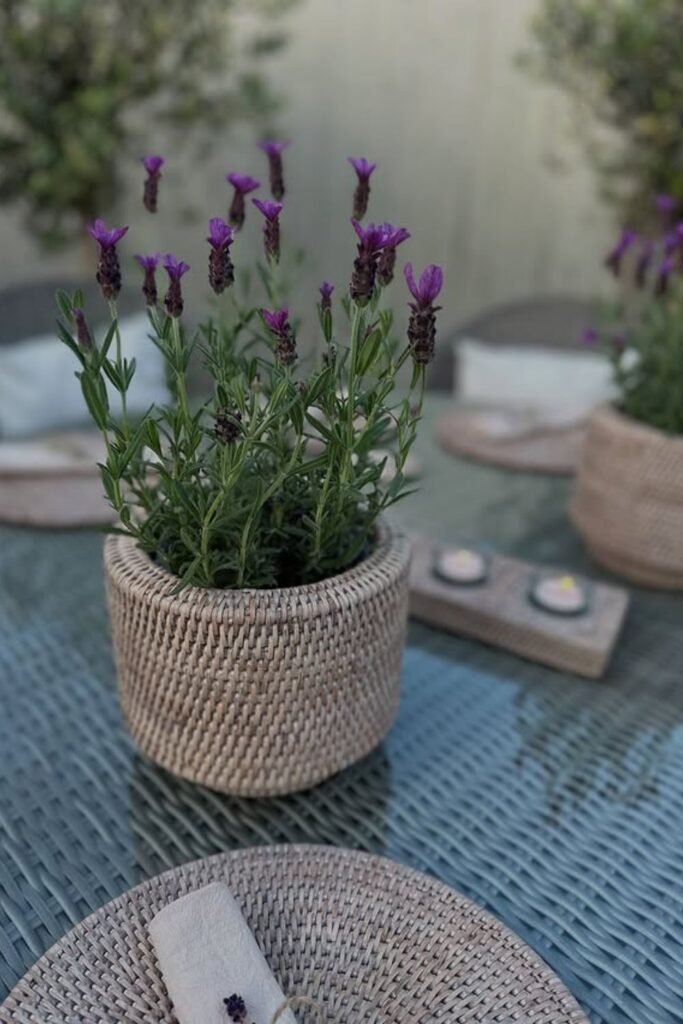
Living Pots
Seeing lavender grow indoors changes how the room feels because it’s alive, not arranged.
A potted plant works best on dining tables, coffee tables, or bright corners where sunlight naturally falls during the day.
Choose a compact lavender variety, use a pot with drainage, and place it near a window that gets several hours of light.
Water only when the soil feels dry, not on a schedule. Keeping it slightly dry prevents root rot and keeps the plant healthy.
This setup suits homes where you want greenery that smells good and doesn’t demand constant attention or styling.
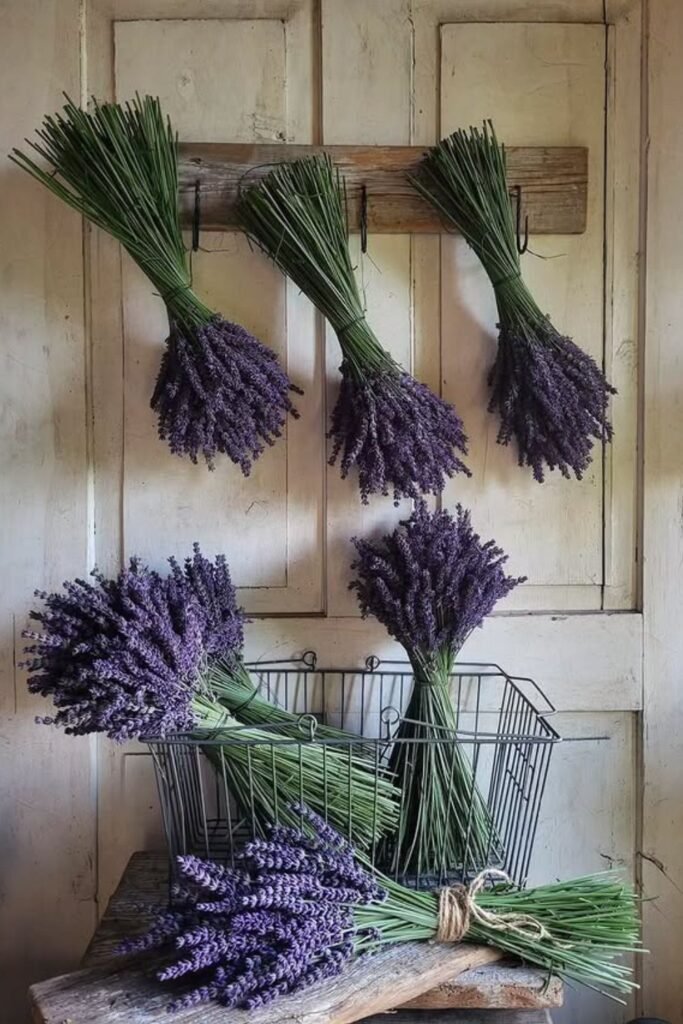
Hanging Harvest
Nothing makes lavender feel intentional indoors like treating it as part of the harvest process.
Hanging bundles upside down turns a plain wall into something useful and beautiful at the same time.
This works best in kitchens, pantries, laundry rooms, or entryways where airflow stays steady. Cut long stems.
Tie them loosely with twine, and hang them away from direct sunlight so the color doesn’t fade.
Spacing matters here give each bundle room so air can move between them. Once dry, you can leave.
Them up for months or take them down as needed for décor, sachets, or simple indoor arrangements.
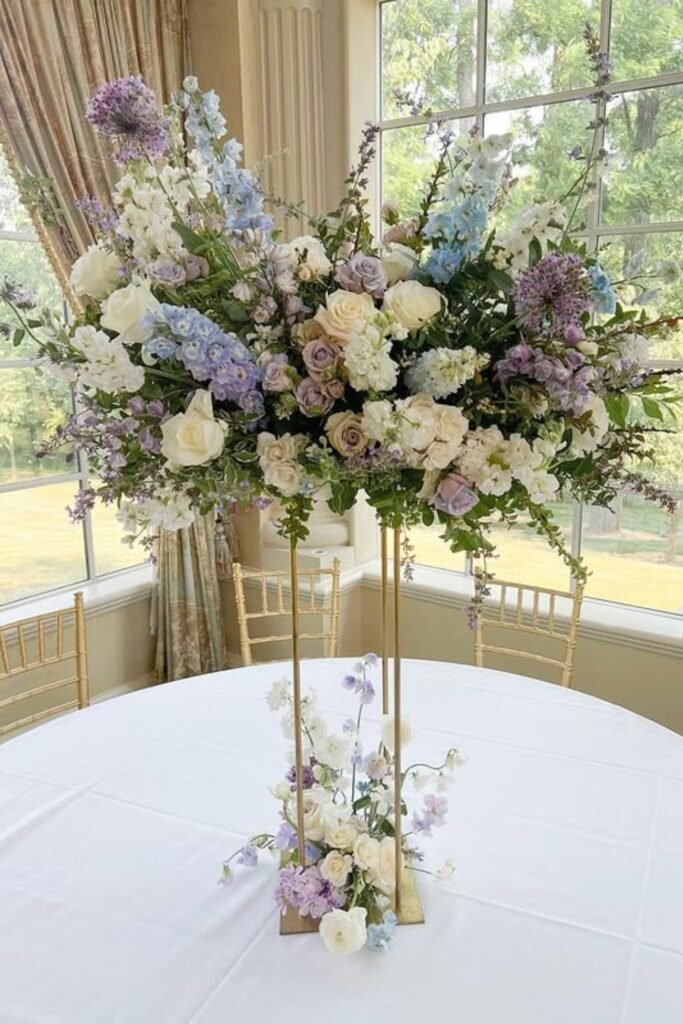
Window Garden
Morning light changes how lavender behaves indoors, especially when you place it near large windows.
A tall arrangement like this works best in dining rooms or sitting areas where natural light moves through the space during the day.
Use garden-grown lavender as a supporting flower, not the main focus, and mix it with sturdy stems that can hold height.
Cut everything fresh, keep the water line clean, and trim stems every two days. Height only works when the base stays balanced.
So anchor the arrangement in a heavy vase or stand. Done right, it feels like the garden followed the sunlight inside.
Garden Cut
Fresh flowers only feel right indoors when they come straight from the garden with purpose.
Carrying stems in by hand lets you control what goes into the arrangement instead of forcing everything to work together.
This approach suits kitchens, entry tables, or casual living spaces where things don’t need to look perfect.
Cut lavender alongside other soft garden blooms early in the day, keep the stems long, and arrange them loosely once inside.
Mixing textures from the garden keeps lavender from feeling stiff or overstyled. The key is restraint fewer stems, more breathing room, and a clear connection to the garden they came from.
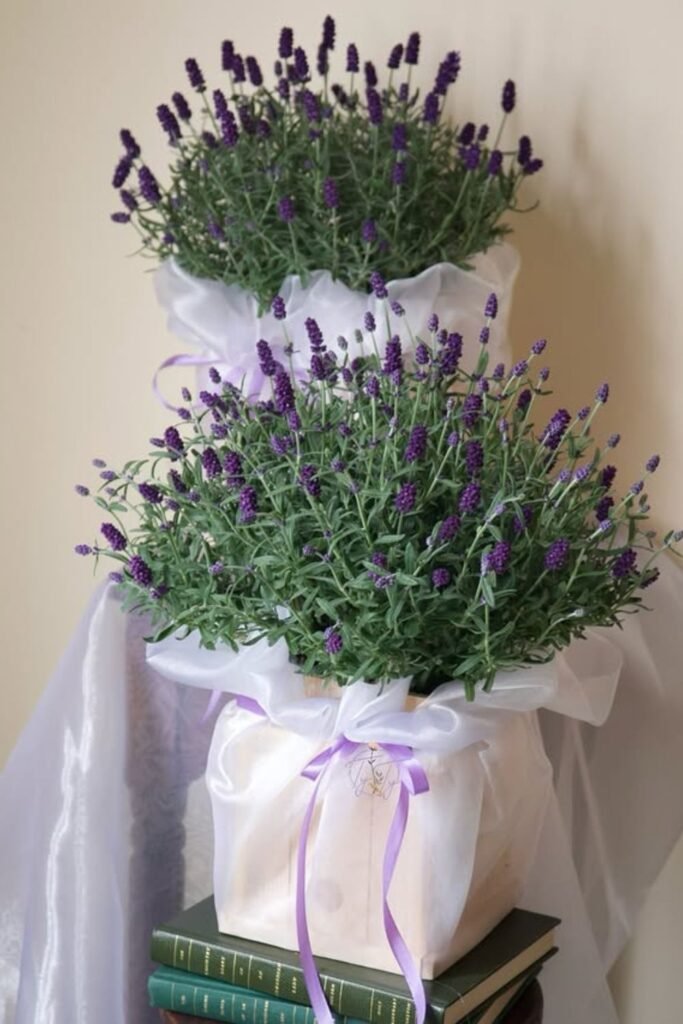
Tiered Pots
Stacked lavender works indoors when you treat it like a living display instead of table décor. Placing potted plants at different heights.
Adds depth without spreading them across the room. This setup fits best in quiet corners, near windows.
Or beside seating where natural light reaches all levels. Use compact lavender varieties, keep each pot well-drained.
And rotate them every few days so growth stays even. Water sparingly and only at the base to avoid damp leaves.
The height difference does the visual work for you, while the plants stay rooted, healthy, and easy to manage indoors.
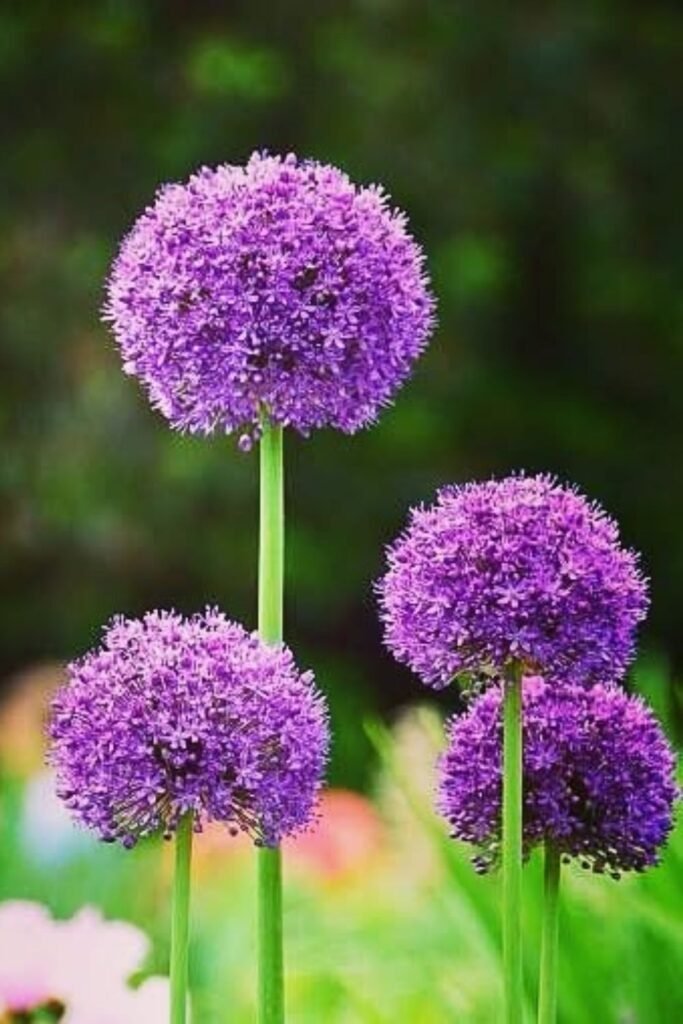
Statement Stems
Not every indoor arrangement has to rely on lavender alone to make an impact. Tall, sculptural garden blooms.
Like these work best as contrast pieces when you want lavender to feel softer by comparison.
This approach suits open rooms, window-led spaces, or entry areas where height draws the eye upward.
Grow or source strong-stemmed garden flowers, cut them cleanly, and use them sparingly alongside or near lavender displays.
One or two bold stems are enough. The structure comes from the garden, while lavender nearby keeps the overall mood calm instead of dramatic or heavy.
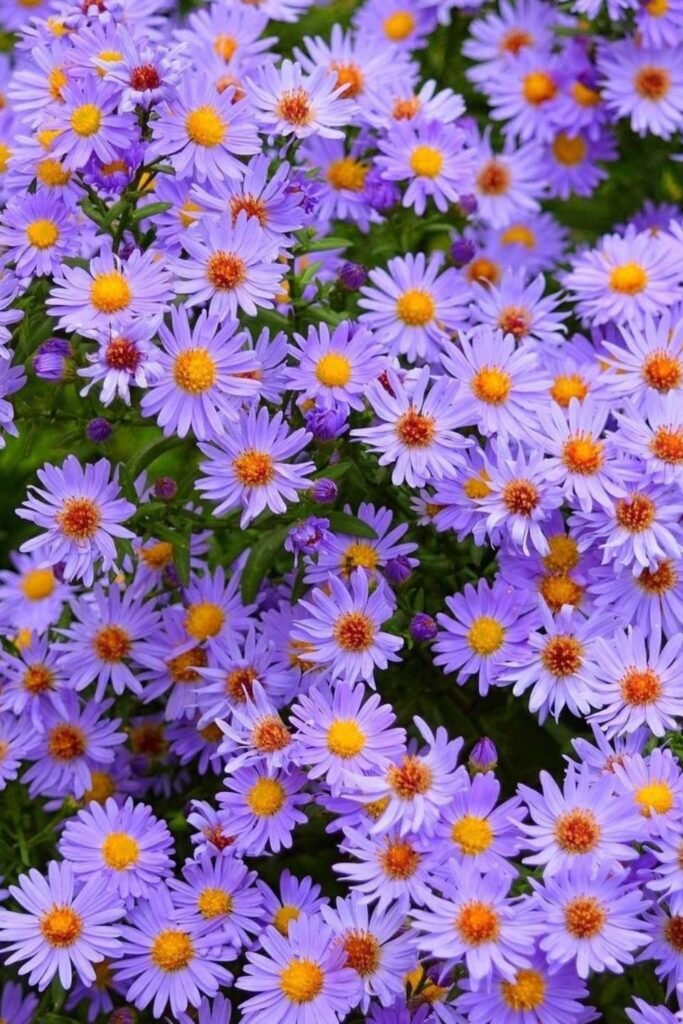
Companion Blooms
Lavender feels calmer indoors when it shares space with flowers that bloom at the same pace.
Pairing it with soft, daisy-like garden flowers brings balance and keeps the arrangement from feeling stiff or overly purple.
This works well in living rooms or bright hallways where color needs to feel fresh, not heavy.
Grow or cut companion blooms that like similar light and watering conditions, then mix them loosely with lavender stems.
Keep the shapes open and uneven. The contrast in petal size adds movement, while lavender’s structure keeps everything grounded and clean.
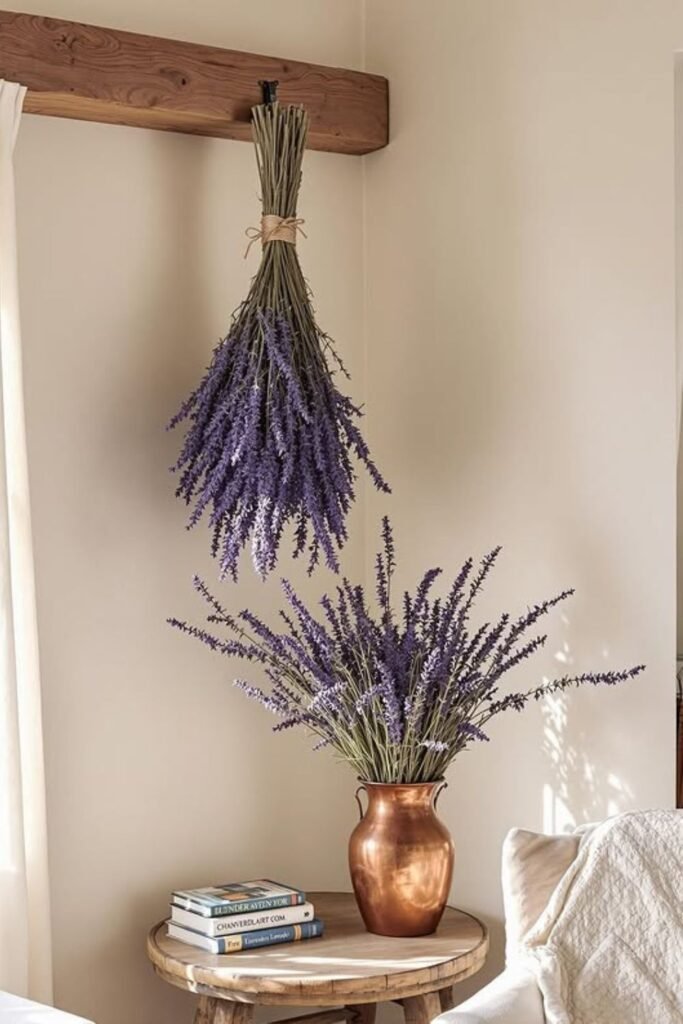
Dual Display
Using lavender in two forms at once makes an indoor space feel layered instead of styled.
Hanging dried stems above while keeping fresh or fuller bundles below creates contrast without adding clutter.
This works best in bedrooms or reading corners where you want calm without too much visual noise.
Dry one bundle completely and hang it away from direct sun, then place another bundle in a heavy vase underneath.
Keep both simple and unforced. The mix of suspended and grounded lavender keeps the space feeling lived-in, not decorative, and lets the scent stay gentle instead of overwhelming
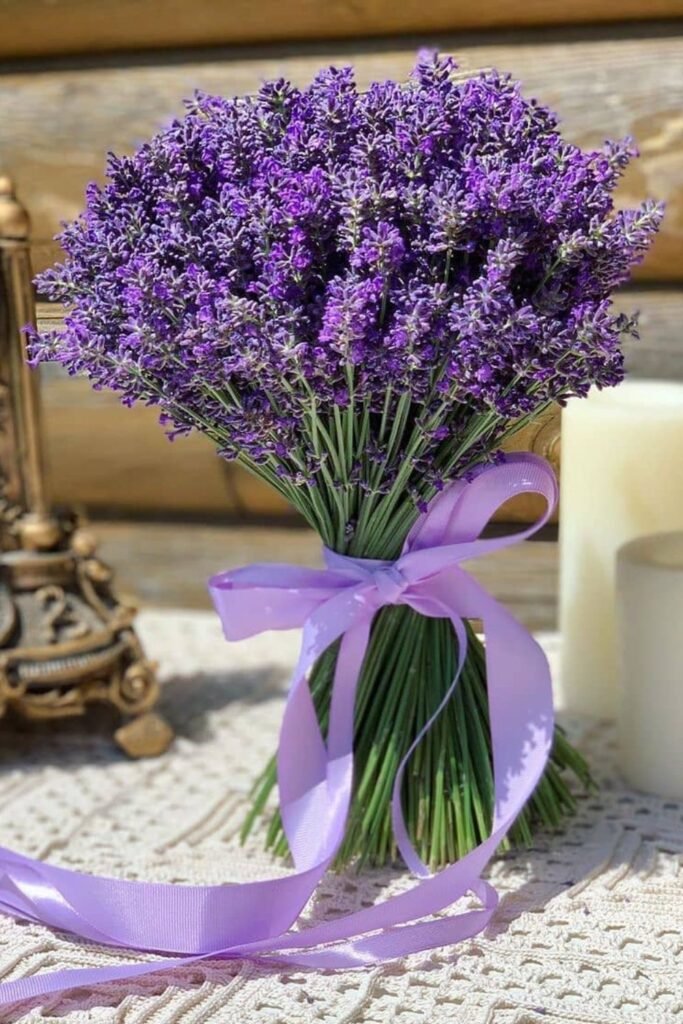
Bound Bouquet
Lavender feels more personal indoors when you gather it yourself and decide how tight or loose it should be.
Binding the stems into a compact bouquet keeps everything controlled, which works well for bedside tables, shelves, or calm corners where movement should stay minimal.
Cut lavender once most buds have opened, line up the stems evenly, and tie them firmly so the shape holds as it dries.
Let it rest upright for a few days before final placement. A tightly bound bundle drops fewer petals.
And keeps its form longer, making it ideal for indoor spaces where mess quickly becomes distracting.
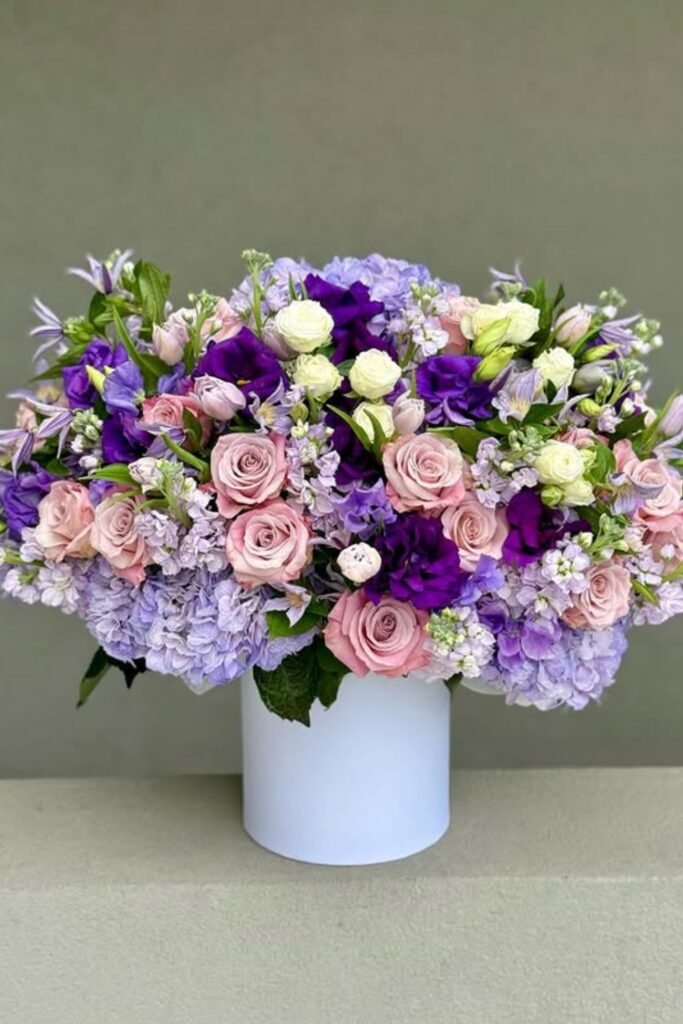
Garden Blend
Lavender works best in fuller indoor arrangements when it supports the mood instead of trying to lead it.
Blending it with garden roses, soft hydrangeas, or seasonal blooms creates a grounded look that still feels relaxed.
This style fits dining tables, console tables, or living rooms where you want presence without sharp fragrance.
Cut lavender slightly shorter than the main flowers so it weaves through instead of standing tall.
Keep the base wide and the edges loose. When lavender plays a supporting role, the whole arrangement feels softer, more natural, and easier to live with indoors.
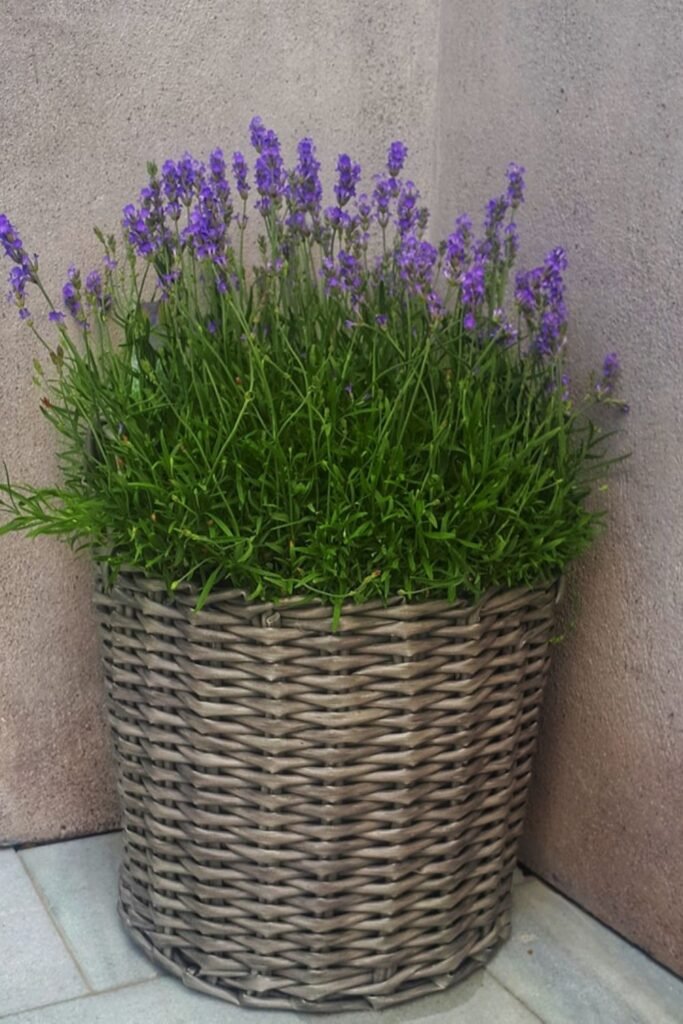
Basket Planting
Lavender feels more natural indoors when it stays rooted instead of cut. A planted pot like this works best near entryways, bright corners.
Or beside windows where light is steady but not harsh. Use a breathable container or place the nursery pot.
Inside a basket so excess water can drain properly. Choose well-draining soil and let the top layer dry out.
Before watering again. Keeping lavender slightly dry helps it stay compact and healthy.
This setup suits people who want greenery that looks styled but still grows like it would outdoors, without constant trimming or rearranging.
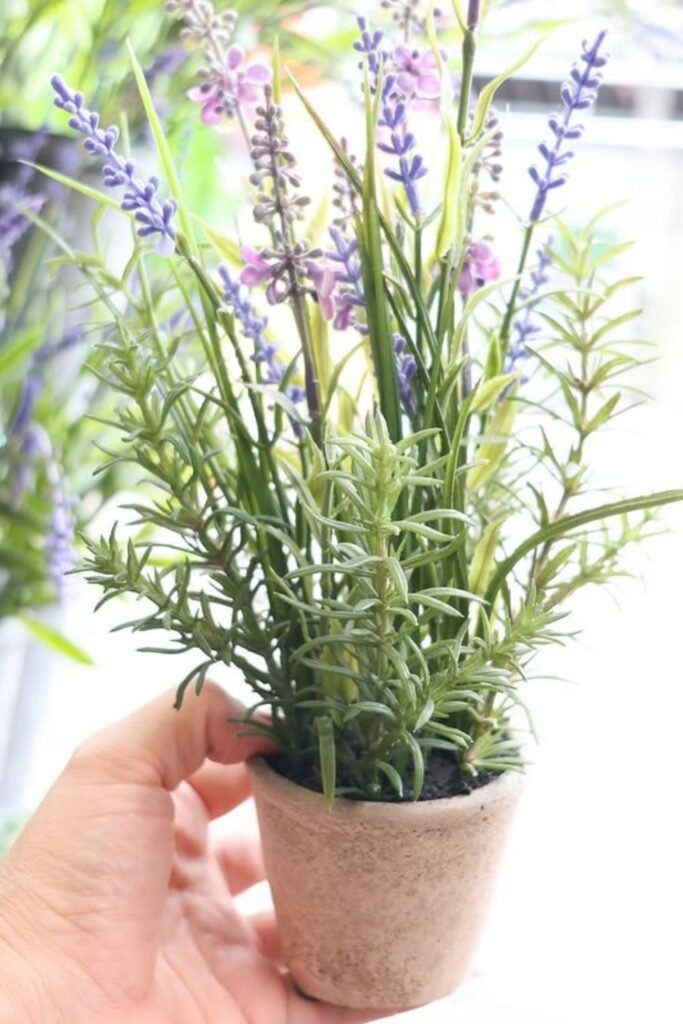
Window Grow
Small lavender plants earn their place indoors when they sit where light already wants to go.
A compact pot like this works best on window sills, bathroom ledges, or kitchen counters that get steady daylight.
Use a pot with drainage, keep the soil loose, and water lightly only after the top feels dry. Turning the pot every few days.
Keeps the growth even instead of leaning toward the glass. This setup is ideal if you want the feeling of gardening indoors.
Without committing to large pots or constant care. When lavender gets enough light, it stays tidy, fragrant, and surprisingly low-effort.
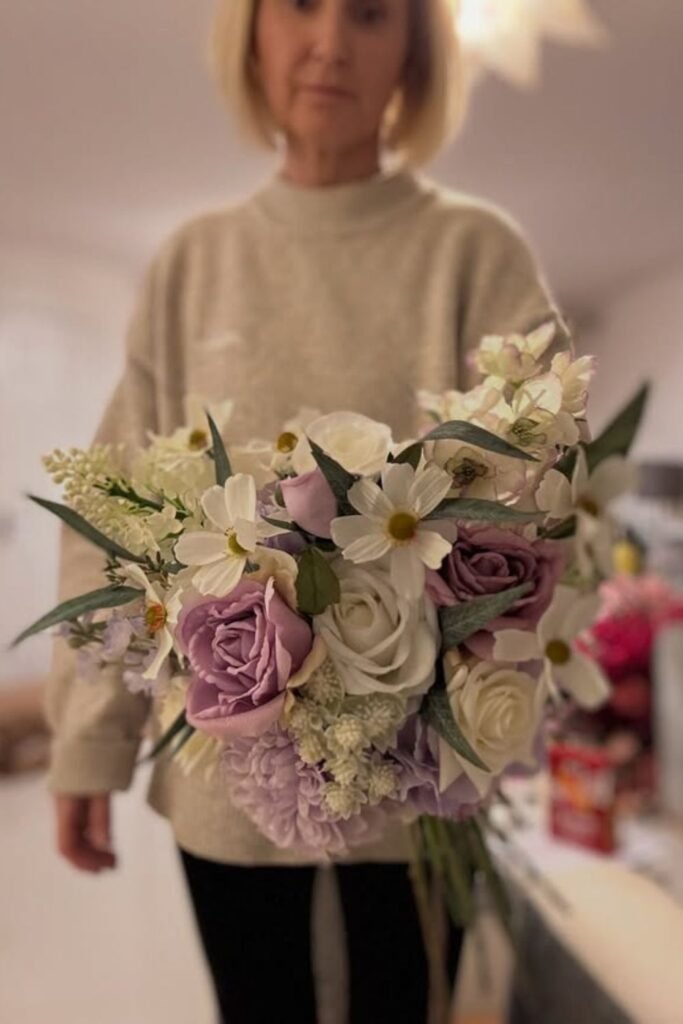
Hand Gathered
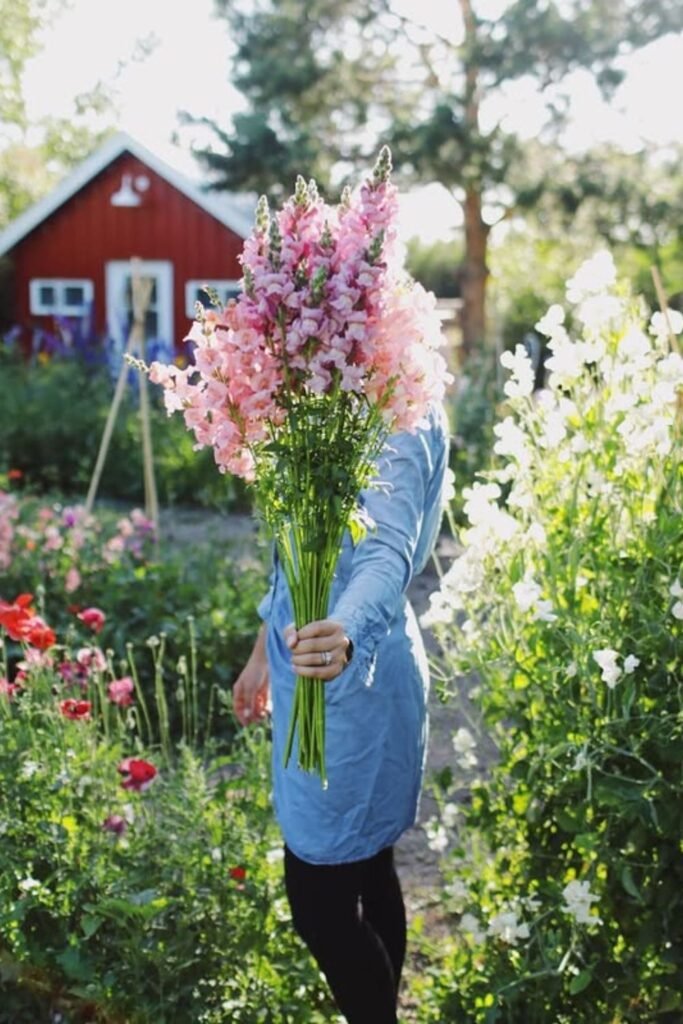
Indoor arrangements feel more natural when you build them the same way you would outside by picking and holding flowers until they feel right together.
Carrying a mixed bundle like this lets you adjust balance before anything touches a vase.
This approach works best for kitchen counters, casual tables, or moments. When you want flowers to feel personal, not styled.
Cut lavender along with soft garden blooms, keep the stems long, and trim only once you see the final shape.
Holding everything first helps you remove what feels extra, so the finished arrangement stays light, calm, and easy to live with indoors.
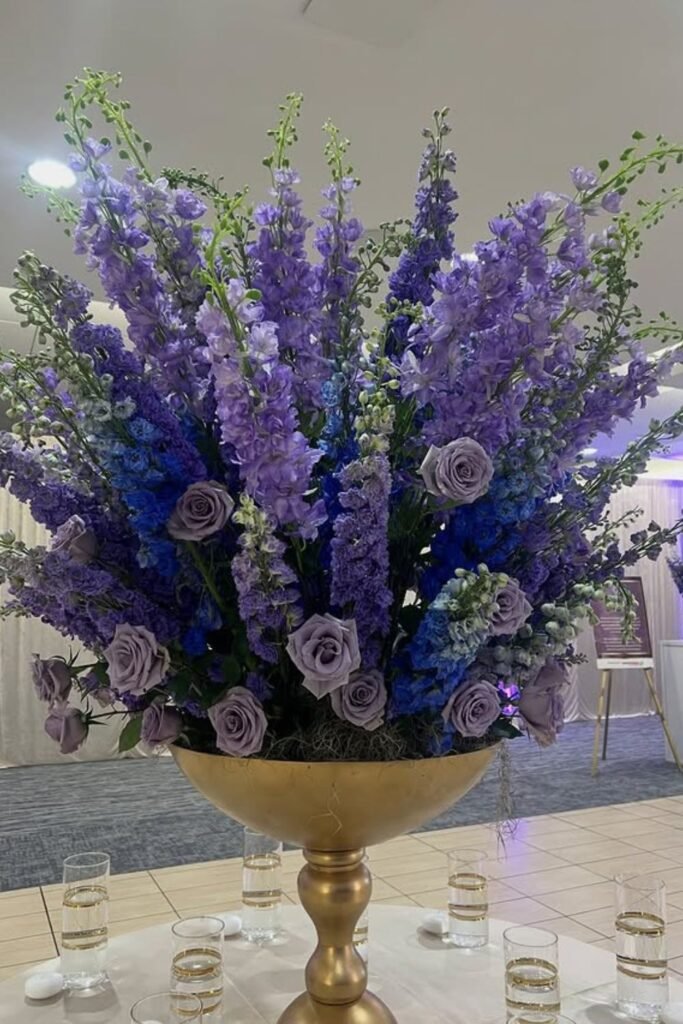
Event Scale
Big lavender arrangements only work indoors when you treat them like a focal point, not everyday décor.
A setup like this belongs in open rooms, long dining tables, or special gatherings where the space can carry visual weight.
Use garden-grown lavender as part of a larger mix with tall seasonal flowers so it doesn’t disappear or overpower the room.
Build upward from the center, keeping stems firm and well-hydrated. Scale is the key here once the container is heavy.
And the base is stable, the arrangement feels intentional instead of overwhelming, even indoors.
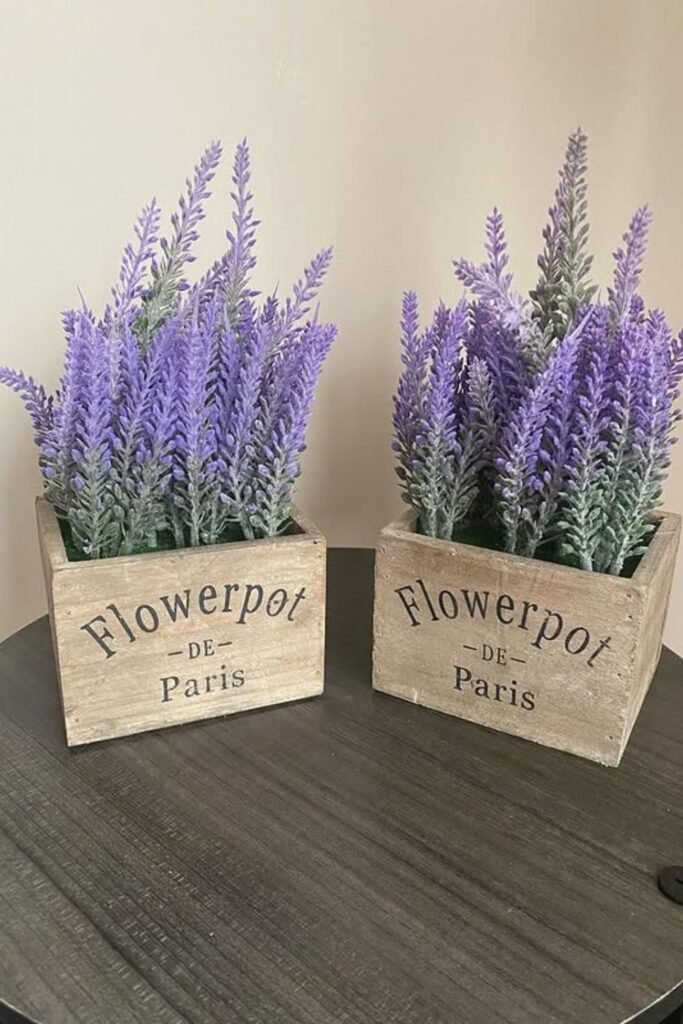
Paired Pots
Balance changes how lavender feels indoors, especially when you use it in matching pairs.
Two planted pots create calm symmetry that works well on console tables, shelves, or bedside setups where visual order matters.
Keep both plants the same size and place them a few inches apart so they don’t merge into one block.
Use containers with drainage or inner pots to avoid trapped moisture. Rotate each pot every few days so growth stays even.
This approach suits small spaces where you want lavender to feel intentional and tidy, not scattered, while still keeping the softness that makes indoor gardening feel relaxed.
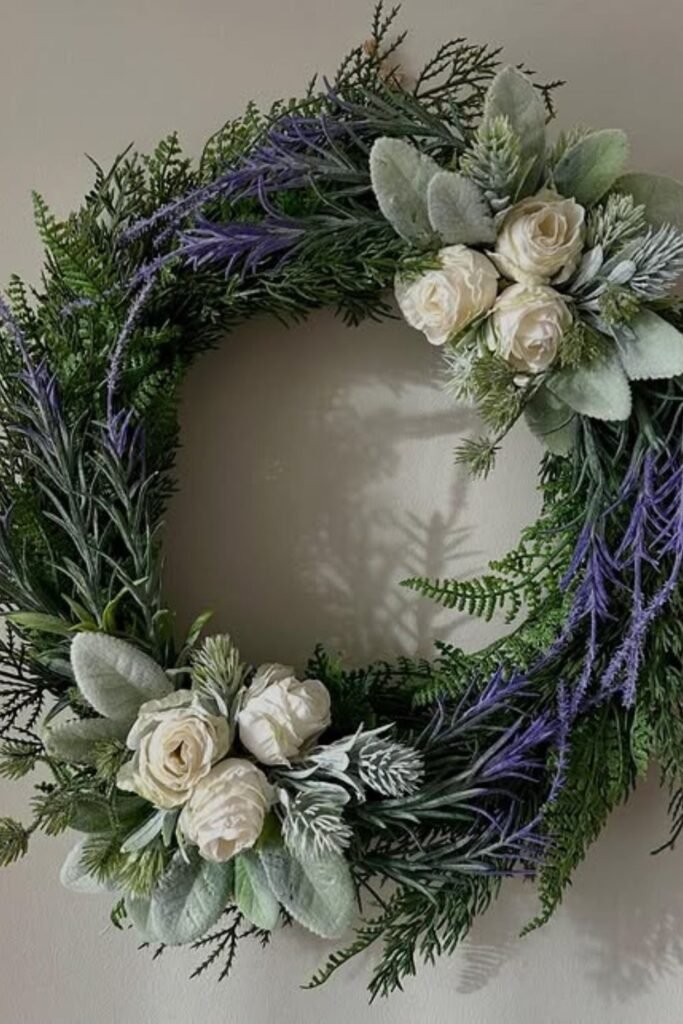
Herbal Wreath
Walls feel warmer when lavender moves off tables and into everyday sight. A wreath like this works best in entryways, hallways, or bedrooms.
Where you want scent without taking up surface space. Use garden-cut lavender that’s partially dried so it bends without snapping.
Then weave it into a simple base with sturdy greenery. Keep the mix loose so air can move through and prevent mold.
Hanging it away from direct sunlight helps the color last longer. This kind of display suits homes.
Where gardening continues indoors not as décor alone, but as a way to use what you grow in a lasting, practical form.
FAQs
Can lavender survive year-round in home gardens without constant care?
Lavender does well when you give it the right start. Plant it in full sun with well-drained soil, and it won’t need much attention later.
Most problems happen when the soil stays wet or the plant isn’t trimmed after flowering. Light pruning once or twice a year keeps it healthy and prevents woody growth.
Why does lavender look good in some gardens but messy in others?
Placement and spacing make the difference. Lavender needs airflow and room to grow into its natural shape.
When plants are crowded or planted in shade, they lose form and flop. Give each plant space, keep edges trimmed, and the garden stays clean instead of chaotic.

Hi, I’m Afaf! I’m a law student who loves all things home, style, and gardening. I’ve been writing for over a year about topics like home decor, DIY projects, plants, fashion, and beauty.
I like sharing ideas that are easy to try and don’t cost a fortune. Whether it’s organizing a messy closet, decorating on a budget, or keeping houseplants alive, I write about what I’ve actually tried myself.
When I’m not studying, I’m usually on Pinterest looking for my next project or adding another plant to my collection!