
21 Garden Tools Ideas For 2026
If you’ve ever bought a garden tool that looked fine in the store but ended up rusty, loose, or broken by the next season, you’re not alone.
Most people don’t replace garden tools because they garden badly they replace them because they bought the wrong ones in the first place.
Cheap materials, weak joints, and poor design cost you more over time. The good news. Some garden tools are actually worth buying once.
This Article shares 21 realistic garden tools ideas that balance style and function in 2026.
Let’s jump in!
Which Garden Tools Are Worth Buying Once Instead Of Replacing Yearly?
If you’re tired of buying the same garden tools again and again, this is where you fix that mistake. Not every tool is worth spending money on, but some absolutely are.
When you choose the right ones, you stop dealing with rust, broken handles, and loose parts every season.
The key is knowing which tools actually last, what they’re made of, and why cheap versions fail so fast.
Once you understand that, you can buy smarter, spend once, and use the same tools for years without frustration.
Save this article for later! 👇👇
Tool Storage
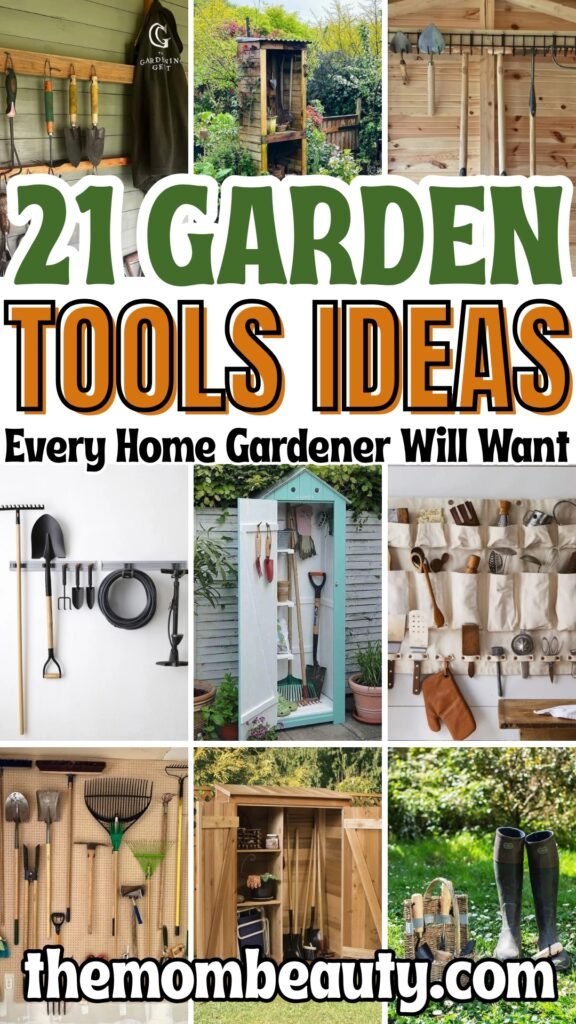
Wasted minutes searching for a shovel or fork add up fast, especially during short gardening windows.
Wall-mounted storage fixes that problem immediately. Hanging tools vertically keeps metal heads off damp floors.
prevents wooden handles from warping, and lets everything dry properly after use. A simple metal rack or heavy-duty hooks mounted.
Inside a shed or garage works best for long-handled tools. Spacing matters here leave enough room so tools don’t rub against each other and chip.
Labeling hook positions also helps maintain order long-term. Organized storage like this extends tool life and makes gardening feel easier before the work even starts.
Garden Cabinet
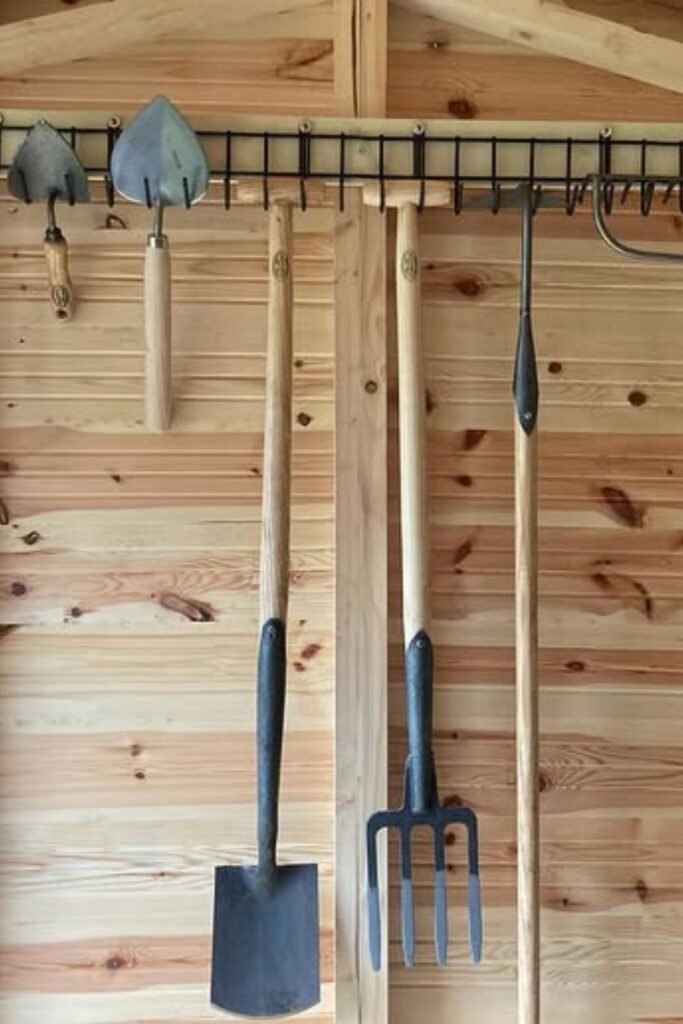
Morning gardening flows better when tools live close to the plants instead of locked away in a garage.
A narrow outdoor cabinet like this works perfectly inside flower beds or along garden paths. Wooden panels help tools breathe.
While a small roof protects metal from constant rain. Recreating it doesn’t require carpentry skills.
Pressure-treated wood, a simple frame, and open shelving are enough. Hanging long tools inside keeps blades clean and handles straight.
Adding small pots or hooks turns storage into part of the garden rather than an eyesore. Ideal for medium to large gardens where quick access saves time and energy.
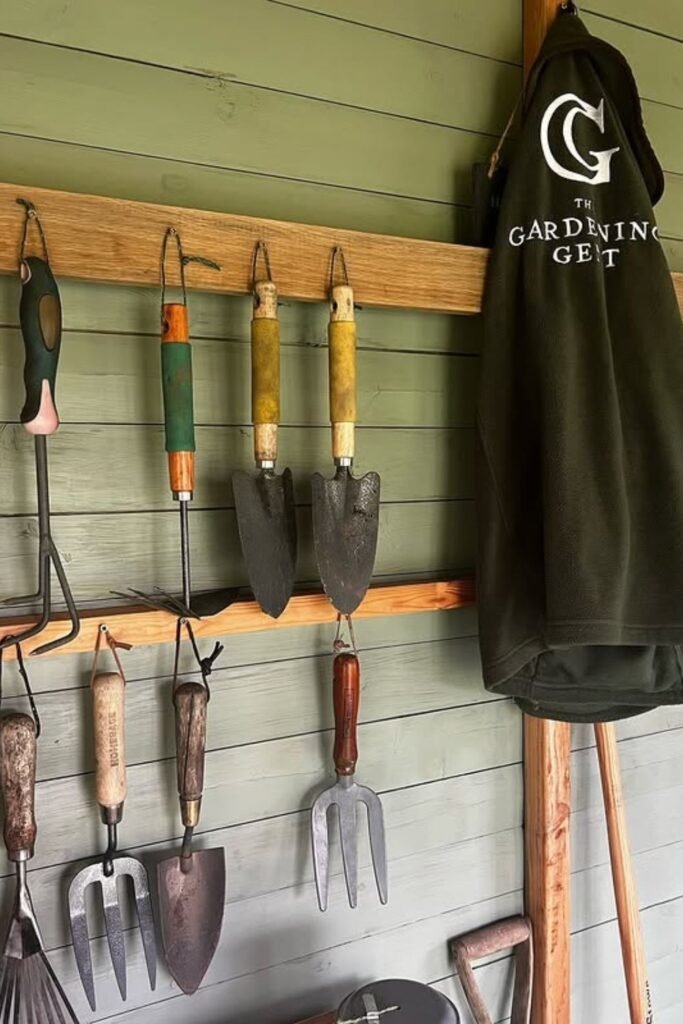
Apron Rail
Mess stays controlled when small tools and gear share the same wall. A simple rail like this keeps hand tools visible.
While giving aprons, gloves, or bags a clear place to hang and dry. Wooden backing works especially well inside sheds or garden rooms.
Where screws hold firm over time. Recreating it takes little effort mount a sturdy strip, space hooks evenly, and group tools by task so grabbing feels natural.
Hanging fabric items nearby helps them dry fully between uses instead of staying damp in bins.
Storage like this suits gardeners who move between planting, pruning, and cleanup without wanting to hunt for essentials.
Compact Locker
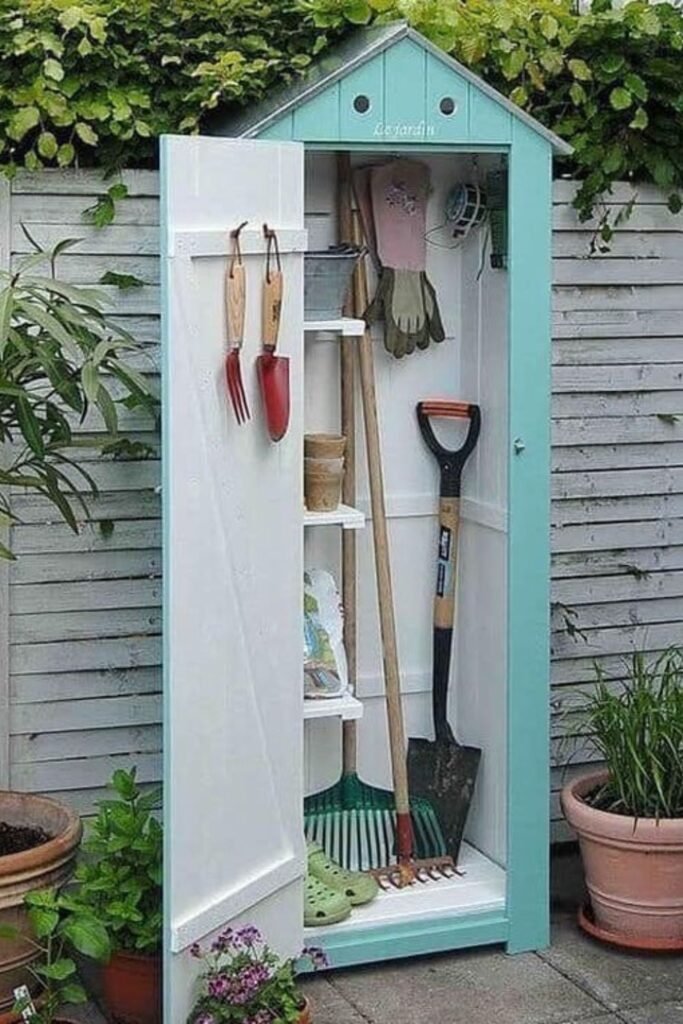
Gardening feels lighter when tools stay clean, dry, and right where you need them. A slim outdoor locker.
Like this solves clutter without taking over the garden. Vertical space handles long tools easily.
While shelves hold gloves, seed packets, and small gear that usually ends up scattered. Recreating it works best.
Near patios, fences, or paved paths where moisture stays low. Weather-resistant wood and a simple roof matter more than size here.
Adding hooks on the door keeps daily tools within reach. Perfect for small gardens where a full shed feels unnecessary but organization still matters.
Clean Wall
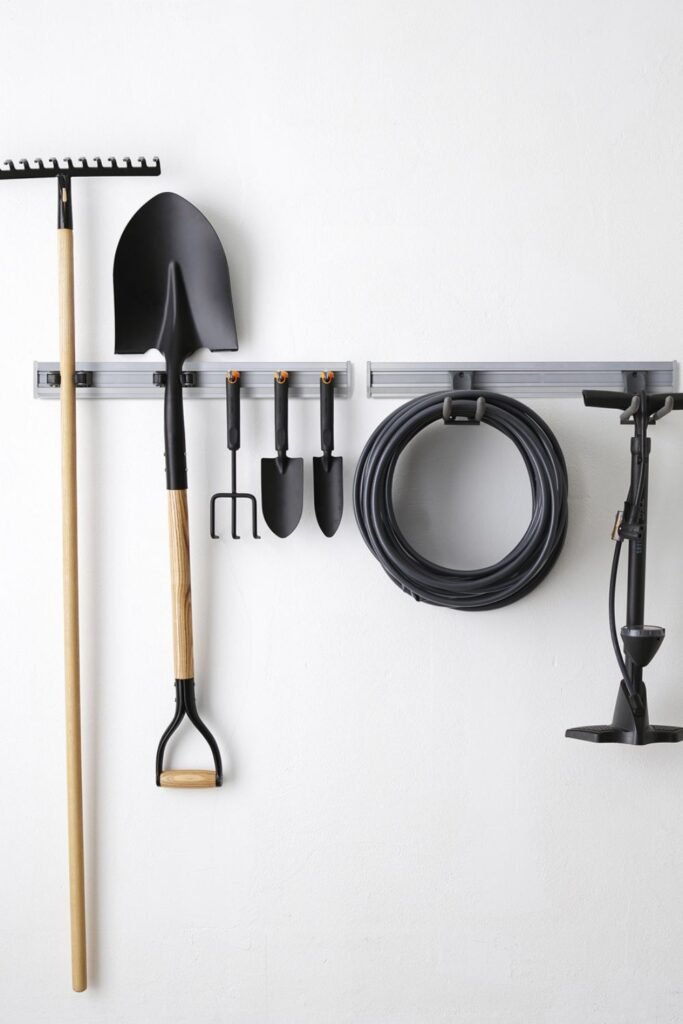
Visual calm changes how often gardening actually happens. A clean wall system like this turns tools into something easy to grab.
Instead of a chore to dig out. Long tools stay straight, hoses dry properly, and hand tools remain visible at a glance.
Metal rails or modular wall tracks work best for garages, sheds, or utility rooms where moisture stays controlled.
Installation stays simple secure rails into studs, add adjustable hooks, and space items by weight.
Keeping tools off the floor prevents rust and handle damage. Order like this saves time every session and quietly extends tool life without extra effort.
Pocket System
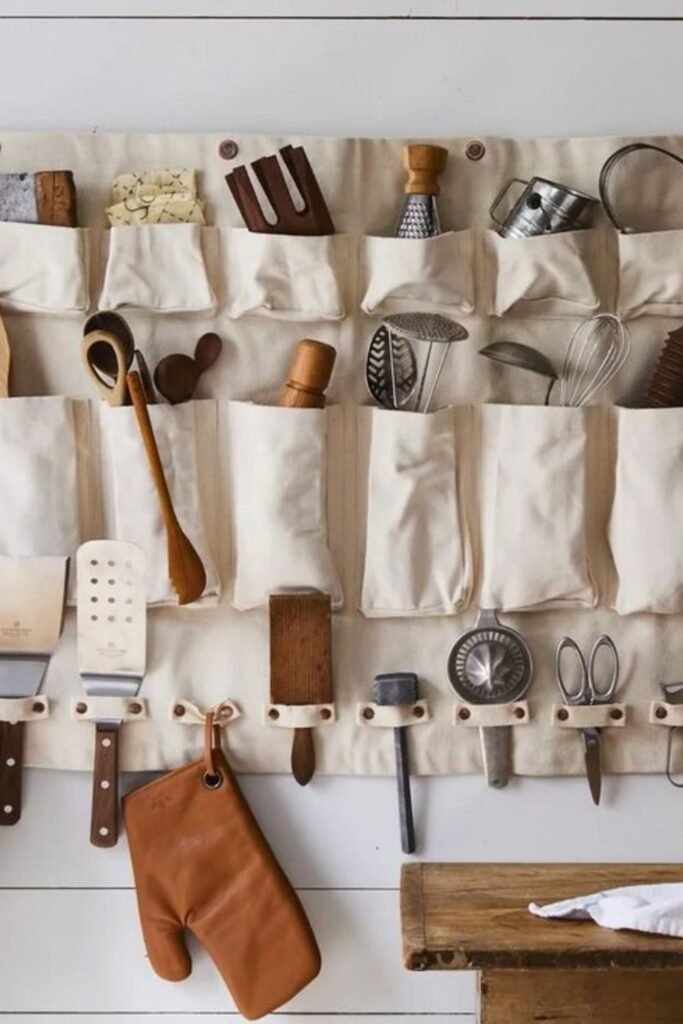
Daily gardening stays smoother when small tools stop disappearing between sessions. Fabric pocket organizers work.
Especially well for hand trowels, pruners, markers, and gloves that usually end up scattered.
Hanging one near a potting bench, greenhouse wall, or shed door keeps essentials visible and dry.
Thick canvas or cotton duck fabric holds shape better and handles dirt without tearing. Mounting it slightly above waist height makes grabbing tools effortless while working.
Washing it occasionally prevents soil buildup. Perfect for gardeners who rely on hand tools and want fast access without cluttering shelves or drawers.
Pegboard Order
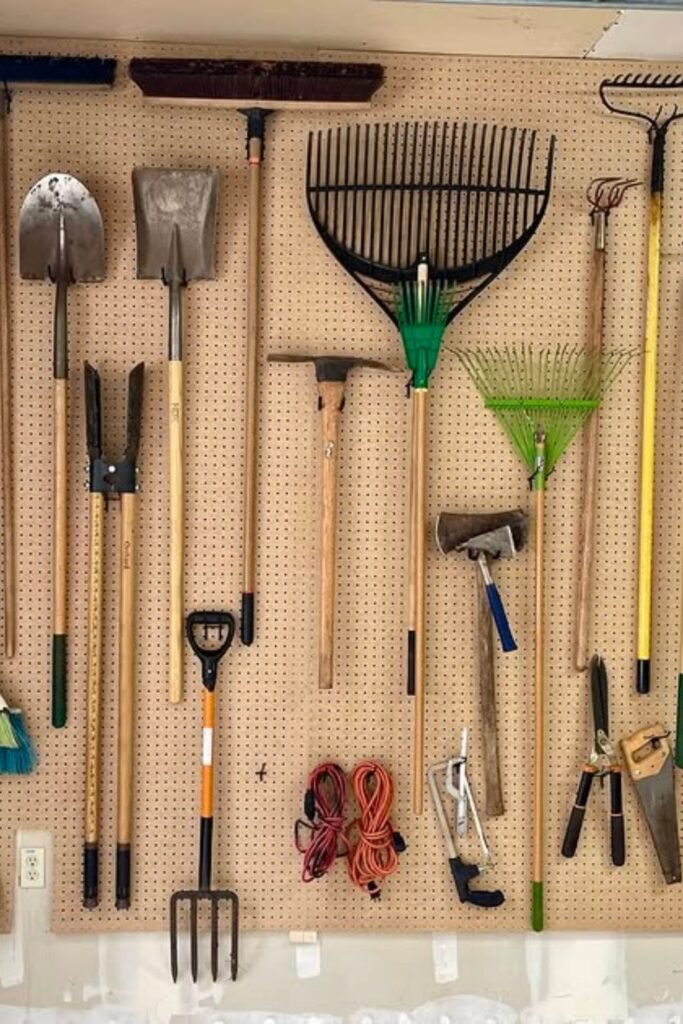
Time disappears fast when tools lean in corners or pile on the floor. Pegboard storage fixes that by turning an empty wall into a clear working system.
Every rake, shovel, and pruner stays visible, separated, and easy to lift without knocking others over.
Installing it works best in garages or sheds with dry walls secure the board firmly, then arrange hooks based on tool weight and height.
Heavier tools belong lower for safety and balance. Rearranging later takes minutes, not drills.
Organization like this protects handles, prevents rust from contact, and makes gardening sessions start faster and calmer.
Backyard Shed
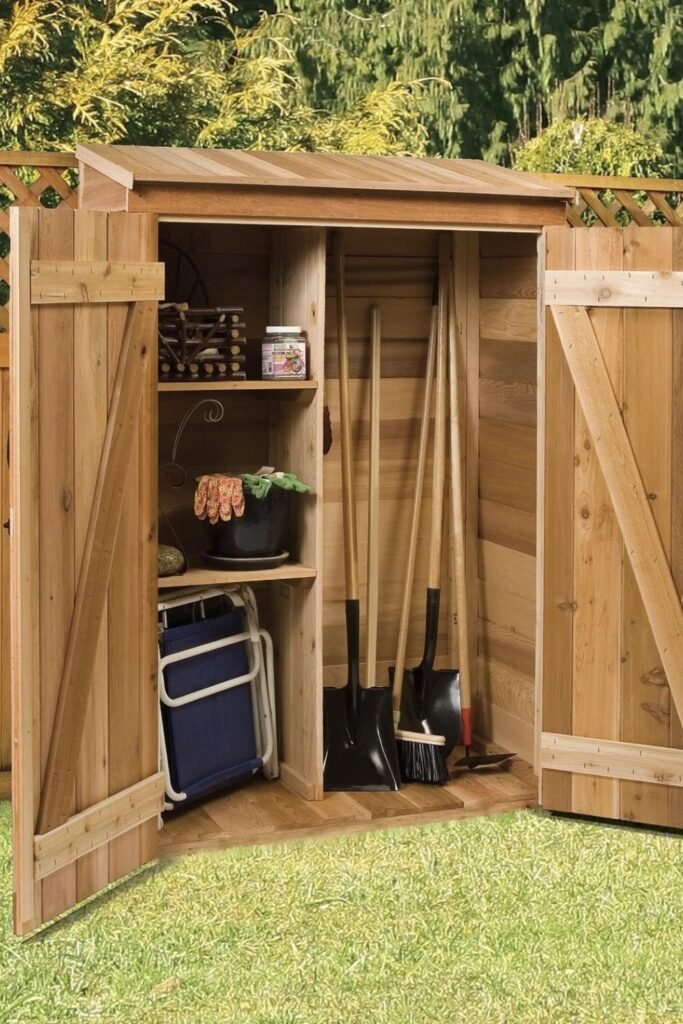
Serious gardening starts feeling manageable once bulky tools stop leaning against walls.
A dedicated outdoor shed like this creates breathing room for shovels, rakes, brooms, and seasonal supplies that don’t belong indoors.
Wooden sheds work best along fences or unused lawn edges where drainage stays good. Recreating this setup means focusing on depth.
More than width vertical storage handles long tools without crowding shelves. Adding interior dividers keeps sharp edges separated and prevents handles from knocking into each other.
Good airflow matters here, so small gaps or vents help tools dry naturally after use. Ideal for larger gardens where storage needs grow every season.
Garden Basket
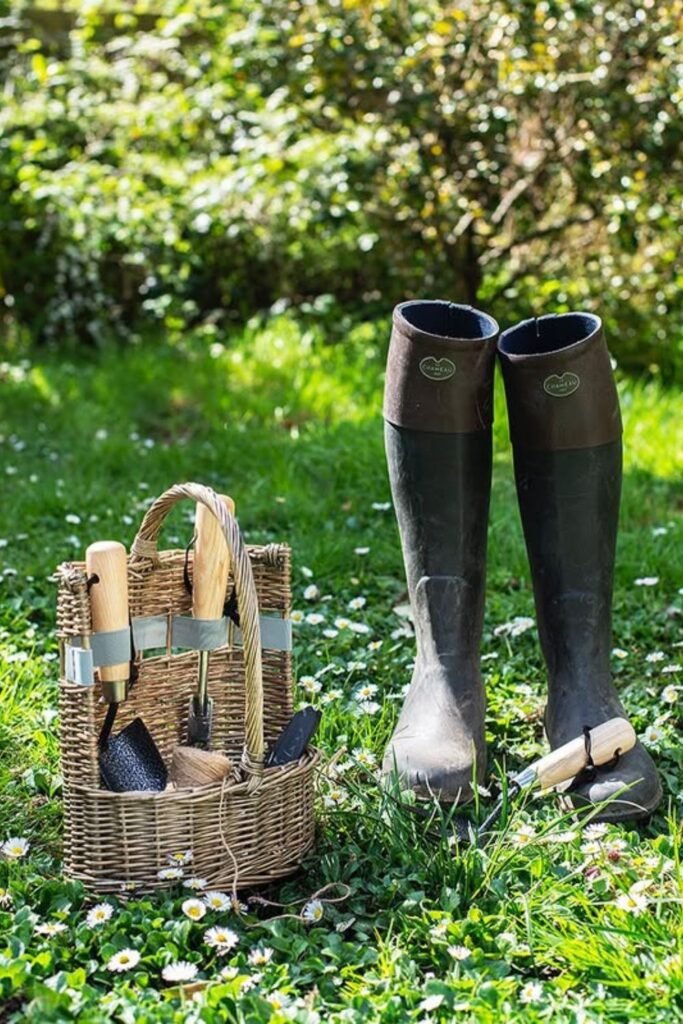
Gardening sessions feel smoother when tools travel with you instead of sending you back and forth.
A sturdy basket like this works perfectly for hand tools, gloves, twine, and small harvests. Natural materials such as wicker or rattan keep it lightweight while handling dirt well.
Using it suits small gardens, raised beds, or orchard areas where quick movement matters. Recreating the setup takes.
Lttle effort choose a deep basket, add dividers or straps inside, and keep only daily tools in it. Leaving heavy tools behind keeps the load comfortable.
Pairing it with waterproof boots turns short garden tasks into easy grab-and-go routines without clutter.
Display Wall
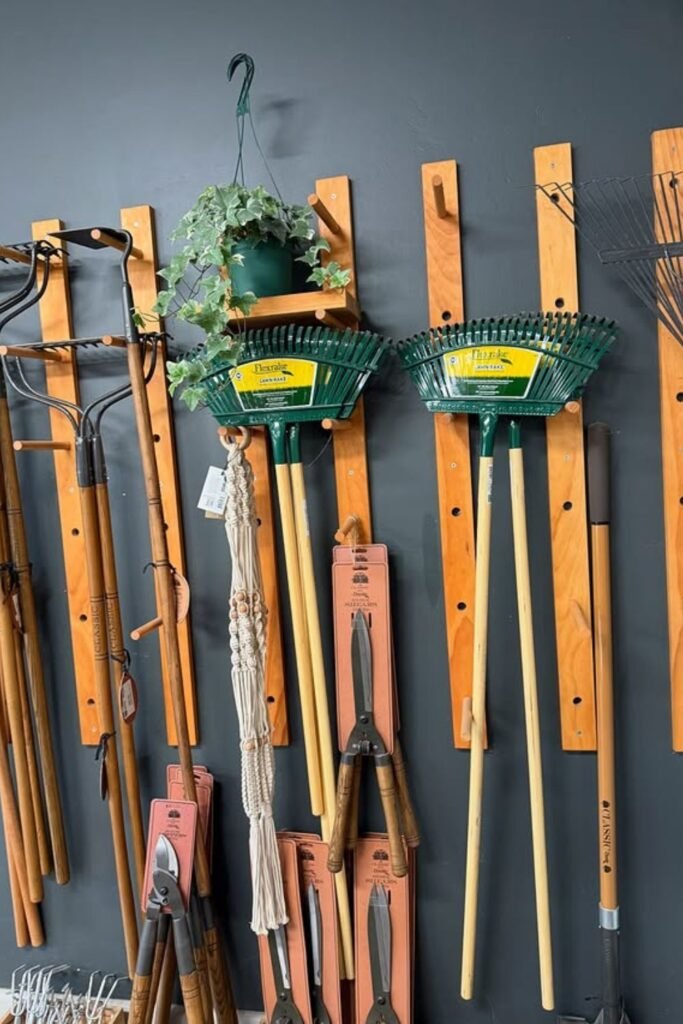
Motivation grows when gardening tools stop hiding and start inviting use. A display-style wall like this blends storage with visual order.
Making tools part of the space instead of clutter. Wooden slats mounted vertically give strong support for long handles while allowing airflow around metal heads.
Placement works best in sheds, covered patios, or garage walls where humidity stays controlled.
Recreating it means focusing on spacing tools need breathing room so handles don’t knock together.
Mixing greenery or small hanging plants softens the setup and keeps it from feeling industrial.
Hand Display
Sharp hand tools deserve better than being tossed into drawers. Hanging them individually keeps blades dry.
Edges protected, and handles easy to inspect before use. Wooden walls or fences work well for this kind of setup, especially near potting areas.
Where hand tools get used constantly. Recreating it only needs sturdy screws or hooks placed at equal spacing so tools don’t touch.
Spacing matters here metal rubbing metal dulls edges faster than soil ever will. Sunlight also helps moisture evaporate naturally after use.
Perfect for gardeners who rely heavily on precision tools and want them ready without digging through storage every time.
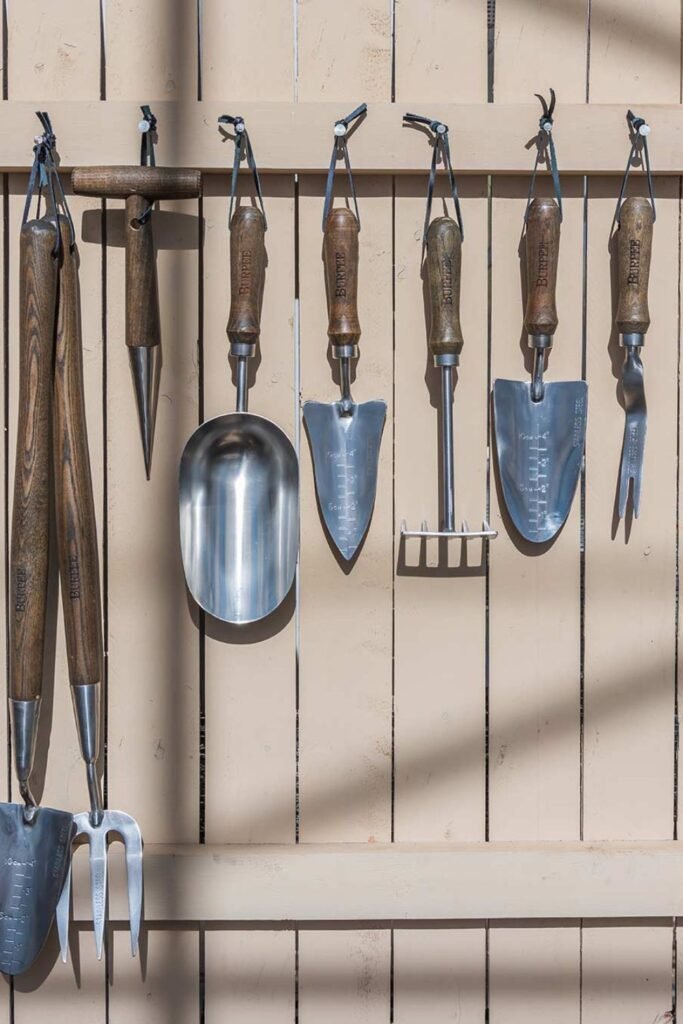
Entry Corner
Gardening habits stick better when tools live near everyday routines. An entry corner like this blends storage with lifestyle, keeping essentials visible without turning the space into a shed.
Hanging long tools vertically protects handles while freeing floor space for boots, watering cans, or baskets.
This setup works best near mudrooms, sunrooms, or back doors that lead straight into the garden.
Recreating it means choosing a solid wall, adding a simple hook rail, and limiting tools to daily-use favorites only.
Decorative elements soften the look while still serving a purpose. Ideal for gardeners who step outside often and want tools ready without a trip to the garage.
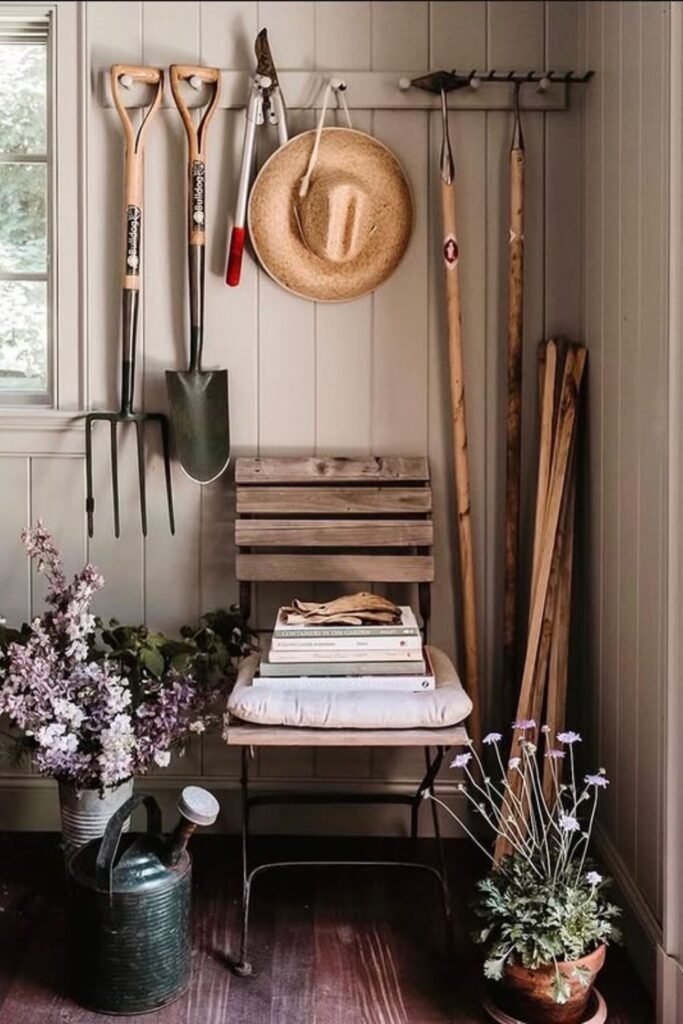
Tool Bench
Rest breaks turn into inspiration when tools double as part of the garden space. A bench like this gives heavy tools a proper home while adding character to paths or vegetable beds.
Upright placement keeps wooden handles straight and metal ends off damp soil, which helps tools last longer.
Building it works best with thick timber and drilled slots sized to each handle so nothing wobbles.
Placement near working areas saves steps during planting or harvesting. Weathered wood fits naturally outdoors, and spacing tools evenly prevents rubbing damage.
Ideal for gardeners who want storage, seating, and visual charm working together without adding clutter.
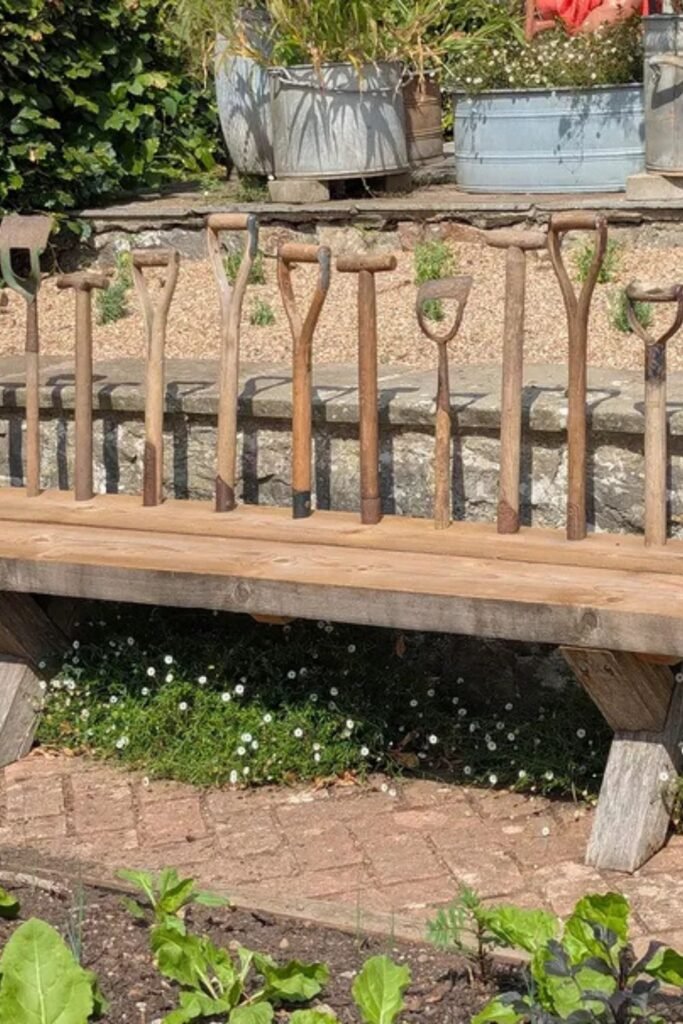
Mobile Caddy
Energy drains fast when tools stay scattered across the garden. A rolling caddy like this keeps everything moving with you instead.
Long handles stand upright, hand tools slip into side pockets, and gloves dry between uses.
Wheels make it especially useful for larger yards, patios, or community gardens where walking back and forth wastes time.
Recreating it starts with a sturdy bucket, a tool organizer wrap, and a small dolly or garden cart base. Keeping only task-specific tools inside prevents overload.
Mobility like this turns longer gardening sessions into smoother, more focused work without constant interruptions.
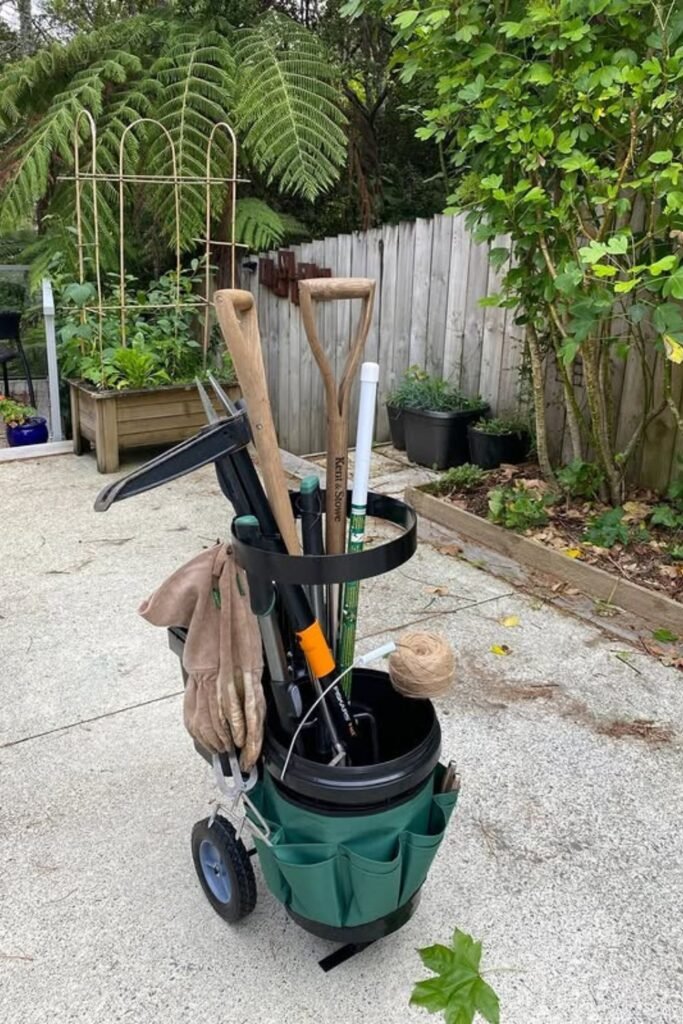
Greenhouse Board
Humidity ruins hand tools faster than soil ever will, especially inside greenhouses. A solid wooden board mounted off the ground keeps metal dry and handles stable between uses.
Sunlight and airflow work together here, helping moisture evaporate naturally after watering sessions.
Recreating this setup works best with untreated or lightly sealed wood so condensation doesn’t get trapped behind tools.
Hooks should angle slightly upward to prevent slipping. Placement near potting areas saves steps during planting and transplanting.
Limiting the board to hand tools only keeps weight balanced and access easy. Ideal for gardeners who spend long hours working under cover and want tools ready without rust surprises.

Tool Crate
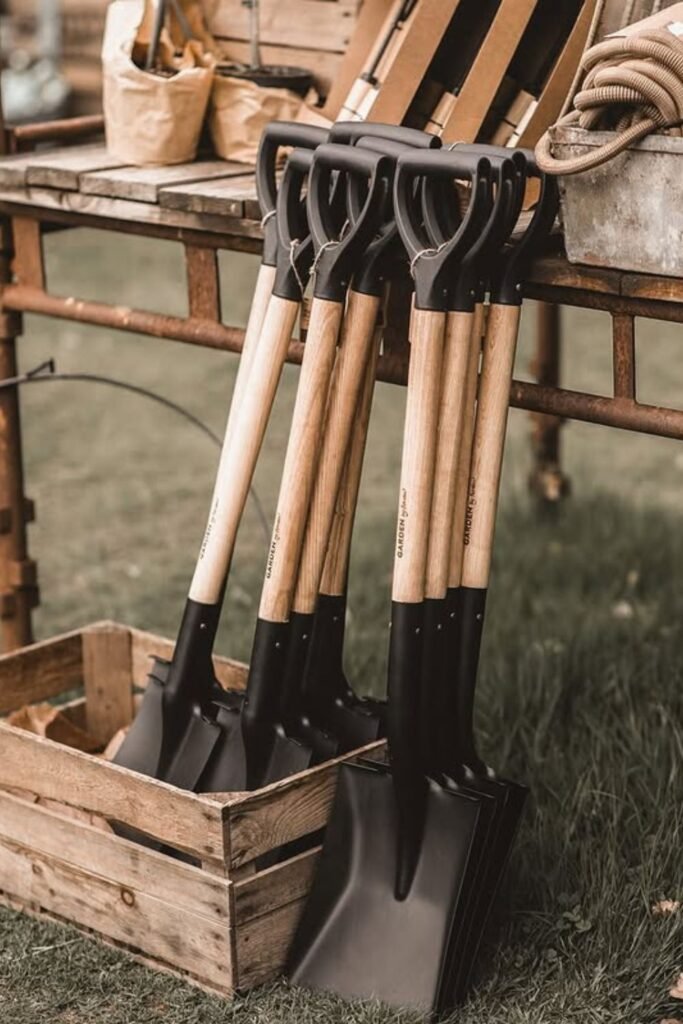
Heavy tools stay safer when weight gets grounded instead of leaning against walls. A wooden crate setup like this keeps shovel blades upright, handles straight, and edges protected from knocks.
Placing it near potting tables or work zones cuts down unnecessary steps during digging or planting sessions.
Recreating it works best with thick wood slats and drainage gaps at the bottom so moisture doesn’t sit under metal heads.
Keeping tools grouped by size prevents crowding and handle damage. Crates also move easily when seasons change.
Ideal for gardeners who rotate tools often and want sturdy, low-effort storage without drilling or permanent fixtures.
Metal Shed
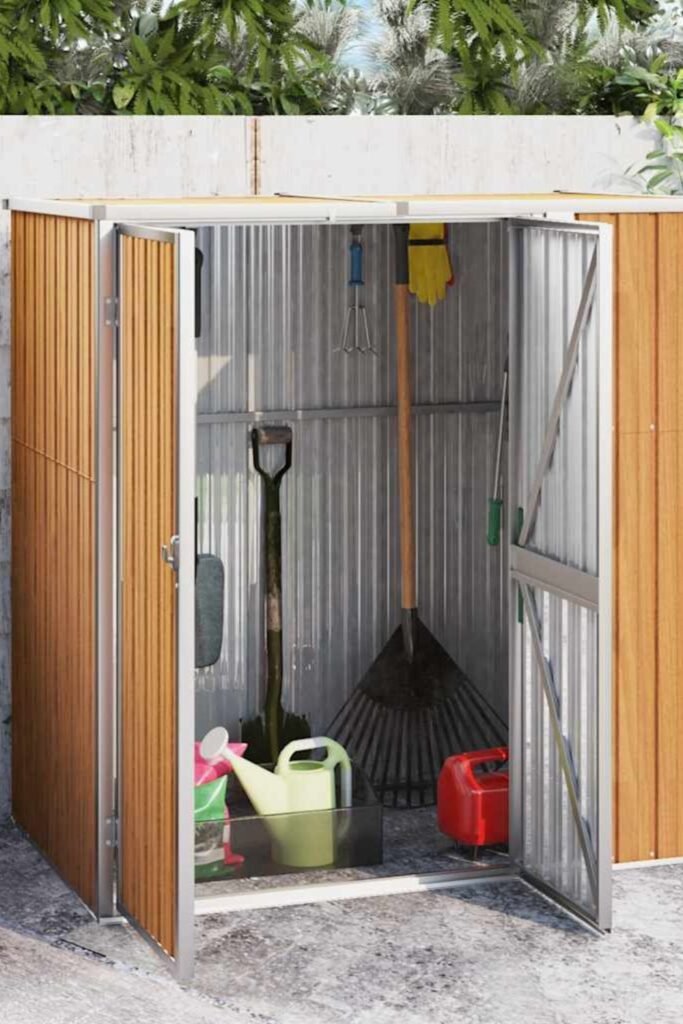
Weather stops destroying tools once storage becomes fully sealed. A compact metal shed like this blocks rain, limits humidity swings, and keeps soil tools away from constant moisture.
Placement works best on paved or gravel bases so water never pools underneath. Inside, hanging long tools prevents bending, while bins handle watering cans and fuel safely.
Recreating this setup means focusing on ventilation small vents or gaps prevent condensation buildup.
Metal sheds suit modern gardens, tight spaces, and homes without garages. Lockable doors add peace of mind.
Reliable shelter like this turns long-term tool ownership into reality instead of a yearly replacement cycle.
Garden Station
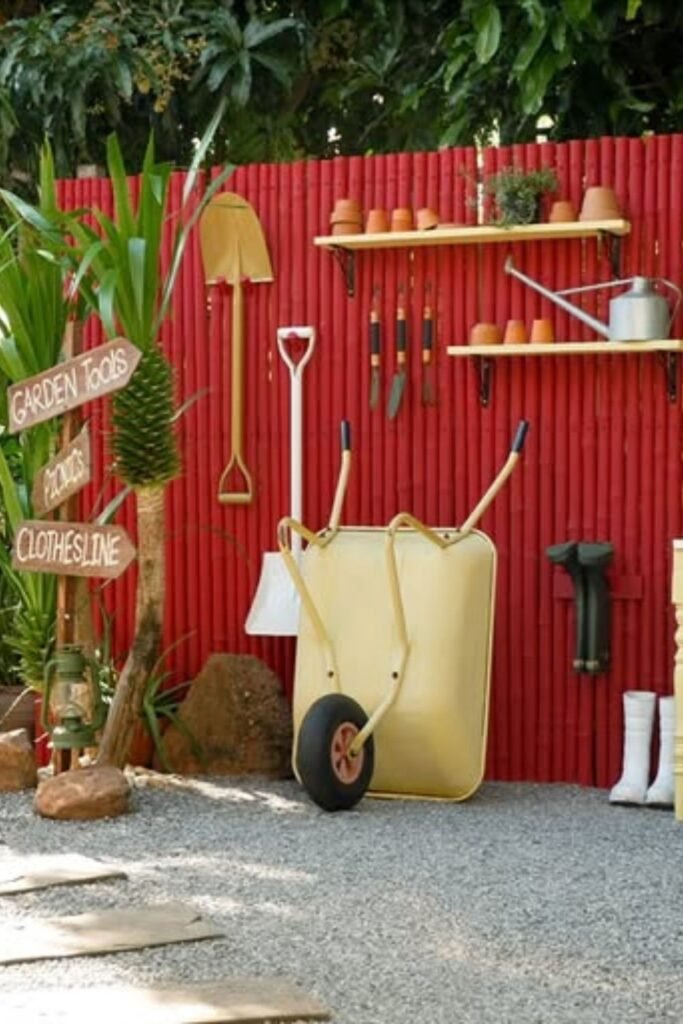
Efficiency improves when gardening tasks share one dedicated zone. A garden station like this keeps tools, pots, and supplies working together instead of scattered across the yard.
Wall hooks handle shovels and pruners, while shelves hold pots, soil scoops, and watering cans.
Placement works best along fences or unused corners where foot traffic stays low. Recreating it starts with a solid backdrop bamboo, wood panels.
Fencing then building outward with shelves and hooks. Keeping everything visible reduces setup time and cleanup frustration.
Stations like this suit gardeners who pot, prune, and plant often and want a workflow that actually feels enjoyable.
Character Hooks
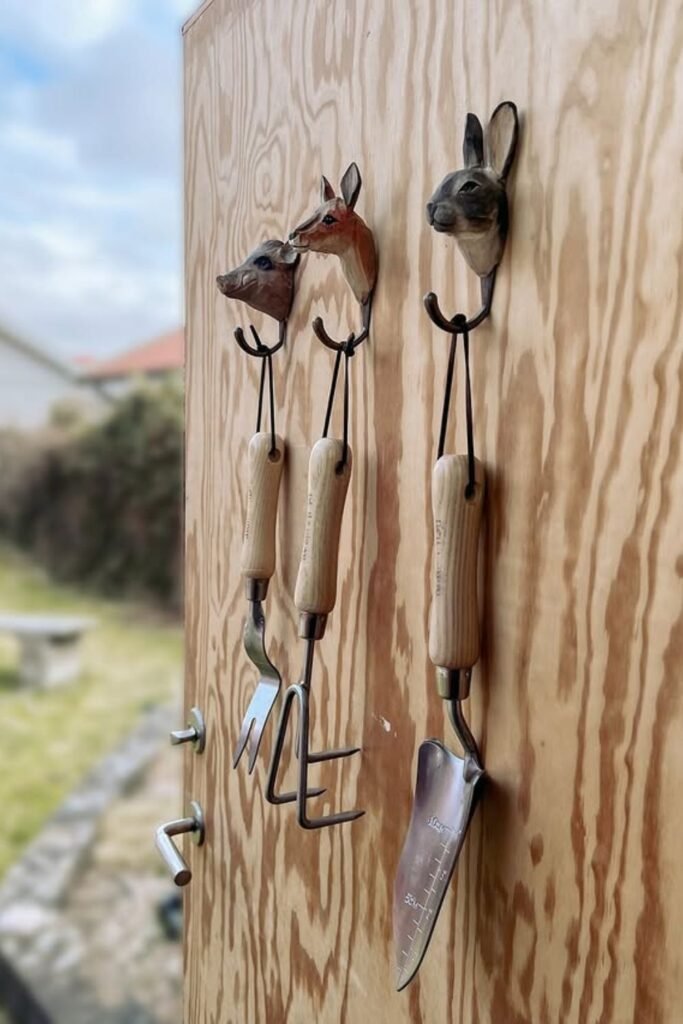
Personality turns storage into something you actually enjoy using. Animal-shaped hooks like these give hand tools a clear home while adding charm instead of clutter.
Hanging pruners, forks, or trowels on a shed or cabinet door keeps blades dry and easy to grab during quick tasks.
Wood-backed surfaces work best here because screws hold tight over time. Spacing tools individually.
Prevents metal from knocking together and dulling edges. Choosing hooks with strong metal arms matters more than looks.
Small touches like this make tool care feel intentional, not forced, and fit perfectly in gardens where function and character matter equally.
Bed Storage
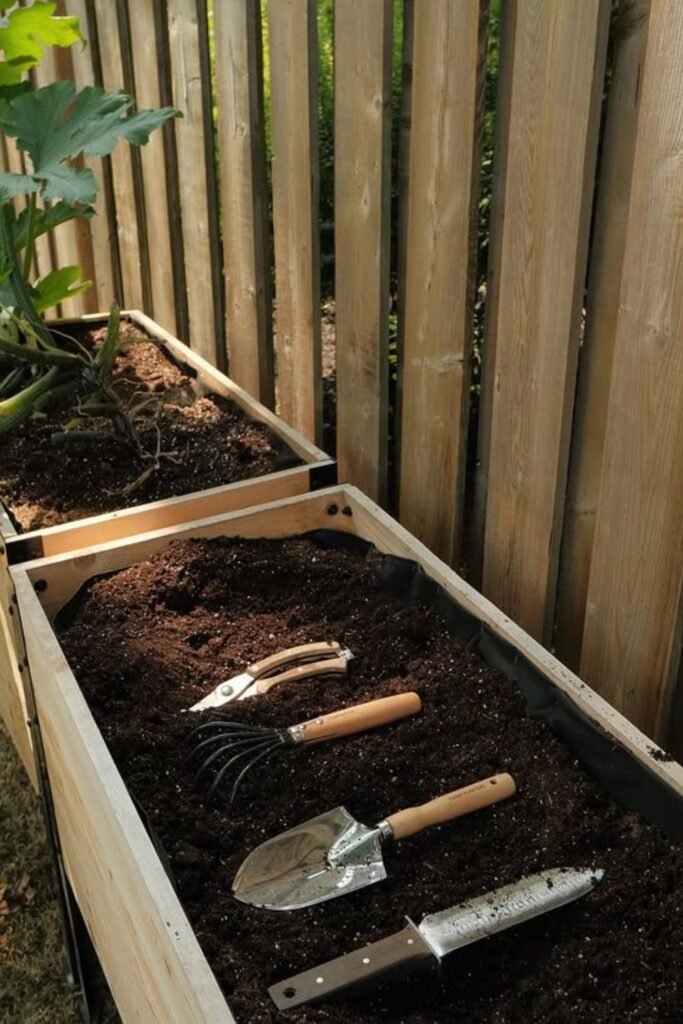
Planting flows better once hand tools stay exactly where the work happens. Raised beds like these double as temporary tool stations.
Keeping trowels, forks, and knives within arm’s reach instead of backtracking to sheds. Soil contact here isn’t a problem.
If tools get brushed clean before resting metal dries faster in open air than inside damp containers.
Recreating this habit works best during active planting or harvesting sessions rather than long-term storage.
Lining one corner of the bed or adding a small wooden ledge keeps blades from touching plants.
Tool Hutch
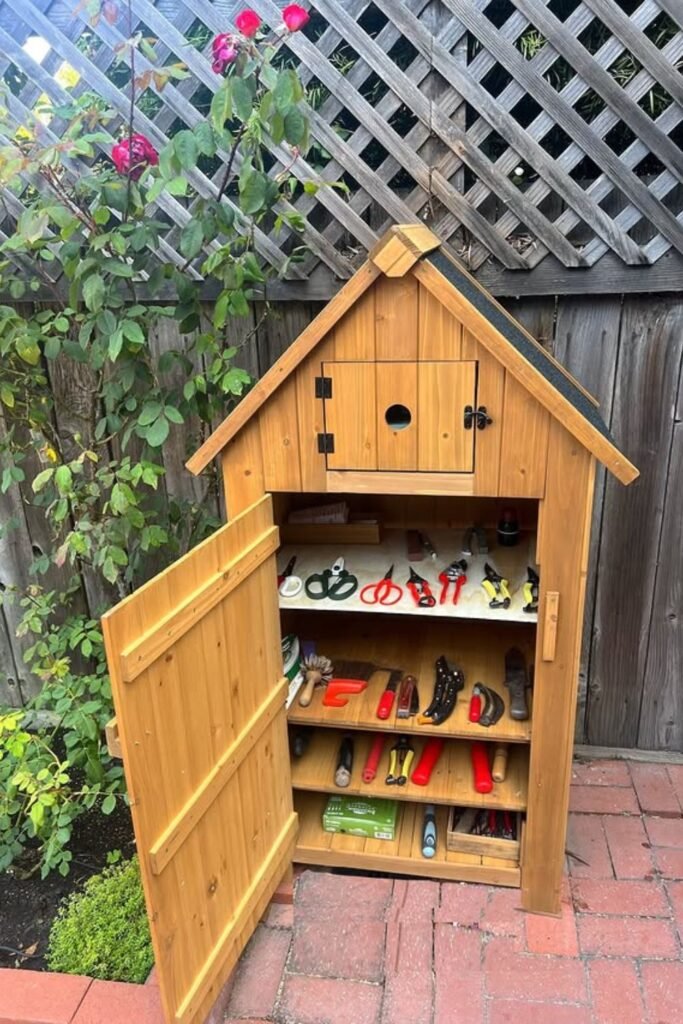
Small gardens benefit most from storage that stays compact but purposeful. A wooden hutch like this keeps hand tools.
Protected while using vertical space efficiently. Shelves separate pruners, knives, and accessories so edges don’t clash or dull.
Placement works best against fences or walls where airflow stays steady and rain splash stays minimal.
Recreating it means focusing on door seals and roof overhangs to keep moisture out. Shallow shelves work better than deep ones because tools stay visible.
Locking hardware adds safety if kids or pets roam nearby. Storage like this suits gardeners who rely on precision tools and want them organized without dedicating space to a full shed.
FAQs
How can I stop garden tools from rusting even when stored outdoors?
Rust usually comes from trapped moisture, not rain itself. Tools last longer when air can move around them. Hanging tools instead of stacking them helps a lot.
Wipe off soil after each use, let tools dry fully, and store them where the ground stays dry. Wooden racks or wall hooks work better than plastic bins because they don’t trap moisture.
Is it better to store garden tools in one place or spread them around the garden?
One main storage spot keeps tools safe long term, but small secondary spots save time during daily work. Keeping hand tools near beds and heavy tools in a shed works well.
This setup reduces walking back and forth without exposing everything to weather year-round.

Hi, I’m Afaf! I’m a law student who loves all things home, style, and gardening. I’ve been writing for over a year about topics like home decor, DIY projects, plants, fashion, and beauty.
I like sharing ideas that are easy to try and don’t cost a fortune. Whether it’s organizing a messy closet, decorating on a budget, or keeping houseplants alive, I write about what I’ve actually tried myself.
When I’m not studying, I’m usually on Pinterest looking for my next project or adding another plant to my collection!