28 Soft Mullet Hairstyle Women Ideas For 2026

You’re seeking a new perspective, something that feels distinct without venturing too far into the unknown. A minor sting, really, nothing that would cause you to blush in a few of weeks.
The “soft mullet” is everywhere these days, but you might be wondering: is it a good look for you. Does it suit my features, my hairstyle, or the reality of my daily life.
What happens if you request something and end up with a result that’s just over the top. It’s normal to feel uncertain.
In this article, I’ve gathered 28 modern soft mullet hairstyle ideas women can try without overthinking in 2026.
Why the Soft Mullet Works So Well on Women?
The soft mullet succeeds because it doesn’t clash with your hair; it embraces it. The layering adds a sense of motion, breaking up the traditional flatness of hair.
The extra length in the back also helps prevent that “overcut” feeling. If your hair tends to grow in a lopsided way or loses its form quickly, this particular haircut is beneficial.
It’s designed with inherent structure. It’s not about achieving perfection in style; it’s about making things appear good enough.
For anyone wanting volume without the fuss, and a form that’s soft, the mullet is a great option. It’s unquestionably feminine and easy to pull off.
Save this article for later! 👇👇

What Face Shapes Look Best With a Soft Mullet?
The soft mullet, contrary to what some may think, is remarkably adaptable. Its inherent adaptability makes it surprisingly appealing on a variety of face shapes.
For a round face, longer layers at the rear, coupled with soft volume at the crown, might create a more balanced appearance.
For a square face, airy layers and curtain bangs are a great way to soften those sharp features. For those with longer faces, adding volume to the sides helps avoid a gaunt appearance.
The main point is that the way a hairstyle frames the face is more important than its length.
When the initial layers are expertly shaped, the soft mullet begins to complement your features, rather than detract from them.
Micro Mullet
Short fringe instantly shifts the focus upward, which makes the layered back feel intentional instead of heavy.
This style is ideal for framing the face and looks its finest with bangs. Request an irregular, airy fringe, and maintain texture in the back; avoid thinning it out.
A blunt or overly thick fringe can quickly lose its softness, resulting in a harsh appearance.

Soft Shaglet
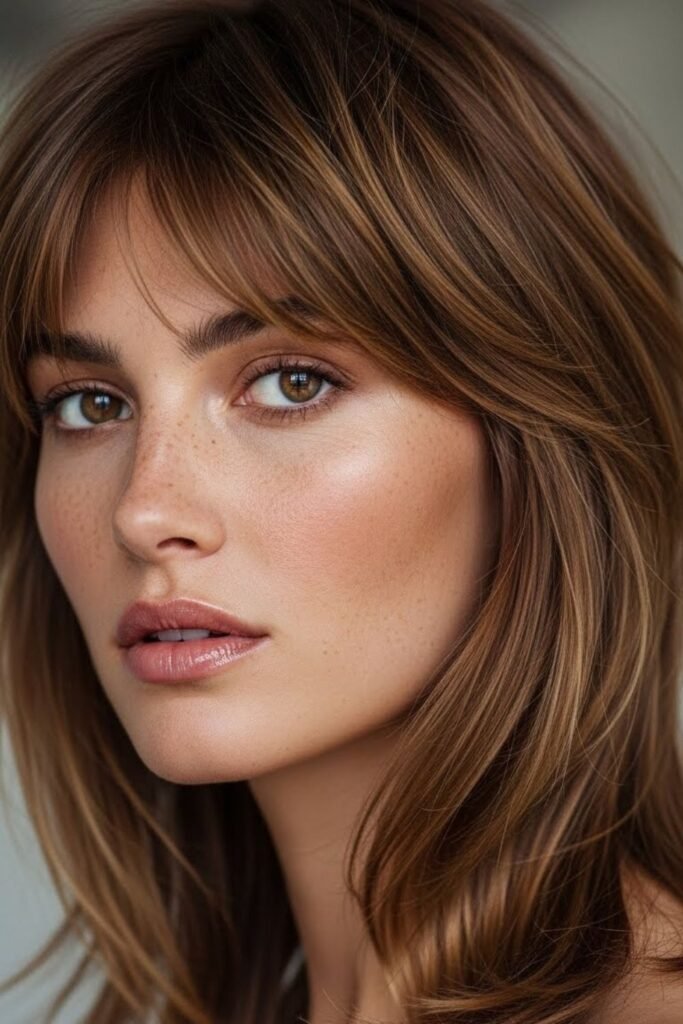
The balance is what makes this iteration so easy to enjoy. The front is styled with short, blunt bangs, a look that maintains a tidy appearance.
In contrast, the longer layers in the back create a more flexible and less stiff appearance. This look is ideal for straight hair, or even hair with a touch of wave.
If you’re looking for a bit of natural texture without the hassle of everyday styling, it’s a good option.

Pixie Mullet
A short cut doesn’t negate a mullet; it actually enhances it. The cropped sides and crown provide a sense of airiness, and the little longer nape introduces a touch of intrigue.
Avoiding any downward pull on the face. It’s ideal if you prefer a minimalist aesthetic and a streamlined look.
To get it right, the trick is to hold back. Texture the rear just enough so it may move, but not so much that it flips or sticks out.

Baby Mullet
Clean around the ears, but with a whimsical touch at the rear; this variant maintains a sharp look without being overly harsh.
The baby bangs make a statement right away, and the longer hair at the back brings in some personality without adding weight.
It’s a good option if you’re like defined styles and prefer to keep hair away from your face. To get it right, and keep the sides close and let the back do its thing; too much fussing destroys the look.

Wet Mullet
Messy texture is the whole point here. The choppy layers at the crown prevent the haircut from falling flat, and the wispy fringe helps maintain an open, easygoing look.
This technique shines when your hair has a natural tendency to separate or, ideally, when it air-dries with a bit of movement. To get the look back, avoid the intense blow-dry.
Instead, reach for a lightweight cream or gel. Then, just let your hair do its own, rather than trying to mold it into place.

Curly Mullet
The natural curve is the main factor in this process. Loose curls naturally soften the overall look, ensuring the haircut doesn’t come across as harsh or overly structured.
This look works best for hair that’s already got some natural flow, and for those who want a low-maintenance routine.
To get it right, the layers must be cut dry or with a mind for curls. Over-thinning, however, is a recipe for disaster or definition and transforming texture into a frizzy mess rather than a graceful flow.

Curly Layers
Volume often falters in the same places where many haircuts go awry the crown and the sides. A extended back design feels intentional, not just a clumsy afterthought.
In this climate, curls tend to become more pronounced, resulting in a naturally voluminous appearance that doesn’t require much teasing or a long diffusing process.
This technique really works well when your curls already have a tendency to clump. Please specify rounded layers and the minimum amount of thinning required.

Bleached Mullet
The light hue reveals every detail, meaning the cut must be precise for it to function properly. The short, tousled texture at the crown maintains a sense of vitality.
And the lengthier length at the rear prevents the overall appearance from being overly rigid. It’s a good fit for those with a strong sense of self who want a straightforward aesthetic.
Achieve the desired appearance and request a gentle taper. The stark contrast is often quite apparent on hair that’s lighter in color.

Color Mullet
Warm copper tones exaggerate every layer, which is why the shape feels fuller without extra cutting. Color placement does half the styling work here.
This version suits fine to medium hair that needs visual depth. To recreate it, keep layers soft or ask for the subtle graduation.
In the back strong color with sharp layers makes the cut look choppy instead of fluid.

Long Mullet
The rules shift when it comes to length. Maintaining length in the back gives the mullet a sense of security, while shorter face-framing layers prevent it from appearing weighed down or lifeless.
It’s a good option if you’re transitioning to this look or letting shorter layers grow out.
To get the desired effect, maintain the perimeter and focus the layering on the crown and front sections. Trim too much from the back, and the whole look falls apart.

Curtain Mullet
The soft drapes soften the impact of this cut. Dividing the fringe in the middle first highlights the face, which makes the longer back look deliberate rather than unusual.
It’s a good choice if you’re after a look that suggests action without screaming “mullet.” To achieve the look, keep the bangs soft and allow them to fall where they will.
Then, request subtle layering that through the crown excessive volume up top will throw off the equilibrium.

Feathered Mullet
Soft waves change how this cut behaves. Feathered layers, kept light, allow the hair to cascade back effortlessly, ensuring the length never appears weighed down or limp.
This technique is most effective if your hair has a natural wave or responds well to heat styling. To get the look right, skip the razor.
Scissor layering is the way to go; it keeps the ends light and stops the back from losing its fullness too quickly.

Slick Mullet
Wet styling changes everything. Repositioning the layers creates a sharper look, while the longer neck keeps the cut from becoming too polished or formal.
If you’re someone who appreciates terminology and doesn’t mind a little advertising, this is a terrific match. Start with moist hair and a light gel to get the desired effect.
Next, use a comb to carefully smooth the hair back. The secret to this style is its gentle touch; don’t over-polish it.

Tapered Mullet
Clean structure makes this one feel controlled instead of wild. The crown stays compact, the sides sit close, and the back tapers just enough to keep movement.
This works well if you want a mullet that feels sharp but still soft around the edges.
To get the look, skip the harsh texturizing. Precision cutting maintains a sleek shape, avoids any stiffness.

Rounded Mullet
The softness of the edges alters the sensation of a mullet against the skin. Rounded layering softens the hard edges and making this iteration perfect for those seeking fluidity over rigidity.
Hair cascades down or rather than flaring out. Request a haircut that frames the face with soft curves and a rounded crown.
Straight and gently wavy hair tends to the work best in this situation, particularly if you find that sharp lines often emphasize your features in a way you don’t prefer.

Subtle Mullet
Nothing dramatic needs to happen for a mullet to work. The subtle difference in length between the front and rear maintains a deliberate, understated silhouette.
It’s perfect for those just starting out, or those feeling a bit hesitant about making a long-term commitment. Concentrate on subtle layers around the crown, and a gentle taper at the neck.
If someone comments on your haircut, and you haven’t even mentioned it, then the haircut’s doing what it’s supposed to.

Wispy Mullet
Airy endings are what give this version its feminine quality. The use of wispy layers helps to lessen the weight of a haircut, which is especially beneficial for people with fine hair.
The rear remains buoyant, the front retains its give, and all components operate smoothly. Request point-cutting instead of using razors to avoid fraying the ends.
This method works wonders if your hair struggles to hold its form with excessive layering, but also looks lackluster when given a blunt cut.

Straight Mullet
Straight hair reveals a botched haircut quickly, so precision is key. A well-executed layered cut can define a hairstyle’s form, even when texture or curls aren’t involved.
Maintain control of the crown, allowing the back to fall freely. Avoid excessive thinning; it can make straight hair appear limp.
This style is perfect for those who like and a polished look but still crave a contemporary edge, a hint of defiance.
Feminine Mullet
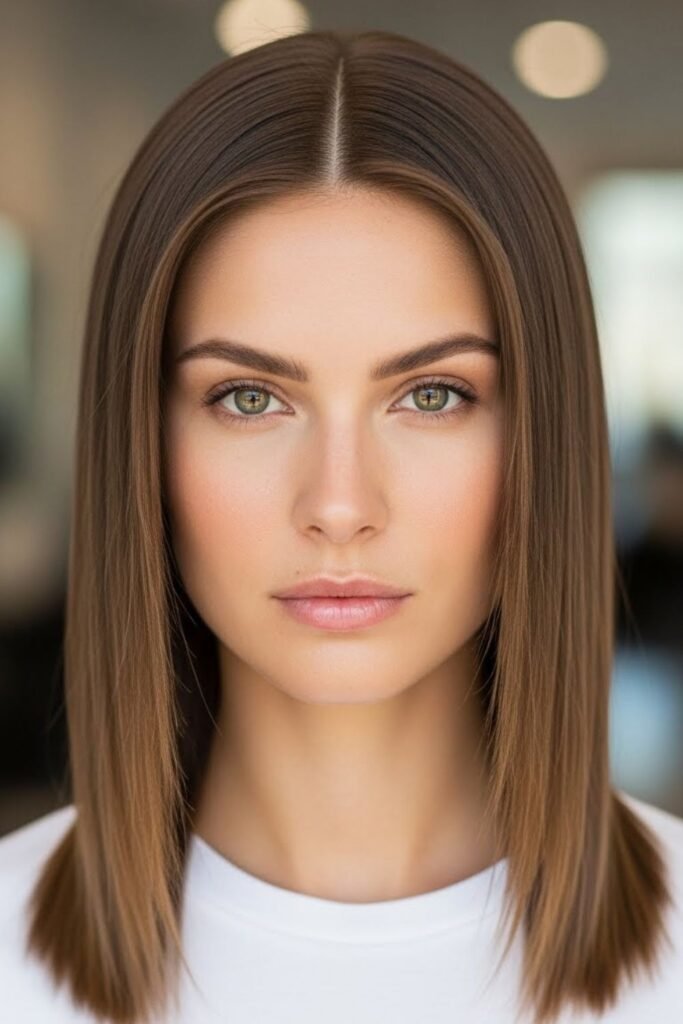
Softness comes from placement, not length. Longer strands that frame the face, coupled with soft layers around the cheeks, prevent this mullet from appearing too severe.
The background remains, a constant presence, but never intrusive. It’s a good approach if you’re aiming for equilibrium, rather than stark differences.
Request a motion that moves forward, not backward, ensuring the cut enhances your face before revealing its edge.
Airy Mullet
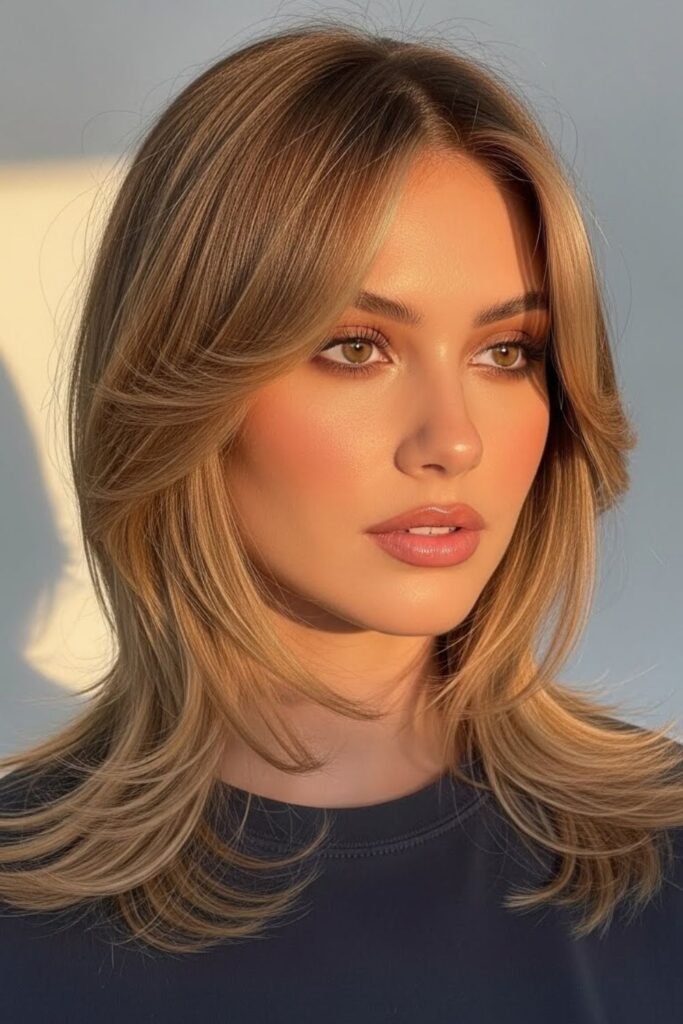
Lightness makes this cut wearable. Layers are placed higher to lift the crown, while the ends stay feathered and loose. Hair never sits flat, even on lazy days.
This formulation is ideal for hair of medium thickness, especially when you want to boost volume without resorting to teasing techniques.
Keep it straightforward rough, dry and done. Too much polishing destroys the relaxed form entirely.

Collarbone Mullet
Keeping things grounded means hitting the collarbone. Length gives a sense of importance, while interior structure creates a feeling of movement.
This cut delivers the mullet vibe while also offering plenty of styling options. The ability to connect it back, however, is what truly makes it useful.
Concentrate on layering around the face and crown. Overzealous trimming in the rear throws everything off kilter.

French Mullet
Effortless is the goal here. A little imperfection lends the edit a sense of purpose, rather than carelessness.
The bangs maintain a gentle, imperfect quality, while the rear of the hair flows without any awkward flipping. It’s most effective when you keep things simple and embrace the natural look.
Embrace the beauty of imperfection; seek for the character of well-worn surfaces. If it still looks good on the second day, you’ve nailed it.
Textured Mullet
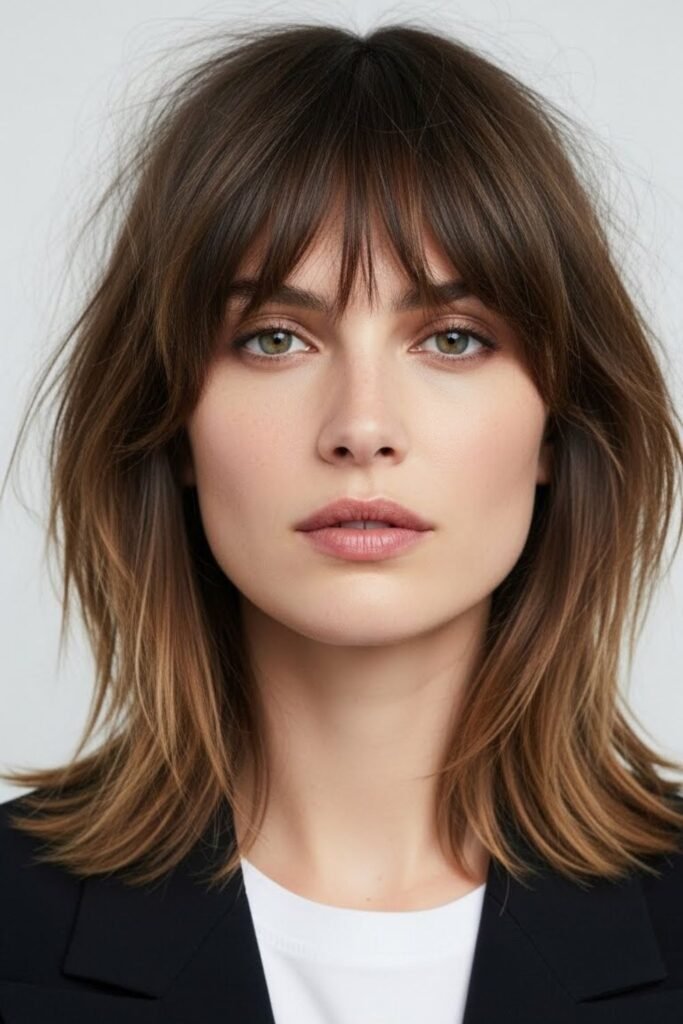
Texture, rather than differences in length, determines how we perceive shape. The process of carving layers is used to create separation, which allows for depth without adding bulk.
It’s a good solution for hair that is weighed down or lacks luster. Styling is achieved with creams or mild pastes, not heat.
Overdoing it with the blow-dryer strips away the very texture that gives this haircut its appeal.

Soft Punk Mullet
Edge doesn’t require hostility. The slight separation between the crown and the rear gives the style a unique quality, while yet making it practical to wear.
This look works well for those who are self-assured yet still appreciate a gentle touch.
Request controlled layering, aiming for a deliberate variation in length, rather than an overly aggressive trim.

Blunt Mullet
Sharp ends change the vibe completely. Blunt perimeter cutting makes the shape graphic while soft layers keep it balanced.
Its most effective on hair that either straight or has a lot of density, as this type tends to keep its shape well.
Don’t trim the ends too much, or you will lose the desired appearance. It’s the interplay of crisp lines and gentle layers that gives this iteration its distinctive quality.

Minimal Mullet
Fewer sharp edges, greater purpose. This iteration hinges on subtle alterations in form avoiding overt stratification.
The back of the hair stays close lending a subtle sense of motion without being overly dramatic. Perfect if you are after a contemporary look that nevertheless works in a professional setting.
Precision is key. Small changes can have major impacts even if the outside situations are simple.

Volumized Mullet
The ascent starts at the summit, not the extremities. Layering creates a sense of height without adding weight, ensuring that the back doesn’t feel overloaded.
This is a solid fix if your hair often falls flat near the roots. Start by blow-drying the roots.
Then let the remainder air dry. Overdoing it with style may easily make a piece feel stiff and lifeless.

Grown-In Mullet
The subtle shifts in the text let it flow, avoiding any jarring breaks. The effortless flow from the front to the back makes upkeep a breeze, particularly as it expands.
Ideal for anyone who finds the thought of a haircut appointment utterly unappealing. I’m after lengthy, blended layers the sort that just seem to melt into place.
Even with alterations, the shape still performs its original purpose. To avoid any awkwardness.
FAQs
Does a soft mullet still look good when it grows out?
If it’s done correctly, then yes. A soft mullet, built with interconnected layers, sidesteps the problems of a harsh, step-like look as it grows out.
A well-executed crown and face-framing are essential they hold the entire look together, preventing it from losing its form.
That’s why it’s a safer choice than those spiky, overly detached mullets.
Can a soft mullet work if I don’t style my hair every day?
It can, and that’s precisely the idea. The way a cut is made generates its own dynamic, without the need for heat or flawless styling.
If your hair naturally has a bit of texture or wave, letting it dry on its own usually yields the best results. Too much styling can make a soft mullet appear rigid and artificial.
You may like to read!
- 28 Layered Bob Haircut Ideas
- 26 Layered Haircut Ideas
- 27 French Bob Haircut Ideas
- 26 Buzz Cut Women Ideas

Hi, I’m Afaf! I’m a law student who loves all things home, style, and gardening. I’ve been writing for over a year about topics like home decor, DIY projects, plants, fashion, and beauty.
I like sharing ideas that are easy to try and don’t cost a fortune. Whether it’s organizing a messy closet, decorating on a budget, or keeping houseplants alive, I write about what I’ve actually tried myself.
When I’m not studying, I’m usually on Pinterest looking for my next project or adding another plant to my collection!