20 unexpected things I did that made my 60s my best decade ever
There's something nobody really tells you about turning 60. Not the stuff about creaking knees or reading glasses, we already know about those. I mean the quieter thing, the feeling that somewhere between the decades, you stopped asking yourself what you actually wanted and just kept going. I've been there. Most of us have. And then, somewhere in my early 60s, I started doing things differently. Some of them were brave. Some were just plain weird. A few were things I'd never in a million years have pictured myself doing.
What follows isn't a checklist or a self-help plan. It's more like a honest look back at the choices, big and small, that slowly turned my 60s into something I genuinely didn't expect: the most alive I've felt in years. If even one of these resonates with you, I'd say that's more than enough.
I Quit My Career Cold Turkey—Best Decision I Ever Made
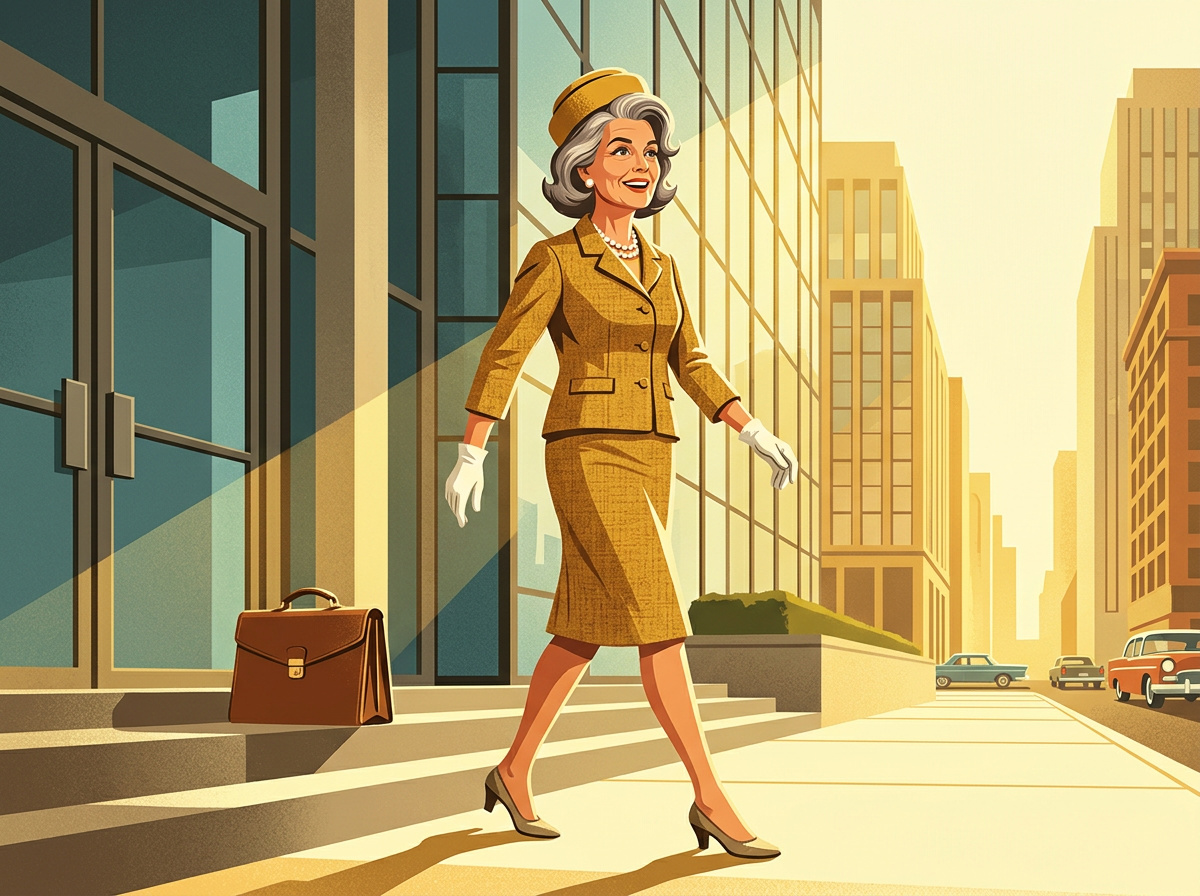
I’d been in the same field for over thirty years, and honestly, I thought I’d ease out slowly. A part-time arrangement, a graceful fade. But one morning I woke up and just… knew it was done. No drama, no big announcement.
It took me a while to realize that staying out of loyalty to a version of myself that no longer existed wasn’t noble. It was just habit. Comfortable, exhausting habit.
The first few months were disorienting. I won’t pretend otherwise. Who are you without the title? That question sits heavy at first. But it gets lighter.
What replaced it was something I hadn’t felt since my twenties: genuine curiosity about what comes next. Turns out, that feeling doesn’t have an expiration date. You just have to clear enough space to let it breathe.
Selling the Family Home Nobody Thought I'd Leave
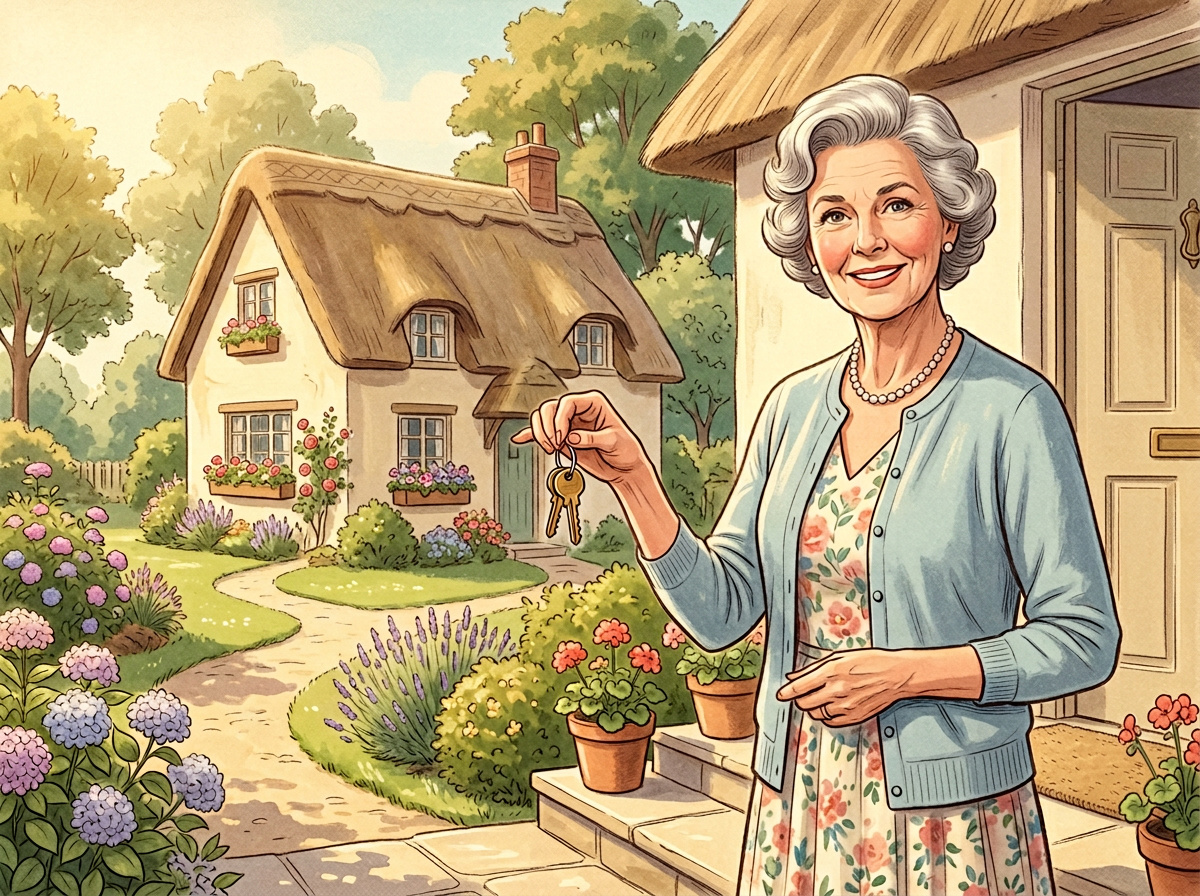
The house had four bedrooms, a yard full of memories, and gutters that always needed cleaning. Everyone assumed I’d stay forever. I’d assumed it too, for a long time.
But I noticed something: I was maintaining a life that had already moved on. The kids were gone. The rooms were quiet. And I was rattling around in all that empty space like a marble in a shoebox.
Letting it go was harder emotionally than I expected and easier practically than I feared. Both of those things were true at once.
The new place is smaller, brighter, and entirely mine. No rooms held for visits that rarely come. Just the life I’m actually living, arranged the way I want it. That shift in thinking changed more than just my address.
When My Doctor Said 'Slow Down,' I Signed Up for a 5K Instead
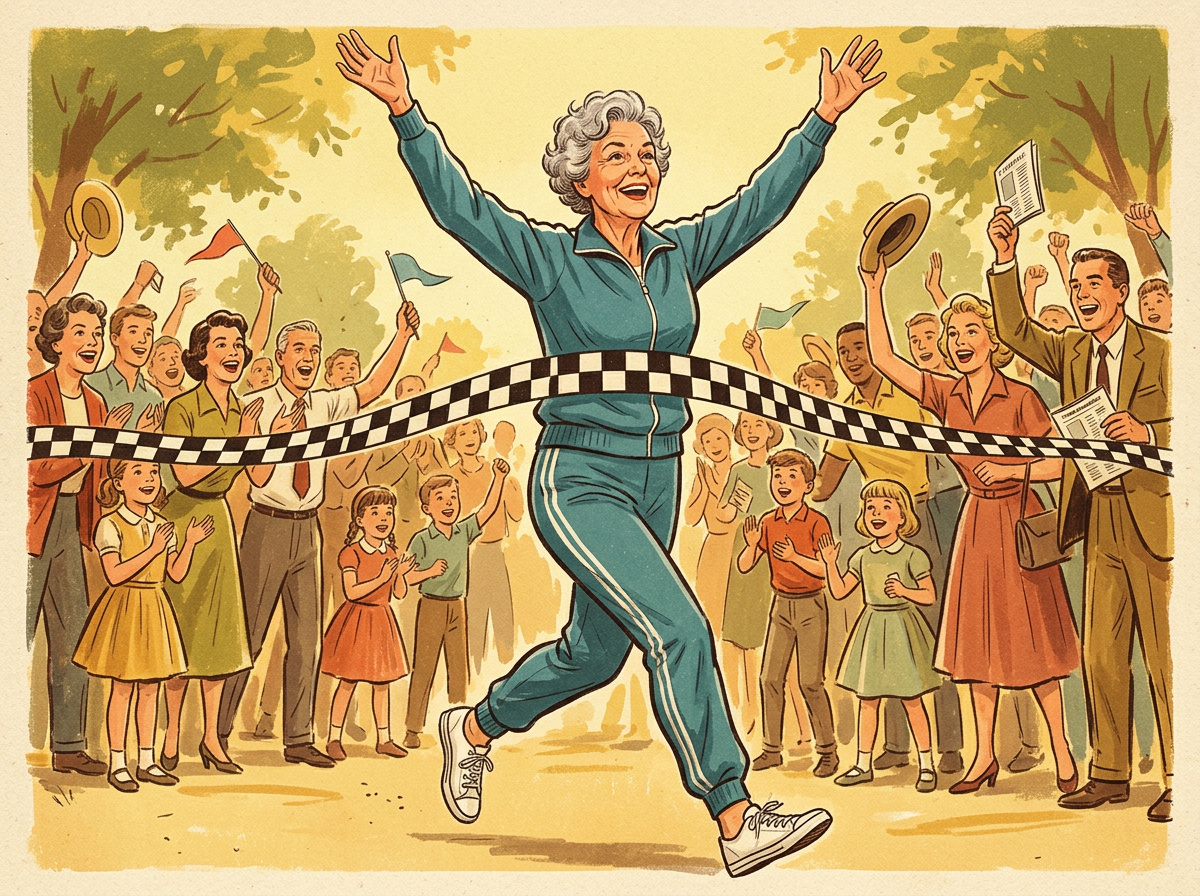
She didn’t mean it badly. She was being careful, kind even. But something about hearing ‘take it easy’ lit a quiet fire in me that I hadn’t felt in years.
I wasn’t reckless about it. I built up slowly, walked more than I ran at first, and listened to my body far more than I’d ever bothered to before. That part was actually new for me.
Race day was not glamorous. I was near the back. My finish time was nothing to frame. But I crossed that line and stood there feeling something I can only describe as deeply, stubbornly proud.
I think there’s something important about proving to yourself, not to anyone else, just to yourself, that your body is still capable of surprise. That message is worth the sore shins.
Trading Wine Nights for 6 a.m. Weight Training
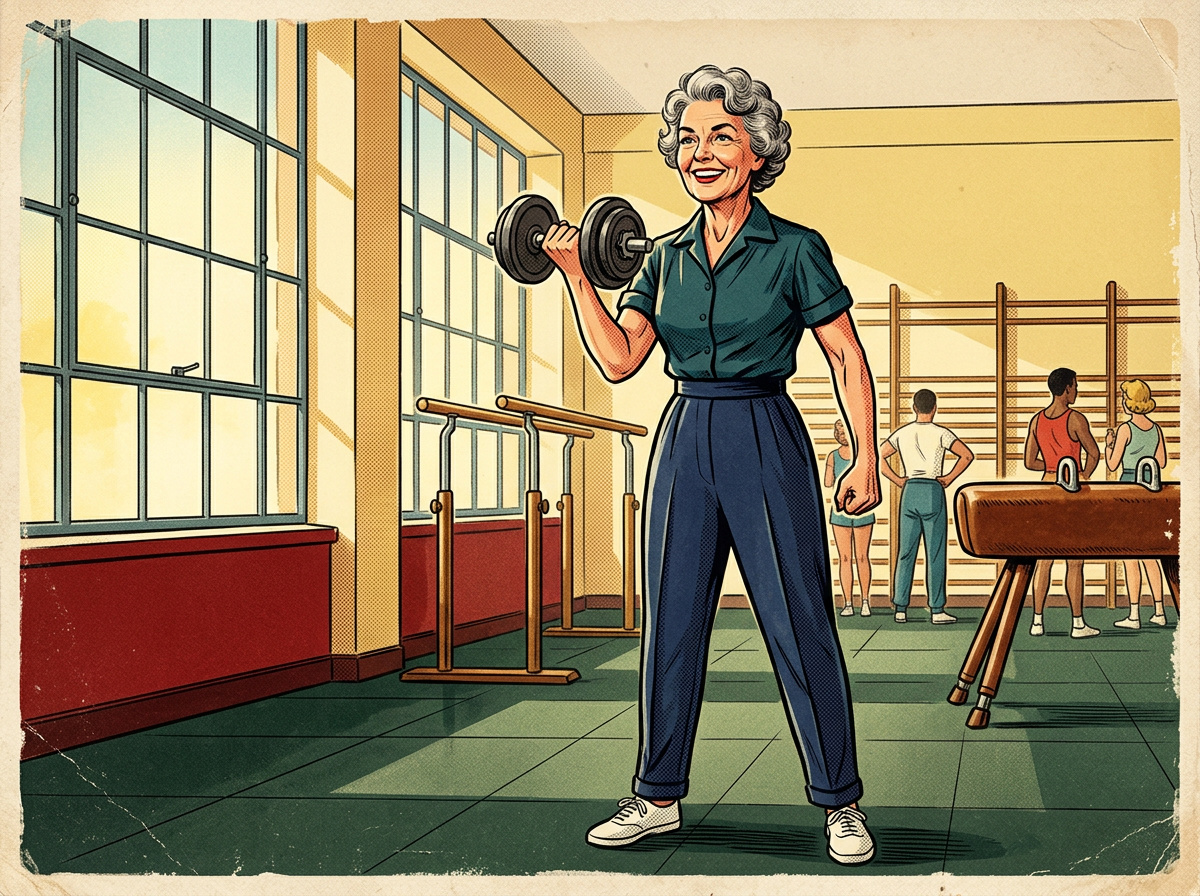
I know. I know how that sounds. I would have rolled my eyes at myself too, a few years ago. Wine nights were social, comfortable, a ritual I genuinely enjoyed.
But I started noticing that the mornings after weren’t just tired, they were foggy and a little flat. And the evenings themselves had started feeling more like numbing than celebrating.
Trading them for early morning training sessions felt absurd at first. Cold, quiet, and humbling in ways I didn’t anticipate. Turns out, I had no idea how weak I’d gotten.
What I gained wasn’t just physical, though the physical part surprised me too. It was a kind of clarity I hadn’t had in years. Mornings that felt earned. A body that felt less fragile. And, oddly enough, a social group I never expected to find at that hour.
The Friendship Audit That Hurt but Had to Happen
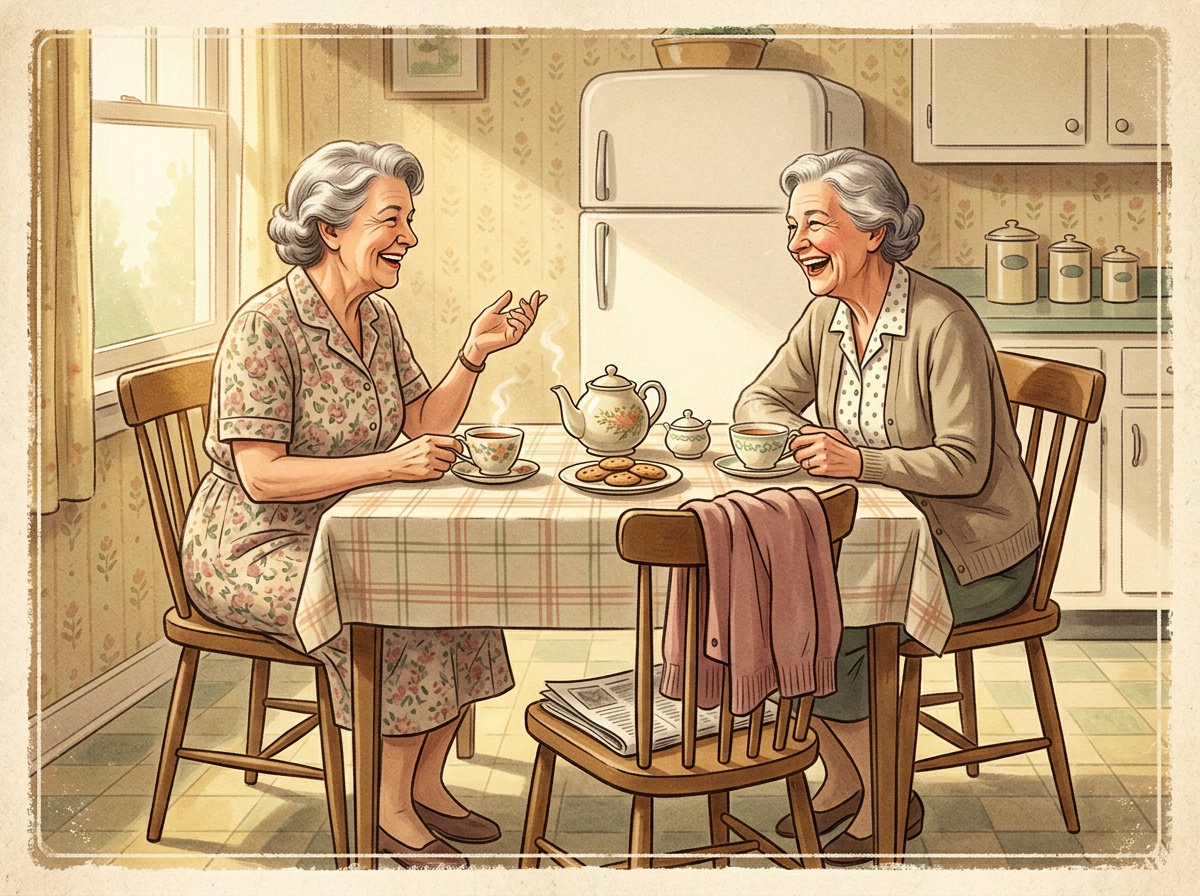
Nobody talks about this one honestly, and I think we should. Because by your 60s, some friendships are held together by nothing except history and habit. That’s not nothing. But it’s also not always enough.
I didn’t sit down with a spreadsheet. It was more gradual than that. I just started paying attention to how I felt after spending time with certain people. Lighter or heavier. Seen or slightly smaller than when I arrived.
Letting some friendships quietly fade was uncomfortable. A couple of conversations were harder than I expected. But the space it created was remarkable.
I’ve noticed that real friendships in this decade have a particular quality. Less performance, more honesty. Less catching up, more actual connection. It took some clearing out to find them, but they were worth every bit of the discomfort.
I Started Therapy at 62 and Cried for Six Months Straight
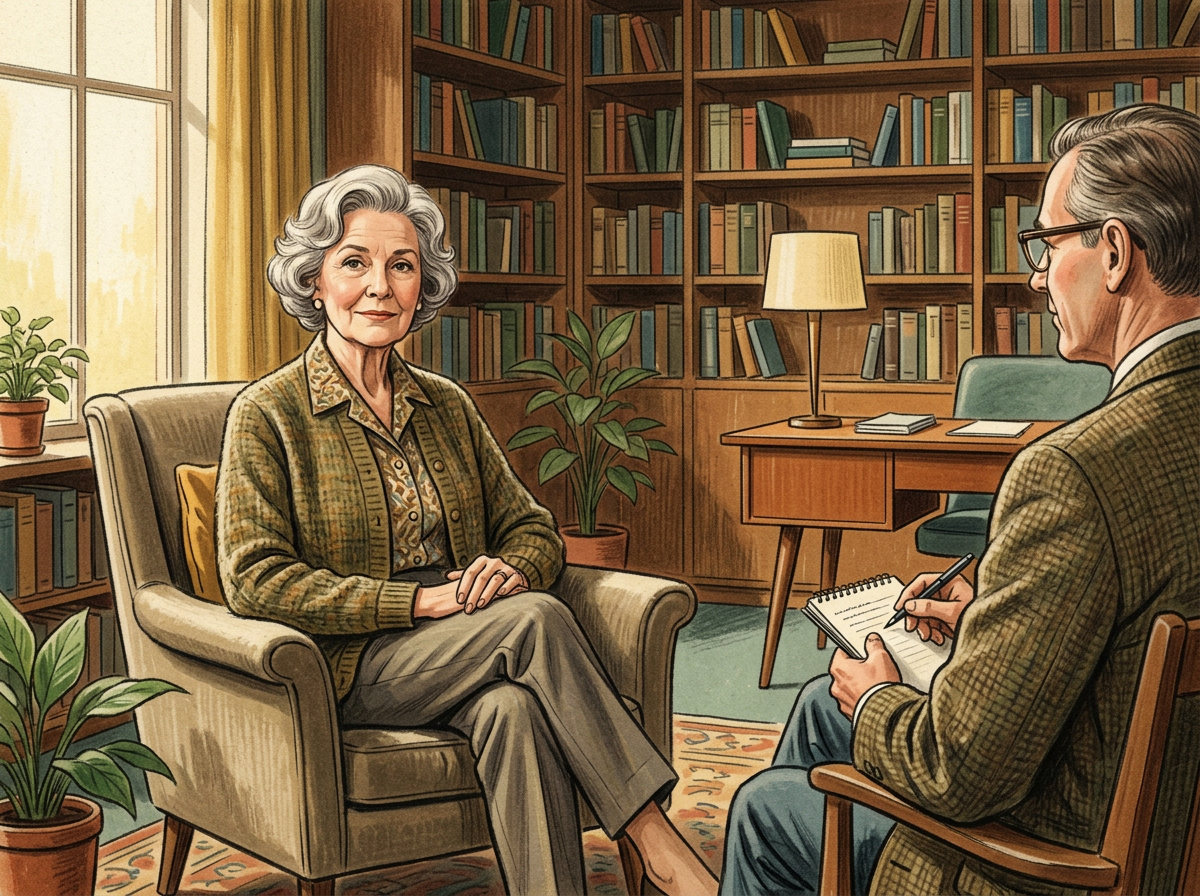
I’d spent decades being the steady one. The capable one. The woman who handled things. The idea of sitting in a room and admitting I was struggling felt like failure for longer than I’d like to admit.
What finally got me there was simple exhaustion. Not the tired-from-doing kind. The tired-from-carrying kind. There’s a real difference, and by 62, I knew it.
The first six months were… a lot. Old grief, old patterns, things I’d tucked away so efficiently I’d almost forgotten they were there. Almost. Crying in a therapist’s office turned out to be one of the more productive things I’ve ever done.
I came out the other side lighter. More patient with myself. A little more honest in ways that quietly improved almost every relationship I had. I only wish I’d gone sooner, but I suspect I had to be ready first.
Ditching the 'Aging Gracefully' Script Nobody Asked Me to Follow
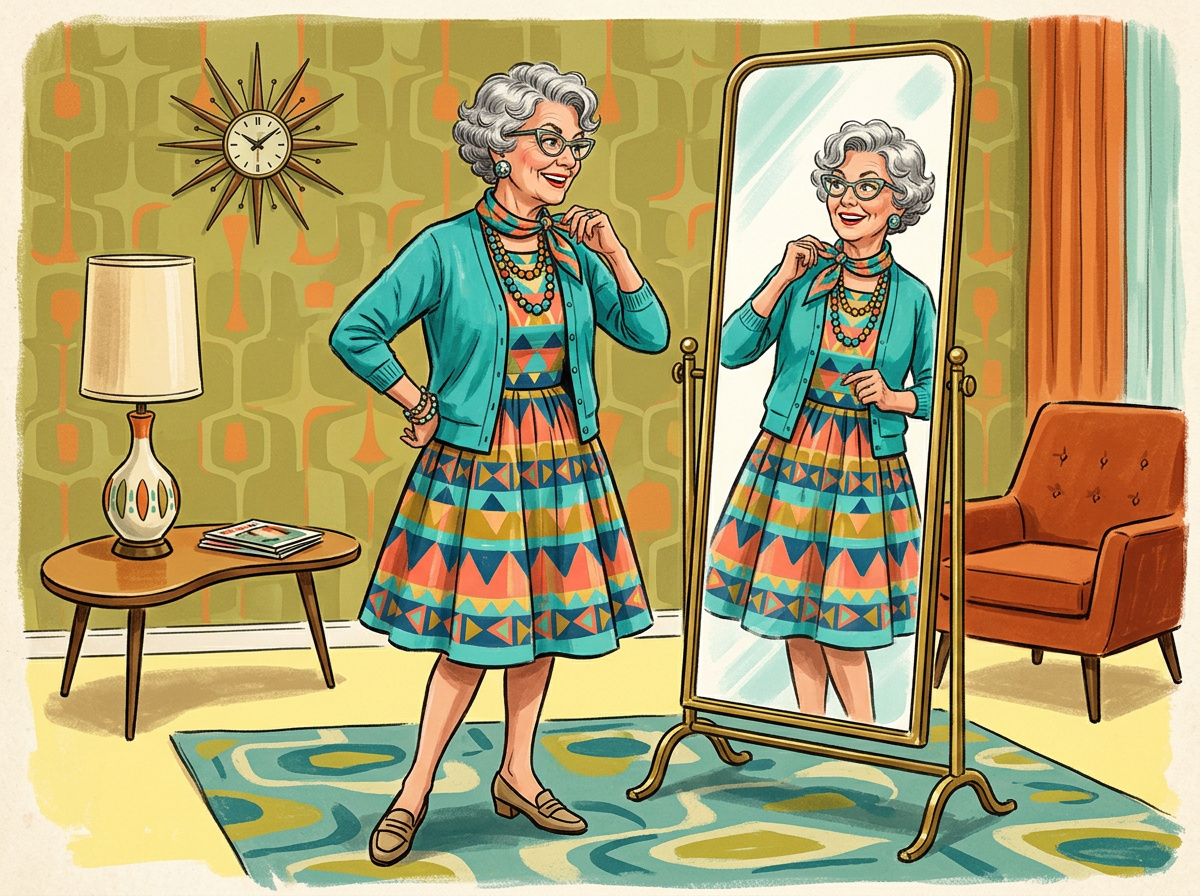
‘Aging gracefully’ is a phrase I’ve come to find quietly infuriating. Graceful for whom? It always seemed to mean: shrink a little, soften your edges, stop wanting so much. No thank you.
I dyed my hair an unexpected color. I started wearing what I actually liked instead of what I thought was appropriate. I stopped explaining my choices to people who hadn’t asked for an explanation.
Some of it was small. Some of it felt enormous. The cumulative effect was a kind of self-possession I don’t think I’d fully had before, even in younger decades when I thought I was so confident.
There’s a particular freedom that comes from genuinely not needing approval anymore. It doesn’t arrive all at once. But one day you notice it’s there, and it’s one of the quieter gifts of this stage of life.
Going Back to School Alongside People Half My Age
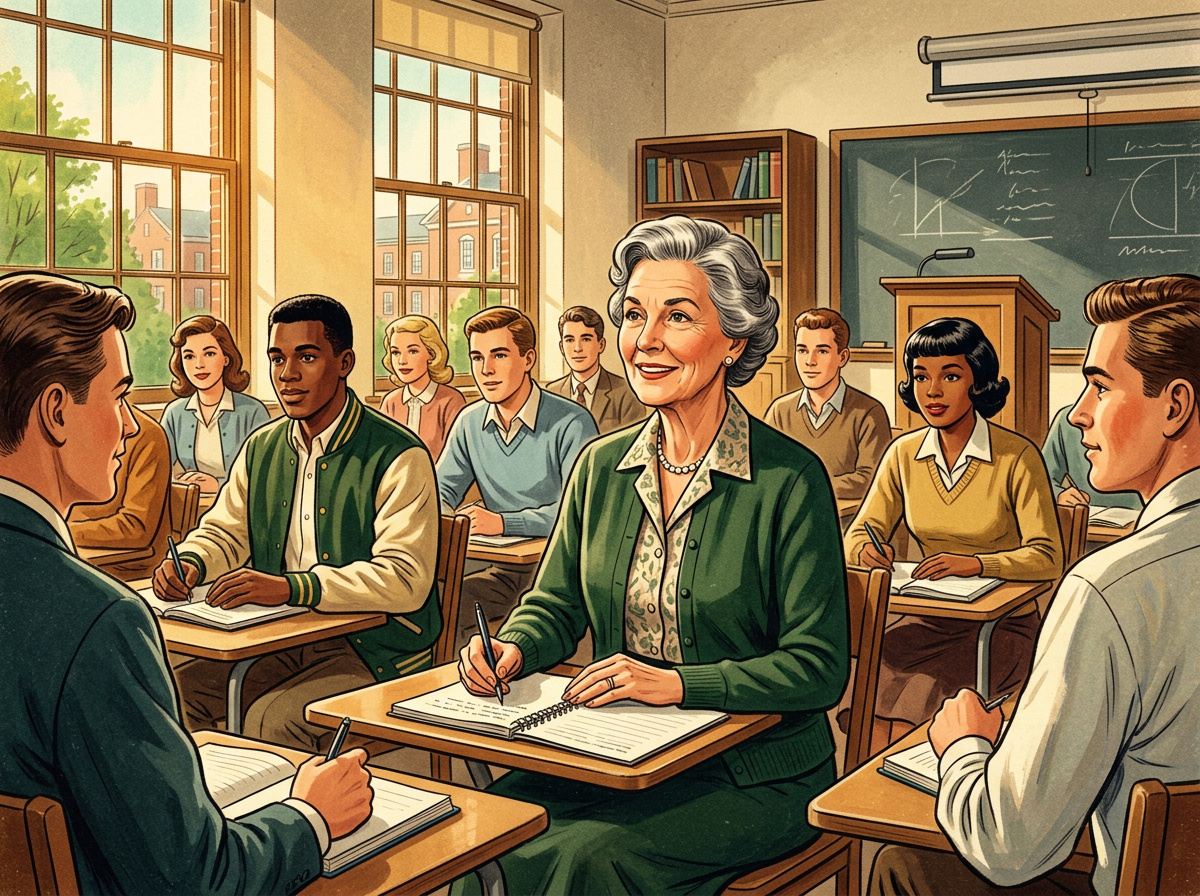
I won’t lie, walking into that first class and realizing most of my classmates could be my children was briefly horrifying. I sat in the back. I second-guessed myself at least twice before I opened my notebook.
But something shifted within the first few weeks. The younger students weren’t indifferent to me. If anything, they were curious. And I found I had more patience for the material than I’d ever had at their age.
Learning something new at 63 uses a different part of you. Less ego, more genuine interest. I wasn’t performing for grades or a future career. I was just there because I wanted to understand something better.
It reminded me that curiosity is not a young person’s luxury. It’s a choice, available at any age, to anyone willing to feel a little awkward in service of something worthwhile. Worth every moment of self-consciousness.
Solo Travel After 40 Years of Vacationing as a Duo
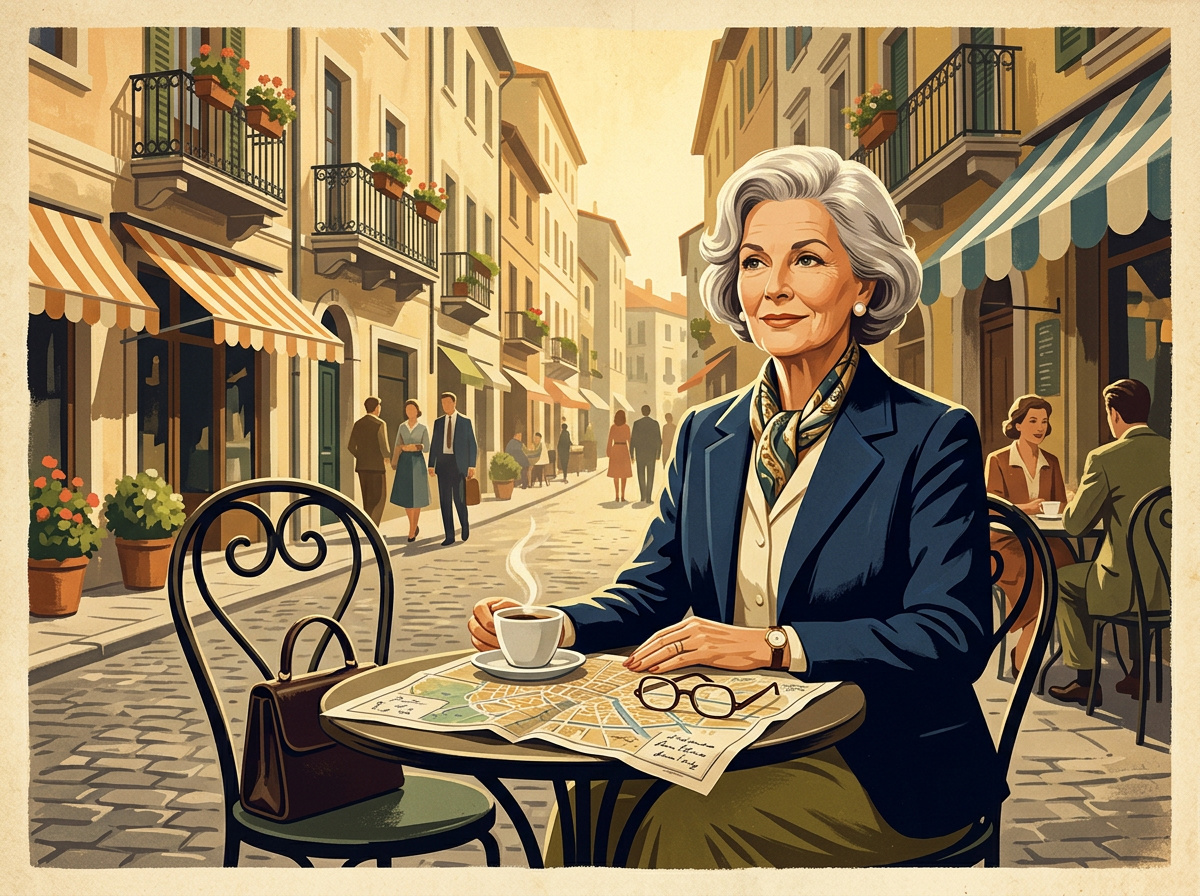
I’d always traveled with someone. A partner, a friend, a group. The idea of going somewhere entirely alone felt either luxurious or lonely, and I genuinely wasn’t sure which until I actually did it.
The first solo trip was modest. A long weekend, not far from home. But I ate when I was hungry, went where I wanted, changed my plans on a whim, and didn’t explain any of it to anyone. That alone was revelatory.
I’ve since gone further. Each trip teaches me something about my own company, which turns out to be more enjoyable than I’d assumed after decades of rarely being alone with it.
There’s a particular confidence that solo travel builds, quietly and steadily. Not a loud confidence. More like a settled knowing that you can handle things. That you are, in fact, good company for yourself.
The Budget Overhaul That Finally Let Me Stop Lying to Myself About Money
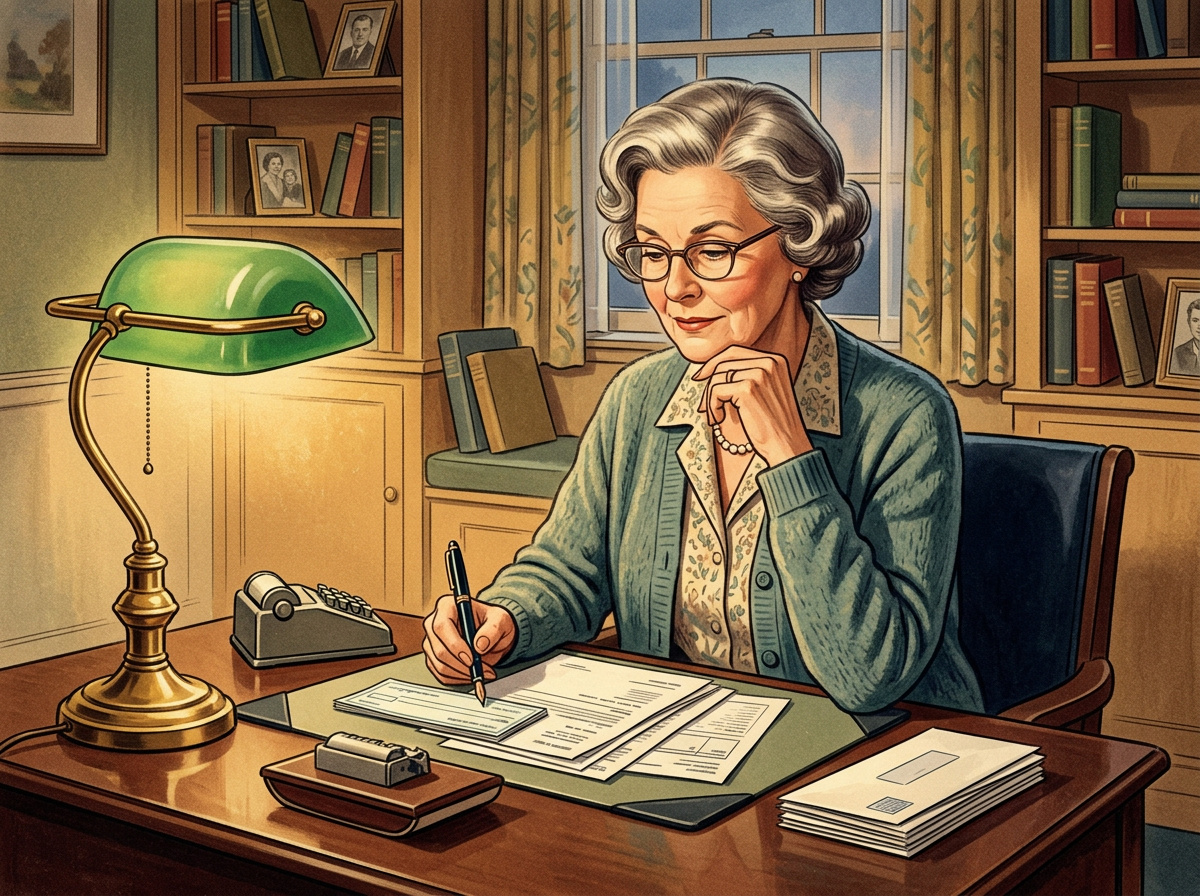
I had spent years having a vague relationship with my finances. Not irresponsible exactly, but… deliberately a little fuzzy in places I didn’t want to look too closely at. I think a lot of us do this.
Sitting down and actually looking at everything, not just income and obvious expenses but the whole picture, was uncomfortable in a very specific way. Like cleaning out a closet you’ve been avoiding. Necessary and slightly shameful all at once.
What came out of it wasn’t restriction. That surprised me. It was clarity. Knowing exactly where things stood let me make real choices instead of vague hopes.
I redirected money toward things that actually mattered to me and stopped spending on things I’d been buying out of habit or mild anxiety. The feeling of being financially honest with yourself, even late, is genuinely worth the momentary discomfort of getting there.
Learning to Cook the Cuisines I'd Only Ever Ordered
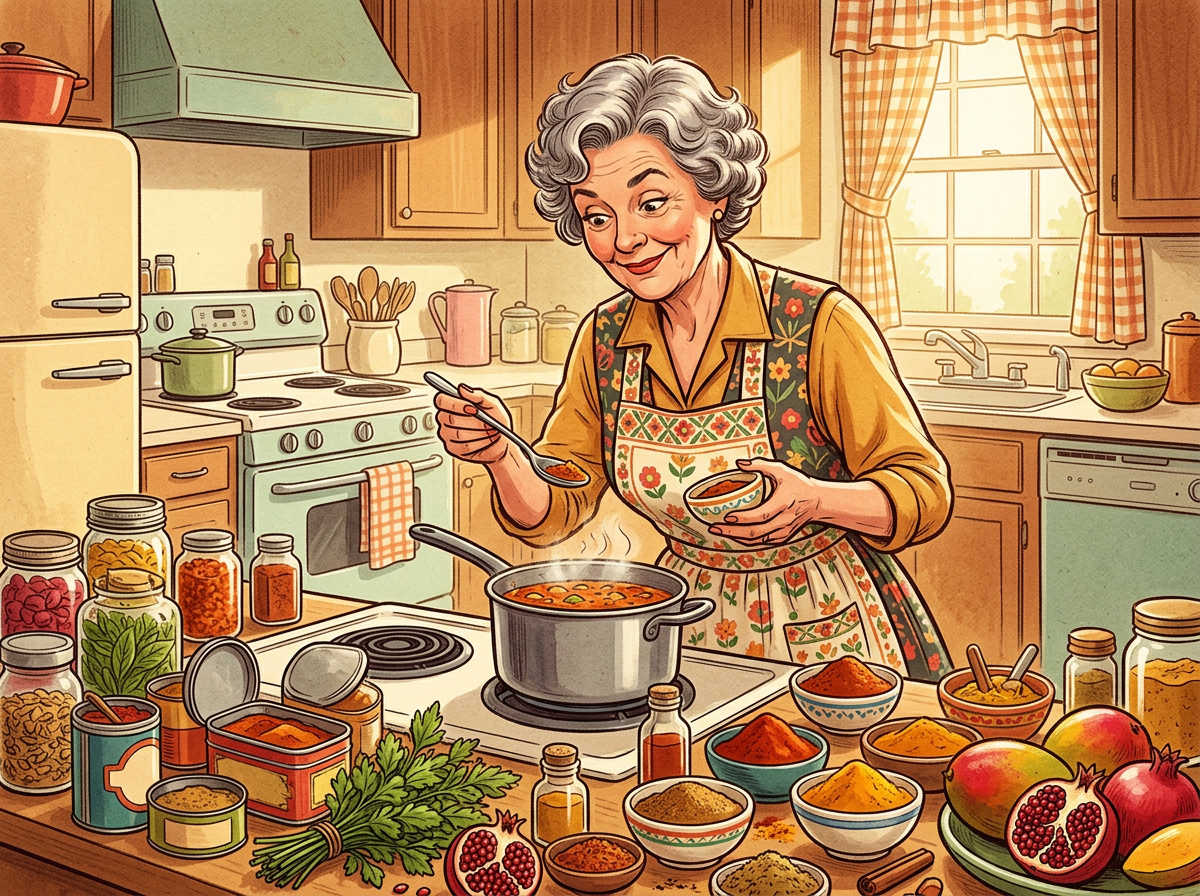
For years I cooked competently. Family recipes, reliable weeknight meals, the usual rotation. It served its purpose. But somewhere along the way I’d stopped being curious in the kitchen, and I hadn’t really noticed.
I started with one cuisine I loved but had never attempted. Watched videos, made a mess, ate things that were almost right and occasionally completely wrong. It was genuinely fun in a way I hadn’t expected.
Cooking something unfamiliar is a small but real act of engagement with the world. You’re learning a culture through its food. That sounds grand, but it’s also just true, and it made ordinary evenings feel more alive.
I’ve since worked my way through several cuisines I’d only ever admired from the other side of a restaurant menu. The disasters are half the fun. Nobody in my kitchen is grading me, which turns out to be the perfect condition for actually learning something.
I Said Yes to Something Embarrassing Every Single Month
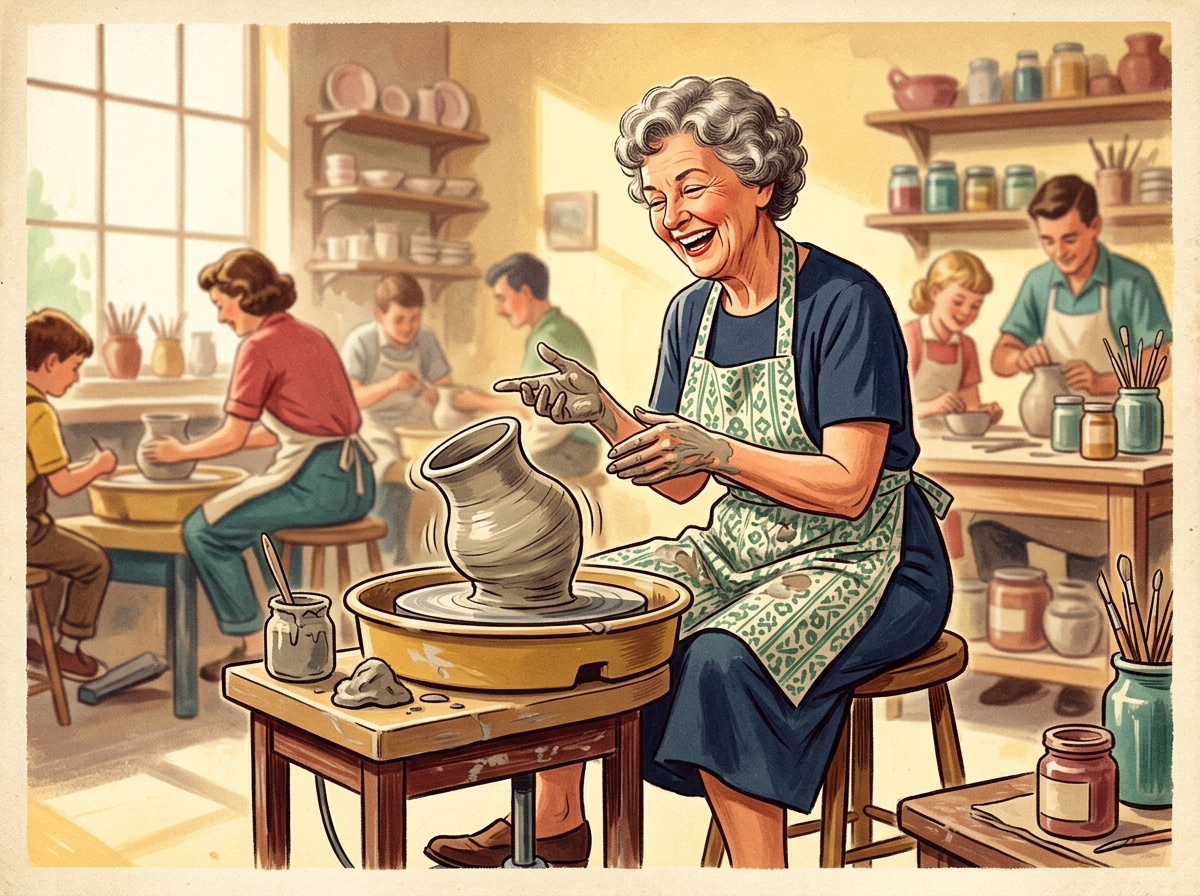
This one started almost as a joke with myself, and then became one of the better habits I’ve ever built. Once a month, I committed to doing something that made me feel genuinely awkward. Not dangerous. Just uncomfortable.
A pottery class where I was conspicuously terrible. A dance lesson. A open-mic storytelling night where my voice shook. Things I would have quietly declined before, wrapped in a sensible excuse.
What I noticed is that the embarrassment never lasted as long as the fear of it suggested it would. The dread was always worse than the thing itself. Almost without exception.
And over time, my threshold for discomfort simply got higher. I became a little braver in smaller ways that added up. Trying something and being bad at it, in front of other people, and surviving it entirely… that’s a surprisingly useful thing to practice at any age.
Giving Up the Grandparent Guilt Trip I'd Been Carrying
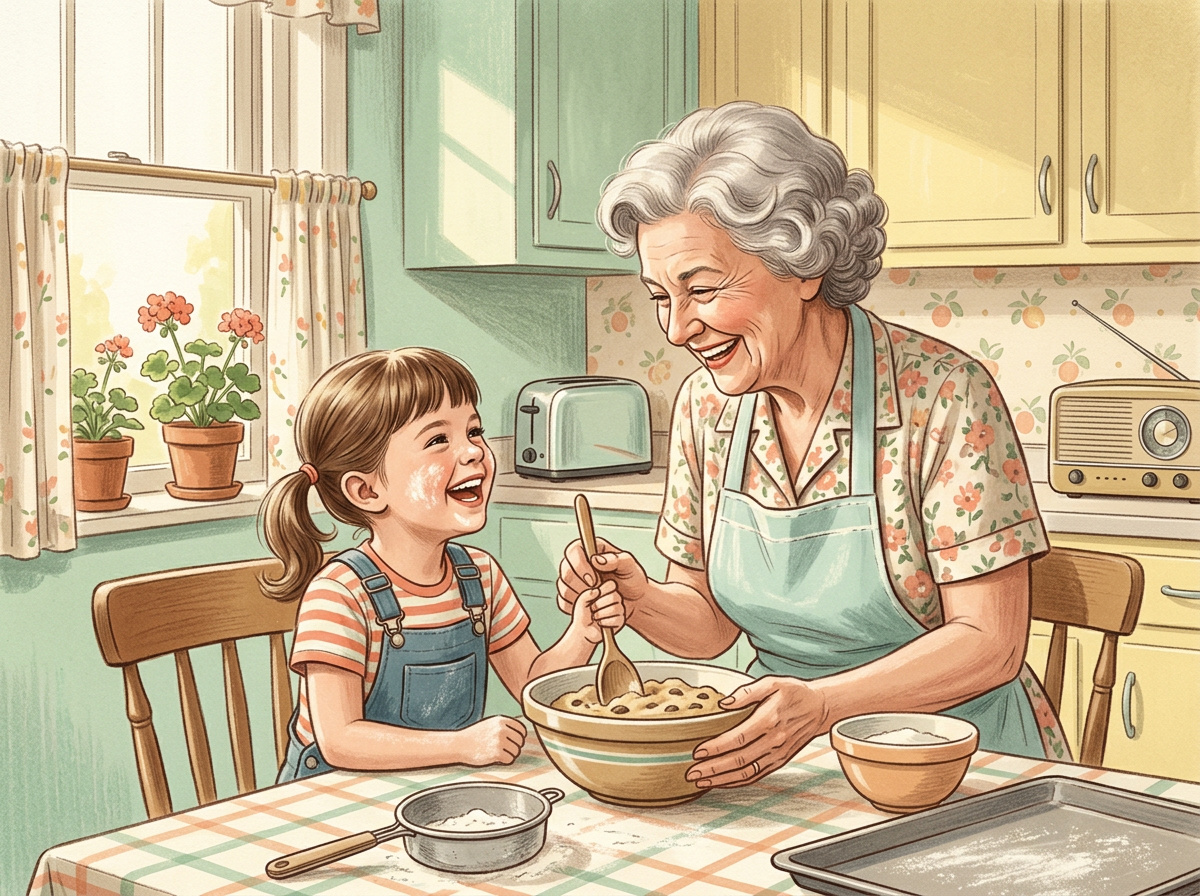
There’s a version of grandparenting that gets held up as a kind of ideal… available always, self-effacing always, endlessly accommodating and quietly grateful for whatever time you’re given. I had absorbed that version completely without meaning to.
It took me a while to see that the guilt I carried around not being enough, or being too much, or not showing up the right way, was mostly a story I was telling myself on a loop.
Real connection with grandchildren doesn’t require self-erasure. It actually goes better when you show up as yourself. A real person with interests and preferences and opinions. Children, it turns out, find that far more interesting.
Releasing the guilt didn’t make me less devoted. It made me more present. Less anxious, more genuinely there. The relationship improved when I stopped auditioning for a role and just arrived as who I actually am.
When Boredom Became My Most Productive State
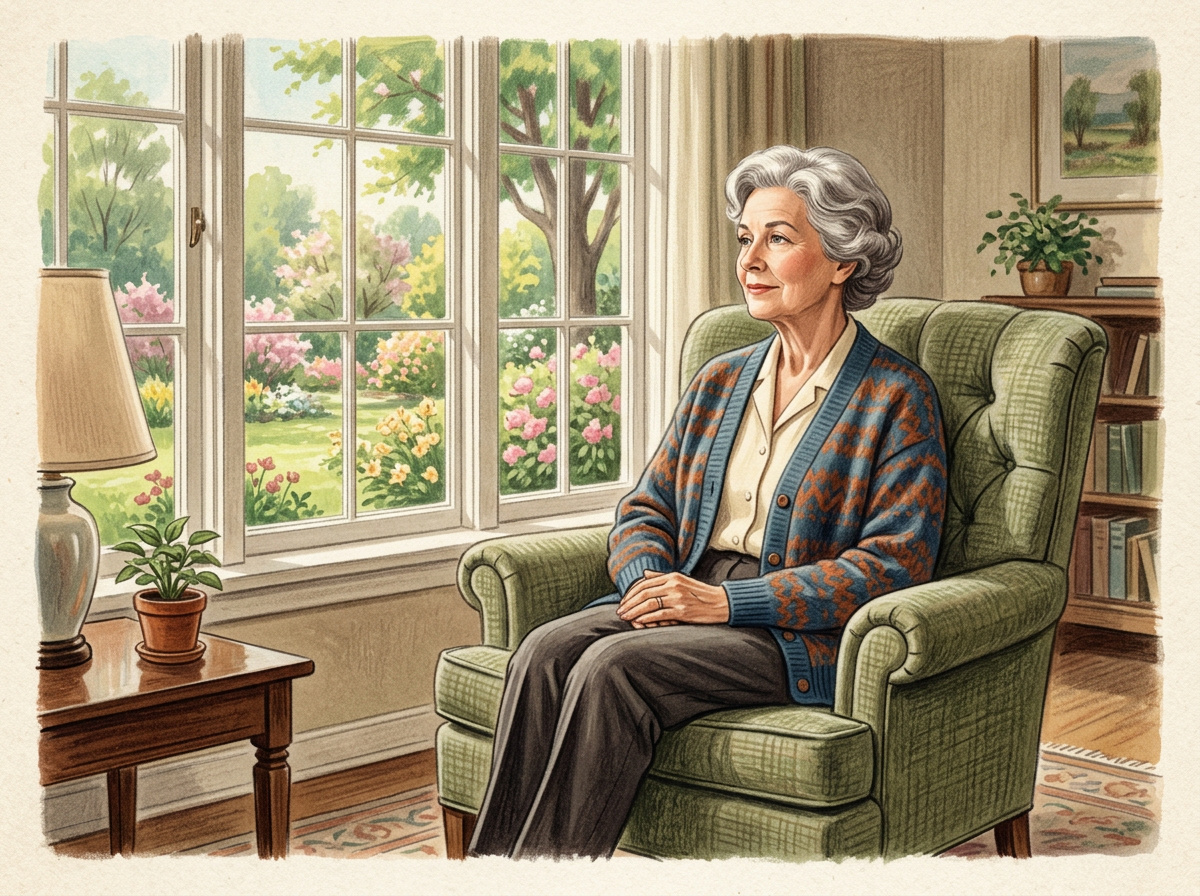
I used to fill every quiet moment. Phone, podcast, television, a task that didn’t really need doing. Stillness made me anxious in a way I hadn’t fully acknowledged, because I’d gotten so good at avoiding it.
Deliberately sitting with boredom, not meditating formally, just… not filling the space, turned out to be genuinely strange at first. And then, gradually, something interesting happened.
Ideas started surfacing. Old interests I’d set aside. Clarity about things I’d been too busy to think through. My brain, given nothing to react to, started actually creating.
I’ve come to think of unstructured quiet time as essential rather than indulgent. Not lazy. Not wasted. The most creative thinking I’ve done in years has come from those empty hours I used to treat as problems to be solved with distraction. Turns out they were just opportunities in disguise.
The Deliberate Downgrade: Smaller House, Sharper Life
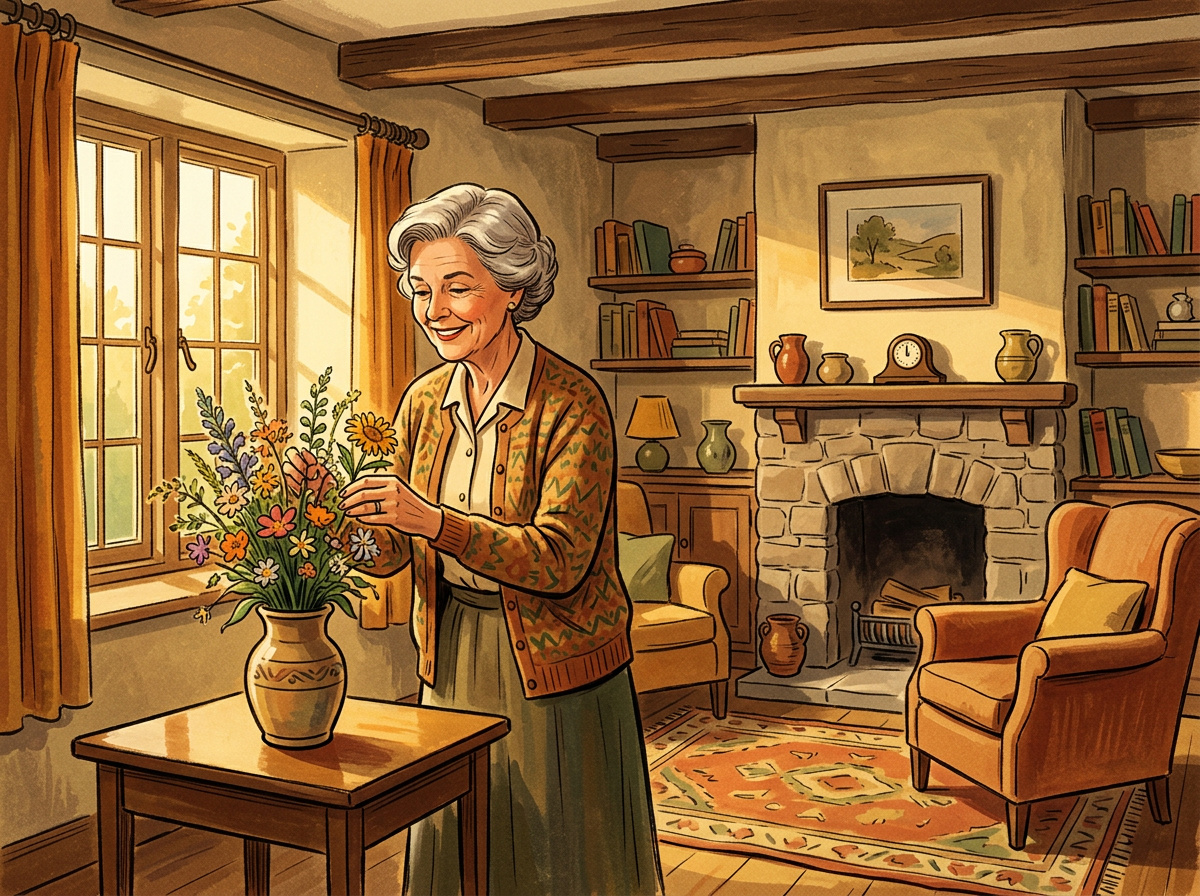
When people hear ‘downsizing,’ they often hear ‘giving up.’ I’ve come to think it’s almost the opposite. Choosing less space deliberately is one of the more clarifying things I’ve done.
You have to decide what actually matters when you can’t keep everything. That process, annoying as it is in practice, turns out to tell you quite a lot about yourself. What you hold onto and what you quietly let go of without much grief.
The smaller place requires less. Less maintenance, less cleaning, less money, less mental energy spent managing a space. What I gained back in time and ease genuinely surprised me.
Life got sharper. More intentional. Not austere, nothing like that, just more curated to what I actually use and love. There’s a lightness in that which I didn’t fully anticipate. It felt like editing a life that had accumulated too many unnecessary chapters.
Choosing Discomfort Over Comfortable Invisibility
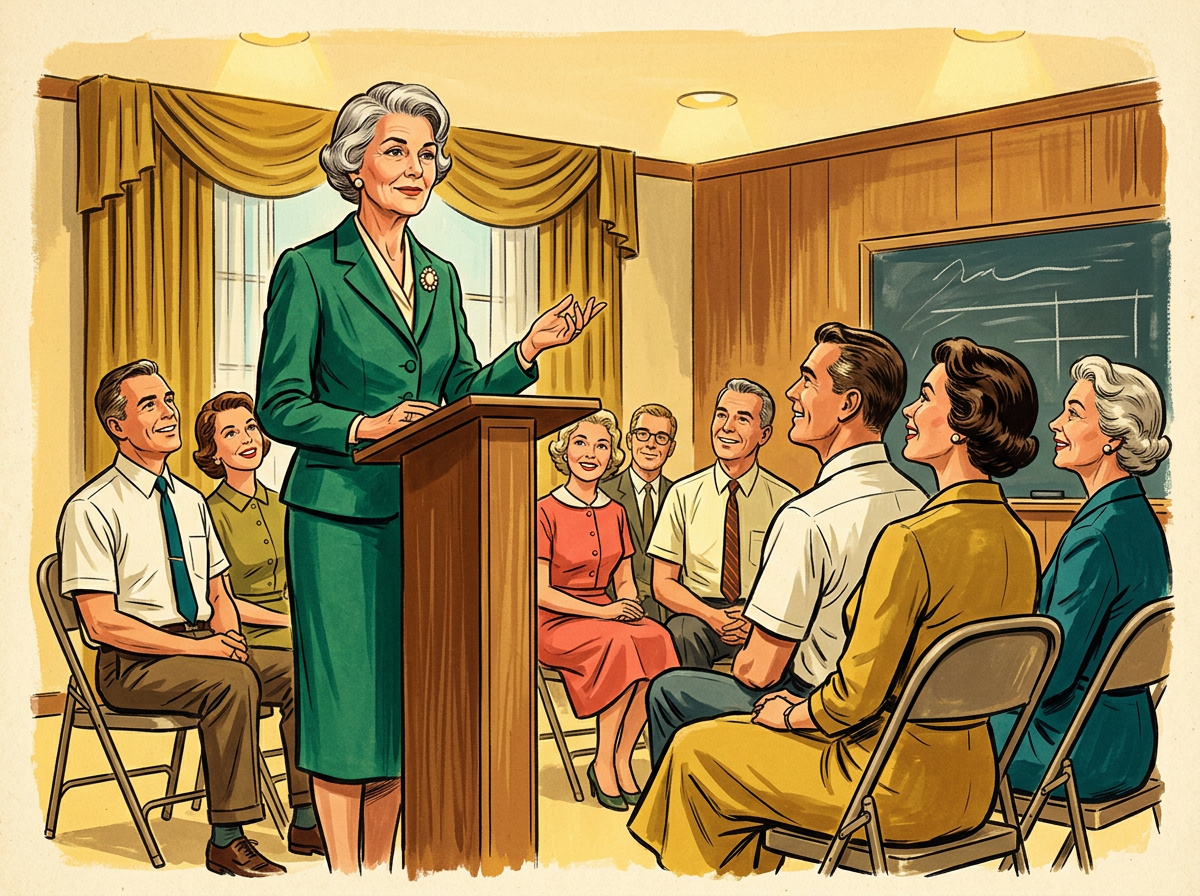
There’s a particular kind of invisibility that can settle over women in their 60s if they let it. Not forced on you entirely from outside, but partly chosen, or at least tolerated, because stepping forward feels like too much effort.
I noticed I’d started shrinking in small ways. Sitting toward the back, not offering my opinion unless asked, letting younger people’s energy fill the room while I watched from the edges. I told myself it was wisdom. It was partly cowardice.
Choosing to show up, to speak, to take up appropriate space again, was uncomfortable. Old habits of self-diminishment run surprisingly deep.
But the discomfort faded faster than I expected. And what replaced the invisibility wasn’t loudness or performance. Just a quiet, steady presence. The decision to be seen is, I think, one of the more important ones available to us at this stage. It’s always available.
I Let a Stranger Teach Me Something Every Week
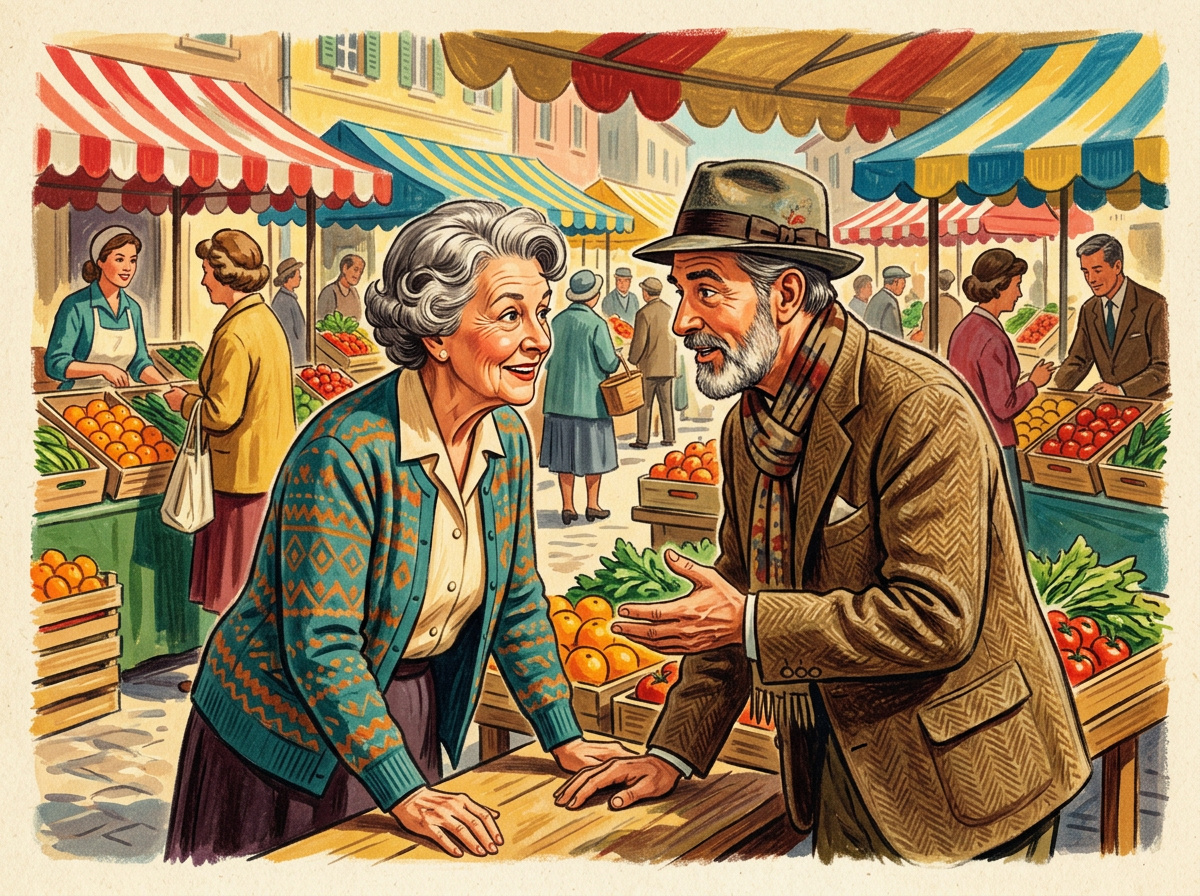
This started almost by accident. A conversation with someone at a farmer’s market that turned into a forty-minute education on something I knew nothing about. I walked away genuinely energized in a way I hadn’t been by a conversation in some time.
So I made it intentional. Not formally, no apps or structured programs. Just a decision to stay curious in real exchanges. To ask follow-up questions. To let someone who knew something I didn’t actually finish their thought.
The people who’ve taught me things in this deliberate, informal way have been wonderfully varied. A retired engineer. A young chef. A woman waiting for a flight. Most people, given the invitation, love to share what they know.
What it gave me, steadily and quietly, was a continued sense of being in the world rather than watching it. That feeling matters more than I would have predicted. I think staying genuinely curious about other people is one of the best decisions available to us.
Dropping Alcohol for a Year to See Who I Actually Was

I wasn’t a big drinker by most measures. But alcohol had been part of the social fabric of my life for so long that I genuinely didn’t know what I was like without it. That thought, once I had it, was hard to ignore.
The first month was more revealing than I expected. I noticed how often I’d reached for a drink not out of desire but out of habit, or mild social anxiety, or just because it was what the situation seemed to call for.
By month three, I felt physically different in ways I hadn’t anticipated. Sleep, mostly. And a certain steadiness I hadn’t realized I’d been missing.
The year showed me a version of myself I found I genuinely liked. I drink occasionally now, and enjoy it. But I know the difference between choosing something and just going along with a long-established pattern. That distinction, quietly, changed quite a bit.
The Grudge I Finally Buried—and What Lightness Felt Like
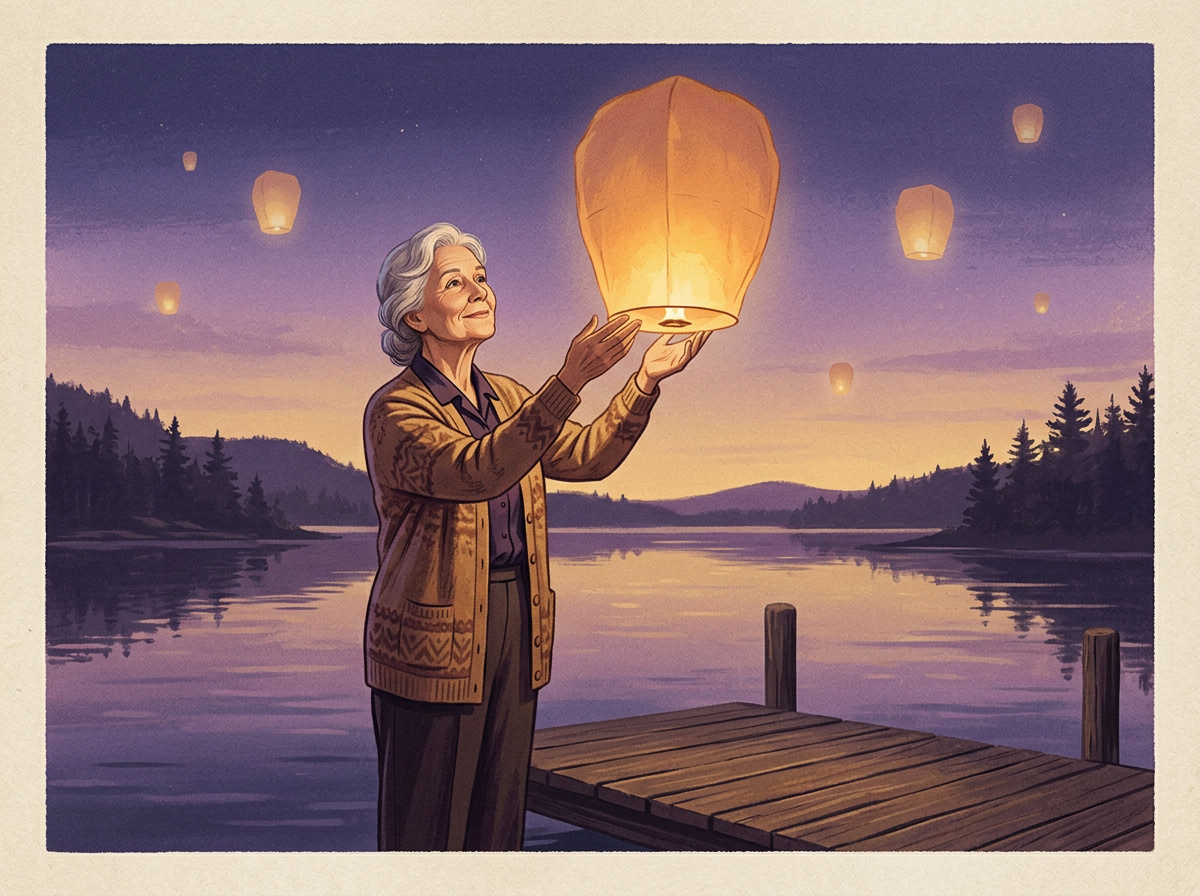
I’d been carrying a particular resentment for years. Long enough that I’d almost stopped noticing it was there. It had become part of the furniture of my inner life, familiar in the way that uncomfortable things become familiar when you live with them long enough.
Letting it go wasn’t a single dramatic moment. No confrontation, no ceremony. More of a gradual decision, made quietly and then made again on the days when the old story tried to reassert itself.
What I didn’t expect was the physical quality of the relief. Something actually lifted. That’s not a metaphor. There was a real lightness that arrived, gently, and stayed.
I’ve thought since about what I was getting from holding onto it. Some sense of being right, probably. Some protection against having to fully process the hurt underneath. Neither turned out to be worth the cost. Letting go, I’d say now, is one of the more radical acts of self-care available to us.
Making Peace With My Body After Decades of Negotiating Against It
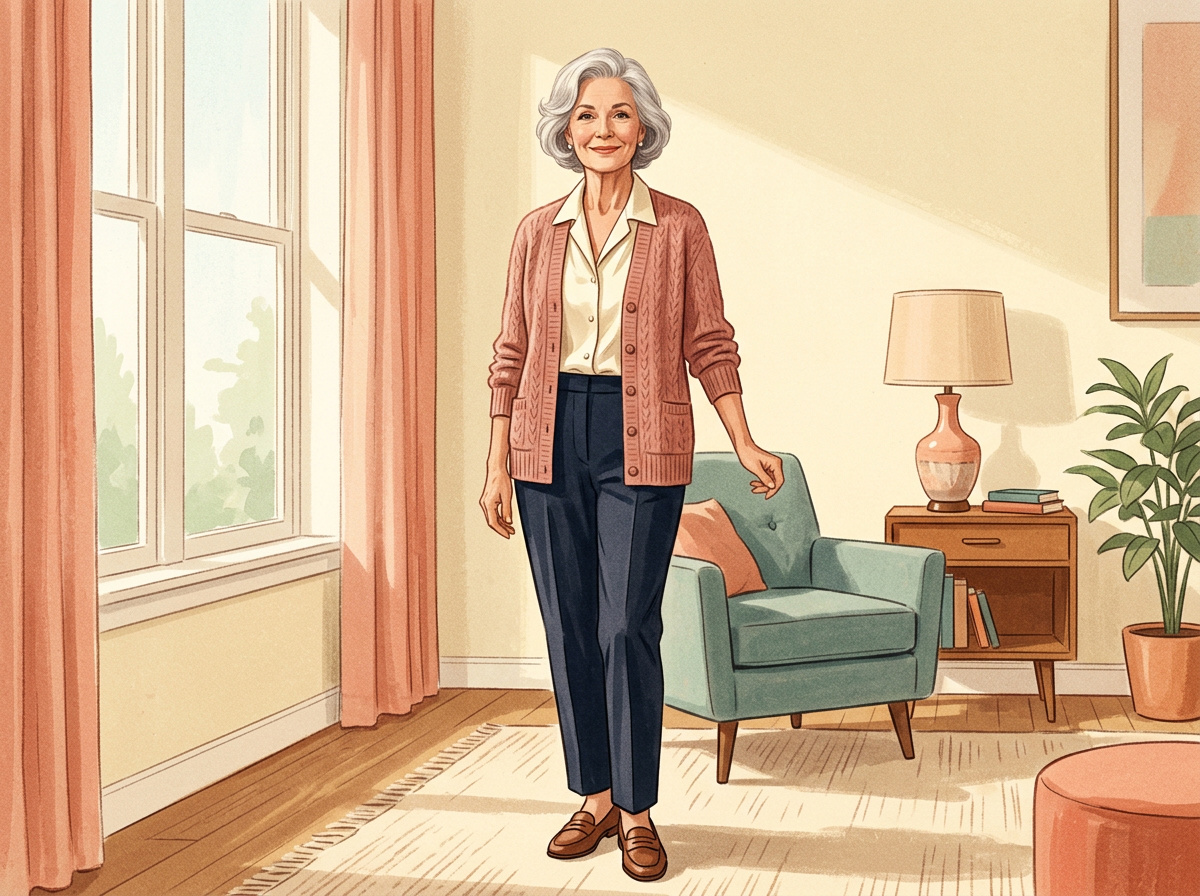
I spent a remarkable portion of my life being at war with my body in one way or another. Too much of this, not enough of that, always some version of not quite acceptable. I suspect I’m not alone in this.
What shifted wasn’t a single realization. It was more like a slow accumulation of evidence that the negotiation was exhausting and, more importantly, completely unnecessary. My body had carried me through an entire life. It deserved better from me.
I started talking about it differently, to myself especially. Less assessment, more appreciation. That sounds small. It wasn’t entirely small.
The peace I’ve made isn’t perfect and it isn’t permanent. Some days are easier than others. But the default has shifted. I look in the mirror now with something closer to warmth than judgment, and that change, arriving in my mid-60s, feels like one of the better things I’ve managed to give myself. Better late than not at all.
